When BMW Motorrad unveiled the S 1000 RR in 2009, it was a radical step for the brand. BMW had built sporty bikes before, but in the fiercely contested segment of uncompromising 1,000 cc supersports the manufacturer was largely entering new territory. Instead of going its own technical way with a boxer engine, shaft drive or unconventional front-wheel suspension, BMW followed the proven superbike recipe: inline four-cylinder, aluminium bridge frame, upside-down fork and chain drive.
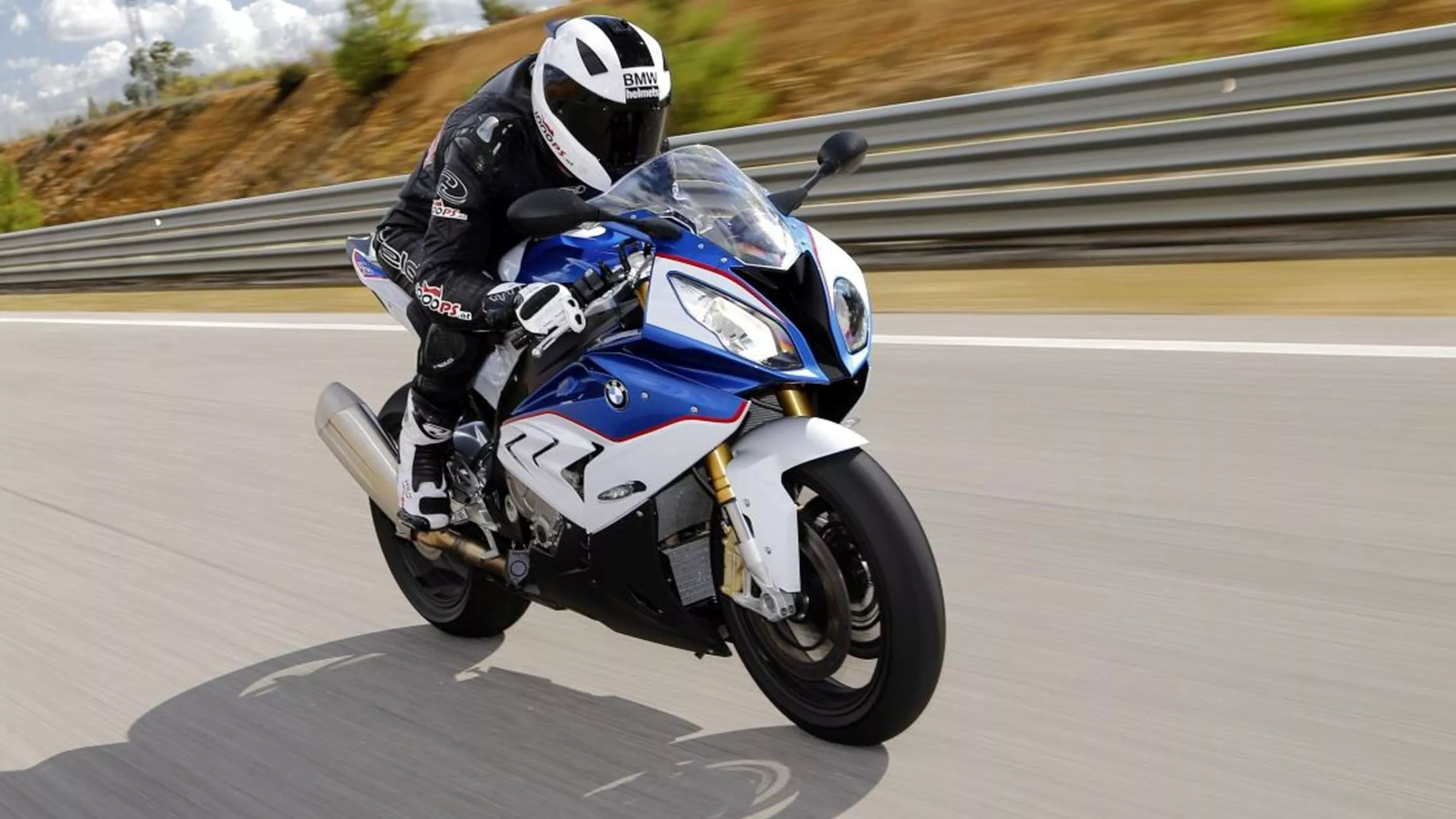
Buying a Used BMW S 1000 RR: Models, Faults, Tips
This Is the Best Used BMW S 1000 RR to Buy
Even used, the BMW S 1000 RR offers extreme performance and modern technology. But track use, hidden crash damage and skipped services can get expensive. This used buyer's guide shows which model years are recommended and what you need to look out for when buying.

Der Horvath
published on 13/09/2026
6,686 Views
BMW S 1000 RR History: From Surprise Attack to Superbike Institution
First Generation K46: The Bombshell of 2009
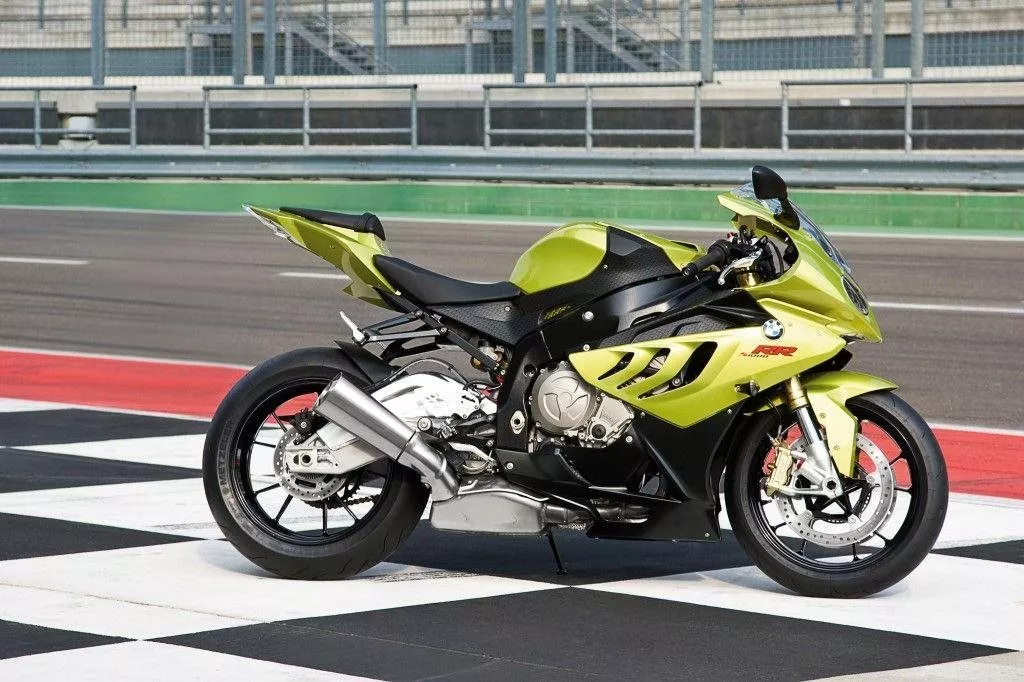
The first generation carries the internal model code K46. Its design, with asymmetric headlights, the distinctive gill-style fairing on the right and the larger openings on the left, quickly became its trademark. Technically, BMW relied on a newly developed 999 cc inline four with a very short-stroke layout. Its 193 hp arrived at high revs, yet by the superbike standards of the day the engine also offered a comparatively broad and usable power delivery.
The S 1000 RR thus hit the market at a decisive moment. At the time, the Japanese manufacturers were evolving their superbikes in rather small steps, while BMW attacked not only on peak power but also on electronic features. Four riding modes, linked to ABS and traction control depending on specification, made the enormous power easier to manage. On the used market, it is especially important to check the features on early bikes. Race ABS and DTC were not standard on every example.
2012 Update: More Fine-Tuning Than Revolution
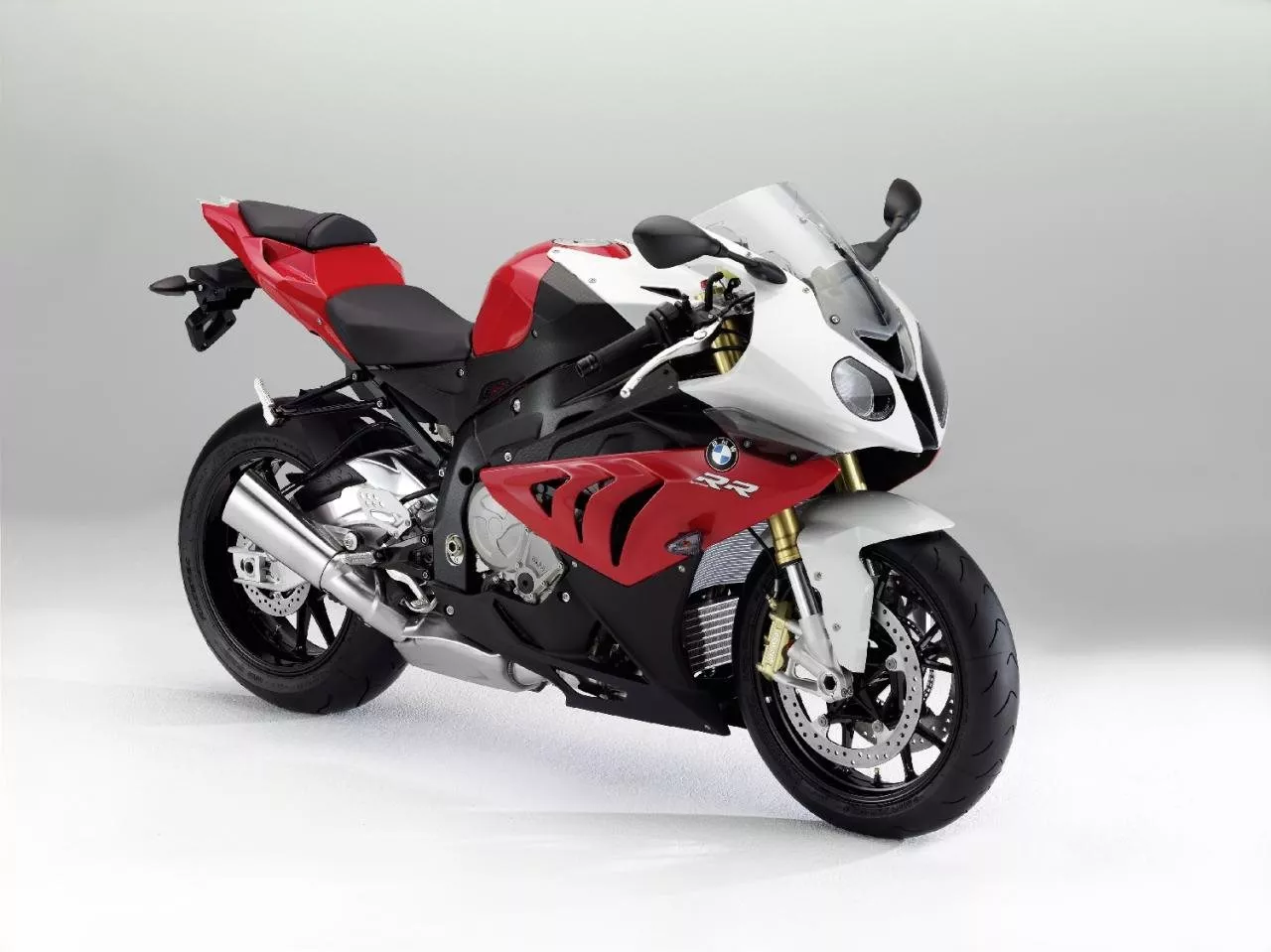
For the 2012 model year, BMW comprehensively revised the first generation without changing the rated output of 193 hp. The focus was on smoother power delivery, more direct throttle response and more precise riding performance. The chassis geometry was changed, including adjustments to the steering head angle, fork offset, swingarm pivot point and shock length. The fork and shock also received a new setup.
The throttle now required a smaller rotation angle and less effort. At the same time, BMW adapted the maps of the riding modes as well as the calibration of Race ABS and DTC. Visually, the update can be recognised by the slimmer tail, modified fairing parts and small winglets in the upper area of the side fairing. The 2012 revision is therefore not considered a new generation, but it represents a clear development step within the K46 series.
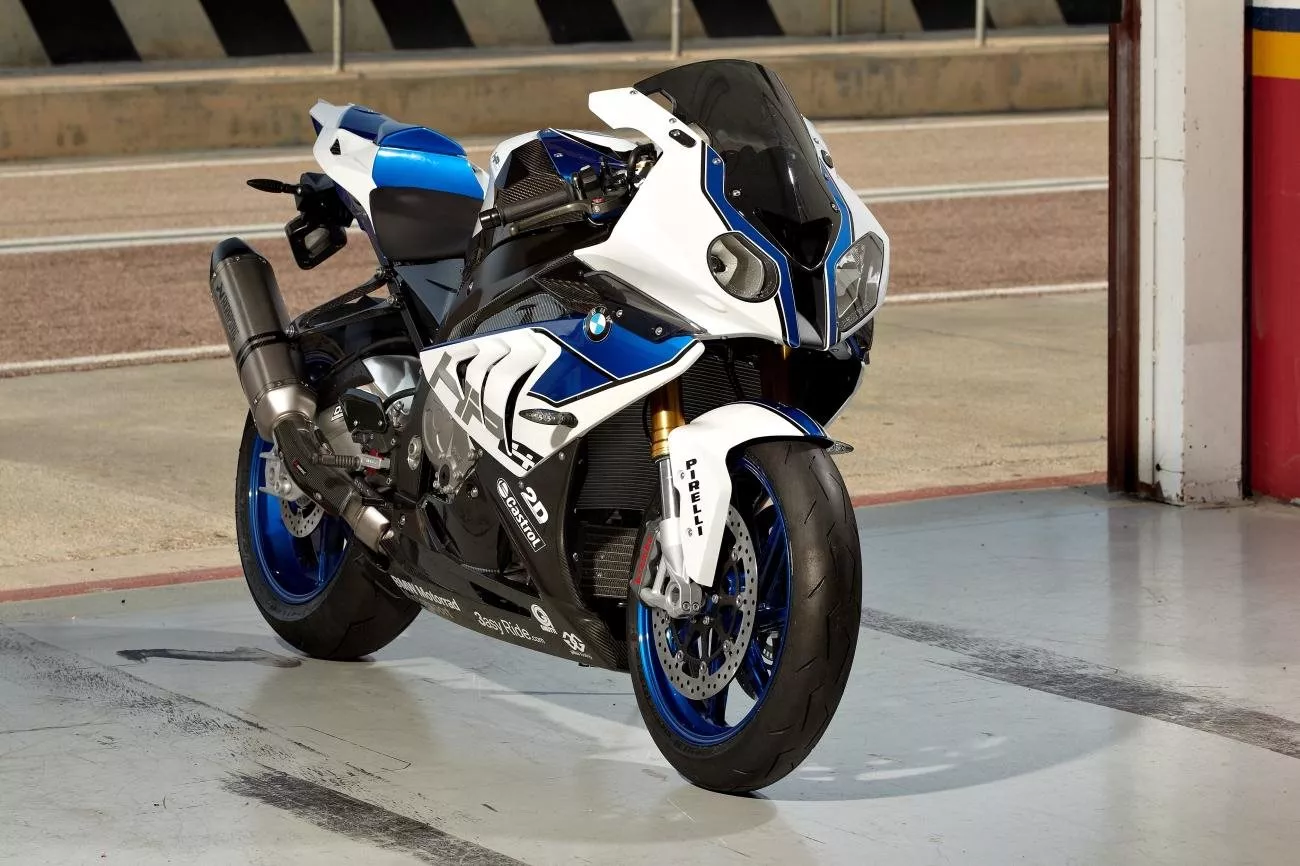
BMW HP4
From 2012, the BMW HP4 also played a special role. It was based on the S 1000 RR but received higher-quality components, less weight and the electronically controlled Dynamic Damping Control suspension. The HP4 was not a regular S 1000 RR, but it anticipated several technical solutions that later found their way into the production RR.
Second Development Stage from 2015: More Power and Modern Electronics
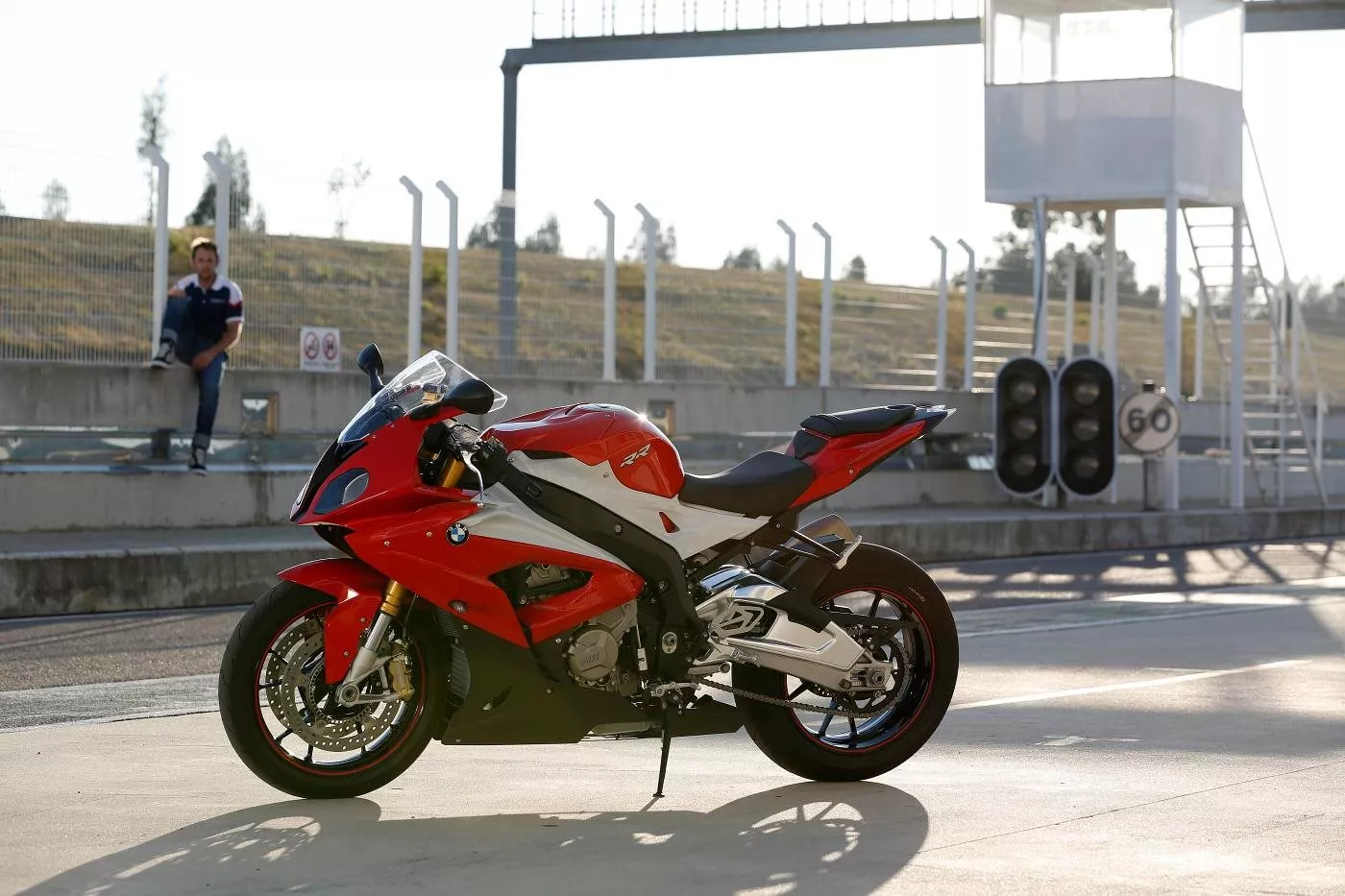
At Intermot 2014, BMW presented the fundamentally revised S 1000 RR for the 2015 model year. Although it still carried the K46 code and kept the asymmetric headlights, the engine, frame, suspension, fairing and electronics had been significantly developed. Output rose from 193 to 199 hp, while wet weight dropped by around four kilograms. A revised cylinder head, a new intake camshaft, lighter intake valves and changes to the airbox and exhaust improved not only peak power but also the torque curve. Maximum torque was now 113 Nm.
The chassis was also retuned. A lighter frame and altered geometry were intended to improve handling, traction and feedback. Particularly important was the adoption of the electronic Dynamic Damping Control from the HP4. The semi-active suspension was still an extra-cost option, but it made the RR more versatile both on the road and on the race track.
For the 2017 model year, the S 1000 RR was adapted to the Euro 4 emissions standard, with further detail and electronics fine-tuning at the same time. For buyers of used K46 models, the 2015 generation is often an attractive middle ground: it already offers modern rider aids and 199 hp, but is usually priced well below its successor built from 2019. Once again, pay close attention to optional extras, because DDC, Riding Modes Pro and the Shift Assistant were not fitted to every bike.
The All-New K67 from 2019
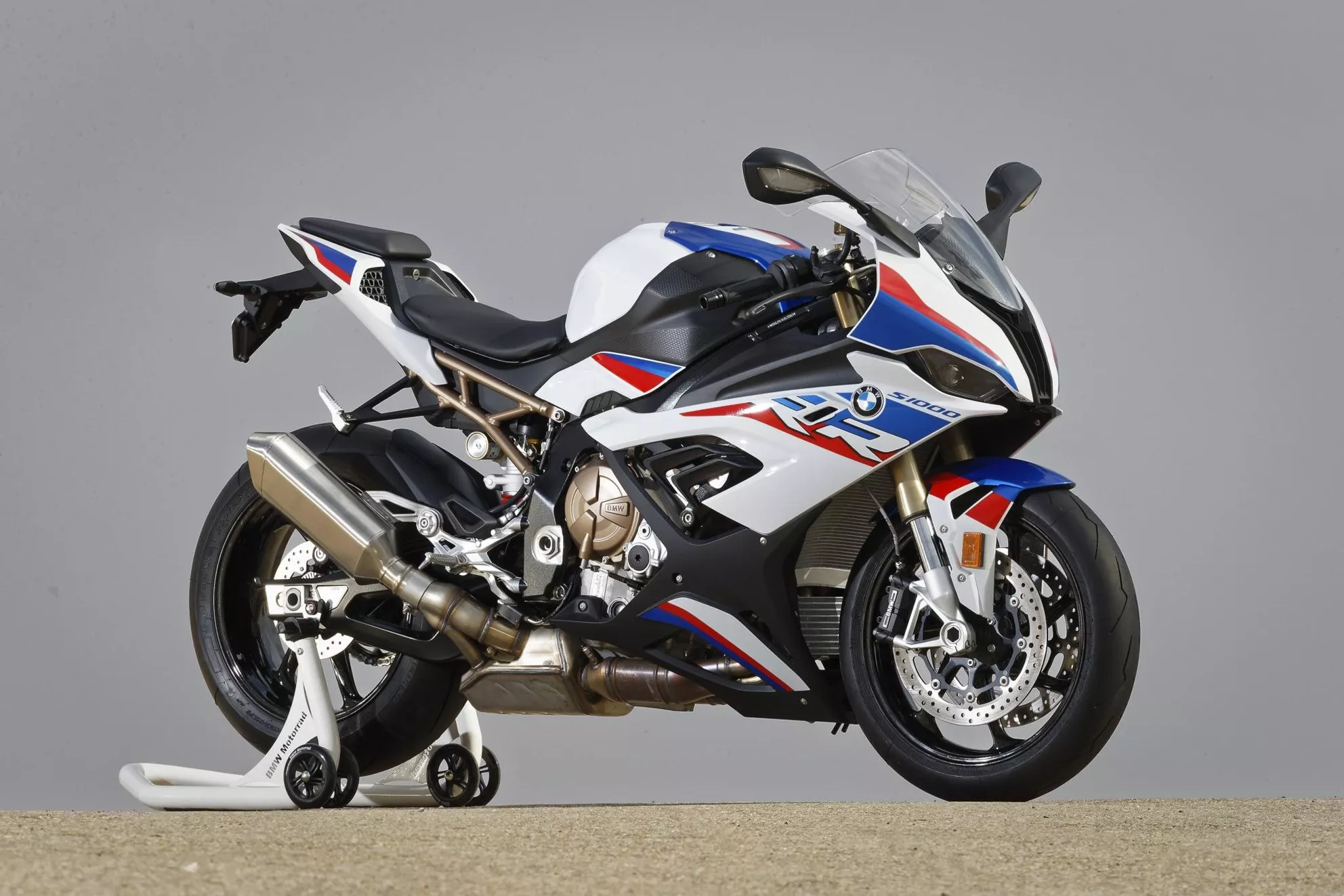
For the 2019 model year, BMW redeveloped the S 1000 RR practically from scratch. The generation, internally called K67, shared only the basic concept with its predecessor. The bike became more compact, lighter and considerably more sophisticated electronically. At the same time, the characteristic asymmetric headlights disappeared in favour of a symmetrical LED front end.
At its heart was a newly designed inline four with BMW ShiftCam. On the intake side, the system varies both valve timing and valve lift. This was meant to make the engine stronger and more controllable in the low and mid-range without sacrificing power at high revs. Peak output rose to 207 hp, while maximum torque remained at 113 Nm. The engine became around four kilograms lighter, and the whole bike lost significant weight compared with its predecessor. The newly developed aluminium frame used the engine more as a stressed member. BMW called this design the "Flex Frame". The goal was to combine high precision on the race track with less extreme strain on the rider.
The K67 also made a big leap in electronics. A six-axis sensor box supplied the data for traction control, Wheelie Control, ABS Pro and other control systems. A large TFT display replaced the previous combination of analogue rev counter and LCD. Shift Assistant Pro was now standard, as were ABS Pro and Dynamic Traction Control. With the K67, BMW also introduced for the first time the M Package known from its cars, along with various M Performance Parts for the S 1000 RR.
2023 Update: Winglets and More Racing Tech
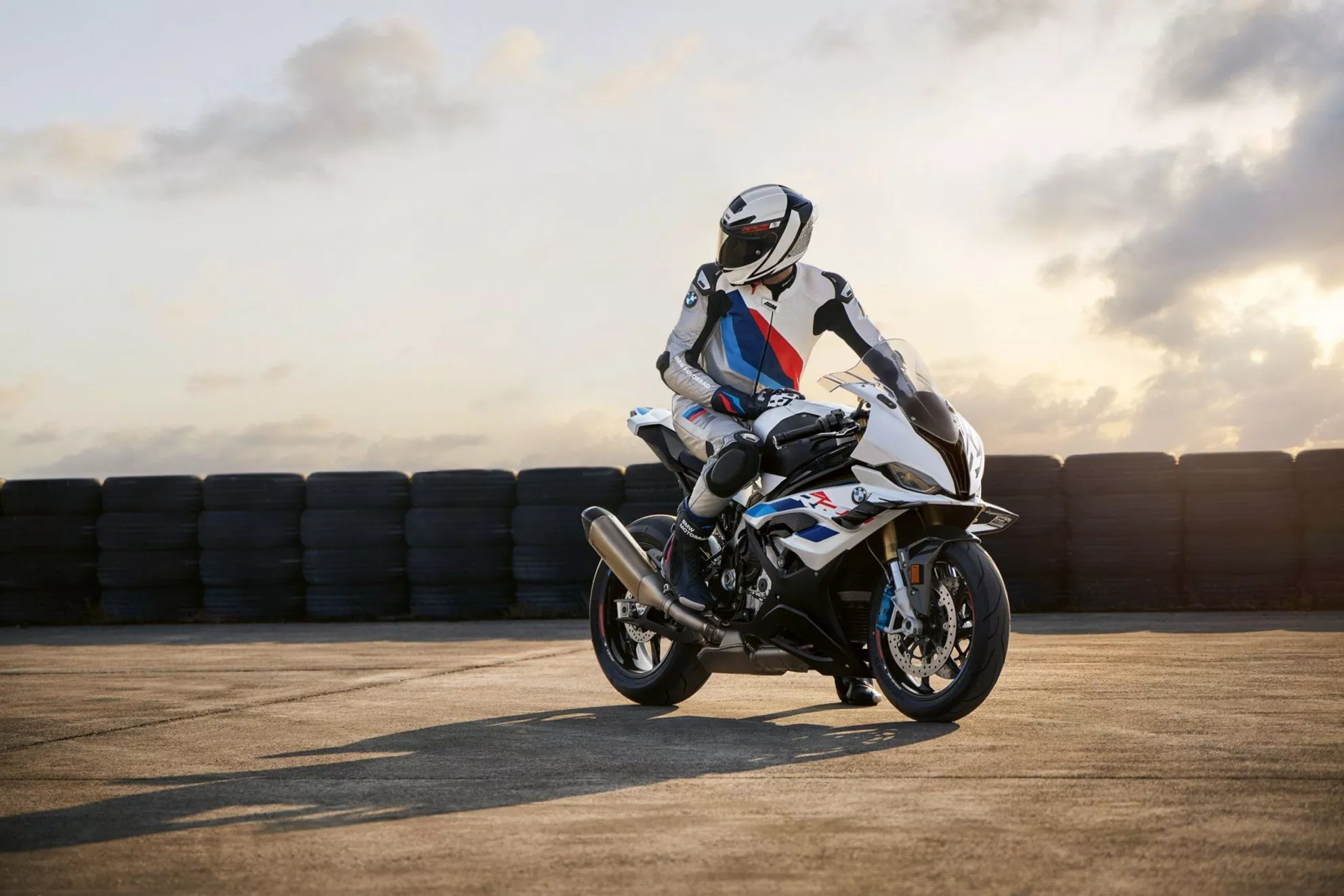
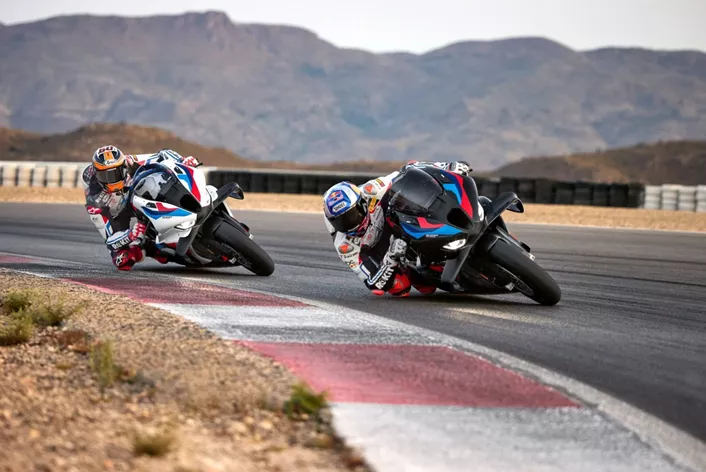
For the 2023 model year, the K67 received an extensive revision. Externally, this version is easy to spot thanks to the standard winglets on the front. There was also a redesigned tail and changes to the fairing. Engine output rose slightly from 207 to 210 hp. More significant than the extra peak power, however, were the changes to the chassis, aerodynamics and rider aids. The aluminium frame received additional cut-outs to specifically alter lateral flex. At the same time, the steering head angle and triple-clamp offset were adjusted, which was intended to give the RR more precision and clearer feedback from the front wheel.
Also new were DTC Slide Control and Brake Slide Assist. With the help of an additional steering angle sensor, these systems can allow defined drift angles under acceleration and when braking into corners respectively. These functions are primarily aimed at experienced track riders and show how far the S 1000 RR had by then evolved towards an electronically controlled trackday bike.
Revision for the 2025 Model Year
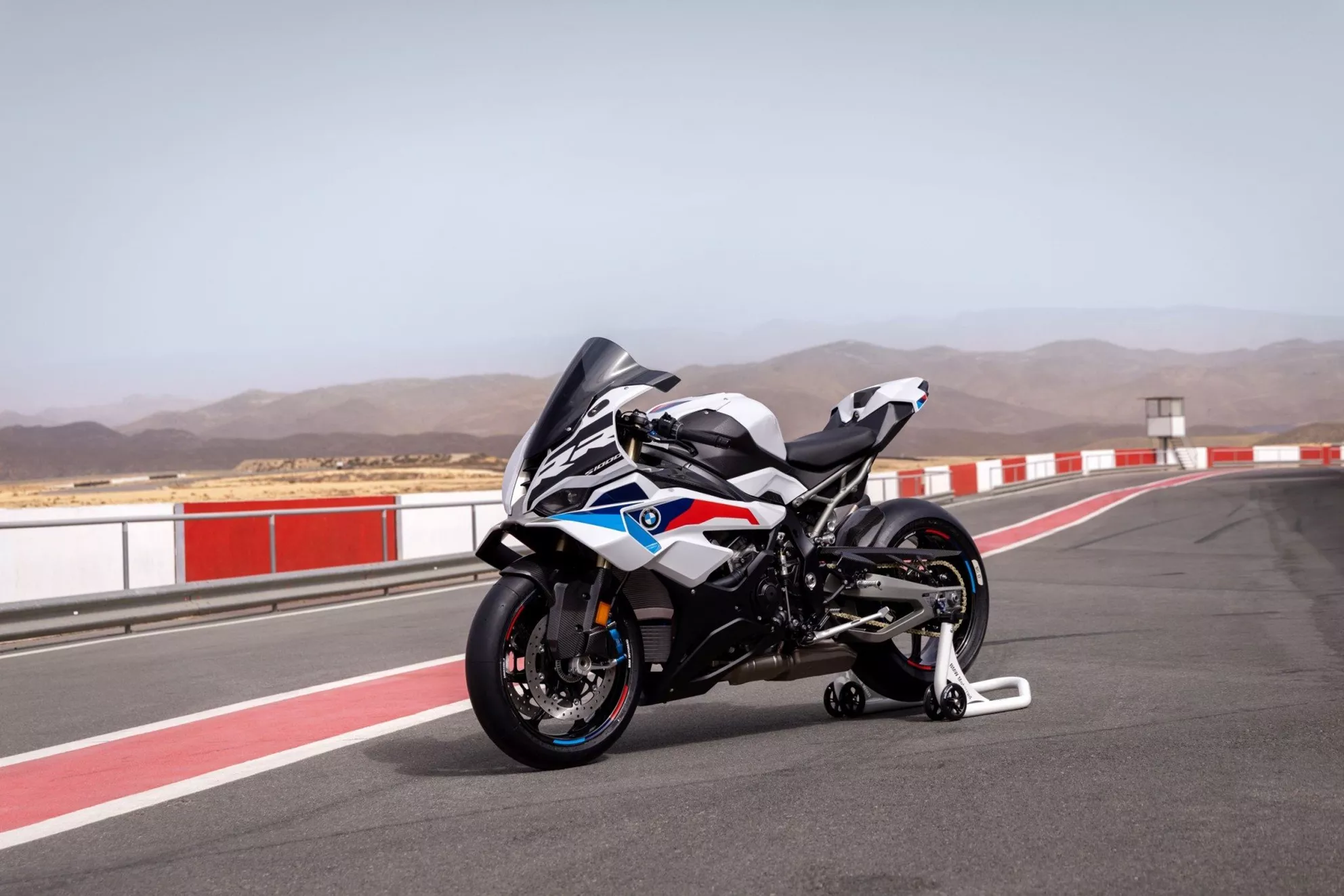
For the 2025 season, BMW sharpened the S 1000 RR once again. The engine was homologated to Euro 5+ without changing the basic performance concept. An M short-stroke throttle with reduced rotation angle was intended to allow more direct throttle actuation. There were also larger or further developed winglets, a new front mudguard with integrated brake cooling ducts and redesigned fairing side panels. At the same time, standard equipment was expanded.
Riding Modes Pro, previously partly an extra-cost option, have been standard ever since. This includes the Race Pro modes, different settings for throttle response and engine torque, adjustable engine braking, Hill Start Control Pro and additional ABS configurations. Dynamic Brake Control (DBC) was also added to the standard specification.
Buying a Used BMW S 1000 RR
The choice of used BMW S 1000 RRs is limited, as the uncompromising superbike was never a classic mass-market product. Well-kept bikes with a traceable history, complete services and few previous owners are accordingly in demand and usually not cheap. Be careful with suspiciously cheap offers: new fairings or fresh paint can hide previous track and crash damage. An honest, documented example is therefore often worth the higher purchase price.
You can find all listings here: Buy a new or used BMW S 1000 RR.
To treat your used bike well, we recommend regular oil changes. 1000PS relies on lubricants from Motorex, and here you can find the right oil for your bike.
Expert Assessment from Gady BMW Motorrad: How Reliable Is the BMW S 1000 RR?
The BMW S 1000 RR is a highly strung superbike, but with proper maintenance it is generally considered durable. According to the experts at Gady BMW Motorrad in Baden, serious engine failures are not a typical problem on normally used and regularly serviced bikes. Things get critical mainly when an RR has been ridden predominantly on the race track, constantly pushed hard and neglected in terms of maintenance at the same time.
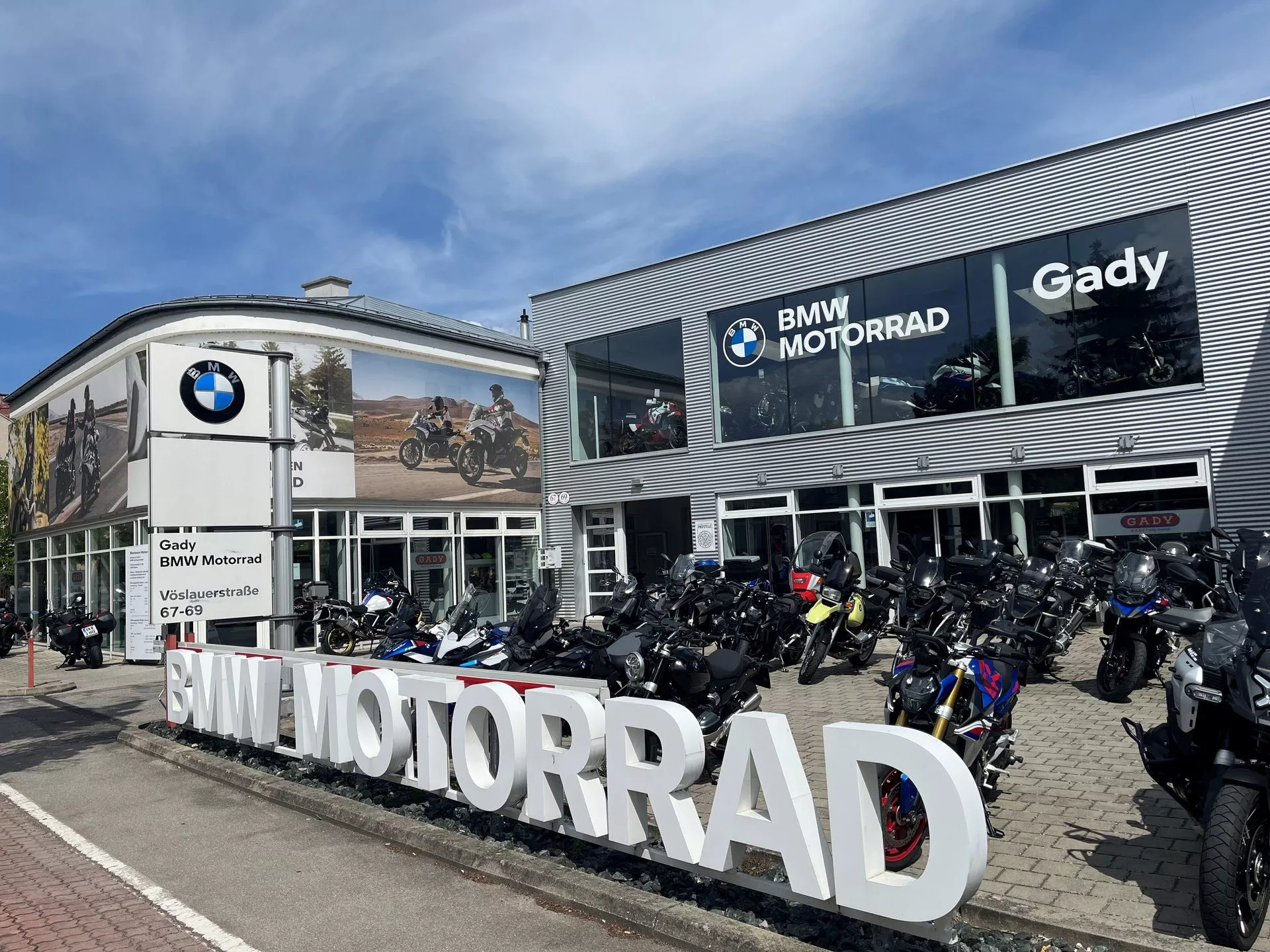
Gady BMW Motorrad in Baden near Vienna.
"If you stick to the services, the engines are actually good", is the verdict from the workshop. They also know of bikes with 60,000 to 70,000 kilometres on the clock that still run without any problems. For a high-revving four-cylinder with superbike power, that is remarkable durability.
The Early Models: Brutal, Strong and Very Direct
From the Gady experts' point of view, the first model years are particularly impressive. In the interview, the bikes built up to around the end of 2012 are described as extremely aggressive and full of character. Even the official output figures were enormous for the time. According to the interviewees' experience, some early bikes are even said to have produced significantly more than expected on the dyno. The first generation was also partly delivered without ABS and without traction control. For prospective buyers this means: two bikes that look similar can differ considerably in their safety equipment. When buying an early S 1000 RR, you should therefore pay attention not only to the model year but also to the optional equipment actually fitted.
Anyone looking for the most direct, raw and uncompromising riding experience will, in the experts' view, find it mainly in the early models. For pure race track use, they would especially consider model years from around 2010 to 2013. For the road, on the other hand, they find the further developed models from roughly 2015 to 2017 more balanced.
Cam Chain Tensioner: Listen Carefully on a Cold Start
The experts name the hydraulic cam chain tensioner as a recurring issue on the older engines. On start-up, oil pressure first has to build up. During this phase, the engine can be clearly mechanically audible. It becomes problematic mainly when the rider revs the cold engine right after starting. The clear recommendation from the workshop is therefore to start the S 1000 RR without touching the throttle and then give it time to build oil pressure.
The cam chain tensioner is considered worth checking mainly on engines up to the fundamental revision around the 2019 model year. A brief mechanical noise immediately after starting does not automatically mean a defect. However, if the rattling persists or is clearly audible with a warm engine, the cause should be checked by a specialist workshop.
Engine Noises Don't Automatically Mean Damage
The S 1000 RR has a very compact, lightweight high-performance engine. Accordingly, the engine cases and various components are comparatively thin-walled. As a result, mechanical noises carry outward more than on some heavier or less extreme four-cylinders. An S 1000 RR can therefore sound rougher and more mechanical than a Japanese everyday bike without there automatically being a defect. What matters is whether the noise has changed, whether unusual knocking or persistent rattling occurs, and whether there are further symptoms such as loss of power, warning messages or metal particles in the oil.
Beware of Ex-Track Bikes
The Gady experts see the biggest risk when buying used not in the design of the S 1000 RR itself, but in its history. Many bikes have been used on race tracks, modified or repaired after crashes. Among the bikes on offer there are therefore numerous so-called "corpses with make-up". In the interview, the experts even report vehicles said to have been pieced together from several damaged bikes. A new fairing or a professional paint job can effectively hide a previous cartwheel. The overall visual impression alone is therefore not enough with an S 1000 RR.
The steering stops on the frame are particularly important. Damage, dents, deformation or subsequent rework can indicate a heavy crash. The steering head and frame should also be closely inspected for anything unusual. Another important checkpoint is the swingarm in the area of the exhaust. In a harder crash, the exhaust can be pushed against the swingarm and leave a clear notch or dent there. Such marks are not just cosmetic but can indicate considerable force.
The engine mounts also deserve attention. If clear tool marks are visible on the bolts or mountings, the engine may already have been removed. That need not be a deal-breaker, but it should be explainable through invoices or a traceable repair history.
Do VIN, Colour and Features Match?
The VIN should be checked before buying. A BMW dealer can trace the colour and configuration in which the bike was originally delivered and which work has been documented in the BMW system. If, for example, the current paint differs from the stored original colour, that need not necessarily be a problem. But it does raise the question of why the bike was repainted or fitted with a different fairing. On an S 1000 RR, such a discrepancy can point to an individual custom build, but just as well to a previous accident.
A fully stamped service book is a strong argument for a used S 1000 RR. According to the experts' experience, the prescribed services are usually carried out during the warranty period. After that, however, documentation drops off significantly on many bikes.
Good Parts Supply, But No Cheap Parts
The experts rate parts availability as good, even for the early model years. Numerous engine components and model-specific parts are said to still be available even for the first generations. Repairing a superbike is rarely cheap, though. The interviewees place BMW parts prices roughly on a par with comparable premium or Japanese genuine parts. In the event of crash damage, fairing parts, headlights, engine covers, suspension components and wheels in particular can quickly lead to hefty bills.
Easier to Service Than First Impressions Suggest
Although the fully faired S 1000 RR looks tightly packaged at first glance, the experts rate its ease of maintenance as good for a modern four-cylinder. The fairing is held on by comparatively few screws, and with the right experience the tank can also be removed quickly. For the valve clearance check, the tank, airbox and throttle body unit, among other things, must be removed. The radiator, however, can be shifted to the side, making access to the cylinder head easier. For a specialist workshop, the design is logical and practical.
That does not mean, however, that major services are a job for inexperienced home mechanics. The compact design, complex electronics and high demands on valve timing and valve clearance make proper tools and model-specific knowledge essential.
1000PS Tyre Recommendation:
For the BMW S 1000 RR, we recommend the Metzeler RACETEC RR as a particularly sporty tyre. It offers plenty of grip, precise turn-in and high stability under hard acceleration and heavy braking. This makes it an especially good match for riders who want to exploit the RR's potential on twisty roads or during occasional race track outings. As with any sport-oriented tyre, mileage is lower than with a touring-oriented model.
YUASA Motorcycle Batteries - the 1000PS Recommendation for Your Used Bike
Especially with used bikes, a high-quality battery pays off: YUASA's AGM and gel batteries are maintenance-free, spill-proof powerhouses "Made in Japan" that impress with high cranking power, vibration resistance and long service life. Less maintenance, more performance - ideal for anyone who wants their bike to fire up reliably. Here you can find the right YUASA battery for your bike.
Alternatives to the BMW S 1000 RR
Ducati Panigale V4
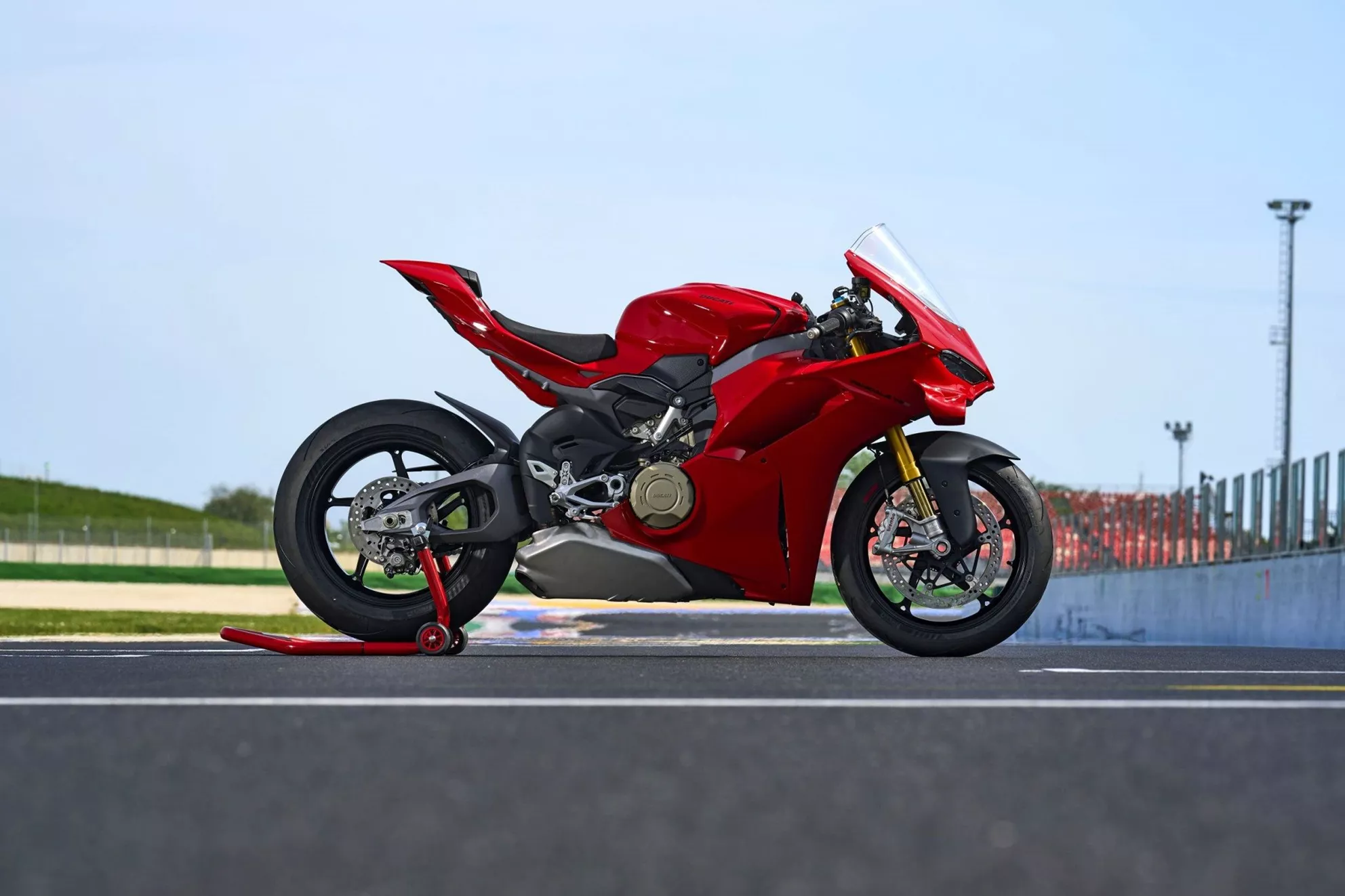
The Ducati Panigale V4 is the most emotional alternative to the BMW S 1000 RR. Its 1,103 cc V4 engine delivers 216 hp and, with its punchy character and distinctive sound, differs clearly from the BMW's inline four. The Panigale combines very extensive electronics with an uncompromising race track focus and exceptional design. Used buyers must, however, expect higher purchase and maintenance costs. The S versions with electronic Öhlins suspension and forged wheels in particular are usually priced well above comparable S 1000 RR offers.
Honda CBR1000RR-R Fireblade
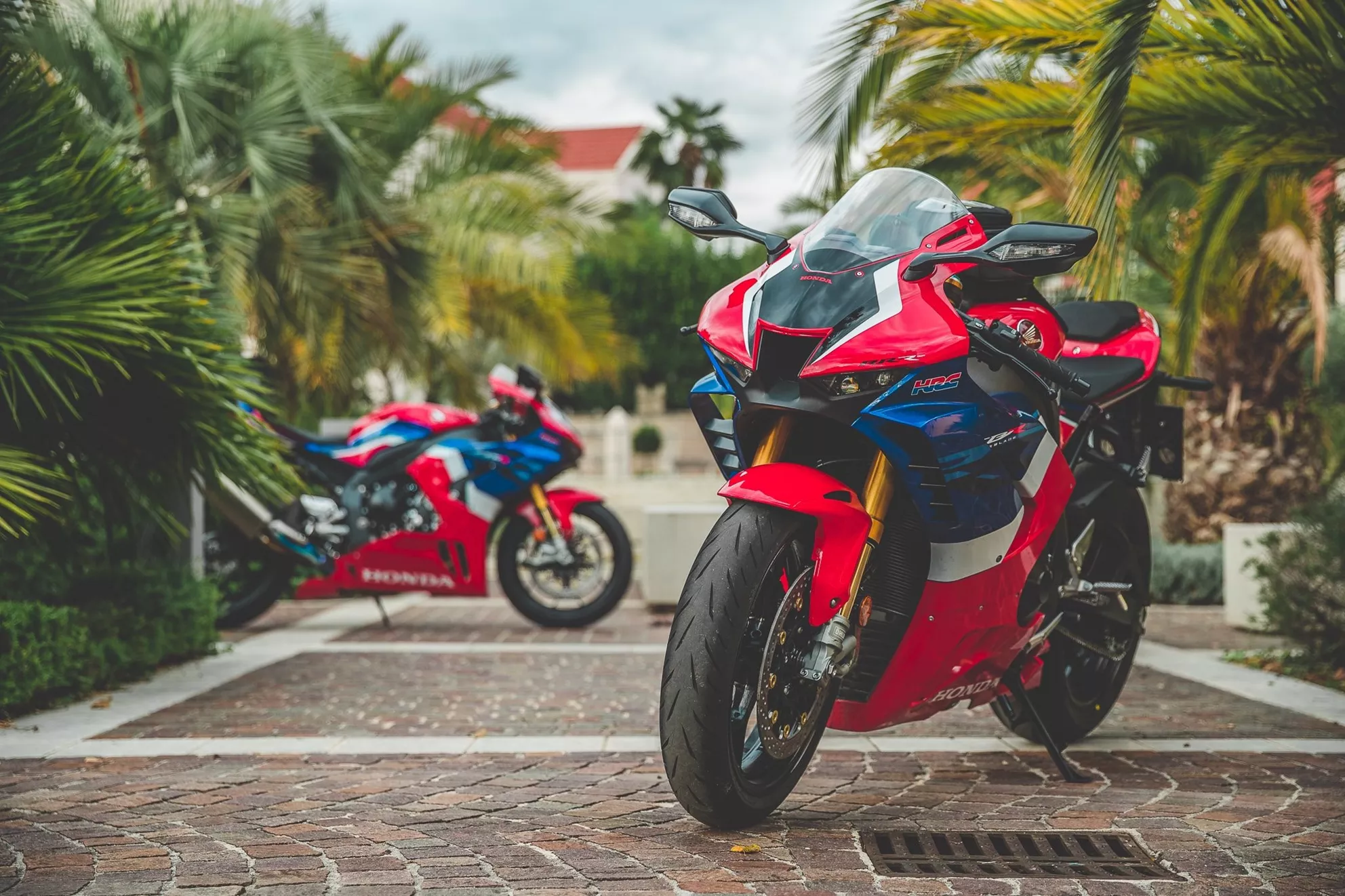
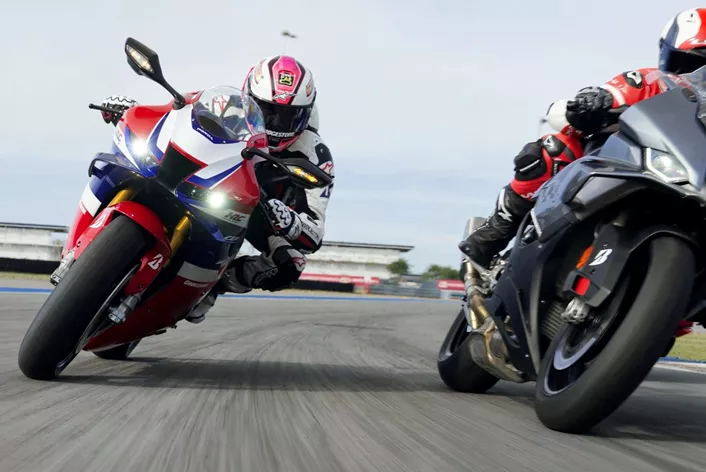
Like the BMW, the Honda CBR1000RR-R Fireblade is strongly aimed at ambitious track riders. Its high-revving inline four produces 217 hp at 14,000 rpm and shows its strongest side mainly at high revs. The Fireblade offers a precise chassis, modern rider aids and pronounced racing ergonomics. In everyday use, however, it feels less accessible than some generations of the S 1000 RR, as the seating position and engine character are geared especially uncompromisingly towards sporty riding. On the other hand, Honda traditionally enjoys a good reputation for build quality and mechanical durability.
Kawasaki Ninja ZX-10R
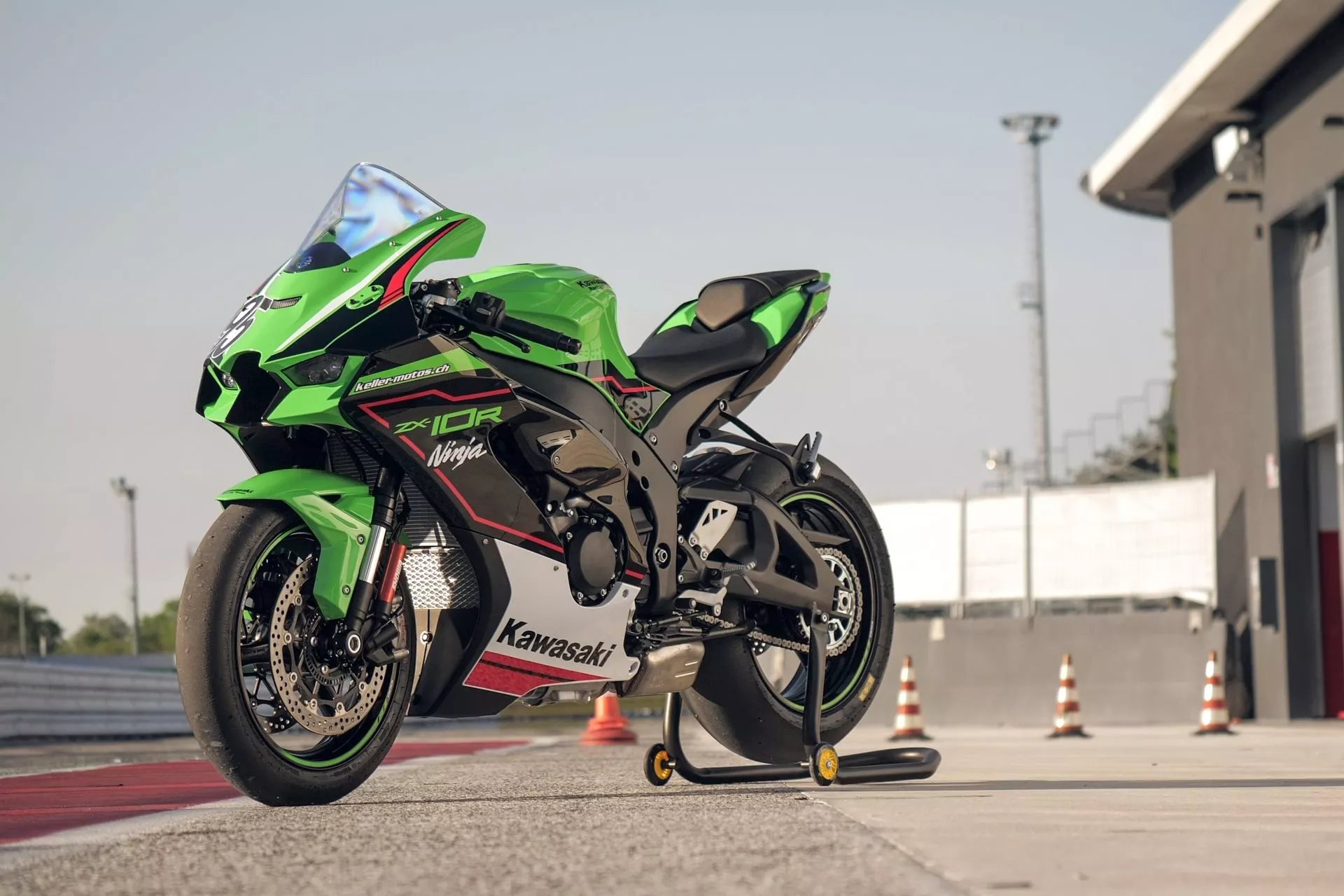
The Kawasaki Ninja ZX-10R is a particularly interesting alternative for buyers looking for a classic inline-four superbike with a strong racing pedigree. The ZX-10R is closely linked to Kawasaki's long-standing involvement in the Superbike World Championship and offers extensive electronics, precise suspension and a very powerful engine. It often comes across as somewhat more conventional and less luxuriously equipped than the BMW, but can offer better value for money on the used market. The model revised for 2026 received, among other things, a new aerodynamics package with integrated winglets and around 25 percent more downforce.
Conclusion: BMW S 1000 RR Used Buyer's Guide
Even used, the BMW S 1000 RR is a fascinating superbike, but it demands more attention when buying than an ordinary road bike. The technology is generally considered durable if service intervals are adhered to, so even high mileage need not be a deal-breaker. What matters is less the odometer reading than a traceable maintenance and usage history.
The biggest risks are hard-ridden track bikes, poorly repaired crash damage and bikes whose past has been covered up with new fairings or fresh paint. Steering stops, frame, swingarm, engine mounts and accessories should therefore be checked particularly carefully. A complete service book, invoices and a VIN check provide additional peace of mind.
Which generation suits you best depends heavily on intended use. Early models offer the rawest and most direct character, while later model years score with more refined electronics and better everyday usability. Anyone who finds an honest, well-kept and professionally maintained example gets an extremely capable bike in the S 1000 RR that has lost none of its fascination even years after its launch. A pre-purchase inspection at a BMW specialist is money well spent.
More Used Bike Checks










- How much does a BMW S 1000 RR cost?
- Here you will find an overview of the price level of new and used motorbikes!
More from 1000PS Magazine
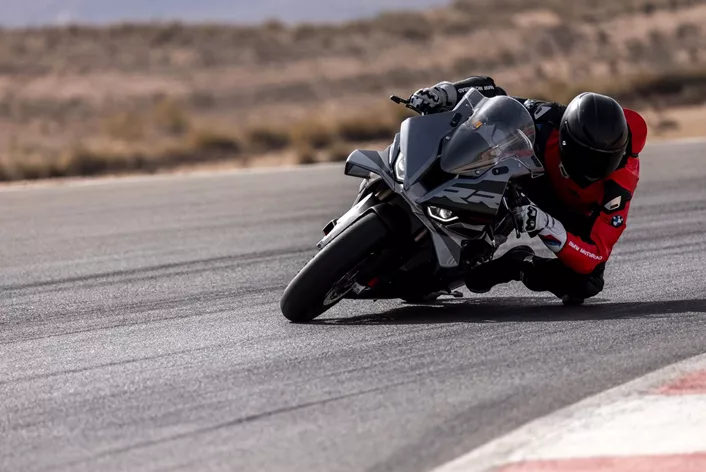
Buying a Used BMW S 1000 RR: Models, Faults, Tips Images
Source: 1000PS


