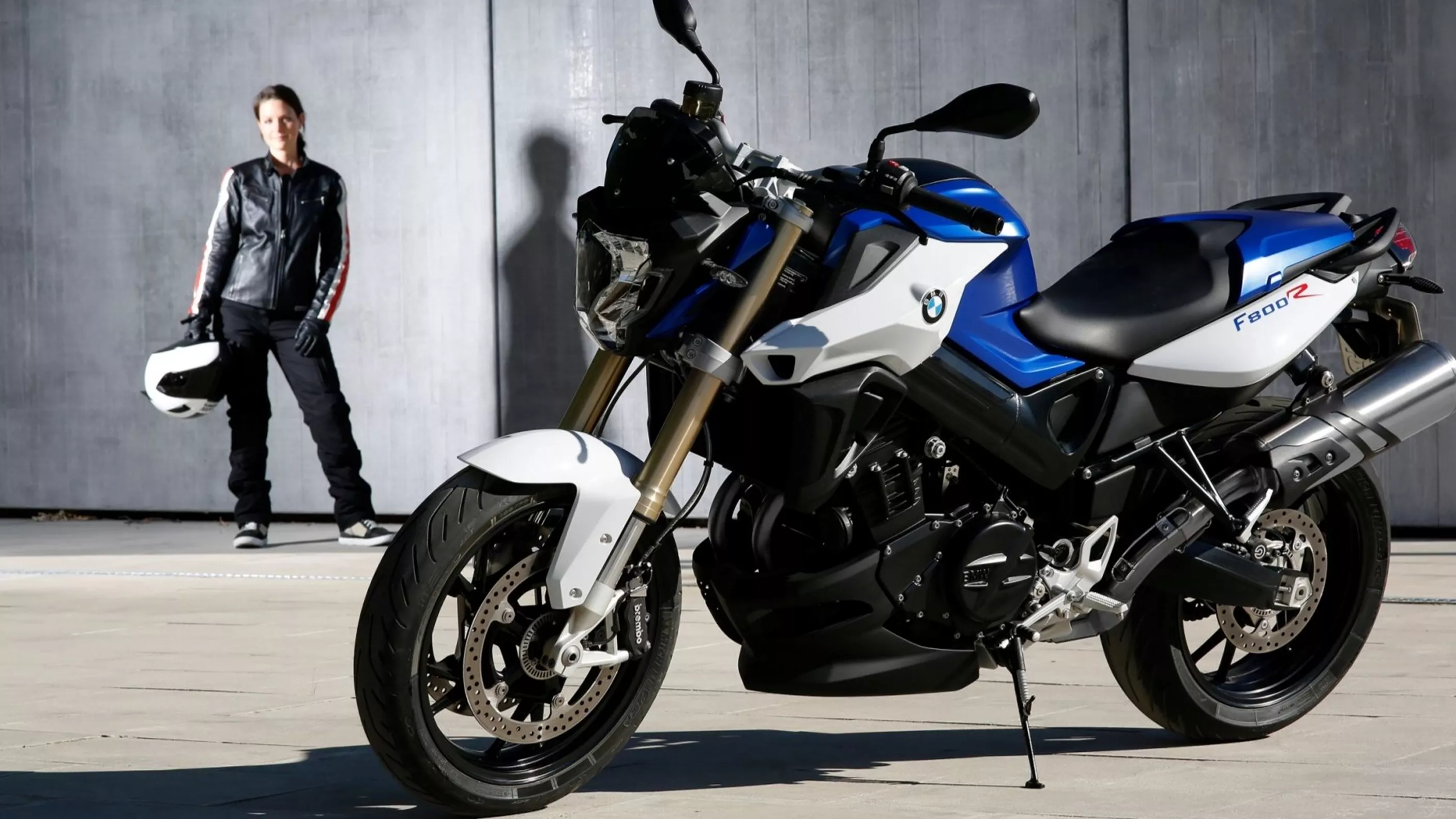
Buying a used BMW F 800 R: weak spots and tips
What to look out for when buying a used BMW F 800 R
The BMW F 800 R is regarded as an economical, reliable and versatile naked bike. But which model years are recommended, where are the typical weak spots and what does the A2 restriction cost? Our used buying guide shows what buyers should look out for before signing on the dotted line.

Der Horvath
published on 02/08/2026
9,150 Views
The history of the BMW F 800 R
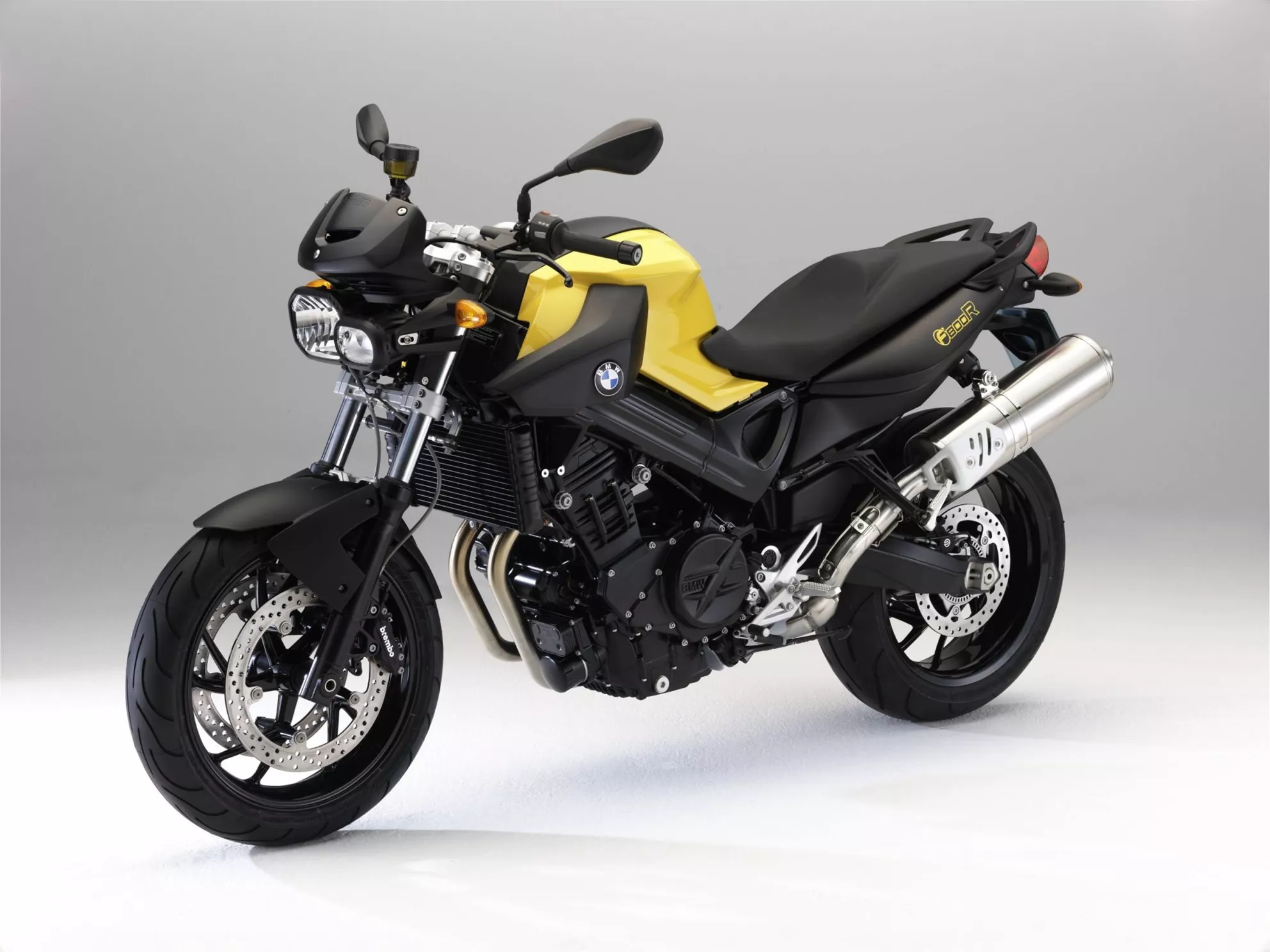
The BMW F 800 R hit the market in 2009, adding an unfaired road model to the existing F 800 range. Technically, it was based in key areas on the F 800 S and F 800 ST, but as a roadster it used a chain drive instead of the toothed belt fitted to its faired siblings. The F 800 R remained in production until 2019.
At its heart was a liquid-cooled 798 cc parallel twin. In its original form, the twin produced 87 hp at 8,000 rpm and a peak torque of 86 Nm. The engine combined usable pulling power with moderate fuel consumption and manageable running costs. Visually, the first F 800 R stood out above all for its asymmetric twin headlight. This design element, typical of BMW at the time, gave the bike a distinctive face, but it also divided opinion. Add to that an aluminium bridge frame, a conventional telescopic fork and a double-sided swingarm.
2012: First facelift
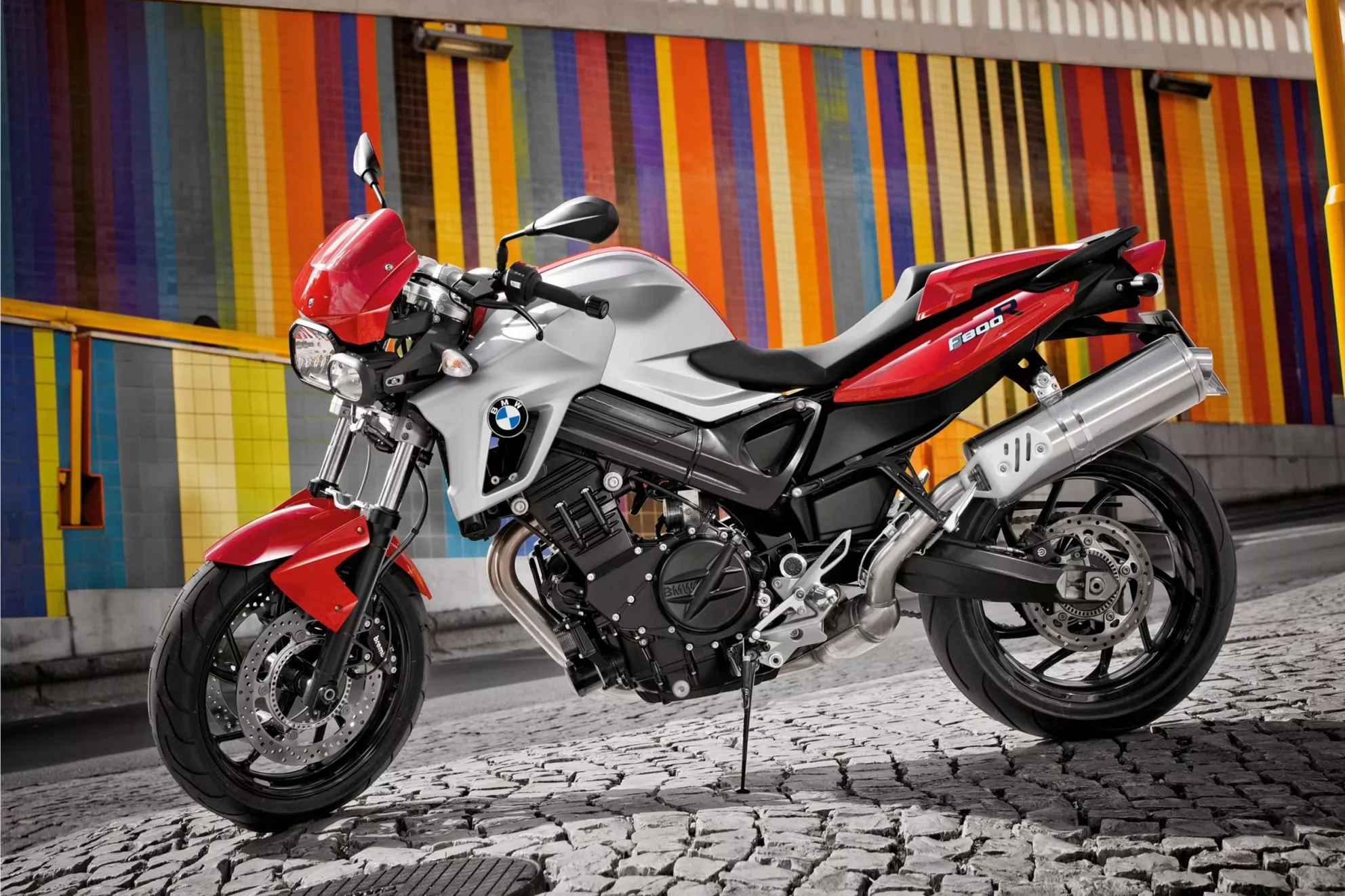
For the 2012 model year, BMW revised the F 800 R for the first time. The changes mainly concerned the design of the side panels, colours and graphics. The asymmetric headlight was retained, as was the basic technical concept. So this was more of a cosmetic refresh than an in-depth technical update.
2015: The most extensive overhaul
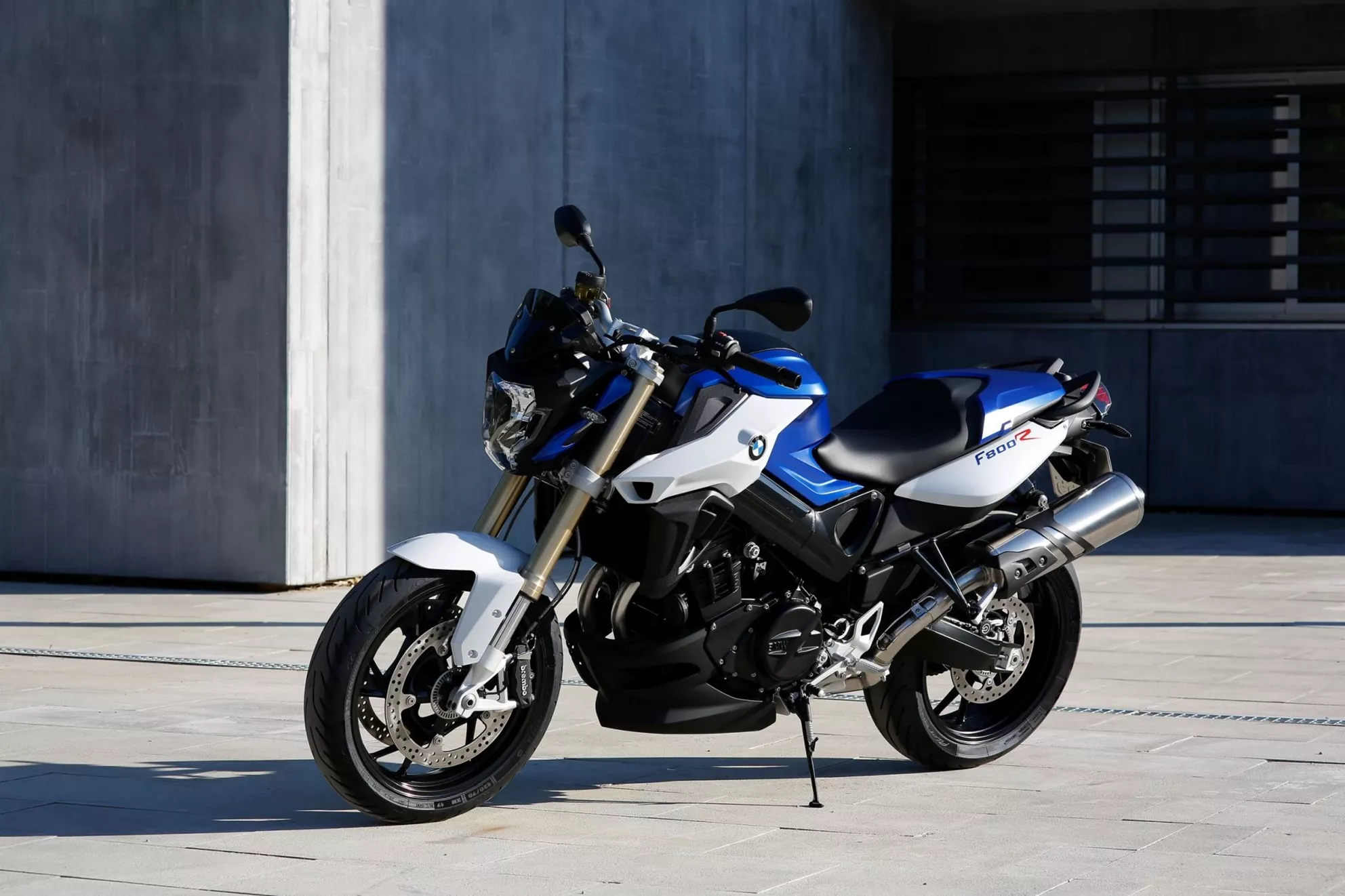
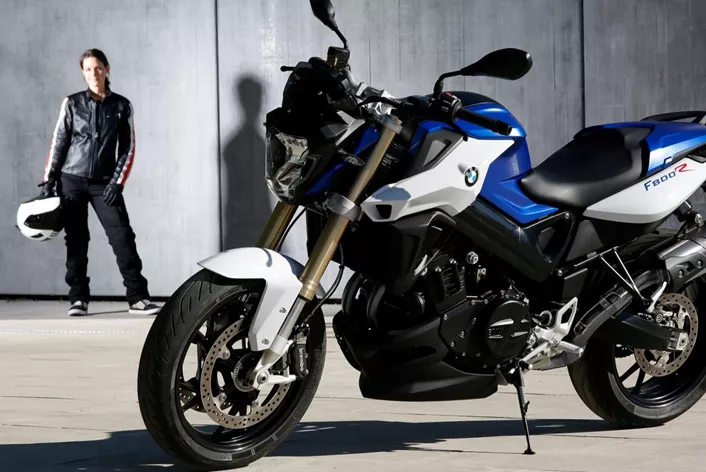
The F 800 R received its biggest update for the 2015 model year. The most striking feature was the new, now symmetrical headlight. This did away with the previously characteristic but controversial asymmetric face. The engine was also revised. Output rose from 87 to 90 hp, while peak torque remained at 86 Nm. BMW also gave first and second gear shorter ratios, which was intended to make the bike feel livelier when pulling away and accelerating out of corners.
The changes to the chassis were even more significant. Instead of the conventional telescopic fork, the F 800 R got an upside-down fork. Added to this were radially mounted front brake calipers, lighter wheels and revised chassis geometry. These measures improved precision, stability and front-end feedback. The standard seat height dropped to around 790 mm, the handlebar was changed and the footpeg position adjusted. Depending on the spec, ASC stability control and ESA electronic suspension adjustment were available.
For used buyers, the 2015 model year therefore marks an important dividing line. The newer bikes not only look more modern, they also offer the significantly further developed chassis and the stronger braking system.
2017: Euro 4 and electronic throttle

For the 2017 model year, BMW brought the F 800 R into line with the Euro 4 emissions standard. Output remained at 90 hp, but the parallel twin received revised engine management and an electronic throttle. The ride-by-wire system made it possible to offer different riding modes. "Rain" and "Road" came as standard. In combination with the corresponding optional equipment, the "Dynamic" mode was added. Among other things, the modes affected throttle response and the intervention of the rider aids.
From 2020: The BMW F 900 R takes over
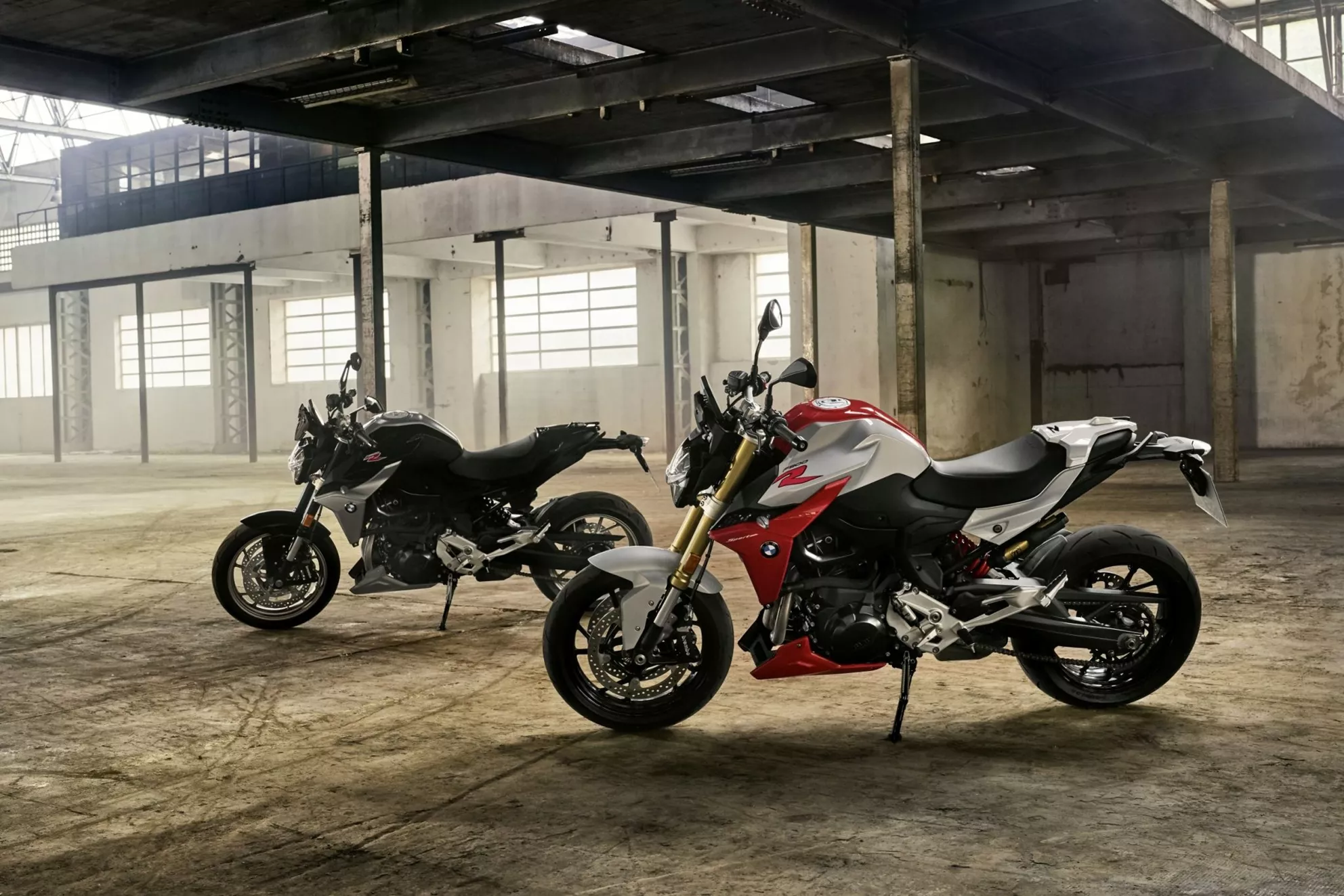
After around ten years of production, the F 800 R was discontinued in 2019. Throughout its entire production run, it stayed true to its basic concept: an accessible, economical and versatile naked bike, positioned between the small entry-level models and BMW's big boxers. For the 2020 model year, the BMW F 900 R succeeded the F 800 R. Despite the similar model name, it is not merely a bigger-displacement version but a comprehensively redeveloped bike. The F 900 R received an 895 cc parallel twin, a new steel frame and a far more extensive electronics package.
In unrestricted form, the new engine initially produced 105 hp and 92 Nm of torque, making the F 900 R considerably more powerful than its predecessor. Among the most important advances were the colour TFT display, modern riding modes and, depending on the spec, lean-sensitive traction control, cornering ABS, a quickshifter and an electronically adjustable rear shock. Smartphone connectivity and an intelligent emergency call system were also available.
Buying a used BMW F 800 R
Its long production run has resulted in a correspondingly large selection on the used market. Early examples are often available cheaply, while the models from 2015 onwards are particularly sought-after thanks to their more modern chassis and stronger brakes. The last Euro 4 versions also offer ride-by-wire and riding modes.
All offers here: Buy a used BMW F 800 R
To do your used bike a favour, we recommend regular oil changes. 1000PS relies on lubricants from Motorex and here you can find the right oil for your bike.
Interview with the experts at Gady BMW Motorrad
For this used buying guide, we spoke to the BMW specialists at Gady BMW Motorrad in Baden. From the workshop's point of view, both the BMW F 800 R and its successor, the F 900 R, are basically among the uncomplicated and economical models in BMW's line-up.
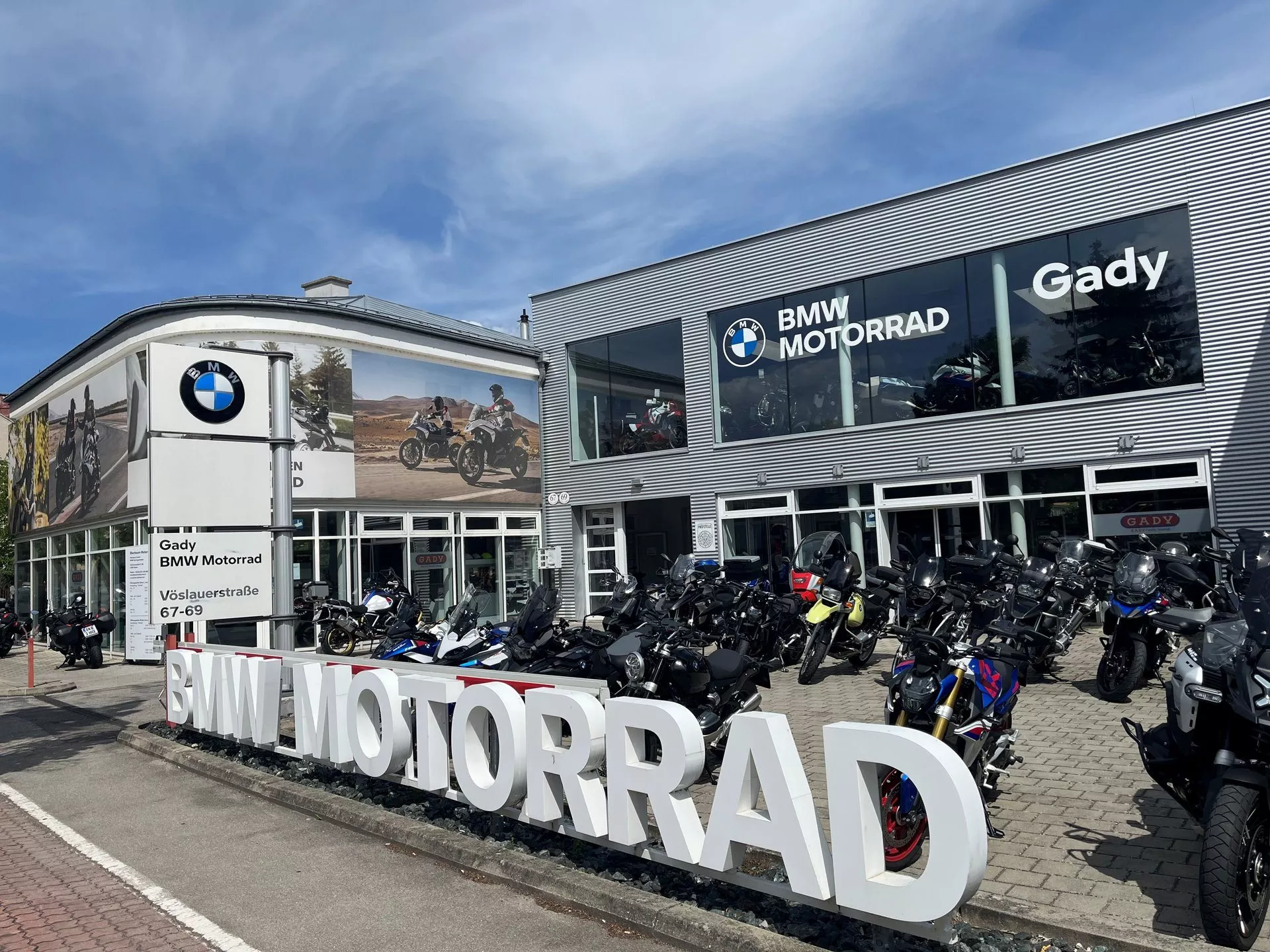
Gady BMW Motorrad in Baden near Vienna.
Cheaper to run than the big boxers
The experts name comparatively low maintenance costs as one of the key advantages of the F range. In their experience, a full service can, depending on its scope, cost around 30 to 40 percent less than on a comparable BMW boxer model. This is not just down to the smaller displacement, but above all to the way the bikes are designed. The engines are built so that many maintenance jobs can be carried out with less effort. On top of that, fluid capacities are lower. Where a big boxer needs several litres of engine oil, the parallel twin of the F range gets by with significantly less. According to Gady BMW Motorrad, oil filters and other service materials are also reasonably priced.
How reliable is the BMW F 800 R?
Overall, Gady BMW Motorrad credits the F 800 R with high mileage potential. If the prescribed service intervals are adhered to, the engine can last a very long time in the workshop's experience. Serious or recurring engine failures are not among the model's typical problems.
- How much does a BMW F 800 R cost?
- Here you will find an overview of the price level of new and used motorbikes!
Parts availability is also rated positively. Even for early bikes of the F 800 range, most required parts are said to still be available. This makes the F 800 R attractive even when it already has a few years and higher mileage under its belt. What matters is less the age than how well it has been looked after. A fully documented service book is desirable, but not always available with older, cheaper bikes. In such cases, it should be clear which maintenance work was last carried out and whether there is a maintenance backlog.
Steering head bearing as a known weak spot
On the F 800 R, special attention should be paid to the steering head bearing. During the test ride, the steering should move from lock to lock without notches, resistance or jerky movements. A worn bearing often makes itself felt particularly around the straight-ahead position. The necessary replacement isn't a catastrophic failure, but it does mean extra workshop costs. The experts at Gady BMW Motorrad therefore consider the steering head bearing one of the most important things to check when buying a used F 800 R.
Check the vacuum hoses and idle control valve
Another known problem area concerns the F 800 R's intake tract. Vacuum hoses run between the throttle bodies and the airbox; they can get awkwardly kinked and occasionally crack with age. If the hoses start leaking, the engine draws in false air. Initially, this can show up as a rough idle, poor starting or uneven running. If the fault isn't fixed, the bike may eventually refuse to start at all.
The idle control valve can also play a role with such symptoms. According to the workshop, both issues are annoying but usually neither particularly dramatic nor unusually expensive to fix. So if an F 800 R is running badly, don't immediately assume serious engine damage. It's worth taking a close look at the vacuum hoses, intake system and idle control first.
Chain condition says a lot about maintenance
Unlike its touring-oriented siblings, the F 800 S, ST and GT, the F 800 R doesn't use a toothed belt but a classic drive chain. Its condition is therefore important when buying used. At the viewing, the chain shouldn't just look clean on the surface. What matters are evenly moving links, correct tension and a rear sprocket without heavily worn or hooked teeth. A worn chain kit isn't a specific weakness of the F 800 R, but it can be a clear sign of neglected maintenance.
Which BMW F 800 R is particularly recommended?
The experts at Gady BMW Motorrad would generally advise going for a later F 800 R. With the big update, the bike received an upside-down fork, a more modern braking system and generally more advanced technology. Thanks to the symmetrical headlight, these bikes also look considerably more modern. The later versions also offer more electronic features. Depending on the model year and configuration, riding modes and electronically adjustable suspension were among the options available. The last models with electronic throttle are not only more modern, they can also be restricted particularly easily to the output permitted for the A2 licence.
The experts' verdict
From Gady BMW Motorrad's point of view, the BMW F 800 R is a reliable, economical naked bike that's comparatively cheap to run. The key points to check are the steering head bearing, the condition of the chain drive and possible leaks in the intake system's vacuum hoses. Well-maintained examples serviced at the proper intervals can achieve high mileages.
The F 900 R carries on the fundamental strengths of the F range but is a much more modern bike in terms of design. In the workshop's experience, mechanical weak spots are less of an issue. Instead, buyers should pay attention to the software version, telematics functions and the exact power variant.
With the F 800 R, the later model years are particularly interesting. With the F 900 R, on the other hand, even the early models can be shortlisted without hesitation. In the end, what counts is less the model year than a clean service history, the actual condition and features that suit your intended use.
1000PS tyre recommendation:
For the BMW F 800 R, the Metzeler Roadtec 02 is a particularly fitting tyre choice. This modern sport-touring tyre combines excellent everyday usability with enough sporty reserves for twisty country roads. That makes it a good match for the balanced character of the BMW, which is neither an uncompromising sports bike nor a pure tourer.
YUASA motorcycle batteries - the 1000PS recommendation for your used bike:
Especially with used bikes, it pays to go for a high-quality battery: YUASA's AGM and gel batteries are maintenance-free, spill-proof powerhouses "Made in Japan" that impress with high cranking power, vibration resistance and long service life. Less maintenance, more performance - ideal for anyone who wants their bike to fire up reliably. Find the right YUASA battery for your bike here.
Alternatives to the BMW F 800 R
Triumph Street Triple 675
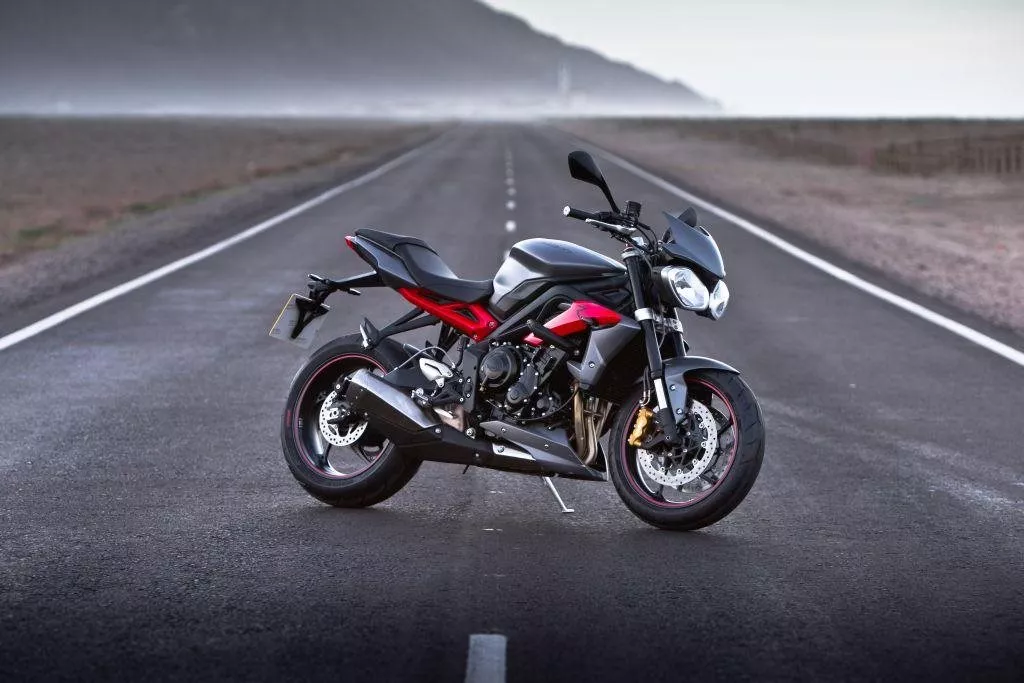
The Triumph Street Triple 675 is the sportiest alternative to the BMW F 800 R. Its characterful triple produces around 106 hp depending on the version and revs far more eagerly than the comparatively laid-back BMW twin. Add to that low weight, precise handling and a very direct riding feel. The Street Triple R in particular scores with higher-quality brakes and more adjustable suspension. On the other hand, the Triumph offers less wind protection, a smaller pillion seat and generally less pronounced touring qualities. If you value the F 800 R mainly for its everyday usability and low running costs, the BMW is the better choice. If you're after maximum cornering fun, the Street Triple is the more emotional pick.
Kawasaki Z800
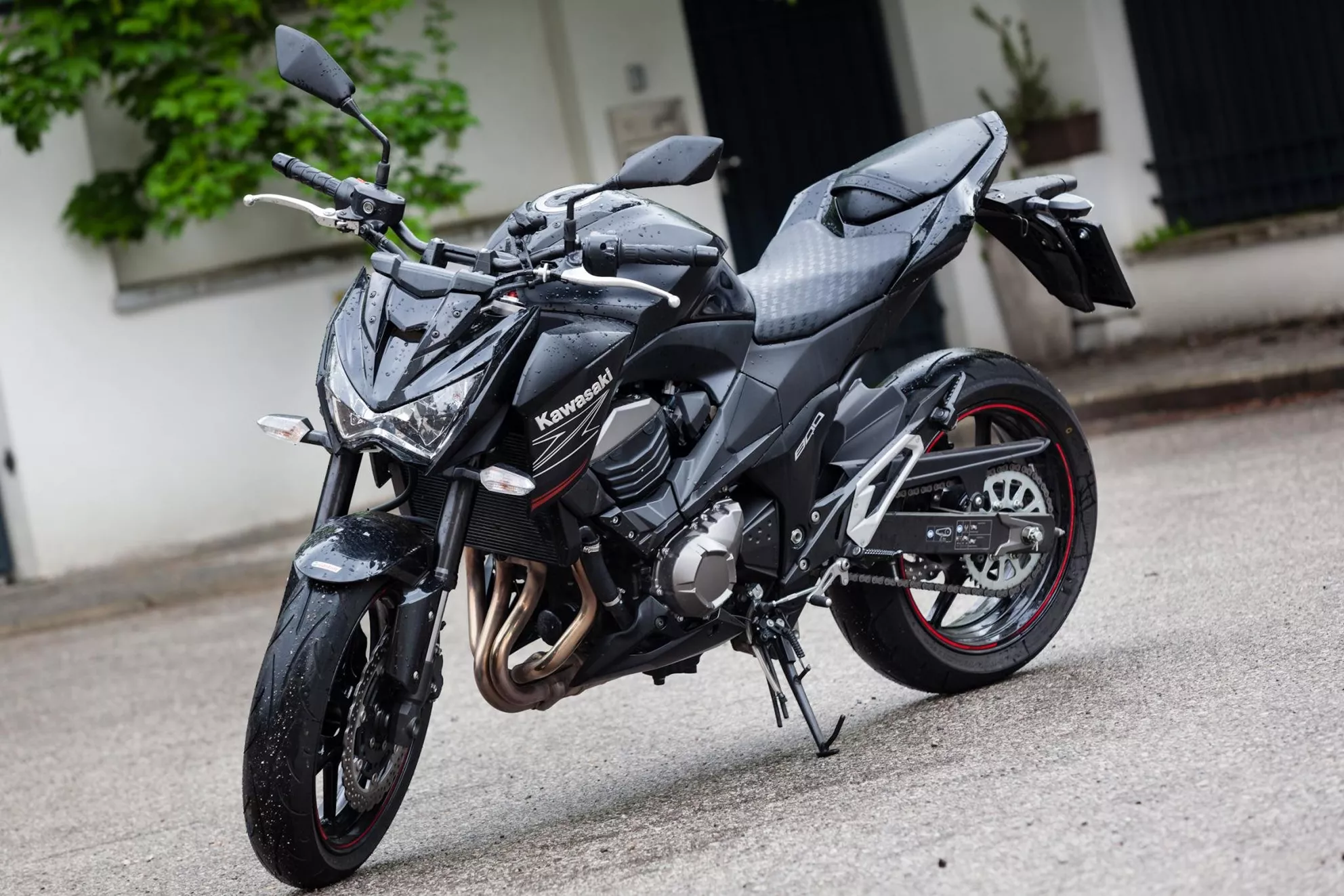
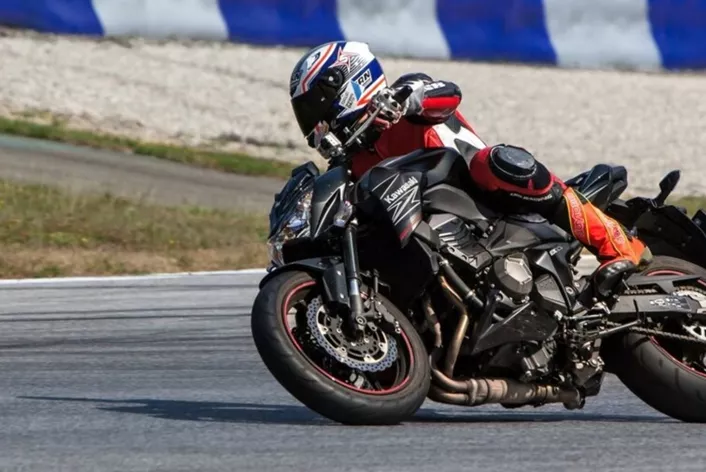
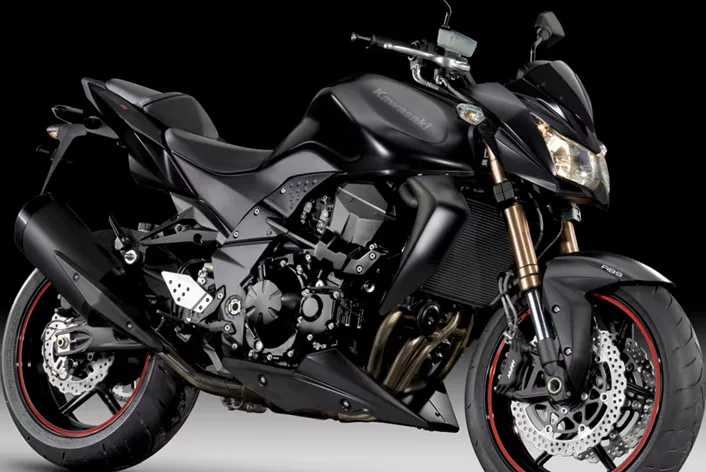
The Kawasaki Z800 is aimed at buyers who find the F 800 R too sober and too slim. Its 806 cc inline four runs silky smooth but delivers its power more through the revs than the punchier BMW twin. With its aggressive looks, strong power delivery and stable handling, the Kawasaki feels more grown-up and substantial. But that's also its biggest drawback: the Z800 is noticeably heavier and less nimble than the BMW when manoeuvring or in tight corners. On the used market it can often be found cheaply and is considered a robust choice for riders who prefer a classic four-cylinder and a planted riding feel.
Yamaha MT-09
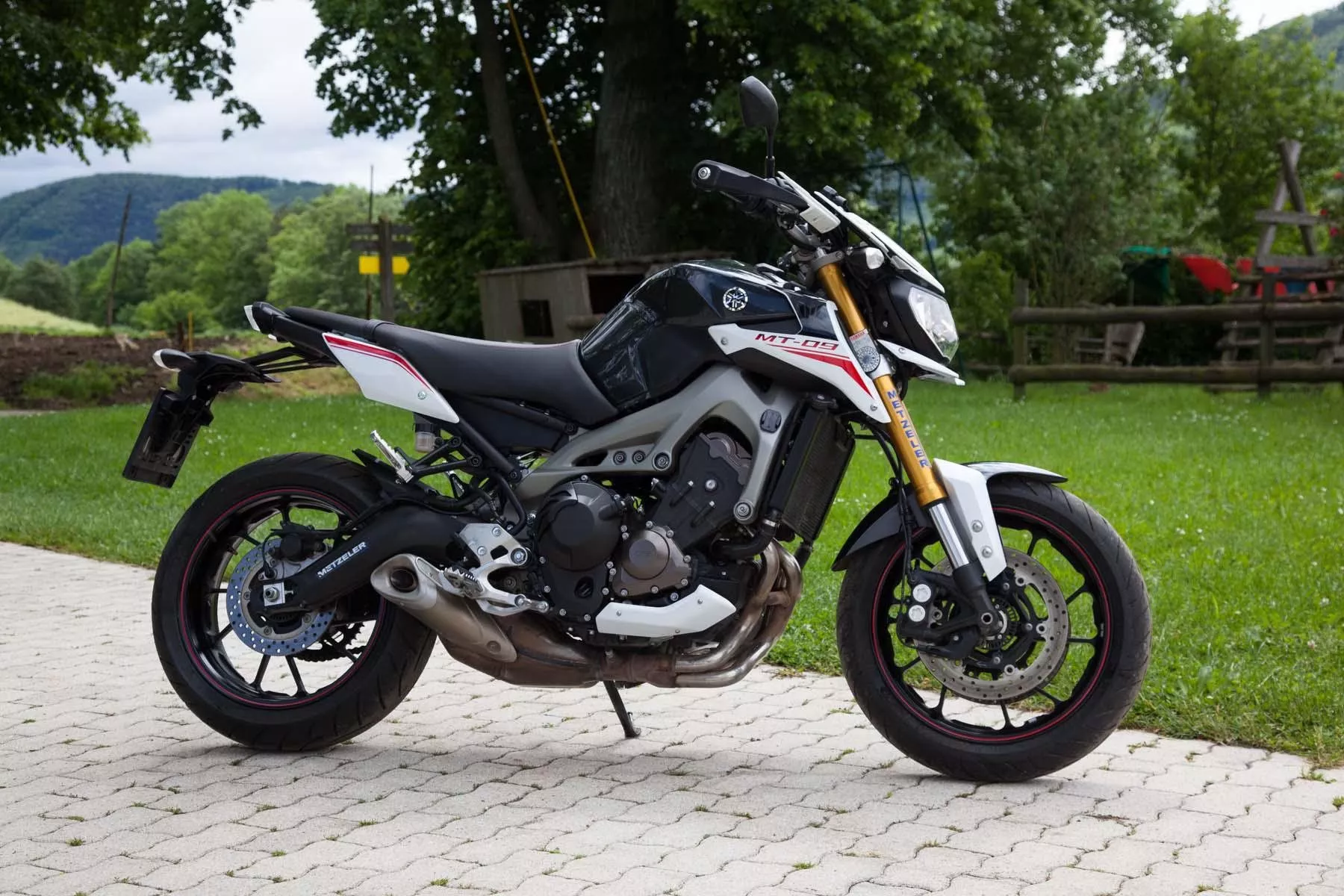
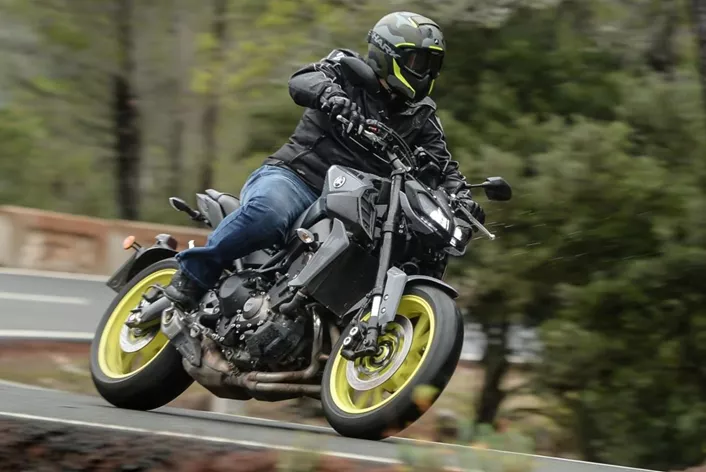
The first-generation Yamaha MT-09 is a particularly spirited alternative to the F 800 R. Its 847 cc triple combines strong pulling power with an eagerness to rev, giving the Yamaha a much wilder character. At the same time, it's light, nimble and has an upright riding position. Early models, however, are known for sometimes rough throttle response and rather softly set-up suspension. In direct comparison, the BMW feels more balanced, comfortable and predictable, while the Yamaha impresses with a stronger engine, playful handling and more emotion. For riders looking for a calm, uncomplicated everyday bike, the F 800 R remains the more sensible choice. If riding pleasure and performance are your priorities, you should take the MT-09 for a test ride.
Conclusion: BMW F 800 R used buying guide
Even as a used bike, the BMW F 800 R is a sensible choice for riders looking for an uncomplicated naked bike with low running costs, good everyday usability and solid long-term quality. Its parallel twin is economical, robust and, with regular maintenance, good for high mileages. Add to that a comfortable riding position, a wide range of accessories and continued good parts availability.
When buying, focus above all on the steering head bearing, the condition of the chain kit and possible problems with the vacuum hoses and idle control valve. Equally important is a traceable service history, especially regarding the valve clearance check at 30,000 kilometres. Missing stamps in the service book don't have to be a deal-breaker, but should be backed up by invoices or other proof. The later model years with upside-down fork, more modern brakes and more extensive electronics are particularly attractive. If you're looking for an A2-compatible example, check carefully before buying which restriction variant is required for the respective model year, as costs can vary considerably.
All in all, the F 800 R impresses less with spectacular individual qualities than with its well-balanced overall package. Find a well-maintained example without a maintenance backlog and you get a reliable, economical and versatile bike that still fits nicely into everyday life many years after its launch.
More used buying guides










- How much does a BMW F 900 R cost?
- Here you will find an overview of the price level of new and used motorbikes!
More from 1000PS Magazine


Buying a used BMW F 800 R: weak spots and tips Images
Source: 1000PS


