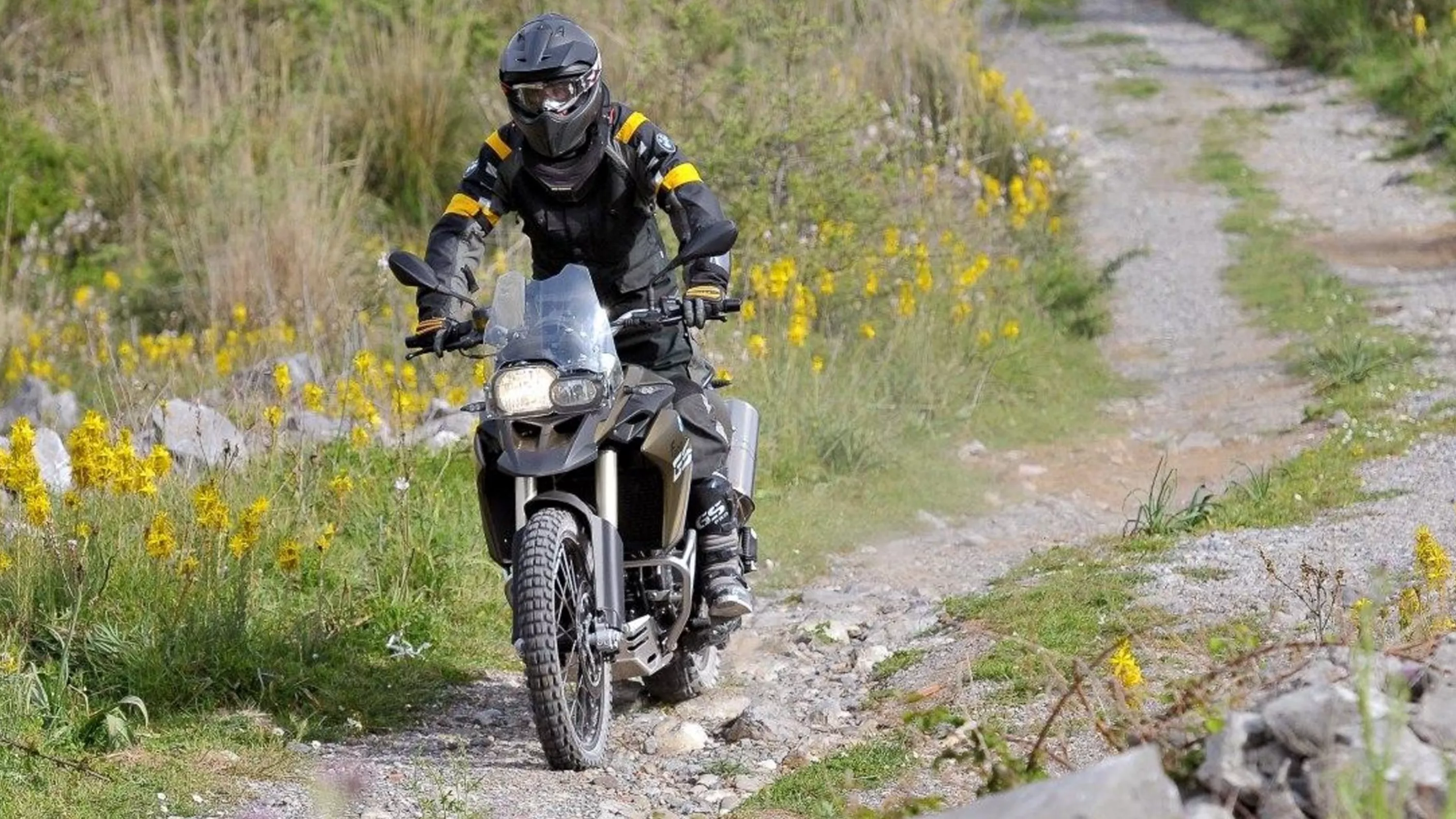
BMW F 800 GS and F 850 GS used buying guide
Which mid-size GS is the better used buy
The BMW F 800 GS and F 850 GS are among the most versatile adventure bikes in their class. But which generation is the better fit, where are the typical weak spots and what should you look out for when buying used? Our guide delivers answers, expert knowledge and concrete buying tips.

Der Horvath
published on 30/08/2026
6,777 Views
BMW F 800 GS and F 850 GS: The model history
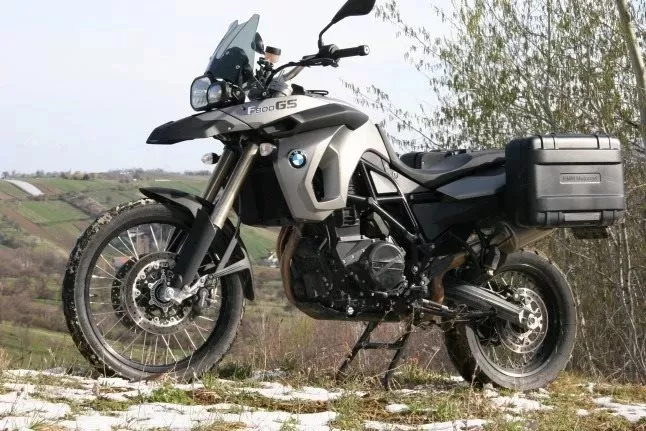
With the F 800 GS, BMW Motorrad launched a new adventure bike in 2008, positioned below the big boxer GS. Unlike the R 1200 GS of the time, the F 800 GS didn't rely on a boxer engine and shaft drive, but on a liquid-cooled parallel twin with 798 cc displacement, a six-speed gearbox and chain drive. The two-cylinder engine was essentially derived from the already familiar F 800 series, but was tuned accordingly for use in the adventure bike. It produced 85 hp and a peak torque of 83 Nm. A distinctive technical feature of the early F 800 GS was the fuel tank located under the seat. This placed part of the mass relatively low and allowed the classic tank area to be kept slim.
With its 21-inch front wheel, long suspension travel, conventional, robust chain and comparatively slim ergonomics, the F 800 GS was positioned as considerably more off-road oriented than its sister model at the time, the F 650 GS. At the same time, it remained comfortable and practical enough to serve as a fully fledged travel and touring bike.
The early model years and their teething troubles
The first production years of the F 800 GS weren't entirely trouble-free. BMW carried out various technical campaigns and recalls. Among the affected areas were components of the fuel gauge, the mounting of a coolant hose, the front axle, the chain kit and certain software versions. For used buyers, a traceable service history and documented completion of all technical campaigns are therefore particularly important, especially on early examples.
2013 facelift: More modern looks and more electronics
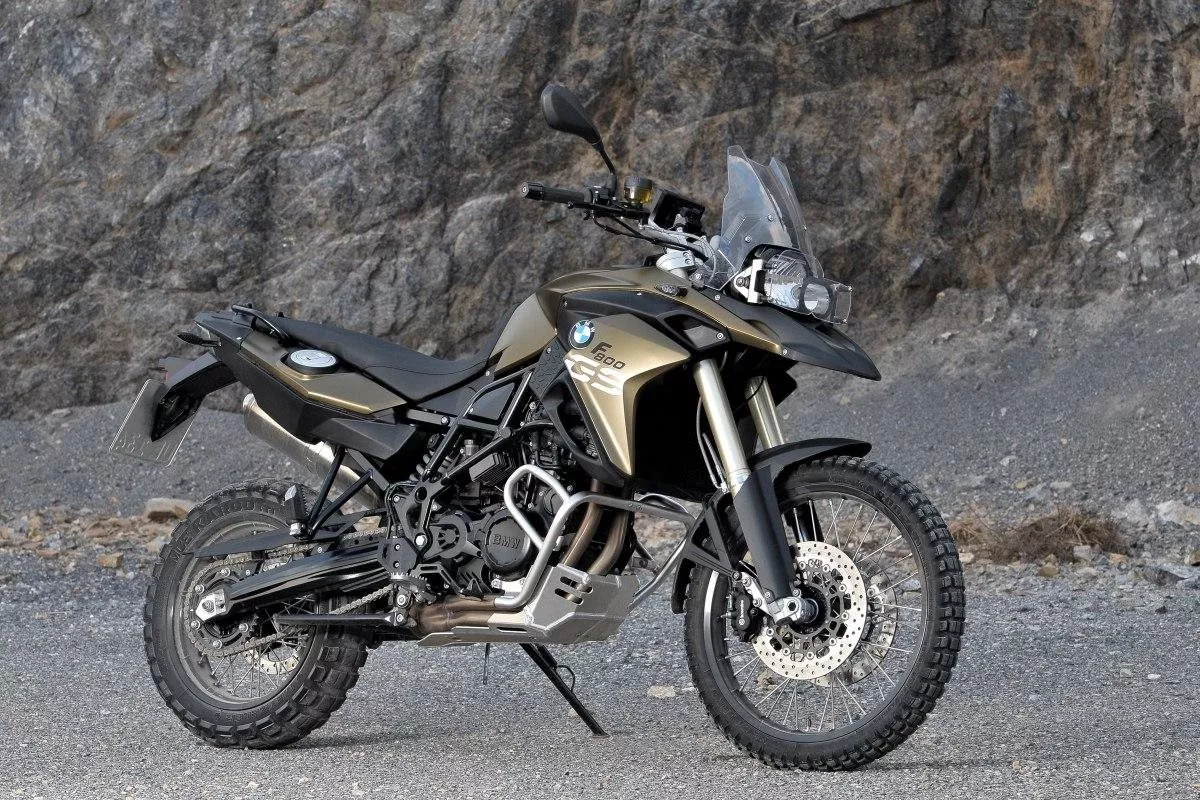
For the 2013 model year, BMW gave the F 800 GS its first visible update. The facelift brought redesigned fairing panels around the radiator, a more modern appearance and revised controls. The familiar 798 cc twin remained largely unchanged at 85 hp. More important than the looks alone was the upgraded safety and comfort equipment. ABS was now standard, while ASC traction control and electronic adjustment of the rear shock were offered as options.
The facelift didn't fundamentally change the character of the F 800 GS. It remained a relatively purist adventure bike with a mechanically direct riding feel, an upright seating position and pronounced off-road capability. On the used market, however, the update is still an important dividing line, as the later bikes look more modern and were available with more extensive electronic features.
2013: The F 800 GS Adventure expands the range
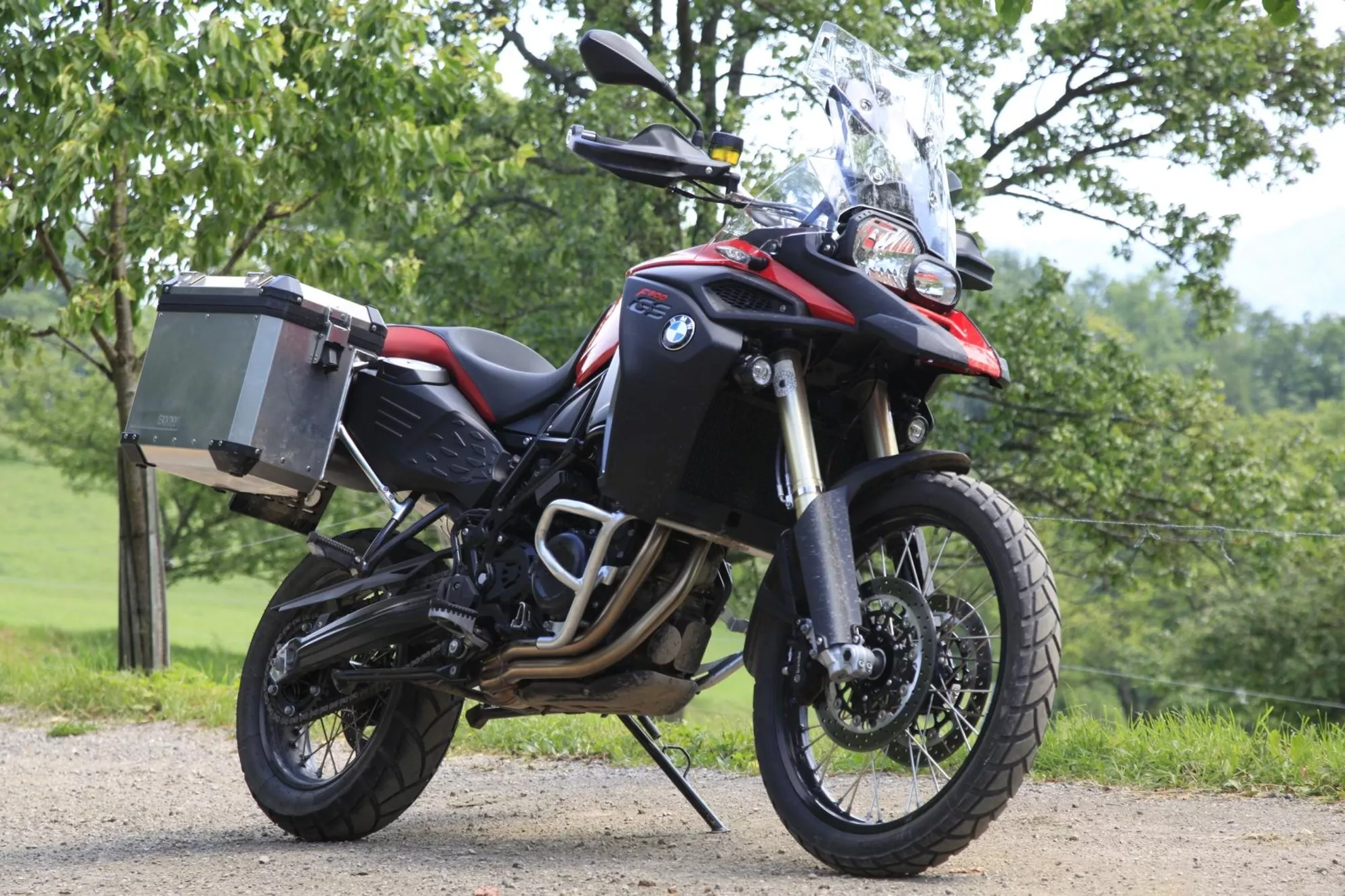
Also in 2013, BMW added the F 800 GS Adventure to its line-up. It took over the engine, frame and key chassis components of the standard F 800 GS, but was more rigorously tailored to long journeys and riding with plenty of luggage. Its most important feature was the fuel tank, enlarged to 24 litres. On top of that came a taller windscreen, wider weather protection, crash bars, a more comfortable seat, larger enduro footpegs and a reinforced subframe for a higher payload.
The Adventure offered considerably more range and greater long-distance comfort, but in return was heavier, wider and more demanding to handle at low speeds. On the used market, it therefore appeals primarily to long-distance travellers and riders who regularly ride with a pillion and luggage.
2017 model year: Euro 4 and the final update
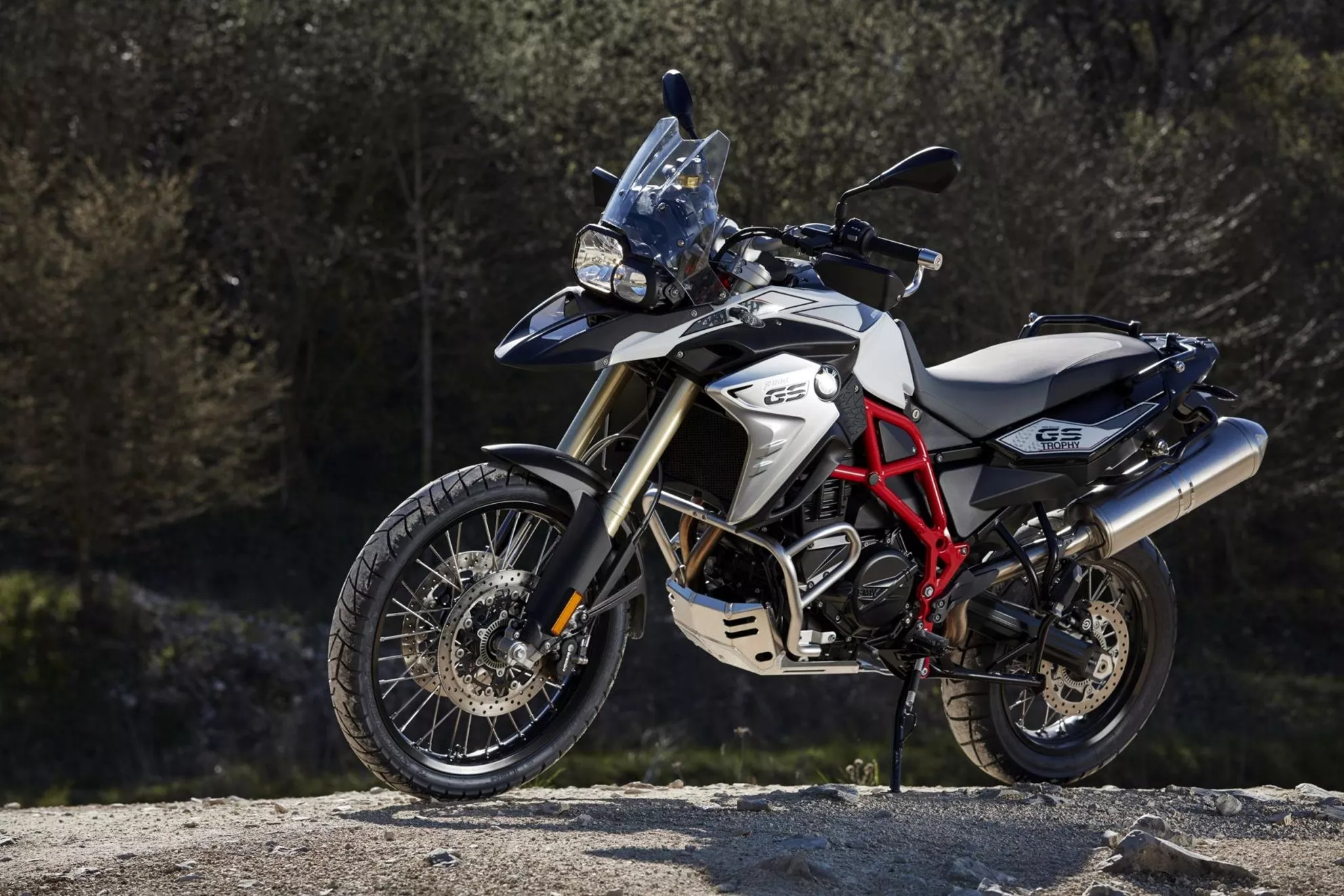
For the 2017 model year, BMW adapted the F 700 GS, F 800 GS and F 800 GS Adventure to the Euro 4 emissions standard. Alongside the corresponding engine setup, the models received a redesigned silencer. Rated output of the F 800 GS remained at 85 hp. At the same time, the instruments and displays were revised, including an additional engine warning light and an indicator for emissions diagnostics.
After around ten years of production and roughly 165,000 units built, the F 800 GS was finally replaced by a completely redesigned generation.
2018: The F 850 GS launches as an all-new design
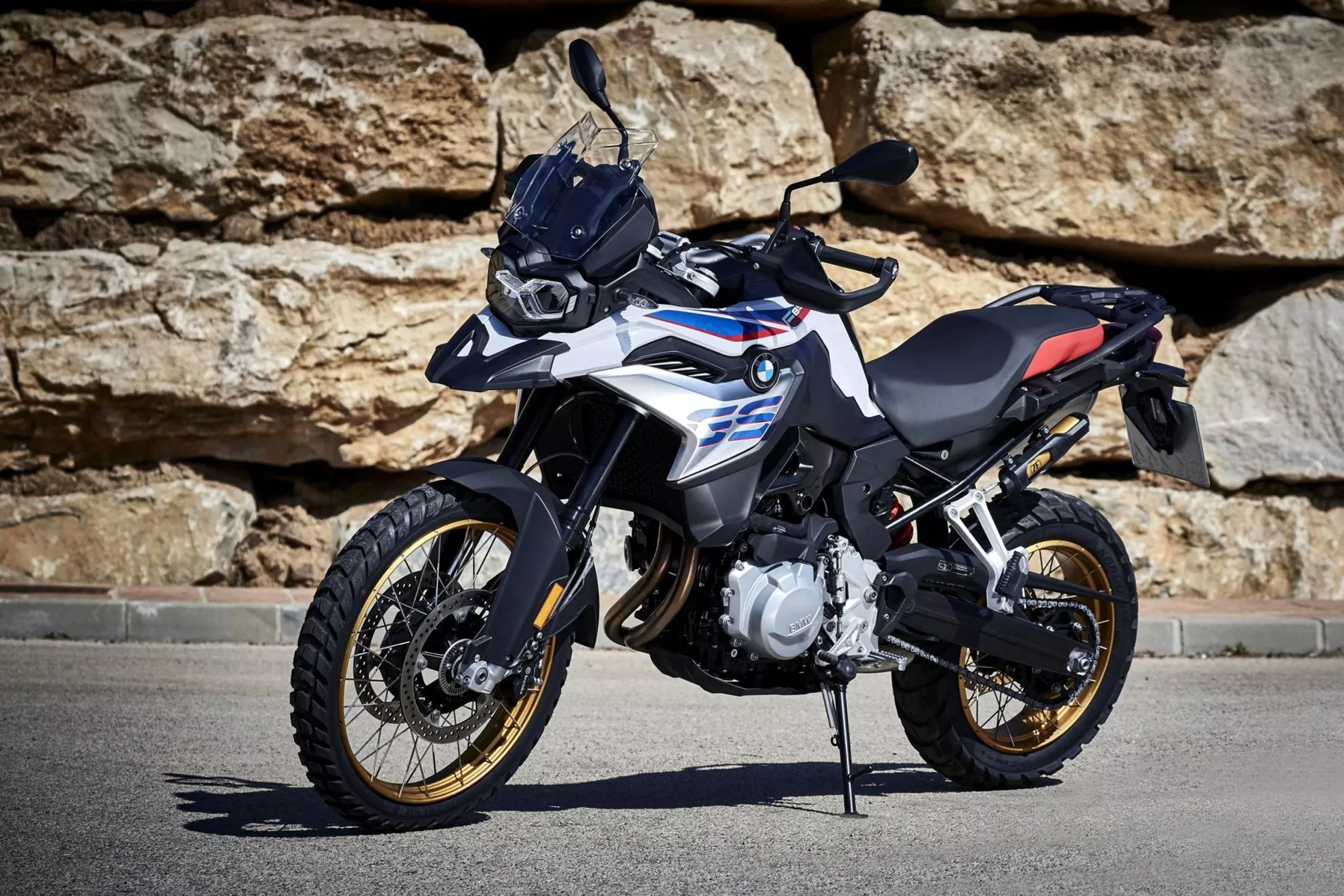
With the F 850 GS, BMW took a much bigger development step in 2018 than the model name initially suggested. This wasn't simply an F 800 GS with a bigger engine, but a largely newly developed bike. Together with the more road-oriented F 750 GS, it formed the new generation of BMW's mid-size GS.
The new parallel twin had a displacement of 853 cc and, in the F 850 GS, produced 95 hp and 92 Nm. A crankshaft with a 90-degree crankpin offset and a 270/450-degree firing order delivered a much punchier, more characterful sound and a different running behaviour compared with the relatively even-running engine of the F 800 GS.
The vehicle architecture also changed fundamentally. The tubular steel trellis frame was replaced by a bridge frame made of pressed steel sections, with the engine integrated as a stressed member. The fuel tank moved from its position under the seat back to the classic location in front of the rider. At the same time, the drive chain switched from the right to the left side of the bike.
The F 850 GS retained the off-road oriented 21-inch front wheel and the upside-down fork, but overall became more grown-up, more capable and considerably more complex electronically. Even the standard features included ride-by-wire, the Rain and Road riding modes, ABS and traction control. Depending on the spec, a 6.5-inch TFT display, cornering ABS, dynamic traction control, additional riding modes, Dynamic ESA, shift assistant, cruise control, tyre pressure monitoring and Keyless Ride were available.
More comfort and performance, but also more weight
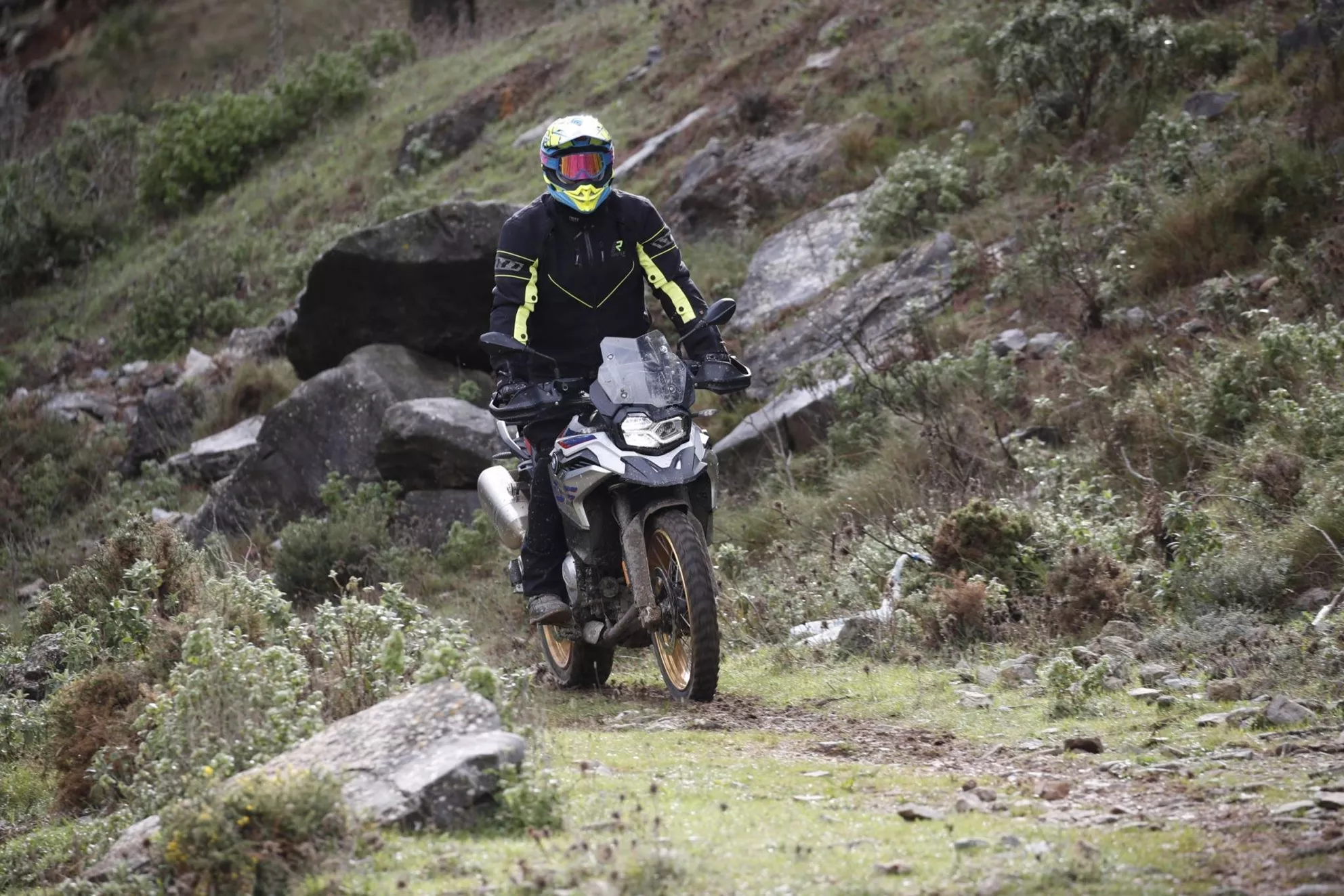
Compared with the F 800 GS, the F 850 GS offered noticeably more engine power, better on-road performance and a more modern operating and assistance concept. At the same time, the wet weight increased considerably. Depending on the spec, an F 850 GS weighs around 230 kilograms, noticeably more than its predecessor. The standard seat height was 860 millimetres, but could be adjusted with different seats and a factory lowering option. With this, BMW responded to a common criticism of the tall F 800 GS. Nevertheless, the F 850 GS remains a relatively tall bike, whose actual accessibility depends heavily on the seat, suspension and chosen features.
2019: The F 850 GS Adventure follows
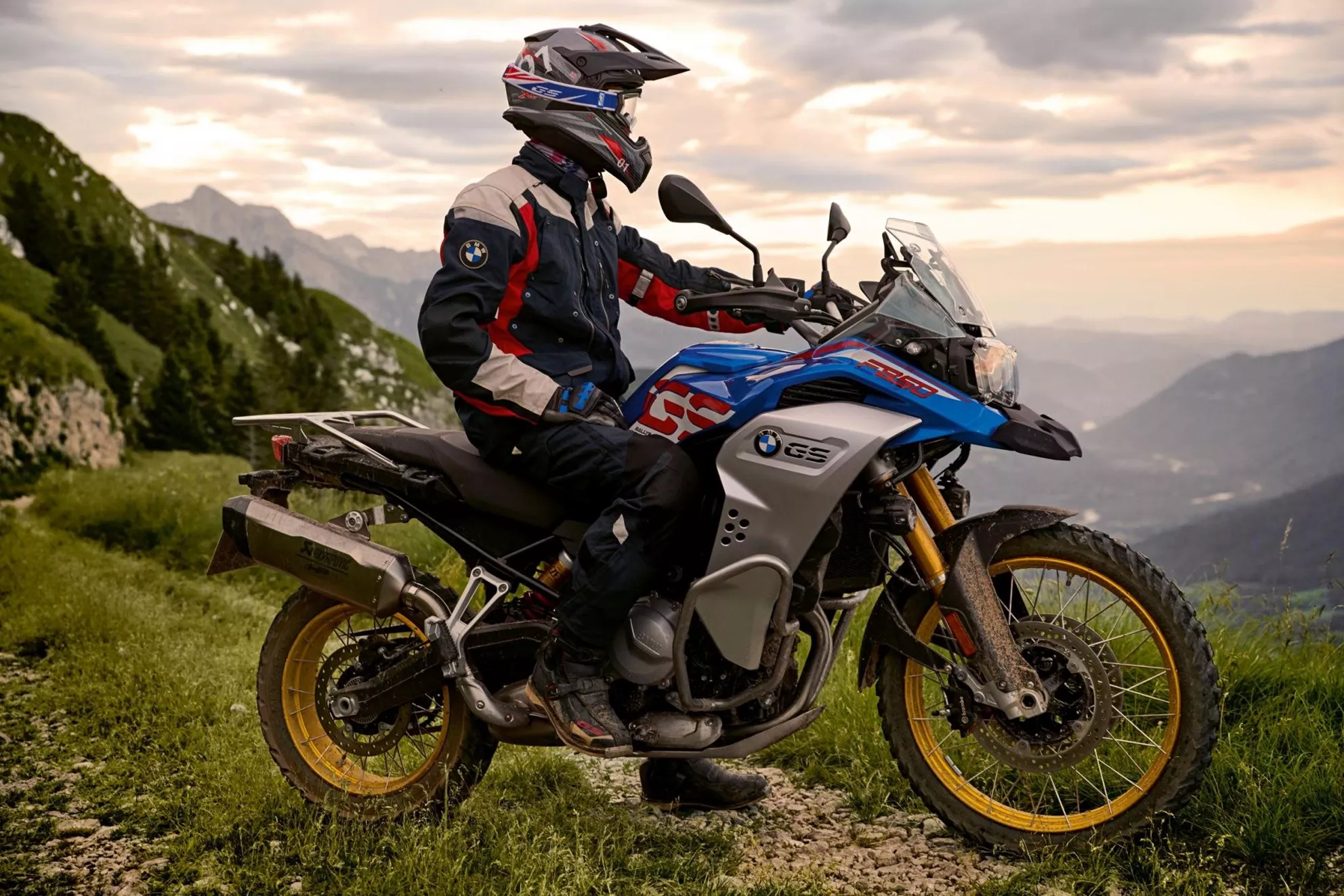
Shortly after the standard F 850 GS, BMW presented the F 850 GS Adventure. It took over the 853 cc engine with 95 hp, but received more extensive touring equipment and a considerably larger tank. With a capacity of 23 litres, the Adventure offered ranges of more than 550 kilometres according to BMW. Bigger wind and weather protection, reinforced protective components, revised ergonomics and a stainless steel luggage rack underlined its role as the long-distance travel variant.
2023/2024: Replaced by the F 900 GS
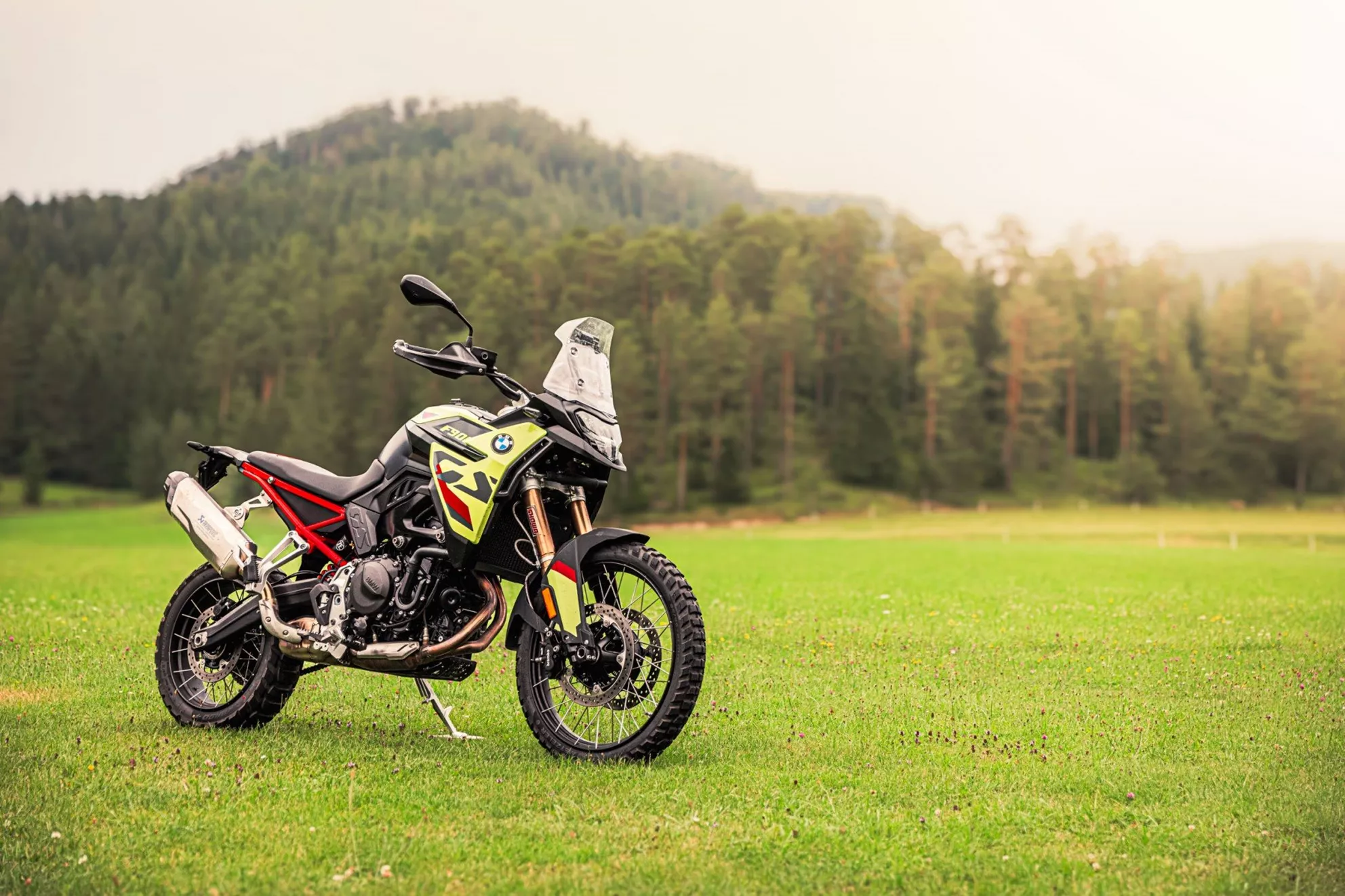
In September 2023, BMW unveiled the new F 900 GS and F 900 GS Adventure. They replaced the F 850 GS and F 850 GS Adventure respectively for the 2024 model year. Since then, the renewed use of the F 800 GS name has caused confusion. Despite its name, the new F 800 GS offered from 2024 is not the direct continuation of the original 2008 F 800 GS. Technically, it is based on the newer platform with the 895 cc engine and 19-inch front wheel, and in the model line-up it rather takes over the role of the road-oriented F 750 GS. The actual successor to the off-road oriented F 850 GS is the F 900 GS.
Buying a used BMW F 800 GS or F 850 GS
The F 800 GS and F 850 GS sold in smaller numbers than the lower, more road-oriented F 700 GS and F 750 GS models. Accordingly, the selection on the used market is smaller too. The taller seat height, the 21-inch front wheel and the stronger off-road focus appeal to a smaller target group. Many buyers therefore opted for the more accessible sister models.
You can find an overview of all current listings here: Buy a used BMW F 800 GS and F 850 GS.
To treat your used bike right, we recommend regular oil changes. 1000PS relies on lubricants from Motorex, and here you can find the right oil for your bike.
- How much does a BMW F 800 GS cost?
- Here you will find an overview of the price level of new and used motorbikes!
Expert advice from Gady BMW Motorrad
For this used buying guide, we spoke with the team at Gady BMW Motorrad in Baden near Vienna. That way, we learn first-hand how the models hold up in real everyday use and in the workshop.
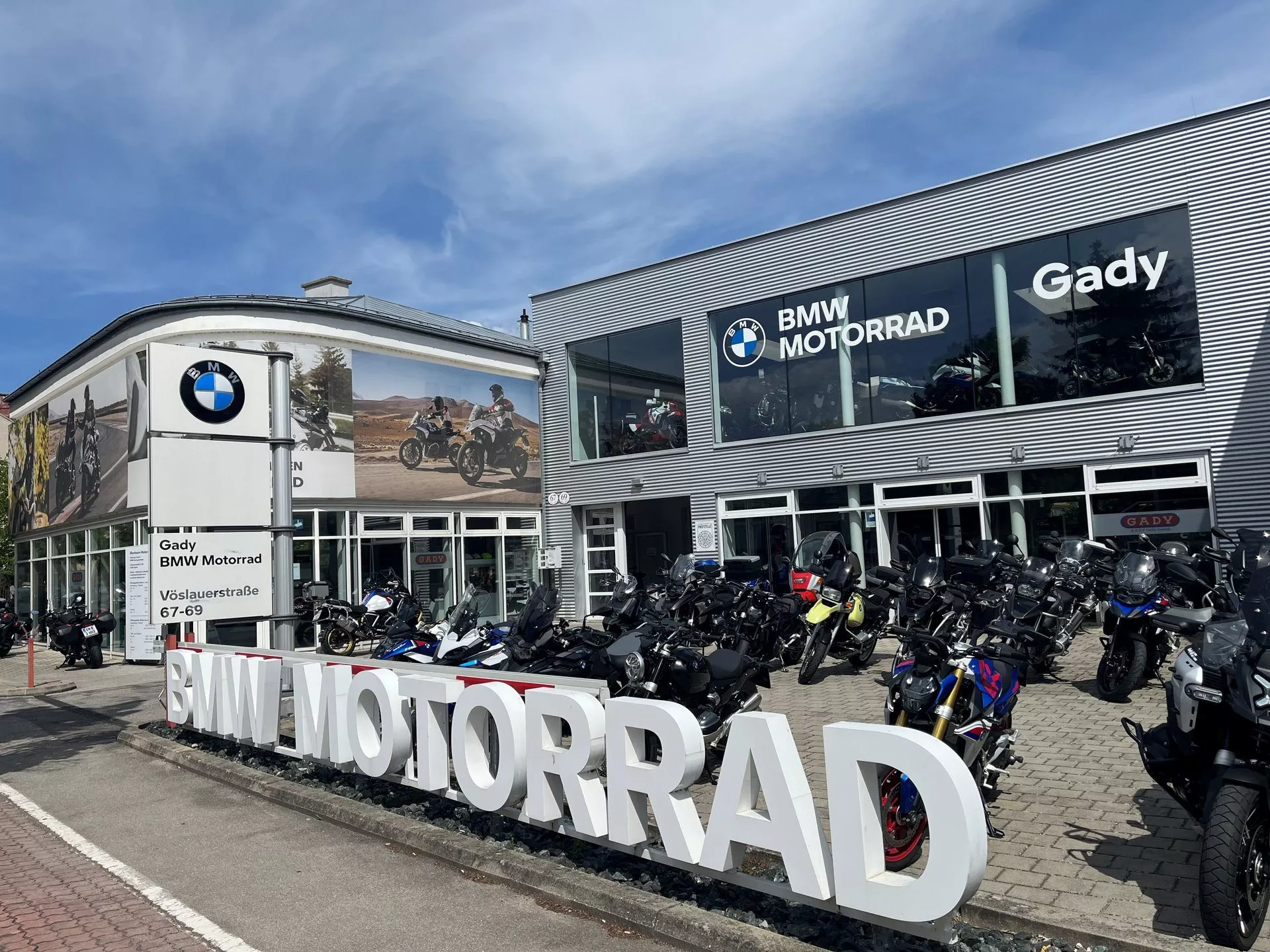
Gady BMW Motorrad in Baden near Vienna.
The tall build is one of the defining traits of both models. With the F 800 GS in particular, the seat height alone could be a deal-breaker for some prospective buyers. The F 850 GS offered more ways to adapt the bike to the rider's height through different seats and a factory lowering option.
A lowered enduro may seem a bit unusual at first glance. In practice, however, this version can make a lot of sense. Not every buyer needs maximum ground clearance for tricky off-road sections. Many riders are far more interested in the upright seating position, the wind protection, the range and the comfort on long distances.
Is all that protection really needed?
The Adventure models don't just differ in their larger tank. Extensive crash bars, additional fairing panels, sturdier luggage solutions and an overall more imposing appearance are also typical. However, the experts at Gady point out that the many protective parts and accessories can add considerable weight: "Many people want to save a few hundred grams with a lighter battery and then bolt on 20 kilograms of crash bars and accessories."
Especially on an adventure enduro that's already relatively heavy, it's worth checking which accessories are actually needed. A sensibly sized engine guard and suitable crash bars can be useful when riding off paved roads. Multiple protection systems stacked on top of each other, on the other hand, add extra weight without necessarily offering any corresponding benefit.
Different engine generations
One of the most important technical differences between the two model generations concerns the engine. The F 800 GS uses the familiar parallel twin of the older F series, which was developed and built together with Rotax. The F 850 GS introduced a new engine generation based on a different technical concept.
"The F 800 GS still has the well-known Rotax engine. The F 850 GS has the newer engine generation," is how the experts at Gady sum up the key difference. The generation change also brought changes to the electronic features. The F 800 GS is fundamentally simpler and has fewer electronic rider aids. The F 850 GS, by contrast, uses ride-by-wire and could be ordered with considerably more extensive electronics.
For used buyers, this means: an F 800 GS tends to appeal to riders looking for a comparatively simple, mechanical adventure bike. The F 850 GS offers the more modern overall package, but also brings more electronic components and therefore potentially higher repair costs.
Known checkpoints on the F 800 GS
Since the F 800 GS is technically closely related to other models of the F series of the time, the typical checkpoints are similar too. According to the Gady experts, used buyers should check, among other things, the vacuum hoses, the idle actuator and the steering head bearing. Porous or leaking vacuum hoses can cause rough engine running. Problems with the idle actuator often show up as fluctuating idle speed or the engine stalling. With the steering head bearing, pay attention to whether the steering works smoothly and without noticeable notches.
These points don't mean that every bike is necessarily affected. But they are useful as targeted checkpoints during the inspection and test ride. A well-maintained example with a traceable service history is preferable to a supposed bargain without documentation.
More electronics on the F 850 GS
The F 850 GS is technically based on the newer generation of BMW's mid-size models. Its electronic features are correspondingly more modern. When buying used, you should therefore check not only the general condition of the bike. It's also important that all electronic functions are actually present and work without faults. Especially on highly specced bikes, it's advisable to test the riding modes, the display controls, the electronic suspension and any optional extras individually during the test ride.
The exact spec can be verified using the VIN or a features list. This is particularly relevant for the F 850 GS, as two outwardly similar bikes can differ considerably in terms of technology and price.
Fuel consumption and running costs
"In everyday use, consumption is almost the same. Due to the taller build, it might be up to half a litre more," is the assessment from Gady BMW Motorrad. Riding style, load, tyres, luggage systems and tall windscreens influence actual consumption much more than the choice of model alone. Fully equipped Adventure models with panniers and additional protective parts in particular can need noticeably more fuel at higher speeds.
Useful accessories for the GS models
Many used F 800 GS and F 850 GS have already been fitted with extensive accessories. Luggage systems, navigation mounts, larger windscreens, skid plates and crash bars are particularly common. In the view of the Gady experts, the most sensible additions are above all a practical luggage system, a decent navigation solution and an engine guard suited to the intended use.
During the inspection, check whether the accessories have been fitted properly. Retrofitted wiring, additional power sockets or navigation systems can cause faults if installed incorrectly. Crash bars, pannier racks and skid plates can also reveal possible crash or off-road damage.
1000PS tyre recommendation:
As suitable rubber for the BMW F 800 GS and F 850 GS, the Metzeler Karoo 4 is a great choice, especially for riders who don't ride their adventure bike exclusively on tarmac. The knobbly tyre combines good traction on gravel, loose surfaces and dirt tracks with sufficient stability on the road. That makes it a good match for the versatile character of both GS models. Compared with a pure road tyre, you do have to accept slight compromises in mileage, ride comfort and precision on tarmac, but in return the Karoo 4 offers considerably more reserves off the beaten track. For touring riders who regularly hit the gravel, it's therefore a coherent and practical choice.
YUASA motorcycle batteries - the 1000PS recommendation for your used bike:
Especially with used bikes, it pays to go for a high-quality battery: with its AGM and gel batteries, YUASA delivers maintenance-free, spill-proof powerhouses "Made in Japan" that impress with high cranking power, vibration resistance and a long service life. Less maintenance, more performance - ideal for anyone who wants to get their bike going reliably. Here you can find the right YUASA battery for your bike.
Alternatives to the BMW F 800 GS & F 850 GS
Triumph Tiger 800 XC and Tiger 900 Rally
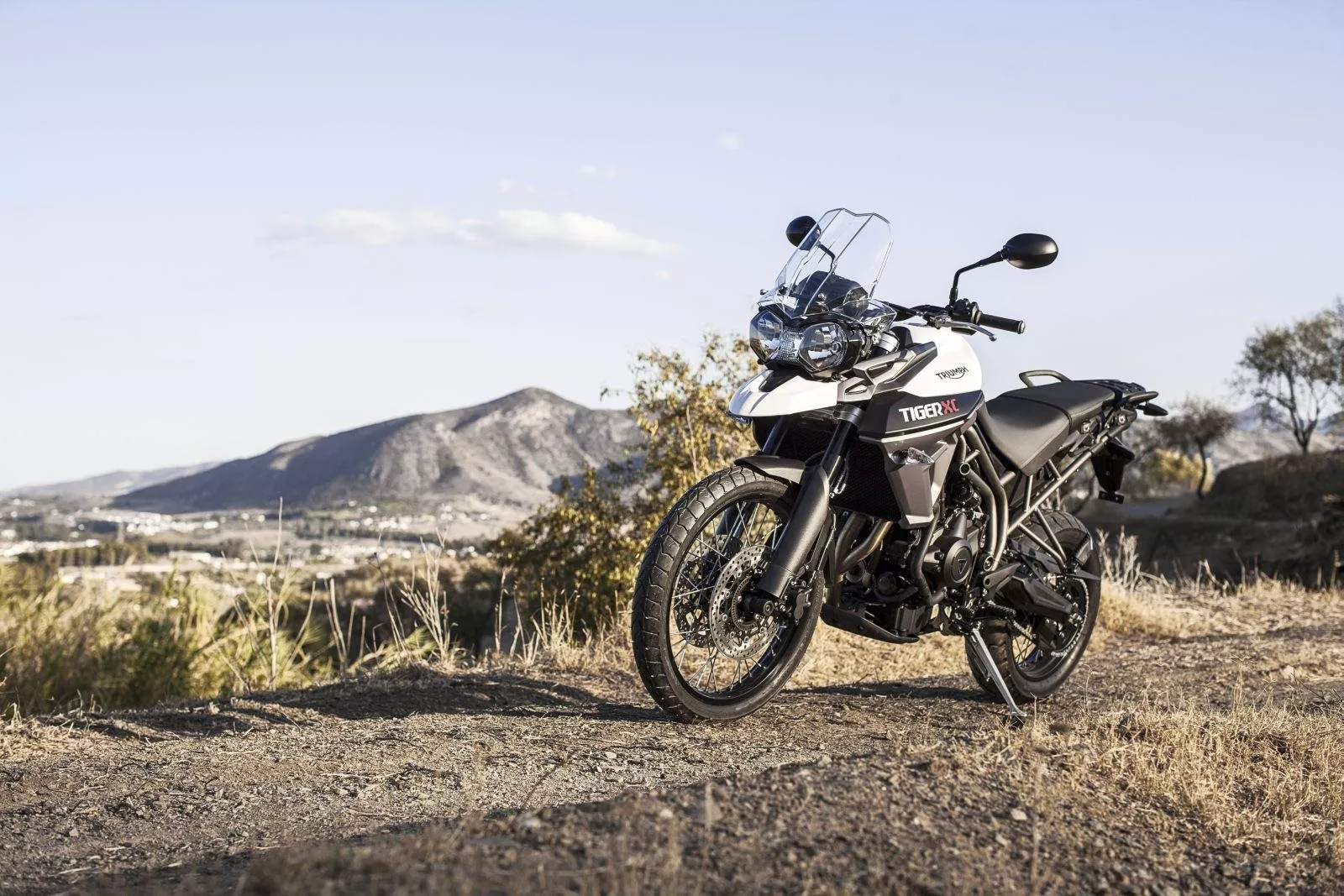
The Triumph Tiger 800 XC is one of the most obvious alternatives to the BMW F 800 GS. Its revvy three-cylinder engine runs more refined and feels livelier on the road than the BMW's twin. In the XC versions, a 21-inch front wheel, spoked wheels and longer suspension travel provide comparable off-road capability. With the Tiger 900 Rally, Triumph later continued the concept with more displacement, modern electronics and a much punchier engine. Used buyers should pay particular attention to a complete service history, the condition of the spoked wheels and the function of all electronic features.
Honda CRF1000L Africa Twin
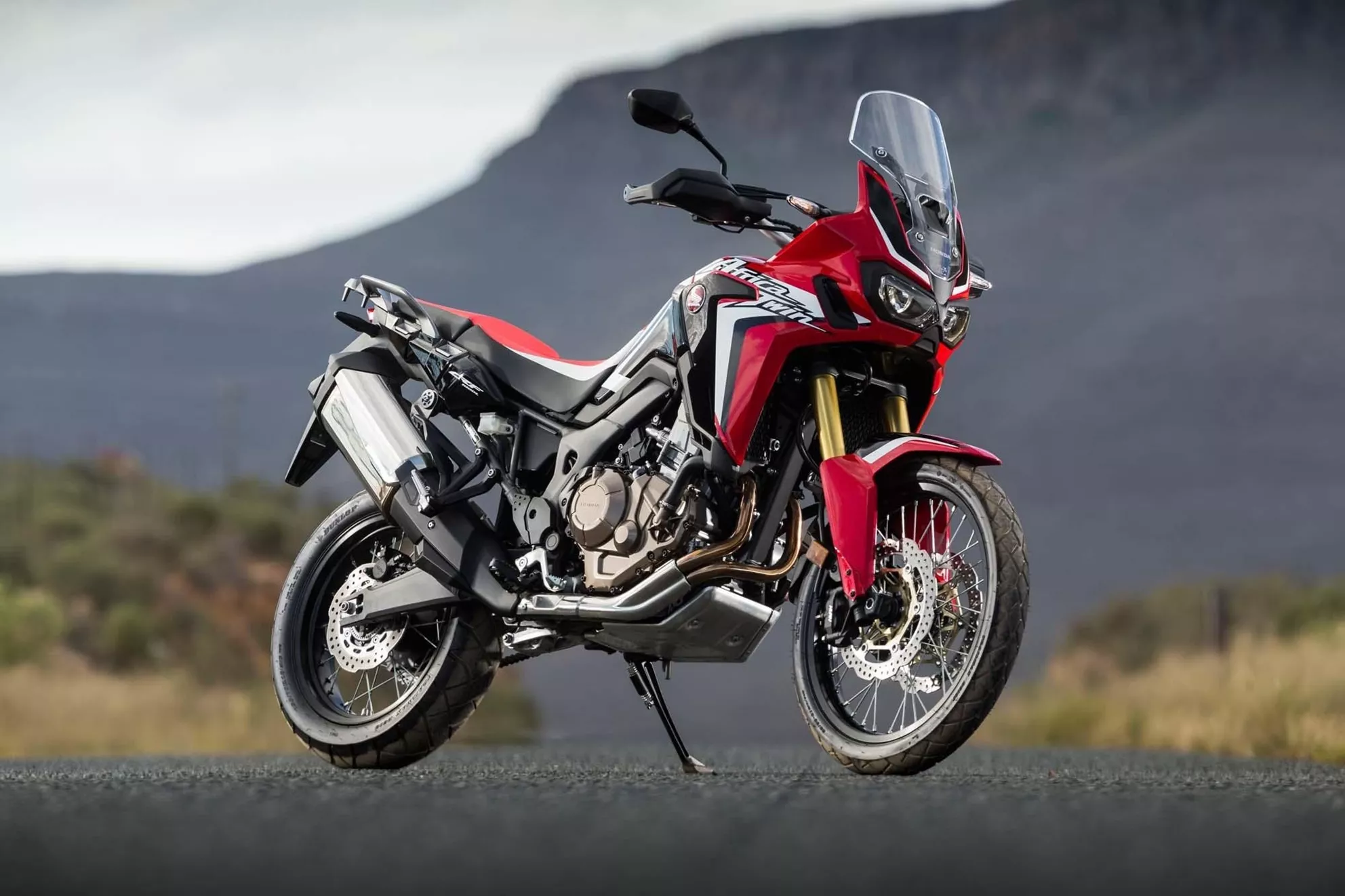
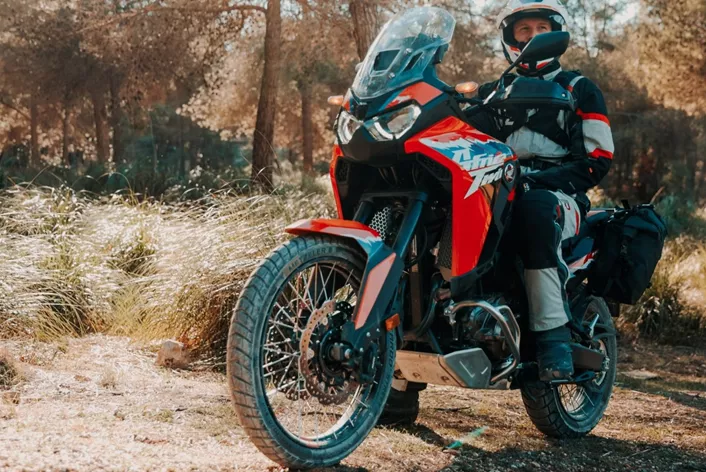
The Honda CRF1000L Africa Twin is bigger and heavier than the F 800 GS, but in terms of performance and intended use it plays in a similar field to the F 850 GS. Its 21-inch front wheel, long suspension travel and flexible parallel twin make it a versatile adventure bike for tarmac, gravel and long tours. Besides the classic version with a manual gearbox, it was also offered with the automated DCT dual-clutch transmission. The Africa Twin is generally considered robust, but due to its dimensions and weight it demands a bit more strength and experience when manoeuvring than BMW's mid-size models.
Yamaha Ténéré 700

The Yamaha Ténéré 700 is the more purist alternative to the F 800 GS and F 850 GS. It largely does without complex electronic rider aids and instead relies on a dependable parallel twin, a 21-inch front wheel and a simply designed, off-road oriented chassis. Compared with the F 850 GS, it offers less comfort, wind protection and optional equipment, but feels lighter and more manageable in return. Riders who regularly head off paved roads or are looking for the most uncomplicated travel bike possible will find the Ténéré 700 an interesting option. On the used market, however, well-kept examples often change hands at comparatively high prices.
Conclusion: BMW adventure bike used buying guide
The BMW F 800 GS and F 850 GS follow the same basic recipe, but appeal to different buyers. The F 800 GS is the simpler, lighter and more mechanical adventure bike. It particularly suits riders who value straightforward technology, good off-road capability and a direct riding feel. The F 850 GS, on the other hand, offers more power, more comfort and considerably more extensive electronics, but also brings more weight and greater technical complexity.
When buying used, the specific condition matters more than the model year alone. A complete service history, traceable previous owners, properly fitted accessories and a thorough test ride are more important than the longest possible features list. On the F 800 GS, check above all the vacuum hoses, idle actuator and steering head bearing. On the F 850 GS, the entire electronics also deserve special attention.
The seat height shouldn't be underestimated either. Both models are tall, the Adventure versions even more so. Anyone who feels unsteady when manoeuvring or can only just reach the ground with their feet should try out different seats and lowered variants. If the ergonomics fit, both generations are versatile, long-distance capable adventure bikes with genuine off-road potential.
The F 800 GS is thus a robust choice for purists and budget-conscious adventurers. The F 850 GS is the more modern and more comfortable overall package. For both models, a well-maintained example with no maintenance backlog is the better decision than a supposed bargain with an unclear history.
More used buying guides










- How much does a BMW F 850 GS cost?
- Here you will find an overview of the price level of new and used motorbikes!
More from 1000PS Magazine


BMW F 800 GS and F 850 GS used buying guide Images
Source: 1000PS


