Used Kawasaki Ninja 650 buyer's guide: weak spots and buying tips

Used Kawasaki Ninja 650 buyer's guide: weak spots and buying tips

Sports gear, a long-distance runner and a few spots for the torch

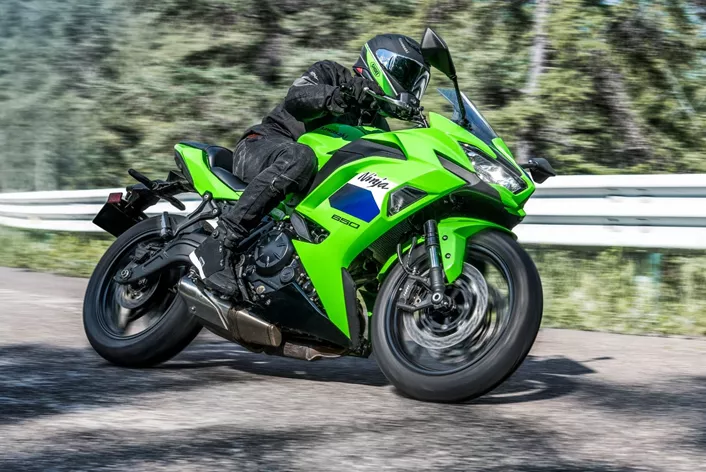
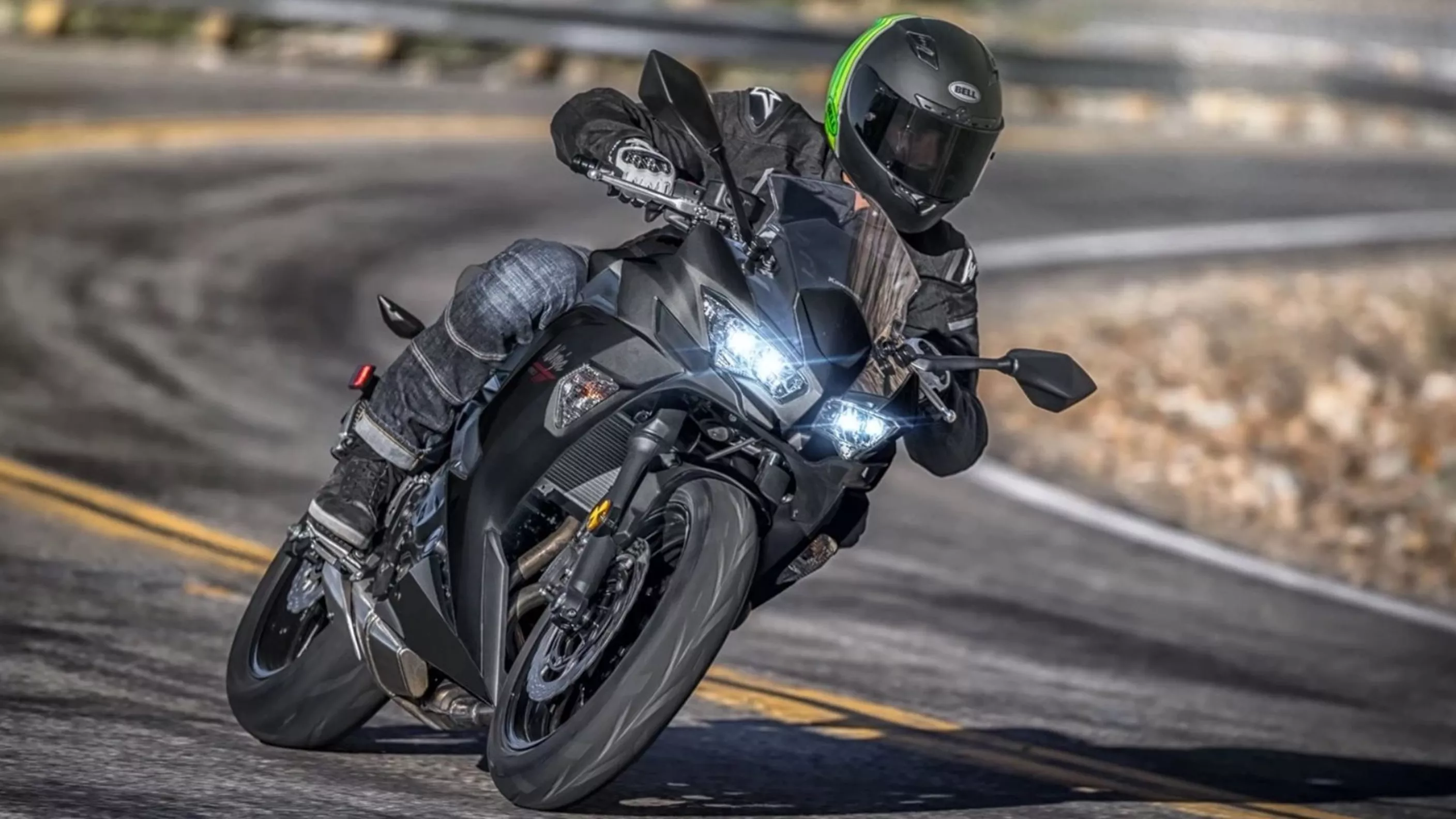
Since 2006, Kawasaki's faired 650 has combined a robust parallel twin with everyday riding, touring and sporty looks. Our used buyer's guide shows which ER-6f and Ninja 650 models impress, where age takes its toll and which model years are particularly interesting.

NoPain

NoPain

published on 08/11/2026

1,328 Views

History of the Ninja 650

Anyone hunting for a Kawasaki Ninja 650 from model year 2006 onwards first needs a quick lesson in Kawasaki naming conventions. From 2006 to 2016, the faired 650 was called the ER-6f in Europe; only in 2017 did it officially become the Ninja 650. Technically, however, one common thread runs through the entire model family: the liquid-cooled 649 cc parallel twin, which never tried to play the role of a small supersports engine, but instead scored with accessible power delivery, straightforward technology and everyday usability. The first update followed in 2009, then in 2012 came the far more substantial overhaul with a newly designed frame, revised intake and exhaust, plus changes to the chassis and ergonomics. The 2012 generation captured the core idea of the ER-6f pretty well. The twin made 72.1 hp at 8,500 rpm and 64 Nm at 7,000 rpm, the tank held 16 litres, and tyre sizes stayed at 120/70 ZR17 front and 160/60 ZR17 rear. The bike certainly looked sporty, but in terms of ergonomics and chassis it deliberately remained an uncomplicated road sportster. For 2017, Kawasaki made a far more radical break: the new Ninja 650 got a light trellis frame and an assist and slipper clutch, and shed around 19 kg compared with its predecessor. Add a low seat height of 790 mm, and the somewhat bulkier ER-6f turned into a noticeably more nimble bike.

For model year 2020 came a colour TFT display, Bluetooth connectivity, LED headlights and a visual refresh, without turning the proven basic concept inside out. Since 2023, KTRC traction control has been part of the features. In 2026, the 649 cc twin is still doing the work; Kawasaki quotes 68 hp at 8,000 rpm and 64 Nm at 6,700 rpm. It's precisely this continuity that makes a used Ninja 650 interesting: you're not buying a highly strung mini ZX-6R, but a road-focused twin in sports gear, with newer generations gradually gaining more comfort and electronics without needlessly complicating the mechanical core.
Buying a used Ninja 650

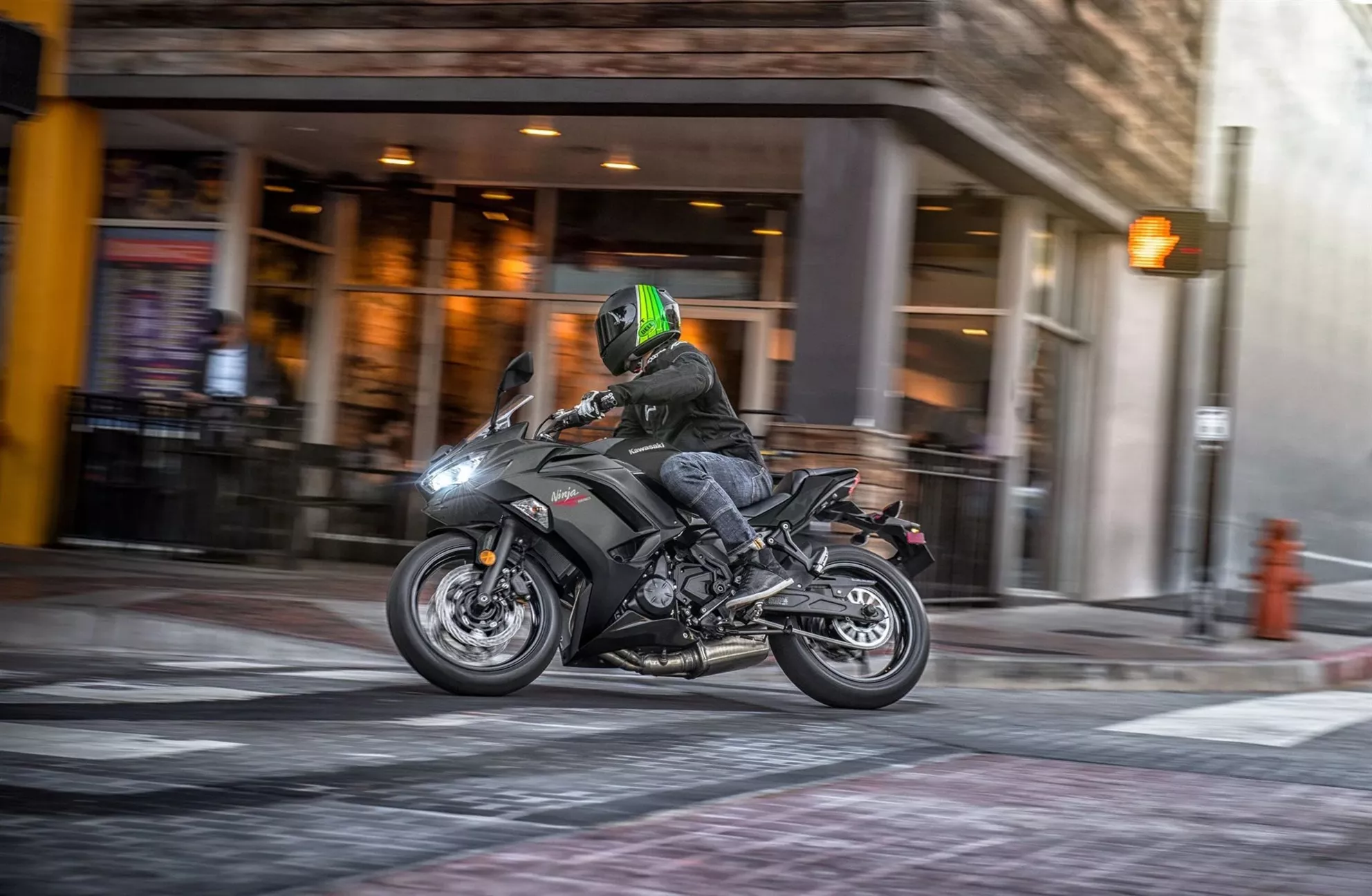
On the used market, it pays to look at ER-6f and Ninja 650 prices separately. Older ER-6f models in Austria currently sit roughly in the range of 4,300 to just under 5,000 euros, while newer used Ninja 650s go for roughly 6,800 to 7,500 euros. For Germany, our research found a range of about 6,000 to 8,000 euros for the newer bikes. What matters is less the cheapest number on the screen than the balance of model year, maintenance, mileage and condition, because a properly documented ER-6f can be far more interesting than a newer Ninja with a crash history and a creatively reassembled fairing. In our view, three groups are particularly interesting price-wise. The ER-6f built from 2012 to 2016 offers the more mature old platform and makes sense when the budget is tight. The 2017 to 2019 Ninja 650 scores with its much lighter chassis, but still does without TFT and traction control. From 2020, TFT, LED lighting and a regular service interval stretched to 12,000 km are added, while models from 2023 also offer KTRC. With very young used bikes, however, always cross-check the new price: current 2026 bikes are already being offered on the 1000PS Marketplace for around 8,500 to 8,600 euros. Find current Ninja 650 listings on the 1000PS Marketplace here.

To do your used bike a favour, we recommend regular oil changes. 1000PS relies on lubricants from Motorex, and you can find the right oil for your bike here.

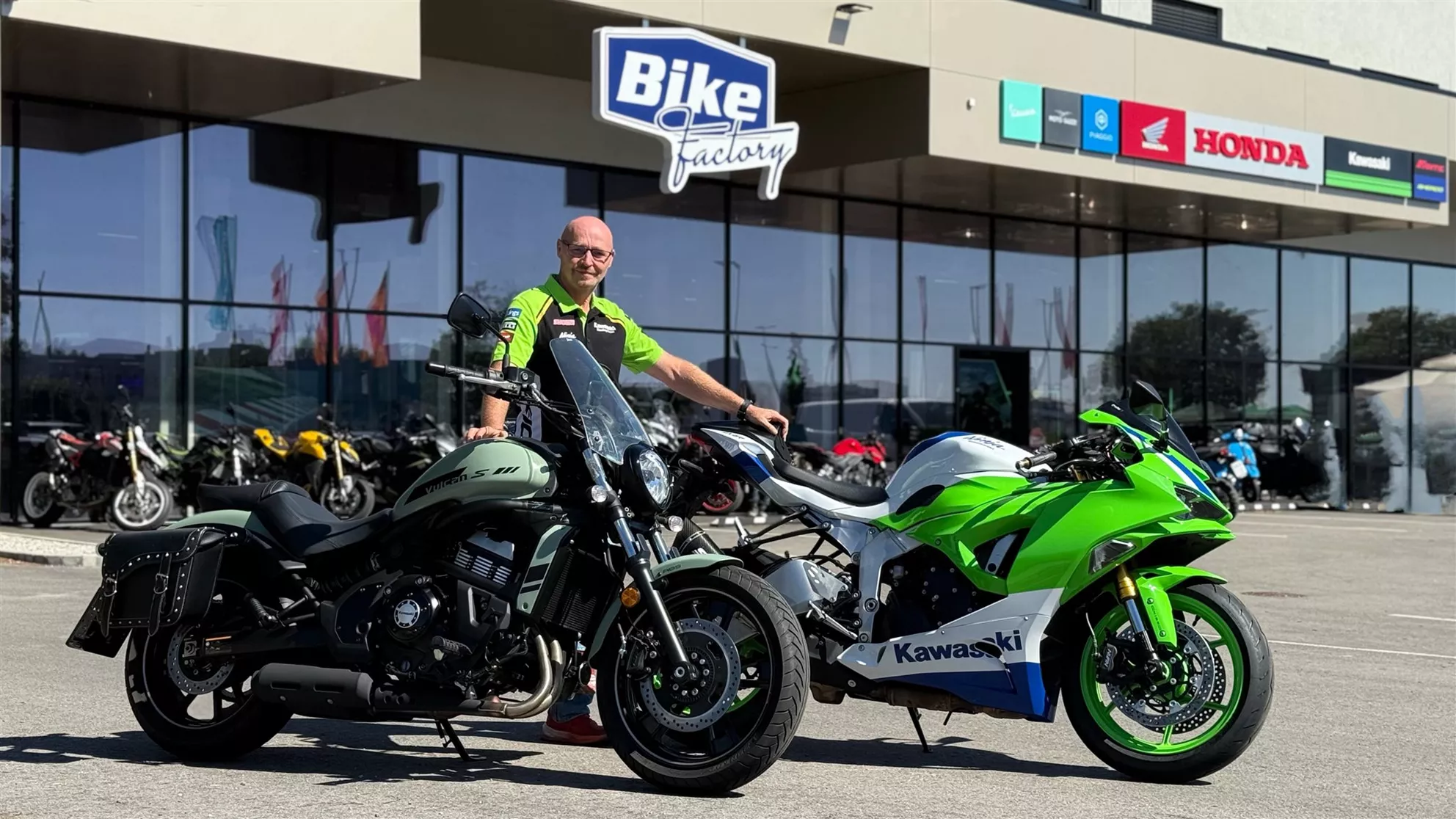
Walter Prohaska, Sales Manager at Bike Factory Krems

Bike Factory expert check: Kawasaki Ninja 650

The points we researched were cross-checked with the Kawasaki specialists at Bike Factory Krems, and the encouraging overall picture starts with the engine. The 649 cc twin is considered durable, which is why on a used Ninja 650 it's usually not the crankcase that demands the most attention, but everything around it that ages, wears or was made pretty again after a tip-over. A cold start is therefore mandatory: before starting, actually check that the engine is cold. It must then fire up cleanly, settle into a stable idle and then be brought up to temperature until the fan kicks in. Some minor coolant or oil leaks only show up once the engine is hot.

Frame and chassis On early ER-6 models, the area around the frame and engine mounts deserves special attention. Bike Factory points to the weld seam on the right-hand engine mount on this platform; documented cracking and rigidly mounted crash pads are not a combination we'd ignore during an inspection. In a crash, a solid crash pad may not dissipate the energy where you'd like it to, but channel it into the mount instead. Visible cracks, lifted paint or a suspiciously freshly painted spot therefore warrant a closer look. We also check the wiring harness where it can chafe against the frame or steering head, as well as the exhaust headers, studs, swingarm and steering head bearings, and any traces of an earlier crash.

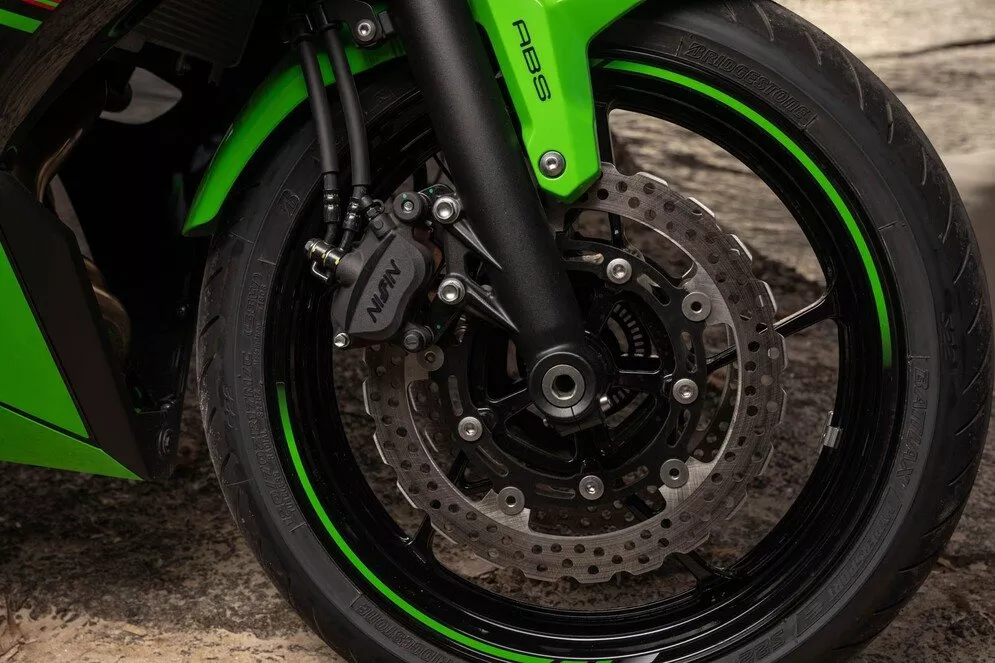
Fairing, exhaust & co. On the Ninja 650 from 2017 onwards, the focus shifts even more to the fairing. Mismatched paint shades, uneven panel gaps, damaged clips, replacement bolts or cracked brackets hidden behind outwardly flawless plastic parts can tell you more about the bike's past than the listing description. Mirror mounts, headlight and cockpit brackets in particular should line up cleanly left and right. Also on the list: the low-mounted exhaust system and its mounts, chain kit, fork seals, steering head bearings and brakes. The Ninja's chassis and brakes are sensibly sized for everyday use, country roads and touring, but not at ZX-6R level. A worn-out shock or neglected calipers will therefore turn the uncomplicated 650 into a spongy bike faster than its green outfit suggests.

Maintenance history When it comes to servicing, it's worth looking closely at the paperwork, because the intervals changed over the years. Kawasaki's overview lists the 2017 to 2019 Ninja 650 with 6,000 km intervals and from 2020 with 12,000 km; the valve clearance check is specified at 42,000 km for the European Ninja 650 variants. Older ER-6f documentation also lists the valve check at 42,000 km, which is why the exact maintenance schedule should always be checked against the model year and VIN. Kawasaki's labour time table, for example, allows 2.9 hours at 24,000 km for the 2017 Ninja 650 and 3.2 hours for the 2020 model. For the early ER-6f, 2.2 hours are scheduled at 24,000 km. Important: these Kawasaki times are guideline times for regular maintenance, not flat-rate workshop bills. Cleaning, difficult access due to accessories and additional repairs are not included, and if the valves actually need adjusting during the clearance check, that work comes on top. That's exactly why a complete service book on a Ninja 650 is worth more than the mere claim that "the oil was always done anyway". Anyone buying a bike at or just short of 42,000 km should clarify specifically whether the valve clearance check has already been done and documented. If there's no proof, the upcoming work belongs in the price negotiation, not in the post-purchase surprise category.

Kawasaki Ninja 650 2026

Buyer's check: Kawasaki Ninja 650 from 2006 onwards

The inspection starts before the starter button is pressed. VIN, registration, service book and any invoices must match; then come the steering stops, triple clamps, frame, engine covers and fairing. Viewed from the front, wheels, fork and handlebar must line up cleanly. On a faired bike like the Ninja 650, we also check the panel gaps from both sides and use a torch to look behind the plastic parts. A crooked headlight bracket or glued mounting tabs are far more interesting than a freshly polished windscreen. On A2 bikes, the registered power output and actual restriction status must also be traceable; a story involving three previous owners and two different power variants is not technical documentation.

Then it's started cold and checked warm. We pay attention to starting behaviour, idle, unusual mechanical noises and traces of oil and coolant, and let the bike reach operating temperature until the fan has kicked in at least once. On the test ride, all gears must hold cleanly under load and the clutch must not slip. On ABS models, the warning light must go out correctly after pulling away. Bike Factory also recommends a simple brake check: apply the front brake lightly while riding and see whether a rhythmic pulsing can be felt at the lever. Slightly warped discs sometimes only show up when warm and are wonderfully invisible while the bike sits outside the café.

After the test ride, it's time for chain and sprockets, tyres including DOT code, fork seals, wheel and steering head bearings, and the condition of the radiator. Accessories also deserve attention: exhaust, levers, indicators, mirrors and licence plate holder must not only be nicely fitted but also comply with the respective registration. On older bikes, measuring the charging voltage and taking a close look at retrofitted electrics is also worthwhile. Terminal blocks, twisted wires or a handful of different crimp connectors are not creative customisation. Two keys, original parts and any other promised accessories should actually be present. Clear red flags remain a refused cold start, bent steering stops, dubious power claims, warning lights or freshly painted spots exactly where a crash would have left its signature.

Tyres for the Ninja 650

How much does a Kawasaki ER-6f cost?
Here you will find an overview of the price level of new and used motorbikes!

For the Kawasaki Ninja 650 and ER-6f from 2006 to the present, we recommend the Metzeler Roadtec 02 in 120/70 ZR17 front and 160/60 ZR17 rear. Its character suits the 650 very well, because the bike is neither a touring barge nor a thoroughbred supersports machine. As a modern sport touring tyre, the Roadtec 02 is designed for exactly this mix: decent mileage and wet performance in everyday use, while offering enough stability and reserves when the local favourite road

Technically, Metzeler uses an adaptive tread design on the Roadtec 02. Under higher loads, parts of the tread grooves close up against each other, giving the tyre more compact support; the rear tyre also combines a mileage-oriented centre compound with softer shoulders for more grip at lean. Central and lateral grooves take care of water dispersal and warm-up behaviour. That makes for a coherent pairing on the Ninja 650, because its range of use stretches from commuting and holidays with luggage to brisk country road riding, so it needs a wide operating window rather than the last tenth of grip from a hypersport tyre. Find the right Metzeler Roadtec 02 here.

Kawasaki Ninja 650 model year 2023

Yuasa battery for the Ninja 650

When it comes to the battery, you need to distinguish between generations. The Yuasa Application Guide lists the YTX12-BS for the Ninja 650R family from 2006 to 2011, the flatter YT12A-BS for 2012 to 2016, and the more compact YTZ10S from 2017. The YTX12-BS offers 12 V, 10.5 Ah at a 20-hour discharge rate and 180 A CCA; the YT12A-BS also has 10.5 Ah, but 175 A CCA with a height of just 105 mm. The YTZ10S delivers 9.1 Ah, 190 A CCA and measures 150 × 87 × 93 mm. That's exactly why you shouldn't just order a battery for a "650 Kawasaki", but cross-check the model year and specific variant in the vehicle finder. Find the right YUASA battery for your bike here.

Alternatives to the Ninja 650

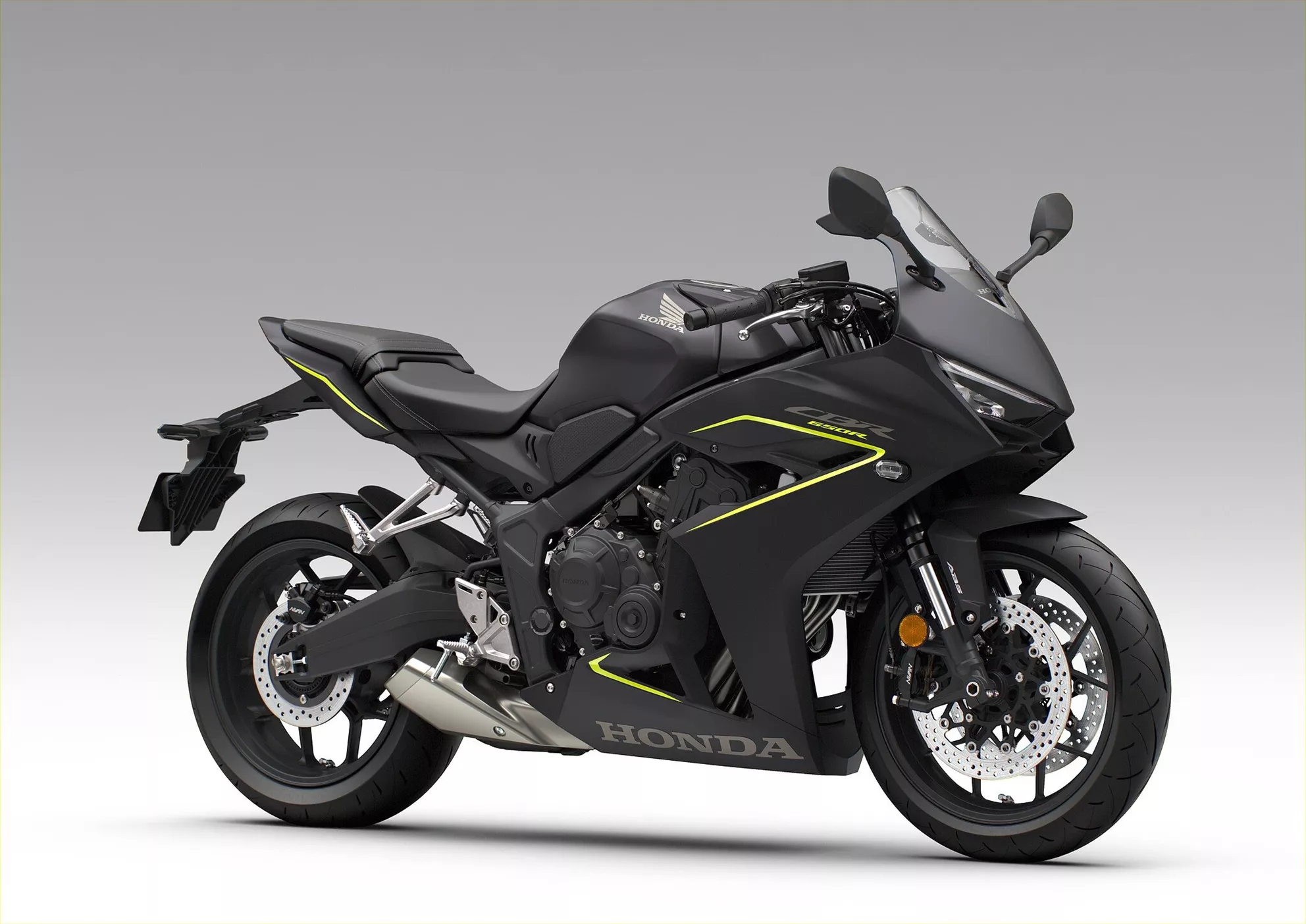
Honda CBR650R If you like the sporty middleweight concept but want to compare, Honda's CBR650R offers a far more rev-hungry alternative. Its 649 cc inline four currently delivers 95.2 hp, putting it a level higher in terms of performance, though it's also heavier and usually more expensive.

Honda CBR650R 2026

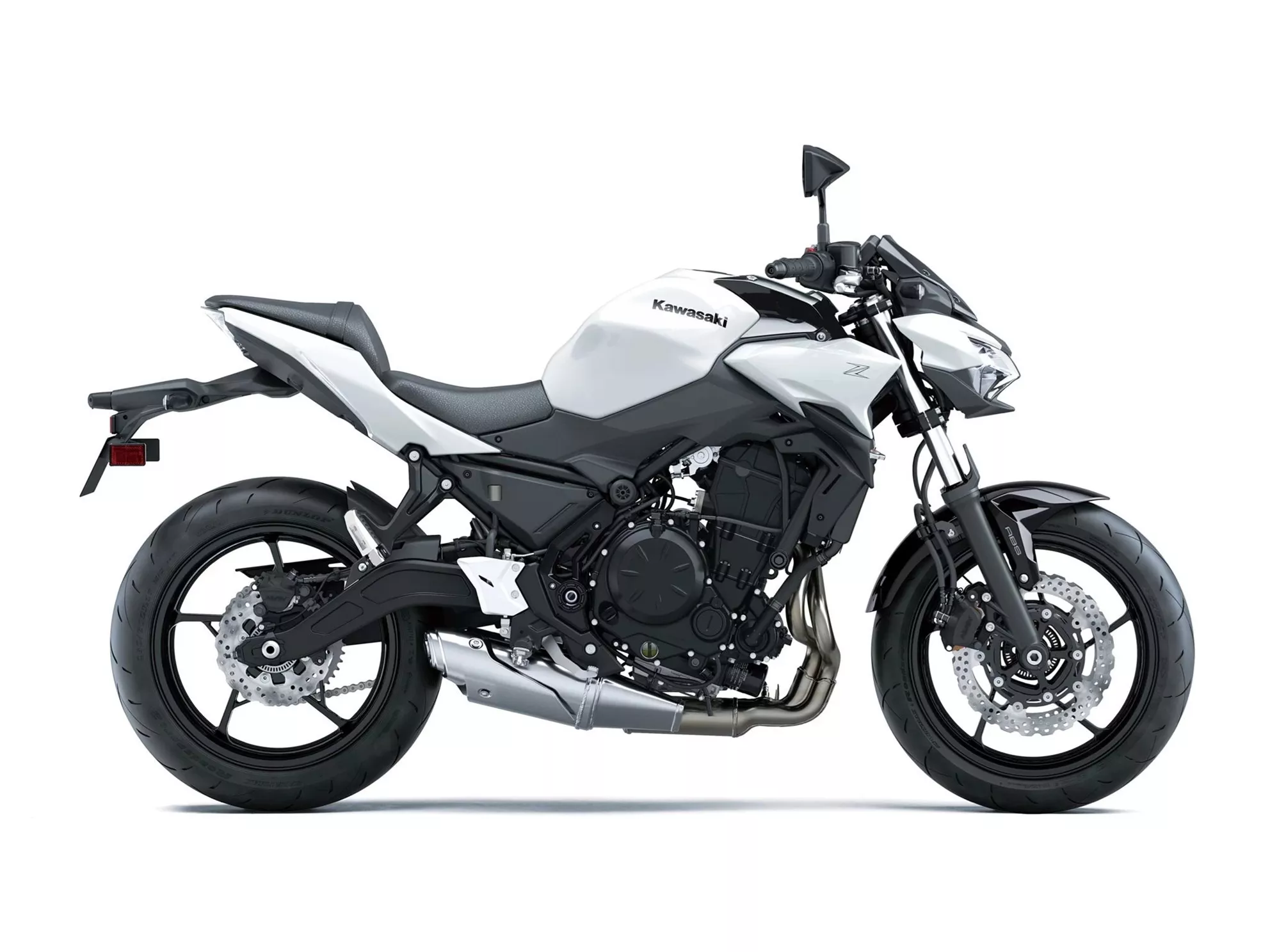
Kawasaki Z650 Within its own family, there's the Kawasaki Z650: same basic idea and 649 cc twin, but without a full fairing, so crash damage usually involves less expensive plastic archaeology, though wind protection is lacking on the motorway and on tour.

Kawasaki Z650 2026

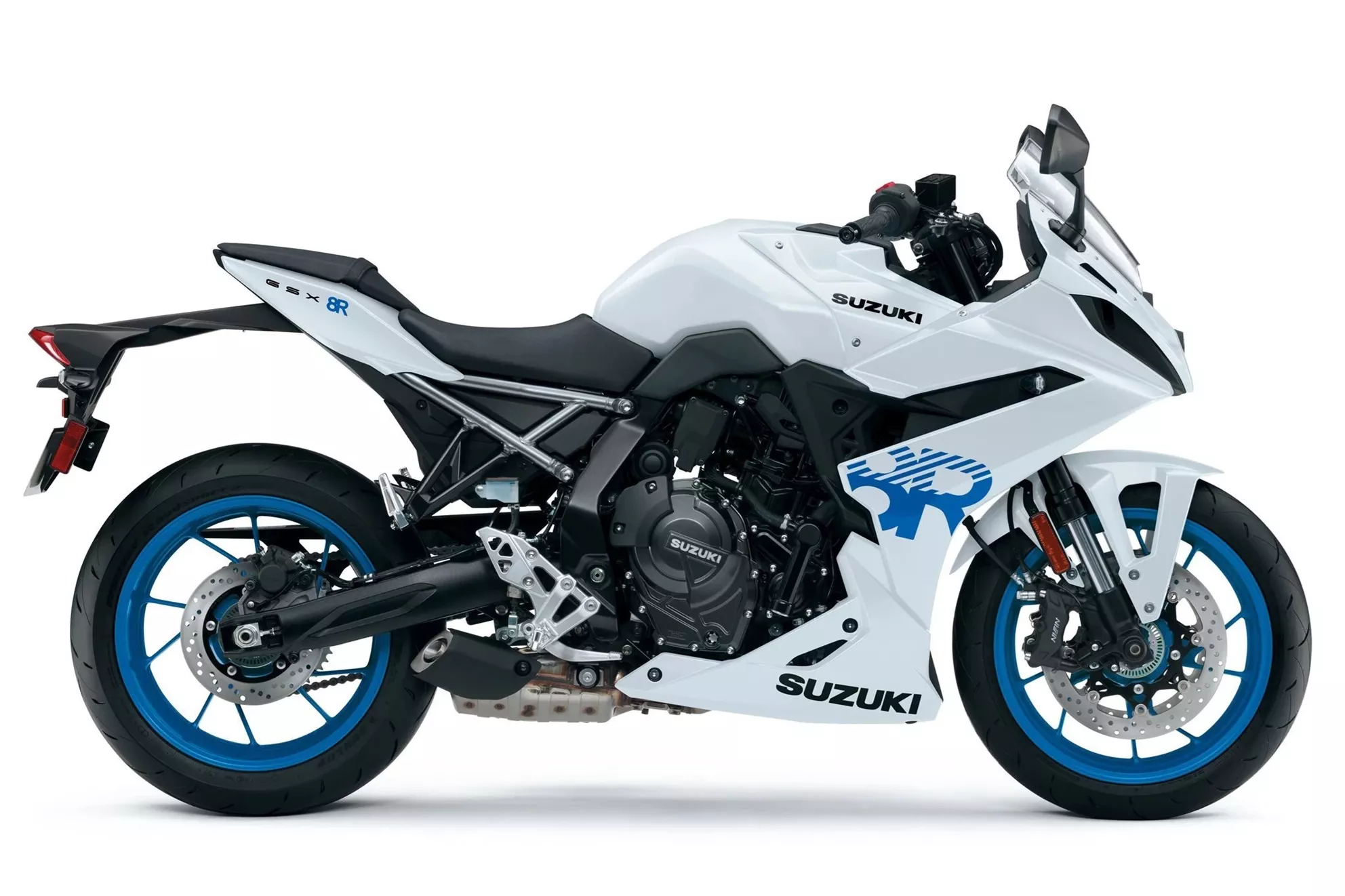
Suzuki GSX-8R With the GSX-8R, Suzuki offers the modern counterpoint: 776 cc parallel twin, 83 hp and 78 Nm, quickshifter and up-to-date electronics. It offers more grunt and technology, but on the used market it's naturally much younger and therefore usually more expensive.

Suzuki GSX-8R 2026

Ninja 650 verdict

The Kawasaki Ninja 650 is interesting as a used bike mainly because it never had to pay for its sporty looks with needlessly complicated technology. The 649 cc twin is considered a robust basis, which is why high, properly documented mileage should be less of a deterrent than missing maintenance, crash damage or a questionable repair behind the fairing. On a small budget, we like the mature 2012 to 2016 ER-6f; the 2017 to 2019 Ninja brings the big weight reduction, and 2020 to 2022, with TFT, LED lighting and 12,000 km service intervals, is a particularly well-rounded used sweet spot. If you want KTRC, go for 2023 onwards, but given the small gap to the new price, do your sums especially carefully. All in all, there's no reason to suspect engine failure behind every mechanical noise on the Ninja 650. More important on early bikes are the frame area, wiring harness and age-related wear; on newer models, mainly traceable maintenance, power status and a genuinely undamaged fairing structure. Start it cold, check it hot, take the service history seriously up to the 42,000 km valve clearance check, and don't let shiny plastic hypnotise you when buying, and you'll get an uncomplicated, sufficiently quick and tour-capable middleweight sportster. The fairing may look sporty. Its past had better not be.

How much does a Kawasaki Ninja 650 cost?
Here you will find an overview of the price level of new and used motorbikes!

More from 1000PS Magazine

Used Kawasaki Ninja 650 buyer's guide: weak spots and buying tips Images

Source: 1000PS

Image 1
Image 2
Image 3
Image 4
Image 5
Image 6
Image 7
Image 8
Image 9
Image 10
Image 11
Image 12
Image 13
Image 14
Image 15
Image 16
Image 17
Image 18
Image 19
Image 20
Image 21
Image 22
Image 23
Image 24
Image 25
Image 26
Image 27
Image 28
Image 29
Image 30
Image 31
Image 32
Image 33
Image 34
Image 35
Image 36
Image 37
Image 38
Image 39
Image 40
Image 41
Image 42
Image 43
Image 44
Image 45
Image 46
Image 47
Image 48
Image 49
Image 50
Image 51
Image 52
Image 53
Image 54
Image 55
Image 56
Image 57
Image 58