Kawasaki Vulcan S used buying guide

Kawasaki Vulcan S used buying guide

Buying a cruiser without nasty surprises

The Kawasaki Vulcan S has been around since 2015 and has remained remarkably consistent technically. That's exactly what makes it interesting as a used buy: the 649 twin is considered robust, but manoeuvring dings, accessory electrics, restriction status and maintenance decide whether the cruiser is really a good buy.

NoPain

NoPain

published on 25/10/2026

4,948 Views

Kawasaki Vulcan S history

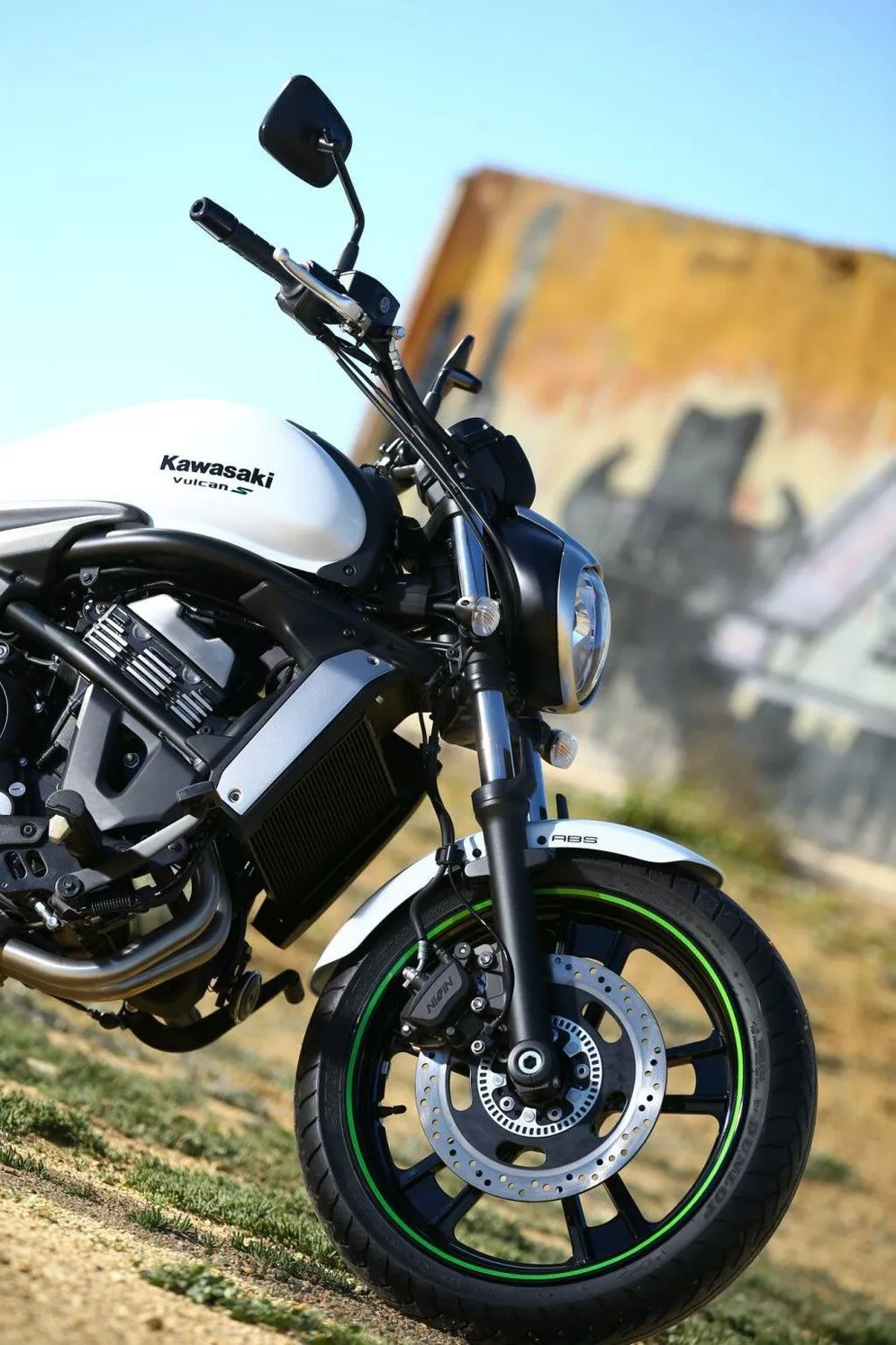
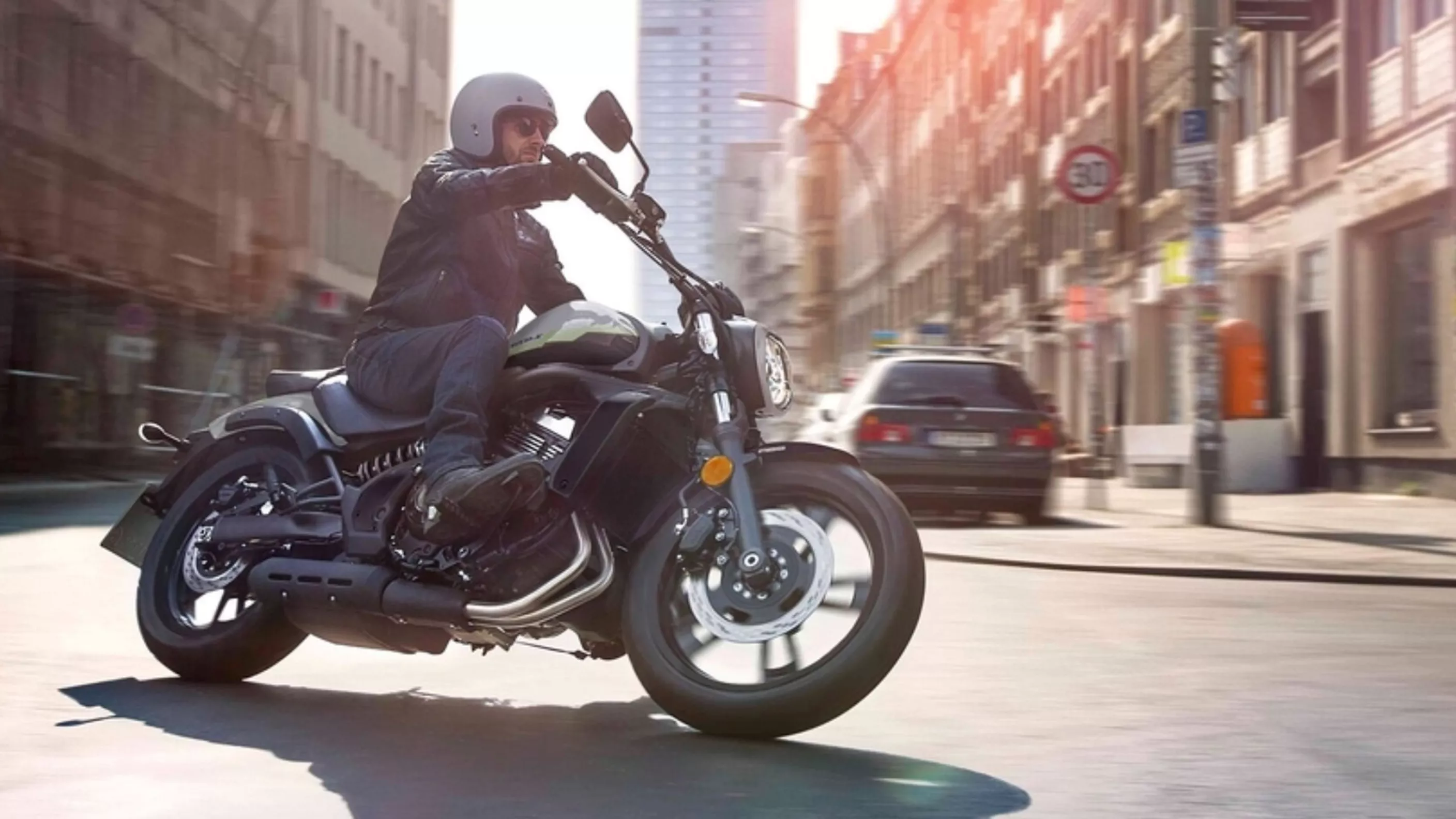
If a mid-size cruiser automatically makes you think of lots of chrome, lots of weight and rather leisurely handling, you're only partly right with the Vulcan S. In 2015, Kawasaki didn't go for classic cruiser technology, but for its well-known liquid-cooled 649 cc parallel twin, tuned for a more relaxed power delivery and housed in a long, low chassis. The basic concept has remained unusually consistent to this day. The current model's spec sheet lists 61 hp at 7,500 rpm, 62.4 Nm at 6,600 rpm, a 705 mm seat height, 229 kg wet weight and a 14-litre tank. What matters more than the bare numbers, though, is the character: the Vulcan S rides lighter on its feet and more precisely than its cruiser silhouette suggests, without secretly turning into a naked bike with a low saddle.

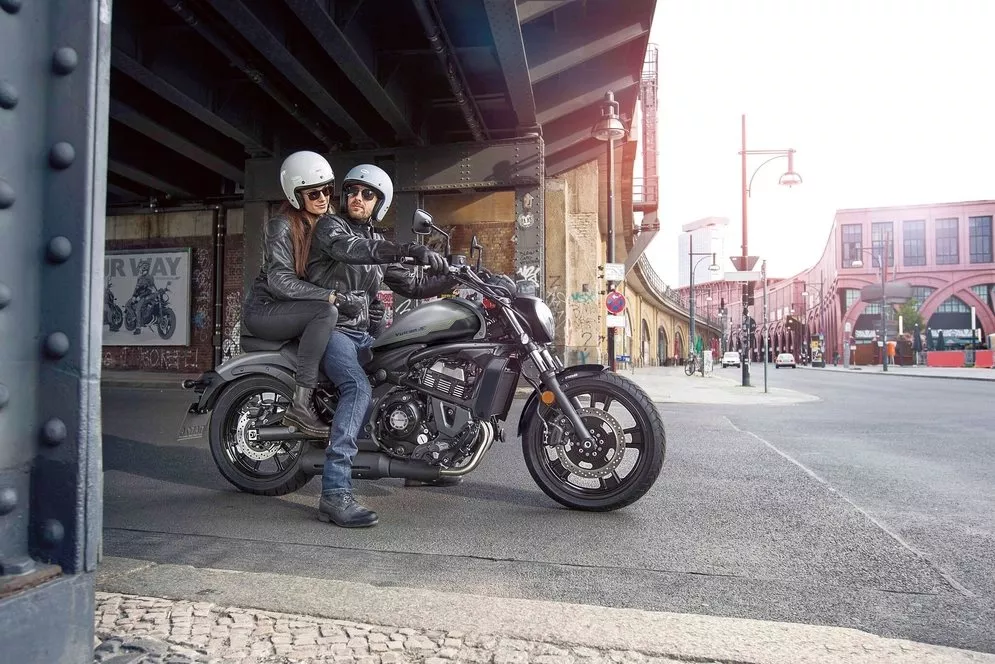
An important part of this concept is the adjustable ergonomics, with different seat, handlebar and footpeg options. On the used market, that's more than a comfort detail, because a bike can be technically flawless and still be completely wrong ergonomically if previous owners swapped components and didn't hand over the original parts. Then there's the limited maximum lean angle: with just 130 mm of ground clearance, the pegs and exhaust will eventually announce sporting ambitions with a metallic scrape. These are exactly the spots that, when buying used, often tell a very honest story about how spirited the relationship between rider, tarmac and Vulcan S has been so far. The low seating position makes it accessible, the 649 twin keeps it lively, but not even Japanese engineering can argue away the physics of a low-slung cruiser.
Buying a used Kawasaki Vulcan S

Price-wise, the Vulcan S is a pleasantly affordable used bike, albeit with a wide spread between older everyday machines and young, almost-new examples. In Austria, a realistic asking range is roughly 4,000 to 8,500 euros, in Germany around 5,000 to 8,000 euros. These are listing and asking prices, not actual sale prices achieved. Because young used bikes and new vehicles are on the market at the same time, a sober comparison of model year, mileage, accessories and documented maintenance pays off. A seemingly cheap example quickly loses its charm if tyres, chain kit, fork service and an overdue major service all come due straight after purchase. Find current Kawasaki Vulcan S listings on the 1000PS Marketplace here.

The service year should also be factored into the price assessment. The early bikes from 2015 and 2016 still ran 6,000 km service intervals; from 2017 this was changed to 12,000 km. According to Bike Factory, the valve clearance check at 24,000 km remains an important point. A well-kept early Vulcan S with a clean history is therefore by no means automatically worse, but it demands more maintenance entries on its CV. If invoices or traceable stamps are missing exactly there, low mileage is no free pass.

To do your used bike a favour, we recommend regular oil changes. 1000PS trusts lubricants from Motorex, and here you'll find the right oil for your bike.

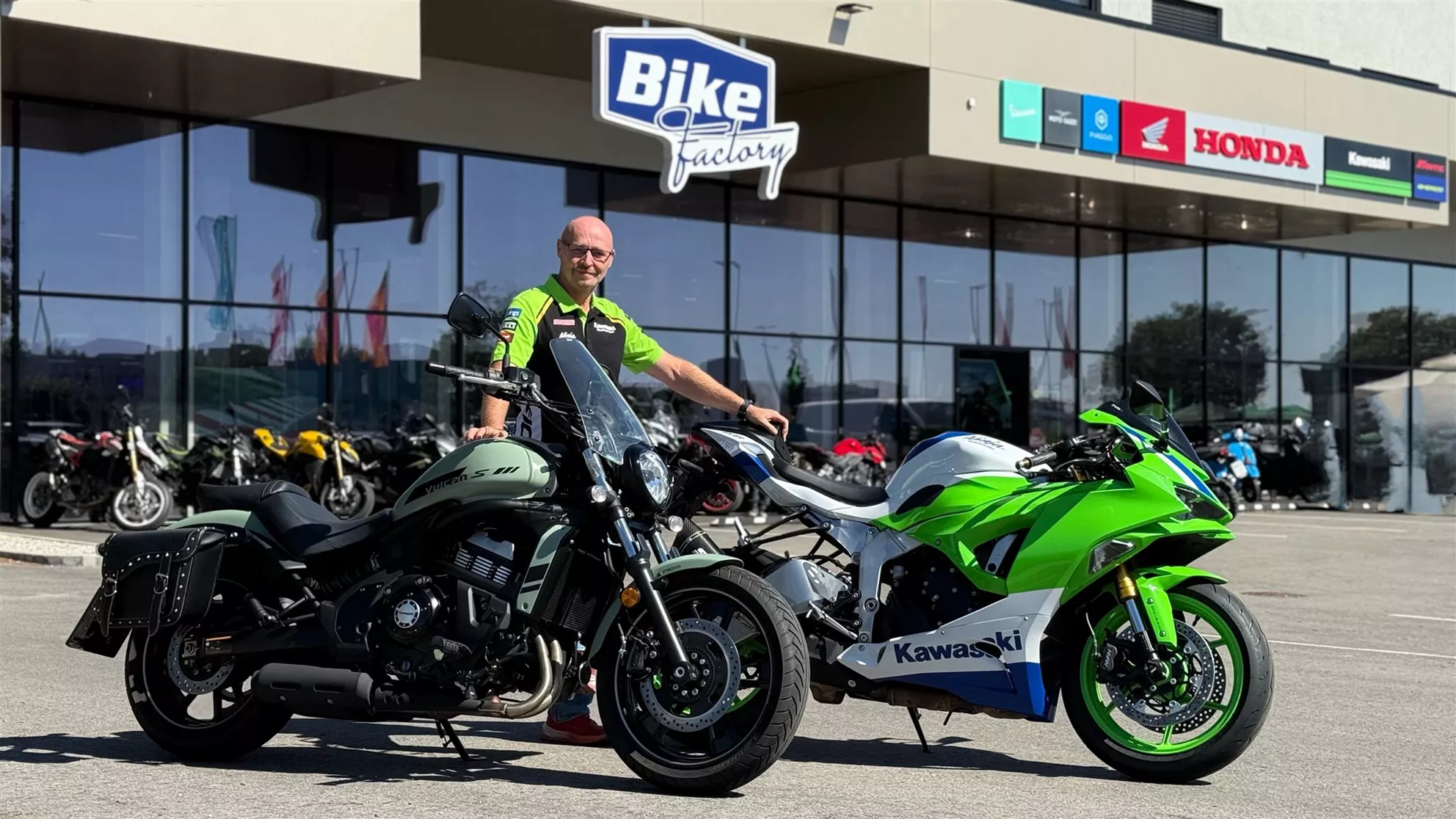
Walter Prohaska, Sales Manager at Bike Factory Krems

Bike Factory expert check: Kawasaki Vulcan S

The Kawasaki specialists at Bike Factory Krems describe the Vulcan S as a mechanically proven and comparatively unstressed bike. That's why the 649 twin isn't at the top of the worry list during a used check. More interesting is what happens around it: tip-overs while manoeuvring, scrape marks on the footpegs and exhaust, corrosion, a worn chain kit or accessories wired up with varying degrees of craftsmanship. That fits the typical usage profile. A low seat height makes manoeuvring easier, but it doesn't prevent the classic car-park bump, and anyone who exploits the agile side of the Vulcan S can definitely use up the available maximum lean angle. So don't just look at the paint – read the pegs, mounts and the underside of the exhaust with a torch and a bit of patience.

Electrics Accessory electrics deserve special attention, because the Vulcan S often gets retrofitted with heated grips, auxiliary or fog lights, sat nav, a gear indicator and other power consumers. That's not a problem in principle, as long as cable routing, fuses, connectors and earth points are done properly. It gets suspicious when twisted strands, loose crimp connectors or an entire wiring harness of improvised splices turn up under the seat. Then practical touring accessories can turn into a fault-finding mission in no time. Bike Factory also recommends carefully checking the fork seals, brakes and chain kit. Especially on bikes that sit a lot or only see short fair-weather rides, low mileage is no proof that seals, battery and brake components are automatically living in youthful exuberance.

Restriction One point that is particularly important on A2-compliant Vulcan S models concerns the 35 kW restriction. According to Bike Factory, it is implemented electronically and cannot be reliably verified with the naked eye during an inspection. Papers, actual power status and stored configuration must match; if anything is unclear, the bike should go to a Kawasaki workshop before purchase. This tip is highly relevant in practice, because the unrestricted Vulcan S only makes 61 hp, and on a short, relaxed test ride the difference isn't so brutal that every discrepancy is immediately exposed. An untraceable power modification is therefore not a formality but a genuine deal-breaker until it's clarified what is stored in the ECU and what is entered in the vehicle documents.

How much does a Kawasaki Vulcan S cost?
Here you will find an overview of the price level of new and used motorbikes!

Maintenance history Kawasaki's service time table also shows why a properly documented major service can be worth hard cash. For the 2015 Vulcan S, Kawasaki lists around 2.0 labour hours at 24,000 km, 2.7 hours for the model version from 2017 and 3.3 hours for the version listed for 2021 as a guideline for regular maintenance. The table explicitly states that cleaning, removal and refitting of accessories and additional work are not included. Equally important: for the valve clearance item only the check is accounted for; if adjustment is actually needed, extra labour is added. The figures are therefore not a quote, but they explain very well why a verifiably completed 24,000 km service is worth more when buying used than a freshly polished tank.

Kawasaki Vulcan S 2026

Buyer's checklist for the Kawasaki Vulcan S

With the Vulcan S, it's rarely an exotic model-specific ailment that decides between buying and running, but the sum of many small clues. We would therefore deliberately run the inspection from a cold bike right through to a fully warmed-up machine.

  • Essential: matching the VIN, papers and service history, plus a genuine cold start, checking the 35 kW restriction, straight pegs and peg mounts, and finding out which Ergo-Fit parts are fitted and whether the original parts come with the bike.
  • Important: chain kit, fork seals, brake discs and pads, steering head and wheel bearings, tyre age, corrosion, the underside of the exhaust and all accessory wiring. The engine should run until the fan kicks in, so that leaks or cooling problems don't stay hidden while cold.
  • Red flags: bent peg mounts, heavy scrape or crash marks from a supposedly harmless "car-park bump", an untraceable power modification, DIY electrical bodges, or a bike that's already warm on arrival even though a cold start was explicitly agreed.

Tyres for the Kawasaki Vulcan S

The Kawasaki Vulcan S rolls on a 120/70 R18 up front and a 160/60 R17 at the rear, a rather unusual combination that somewhat limits the choice of modern tyres. We recommend the Metzeler Roadtec Z8 Interact in 120/70 ZR18 front and 160/60 ZR17 rear. This sport touring tyre suits the versatile character of the Vulcan S well, because rather than being tuned for maximum cruiser mileage, it combines easy turn-in, predictable behaviour at lean and good wet grip. Interact technology uses differently tensioned zones in the steel belt, aiming to combine straight-line stability with inherent damping and grip at lean. On a comparatively agile Vulcan S in particular, that's a more fitting pairing than a lazy, classic cruiser tyre. Find the Metzeler Roadtec Z8 Interact for the Kawasaki Vulcan S here.

Kawasaki Vulcan S 2015

Yuasa battery for the Vulcan S

For the Vulcan S, the YUASA YTZ10S is the obvious battery recommendation; this battery type is listed at 12 V and 8.6 Ah for various Vulcan S model years. On a bike that has been built for more than a decade, though, fitment should still be checked against the model year and vehicle data before ordering. Especially on cruisers with heated grips, auxiliary lights, sat nav or other retrofitted power consumers, it also makes sense to check charging voltage and quiescent current, because a new battery won't cure badly connected auxiliary electrics. Anyone buying a bike with an unknown standing time should therefore not only ask when the battery was replaced, but also check whether it still cranks cleanly after a few days' rest, without tired churning.

How much does a Kawasaki Vulcan S Cafe cost?
Here you will find an overview of the price level of new and used motorbikes!

Alternatives to the Kawasaki Vulcan S

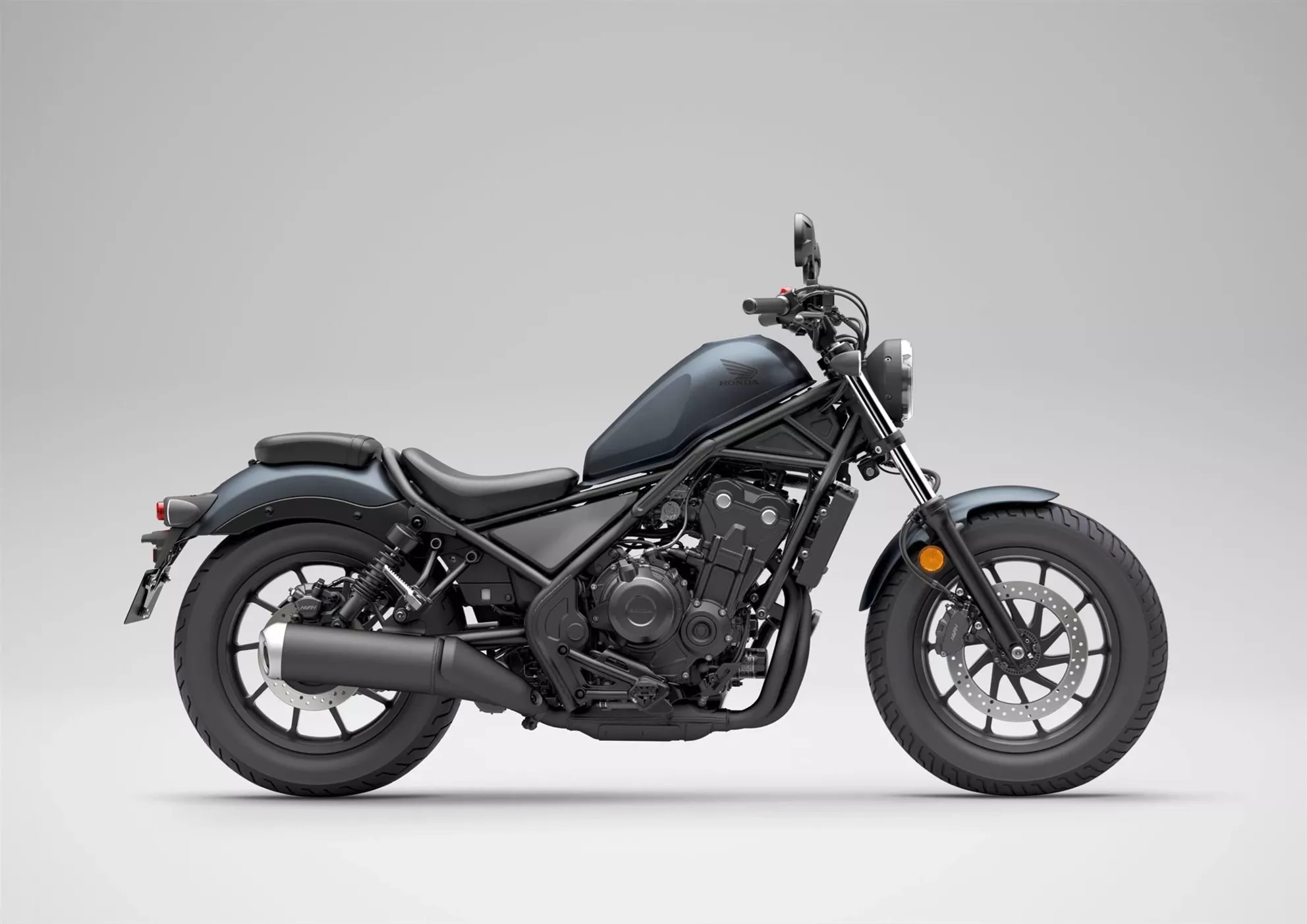
Honda CMX500 Rebel The Honda CMX500 Rebel is the most obvious alternative for riders who value accessibility more than the Kawasaki's stronger punch: at 690 mm it sits even lower, currently weighs 192 kg wet and feels more compact overall, but falls short of the Vulcan S in terms of performance.

Honda CMX500 Rebel 2026

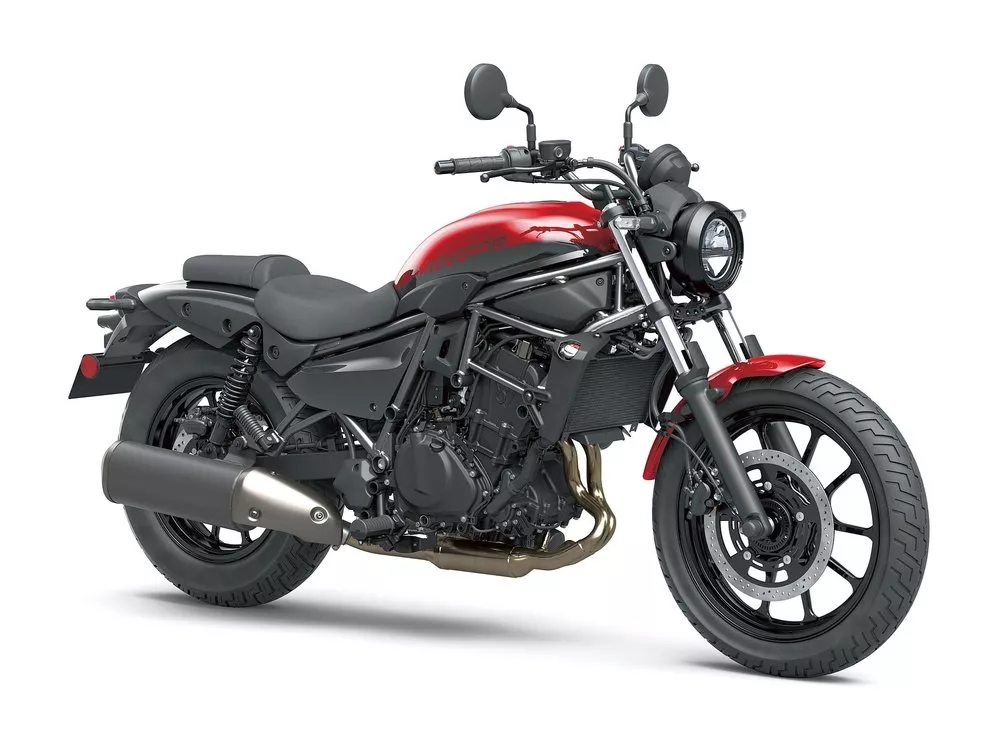
Kawasaki Eliminator 500 If you want a more modern and significantly lighter way in within the Kawasaki family, take a look at the Eliminator 500. Its 451 cc twin makes 45 hp, the current model weighs 176 kg and feels almost a weight class smaller when manoeuvring.

Kawasaki Eliminator 500 2026

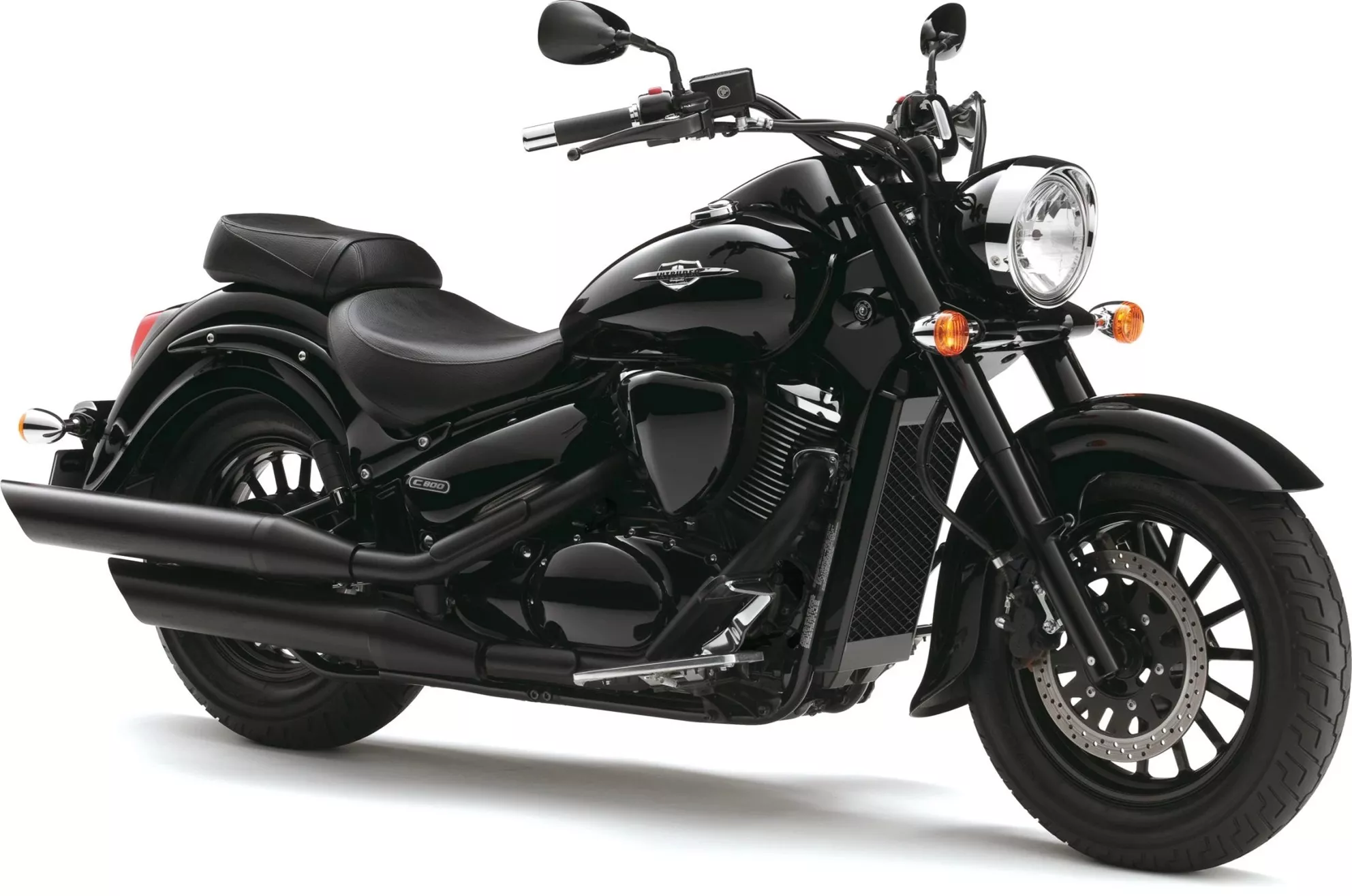
Suzuki Intruder C800 The Suzuki Intruder C800 deliberately goes the other way: an 805 cc V-twin, 53 hp, shaft drive and 277 kg add up to a more traditional, heavier cruiser experience. It's less a direct copy than an alternative for those who find the Vulcan S almost too sensible and agile.

Suzuki Intruder C800 2017

Verdict on the Kawasaki Vulcan S

As a used bike, the Kawasaki Vulcan S is pleasingly unspectacular, and in this case that's a compliment. The 649 twin is considered robust and unstressed, the model concept hasn't been constantly reinvented since 2015, and the market offers a wide price range from cheap early bikes to young examples. The purchase therefore hinges less on a dreaded engine weakness than on maintenance, crash marks, lean-angle contact, accessory electrics, ergonomic configuration and a properly documented 35 kW restriction. The longer 12,000 km service intervals from 2017 onwards are especially welcome, but an early 2015 or 2016 bike with a good history can also be a very sensible deal. With the Vulcan S, the seat-of-the-pants feel is rarely the risk factor. The cable tie under the seat is more likely to be.

How much does a Kawasaki Vulcan S Special Edition cost?
Here you will find an overview of the price level of new and used motorbikes!

Kawasaki Vulcan S used buying guide Images

Source: 1000PS

Kawasaki Vulcan S Used-Buying Guide - Image 1
Kawasaki Vulcan S Used-Buying Guide - Image 2
Kawasaki Vulcan S Used-Buying Guide - Image 3
Kawasaki Vulcan S Used-Buying Guide - Image 4
Kawasaki Vulcan S Used-Buying Guide - Image 5
Kawasaki Vulcan S Used-Buying Guide - Image 6
Kawasaki Vulcan S Used-Buying Guide - Image 7
Kawasaki Vulcan S Used-Buying Guide - Image 8
Kawasaki Vulcan S Used-Buying Guide - Image 9
Kawasaki Vulcan S Used-Buying Guide - Image 10
Kawasaki Vulcan S Used-Buying Guide - Image 11
Kawasaki Vulcan S Used-Buying Guide - Image 12
Kawasaki Vulcan S Used-Buying Guide - Image 13
Kawasaki Vulcan S Used-Buying Guide - Image 14
Kawasaki Vulcan S Used-Buying Guide - Image 15
Kawasaki Vulcan S Used-Buying Guide - Image 16
Kawasaki Vulcan S Used-Buying Guide - Image 17
Kawasaki Vulcan S Used-Buying Guide - Image 18
Kawasaki Vulcan S Used-Buying Guide - Image 19
Kawasaki Vulcan S Used-Buying Guide - Image 20
Kawasaki Vulcan S Used-Buying Guide - Image 21
Kawasaki Vulcan S Used-Buying Guide - Image 22
Kawasaki Vulcan S Used-Buying Guide - Image 23
Kawasaki Vulcan S Used-Buying Guide - Image 24
Kawasaki Vulcan S Used-Buying Guide - Image 25
Kawasaki Vulcan S Used-Buying Guide - Image 26
Kawasaki Vulcan S Used-Buying Guide - Image 27
Kawasaki Vulcan S Used-Buying Guide - Image 28
Kawasaki Vulcan S Used-Buying Guide - Image 29