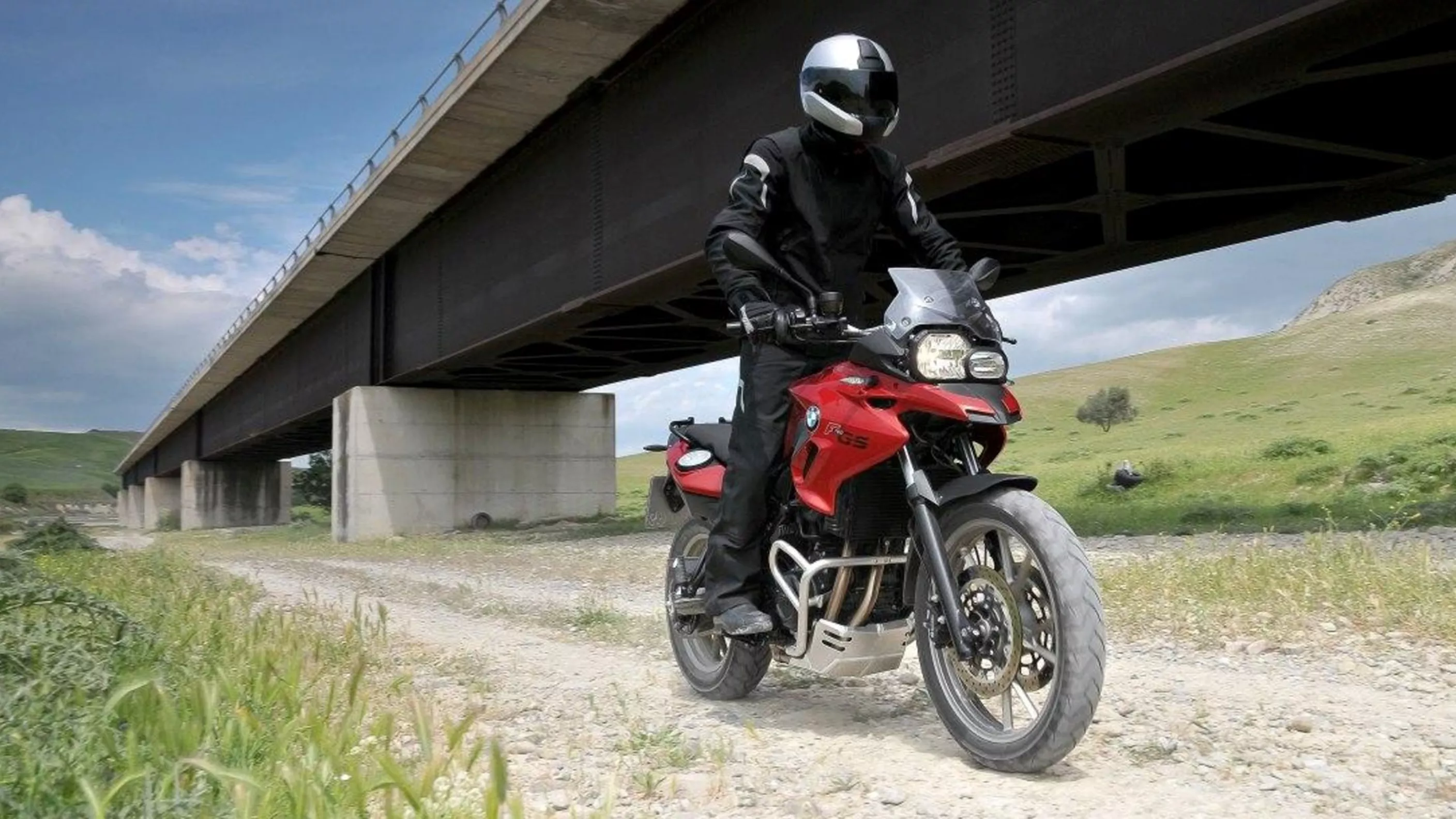
BMW F 700 GS and F 750 GS used buying guide
These BMW GS models are true hidden gems
The BMW F 700 GS and F 750 GS are considered reliable, nimble and versatile adventure bikes. But what should you look out for when buying used? Our guide reveals typical weak points, sought-after features and important tips from the BMW expert.

Der Horvath
published on 09/08/2026
7,929 Views
History of the BMW F 700 GS & F 750 GS
Strictly speaking, the story of the BMW F 700 GS begins several years before its official launch. In 2008, BMW Motorrad introduced a new generation of middleweight adventure bikes with the F 650 GS and F 800 GS, offered side by side. Unlike the earlier single-cylinder F 650 GS, the new entry-level model was powered by a liquid-cooled parallel-twin engine with a displacement of 798 cc. The F 650 GS model name therefore no longer reflected the actual displacement, but primarily marked its positioning below the more powerful and more off-road-oriented F 800 GS. Both models formed the foundation for BMW's middleweight GS in the years that followed.
BMW F 700 GS: a new name and targeted development from 2012
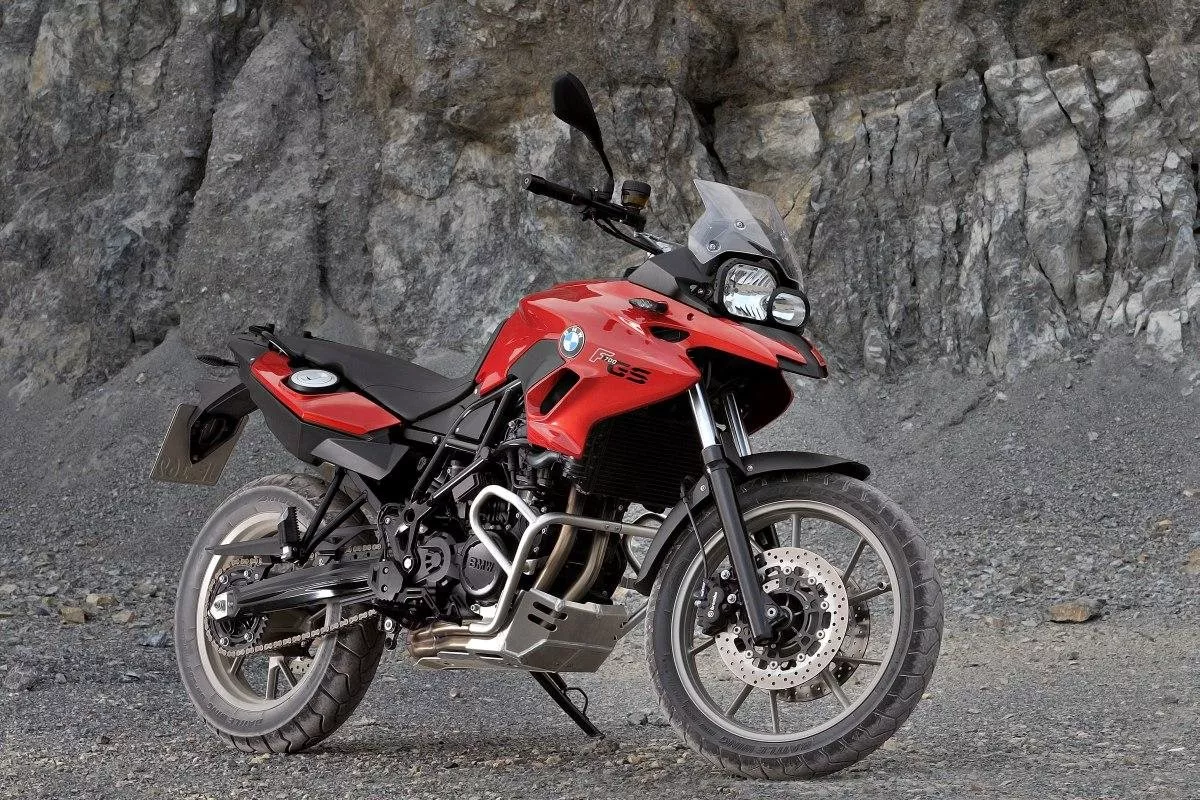
In summer 2012, BMW unveiled the F 700 GS as the successor to the twin-cylinder F 650 GS. For the 2013 model year, the road-focused GS received not only a new name but also a series of technical and visual improvements. The familiar 798 cc parallel twin was essentially retained, but now produced 55 kW or 75 hp and delivered a maximum torque of 77 Nm. In terms of performance, this placed the F 700 GS more clearly between the previous entry-level model and the F 800 GS, which remained in the lineup.
Despite its name, the F 700 GS therefore had neither 700 cc of displacement nor an entirely new engine. BMW used the number primarily to distinguish it more clearly within the model range. Its 19-inch cast front wheel, lower seat height and more moderate suspension travel made it particularly appealing for everyday use, for touring on tarmac and for new and returning riders. BMW itself described the F 700 GS as a model for riders who appreciate the feel of an enduro but don't need serious off-road capability.
More safety and comfort in the middleweight class
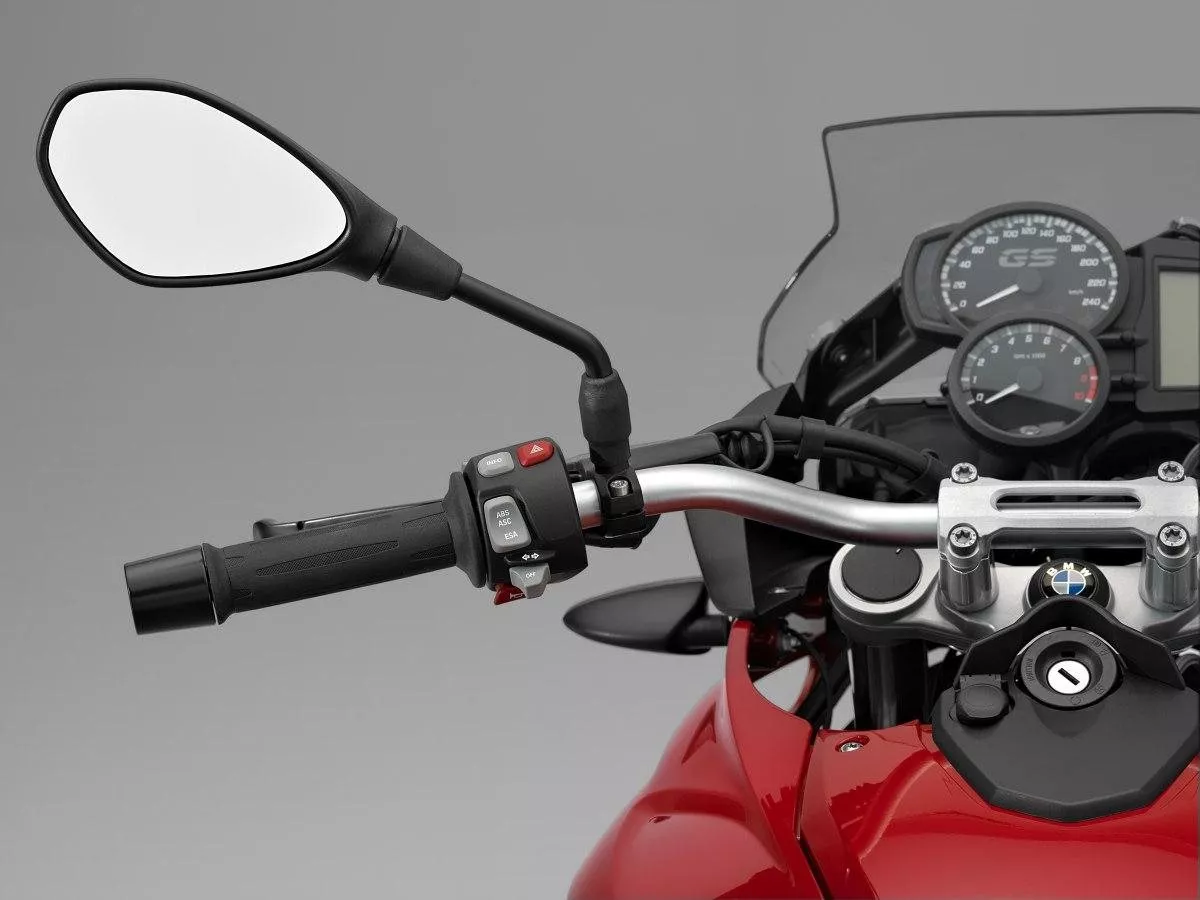
A key upgrade over the F 650 GS was its modernised features. The F 700 GS received a twin-disc front brake and was offered with ABS right from launch. From the 2013 model year, BMW ultimately fitted ABS as standard to all its motorcycles. Options for the F 700 GS included Automatic Stability Control (ASC) and the electronically adjustable rear shock ESA. This meant that rider aids and comfort systems previously known mainly from larger and more expensive models increasingly found their way into the middleweight class.
The cockpit was also revised. Speed and rpm were still displayed in analogue form, but the instruments received redesigned dials. The standard information display now showed fuel level and coolant temperature, among other things. Redesigned switchgear, revised fairing panels and more modern lighting were also intended to bring the F 700 GS closer to BMW's model generation of the time.
2016 update: visual refinement
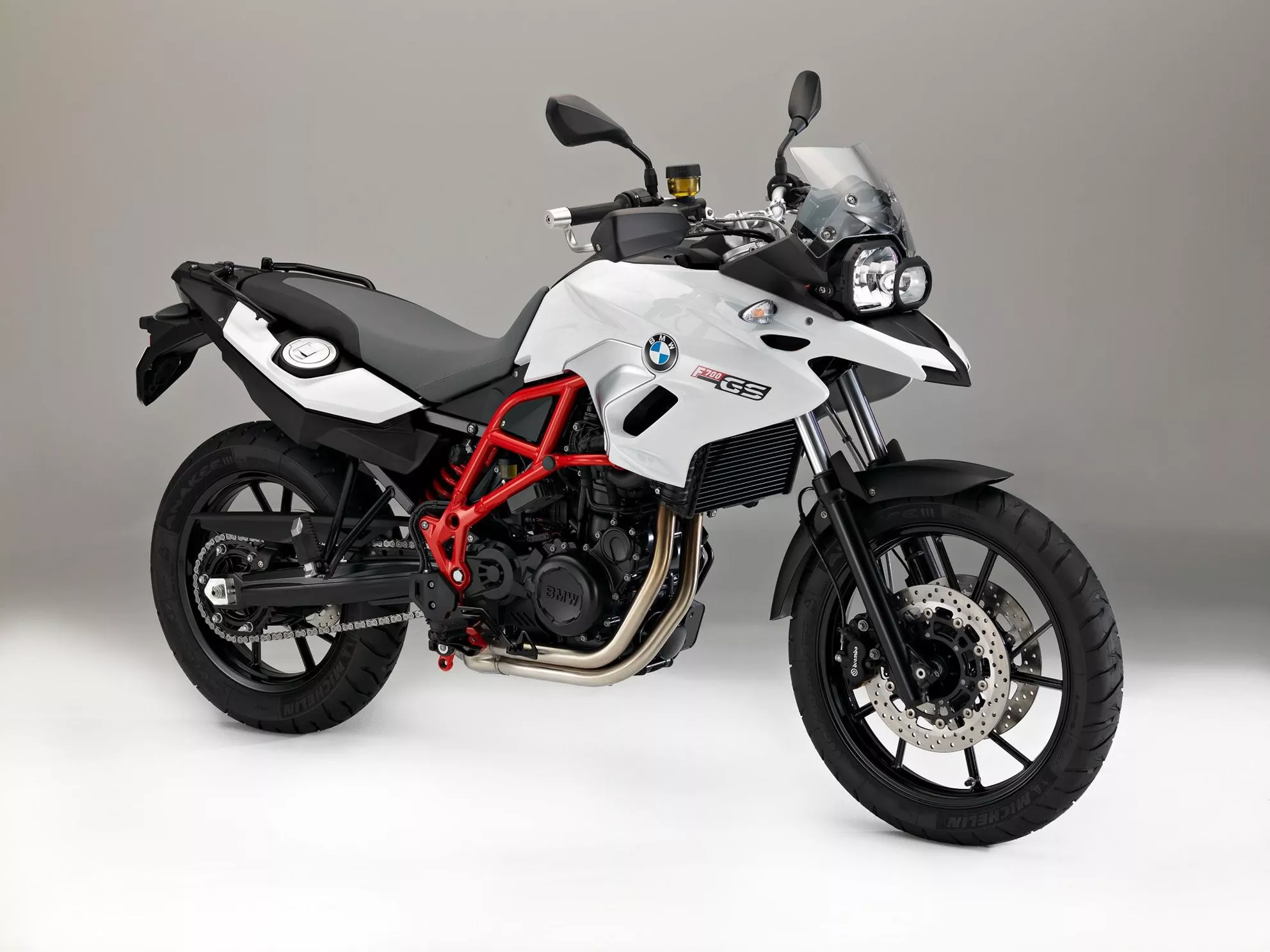
For the 2016 model year, BMW carried out a predominantly cosmetic update. The F 700 GS received a redesigned tank cover, a revised cover around the ignition lock and new colour and design variants. Engine output, basic construction and positioning, on the other hand, changed little. The F 700 GS remained the lower, more accessible and more road-focused sister of the F 800 GS.
2017 update: Euro 4
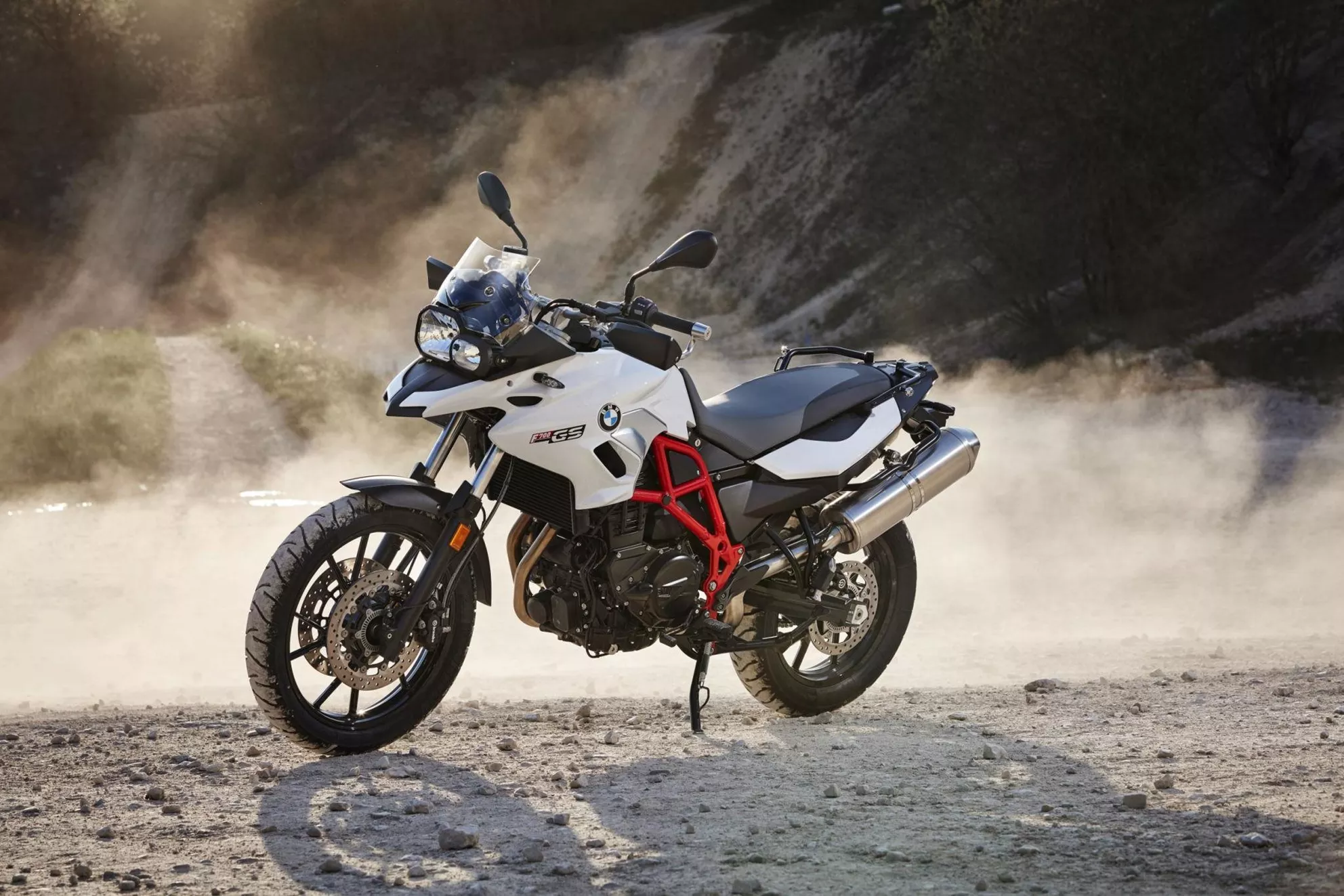
A more extensive revision followed for the 2017 model year. As part of the adaptation to the Euro 4 emissions standard, the F 700 GS, F 800 GS and F 800 GS Adventure received, among other things, revised engine management and a new exhaust system. The F 700 GS's output remained unchanged at 75 hp. At the same time, instruments, displays and options were brought up to current requirements. With that, the F 700 GS entered its final years of production before BMW completely redesigned the middleweight platform.
The generation change: launch of the BMW F 750 GS
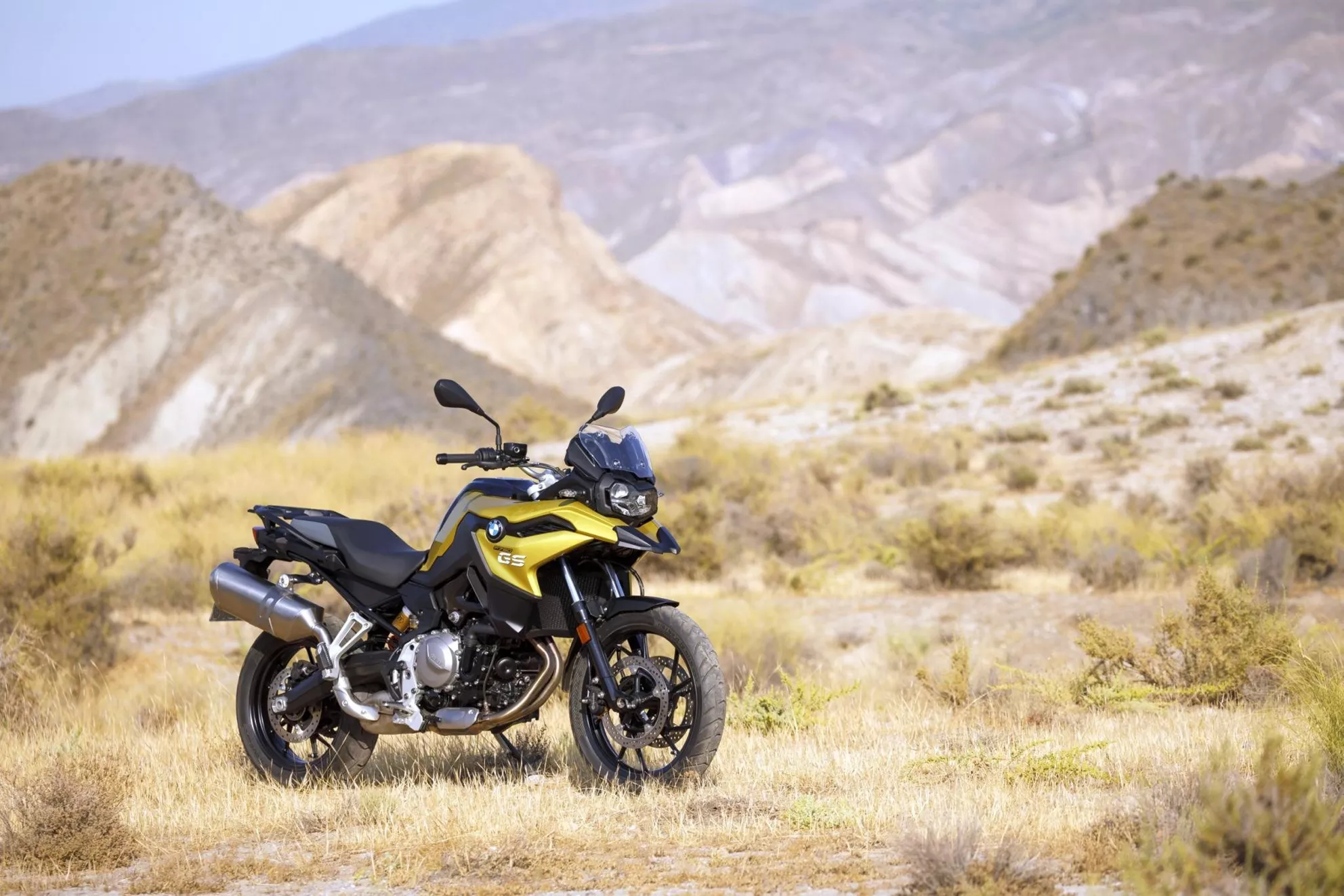
In November 2017, BMW presented the new F 750 GS alongside the F 850 GS at EICMA. When it hit the market in 2018, it replaced the F 700 GS. Despite the similar-sounding model name, this was not a simple update but a far-reaching redesign. Engine, frame, tank layout, electronics and design were fundamentally changed. BMW spoke of a completely newly developed generation of the middleweight GS.
With the F 750 GS, too, the number in the model name did not reflect the actual displacement. The newly developed parallel-twin engine displaced 853 cc and initially produced 57 kW or 77 hp at 7,500 rpm in the F 750 GS. Maximum torque was 83 Nm. The 853 cc engine differed significantly in design from the 798 cc engine of the F 700 GS. A crankshaft with a 90-degree crankpin offset and a firing interval of 270/450 degrees were intended to deliver a more characterful engine feel, stronger pull and a sound more reminiscent of a V-twin. Two balancer shafts kept vibrations in check.
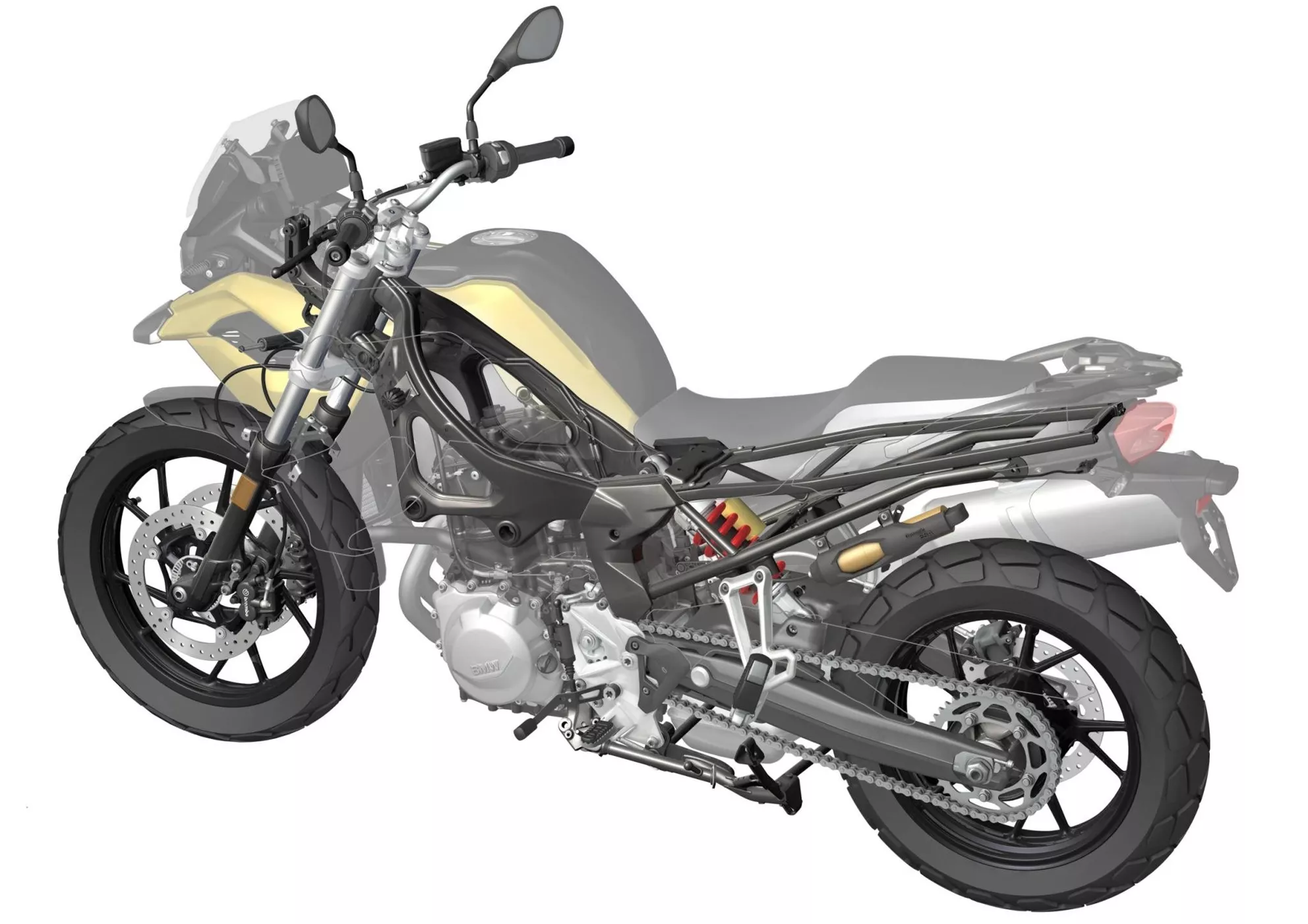
The changeover also brought a major change to the bike's layout. On the F 700 GS, the fuel tank was located under the seat, while the supposed tank in front of the rider served mainly as a fairing and airbox cover. On the F 750 GS, the tank moved back to the classic position between the seat and the steering head. At the same time, the final drive switched from the right to the left side of the bike. The new pressed-steel bridge frame integrated the engine as a stressed member.
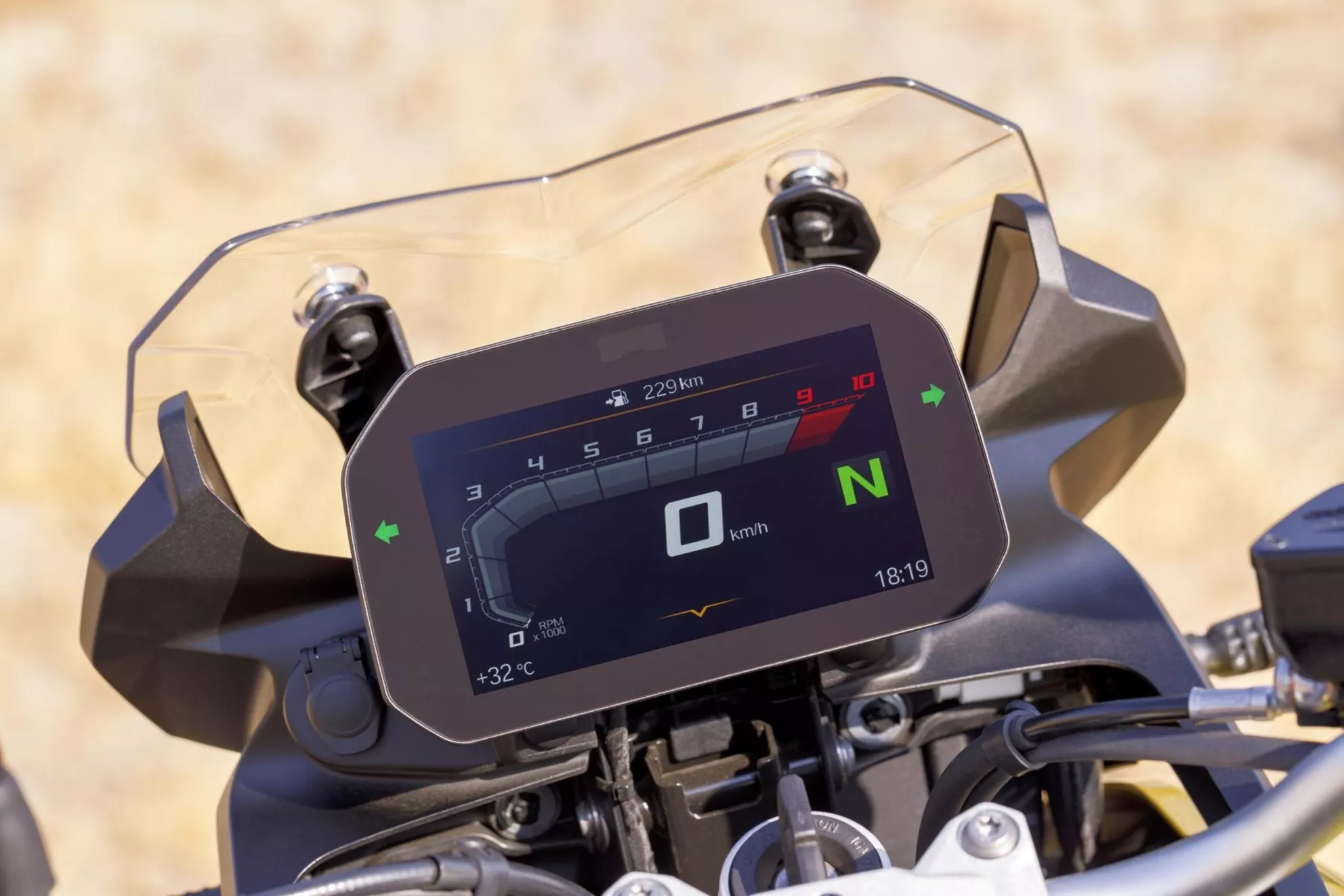
The range of electronic features also grew considerably. Even the base specification included various riding modes and traction control. Options included a colour TFT display with connectivity functions, LED lighting, Dynamic ESA electronically controlled suspension, a shift assistant, Keyless Ride, tyre pressure monitoring and the automatic eCall emergency call system. This brought the middleweight GS closer to the big boxer models in terms of comfort and electronics.
Update for the 2021 model year
For the 2021 model year, BMW revised the F 750 GS together with the F 850 GS and the F 850 GS Adventure. Alongside new colours and special editions marking 40 years of the GS, the main changes concerned the features. ABS Pro and Dynamic Traction Control (DTC) were now part of the extended standard equipment. In addition, the optional Riding Modes Pro were revised and supplemented with a more direct throttle map in the Dynamic riding mode.
The end of the F 750 GS and the return of the F 800 GS
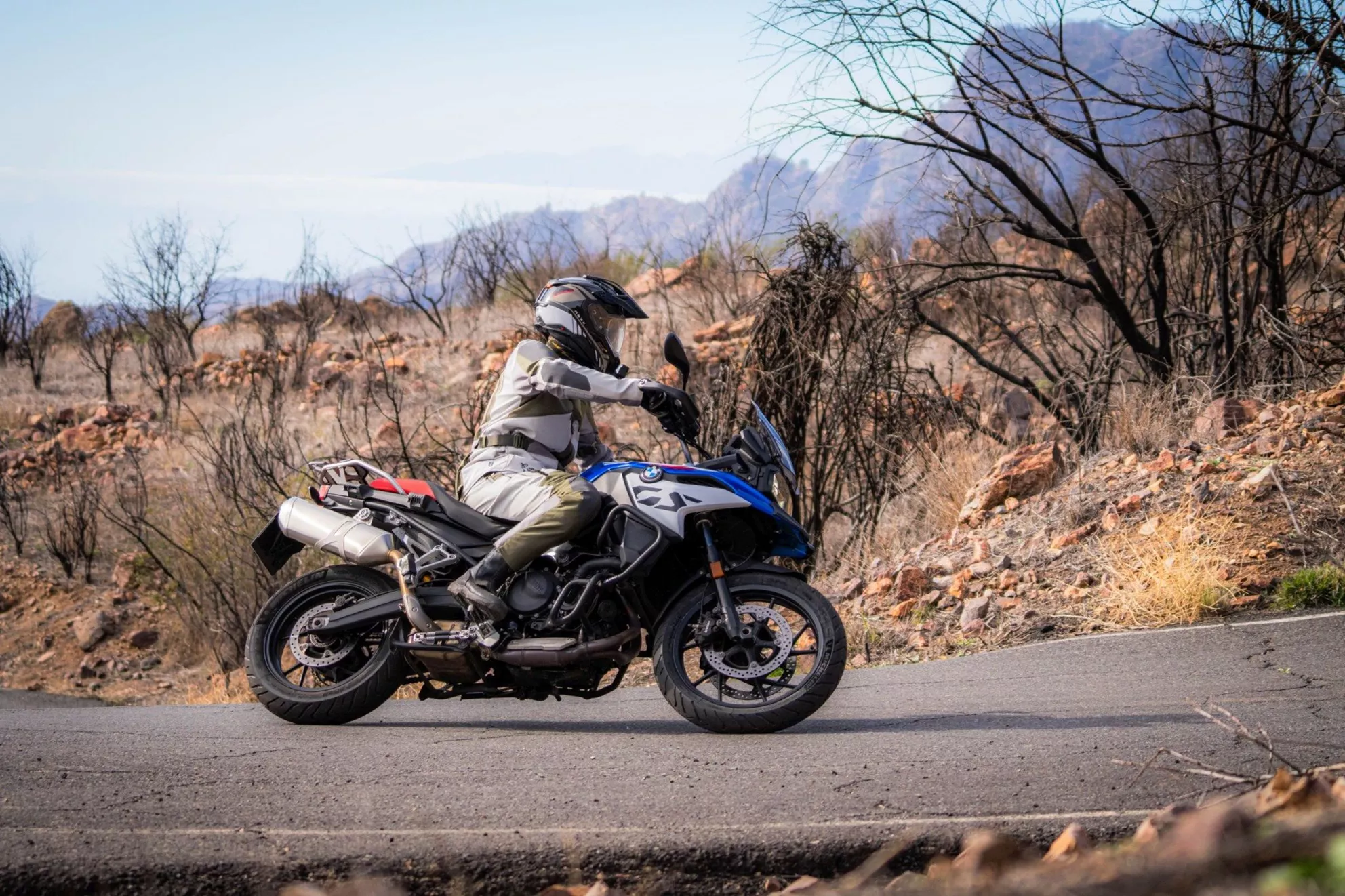
In September 2023, BMW unveiled the next revision of its middleweight adventure bikes. From the 2024 model year, a newly named F 800 GS took over the role of the previous F 750 GS. Despite the name, this was not a return to the old 798 cc platform. The new F 800 GS was still based on the fundamental technical design of the F 750 GS and F 850 GS, but received a twin-cylinder engine enlarged to 895 cc with 87 hp as well as modernised standard equipment. This ended the F 750 GS's career after around six model years. Together with the F 700 GS, offered from 2012 to 2018, it covered the accessible, road-focused side of BMW's GS range for more than a decade.
Buying a used BMW F 700 GS or F 750 GS
Availability of the BMW F 700 GS and F 750 GS on the used market is generally good. Prices depend not so much on year of manufacture and mileage alone, but above all on features and fitted accessories. Particularly sought-after are well-maintained bikes with a luggage system, taller windscreen, engine guard, navigation prep or factory lowering. A fully equipped example can therefore be considerably more expensive than a technically comparable base model. Current listings here: Buy a used BMW F 700 GS & F 750 GS.
To treat your used bike well, we recommend regular oil changes. 1000PS relies on lubricants from Motorex, and here you can find the right oil for your bike.
Expert assessment from Gady BMW Motorrad: the F 700 GS and F 750 GS as used bikes
For this used-bike guide, we spoke to the BMW specialists at Gady BMW Motorrad in Baden. From a workshop perspective, both the F 700 GS and its successor, the F 750 GS, are considered exceptionally robust, uncomplicated and comparatively affordable bikes. Both models are aimed more at road riders than their respective sister models, the F 800 GS and F 850 GS. Even so, they offer the upright seating position, everyday usability and a large share of the touring ability that buyers expect from a GS.
- How much does a BMW F 700 GS cost?
- Here you will find an overview of the price level of new and used motorbikes!
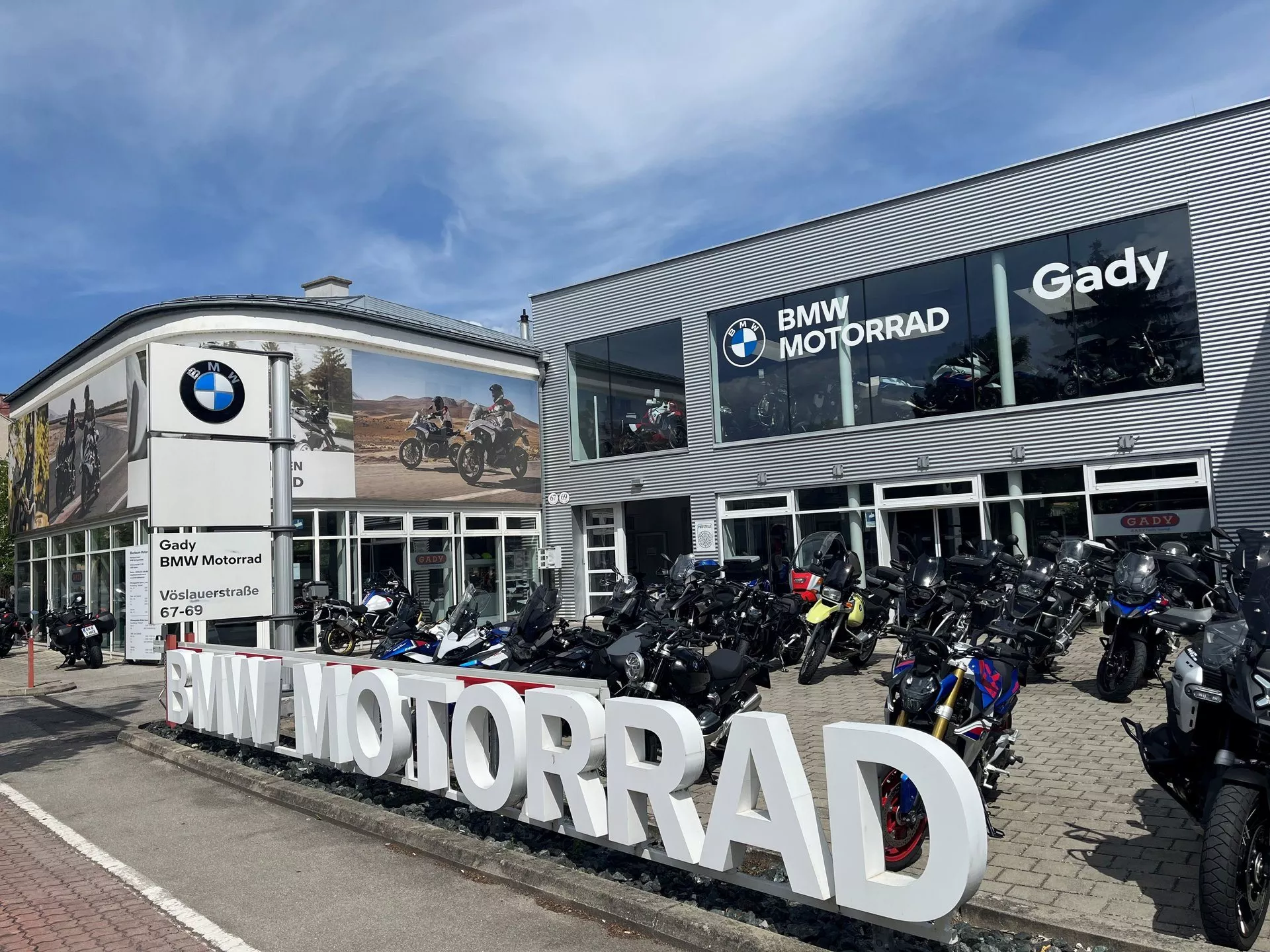
Gady BMW Motorrad in Baden near Vienna.
The engines are considered extremely reliable
From a workshop perspective, the engines of the F 700 GS and F 750 GS are among the models' great strengths. Serious engine problems are not a typical issue on sensibly maintained bikes. "Engine-wise, we've basically never had anything wrong with them. They're extremely reliable," is the clear verdict from Gady BMW Motorrad. With a wink, the specialists compare the concept to classic, barely stressed long-distance runners: plenty of displacement, moderate peak power and therefore low mechanical stress.
Both models develop their usable torque at low and medium revs. In everyday riding, they therefore rarely need to be wound out. The F 750 GS in particular benefits from its larger displacement and pulls strongly right from the bottom. In normal road use, the gap to the respective more powerful sister model is therefore smaller than the spec sheets would initially suggest.
In the workshop's experience, significant oil consumption is not a widespread problem either. When in good technical condition, the engines use little or practically no oil.
Check restricted versions carefully
Both model series were frequently offered as restricted bikes and used in riding schools, among other places. On the F 700 GS, the method of power restriction changed over the course of production. Early versions used a modified throttle valve, later the opening travel was limited mechanically. On more recent versions, the restriction was ultimately implemented via software.
On the F 750 GS, the power restriction is implemented electronically. For buyers, this means: on restricted or subsequently derestricted bikes, the entry in the vehicle registration documents, the version actually fitted or programmed and the corresponding documentation should all match. Converting back can vary in effort and cost depending on year of manufacture and system.
"Riding school bike" is no insult here
The F 700 GS and F 750 GS were frequently used by riding schools. That's down to their easily controllable power delivery, upright seating position and uncomplicated handling. The centre of gravity is comparatively low, the bikes are easy to manoeuvre during slow-speed exercises and quickly give even inexperienced riders confidence.
"These are classic riding school bikes – indestructible in the best sense," sums up Gady BMW Motorrad. A former riding school bike therefore isn't automatically a bad buy. However, it may have been through an above-average number of clutch manoeuvres, slow-speed exercises and tip-overs. Signs of wear on bar ends, levers, engine guard, footpegs and fairing should therefore be checked particularly carefully.
Dismissing the two GS models as mere beginner or riding school bikes would not do them justice, however. Gady BMW Motorrad describes them as "among the most underrated bikes in the BMW range". They combine easily accessible riding performance with genuine touring and everyday capability.
Lowering is in demand, but comes with drawbacks
A particularly important topic on the used market is factory-lowered versions. Both the F 700 GS and the F 750 GS were offered with a lower suspension version. On these bikes, not only the seat but also the suspension and stand are adapted to the reduced height. It is therefore an engineered solution and not a retrofit using individual aftermarket parts.
For shorter riders in particular, this version can be the deciding factor. Used factory-lowered examples are correspondingly sought-after. However, lowering has an important downside: due to the reduced suspension travel, the permissible payload can also drop significantly depending on the version. This can become problematic especially when riding with a pillion and luggage. Under heavy load, the shock reaches the end of its travel more quickly.
"Before lowering the suspension, you should try all other options," is the experts' advice. Anyone who regularly rides two-up or with a lot of luggage should definitely check the permissible payload of the specific bike in the vehicle documents.
Typical checkpoints: hoses and steering head bearing
According to Gady BMW Motorrad, the list of model-specific weak points is short. On the F 700 GS, the area around the idle actuator and the associated vacuum hoses should be checked. Aged, porous or kinked hoses can impair engine running and lead to idling problems.
Another classic checkpoint is the steering head bearing. On bikes that spend long periods on the side stand with the bars turned, or are mostly ridden in a straight line, the bearing can become notched in the centre position. When slowly moving the handlebar, you can then feel a detent around the straight-ahead position. The steering head bearing is basically a wear part, not a design-related write-off. Still, on a test ride the bike should turn in cleanly and without resistance. A noticeable notch is a good argument in price negotiations, as replacing it involves additional labour.
Maintenance costs below the boxer class
According to Gady BMW Motorrad, the running costs of the F 700 GS and F 750 GS are lower than those of the big boxer GS models. This applies not only to insurance and fuel consumption, but usually also to spare parts and many maintenance jobs. The experts describe spare parts supply as unproblematic. Many components come from widespread BMW model series, which is why wear and service parts are readily available. Overall, both models are therefore among the more financially sensible ways to ride a BMW with good touring features.
The most sought-after used bikes are low and fully loaded
According to Gady BMW Motorrad, factory-lowered bikes are especially in demand on the used market. Also popular are examples already fitted with panniers, a navigation solution, a taller windscreen and an engine guard. That may seem surprising at first, since both models are often regarded as beginner bikes. But that's exactly why many buyers choose a BMW: they want a fully equipped bike that allows longer rides and weekend trips from day one.
The F 700 GS and F 750 GS are therefore not just bought as cheap second bikes. They often serve as fully fledged touring machines for riders who don't need a big, heavy boxer GS. Their better wind protection and relaxed ergonomics give them a clear advantage over the related roadster models.
1000PS tyre recommendation:
As a tyre recommendation for the BMW F 700 GS and F 750 GS, which are mostly ridden on tarmac, the Metzeler Tourance Next 2 is a great choice. With its neutral turn-in, stable line-holding and high riding comfort, this road-focused enduro tyre suits the good-natured character of the two GS models very well. Its silica compounds are designed for reliable grip and confident braking in the wet and at low temperatures.
YUASA motorcycle batteries - the 1000PS recommendation for your used bike:
With used bikes in particular, it pays to opt for a high-quality battery: YUASA's AGM and gel batteries are maintenance-free, leak-proof powerhouses "Made in Japan" that impress with high cranking power, vibration resistance and long service life. Less maintenance, more performance - ideal for anyone who wants to get their bike going reliably. Find the right YUASA battery for your bike here.
Alternatives to the BMW F 700 GS and F 750 GS
Suzuki V-Strom 650
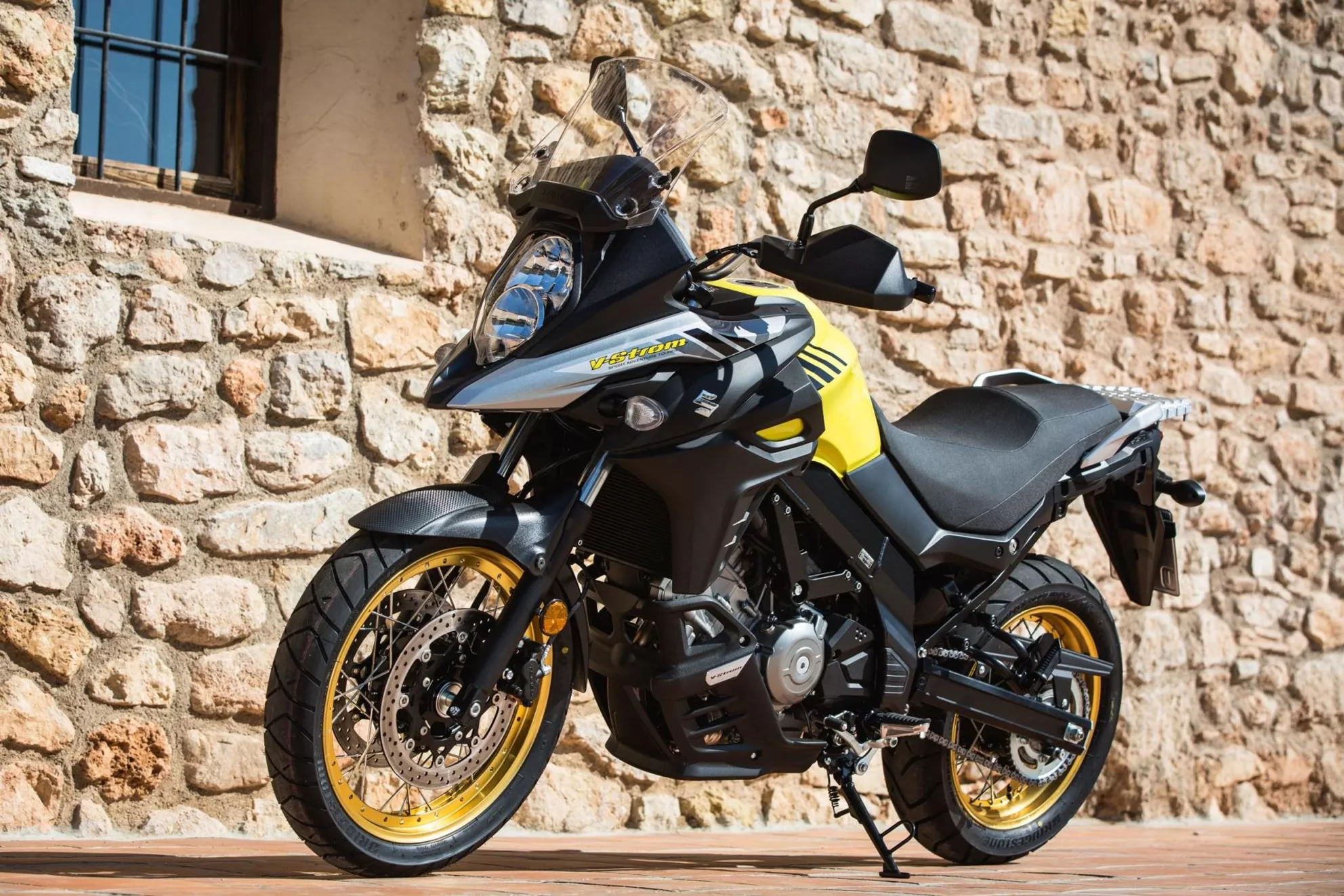
The Suzuki V-Strom 650 is one of the most obvious alternatives to the BMW F 700 GS and F 750 GS. It also offers an upright seating position, good wind protection and excellent everyday usability, but its 645 cc V-twin gives it a more distinctive engine character. The engine is considered economical, durable and mechanically extremely robust. Add to that balanced riding performance and a usually attractive used price. Compared to the BMW models, its features are simpler depending on the year, but the Suzuki scores with modest running costs and a wide selection on the used market.
Honda NC750X
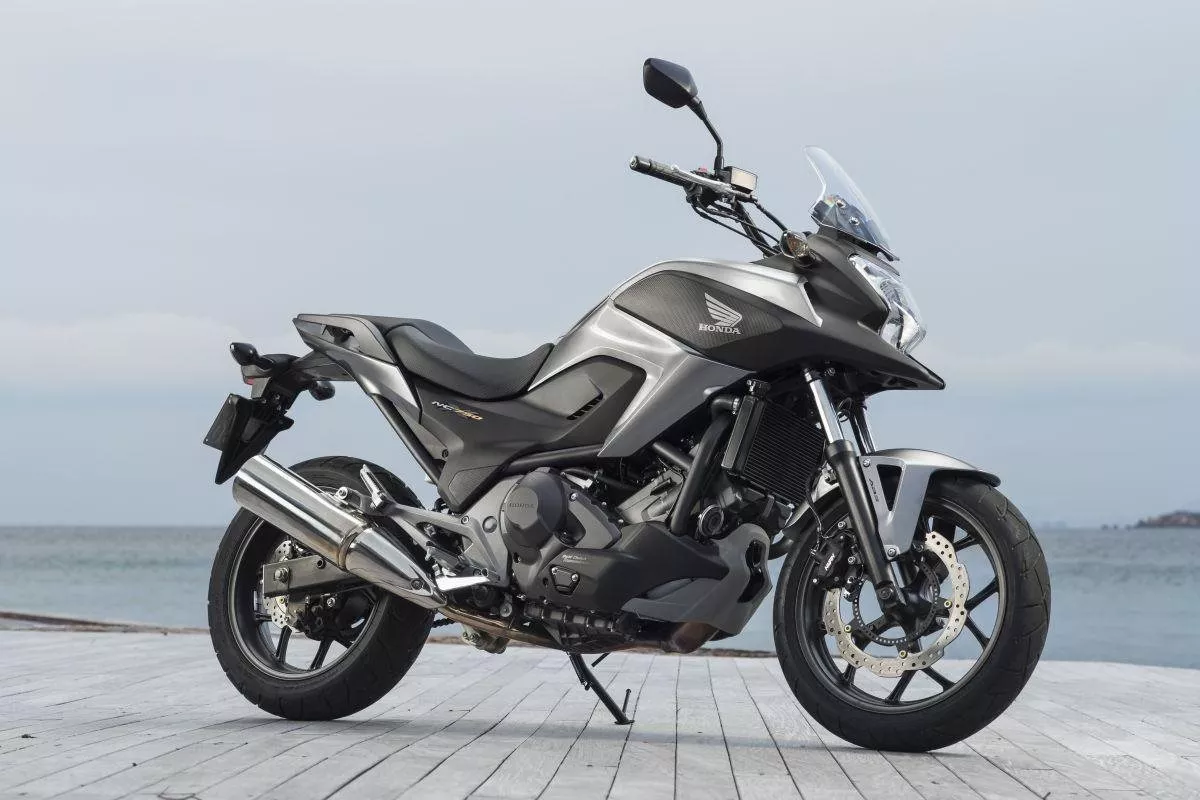
The Honda NC750X is aimed at riders who place particular value on low fuel consumption, uncomplicated handling and practical everyday qualities. Its 745 cc parallel twin delivers its power early and unspectacularly, making it feel similarly accessible to the BMW models. A unique feature is the large storage compartment where the conventional fuel tank would be. Many used examples also have the optional DCT dual-clutch transmission, which offers plenty of comfort, especially in city traffic and on relaxed tours. Sportier riders, however, might be bothered by the early rev limiter and the comparatively modest peak power.
Kawasaki Versys 650
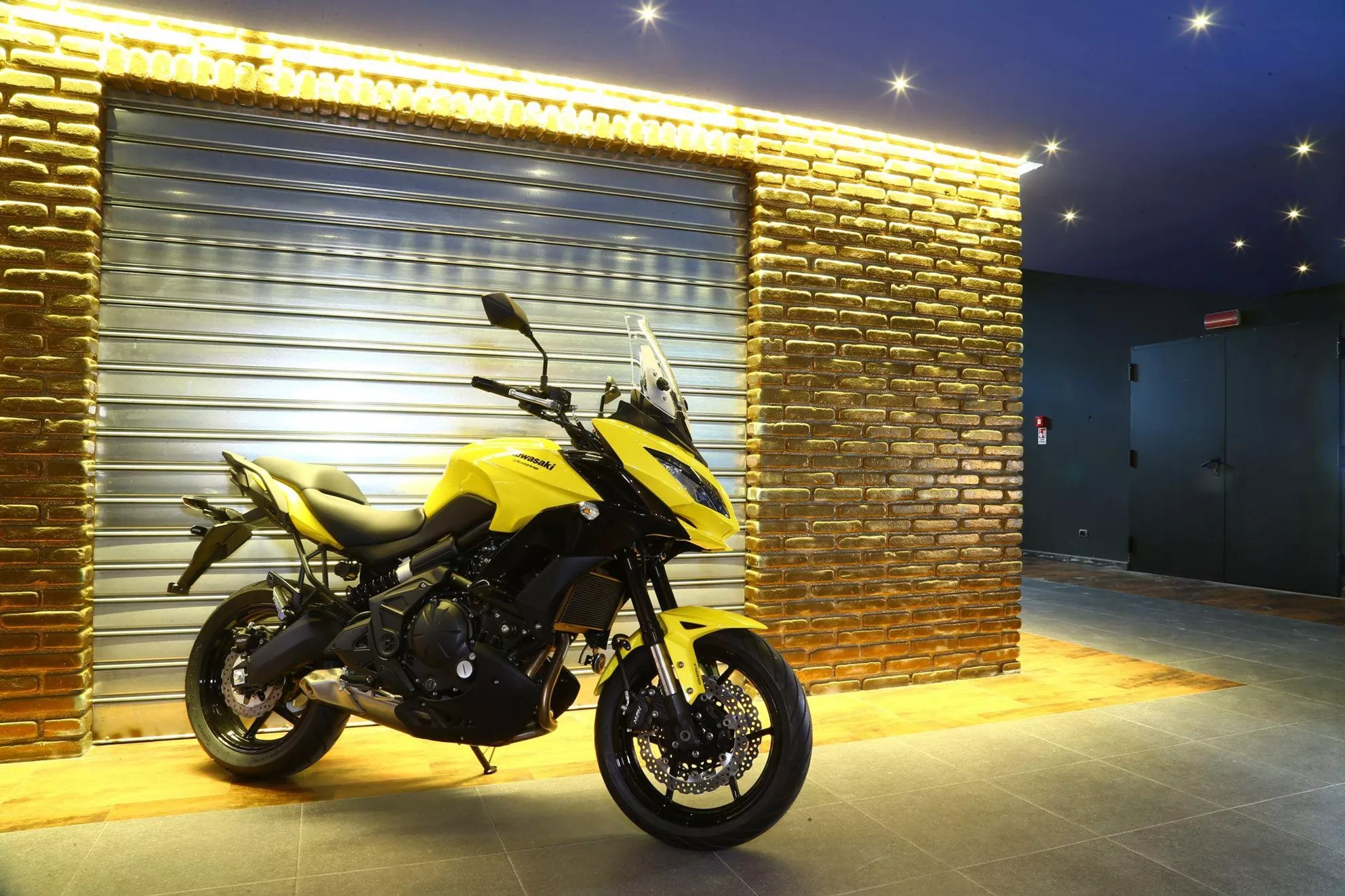
The Kawasaki Versys 650 is the sportiest of the three alternatives, combining an upright touring position with a revvy 649 cc parallel twin. It's nimble to ride, offers decent wind protection and is suited to both the daily commute and longer trips. With its 17-inch wheels, it's even more clearly geared towards tarmac than the two BMW GS models and less intended for rough tracks. In return, it feels agile and direct on twisty roads. Used examples are often cheaper than BMWs of a similar age, while maintenance and fuel consumption remain modest.
Conclusion
The BMW F 700 GS and F 750 GS are among the most sensible used buys in the BMW range. Both models combine uncomplicated riding performance with high everyday usability, solid touring ability and robust engines. The F 700 GS scores with simple technology, modest running costs and a large supply on the used market. The F 750 GS feels more modern, offers more electronics and often considerably more extensive features, but is usually more expensive and its specific configuration needs to be checked more closely.
What matters is less the absolute mileage than how well the bike has been cared for. Regular maintenance, traceable usage and a clean overall technical impression count for more than a particularly low odometer reading after years of standing idle. The main things to check are the steering head bearing, idle area and vacuum hoses, possible signs of riding school use, and the condition of the suspension, brakes and accessories.
Lowered models deserve special attention. While they are sought-after on the used market and often ideal for shorter riders, they can come with significant limitations in suspension travel, ground clearance and payload. Anyone who frequently rides with a pillion and luggage should therefore prefer the standard suspension, or at least check the permissible payload of the specific bike carefully.
All in all, both GS models are durable, nimble and surprisingly versatile bikes. Find a well-maintained example with the right features and you get a reliable everyday and touring bike that can do far more than its reputation as a mere beginner bike would suggest.
More used-bike guides










- How much does a BMW F 750 GS cost?
- Here you will find an overview of the price level of new and used motorbikes!
BMW F 700 GS and F 750 GS used buying guide Images
Source: 1000PS


