The roots of the Honda CBR650R lie in the realignment of Honda's middleweight range in the 2010s. After the legendary CBR600F had been successful for decades as a sporty all-rounder with a four-cylinder engine, Honda moved the far more uncompromising CBR600RR to the forefront in 2011. At the same time, however, this left a gap for all those riders who wanted a sporty bike with four-cylinder character, but without the extreme focus of a supersports machine.
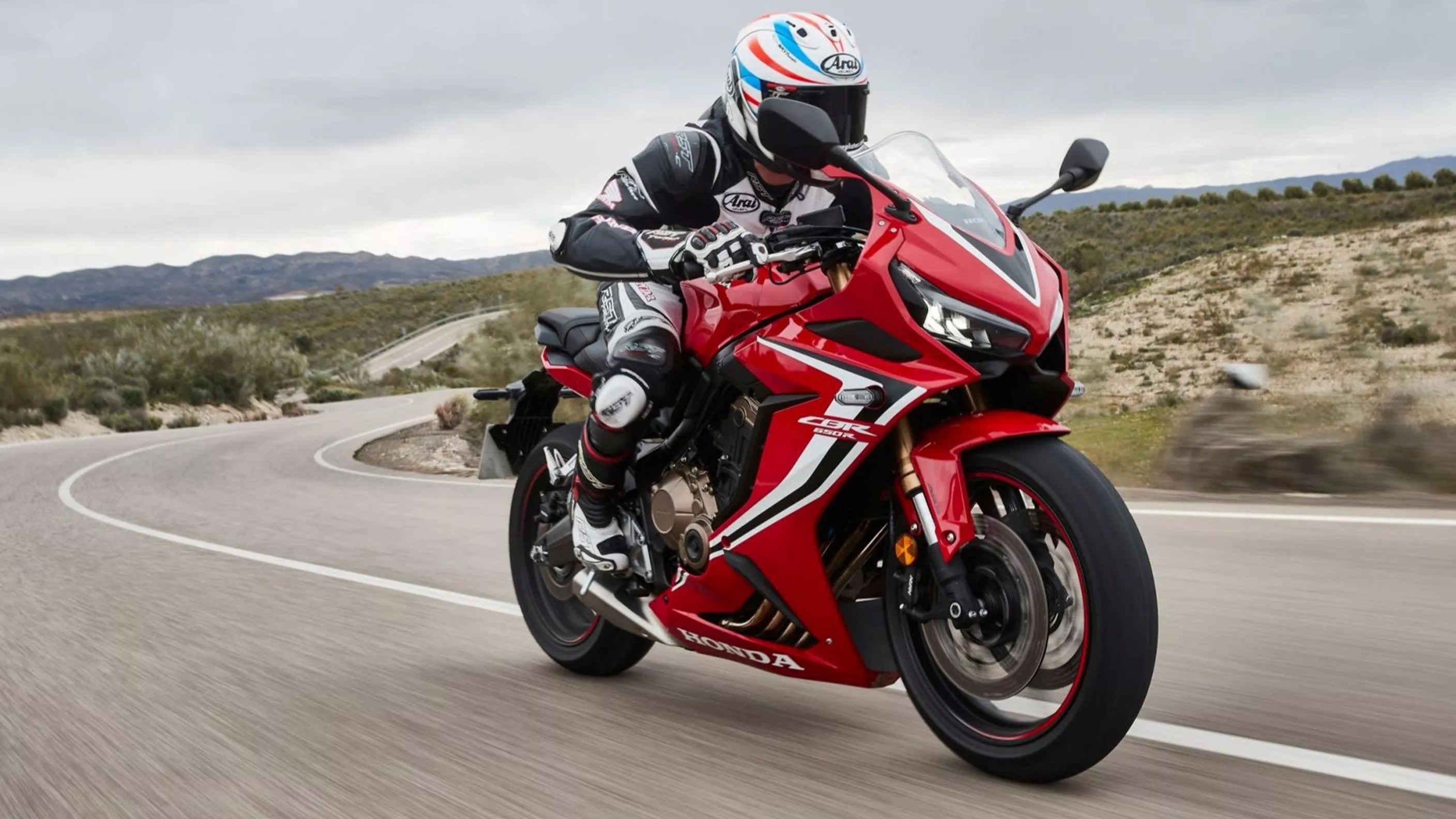
Honda CBR650R used buying guide – purchase, weaknesses, tips
Buying a used CBR650R: What really matters
The Honda CBR650R combines four-cylinder character with everyday-friendly ergonomics and supersport looks. But how good is it really as a used buy? We show which model years are worth it, what buyers should look out for and how the 650 holds up in everyday riding and on longer trips.

Der Horvath
published on 19/05/2026
8,645 Views
History: From the CBR600F to the new 650 generation
In 2014, Honda responded with the CBR650F. It deliberately relied on a newly developed 649 cc inline four, a steel frame and everyday-friendly ergonomics. The CBR650F was less radical than a 600 supersports bike, but offered the revvy four-cylinder sound typical of Honda and linear power delivery.
2019: The birth of the CBR650R
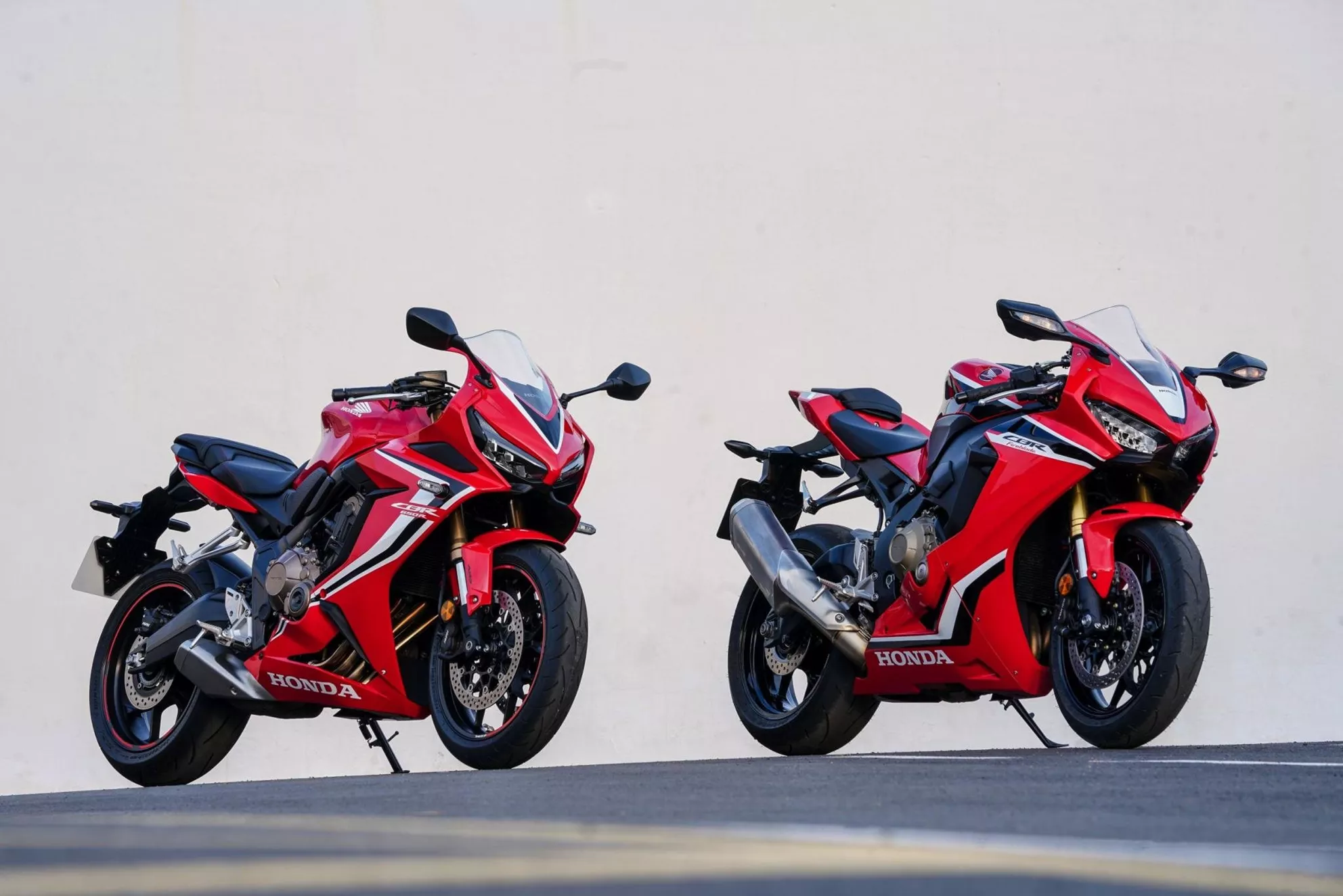
The CBR650R alongside its big sister, the Fireblade.
The decisive step came with the 2019 model year: the CBR650F became the CBR650R. Honda positioned it as a much sportier machine. Visually, the CBR650R now clearly took its cues from the Fireblade – with a more sharply cut fairing, an aggressive front end and a striking LED light signature. Technically, the bike received a noticeable overhaul. The 649 cc inline four was optimised for power and tuned to be more revvy. In Europe, the CBR650R now produced 95 hp (restrictable to 48 hp for A2 compliance). Weight was reduced, partly thanks to a revised frame and lighter components. A Showa upside-down fork (SFF) replaced the conventional fork of its predecessor, making the front end significantly more precise. The seating position also became sportier – lower handlebars and footpegs positioned further back.
2021: Model update and Euro 5 changeover
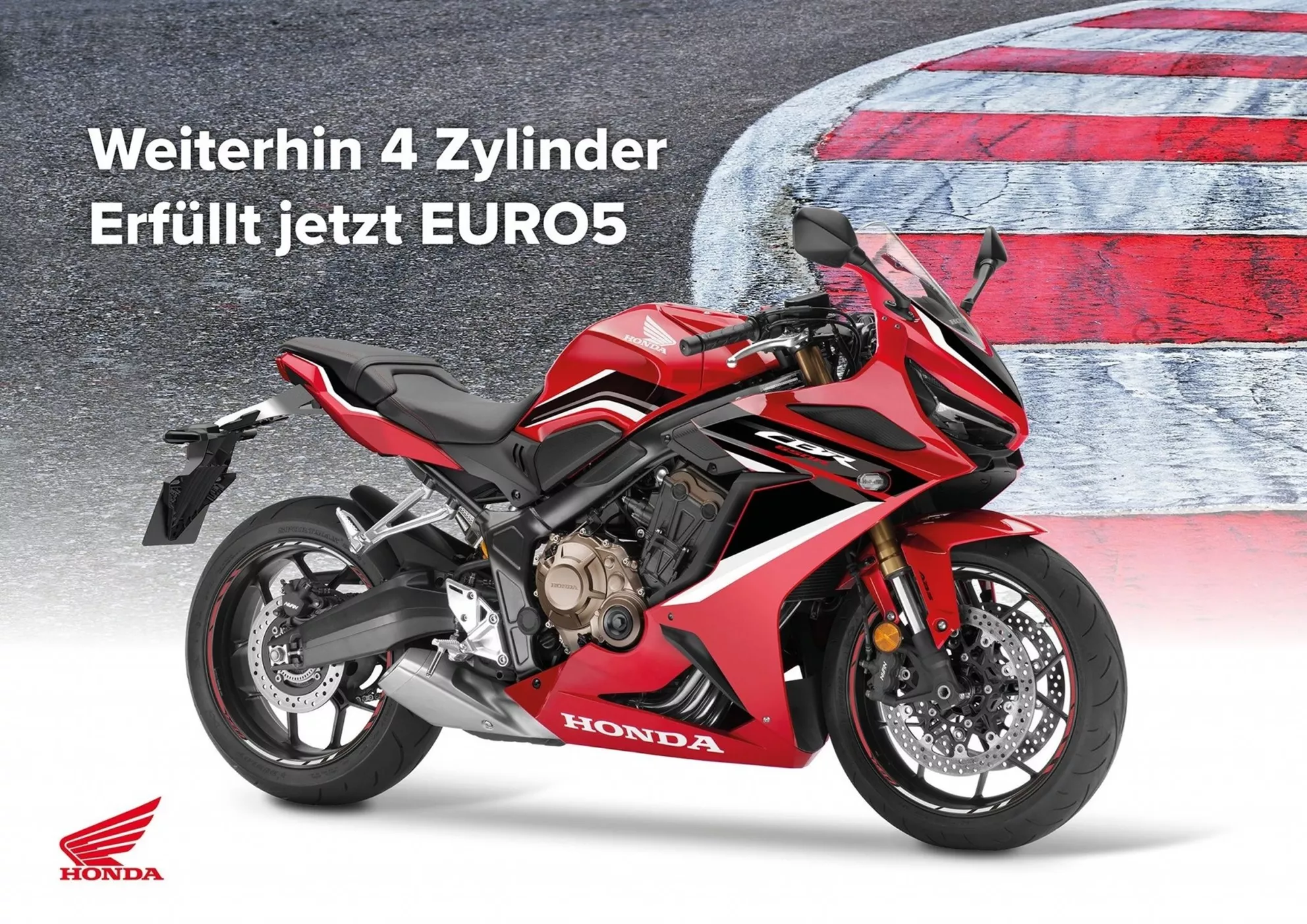
Honda proudly showcased the Euro 5 changeover.
For the 2021 model year, the CBR650R received a technical update as part of its Euro 5 homologation. The engine was adapted accordingly but retained its peak output of 95 hp. Torque changed slightly, but the character remained typically four-cylinder: smooth, revvy and with power building towards the upper rev range. New features included a revised Showa SFF-BP upside-down fork (Separate Function Big Piston), which responded even more sensitively and delivered more feedback during spirited riding. Minor detail improvements were also made, for example to the cooling and the styling. The LCD display was retained but received slight tweaks to its layout.
2023/2024: Electronics upgrade and modern rider aids
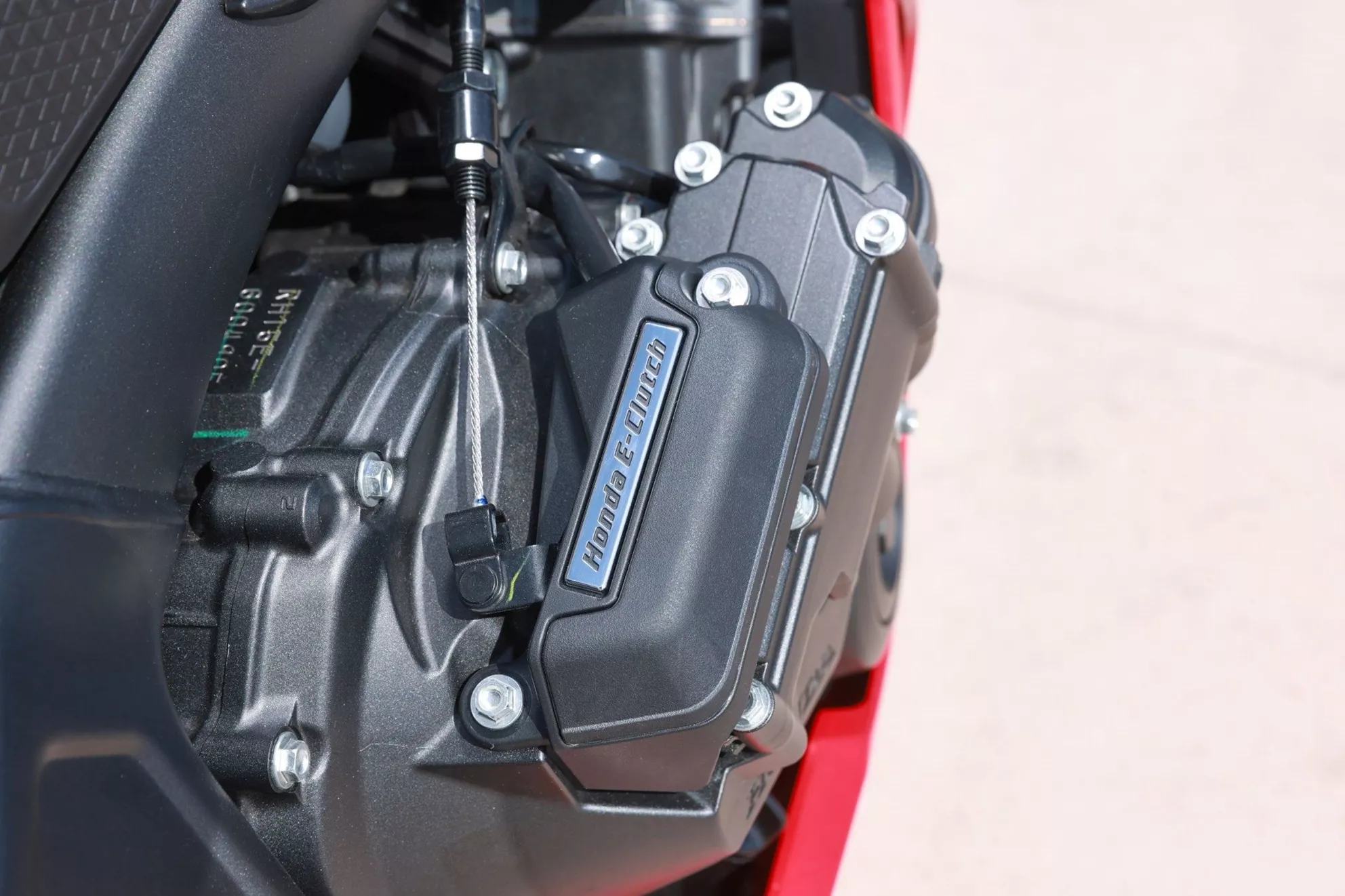
Since 2024: the CBR650R is also available with E-Clutch.
With the latest evolution from the 2024 model year onwards, the CBR650R was upgraded electronically. Honda introduced a new 5-inch TFT display to replace the previous LCD unit. A particular novelty in selected markets is Honda's E-Clutch system, offered for the first time in this class. It allows clutchless pulling away and shifting without relying on a classic quickshifter, while the rider can still intervene manually. With this, Honda broke new technical ground in the middleweight class.
Market position and significance
The Honda CBR650R occupies a special position in the market. While many middleweight competitors rely on twin-cylinder engines, Honda sticks with its characteristic inline four. This makes for a silky-smooth engine, a strong appetite for revs and an unmistakable sound – but also for power delivery that really shines in the upper rev range. Over the years, the CBR650R has evolved from a sport-flavoured all-rounder into a serious middleweight sportbike with modern electronics.
Buying a Honda CBR650R: Current market situation and prices
The model updates were evolutionary rather than revolutionary. If modern electronics matter to you, go for the newer model years. If, on the other hand, you're after a purist four-cylinder sportbike without extensive rider aids, you'll also find what you're looking for among the early models from 2019 onwards. On the used market, the supply of second-hand examples is rather limited. The supersport segment as a whole is no longer booming, but the CBR650R has recently picked up again: Buy a new or used Honda CBR650R.
To treat your used bike well, we recommend regular oil changes. 1000PS relies on lubricants from Motorex and here you can find the right oil for your bike.
Interview with the experts at Motothek
For expert insight into the real-world problems, we spoke to Manfred Postrihac, owner of Motothek Ternitz. Not only does the dealership sell Honda and KTM vehicles, it's also the trusted workshop for quite a few 1000PS staff members.
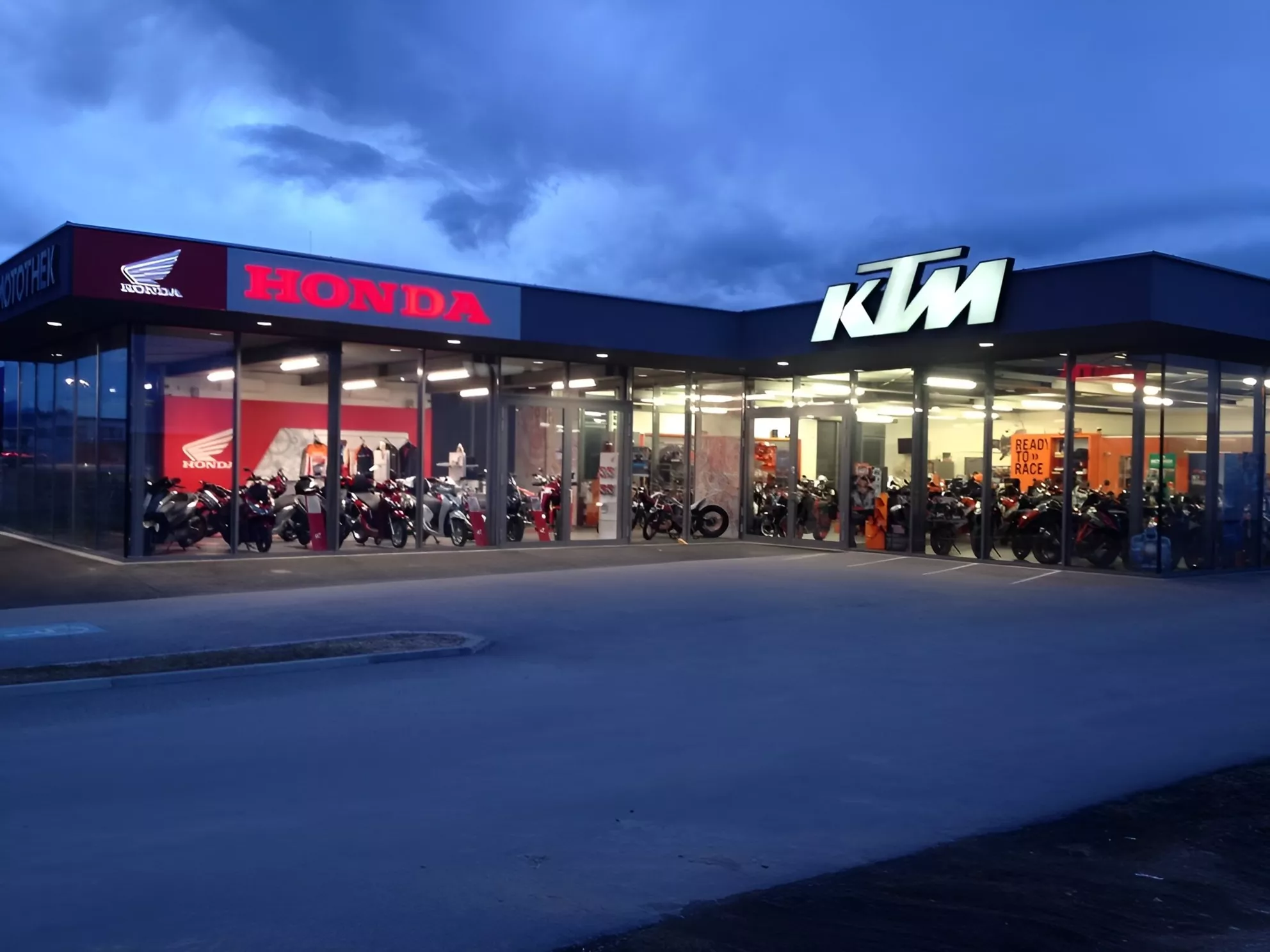
Motothek Ternitz.
- How much does a Honda CBR650R cost?
- Here you will find an overview of the price level of new and used motorbikes!
"The CBR650R is basically the sports version based on the CB650R," explains Postrihac. Technically, it's almost identical to the naked bike. At its heart is the familiar 649 cc inline four with 95 hp, which can also be restricted to 48 hp for A2 licence holders.
According to him, there's no difference in engine character between the R and the naked model: "No, no, it's exactly the same engine." While manufacturers sometimes choose a peakier or more aggressive setup for faired variants, the CBR650R sticks with what works. Power, smoothness and character match the CB650R.
Visually, the CBR650R has certainly evolved over the years. Especially in Honda's classic red, it hits the sweet spot for many young riders: "Of course, it appeals to the youth." Despite the supersport looks, the ergonomics remain suitable for everyday use. "You don't have to be a glutton for punishment when it comes to the seating position," he stresses. The CBR650R simply isn't a Fireblade. You sit relatively upright, but get the design of a supersports bike. For many, it's precisely this mix that makes it so appealing.
From a workshop perspective, too, there's no cause for concern. In his view, there are no known specific typical weak points. The technical layout largely mirrors the naked bike, so servicing is correspondingly straightforward. "Of course, you have the extra work because of the fairing," says Postrihac. "But you can get to everything easily." Removing the fairing is routine work, and there are no serious drawbacks when it comes to maintenance or repairs.
Accessories follow the usual pattern for this class: seat cowls, cosmetic add-ons and luggage solutions are readily available. Tyre sizes (180 at the rear) also match the common middleweight standard.
1000PS tyre recommendation:
For the Honda CBR650R, the Metzeler Sportec 01 is an ideal choice if you want to make full use of the bike's sporty DNA in everyday riding too. As a modern supersport road tyre, it offers very precise, direct handling and plenty of grip – in both dry and wet conditions
YUASA motorcycle batteries - the 1000PS recommendation for your used bike:
Especially with used bikes, it pays to opt for a high-quality battery: with its AGM and gel batteries, YUASA supplies maintenance-free, leak-proof powerhouses "Made in Japan" that impress with high cranking power, vibration resistance and long service life. Less maintenance, more performance - ideal for anyone who wants to get their bike fired up reliably. Here you can find the right YUASA battery for your bike.
Alternatives to the Honda CBR650R
Aprilia RS 660
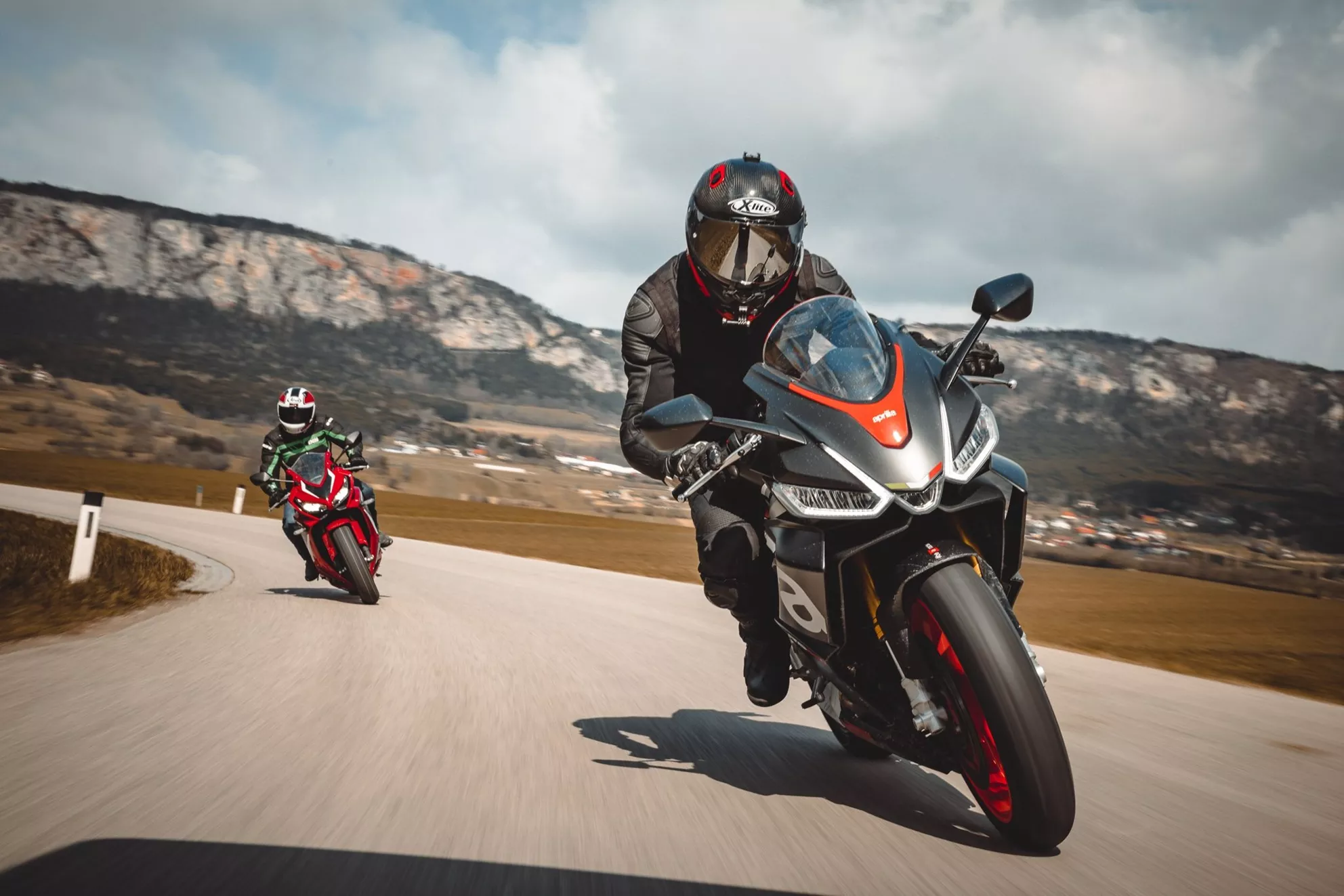
An interesting alternative to the Honda CBR650R is the Aprilia RS 660. It's one of the most modern middleweight sportbikes on the market and relies on a 659 cc parallel twin with around 100 hp. Particularly noteworthy is the comprehensive electronics package with riding modes, traction control, quickshifter and cornering ABS. Compared to the CBR650R, the RS 660 feels much sportier and lighter to ride, yet remains suitable for everyday use. This makes it the choice for riders looking for a very modern, dynamic sportbike.
Yamaha R7
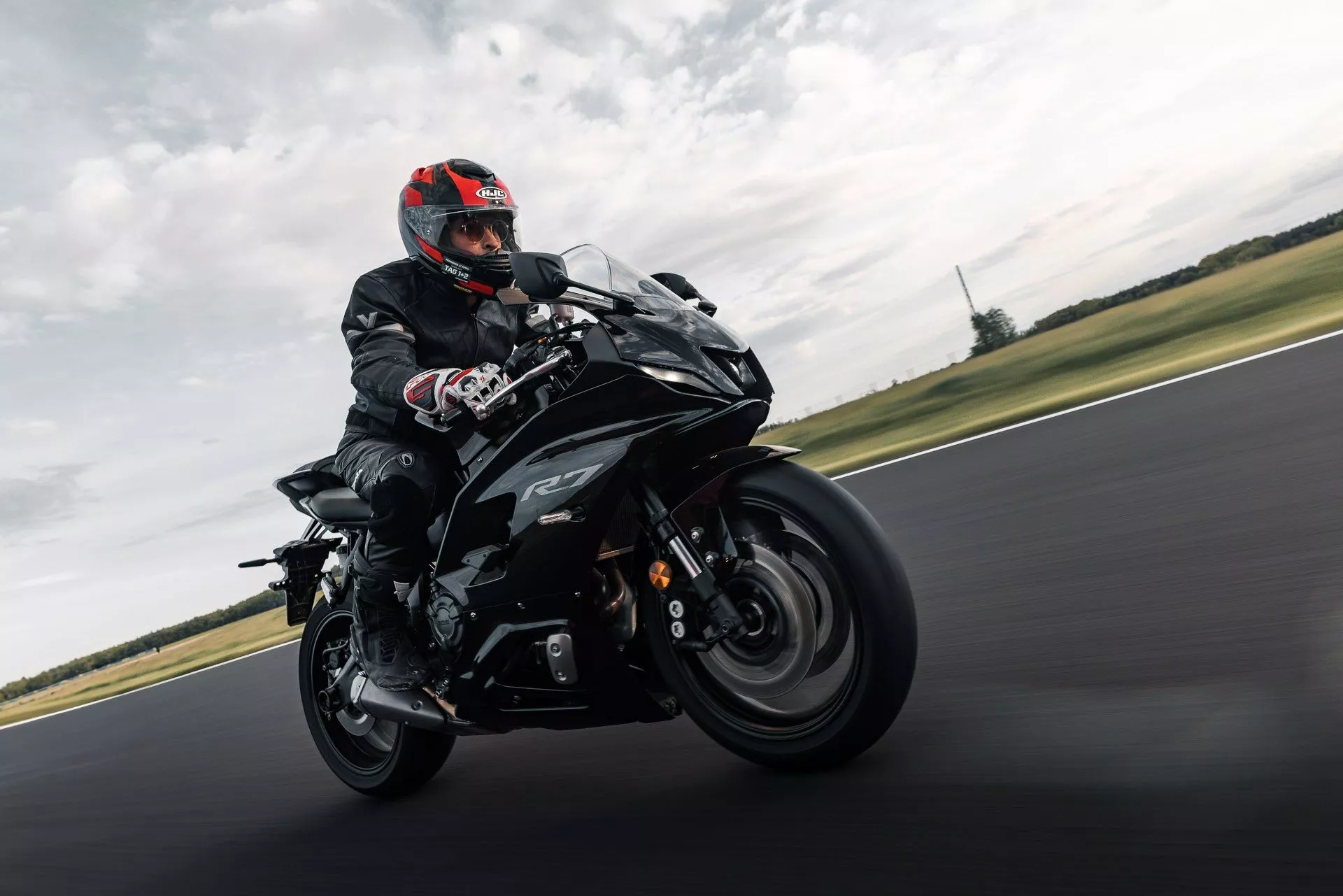
The Yamaha R7 also plays in this class. It uses the familiar CP2 twin-cylinder engine from the MT-07 and combines it with a sport-oriented chassis and aggressive supersport styling. With around 74 hp, it's less powerful than the Honda, but makes up for it with a very direct riding feel, low weight and high agility. The seating position is considerably sportier than on the CBR650R and appeals to riders who want more of a race track feel.
Kawasaki Ninja 650
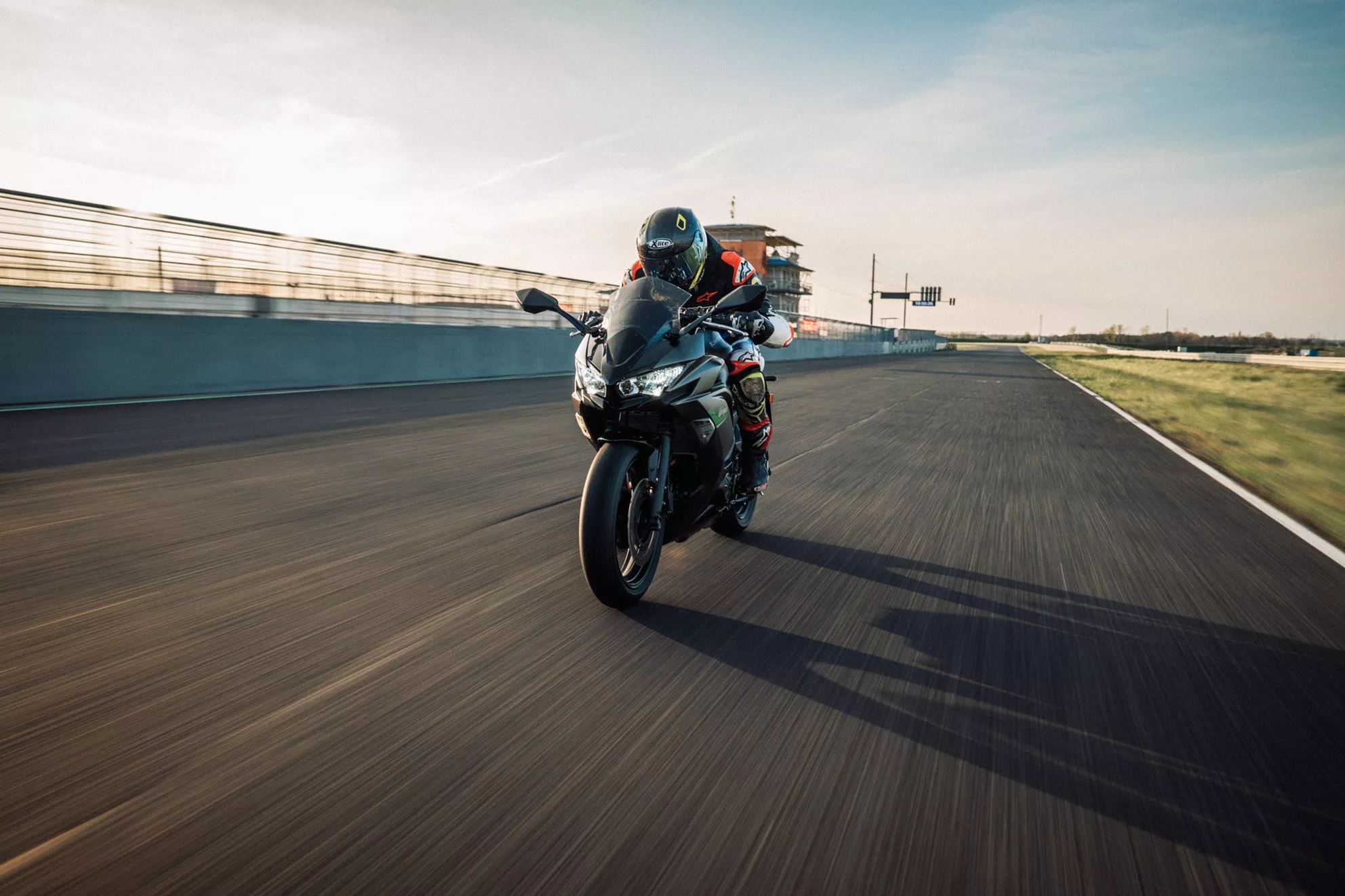
Another established alternative is the Kawasaki Ninja 650. It follows a similar concept to the Honda, but places even more emphasis on everyday usability and comfort. The 649 cc parallel twin delivers around 68 hp and offers very controllable power delivery, which is particularly attractive for beginners and A2 riders. At the same time, the sporty fairing provides genuine supersport design, while the ergonomics and chassis easily allow for longer tours.
Verdict: Honda CBR650R - the sensible supersport with four-cylinder charm
On the used market, the Honda CBR650R is one of the last of its kind: a fully faired middleweight sportbike with a classic inline four that skilfully combines everyday usability and emotion. It offers 95 hp, linear power delivery, great smoothness and build quality that lives up to Honda's reputation. It's precisely this mix that makes it so interesting: Fireblade-style sporty design, but a seating position that makes longer distances no problem at all. On top of that comes A2 compatibility, which makes it just as attractive for riders moving up as for experienced riders who deliberately want to steer clear of extremes.
Technically, the engine is considered mature and robust, with no known serious weak points. Maintenance is straightforward – apart from the usual extra work caused by the fairing. If you choose a newer model year, you'll also benefit from more modern electronics and detail improvements, but it's by no means essential. Find a well-kept CBR650R and you get an honest, durable sportbike with character – not a radical track tool, but a versatile all-rounder with genuine four-cylinder feel.
More used bike buying guides










- How much does a Honda CBR650R E-Clutch cost?
- Here you will find an overview of the price level of new and used motorbikes!
More from 1000PS Magazine


Honda CBR650R used buying guide – purchase, weaknesses, tips Images
Source: 1000PS


