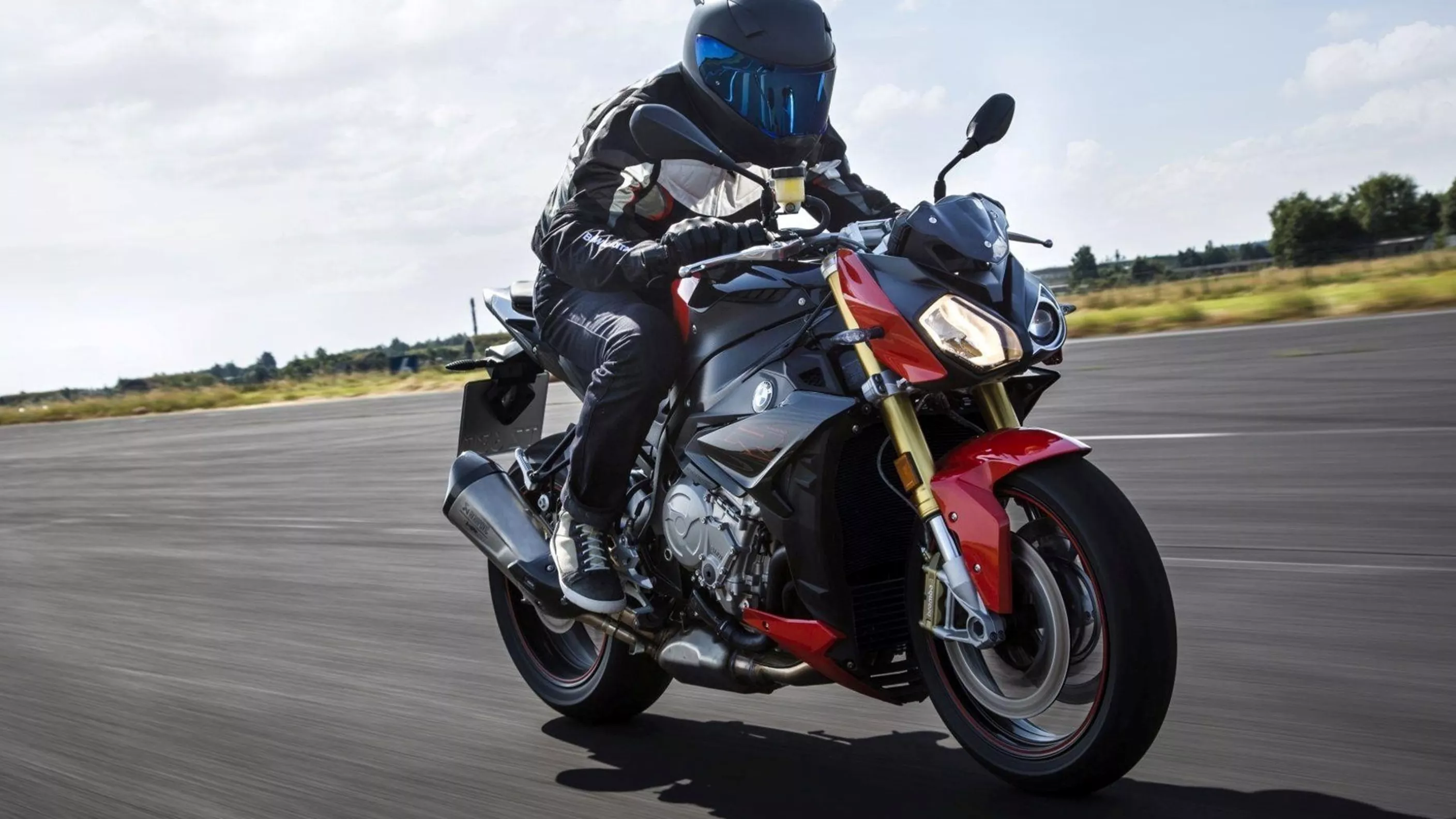
Buying a used BMW S 1000 R: Models and weak points
Which used BMW S 1000 R is really worth buying?
The BMW S 1000 R combines superbike performance with everyday-friendly ergonomics. But which model year is the best choice, what should you look out for when buying, and which weak points can get expensive? Our used buyer's guide delivers answers and expert knowledge from Gady BMW Motorrad.

Der Horvath
published on 8/23/2026
9,470 Views
BMW S 1000 R history: From stripped-down superbike to modern hyper naked bike
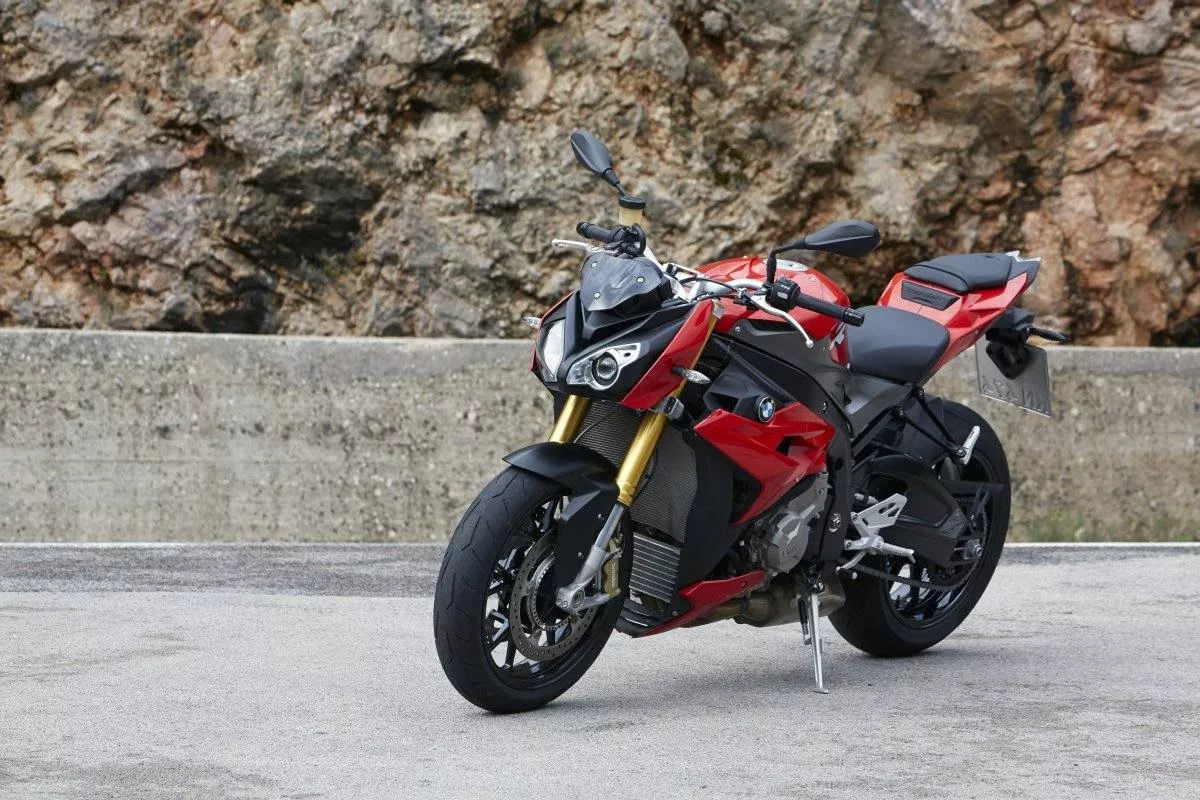
BMW unveiled the S 1000 R at EICMA in November 2013, with the market launch following for the 2014 season. Technically, the new naked bike was closely based on the S 1000 RR introduced in 2009. However, BMW didn't simply strip the fairing off the supersports. Engine setup, gearing, chassis geometry and ergonomics were specifically adapted for use on country roads. In the S 1000 R, the liquid-cooled 999 cc inline four initially produced 160 hp at 11,000 rpm and delivered a maximum of 112 Nm. Peak power was lower than that of the RR engine of the time, but in return the engine was meant to feel stronger and more usable in the low and mid rev range. According to BMW, the first generation tipped the scales at 207 kilograms ready to ride with a full tank.
Even the first model was comprehensively equipped for its time. Race ABS, ASC traction control and two riding modes were standard. Options included Dynamic Traction Control (DTC), additional riding modes, electronically controlled Dynamic Damping Control suspension and a shift assistant. BMW thus brought many electronic functions from the supersports segment into the class of high-performance naked bikes.
2014 to 2016: The early first generation
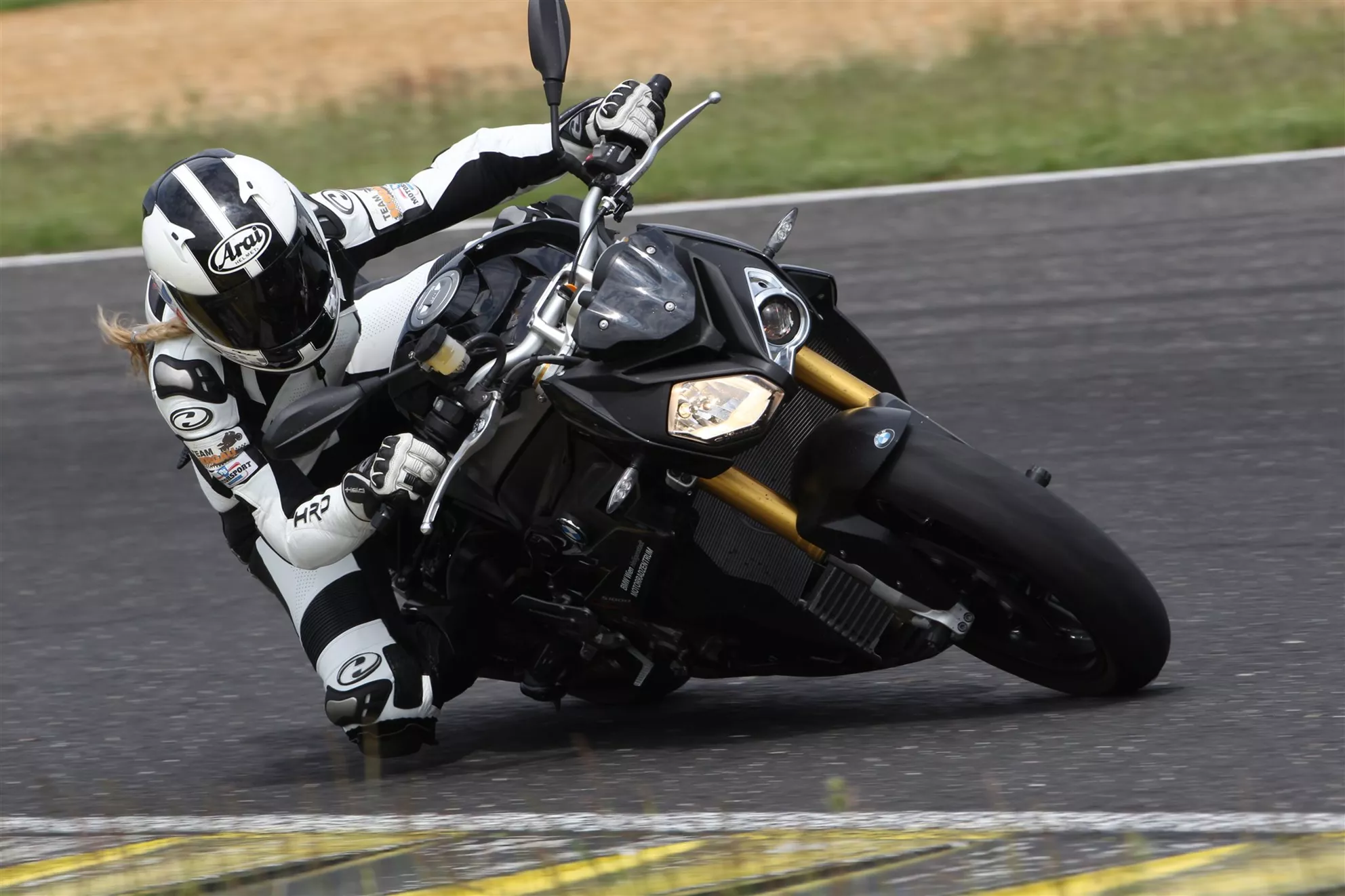
Bikes from the first model years are now the most affordable way into the S 1000 R range. Technically, they remained largely unchanged during this period. Differences mainly come down to colours, optional extras and the option packages chosen by the first owners.
This is particularly relevant on the used market, as many features were not fitted as standard. Two bikes that look almost identical can therefore differ significantly in terms of suspension, riding modes, cruise control, heated grips or shift assistant. On early examples, the features should always be checked using the vehicle identification number or the original order documents.
Model year 2017: First major update
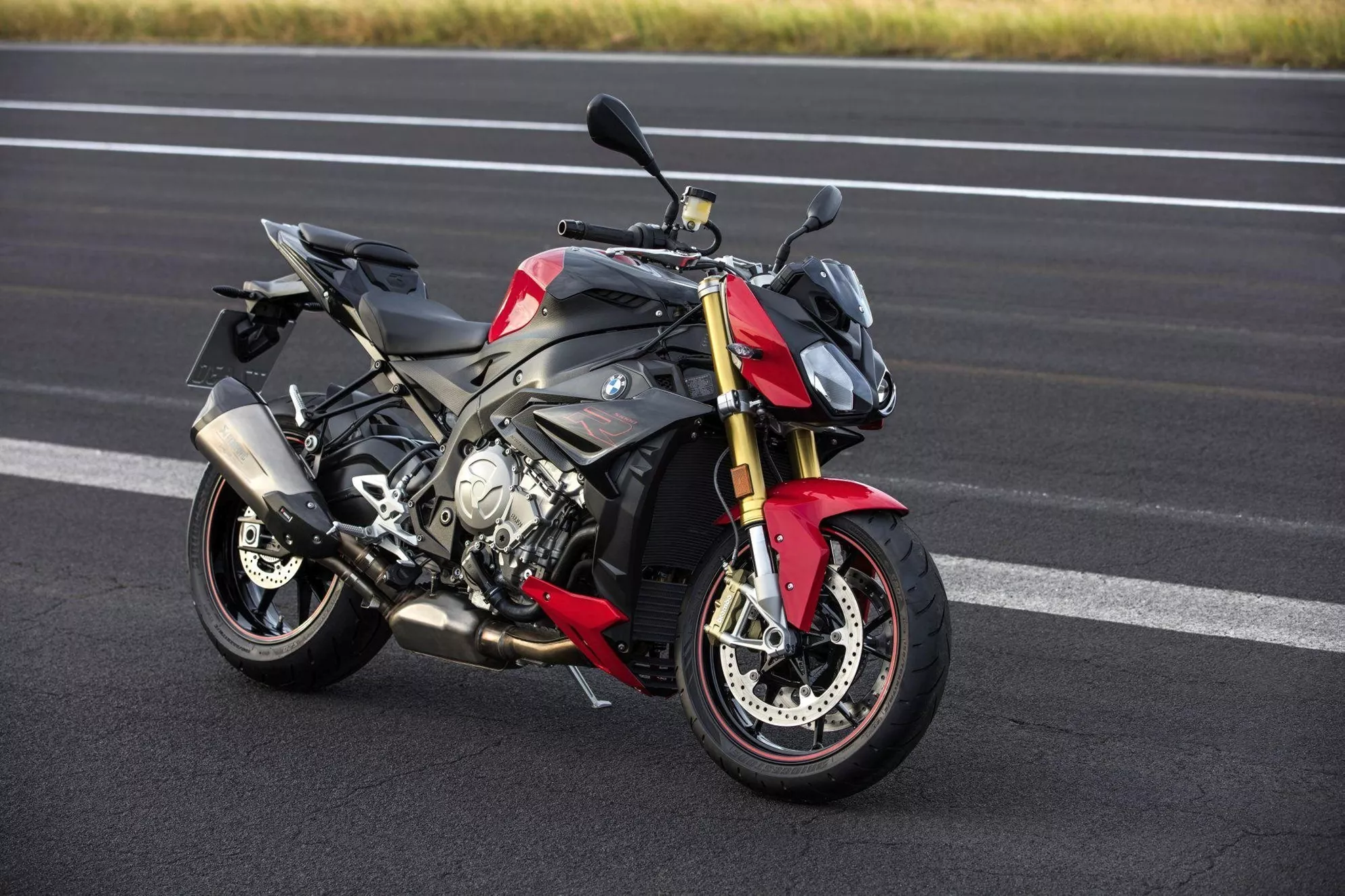
For the 2017 model year, the first S 1000 R received its most important update. One of the reasons was the switch to the Euro 4 emissions standard. BMW revised the inline four and increased output from 160 to 165 hp. Maximum torque remained at a similar level at 114 Nm, while rideability and power delivery were refined.
The exhaust system was also revised and made lighter. At the same time, BMW improved the isolation of the handlebars from the engine to reduce the vibrations that were sometimes clearly noticeable on earlier models. The bike lost around two kilograms and received minor tweaks to the fairing, frame and electronics.
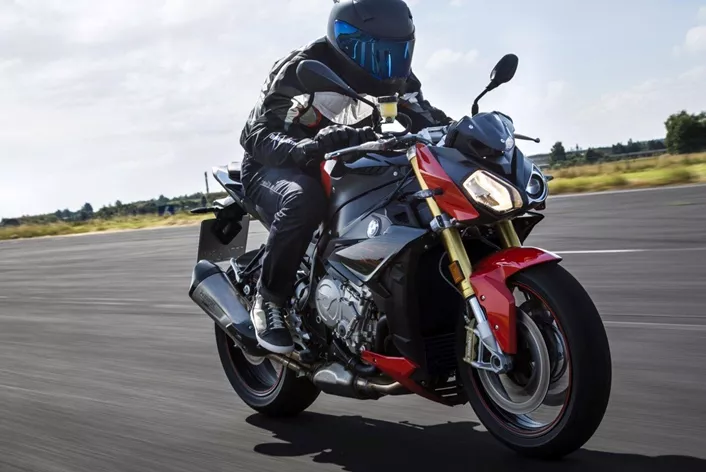
One of the most important innovations was the further development of the rider aids. Depending on the features, ABS Pro with lean-angle function, refined traction control, additional riding modes and Shift Assistant Pro for clutchless up- and downshifts were now available. The semi-active suspension was also further developed. Visually, the revised S 1000 R remained clearly recognisable as a first-generation model. The asymmetric front end was retained, but modernised in detail.
2021: The all-new second generation
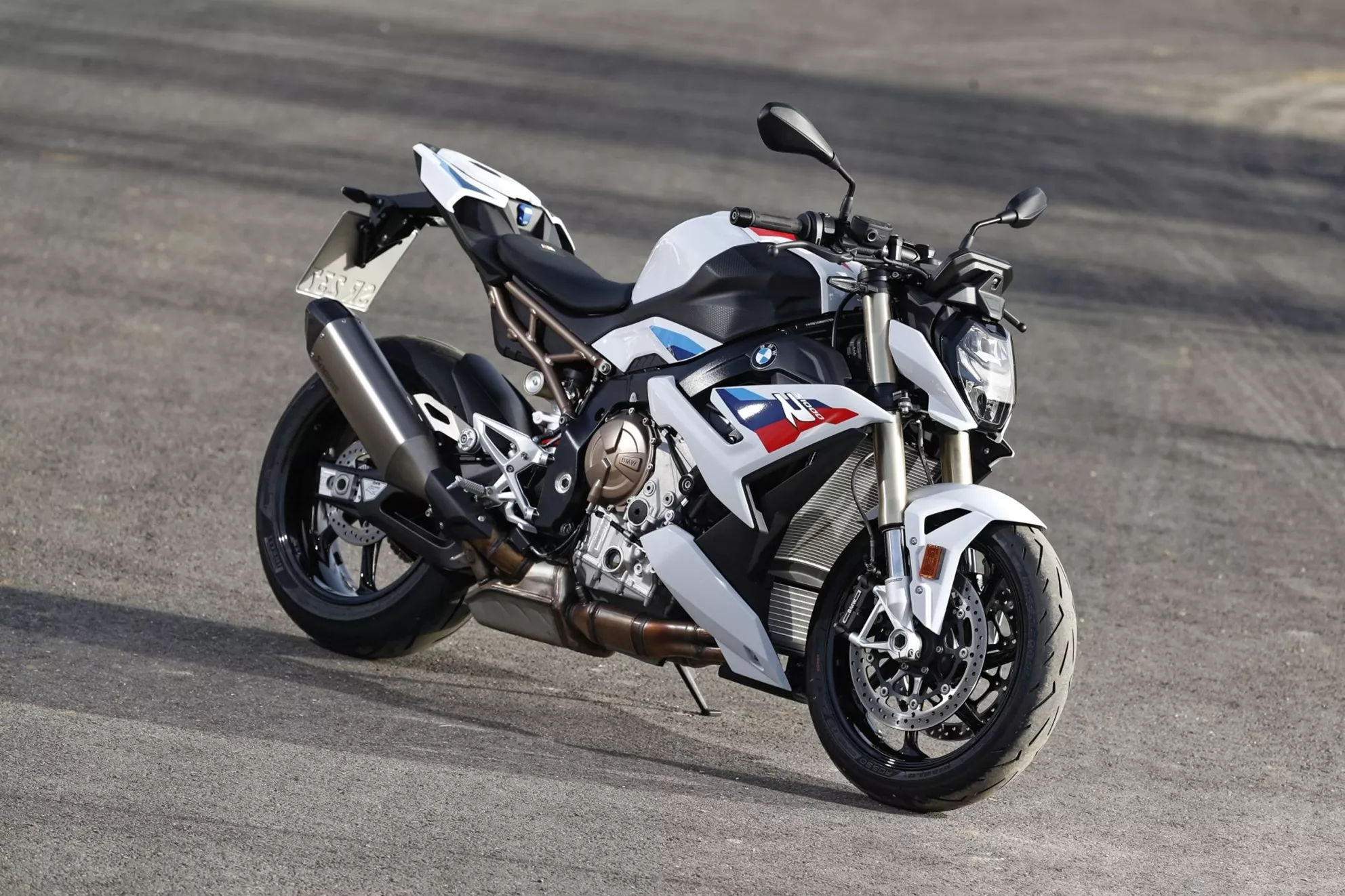
For the 2021 model year, BMW presented a completely redeveloped S 1000 R. The engine, frame, swingarm and large parts of the electronics were derived from the then-current S 1000 RR. Despite this technical kinship, BMW did without the RR's variable ShiftCam valve timing on the S 1000 R. The new 999 cc four-cylinder still produced 165 hp, but was tuned for strong, easily controllable power delivery in the rev range that matters on the road. Taller gearing in the upper gears was intended to reduce revs, fuel consumption and noise at constant speeds.
The weight reduction was particularly significant. BMW quoted a wet weight of around 199 kilograms for the base model. That made the new S 1000 R around five kilograms lighter than its direct predecessor. The chassis was also fundamentally changed. The engine took on a greater load-bearing role in the so-called Flex Frame, allowing the frame to be lighter and narrower. At the same time, the rider moved closer to the centre of the bike.
With the second generation, BMW said goodbye to the asymmetric headlight front. It was replaced by a compact, symmetrical LED headlight. Adaptive cornering lights were available as an option. This design change initially sparked debate, as one of the most distinctive features of the first S 1000 R was gone. The cockpit gained a 6.5-inch colour TFT display, operated via BMW's familiar Multi-Controller on the left handlebar.
For the first time, BMW also offered an M package for the S 1000 R. Depending on the market, this included a special paint finish, M forged wheels or optional carbon wheels, a lighter battery, a sport seat and other M components. In the following model years, the second generation was mainly developed further through new colours, option packages and minor changes.
Model year 2025: Power boost to 170 hp
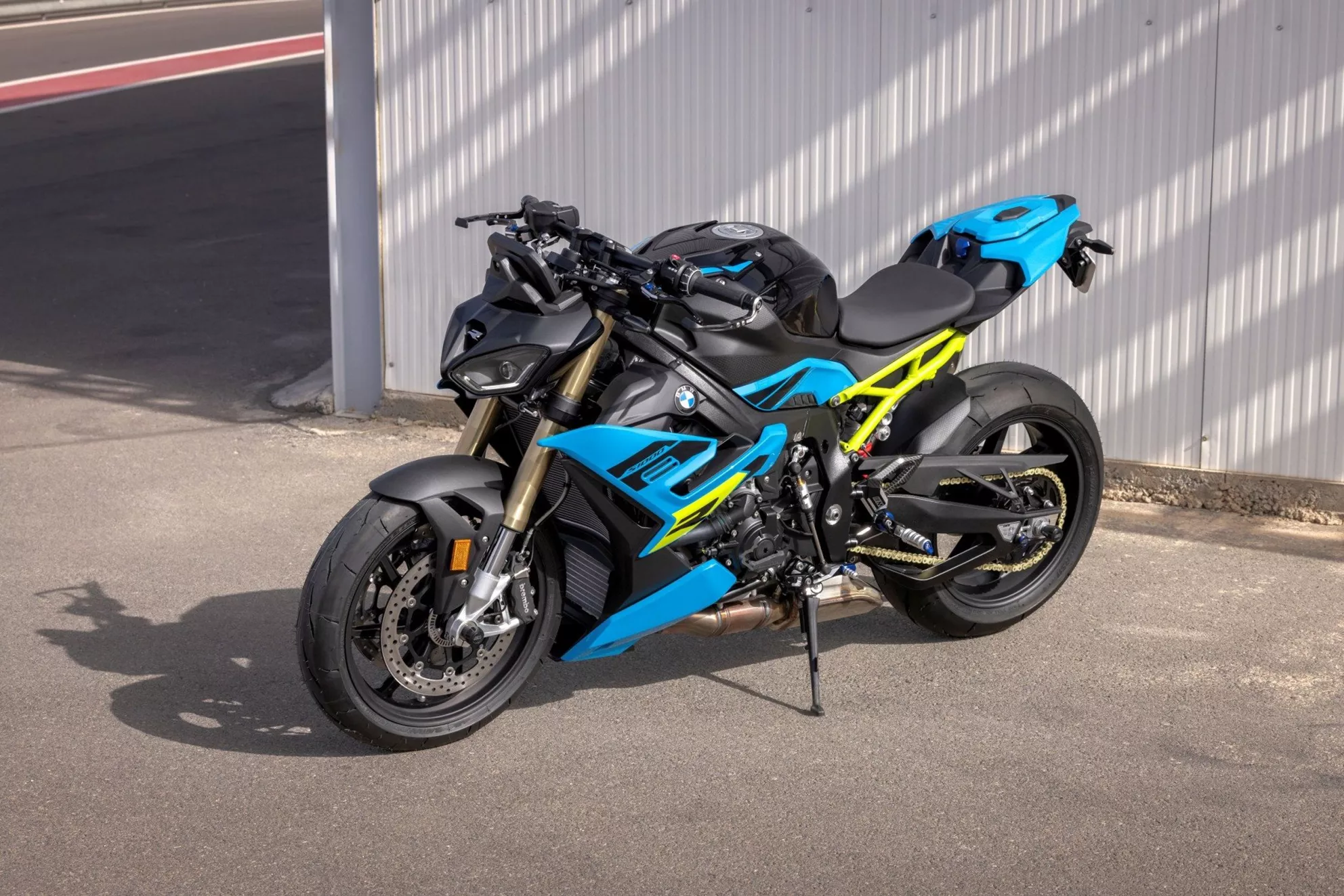
For the 2025 model year, BMW revised the S 1000 R once again. The second generation remained structurally unchanged, but the inline four grew from 165 to 170 hp. Shorter final drive gearing was intended to improve acceleration and give the engine even more direct responsiveness. In addition, the S 1000 R received a shorter-throw throttle, engine drag torque control and an optimised Shift Assistant Pro. The extended standard features also included a USB-C charging port under the seat, a short licence plate holder and – depending on the market – Intelligent Emergency Call. At the same time, the model was brought into line with the Euro 5+ emissions standard.
Externally, the latest version is mainly recognisable by its new Dual-Flow LED headlight. The update sets the late second-generation bikes more clearly apart from the 2021 to 2024 models, without BMW developing an entirely new model generation.
Buying a used BMW S 1000 R
The supply of used BMW S 1000 Rs is large enough to compare different model years, mileages and spec levels. Early models are already available considerably cheaper, while well-kept Euro 4 bikes and second-generation machines still command relatively high prices. Examples with full features, traceable maintenance and an accident-free history are in particularly high demand. Conspicuously cheap offers should be checked critically, as a maintenance backlog, missing service records or poorly documented crash damage can quickly wipe out the price advantage.
Click here for new and used examples: Buy a new or used BMW S 1000 R.
To treat your used bike well, we recommend regular oil changes. 1000PS relies on lubricants from Motorex and here you can find the right oil for your bike.
Expert assessment from Gady BMW Motorrad
For this used buyer's guide, we spoke to the motorcycle experts at Gady BMW Motorrad in Baden. Their overall verdict on the BMW S 1000 R is positive: despite its high specific output, the inline four is considered durable when properly maintained. At the same time, the specialists warn against judging older examples solely on mileage, paint condition and asking price. Especially with high-performance bikes, you need to find out how they were treated and used during their previous life.
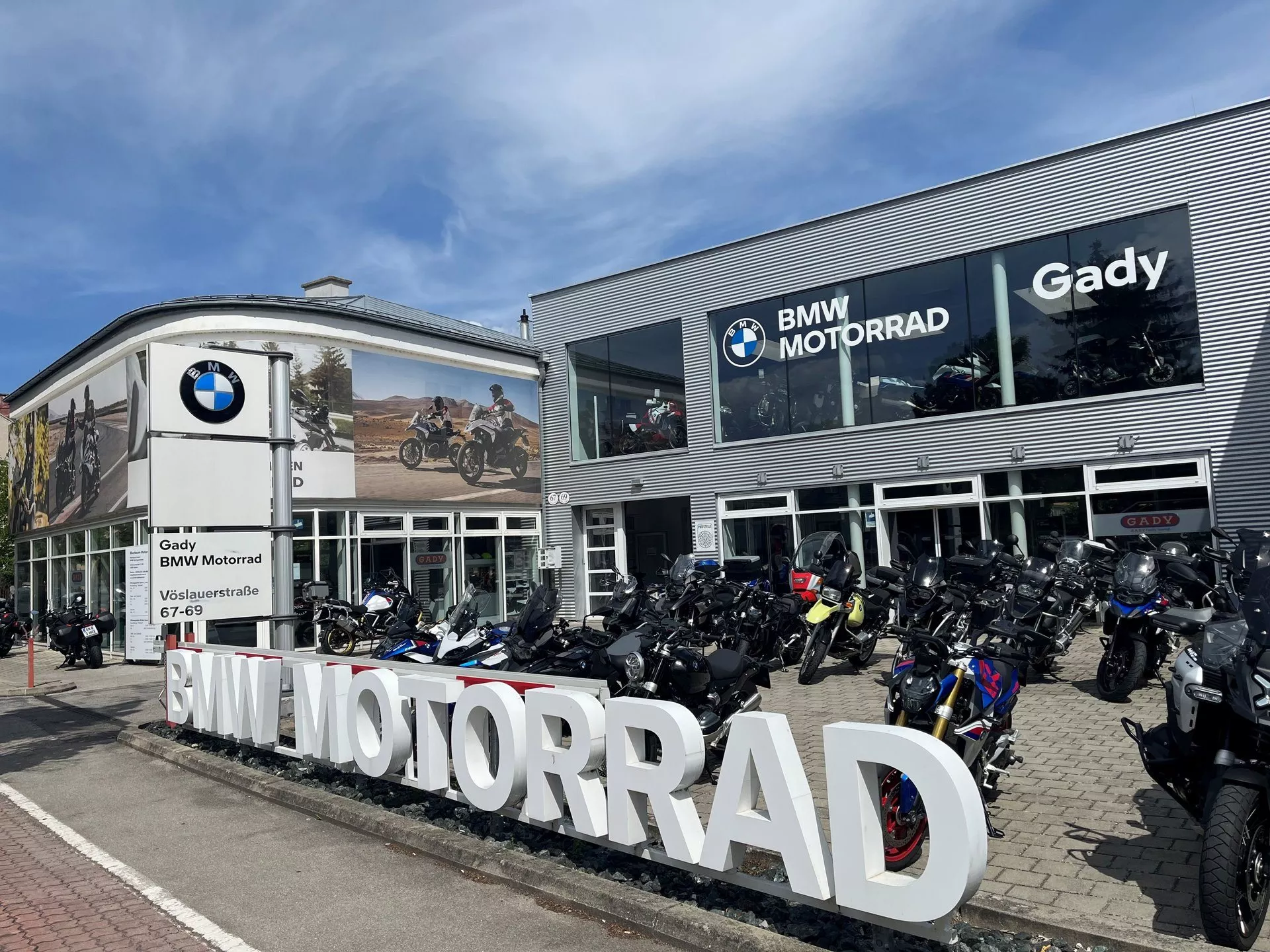
Gady BMW Motorrad in Baden near Vienna.
A durable engine – if the owner plays along
The S 1000 R has a highly tuned four-cylinder engine that is closely related in design to the engine of the S 1000 RR. Nevertheless, the experts see no reason to shy away from high mileage as a matter of principle. Among their customers' bikes, there are machines from the S 1000 family with 60,000 to 70,000 kilometres that continue to run reliably. "For a high-performance four-cylinder engine, they last a long time," is the verdict from the workshop. What matters, however, is traceable maintenance.
Engine damage becomes an issue mainly where bikes have been heavily stressed and poorly maintained at the same time – for example with frequent race track use without correspondingly shortened oil change and service intervals. The thin-walled engine design, optimised for low weight, also produces comparatively prominent mechanical noise. Clattering, rattling and other operating noises therefore don't automatically indicate damage. Anyone switching to the BMW from a smooth-running Japanese four-cylinder may initially find the S 1000 engine noticeably loud.
Still, it's important not to simply dismiss unusual noises during an inspection as "state of the art". A comparison with a second, identical bike or a check by a BMW specialist workshop can provide clarity.
The cam chain tensioner demands attention
The Gady experts name the hydraulic cam chain tensioner of the older engine generation as a known issue. After starting, the necessary oil pressure first has to build up. During this phase, the engine can rattle audibly. According to the specialists, this mainly affects the first generation of the S 1000 R. They recommend starting the engine without touching the throttle and then letting it idle briefly. Around 25 to 30 seconds is enough for the oil pressure to stabilise. In everyday use, the solution is simple: start the bike, put on your helmet and gloves, and only then ride off.
Things get problematic when a cold engine is revved up or put under heavy load immediately after starting. Abrupt blips of the throttle in particular should be avoided while oil pressure has not yet fully built up. This concerns not only the durability of the cam chain drive, but the careful treatment of the high-performance engine in general. During an inspection, the S 1000 R should therefore be started from cold. If the engine is already warm when you arrive, there may be harmless reasons – but it may just as well be an attempt to hide conspicuous cold-start noises. In any case, heavy, persistent rattling should be checked by a professional.
The early models are the most aggressive
According to Gady BMW Motorrad, the choice of model year depends heavily on the character you're after. The first S 1000 Rs from 2014 to 2016 are considered particularly direct, aggressive and emotional. The engine responds instantly to the throttle, power delivery feels unfiltered and these models also sound more prominent. With the switch to Euro 4 for the 2017 model year, the character changed. Among other things, the revised S 1000 R received electronic throttle control and further changes to the engine and exhaust system.
According to the experts, the later models ride in a more refined and somewhat tamer way. That doesn't mean they lack power. The throttle response simply feels less sharp, while the more modern electronics offer more scope for adjustment. Anyone looking for the rawest possible character is likely to be happier with an early model. Those who prefer a more balanced setup and the newer electronics should take a look at the 2017-onwards version.
Budget realistically for maintenance and service costs
The Gady technicians rate the ease of servicing as good for a modern four-cylinder. Although the tank, airbox and other components have to be removed for major work, the design is logical and workshop-friendly. When buying used, what matters is less whether the machine is fundamentally easy to maintain and more whether the necessary work has actually been carried out. A complete service book is therefore particularly valuable.
The experts name the major service at around 30,000 kilometres as an important checkpoint. This includes checking the valve clearance, the spark plugs and work on the fork. If there's no proof of this service, the buyer must budget for the corresponding costs. According to Gady, this can come to around 1,500 euros at a BMW specialist dealer. That quickly puts a low purchase price into perspective. Despite higher mileage, an S 1000 R with traceable maintenance can be the better choice than a supposed bargain with an unclear service status.
Beware of repaired crash bikes
The specialists issue a particularly strong warning about cosmetically refurbished accident bikes. Among older, high-performance motorcycles there are always so-called "lipstick on a corpse" bikes: machines that have been rebuilt with used parts after a crash or a tumble and then sold looking attractive on the outside. A fresh paint job or a colour that doesn't match the bike's original spec should therefore raise questions. Using the chassis number, a BMW dealer can check what colour and configuration the bike was originally delivered in.
Another important checkpoint is the swingarm. Where the exhaust runs past it, there can be significant contact in a crash. If the exhaust system is pushed against the swingarm, it can leave a notch or even a proper gouge. The engine covers should also be checked for scrape marks and leaks. The covers and their bolts are lightweight and can shift in a crash. A badly scratched or leaking cover must be replaced or resealed.
Which BMW S 1000 R do the experts recommend?
The experts don't give a blanket model-year recommendation. The early 2014 to 2016 models suit riders looking for the more aggressive, mechanical and emotional character. With the Euro 4 update from 2017, the S 1000 R became more refined, more modern electronically and somewhat less sharp in its responses. Technically, a well-maintained early machine can be just as convincing as a later model. More important than any single model year are plausible mileage, documented maintenance, a clean cold start and an accident-free or transparently documented condition.
1000PS tyre recommendation:
The Metzeler Sportec 01 is a good tyre recommendation for the BMW S 1000 R. This sport-oriented road tyre suits the precise and powerful character of the naked bike well and is designed to combine direct turn-in with clear front-end feel. At the same time, it was developed not only for dry tarmac but also for sporty riding in the wet. Its Dynatread technology allows the tread grooves to close dynamically under high loads when braking and accelerating, which is intended to increase the contact patch and lateral grip. This makes the Sportec 01 particularly suitable for riders who push their S 1000 R hard on country roads but aren't looking for pure fair-weather or race track tyres.
YUASA motorcycle batteries - the 1000PS recommendation for your used bike:
Especially with used bikes, it pays to opt for a high-quality battery: with its AGM and gel batteries, YUASA supplies maintenance-free, leak-proof powerhouses "Made in Japan" that impress with high cranking power, vibration resistance and long service life. Less maintenance, more performance - ideal for anyone who wants to get their bike reliably up and running. Find the right YUASA battery for your bike here.
Alternatives to the BMW S 1000 R
Aprilia Tuono V4
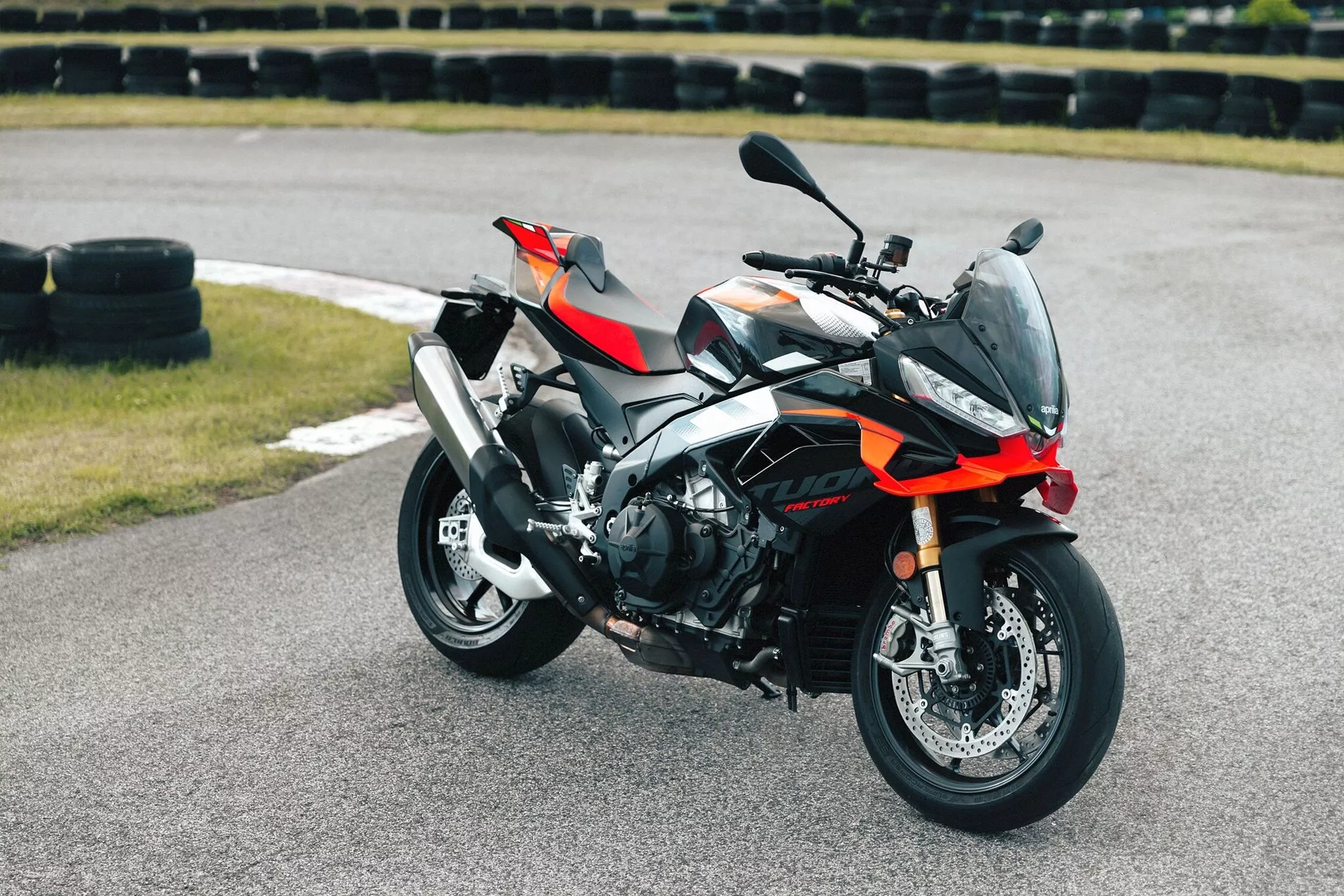
The Aprilia Tuono V4 is a particularly emotional alternative to the BMW S 1000 R. Its characterful V4 engine not only delivers plenty of power, but also stands clearly apart from the BMW's inline four with its sound and punchy power delivery. At the same time, the Tuono offers a very precise chassis setup, high-quality components and a little more wind protection. On the used market, pay particular attention to a complete maintenance history, as running costs and spare parts can be more expensive than for the BMW. The current Tuono V4 Factory produces 180 hp and features electronically controlled Öhlins suspension.
KTM 1390 Super Duke R
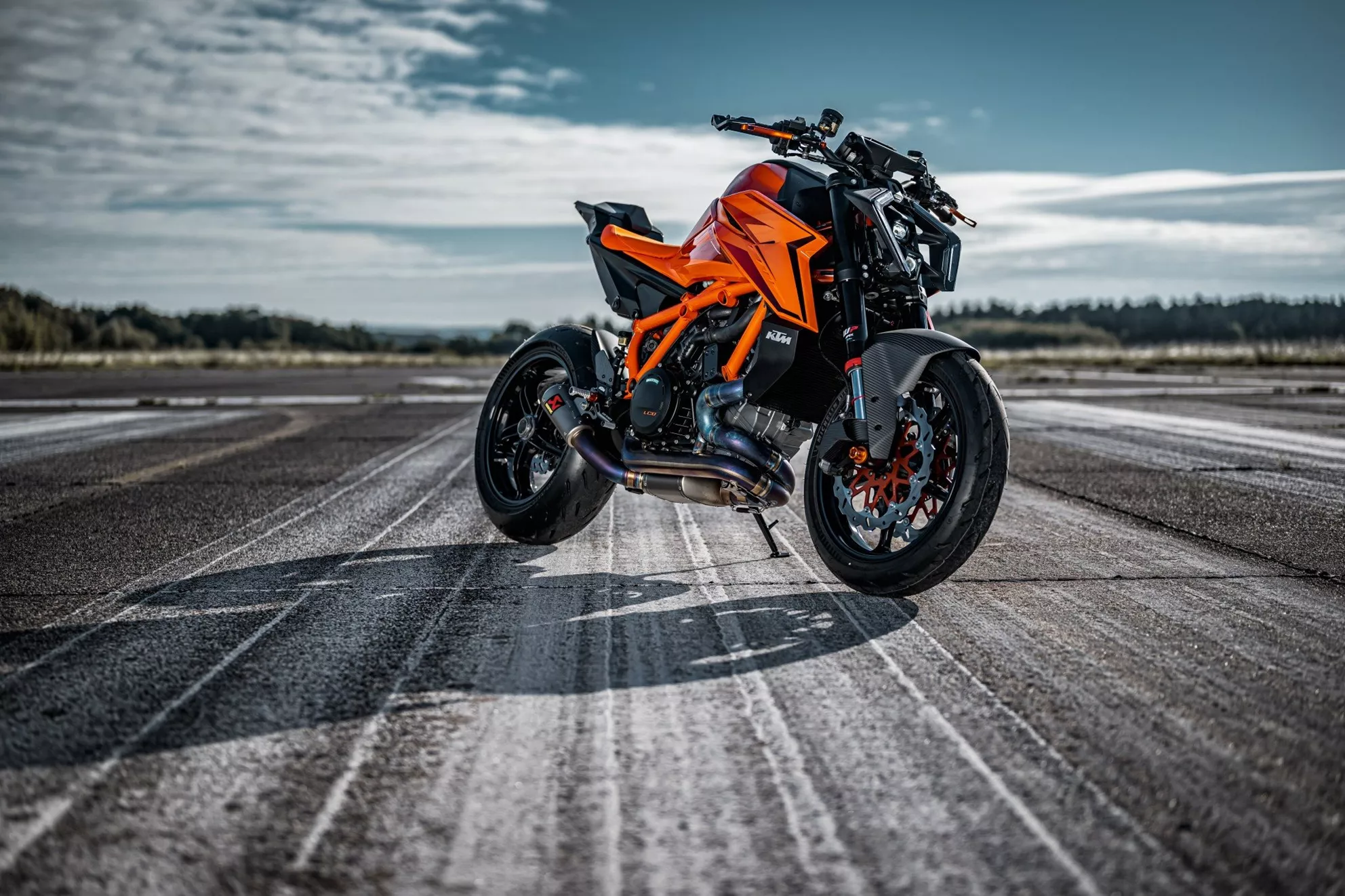
The KTM 1390 Super Duke R follows a completely different engine concept but appeals to a similar target group. Its big V2 produces enormous grunt even at low and medium revs, making it feel less rev-hungry than the BMW S 1000 R. With 190 hp and 145 Nm, it offers brutal, very direct power delivery, combined with an upright seating position and nimble handling. As a used buy, its predecessor, the 1290 Super Duke R, is also interesting, although you should check for service records, the condition of the electronics and possible signs of particularly hard use.
Ducati Streetfighter V4
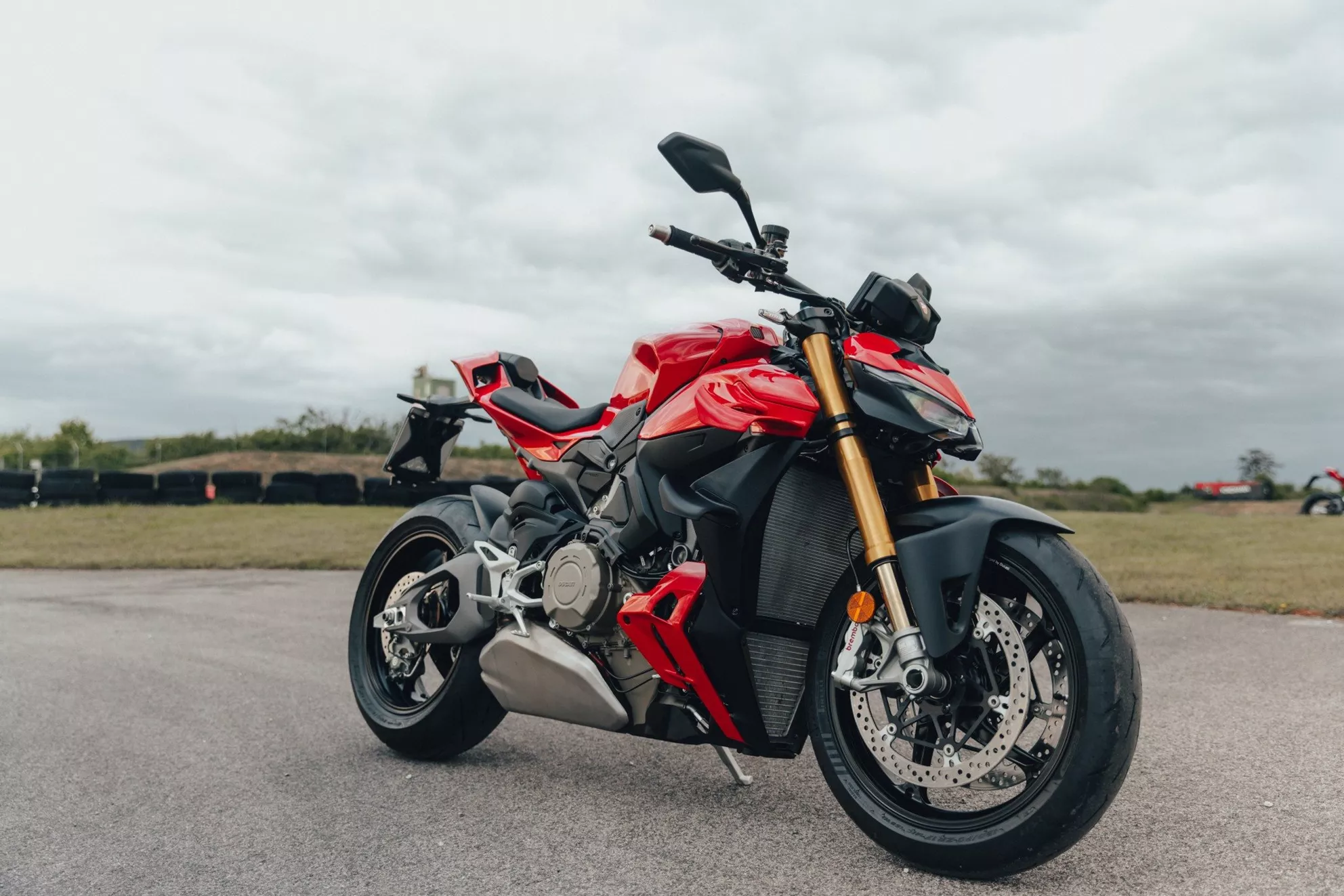
The Ducati Streetfighter V4 is the more exclusive and even more powerful alternative to the BMW. Its 1,103 cc V4 currently produces 214 hp, bringing the naked bike very close to an unfaired superbike. Chassis, brakes and electronics are at the highest level, but the Ducati is more uncompromising, more expensive and more demanding in everyday use, both thermally and ergonomically. On the used market, a traceable service history, the correct maintenance status and the condition of expensive components are particularly important. Anyone looking above all for performance and Italian exclusivity will find the Streetfighter V4 a considerably more extreme alternative to the S 1000 R.
Conclusion: BMW S 1000 R used buyer's guide
Even used, the BMW S 1000 R is a fascinating power naked bike that combines enormous performance with surprisingly good everyday usability. In principle, the inline four is considered long-lasting, provided the service intervals have been observed and the engine hasn't been constantly thrashed. What matters is therefore less the model year than the actual condition of the bike. A traceable service history, a clean cold start and plausible mileage are more important than a particularly low price.
Especially with early models, you should listen for cam chain tensioner noise, watch out for possible vibrations and look for signs of crashes or race track use. Steering stops, swingarm, engine covers and engine mounts deserve special attention during the inspection. If there's no proof of major maintenance work, four-figure additional costs can quickly arise. A pre-purchase inspection at a BMW specialist dealer is therefore particularly advisable for older or heavily modified examples.
In terms of character, every development stage has its appeal. The 2014 to 2016 models ride particularly directly, raw and emotionally, while the revised machines from 2017 onwards come across as more refined and more modern electronically. The second generation from 2021 offers the far more contemporary overall package, but costs correspondingly more on the used market.
More used buyer's guides










Buying a used BMW S 1000 R: Models and weak points Images
Source: 1000PS

The BMW S 1000 R was introduced in 2014 as the naked bike version of the successful supersport machine S 1000 RR. It inherited many technical elements from the RR, including the powerful inline-four engine, but was optimized for street use.

With a restricted output of 160 hp and a focus on handling, everyday usability, and comfort, it quickly became a favorite in the power naked segment.

Over the years, the S 1000 R has seen multiple updates, with a focus on modernizing both the design and the electronics.

The latest models deliver 165 hp, packed with advanced rider aids and a lower weight to meet the demands of modern riders. It's regarded as a versatile machine that blends sporty dynamics with touring capability.

Strengths: Handling: The BMW S 1000 R impresses with precise handling that delights riders of all skill levels. With 165 hp, it packs enough punch for twisty backroads, while the quickshifter ensures seamless gear changes.

Strengths: Comfort: Enhanced ergonomics, a wide steering angle, and a low center of gravity make this bike accessible and comfortable even for shorter riders.

Strengths: Tech and Features: Modern electronics like Wheelie Control, Dynamic Pro Mode, and an easy-to-read TFT display set the S 1000 R apart. Low-maintenance components and fuel efficiency are additional perks.

Strengths: Design: The looks are well-received, but the second generation is considered by some to be less characterful compared to its predecessor (shown here).

Strengths: Value for Money: The BMW packs plenty of features and quality at a competitive price.

Weaknesses: Looks: The headlight design (regardless of the generation) and the bulky catalytic converter aren't to everyone's taste and can be seen as a distraction.

Weaknesses: Emotionless throttle response: The technical perfection leaves some riders craving emotional engagement and 'character'.

Weaknesses: Engine Character: The inline-four is seen as powerful but lacks character. Vibration and a tame sound dull the riding experience.

Weaknesses: Sound: The exhaust sounds functional, but lacks emotional depth. Many riders crave a throaty, exciting growl.

Weaknesses: Equipment: The choice of components like brakes is criticized for not being premium enough, especially when compared to the competition.

Weaknesses: Additional costs: Optional features significantly hike the price, which can deter some riders.


