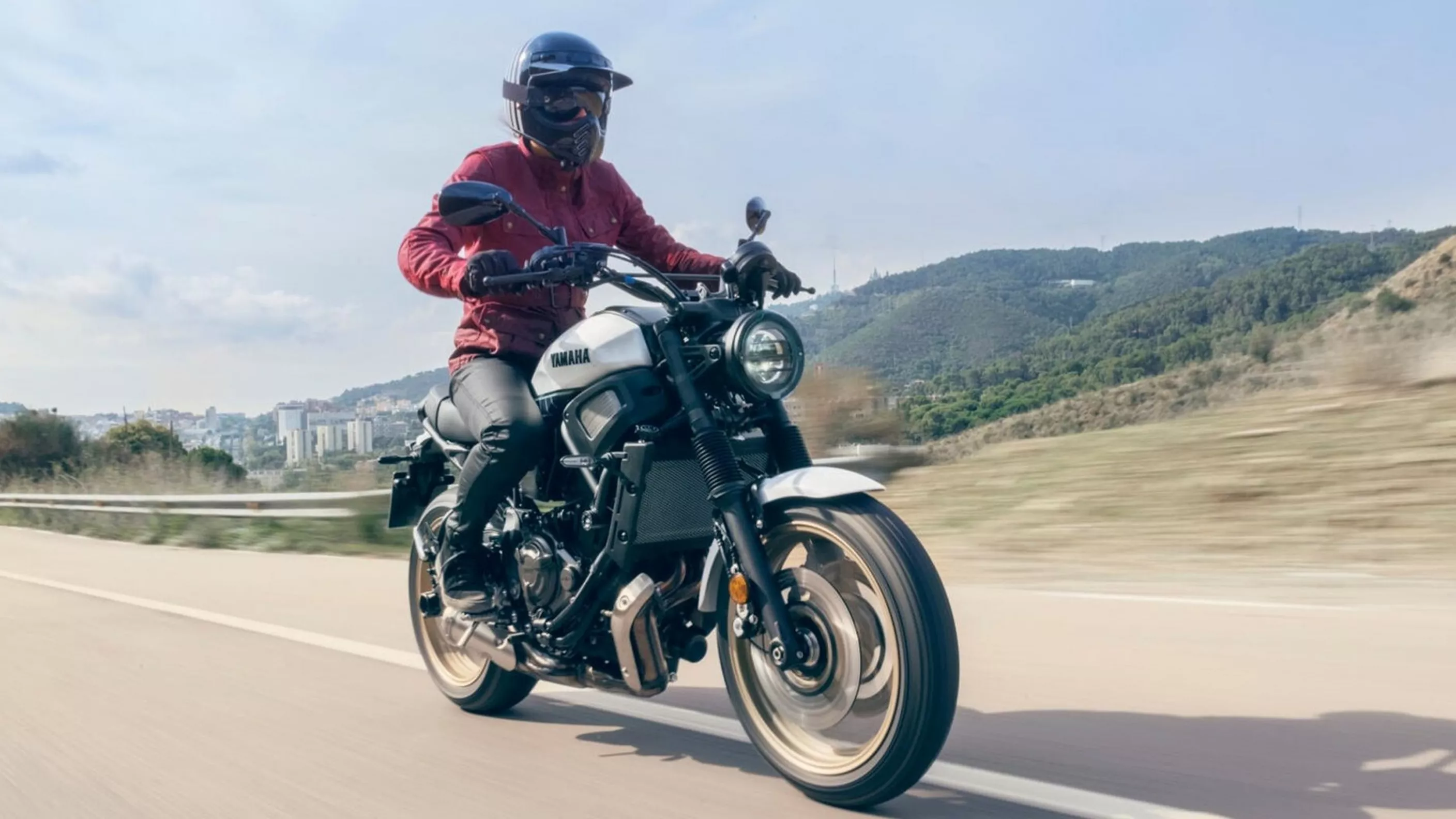
Buying a used Yamaha XSR700: tips, weak points and models
What to look out for when buying a used XSR700
The Yamaha XSR700 is considered an uncomplicated and long-lasting classic with modern technology. But which model years are particularly interesting, where are the typical weak points and what should you look out for when buying used? Our buying guide covers the most important points.

Der Horvath
published on 11/1/2026
1,007 Views
Yamaha XSR700 history
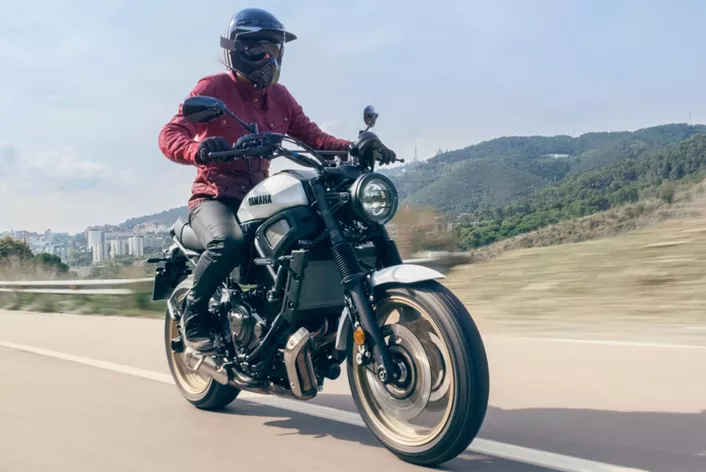
The story of the Yamaha XSR700 begins in the mid-2010s, when classic motorcycle designs were enjoying a significant resurgence in popularity. The MT-07 was the obvious choice as a technical basis. Its lightweight steel frame and, above all, its characterful CP2 parallel twin had already proven themselves. Yamaha wrapped this technology in a more classic package with a round headlight, a distinctive seat, aluminium tank covers and plenty of exposed metal parts.
Unveiled in 2015, on the road from 2016
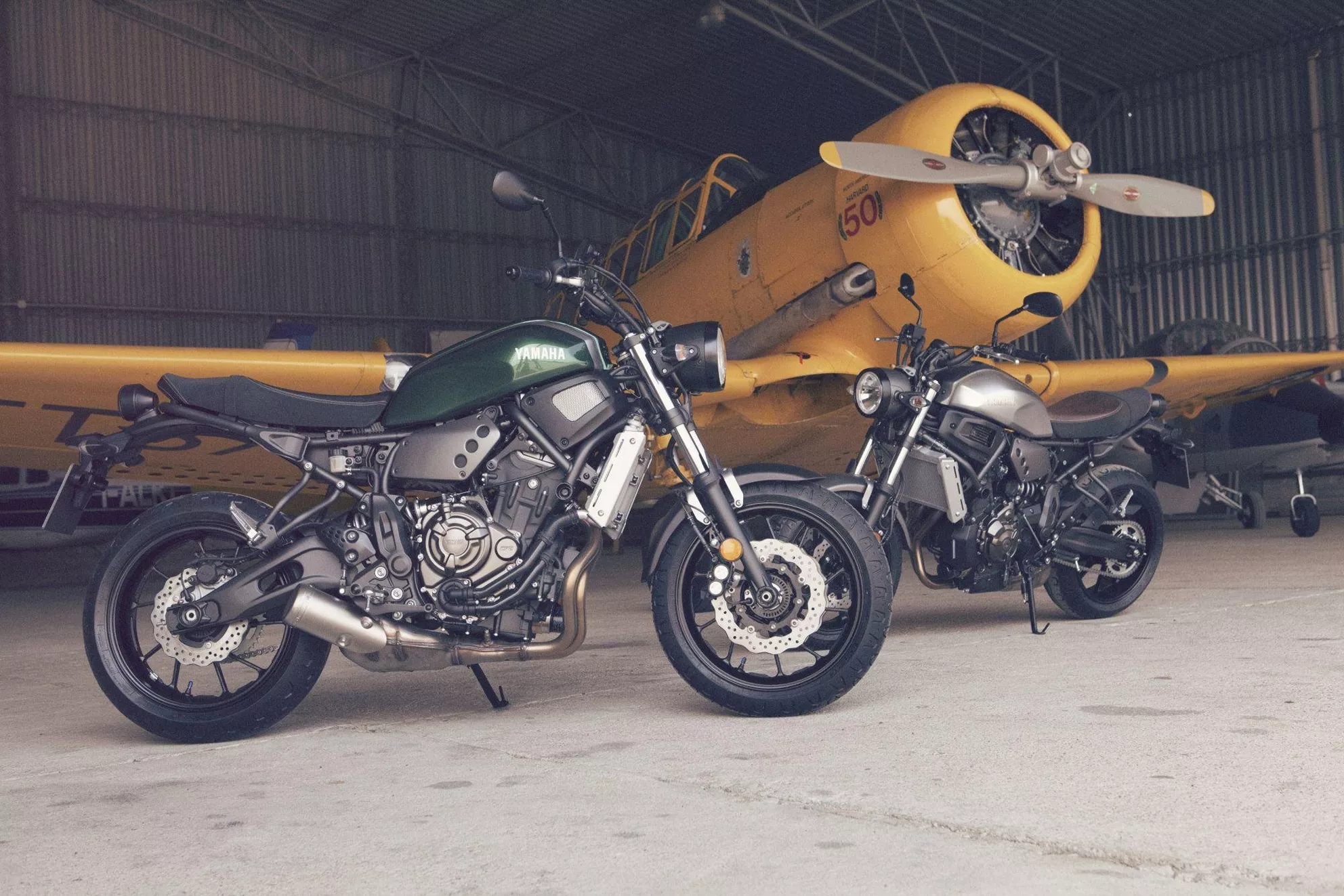
The XSR700 was presented in 2015 and hit the European market for the 2016 model year. It was built by Yamaha's French subsidiary MBK, today's Yamaha Motor Manufacturing Europe. Yamaha handed production of the XSR700 to the plant back in 2015. Technically, the first XSR700 was very closely related to the MT-07 of the time. The liquid-cooled 689 cc CP2 twin with a 270-degree crankpin offset initially produced 74.8 hp at 9,000 rpm and 68 Nm of torque at 6,500 rpm. There was also a version restricted to 35 kW for the A2 licence. According to Yamaha, the wet weight was a mere 186 kilograms, and the tank held 14 litres. Up front, two 282 mm brake discs did the stopping, and ABS was fitted as standard.
2016 to 2020: Evolution, not revolution
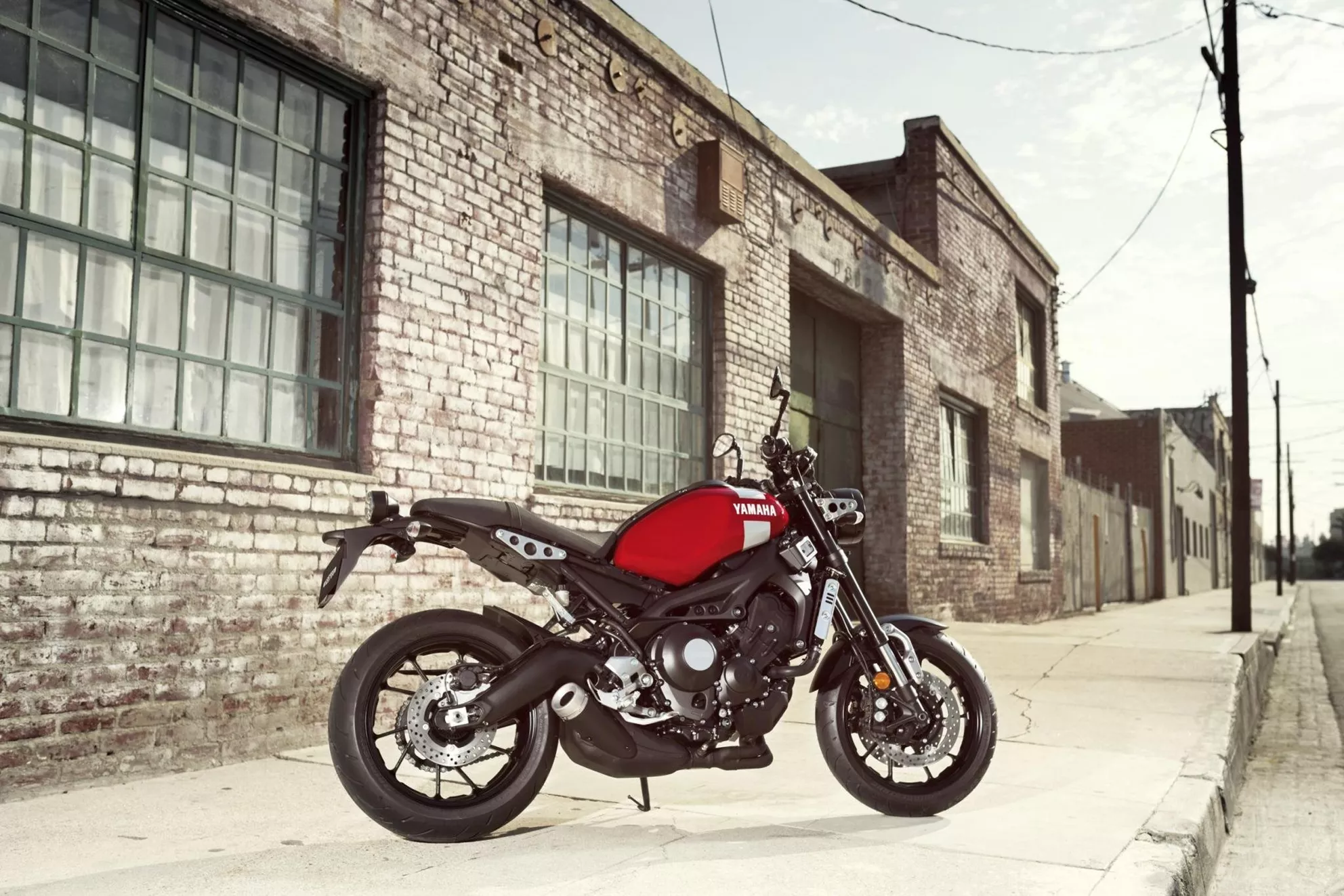
In the first model years, Yamaha changed little about the fundamental concept. Engine, frame, suspension and brakes largely stayed the same. This established early on the continuity that makes the bike interesting for used buyers today: an XSR700 from the first production years differs technically far less from later examples than is the case with many other model lines of that era.
The XSR700 also quickly became a popular base for custom builds. Yamaha actively encouraged this through its own Yard Built programme, which spawned numerous custom bikes based on the XSR700.
2019: The XSR700 XTribute brings XT500 flair
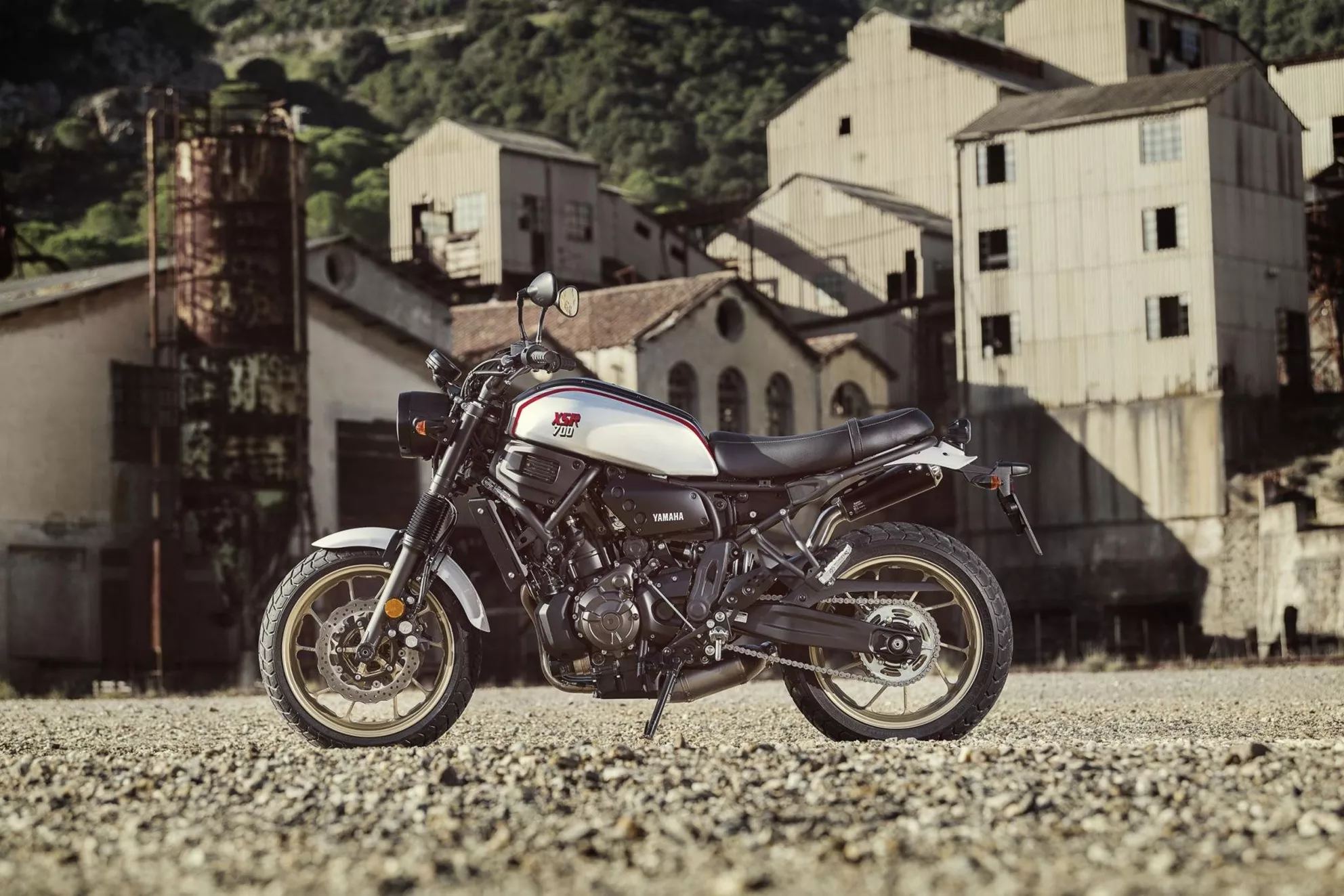
A significant expansion of the model family followed for the 2019 model year with the XSR700 XTribute. Here, Yamaha drew much more heavily on a specific historical role model: the legendary XT500. To match, the XTribute received, among other things, a flatter XT-style seat, a wider off-road handlebar, sturdy footpegs, fork gaiters and Pirelli MT60RS tyres with a chunkier tread. The paint and graphics were also inspired by the classic XT500. Technically, the XTribute remained closely related to the standard XSR700 – essentially, it was a variant styled more in the direction of a scrambler.
2021: Switch to Euro 5
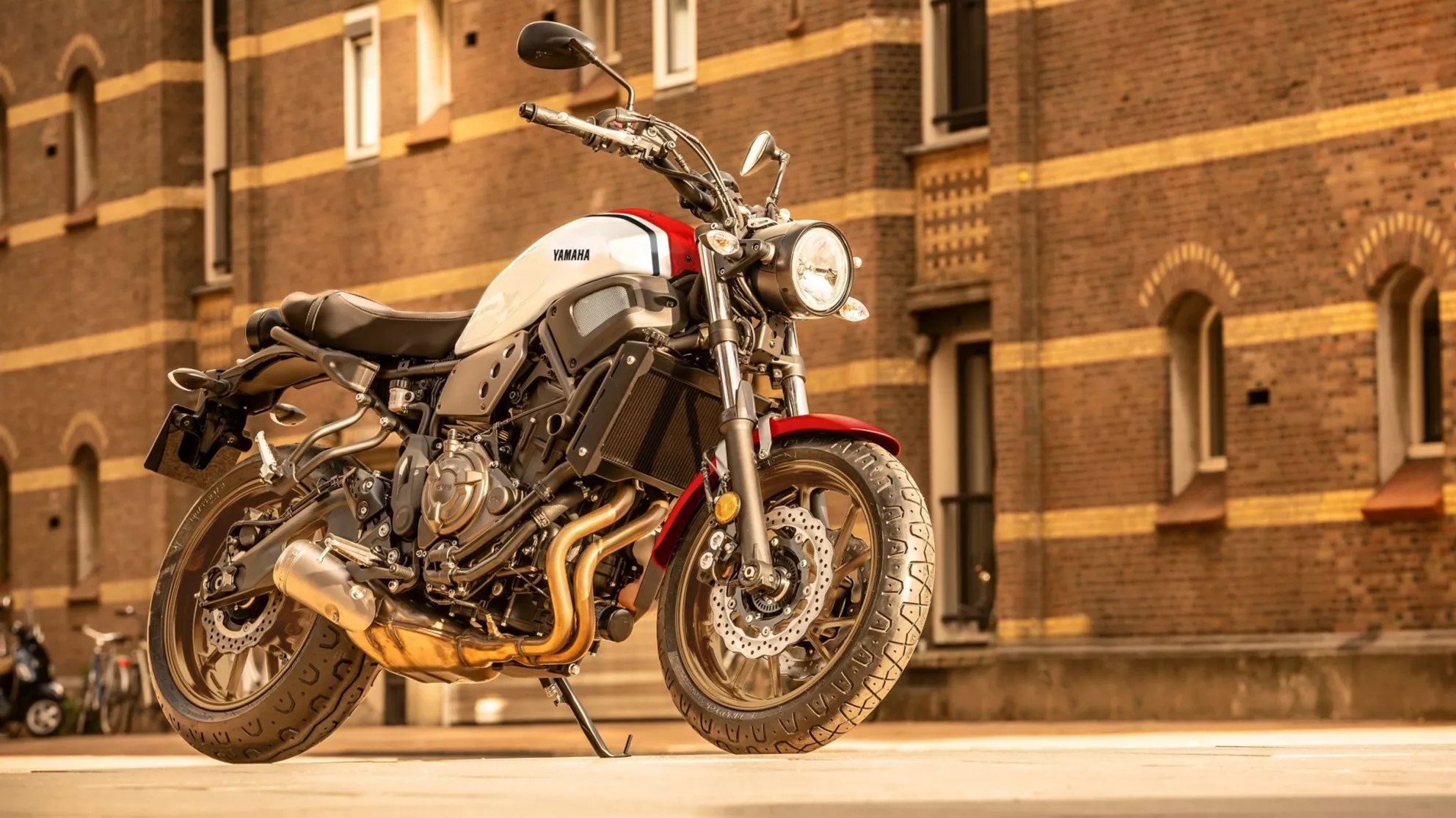
For the 2021 model year, the familiar 689 cc twin met the Euro 5 emissions standard. Yamaha changed little about the XSR700's basic architecture in the process. The 282 mm dual front discs, the conventional suspension and the familiar frame design were also retained for the time being. This makes the early model history fairly easy to sum up: from 2016 up to and including 2021, the XSR700 stayed conceptually very close to the original design.
2022: The XSR700's most important update
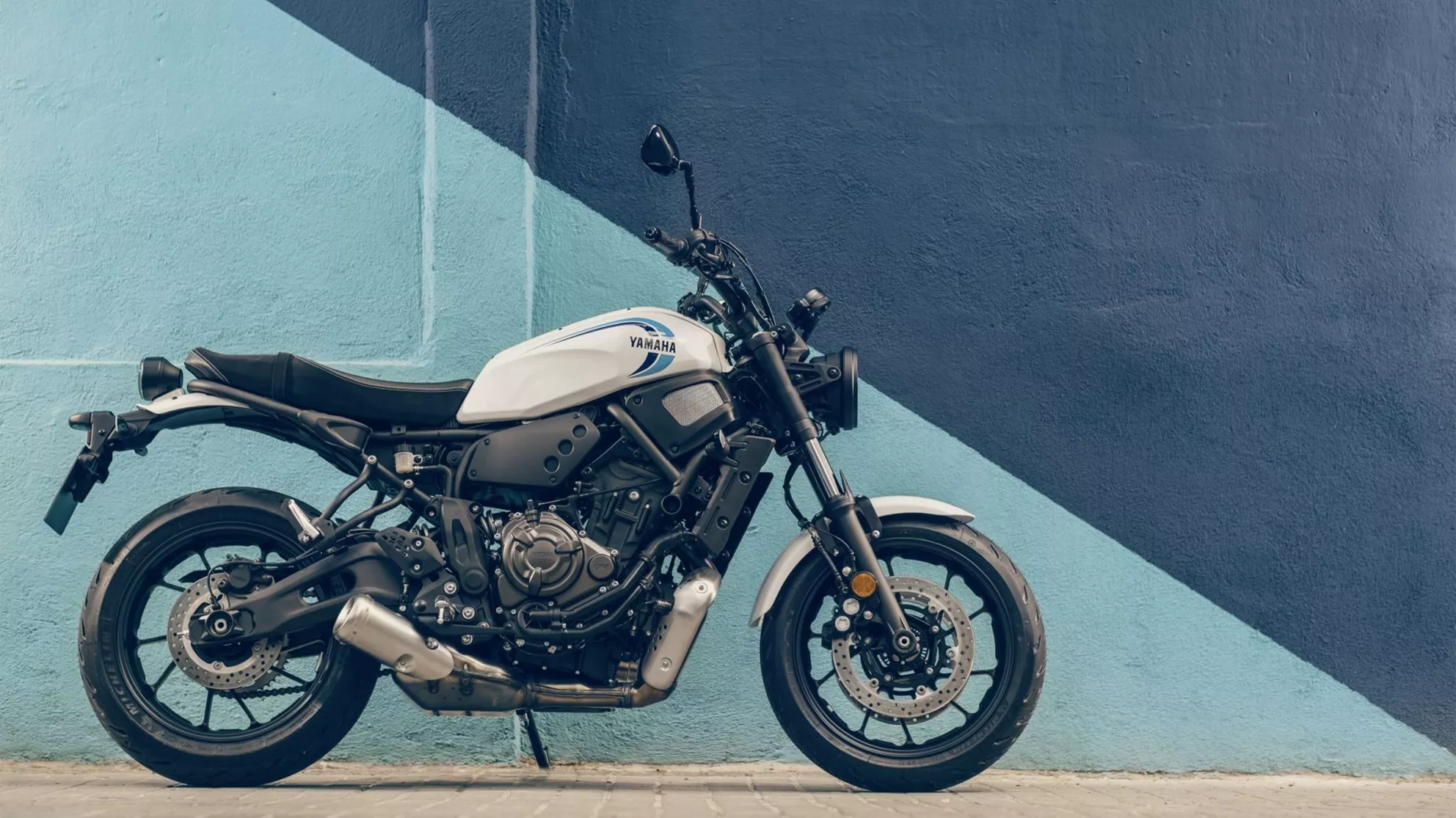
For the 2022 model year, Yamaha treated the XSR700 to its first clearly visible revision. While the basic concept was retained, numerous details were modernised. The new lighting was particularly striking. The classic round headlight remained, but now used LED technology. The tail section and other lighting elements were also updated. At the same time, Yamaha moved the still-round LCD instrument further forward and revised the controls.
Technically, the larger front brake was particularly relevant: instead of the previous 282 mm discs, 298 mm discs were now used. In addition, the setup of the conventional fork and the tyres were revised; Yamaha now fitted, among others, the Michelin Road 5. The CP2 was also adjusted. The European version now produced 73.4 hp at 8,750 rpm and 67 Nm of torque at 6,500 rpm. On paper, the XSR700 lost a tiny bit of peak power and torque, but the familiar character of the 689 cc twin remained fundamentally unchanged.
For used buyers, 2022 therefore marks the most important dividing line in the model history: the early bikes offer the original, particularly pared-back XSR concept, while models from 2022 onwards come across as more modern in terms of lighting, brakes and certain suspension and ergonomics details.
2023: XTribute becomes XSR700 Legacy
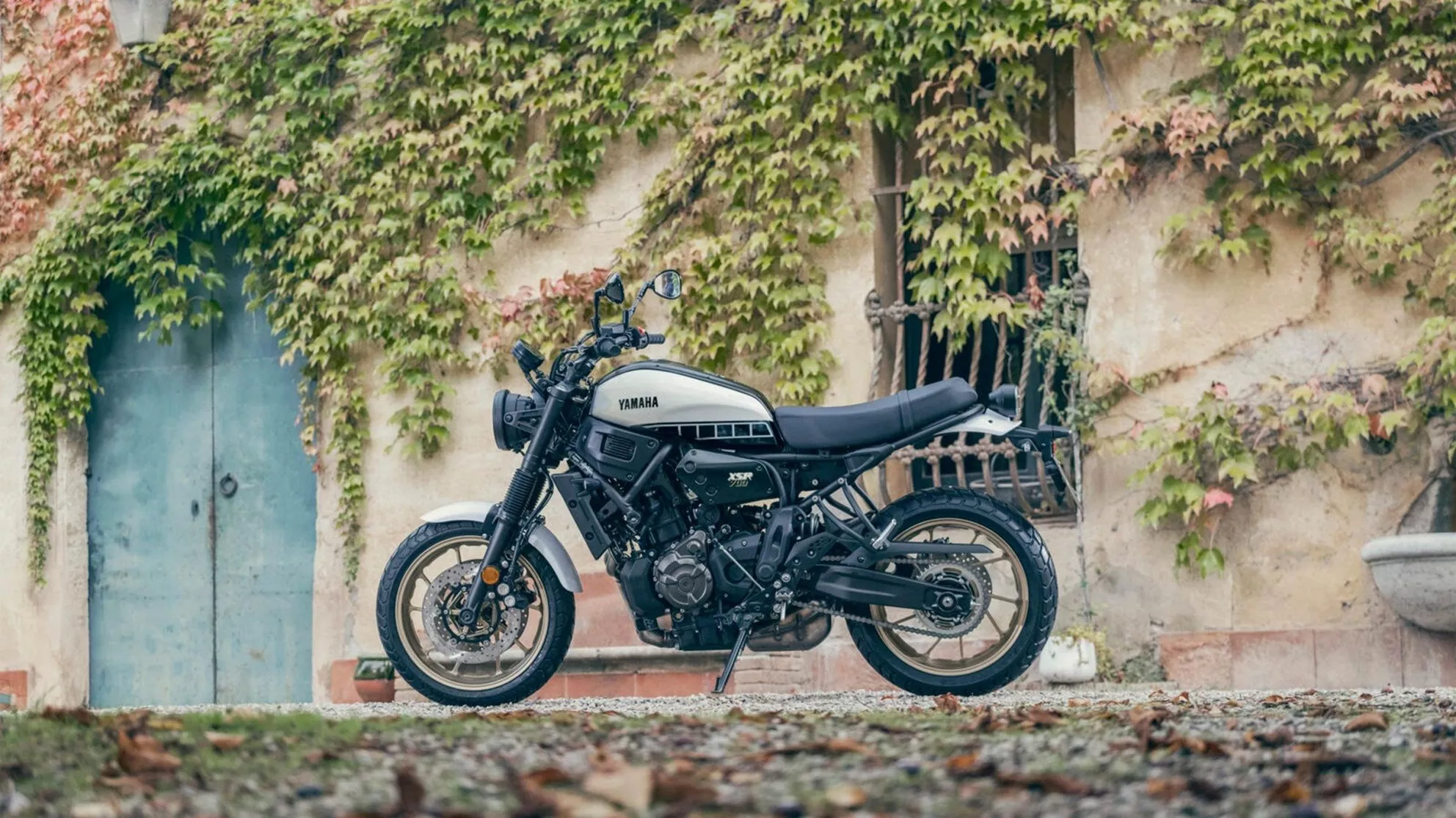
For the 2023 season, Yamaha added the XSR700 Legacy to the line-up. The concept was strongly reminiscent of the previous XTribute: scrambler look, fork gaiters, wide handlebar, chunkier footpegs and Pirelli MT60RS tyres were once again meant to create a more rugged appearance. New additions included the Speedblock graphics, gold ten-spoke wheels and an additional headlight guard. Technically, the Legacy was also based on the XSR700 as revised from 2022, with the Euro 5 CP2 engine and LED lighting.
Buying a used Yamaha XSR700
The situation on the used market is good news for prospective buyers. The Yamaha XSR700 was a popular, mass-market model for many years, so supply is plentiful today. From early model years to more recent facelift versions, there are regularly numerous examples available across different price and mileage brackets. This makes comparison easier and improves the chances of finding a well-maintained bike with the right features and a traceable history: Buy a used Yamaha XSR700.
To do your used bike a favour, we recommend regular oil changes. 1000PS relies on lubricants from Motorex, and here you can find the right oil for your bike.
Expert opinion: How reliable is a used Yamaha XSR700?
For an assessment from hands-on workshop experience, we spoke to Alfred Augustin and Fabian Gabat, two-wheeler service advisors at Yamaha Rainer in Vienna.
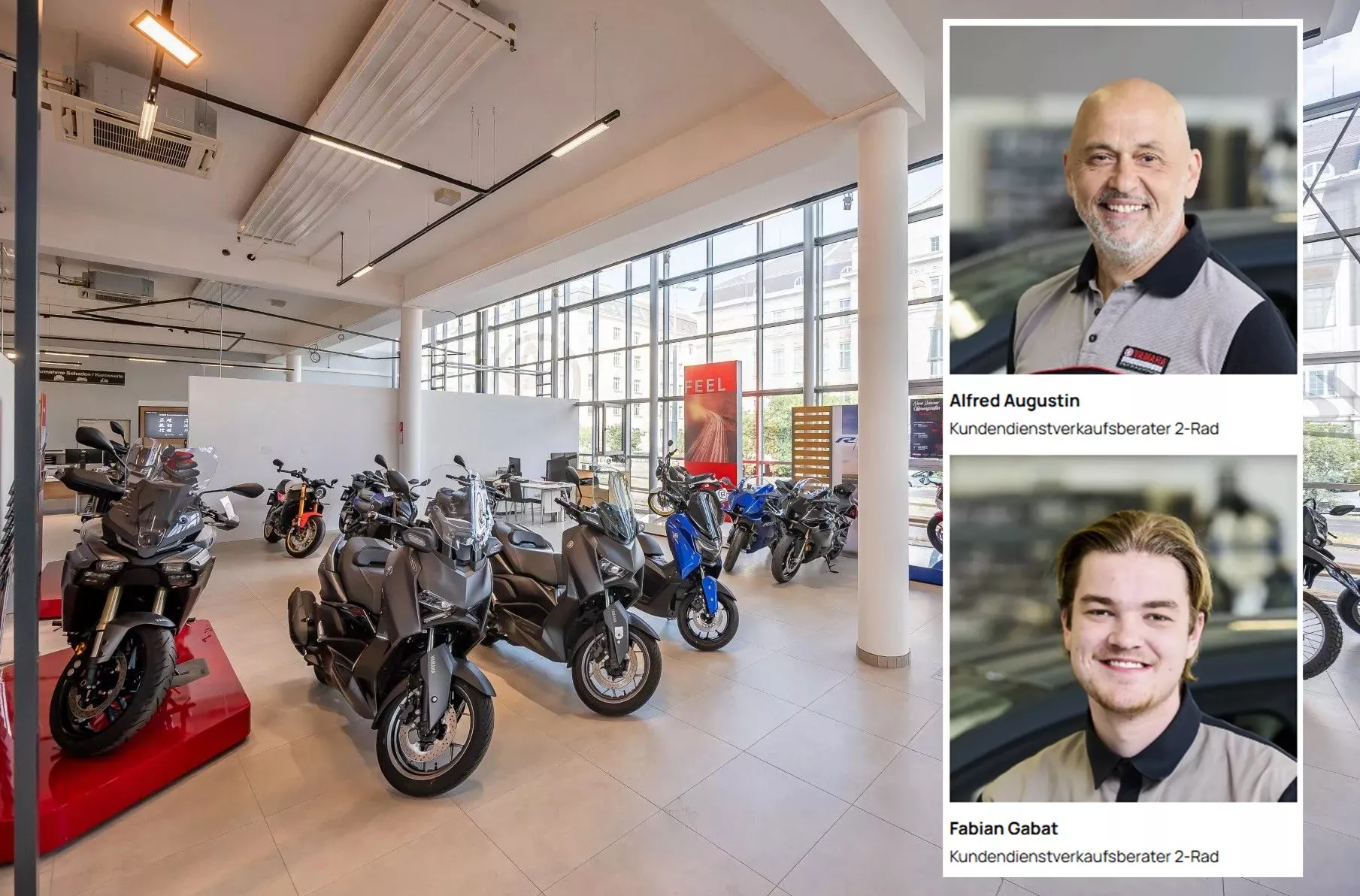
The key message from the two Yamaha experts is decidedly positive: from a workshop perspective, the CP2 engine is considered very durable. Augustin and Gabat don't see a mileage beyond which they would fundamentally advise against buying. Mileages of around 70,000 to 80,000 kilometres are no reason to panic on properly maintained bikes, and they have even come across bikes with more than 100,000 kilometres.
What matters more than the mileage, therefore, is how the bike has been treated. If the XSR700 has been serviced regularly and not completely neglected, the experts say there is little reason not to buy one, even with higher mileage.
Gear position sensor: Small cause, usually a manageable problem
When asked about particularly good or bad model years, Augustin and Gabat also largely give the all-clear. In their view, there is no specific generation of the XSR700 that they would generally advise against due to poor durability. One issue that can crop up on used CP2 models is the gear position sensor. According to the Yamaha specialists, it sits in an area where dirt from the front sprocket can collect. This can contaminate the contacts or the sensor mechanism and cause problems with the gear indicator.
That sounds worse at first than it often is. Frequently, it's simply dirt, so cleaning may be all it takes. The issue is well known in the workshop and is no exotic defect. For inspecting a used XSR700, this means: during the test ride, check whether the gear indicator works cleanly and consistently. If the display jumps, freezes or fails to correctly recognise certain gears, the sensor and its surroundings should be checked.
Take a closer look at rust on the swingarm and welds
On some used XSR700s, the general state of care is more important than hidden engine problems. Augustin and Gabat repeatedly see corrosion on the more affordable CP2 models, especially around the swingarm and its welds. They see this less as a fundamental design flaw and more as a consequence of how the bikes are used. Models like the MT-07 and XSR700 are often bought by younger riders and beginners and used as everyday bikes. Not every example gets cleaned or protected meticulously. Bikes that were regularly ridden in bad weather and then barely looked after can therefore show significantly more rust.
So when inspecting a used bike, it pays to look where hardly anyone looks during a quick walk-around: the underside of the swingarm, welds, frame areas, bolted joints and spots where road grime collects. Surface corrosion isn't a death sentence, but the overall condition says a lot about how the previous owner treated their XSR700.
Be sure to check the clutch recall via the VIN
CP2 models were and still are also subject to a clutch-related recall. According to the Yamaha experts, certain components or their coating could prevent the clutch from disengaging cleanly. Affected parts are replaced as part of the recall. Important for used buyers: an open recall doesn't simply disappear just because the bike has got older. If the recall is still open for the vehicle, it can still be carried out.
Service-friendly technology without big surprises
From the Yamaha workshop's point of view, the CP2 family also enjoys a good reputation when it comes to maintenance. Many routine service jobs are comparatively straightforward, and the bikes are generally designed to be easy to maintain. Augustin and Gabat also see no cause for concern regarding spare parts supply. The CP2 models are on the road in large numbers, and many spare parts are priced at a comparatively reasonable level.
The red key can matter more than 10,000 kilometres more or less
The two Yamaha specialists offer a particularly important tip on the subject of keys. Older Yamaha models with the corresponding immobiliser system were delivered from the factory with two black keys and one red master key. This red key should definitely come with a used XSR700. It is needed to program additional keys to the immobiliser. If the master key is missing and the remaining programmed keys are later lost as well, the matter can become complicated and expensive.
In the worst case, work on the ECU, immobiliser and lock set can run into four-figure costs. Augustin and Gabat report cases where the necessary parts alone came to around 1,500 euros and the total cost approached 2,000 euros. The advice for the inspection is therefore simple: don't just look at the bike and the service book, but also check which keys are actually handed over. On newer Yamaha systems, a corresponding code or key card may take over this function instead of the red master key. It, too, should be included.
1000PS tyre recommendation:
If you want to treat your used Yamaha XSR700 to a new set of tyres, the Metzeler Roadtec 02 is a very fitting all-rounder. This sport touring tyre combines good handling and everyday stability with enough reserves for a spirited ride on a country road. Metzeler uses an adaptive tread design intended to lean more towards sport touring or supersport depending on the load. On top of that comes a silica compound designed for wet grip and a dual-compound construction on the rear tyre.
YUASA motorcycle batteries - the 1000PS recommendation for your used bike:
Especially with used bikes, it pays to opt for a high-quality battery: with its AGM and gel batteries, YUASA supplies maintenance-free, leak-proof powerhouses "Made in Japan" that impress with high cranking power, vibration resistance and a long service life. Less maintenance, more performance - ideal for anyone who wants their bike to fire up reliably. Find the right YUASA battery for your bike here.
Alternatives to the Yamaha XSR700
Kawasaki Z650RS
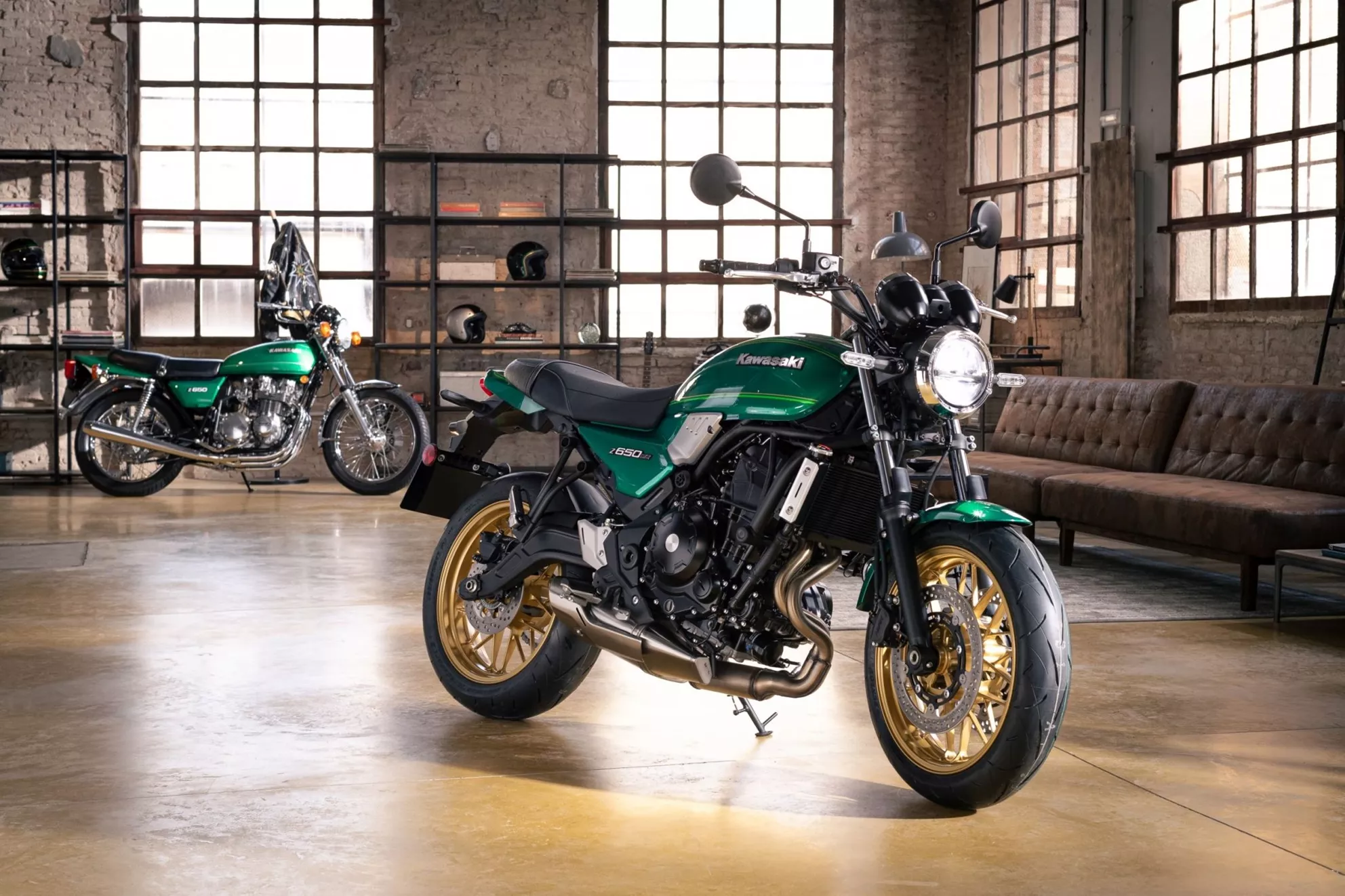
The Kawasaki Z650RS is probably the most direct alternative to the Yamaha XSR700. It too combines modern middleweight technology with classic looks and relies on a liquid-cooled parallel twin. With 649 cc and 68 hp, it sits slightly below the Yamaha in terms of power, but follows a very similar concept of low weight, easy handling and relaxed everyday usability. Visually, with its round headlight, classic tank and analogue gauges, the Z650RS leans even more heavily on bikes of the 1970s. On the used market, it's particularly interesting for buyers who like the XSR700 but prefer a somewhat more classic look and a softer, more linear engine character.
Royal Enfield Interceptor 650
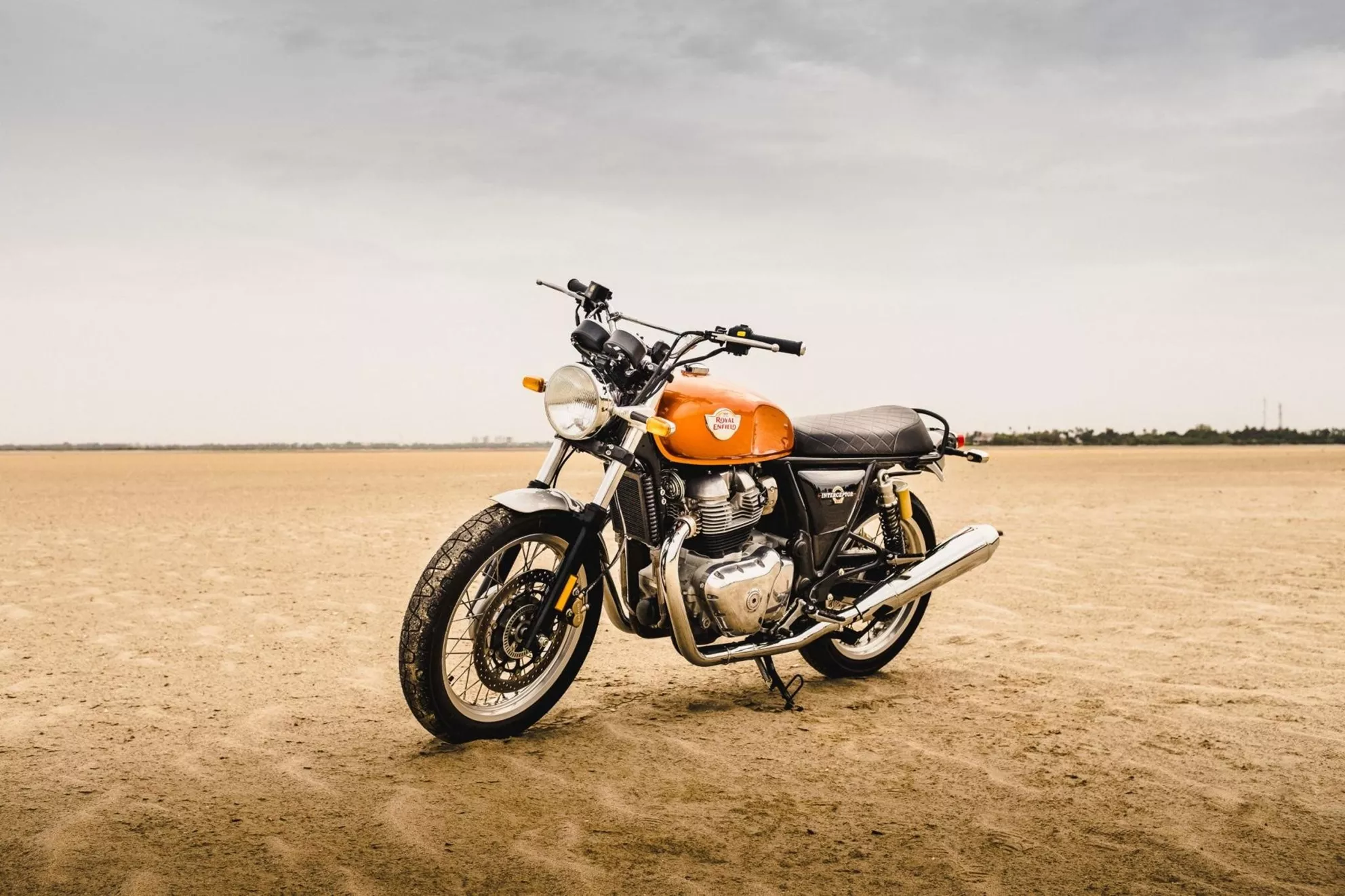
The Royal Enfield Interceptor 650 goes even further in the direction of a classic bike. Its air/oil-cooled twin, the twin rear shocks and its overall traditional construction convey far more old-school character than the technically more modern XSR700. On the other hand, engine output is significantly lower, and the Royal Enfield can't keep up with the Yamaha when ridden hard either. However, if you care less about maximum performance and are looking instead for a relaxed, authentic-feeling retro bike, the Interceptor is an interesting alternative. On the used market in particular, it also scores with comparatively simple technology and a huge selection of accessories and customisation options.
Triumph Trident 660
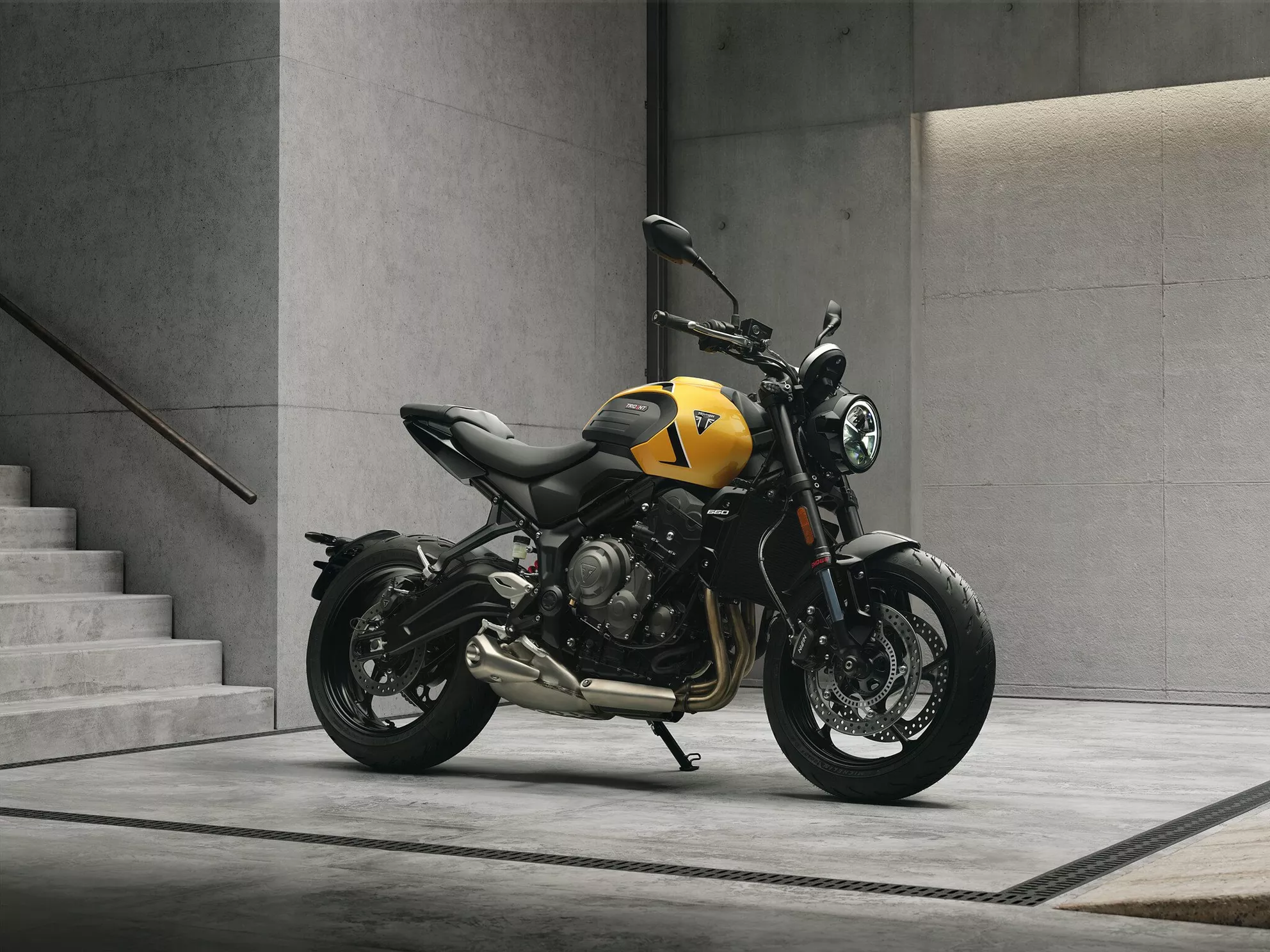
The Triumph Trident 660 takes a much more modern approach to the theme. Instead of a twin, a triple does the work here, and with its smoother power delivery and characteristic triple sound, the Triumph clearly sets itself apart from the XSR700. Visually, it sits between a classic roadster and a modern naked bike, making it less overtly retro than the Yamaha or Kawasaki. In return, it offers a sportier alternative for riders who like the uncomplicated middleweight concept of the XSR700 but want more engine power and more modern features. With used examples, however, pay attention to the model year, as Triumph has developed the Trident technically over the years and gave it another extensive overhaul for 2026.
Conclusion: A used Yamaha XSR700 is a fairly safe bet
The Yamaha XSR700 is one of those bikes where buying used need not cause many headaches. The CP2 engine has proven robust and long-lasting over many years, serious model-specific weak points are hardly known from workshop practice, and even higher mileages are not a fundamental deal-breaker if the bike has been properly maintained.
What matters more than the model year or the mileage is therefore the actual condition of the bike. Corrosion on the swingarm and welds, a properly functioning gear indicator, completed recalls, traceable service work and a complete set of keys should be at the very top of the checklist at the viewing. Especially with cheap or heavily used examples, it quickly becomes clear whether the XSR700 has been looked after or merely ridden.
More used bike buying guides

- How much does a Yamaha XSR700 cost?
- Here you will find an overview of the price level of new and used motorbikes!
Buying a used Yamaha XSR700: tips, weak points and models Images
Source: 1000PS


