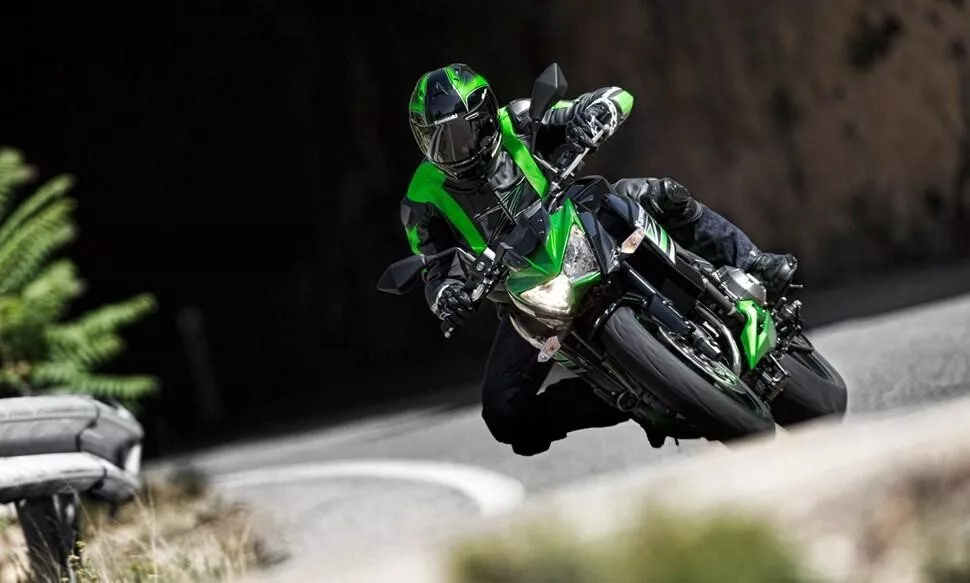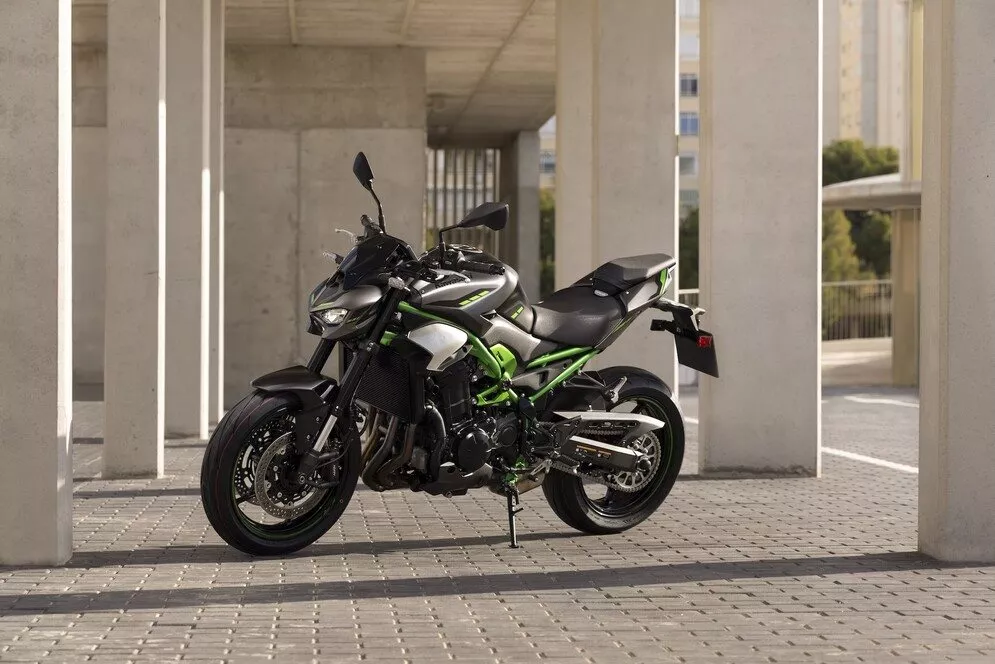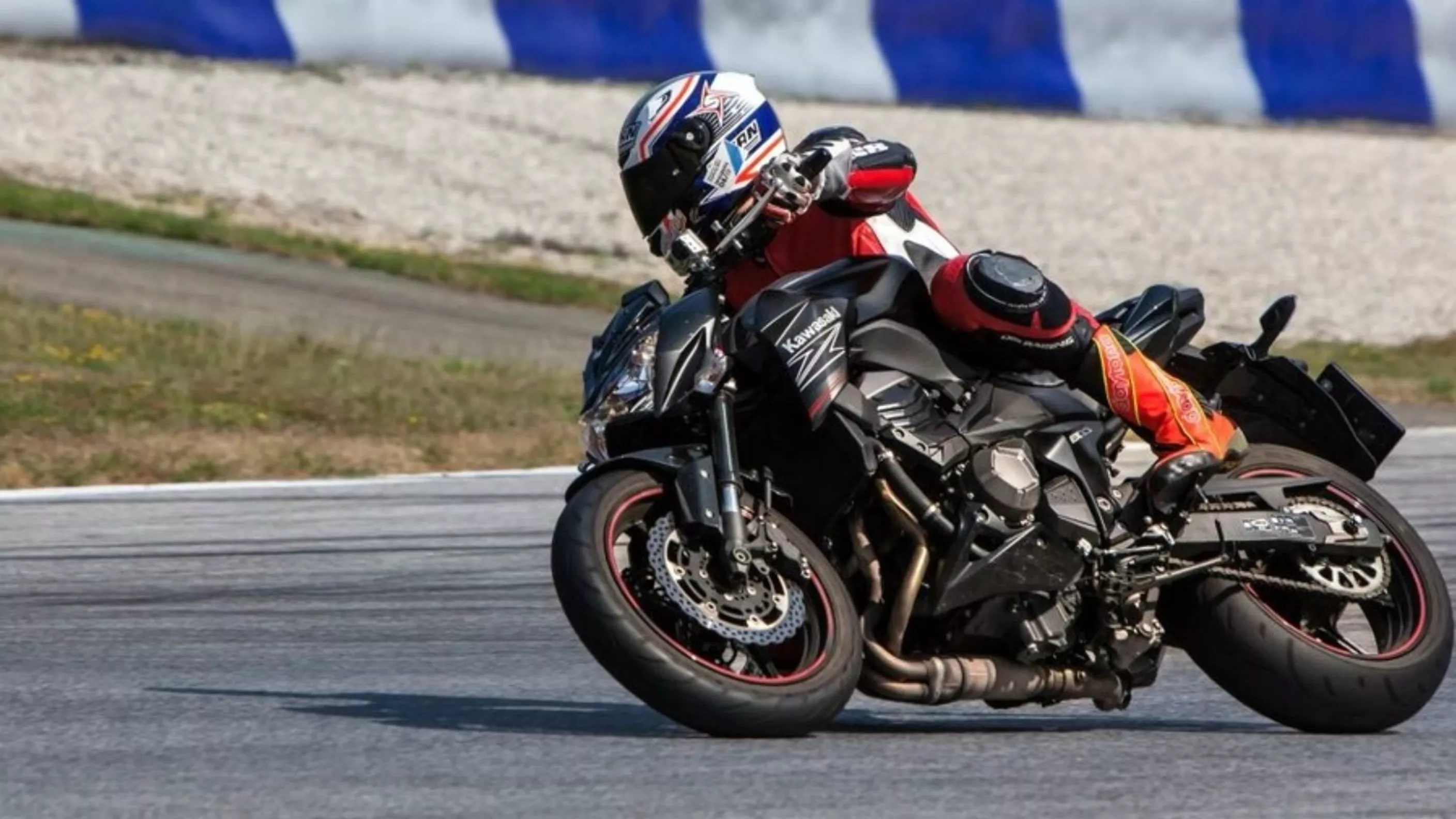

When the Kawasaki Z800 replaced the successful Z750 in 2013, the basic recipe remained untouched: a classic inline four, a steel frame, upright naked bike ergonomics and enough mechanical substance not to feel like a relic from another era even today. The engine grew to 806 cc, produced 113 hp at 10,200 rpm in full-power form and delivered 83 Nm at 8,000 rpm. Add to that a 17-litre tank, an 834 mm seat height and a hefty 229 kg wet weight. On the standard Z800, the 41 mm USD fork and the shock offered adjustment for preload and rebound. The result was no delicate scalpel, but a planted, stable and very grown-up naked bike.
The engine was substantially reworked compared to the Z750, but no major technical leaps followed during the short model run. From 2013 to 2016 the Z800 remained essentially unchanged, which is an advantage when buying used: there is no single model year you absolutely must have because of a crucial update. The more interesting question is which Z800 is actually standing in front of you. Alongside the 113 hp version, Kawasaki offered the Z800e with 70 kW or 95 hp and 76 Nm. At 226 kg it was slightly lighter and came with more basic suspension. Above all, however, its 70 kW homologation formed the basis for a legal 35 kW restriction for the A2 licence.
2016 was the end of the line, and for 2017 the Kawasaki Z900 took over. This generational change matters more to today's used buyers than any Z800 colour code, because the Z900 combined more power with significantly less mass and pushed the range into a different league in terms of riding dynamics. At the same time, the appeal of the Z800 remains: it comes from an era when a strong four-cylinder, ABS and decent suspension had to suffice, without TFT, riding modes or a parade of electronic aids. It is precisely this mechanical directness that keeps well-maintained examples in demand and at least partly explains why good Z800s are priced surprisingly confidently today.