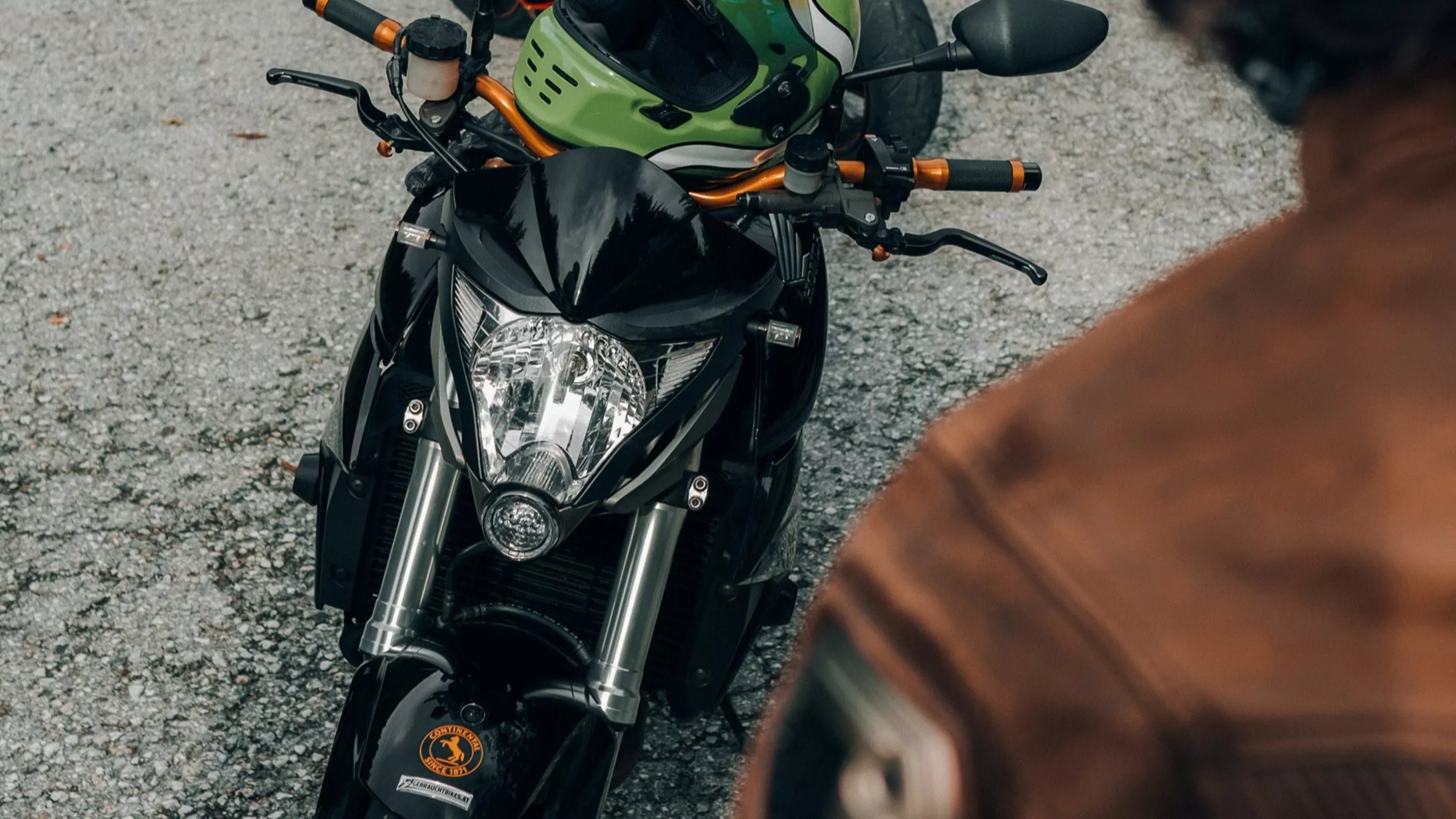
Buying a used Honda CB 1000 R: tips & weak points
Why the used Honda CB 1000 R is so popular
The Honda CB 1000 R is regarded as a powerful naked bike with Fireblade DNA and great everyday usability. But what should you look out for when buying used? Expert Manfred Postrihac explains which model years are recommended and whether there are any typical weak points.

Der Horvath
published on 6/28/2026
11,485 Views
History of the Honda CB1000R
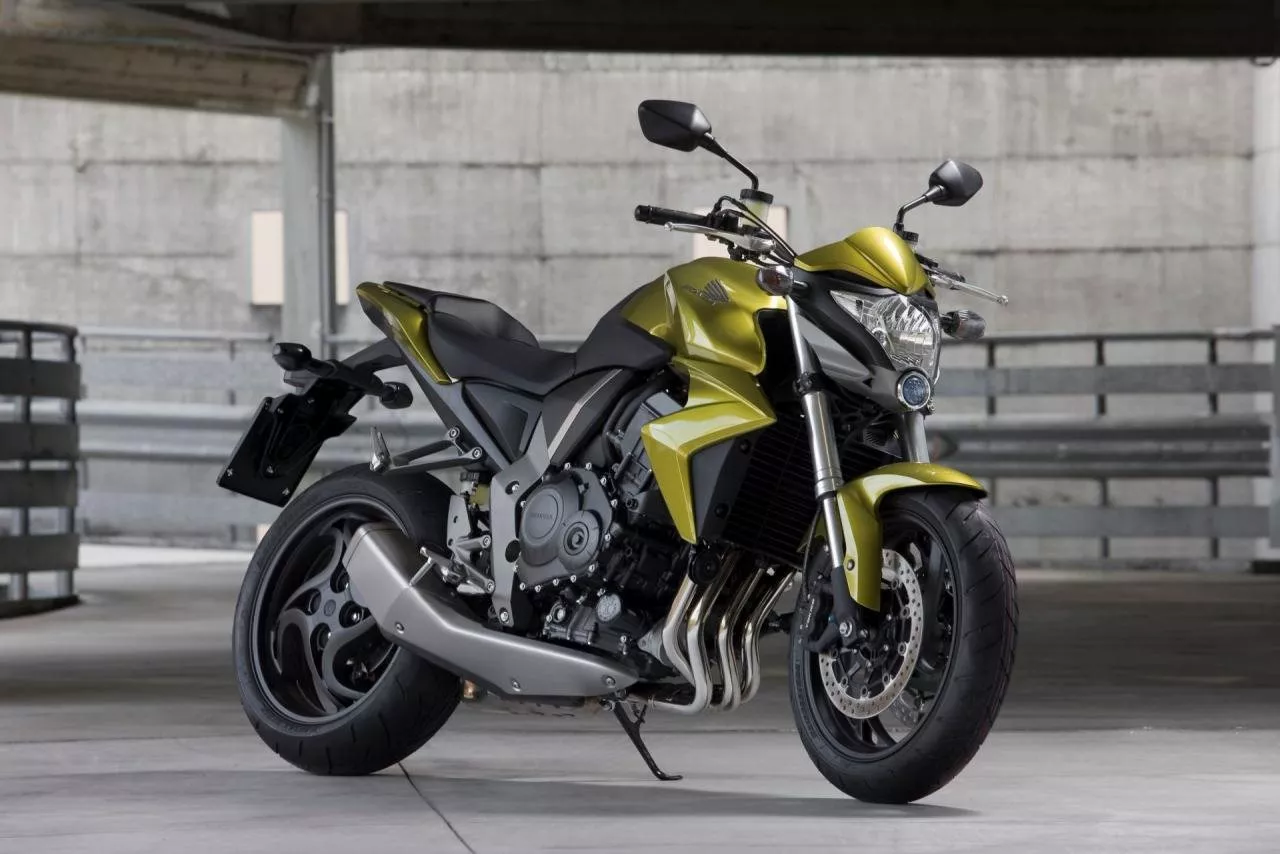
With the unveiling of the CB 1000 R in 2008, Honda signalled a clear change of direction in the naked bike segment. It succeeded the CB 900 F Hornet, but was positioned as a far more modern and premium machine. Instead of a rather classic all-rounder, Honda went for a more aggressive, design-led concept. Technically, it drew on proven Fireblade DNA: the four-cylinder was based on the engine of the CBR1000RR (SC57), but tuned for more grunt in the midrange. The focus was on rideability rather than peak power. Honda also showed real ambition with the chassis – featuring an aluminium bridge frame, a striking single-sided swingarm and high-quality components such as an upside-down fork and radially mounted brakes.
Updates to the first generation (2008–2017)
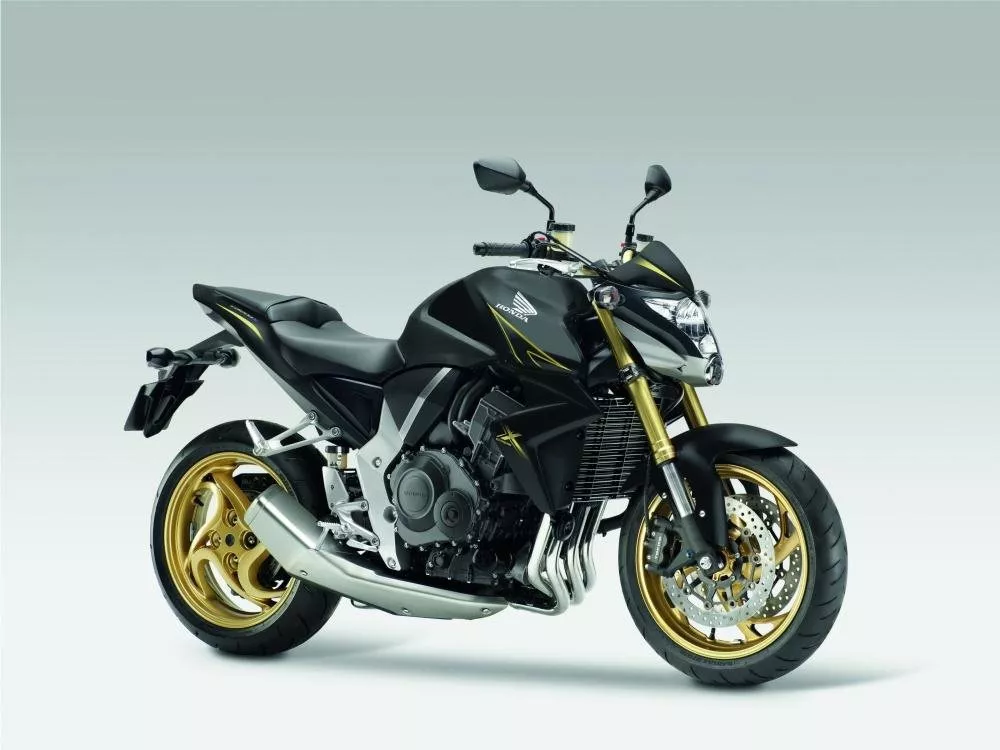
2012 Honda CB 1000 R.
The first generation stayed in the line-up almost unchanged for many years, which is typical of Honda's rather evolutionary model policy. Instead of major overhauls, there were targeted improvements, mainly affecting riding performance and everyday usability. A facelift in 2011 brought a revised setup for the fuel injection and suspension, making the throttle response smoother and the overall behaviour more harmonious. Honda also made minor visual tweaks, for instance to colours and details. Safety played a role too: ABS was available early on and contributed to the bike's broad everyday appeal.
In its final model years, the CB 1000 R was gradually adapted to stricter emissions regulations before it was eventually discontinued. Over its entire production run, it established itself as a reliable, good-natured naked bike with a sporty edge, without the extreme focus of many rivals.
The big shake-up: new generation from 2018
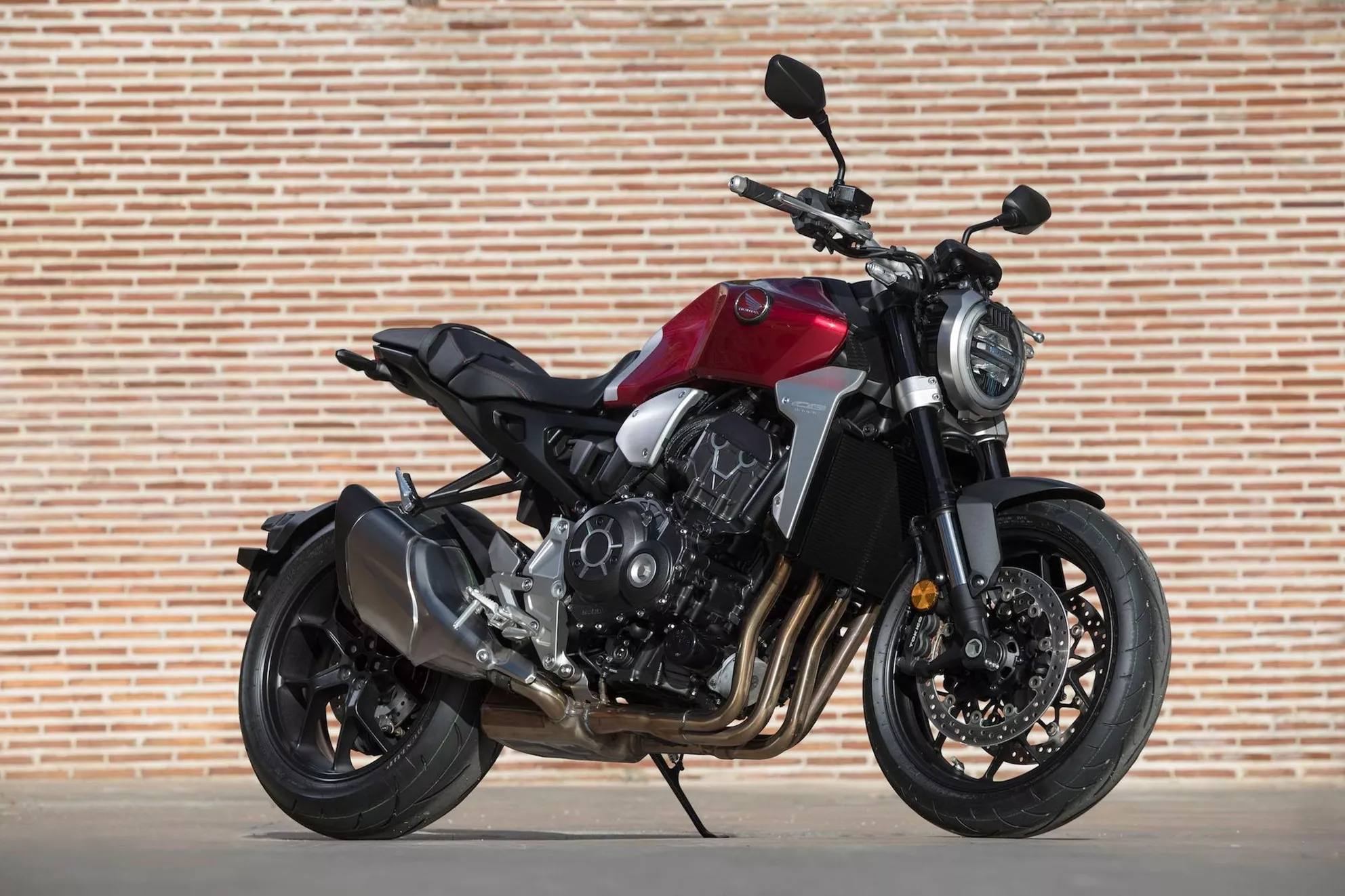
The 2018 model year brought a complete fresh start. Honda presented an entirely new CB 1000 R that clearly stood apart from its predecessor both technically and visually. The design now consistently followed the "Neo Sports Café" line: a mix of minimalist modernity and retro touches such as the round LED headlight.
There was a big step up on the technical side as well. The engine was based on the SC57 Fireblade generation and produced around 145 hp. At the same time, modern electronics arrived, including ride-by-wire, various riding modes and traction control. A new, lighter chassis concept and an overall more compact design delivered a noticeably more agile riding feel.
Update from 2021
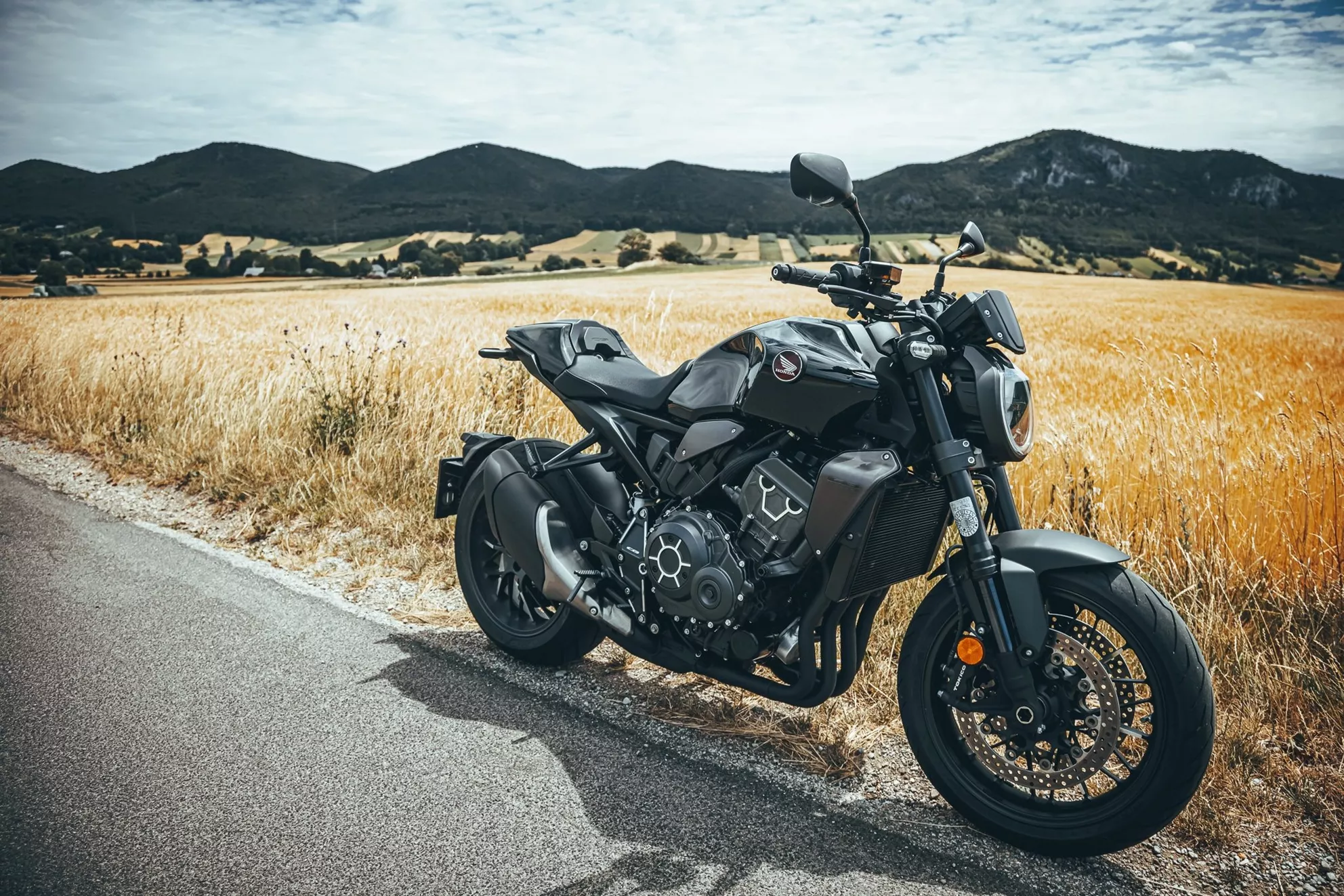
In 2021, the CB 1000 R received a facelift that focused mainly on details. The engine setup was refined to make throttle response even more direct and controllable. In addition, a more modern TFT display was introduced, offering smartphone connectivity for the first time. Visually, the basic design was retained, but sharpened slightly in certain areas – especially at the rear. Honda thus stayed true to its approach of continuously developing the model without changing its distinctive style.
For the 2025 model year, the CB1000R was replaced by the new CB1000 Hornet.
Buying a used Honda CB1000R
An interesting point for prospective buyers: availability on the used market is limited. "You don't come across the CB 1000 R very often," reports expert Manfred Postrihac. Both older models and the newer Neo Sports Café versions are in demand and usually don't sit at the dealer for long. Well-maintained examples often change hands quickly, which speaks to the model's lasting popularity.
You can find current listings here: Buy a used Honda CB1000R.
To treat your used bike well, we recommend regular oil changes. 1000PS relies on lubricants from Motorex, and here you can find the right oil for your bike.
Interview with the experts at Motothek
For expert insight into the real issues, we spoke to Manfred Postrihac, owner of Motothek Ternitz. Not only does the business deal in Honda and KTM vehicles, it is also the trusted workshop of choice for more than a few 1000PS staff members.
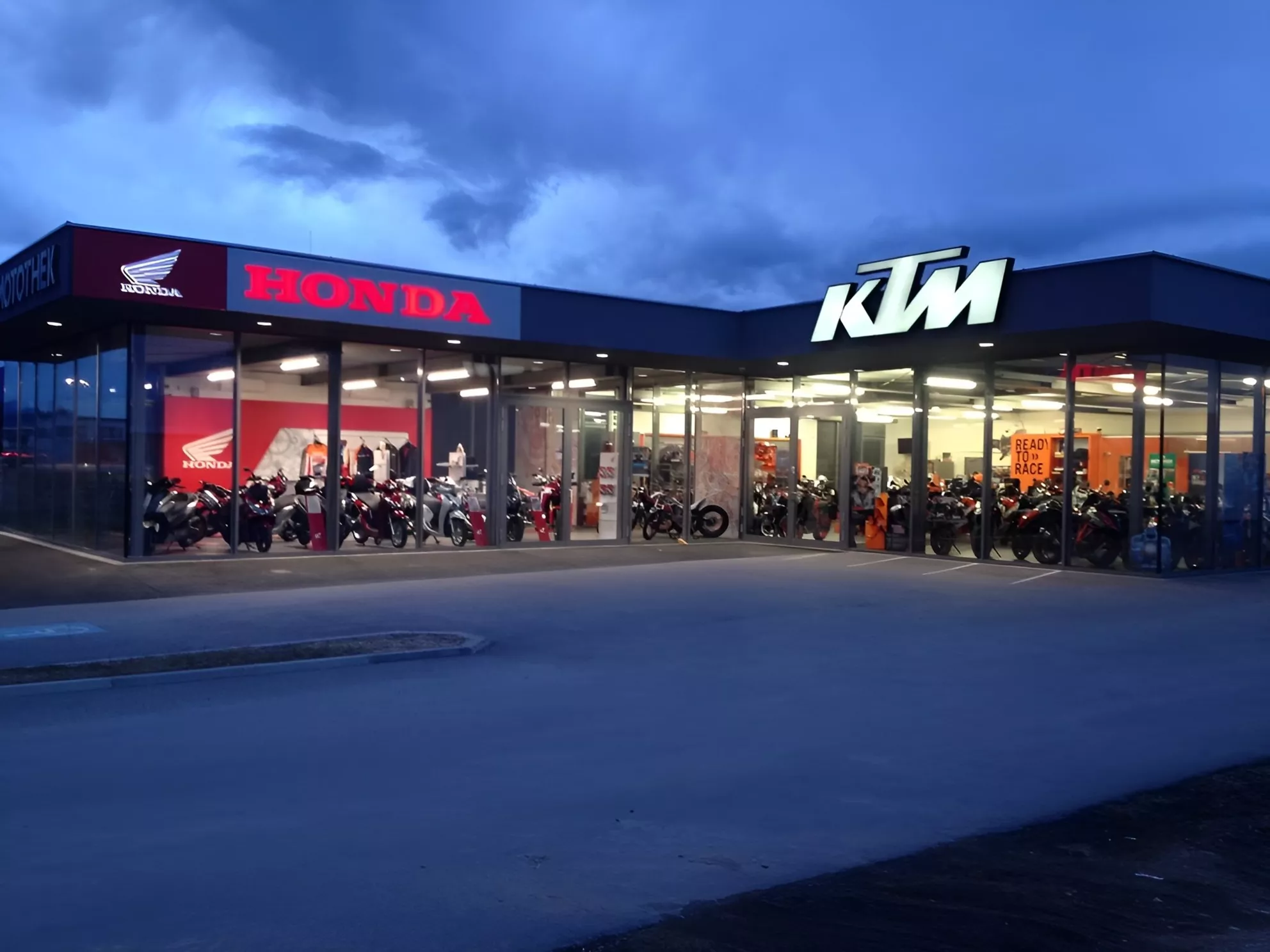
Motothek Ternitz.
Talking to Manfred Postrihac, owner of Motothek Ternitz, it quickly becomes clear: the Honda CB 1000 R enjoys an excellent reputation among professionals – especially when it comes to reliability and everyday usability. According to Postrihac, high mileage on a CB 1000 R is no cause for concern. Honda's big four-cylinders in particular have been regarded as extremely robust for decades. Although they were technically adapted to new emissions standards time and again over the years, this never led to any fundamental problems.
In general, he sees no issue with Honda when it comes to reliability – quite the opposite: "The big four-cylinders cause no problems whatsoever." Practical experience confirms this too. Warranty claims are vanishingly small relative to the number of units sold.
Another plus is parts supply. Ordered parts are delivered overnight and are usually available at dealers by the next morning. "When we unlock the doors, the parts for the day are already there – it doesn't get any better than that," says Postrihac. In his assessment, spare parts are priced slightly above some competitors, but remain within the usual range. There are no expensive, model-specific weak points or known "money pits" on the CB 1000 R.
When it comes to maintenance, the CB 1000 R is generally straightforward, at least for simple jobs. Things like oil changes can be done by technically savvy owners themselves. As soon as things get more complex, however – such as checking valve clearances – expert knowledge is required. As a general rule: a complete service history is an important factor, especially when it comes to resale.
Asked about typical problems or known weak points, the answer is unequivocal: "No." No systematic defects are known across the various model years. Postrihac describes the models from the last seven to ten years in particular as bikes that just keep on going. He also sees practically no classic "teething troubles" at Honda any more. Thanks to the long warranty period and the conservative development strategy, potential problems are usually ironed out early on.
Accordingly, the recommendation on model year is just as clear-cut: basically, you can go for any CB 1000 R without hesitation. Technical differences play a minor role; what really matters is personal taste – especially when it comes to design.
1000PS tyre recommendation:
For the Honda CB 1000 R, the Metzeler Sportec 01 fits perfectly into the overall picture of a sporty yet everyday-friendly naked bike. The tyre is clearly designed for road use and combines sporty performance with high safety and confidence in everyday riding. Its balanced setup deserves special mention: the Sportec 01 offers very good grip in both dry and wet conditions and impresses with neutral, easily controllable handling.
YUASA motorcycle batteries - the 1000PS recommendation for your used bike:
Especially with used bikes, it pays to opt for a high-quality battery: with its AGM and gel batteries, YUASA supplies maintenance-free, spill-proof powerhouses "Made in Japan" that impress with high cranking power, vibration resistance and a long service life. Less maintenance, more performance - ideal for anyone who wants their bike to fire up reliably. Find the right YUASA battery for your bike here.
Alternatives to the Honda CB 1000 R
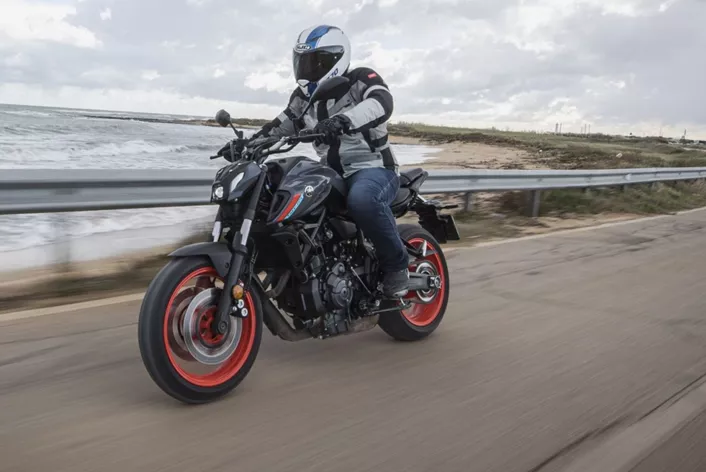
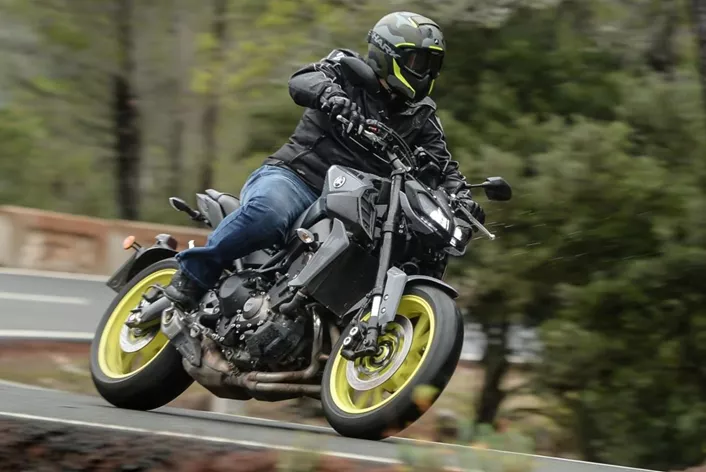
Yamaha MT-09
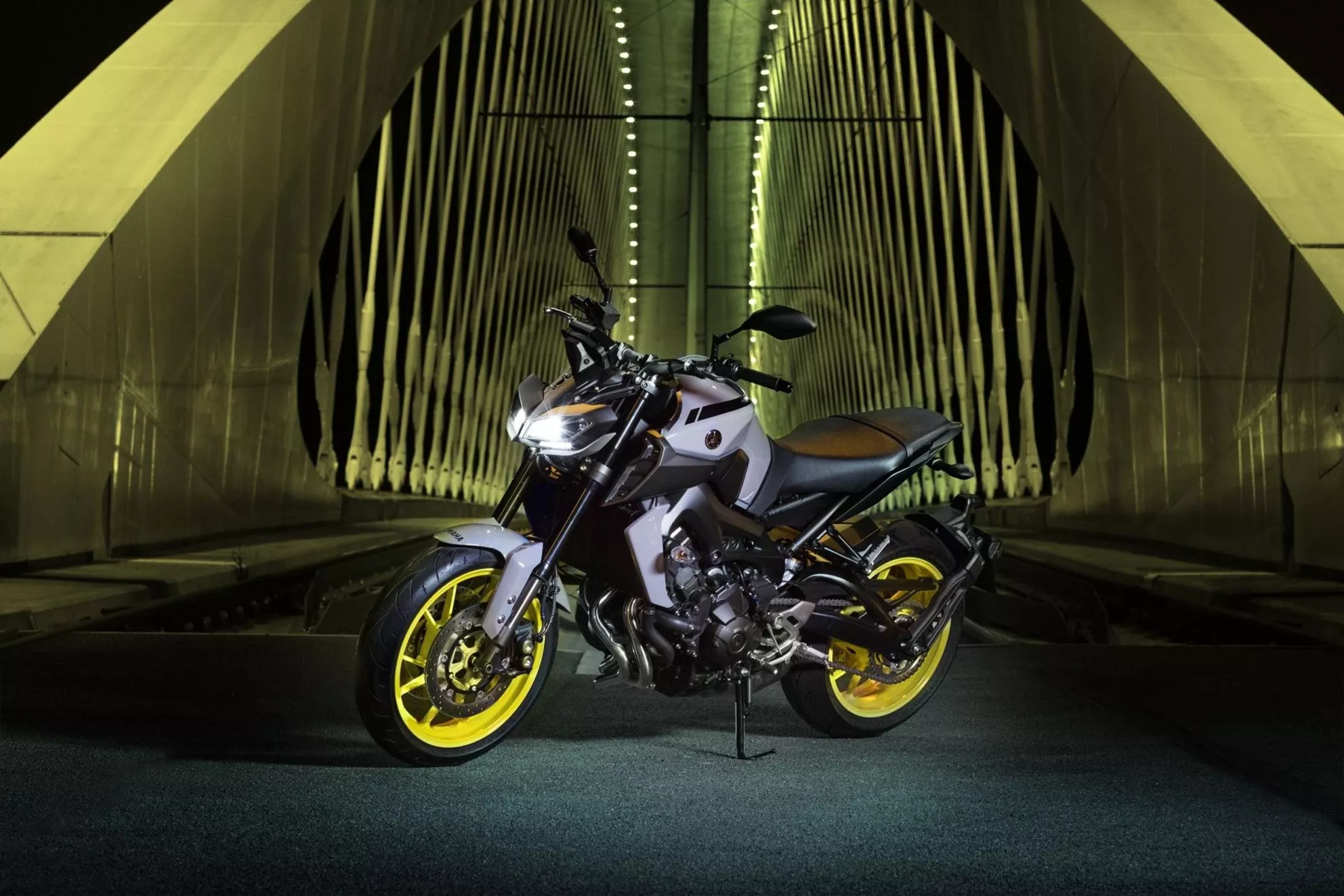
The Yamaha MT-09 is one of the most popular alternatives to the CB 1000 R, especially if you're looking for a lighter and more playful naked bike. Instead of a four-cylinder, Yamaha relies on a characterful triple with plenty of torque and direct responsiveness. This makes the MT-09 feel noticeably livelier and more aggressive to ride, while remaining suitable for everyday use and comparatively affordable.
Kawasaki Z900
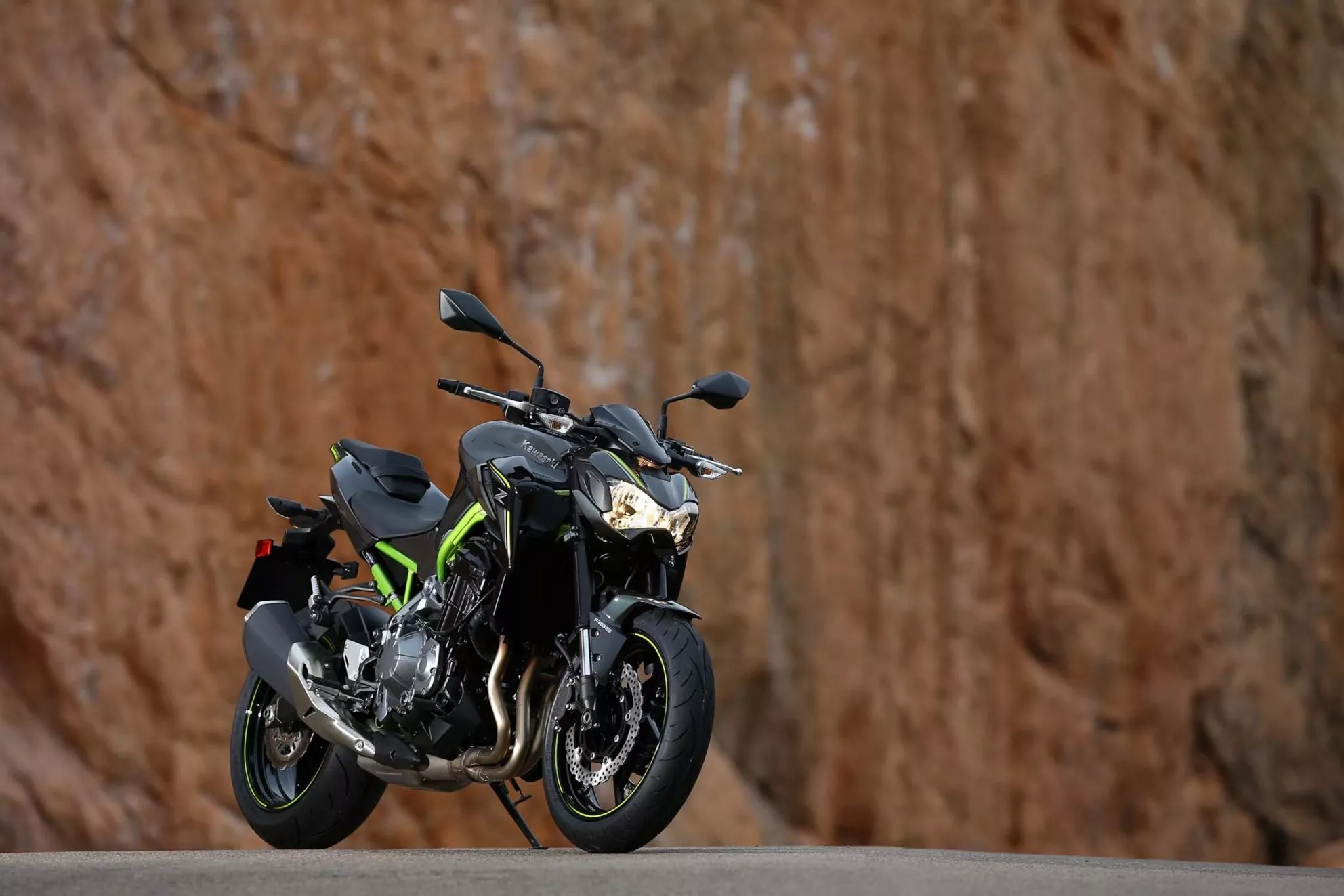
The Kawasaki Z900 is positioned very close to the CB 1000 R, especially in terms of concept and engine character. Here too, an inline four-cylinder is used, delivering linear power and good rideability. The Z900 is regarded as a particularly well-balanced upper-middleweight naked bike and is often somewhat cheaper, making it an attractive alternative for many buyers.
BMW S 1000 R
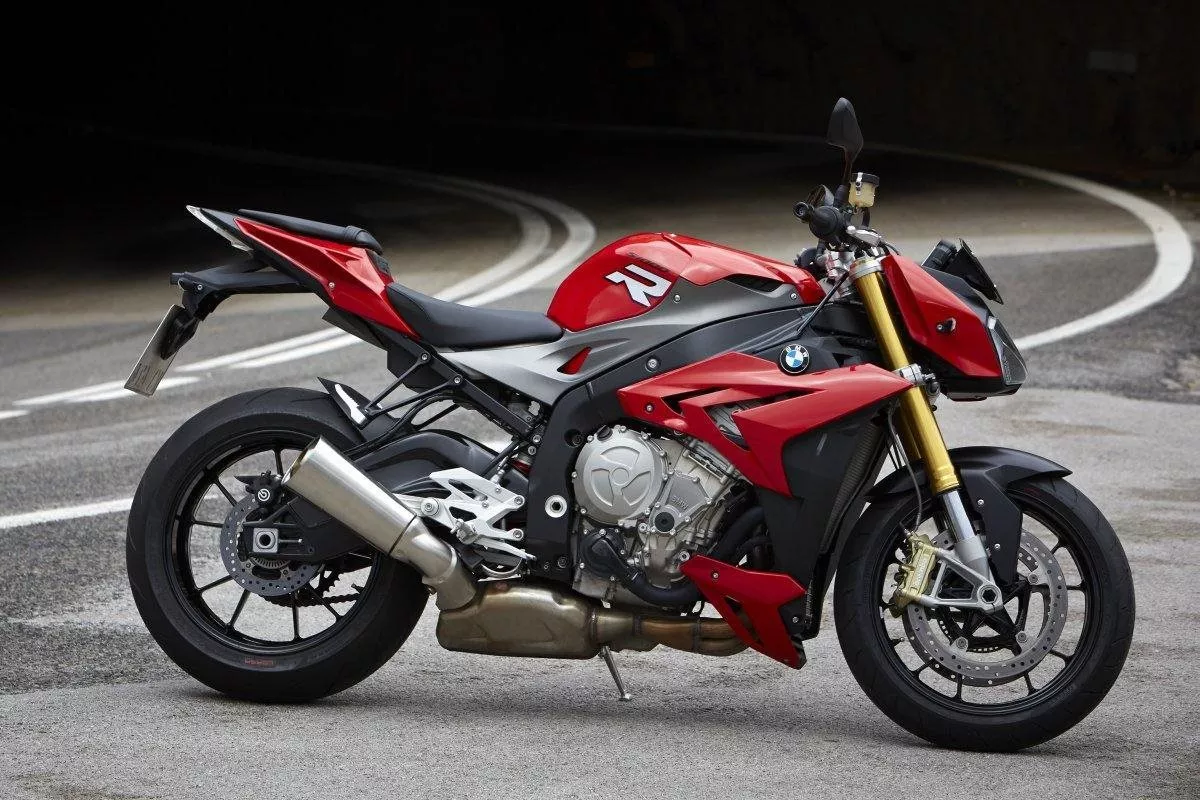
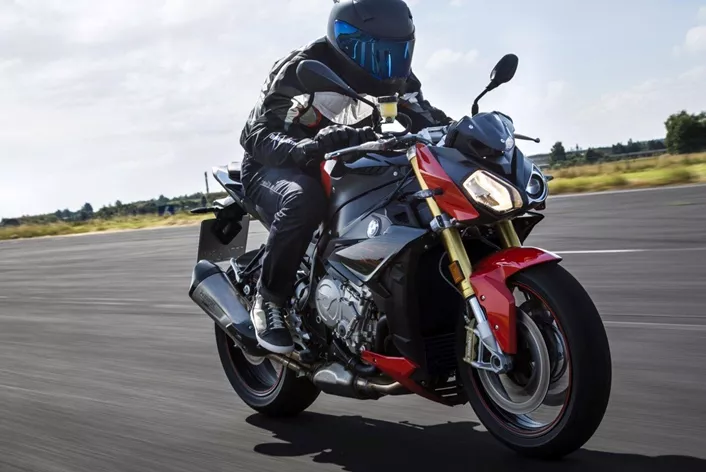
If you want something considerably sportier and more performance-oriented, the BMW S 1000 R is a fitting alternative. It is technically based on a superbike and delivers correspondingly high power as well as top-level modern electronics. Compared to the CB 1000 R, it is more radical in design and more focused on performance, so it is aimed more at riders looking for a very sporty naked bike.
Conclusion: Honda CB1000R used buyer's guide
The Honda CB 1000 R proves to be a remarkably safe bet on the used market. Across all model years, it impresses with high reliability, solid build quality and an engine considered virtually indestructible. Typical weak points are practically unknown, which makes finding a good example much less stressful – here, condition matters more than model year. In everyday use, too, the CB 1000 R scores with uncomplicated technology, good parts supply and moderate maintenance requirements.
All in all, the CB 1000 R is an ideal used bike for anyone looking for a powerful, high-quality naked bike without having to deal with typical problem areas or a high susceptibility to faults. The combination of longevity, everyday usability and distinctive design makes it a highly recommendable choice even years after its launch.
More used buyer's guides










Buying a used Honda CB 1000 R: tips & weak points Images
Source: 1000PS


