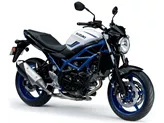
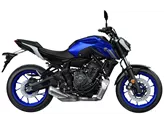
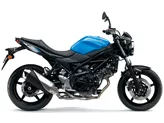
Kawasaki Z 800 2013 vs. Suzuki SV 650 2016
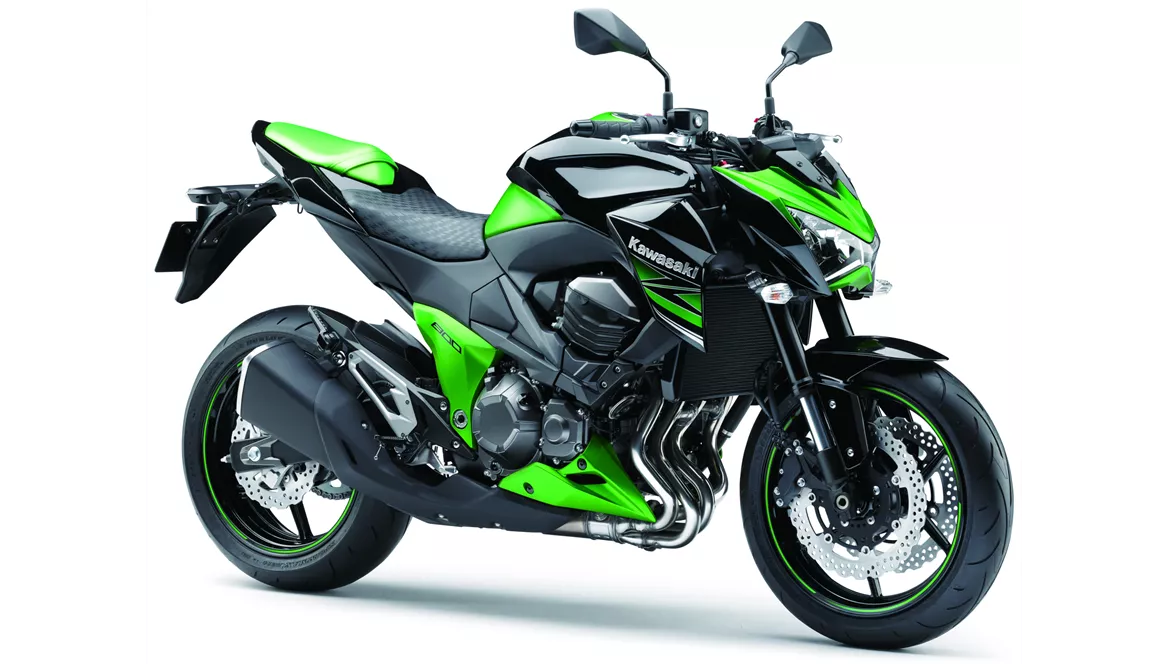
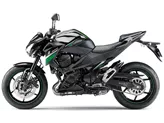
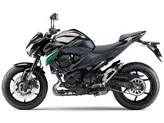
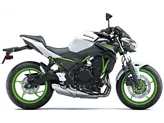
Kawasaki Z 800 2013
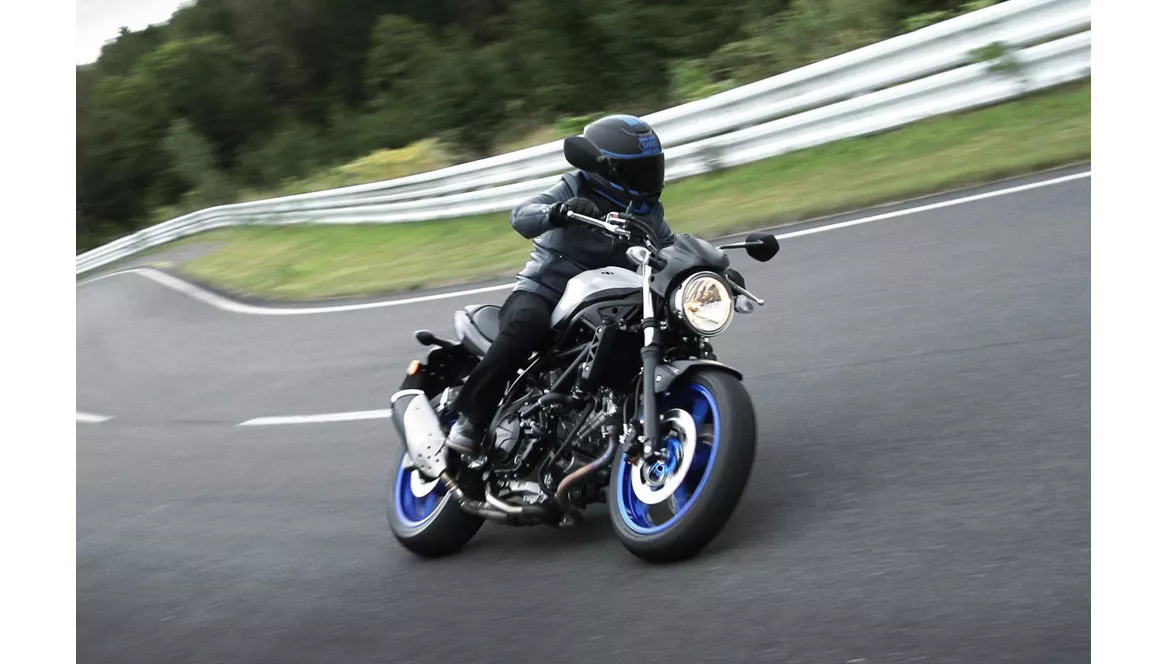
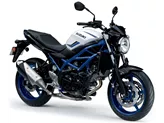
Suzuki SV 650 2016
Visão geral - Kawasaki Z 800 2013 vs Suzuki SV 650 2016
The Kawasaki Z 800 2013 and the Suzuki SV 650 2016 are both naked bikes that offer a thrilling riding experience. However, they differ in various aspects.
In terms of engine and power, the Kawasaki Z 800 2013 features an inline-four engine with a power output of 113 HP and a torque of 83 Nm. On the other hand, the Suzuki SV 650 2016 is equipped with a V-twin engine that produces 76 HP and 64 Nm of torque. The Z 800 has a larger displacement of 806cc compared to the SV 650's 645cc. This means that the Z 800 offers more power and torque, providing a more exhilarating acceleration and confident performance.
Both bikes have liquid cooling systems to ensure optimal engine temperature. This is important for maintaining performance and preventing overheating during long rides or in hot weather conditions.
In terms of suspension, the Kawasaki Z 800 2013 features an inverted telescopic fork in the front, while the Suzuki SV 650 2016 has a conventional telescopic fork. The inverted fork on the Z 800 provides better stability and control during aggressive riding, while the conventional fork on the SV 650 offers a comfortable and smooth ride.
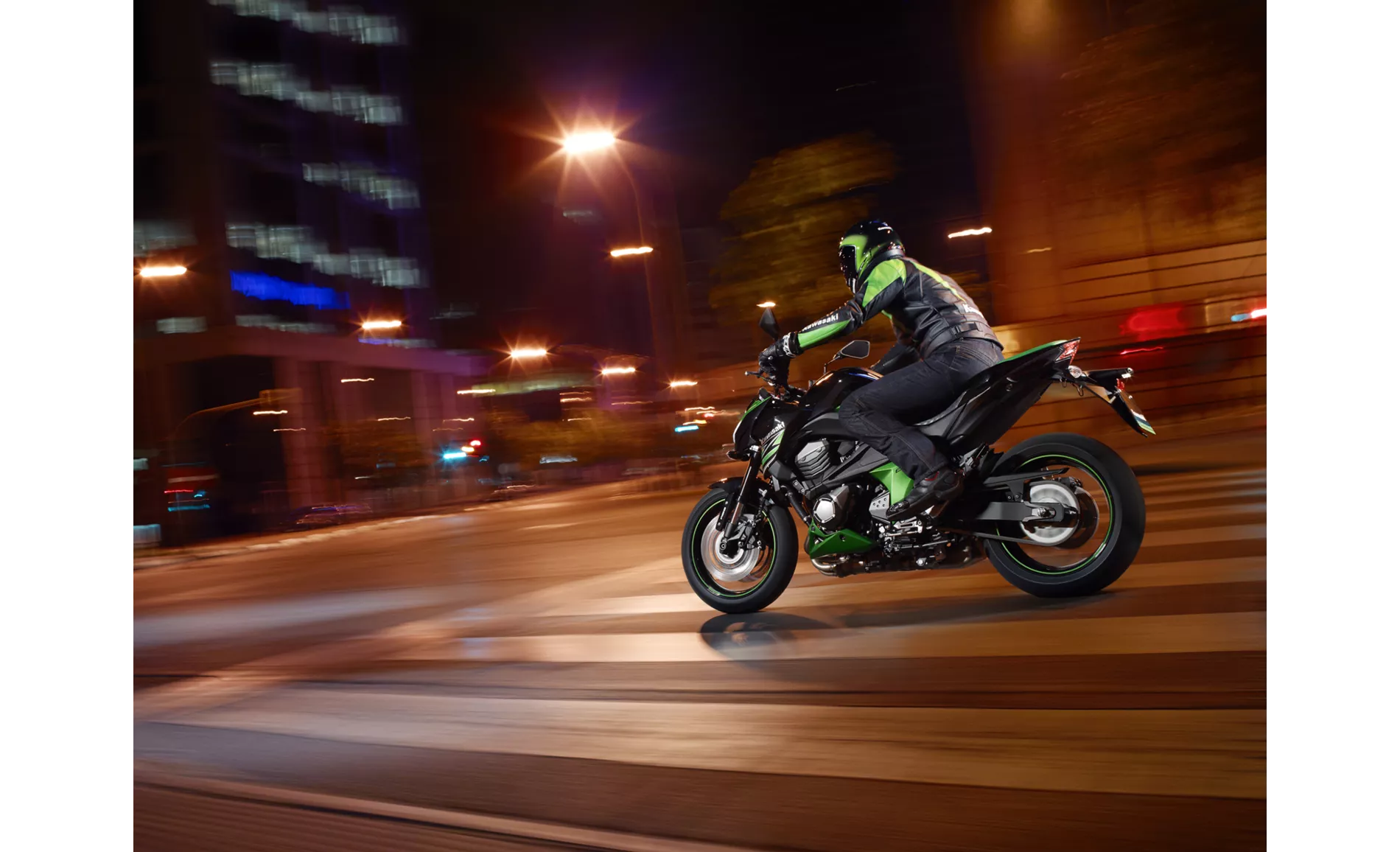
Kawasaki Z 800 2013
Both bikes have steel frames, with the Z 800 having a twin-spar frame and the SV 650 having a tubular frame. The twin-spar frame on the Z 800 offers excellent rigidity and stability, enhancing the bike's handling and cornering abilities. The tubular frame on the SV 650 provides a comfortable and balanced ride.
In terms of braking, both bikes are equipped with dual disc brakes at the front. The Z 800 has four-piston calipers, while the SV 650 has dual-piston calipers. Both bikes offer powerful and responsive braking performance, allowing riders to have good control and confidence on the road.
In terms of dimensions, both bikes have the same front tire width of 120mm and diameter of 17 inches. However, the Z 800 has a wider rear tire of 180mm compared to the SV 650's 160mm. The wider rear tire on the Z 800 provides better traction and stability during acceleration and cornering.
The Z 800 has a longer wheelbase of 1445mm compared to the SV 650's, which means that the Z 800 offers more stability at higher speeds. The seat height on the Z 800 is also higher at 834mm compared to the SV 650's 785mm. This may be a disadvantage for shorter riders who may find it more difficult to reach the ground.
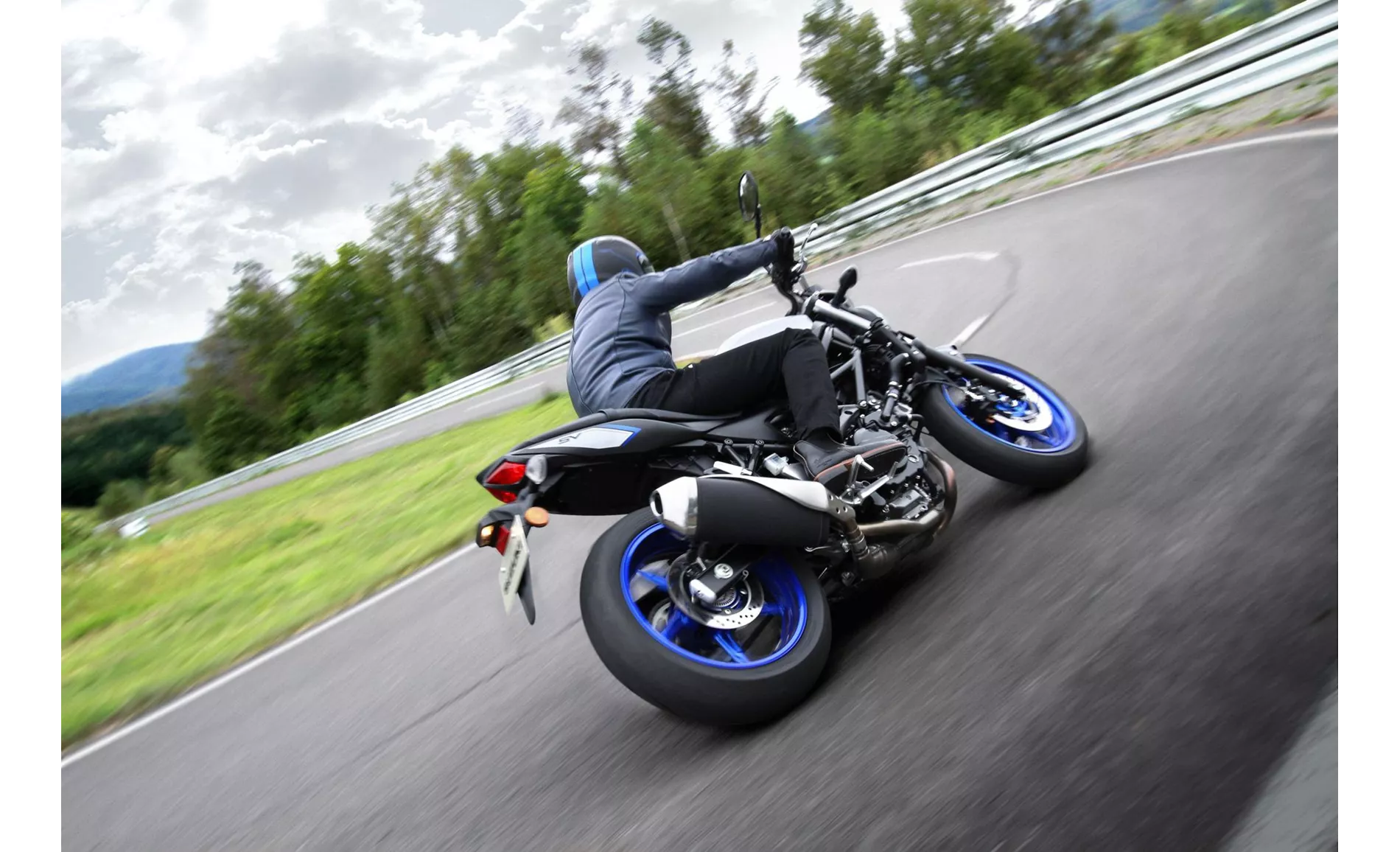
Suzuki SV 650 2016
In terms of fuel capacity, the Z 800 has a larger fuel tank with a capacity of 17 liters, while the SV 650 has a slightly smaller tank with a capacity of 13.8 liters. This means that the Z 800 has a longer range and requires fewer fuel stops during long rides.
In terms of strengths, the Kawasaki Z 800 2013 is praised for its attractive and robust appearance, confident acceleration, relaxed geometry, and powerful brakes. On the other hand, the Suzuki SV 650 2016 is appreciated for its agile and powerful engine, typical V-twin sound, pleasant and low seating position, easy handling, comfortable chassis, and brakes with good control.
However, the Kawasaki Z 800 2013 has a weakness in terms of limited legroom, which may be a concern for taller riders. On the other hand, the Suzuki SV 650 2016 has a weakness in terms of a digital tachometer that may be difficult to read.
Overall, both the Kawasaki Z 800 2013 and the Suzuki SV 650 2016 are impressive naked bikes that offer a thrilling riding experience. The Z 800 excels in terms of power and performance, while the SV 650 offers a comfortable and enjoyable ride. The choice between the two would depend on individual preferences and priorities.
Especificações técnicas Kawasaki Z 800 2013 em comparação com Suzuki SV 650 2016
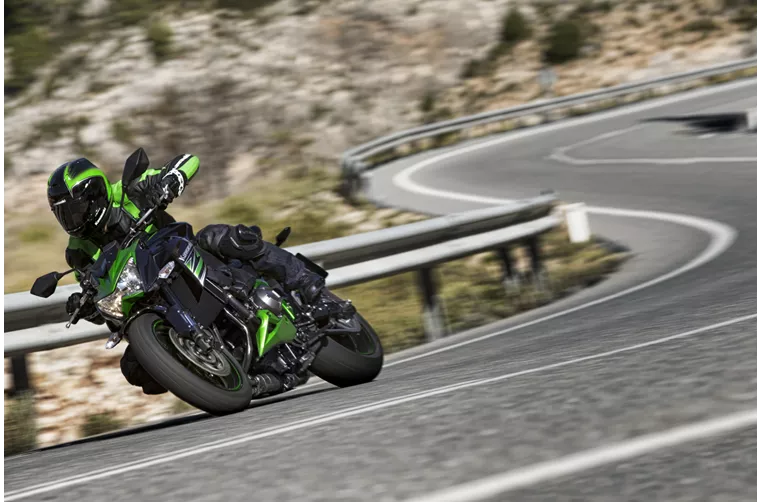
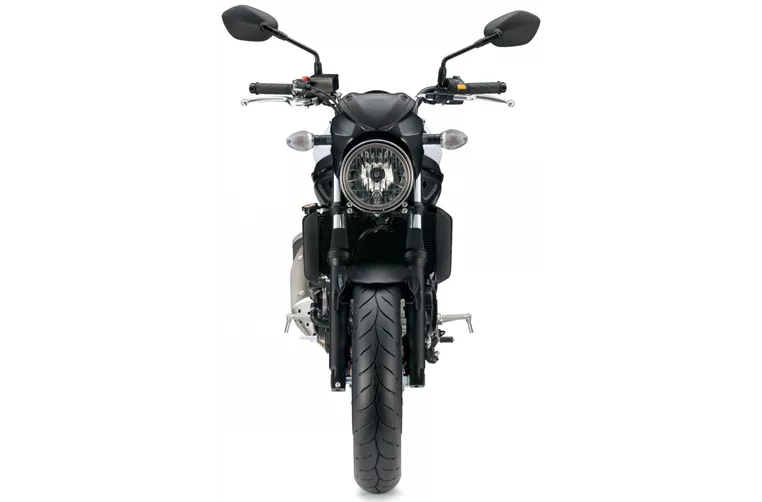
Prós e contras em comparação
Prós e contras em comparação
Kawasaki Z 800 2013
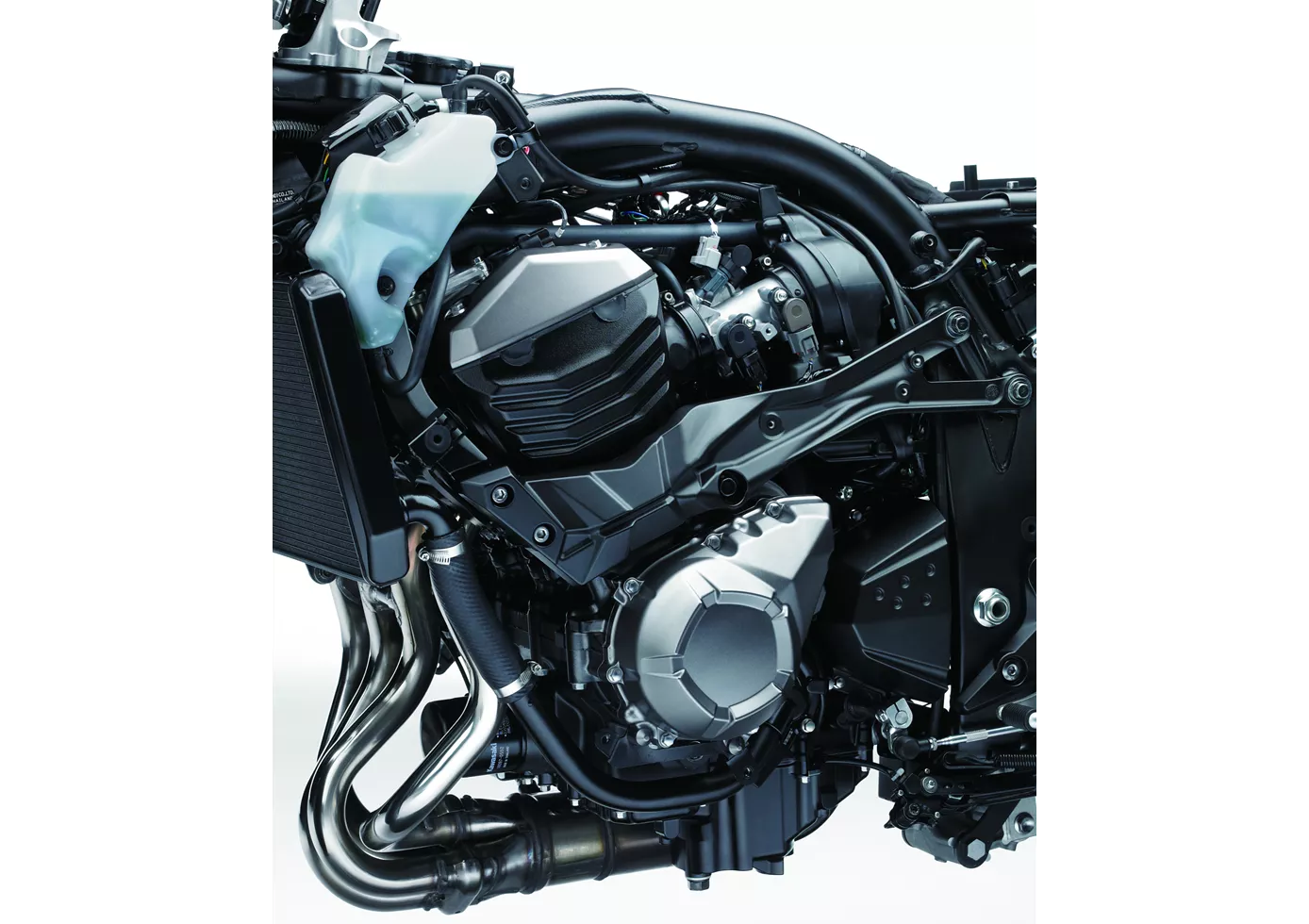
No geral, a Z800 teve um desempenho sensacional. Considerando o facto de que nada foi alterado ou optimizado no veículo para além do silenciador traseiro Remus, o resultado final foi excelente.
Suzuki SV 650 2016
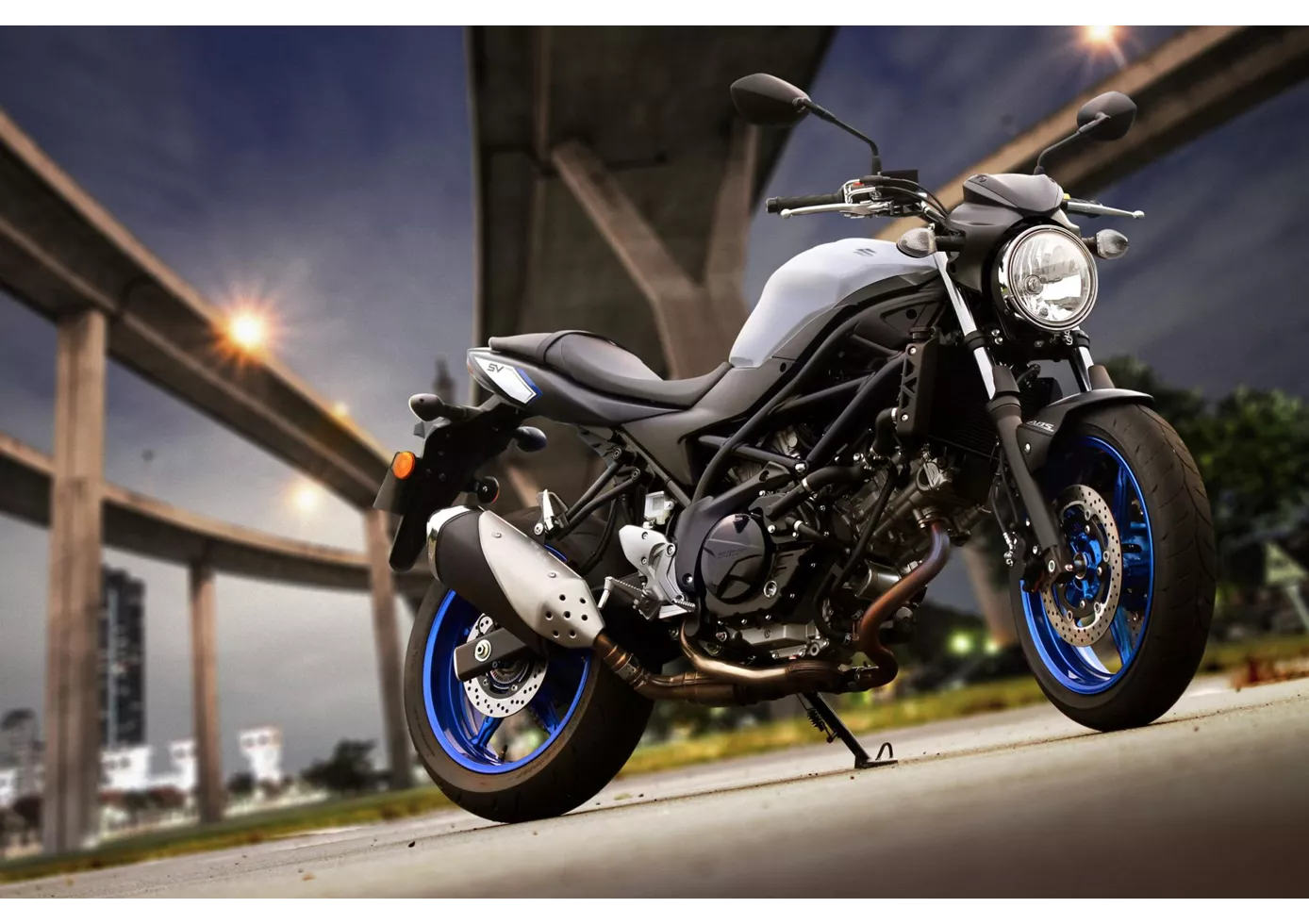
A nova SV650 continua o minimalismo visual das duas primeiras gerações da SV650, mas baseia-se tecnicamente na sua antecessora direta, a SFV650 Gladius - duas excelentes jogadas que transformam a muito moderna SV650 num clássico. O design enquadra-se perfeitamente na era de muitas conversões retro, mas no interior também existem truques modernos que facilitam o arranque, especialmente para os principiantes. O motor, por outro lado, também pode convencer os condutores avançados; a sensação típica da V2 é maravilhosa. Não se deve esperar extrema desportividade no chassis e nos travões, mas o preço de pouco menos de 6400 euros (na Alemanha) é uma afirmação que a concorrência terá de engolir.
Comparação de preços Preço médio de mercado Kawasaki Z 800 vs Suzuki SV 650
There are a few key differences between a Kawasaki Z 800 2013 and a Suzuki SV 650 2016. In terms of price, the actual average price of a Kawasaki Z 800 2013 is about 23% higher. Compared to Suzuki SV 650 2016 there are less Kawasaki Z 800 2013 bikes available on the 1000PS.de Marketplace, specifically 7 compared to 11. It takes less time to sell a Kawasaki Z 800 with 56 days compared to 80 days for a Suzuki SV 650. Since model year 2013 1000PS.de editors have written 11 reviews for the Kawasaki Z 800 and 25 reviews for the Suzuki SV 650 since model year 2005. The first review for the Kawasaki Z 800 was published on 06/09/2012 and now has more than 8.100 views. This compares to more than 14.200 views for the first review on Suzuki SV 650 published on 26/09/2008.