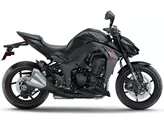
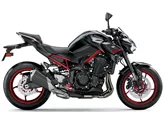
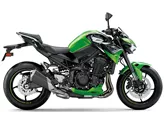
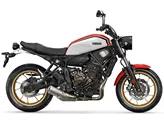
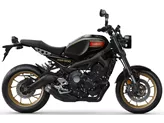
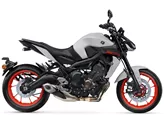
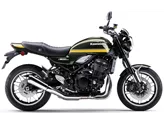
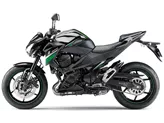
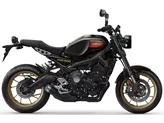
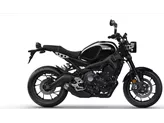
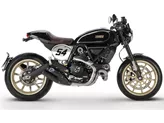
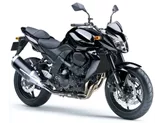
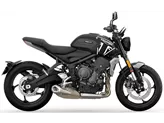
Yamaha XSR900 2016 vs. Kawasaki Z900 2020

Yamaha XSR900 2016
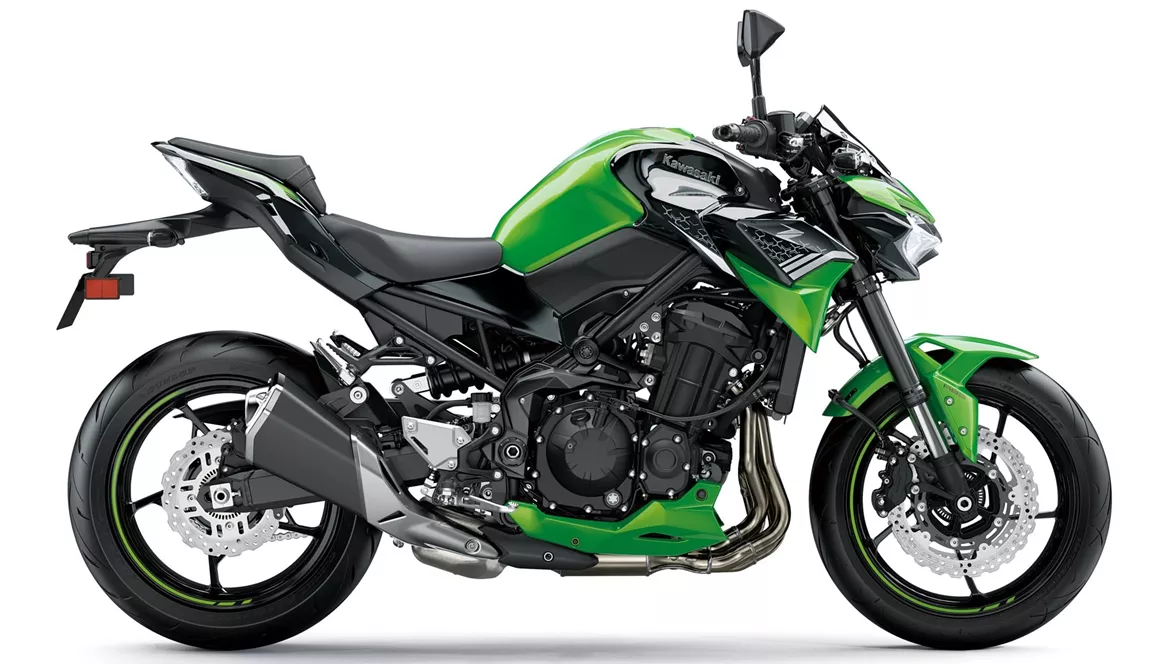
Kawasaki Z900 2020
Visão geral - Yamaha XSR900 2016 vs Kawasaki Z900 2020
The Yamaha XSR900 2016 and the Kawasaki Z900 2020 are both naked bikes with inline engines and liquid cooling. However, there are several differences between the two models.
In terms of power, the Kawasaki Z900 2020 has a slight advantage with a horsepower of 125.4 compared to the Yamaha XSR900 2016's 115 horsepower. The Kawasaki Z900 also has a higher torque of 98.6 Nm compared to the Yamaha XSR900's 87.5 Nm. This difference in power and torque may result in a more thrilling and exhilarating riding experience on the Kawasaki Z900.
The Yamaha XSR900 2016 has a three-cylinder engine, while the Kawasaki Z900 2020 has a four-cylinder engine. The additional cylinder in the Kawasaki Z900 may provide smoother power delivery and better overall performance.
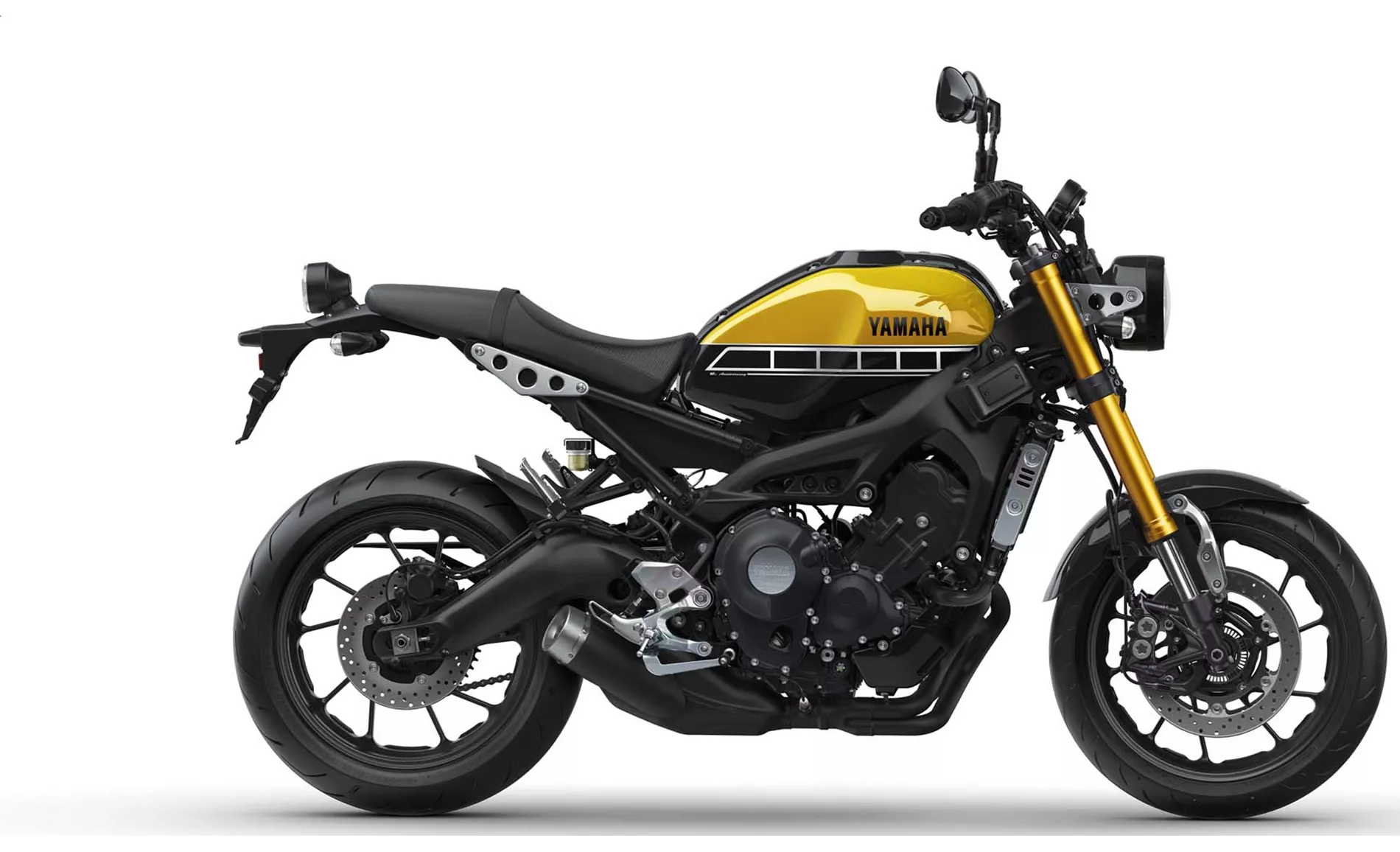
Yamaha XSR900 2016
Both bikes feature a telescopic front fork and a monoshock rear suspension, providing a comfortable and stable ride. The Yamaha XSR900 2016 has an aluminum frame, while the Kawasaki Z900 2020 has a steel frame. The choice of materials may affect the overall weight and handling of the bikes.
In terms of braking, both models have dual disc brakes at the front with a similar diameter. The Yamaha XSR900 2016 is equipped with ABS, while the Kawasaki Z900 2020 offers ABS as well as additional advanced rider assistance systems such as riding modes, ride-by-wire, and traction control. These features enhance the safety and control of the Kawasaki Z900.
Both bikes have similar tire sizes and dimensions, with the Kawasaki Z900 having a slightly longer wheelbase and a lower seat height compared to the Yamaha XSR900. The weight of the Kawasaki Z900 is also slightly higher, weighing 210 kg compared to the Yamaha XSR900's 191 kg.
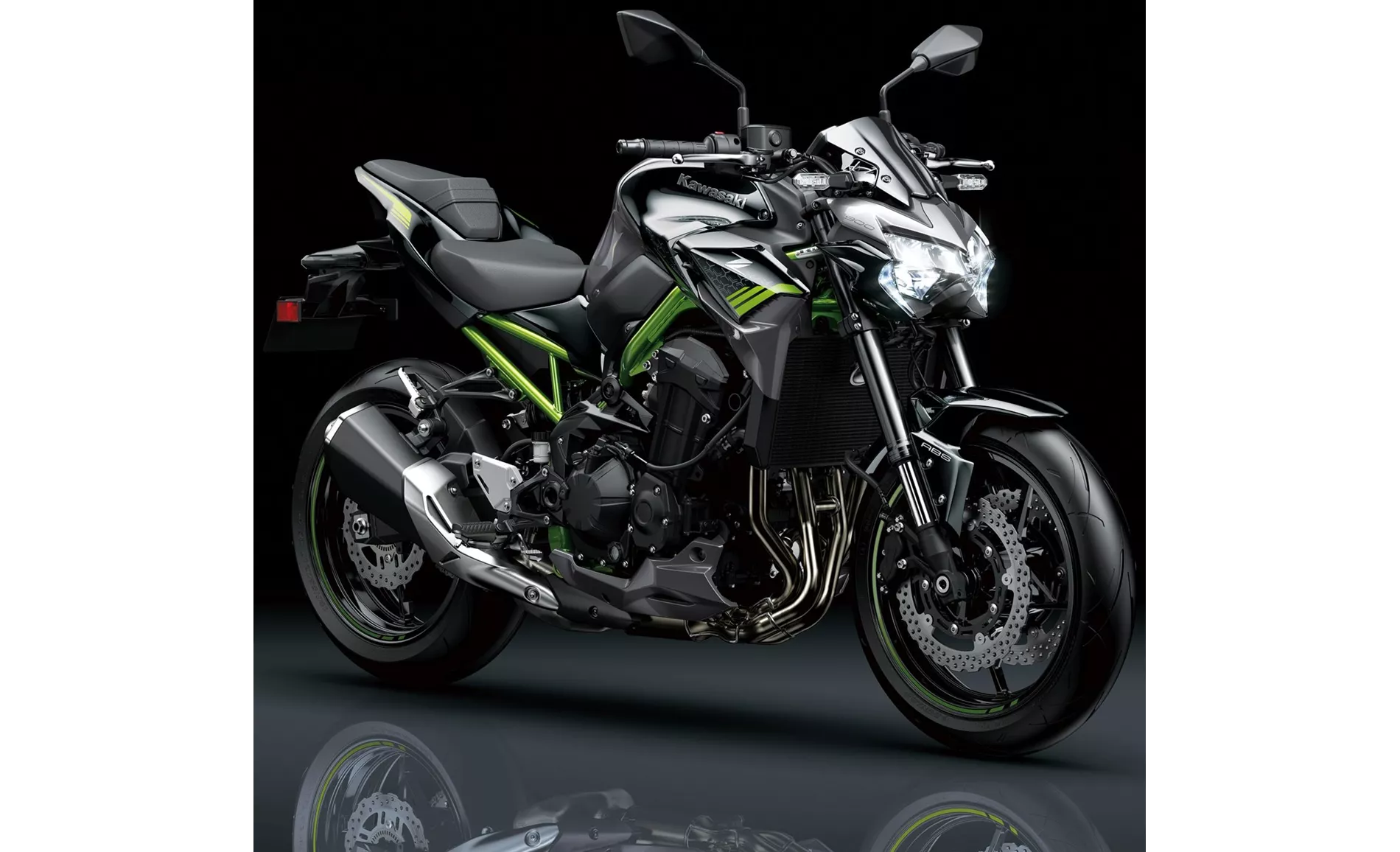
Kawasaki Z900 2020
In terms of strengths, the Yamaha XSR900 2016 is praised for its eager engine, well-tuned riding modes, standard ABS and traction control, modern authentic design, and clean finish. On the other hand, the Kawasaki Z900 2020 is commended for its powerful four-cylinder engine, excellent handling, good equipment, aggressive appearance, and good value for money.
However, there are also weaknesses to consider. The Yamaha XSR900 2016 is criticized for its stiff chassis, uncomfortable seat, and a design that is already present in many other models. The Kawasaki Z900 2020, on the other hand, is noted for its slightly tiresome menu navigation and the lack of a quickshifter option.
In conclusion, the Yamaha XSR900 2016 and the Kawasaki Z900 2020 are both impressive naked bikes with their own strengths and weaknesses. The choice between the two ultimately depends on the rider's preferences and priorities, whether it be power, handling, features, or design.
Especificações técnicas Yamaha XSR900 2016 em comparação com Kawasaki Z900 2020
Prós e contras em comparação
Prós e contras em comparação
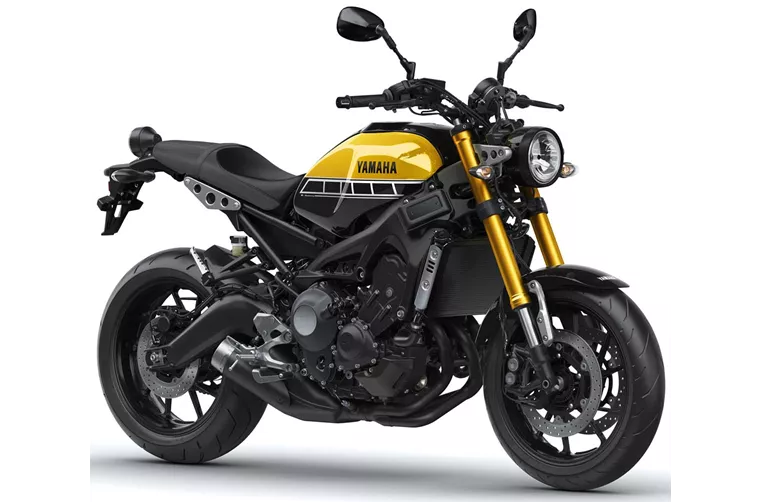
Yamaha XSR900 2016

A Yamaha XSR900 é uma ilusão de ótica clássica - com o seu farol redondo, depósito angular e farolim traseiro acoplado, passa claramente por uma moto retro. Mas não é por acaso que o desempenho faz lembrar a potente naked de gama média Yamaha MT-09, que é a base extremamente desportiva da XSR900. Assim, o motor é uma explosão e os travões são apropriadamente venenosos. Felizmente, os engenheiros não exageraram com o chassis, a XSR900 oferece conforto suficiente e a posição de condução vertical é mais confortável do que o potente motor levaria a esperar. Em suma, a XSR900 é um dos modelos mais desportivos entre as motos retro.
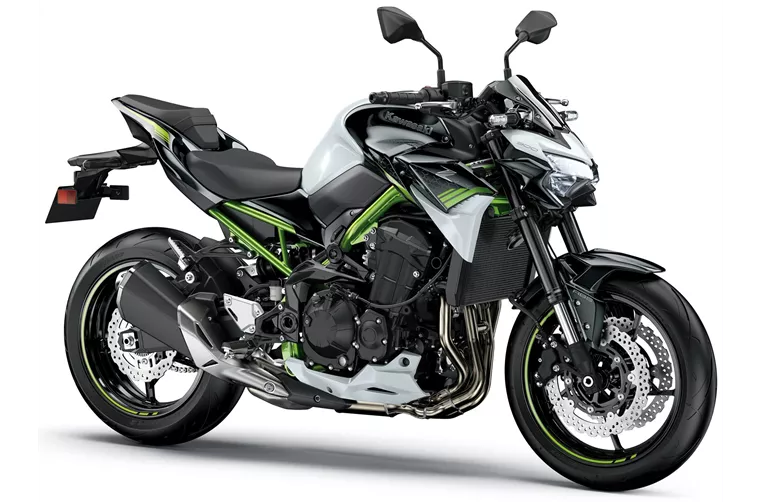
Kawasaki Z900 2020
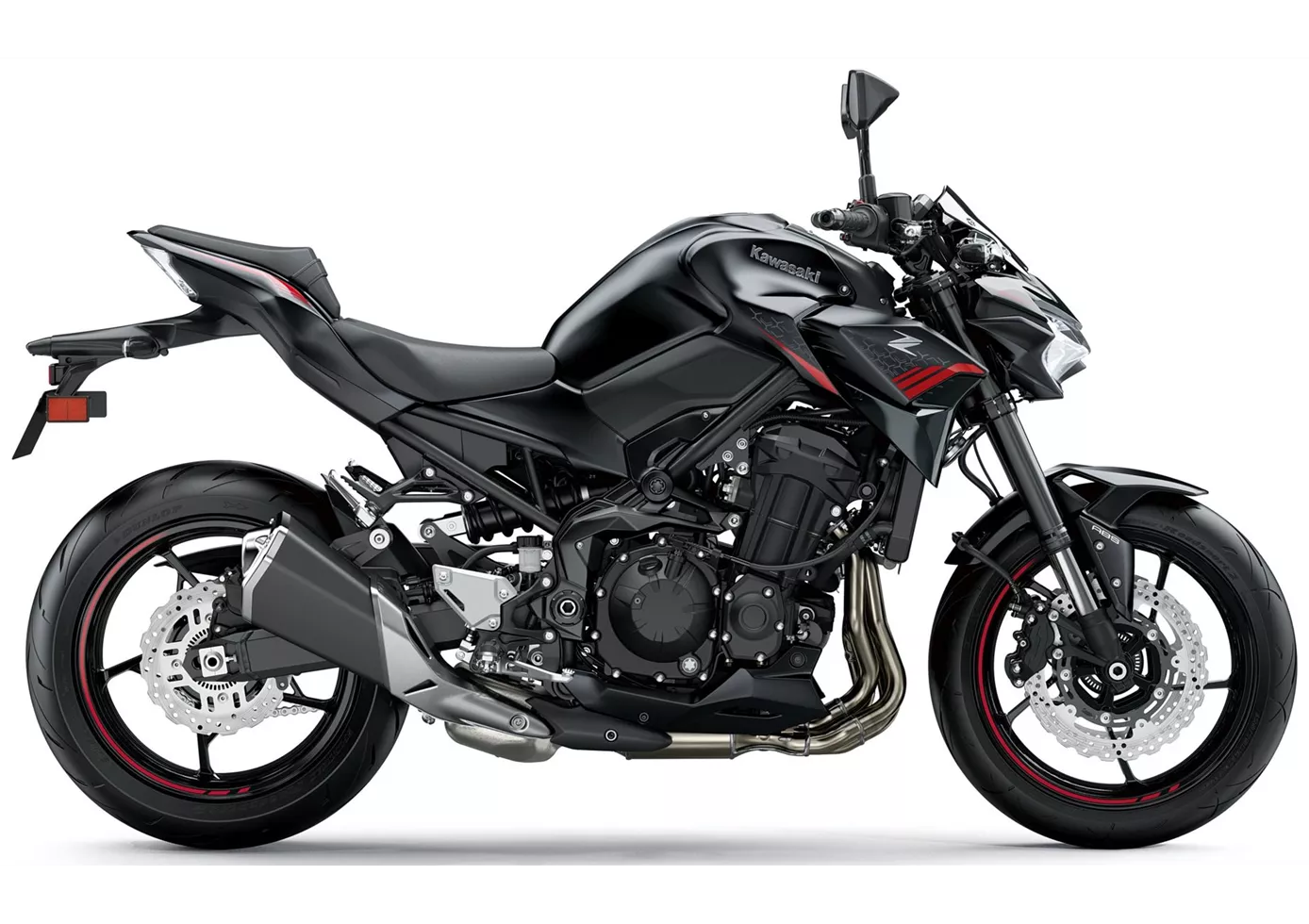
A Kawasaki Z900 pode não estar à altura das características electrónicas modernas e dependentes do ângulo de inclinação, mas é relativamente barata e não se deve subestimar a base de fãs do bom e velho motor de quatro cilindros em linha - a Z900 é uma das formas mais baratas de ter um motor tão bom com pouco menos de um litro de cilindrada numa naked desportiva! O peso mais elevado é percetível, mas não é muito incómodo, porque o comportamento e a estabilidade são bastante bons. Em termos de eletrónica "ultrapassada", o mais irritante é a falta do assistente de mudanças, que nem sequer está disponível como opção. No entanto, no geral, a Z900 é uma excelente naked bike com uma óptima relação preço/desempenho.
Comparação de preços Preço médio de mercado Yamaha XSR900 vs Kawasaki Z900
There are a few key differences between a Yamaha XSR900 2016 and a Kawasaki Z900 2020. In terms of price, the actual average price of a Kawasaki Z900 2020 is about 31% higher. Compared to Kawasaki Z900 2020 there are less Yamaha XSR900 2016 bikes available on the 1000PS.de Marketplace, specifically 5 compared to 34. It takes less time to sell a Yamaha XSR900 with 77 days compared to 124 days for a Kawasaki Z900. Since model year 2016 1000PS.de editors have written 30 reviews for the Yamaha XSR900 and 46 reviews for the Kawasaki Z900 since model year 2017. The first review for the Yamaha XSR900 was published on 25/11/2015 and now has more than 17.600 views. This compares to more than 93.200 views for the first review on Kawasaki Z900 published on 11/11/2016.