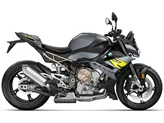
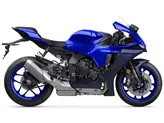
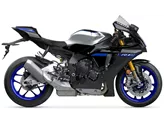
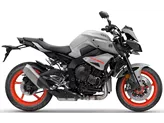
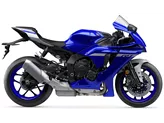
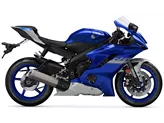
Yamaha R1 2016 vs. BMW S 1000 RR 2012
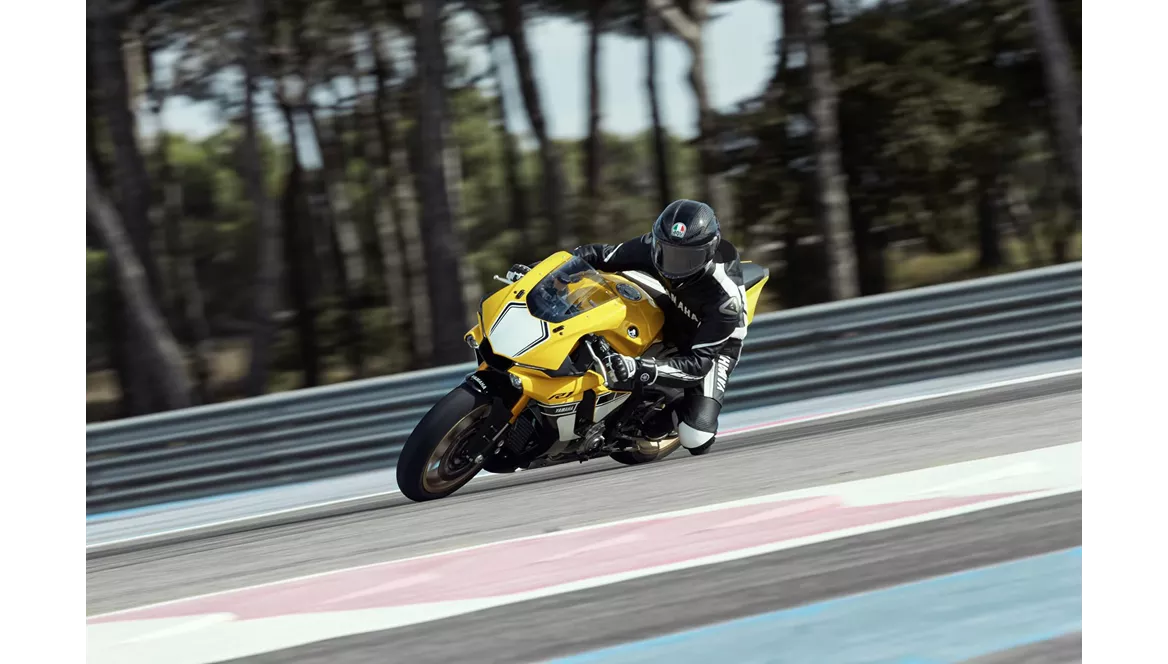
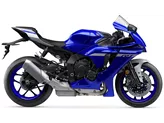
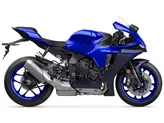
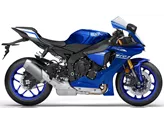
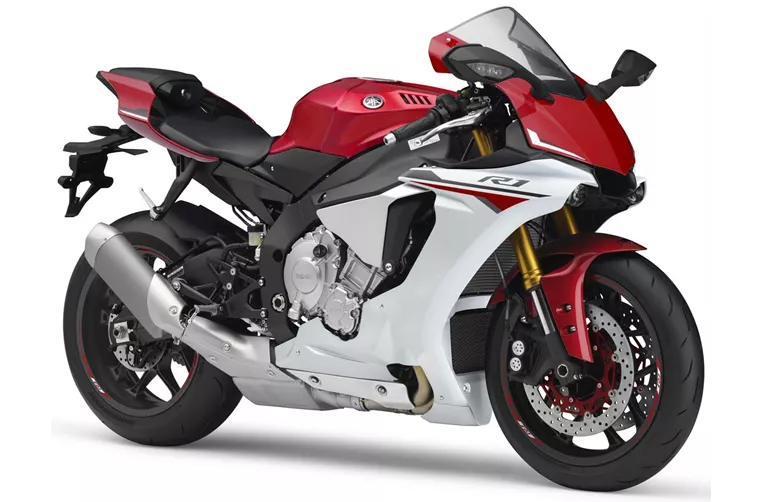
Yamaha R1 2016
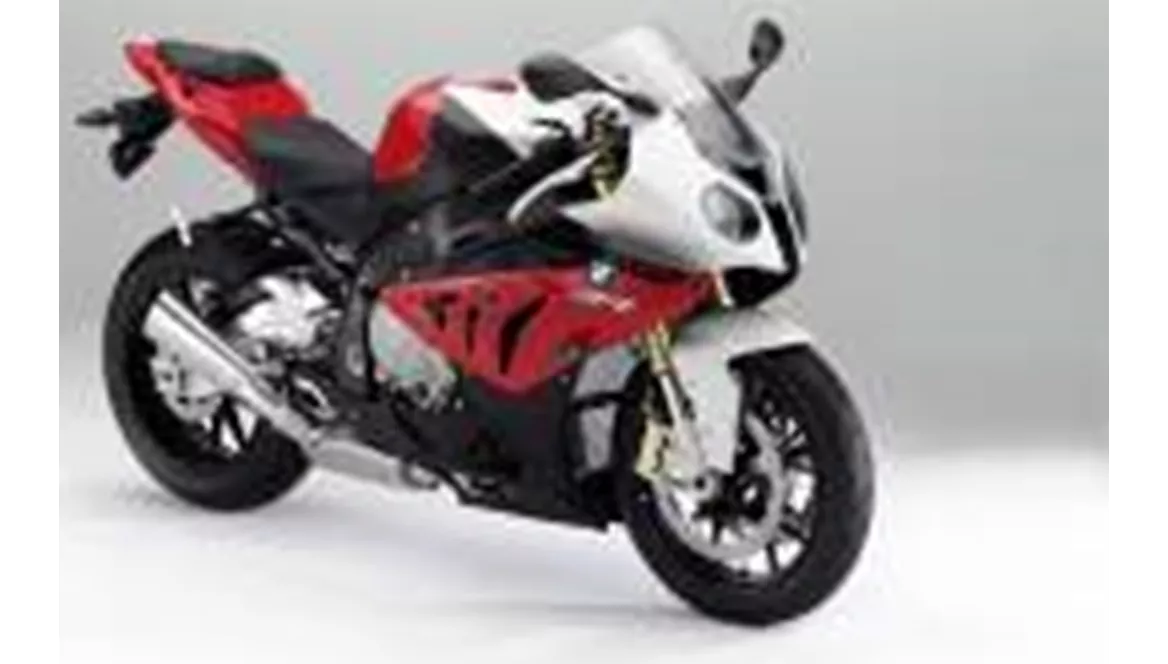
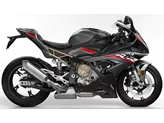
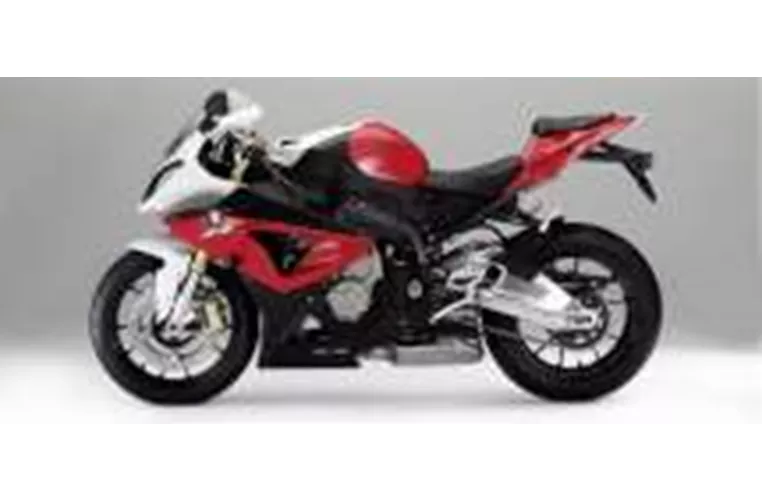
BMW S 1000 RR 2012
Visão geral - Yamaha R1 2016 vs BMW S 1000 RR 2012
The Yamaha R1 2016 and the BMW S 1000 RR 2012 are both powerful supersport motorcycles that offer exceptional performance on the road.
In terms of engine specifications, the Yamaha R1 2016 has a bore of 79 mm and a stroke of 50.9 mm, while the BMW S 1000 RR 2012 has a bore of 80 mm and a stroke of 49.7 mm. The Yamaha R1 2016 has a slightly larger displacement of 998cc compared to the 999cc of the BMW S 1000 RR 2012. In terms of power, the Yamaha R1 2016 offers 200 HP, while the BMW S 1000 RR 2012 offers 192 HP. Both motorcycles have a high torque output, with the Yamaha R1 2016 offering 112.4 Nm and the BMW S 1000 RR 2012 offering 112 Nm. Both motorcycles have a compression ratio of 13 and are equipped with 4 cylinders.
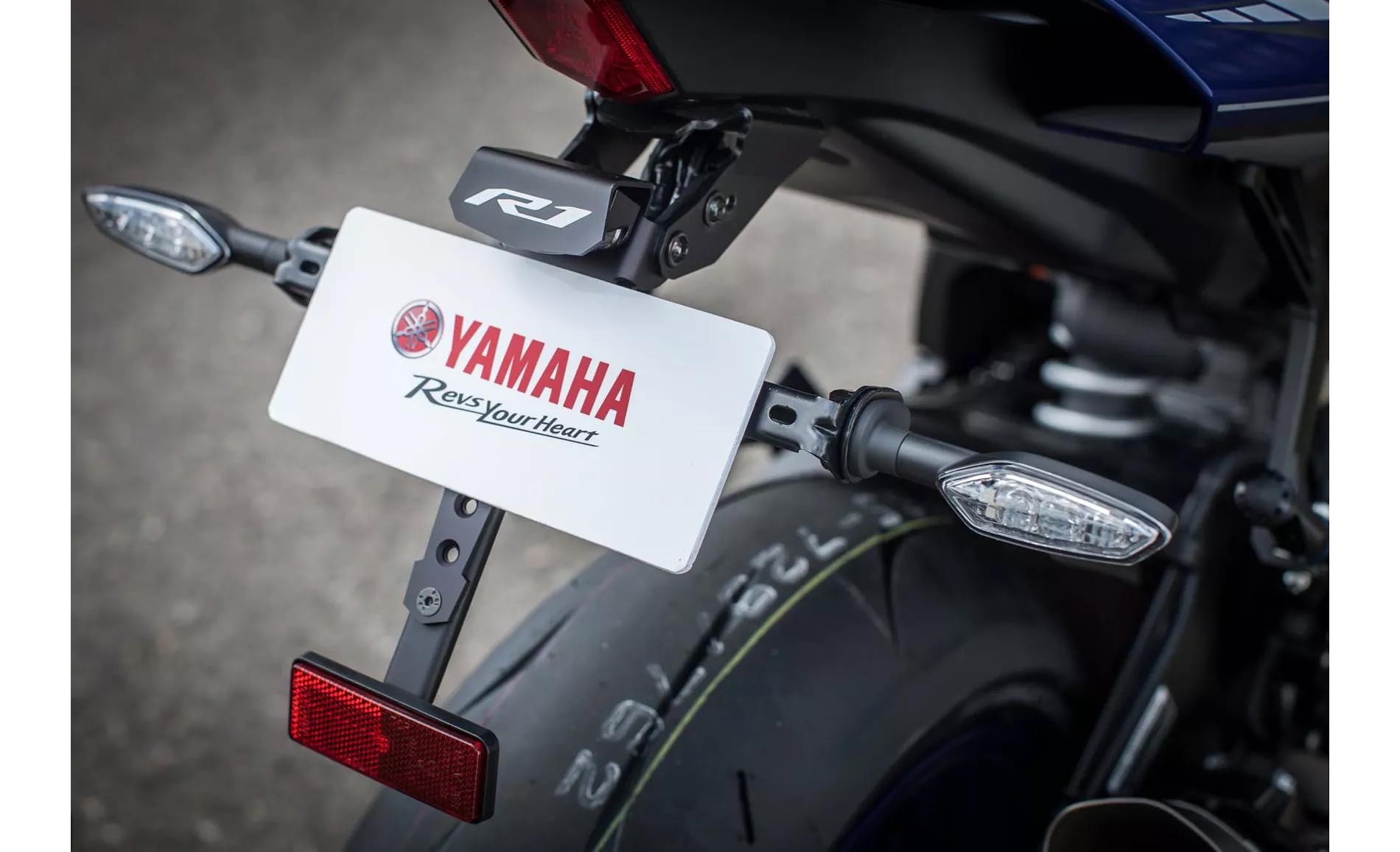
Yamaha R1 2016
When it comes to suspension, the Yamaha R1 2016 is equipped with a telescopic upside-down fork, while the BMW S 1000 RR 2012 has a telescopic fork. Both motorcycles have an aluminum frame, with the Yamaha R1 2016 featuring a Deltabox frame and the BMW S 1000 RR 2012 featuring a twin tube frame.
In terms of braking, both motorcycles are equipped with dual disc brakes at the front. The Yamaha R1 2016 and the BMW S 1000 RR 2012 have the same tire width at the front and rear, with a width of 120mm at the front and 190mm at the rear. Both motorcycles have a 17-inch diameter for the front and rear tires.
In terms of dimensions, the Yamaha R1 2016 has a shorter wheelbase of 1405 mm compared to the 1432 mm of the BMW S 1000 RR 2012. The seat height of the Yamaha R1 2016 is higher at 855 mm compared to the 820 mm of the BMW S 1000 RR 2012. The Yamaha R1 2016 also has a slightly lower curb weight of 199 kg with ABS, while the BMW S 1000 RR 2012 has a curb weight of 207 kg with ABS. Both motorcycles have a fuel tank capacity of around 17 liters.
BMW S 1000 RR 2012
In terms of strengths, the Yamaha R1 2016 offers dynamic handling, a high-revving engine, and precise control. It also has an excellent electronic package. On the other hand, the BMW S 1000 RR 2012 has a complete electronic equipment, a good braking system, a strong engine, and is extremely fast on the road. It also has an appropriate appearance.
In terms of weaknesses, the Yamaha R1 2016 only has a quickshifter for upshifts, while the BMW S 1000 RR 2012 has a slightly complicated chassis that requires some getting used to.
Especificações técnicas Yamaha R1 2016 em comparação com BMW S 1000 RR 2012
Prós e contras em comparação
Prós e contras em comparação
Yamaha R1 2016
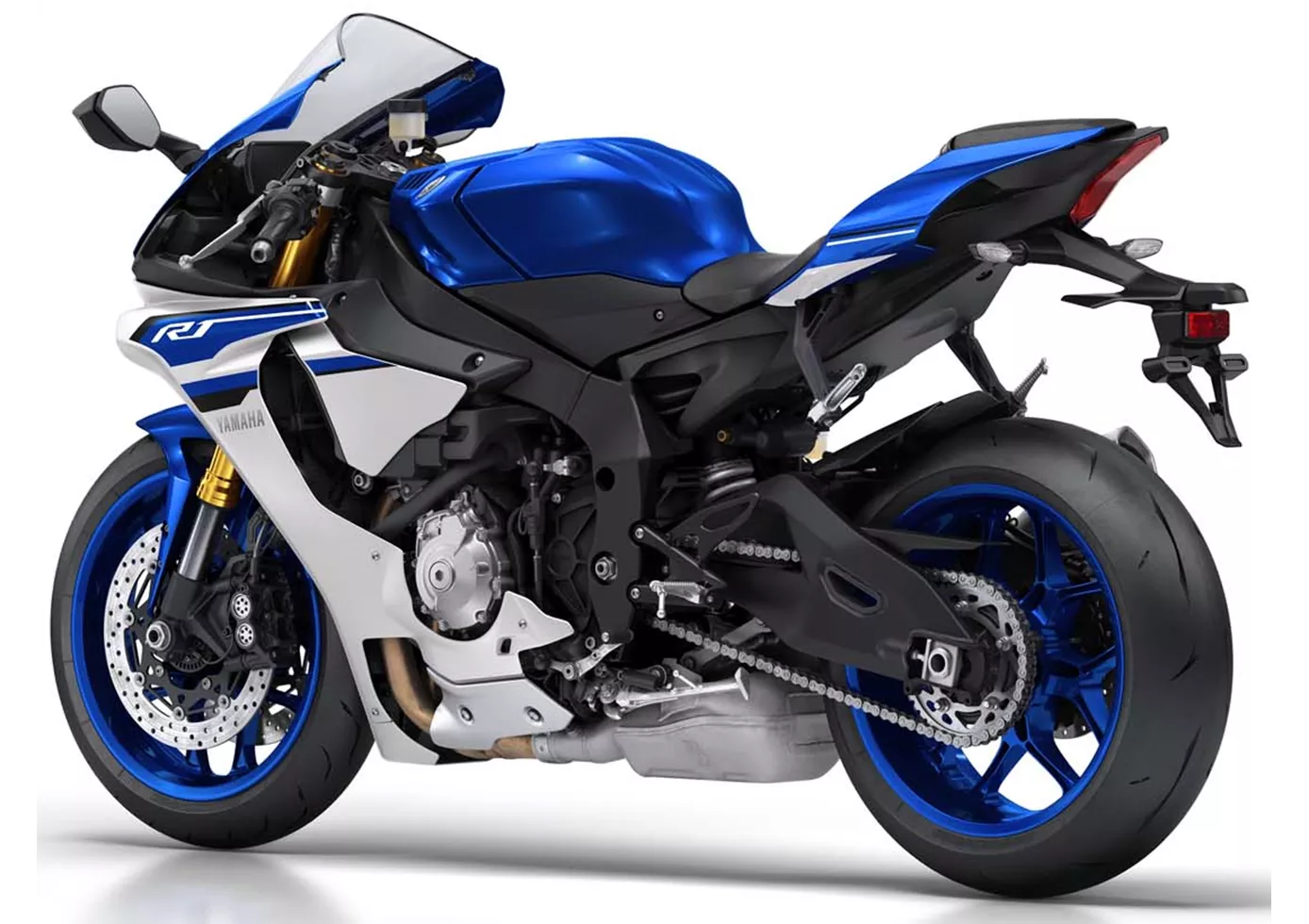
O foguetão de alta tecnologia da Yamaha continua a ser um líder tecnológico em 2016. Radical, polarizador e fascinante, estabelece tempos de volta poderosos. Está mais próxima das motos de corrida do que as outras 1000. Entretanto, ninguém se queixa da frente. Sem o "M", é a melhor escolha para aqueles que não precisam de Öhlins, ou a melhor escolha para aqueles que estão a planear uma conversão para pista de corridas e gostam de instalar hardware Öhlins "normal" sem material elétrico.
BMW S 1000 RR 2012
A BMW ainda pode marcar pontos com factos concretos em 2015. Se gosta de desempenho de topo, tem de comprar o BMW. Torna-se incrivelmente poderoso no topo e afasta o resto do campo de 200. Os pilotos grandes e pesados poderão se beneficiar ainda mais disso. A BMW não facilitou as coisas para si mesma com esta moto e montou uma moto muito universal. Se fizéssemos um teste comparativo com 50 pilotos diferentes (desde principiantes a profissionais), a BMW teria a melhor média de todas as motos de 1000cc. O chassis eletrónico, mas também as ajudas à condução, tornam os profissionais rápidos e os principiantes seguros na estrada. Uma recomendação de topo para um grupo-alvo muito vasto. Os condutores amadores muito rápidos não ficarão 100% satisfeitos com a suspensão de série. Se não quiser modificar o chassis, deve optar por uma R1M, uma Panigale S ou uma RSV RF. Se quiser converter de qualquer forma, a S 1000 RR é a base mais forte e universal. Surpreendentemente, a potente máquina também anda muito bem em estradas rurais. Em suma, parece um compromisso, mas nunca se sente como tal na prática.
Comparação de preços Preço médio de mercado Yamaha R1 vs BMW S 1000 RR
There are a few key differences between a Yamaha R1 2016 and a BMW S 1000 RR 2012. In terms of price, the actual average price of a Yamaha R1 2016 is about 40% higher. A Yamaha R1 2016 experiences a loss of 4.520 BRL in one year and 3.940 BRL in two years of ownership. This is offset by a loss of 1.950 BRL and 2.870 BRL for a BMW S 1000 RR 2012. Compared to BMW S 1000 RR 2012 there are less Yamaha R1 2016 bikes available on the 1000PS.de Marketplace, specifically 6 compared to 10. It takes less time to sell a BMW S 1000 RR with 64 days compared to 73 days for the Yamaha R1. Since model year 2005 1000PS.de editors have written 80 reviews for the Yamaha R1 and 135 reviews for the BMW S 1000 RR since model year 2010. The first review for the Yamaha R1 was published on 28/04/2003 and now has more than 3.900 views. This compares to more than 4.000 views for the first review on BMW S 1000 RR published on 16/04/2008.