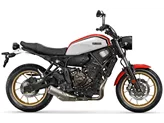
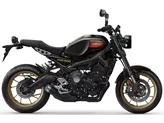
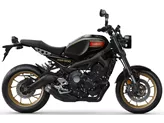
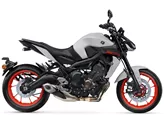
Yamaha XSR700 2015 vs. Yamaha XSR900 2016

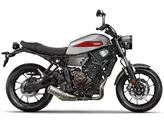
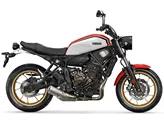
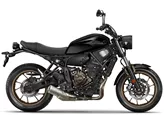
Yamaha XSR700 2015
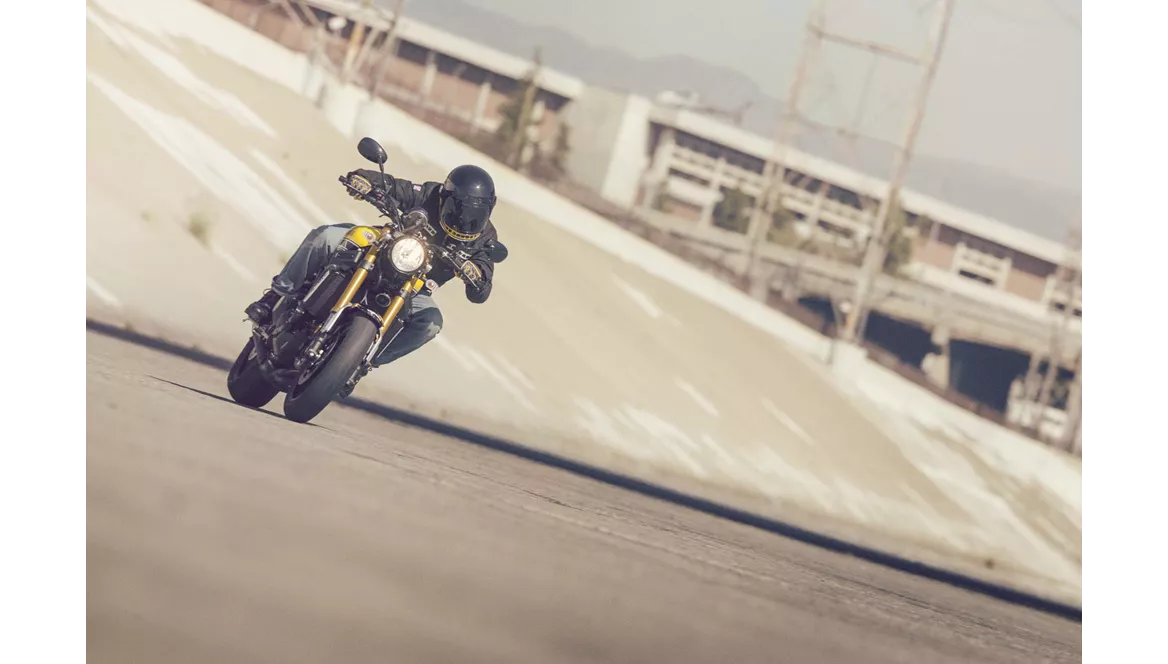
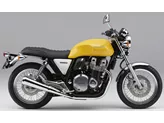
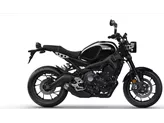
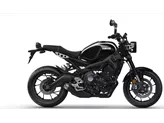
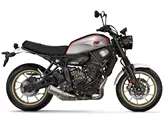
Yamaha XSR900 2016
Visão geral - Yamaha XSR700 2015 vs Yamaha XSR900 2016
The Yamaha XSR700 2015 and the Yamaha XSR900 2016 are both naked bikes from Yamaha, with similar technical specifications but some notable differences.
Starting with the engines, the Yamaha XSR700 2015 is equipped with a 2-cylinder inline engine, producing 75 HP of power and 68 Nm of torque. On the other hand, the Yamaha XSR900 2016 features a 3-cylinder inline engine, delivering a higher power output of 115 HP and 87.5 Nm of torque. This makes the XSR900 more powerful and potentially more thrilling to ride.
Both bikes have liquid cooling systems and the same displacement of 689cc and 847cc respectively. This means that the XSR900 has a larger engine, which contributes to its increased power output.
In terms of suspension, both models have a telescopic fork at the front and a monoshock at the rear. However, the XSR900 has a upside-down telescopic fork, which is considered to provide better performance and stability compared to the conventional telescopic fork found on the XSR700.
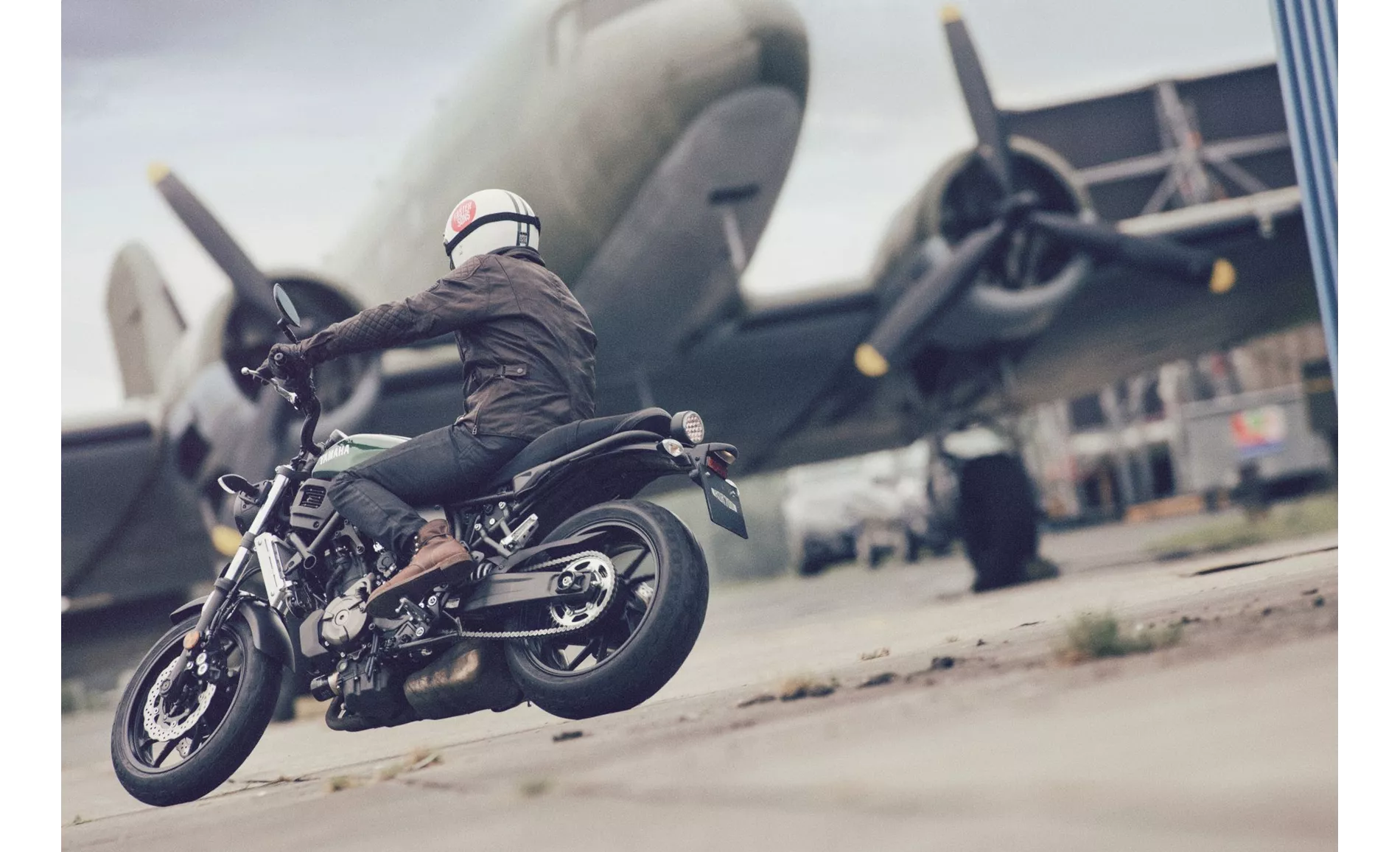
Yamaha XSR700 2015
The chassis of the XSR700 is made of steel, while the XSR900 features an aluminum frame. The aluminum frame is lighter and more rigid, which can enhance the bike's handling and agility.
Both bikes have dual disc brakes at the front, but the XSR900 has slightly larger discs with a diameter of 298mm compared to the 282mm discs on the XSR700. This can potentially improve the braking performance of the XSR900.
In terms of dimensions, the XSR900 has a slightly longer wheelbase of 1440mm compared to the 1405mm wheelbase of the XSR700. This can contribute to better stability and handling at high speeds for the XSR900.
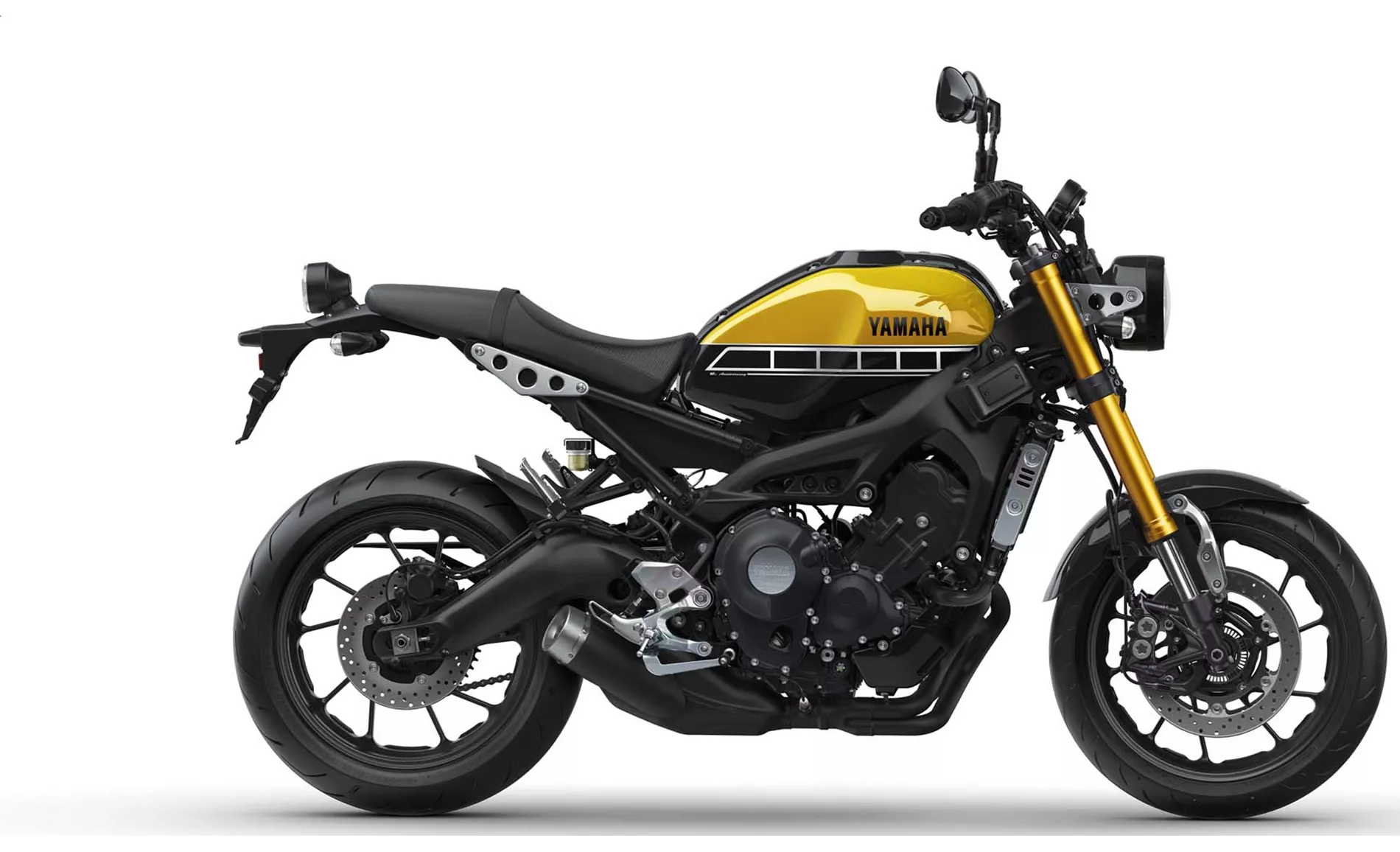
Yamaha XSR900 2016
Both bikes have the same seat height of 815mm and a fuel tank capacity of 14 liters. The XSR900 weighs slightly more at 191kg compared to the 186kg weight of the XSR700.
In terms of strengths, the XSR700 offers a very agile engine, a comfortable yet sporty chassis, a comfortable upright seating position, a retro visual design, a complete instrumentation, good brakes, and a wide range of available accessories. On the other hand, the XSR900 has an eager engine, well-tuned riding modes, ABS and TC as standard, an authentic modern design, and a clean finish.
In terms of weaknesses, the XSR700 has suspension that may be too soft for extremely sporty riding, a difficult-to-read digital tachometer, and a higher price compared to the basic MT-07 model. The XSR900 has a rigid chassis, a seat that could be more comfortable, and a speedometer design that is already used in many other models.
Overall, the Yamaha XSR900 2016 offers more power, a more advanced suspension, and a lighter and more rigid frame compared to the Yamaha XSR700 2015. However, the XSR700 may be a more affordable option and still offers a comfortable and sporty riding experience.
Especificações técnicas Yamaha XSR700 2015 em comparação com Yamaha XSR900 2016

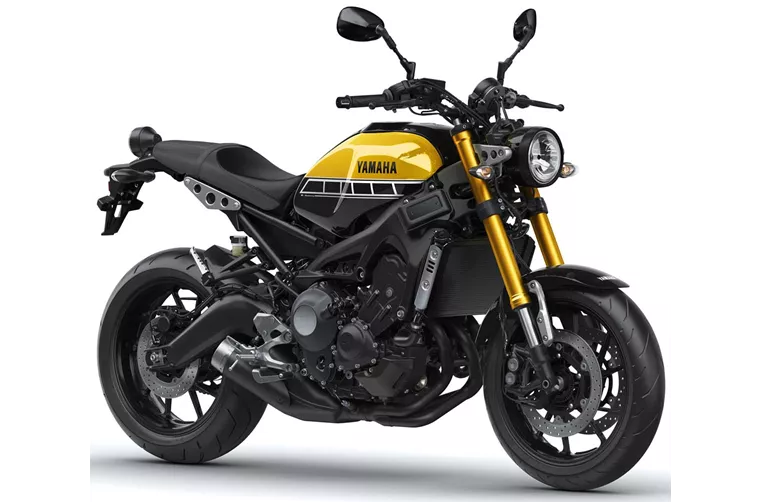
Prós e contras em comparação
Prós e contras em comparação
Yamaha XSR700 2015
A XSR é a moto perfeita para o dia a dia. Visualmente é uma festa para os olhos, tem uma quantidade incrível de potência, mas continua a ser leve e ágil. A posição do assento permite A posição do assento permite viagens mais longas, uma vez que a bagagem pode ser transportada nas costas sem qualquer problema. A própria XSR não sabe exatamente o que quer ser agora. Mas eu mas acho a mistura resultante bastante excitante. Por isso, se não quiser (ou não puder) ter motos diferentes na garagem, a XSR é uma óptima escolha. Servida muito bem. Tem tudo o que se espera de uma mota. Num hotel, falar-se-ia de uma oferta com tudo incluído. É perfeita para É perfeita para a deslocação diária para o escritório, para as excursões de fim de semana e para os passeios mais pequenos a sul. Mesmo com um passageiro, a moto é muito fácil de deslocar. Como de costume da Yamaha, a moto causa uma impressão muito sólida. Tudo simplesmente funciona aqui. O escapamento é agradavelmente silencioso, mas a partir de 5000 rpm produz um som muito atraente e gutural. A parte traseira é uma questão de gosto. Pessoalmente, eu reconstruiria a traseira e removeria os elementos plásticos. Também considero os espelhos retrovisores de série um pouco grandes. O visual retro não foi bem conseguido aqui. No entanto, isto pode ser alterado muito rapidamente e facilmente graças aos muitos acessórios. O painel de instrumentos é basicamente fácil de ler. No entanto, muita informação é espaço. Aqui, o design e a funcionalidade chocam um pouco. Resumido numa frase: A mota perfeita para todos os desafios.
Yamaha XSR900 2016
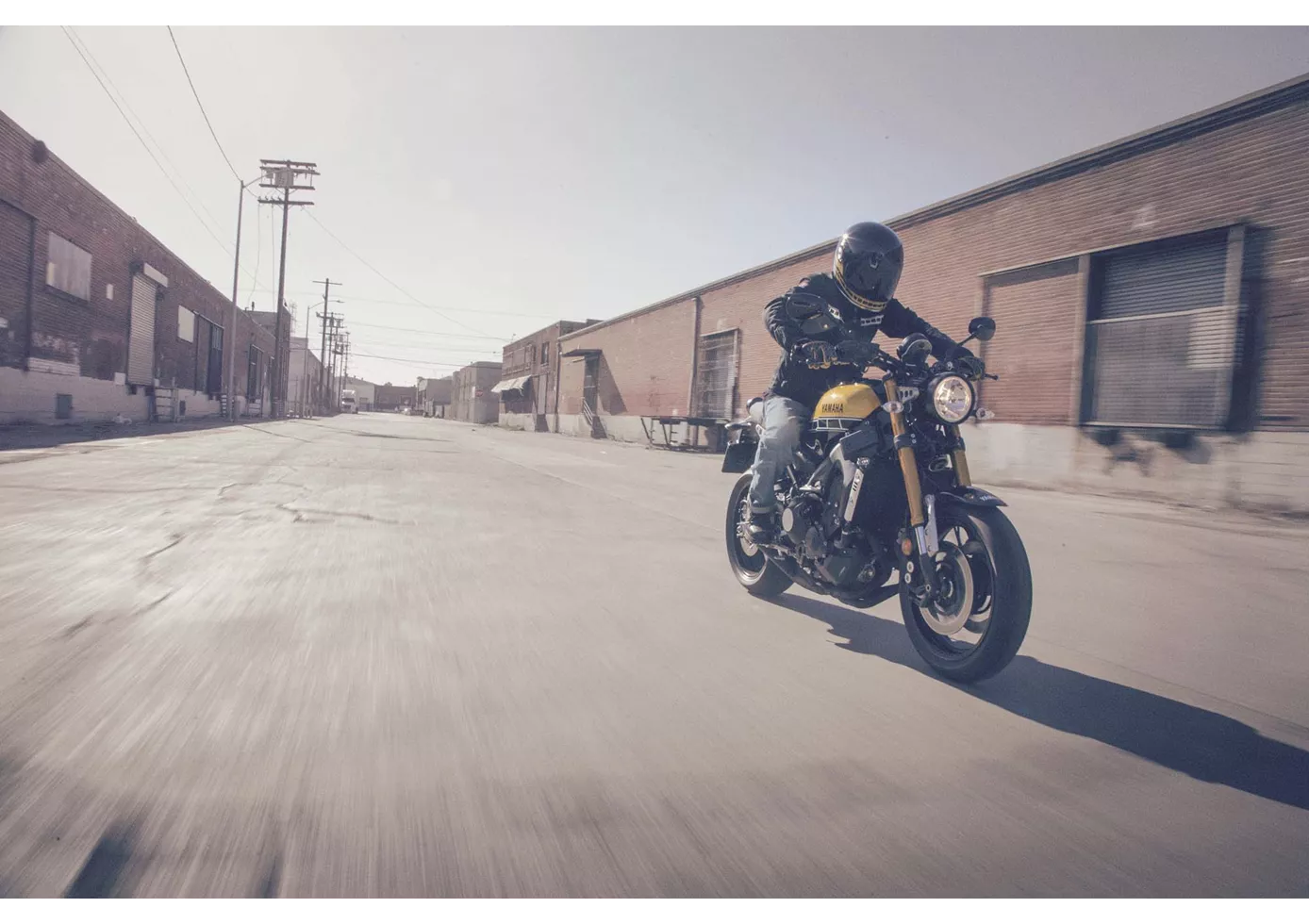
A Yamaha XSR900 é uma ilusão de ótica clássica - com o seu farol redondo, depósito angular e farolim traseiro acoplado, passa claramente por uma moto retro. Mas não é por acaso que o desempenho faz lembrar a potente naked de gama média Yamaha MT-09, que é a base extremamente desportiva da XSR900. Assim, o motor é uma explosão e os travões são apropriadamente venenosos. Felizmente, os engenheiros não exageraram com o chassis, a XSR900 oferece conforto suficiente e a posição de condução vertical é mais confortável do que o potente motor levaria a esperar. Em suma, a XSR900 é um dos modelos mais desportivos entre as motos retro.
Comparação de preços Preço médio de mercado Yamaha XSR700 vs Yamaha XSR900
There are a few key differences between a Yamaha XSR700 2015 and a Yamaha XSR900 2016. It takes less time to sell a Yamaha XSR900 with 77 days compared to 155 days for the Yamaha XSR700. Since model year 2015 1000PS.de editors have written 26 reviews for the Yamaha XSR700 and 30 reviews for the Yamaha XSR900 since model year 2016. The first review for the Yamaha XSR700 was published on 22/07/2015 and now has more than 13.700 views. This compares to more than 17.600 views for the first review on Yamaha XSR900 published on 25/11/2015.