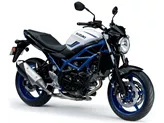
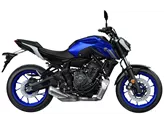
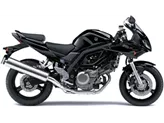
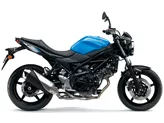
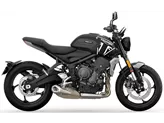
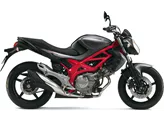
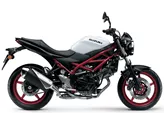
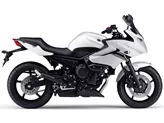
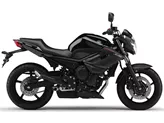
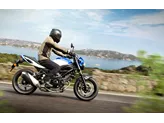
Yamaha XJ6 2009 vs. Suzuki SV 650 2021
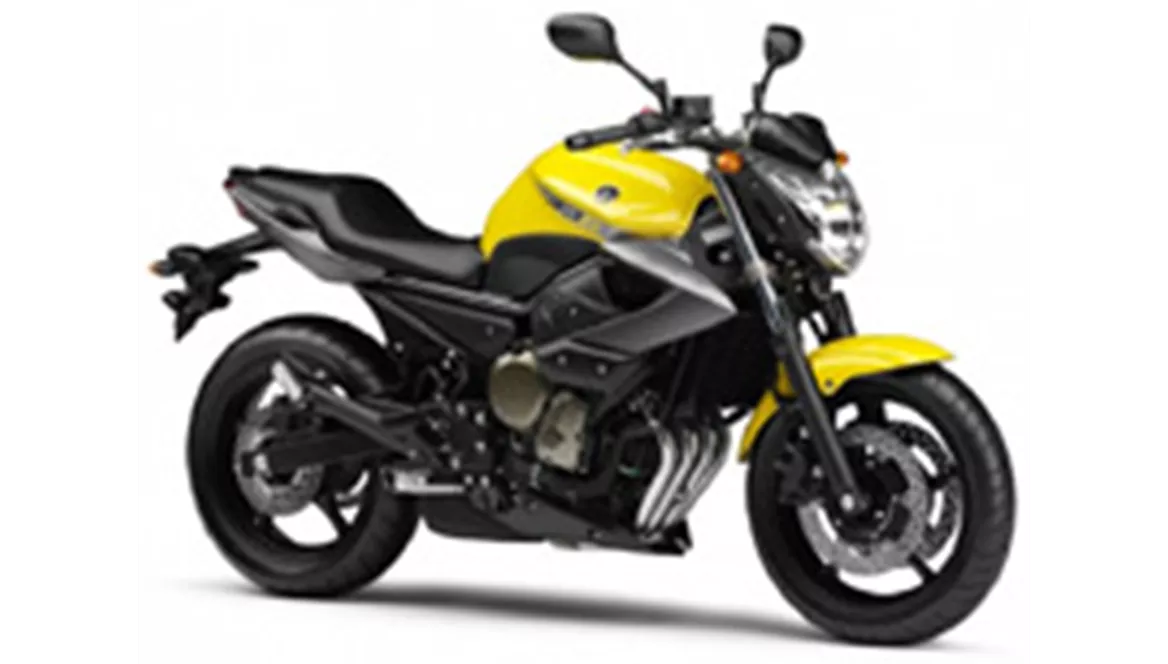
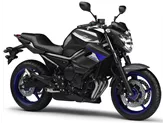
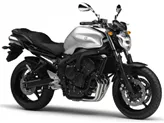
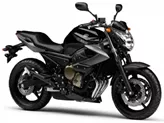
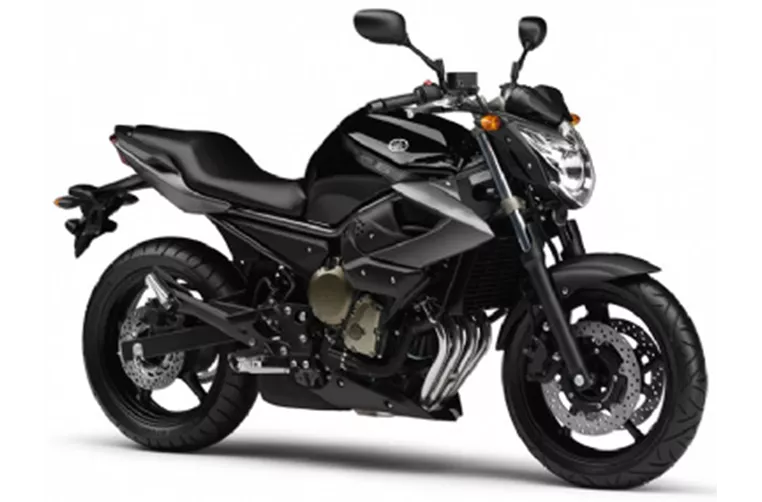
Yamaha XJ6 2009
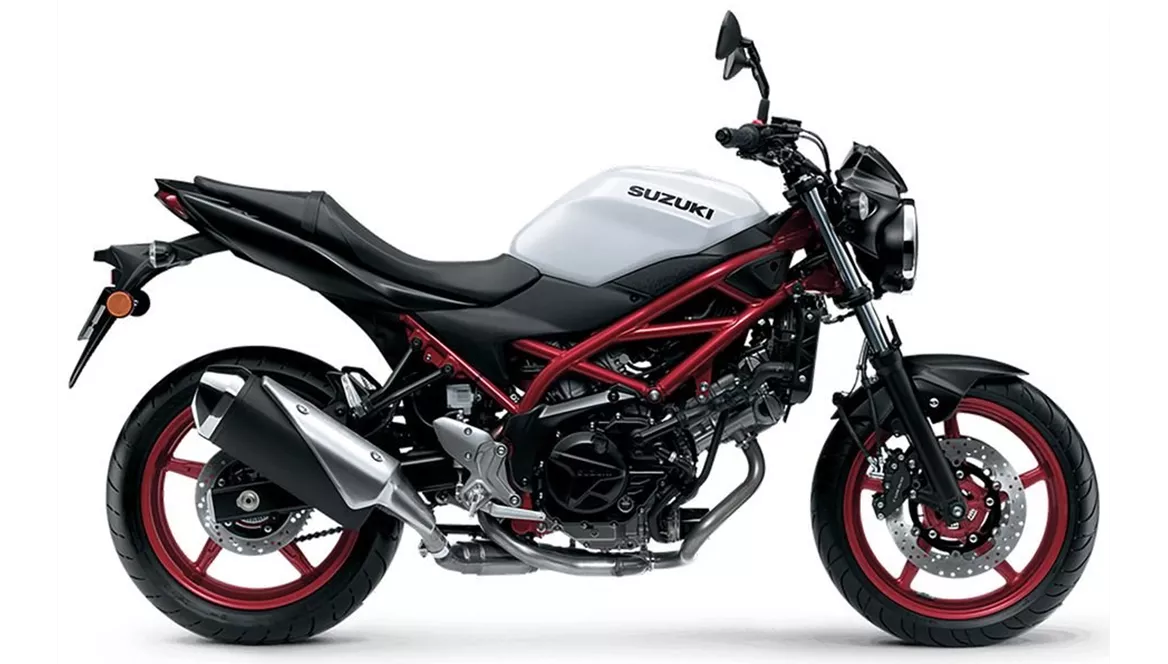
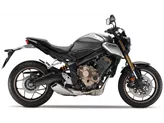
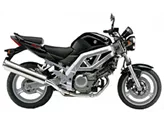
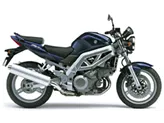
Suzuki SV 650 2021
Visão geral - Yamaha XJ6 2009 vs Suzuki SV 650 2021
The Yamaha XJ6 model year 2009 and the Suzuki SV 650 model year 2021 are both naked bikes that offer a thrilling riding experience.
Starting with the Yamaha XJ6 2009, it boasts a powerful engine with a horsepower of 78 HP and a torque of 59.7 Nm. The bike is equipped with a liquid-cooled 4-cylinder engine, providing efficient cooling for optimal performance. The displacement of the engine is 600cc, offering a good balance between power and fuel efficiency.
In terms of suspension, the XJ6 2009 features a telescopic fork at the front, ensuring a smooth and controlled ride. The chassis is made of steel and has a double cradle frame, providing stability and strength. The bike is equipped with dual-disc brakes at the front, offering reliable stopping power.
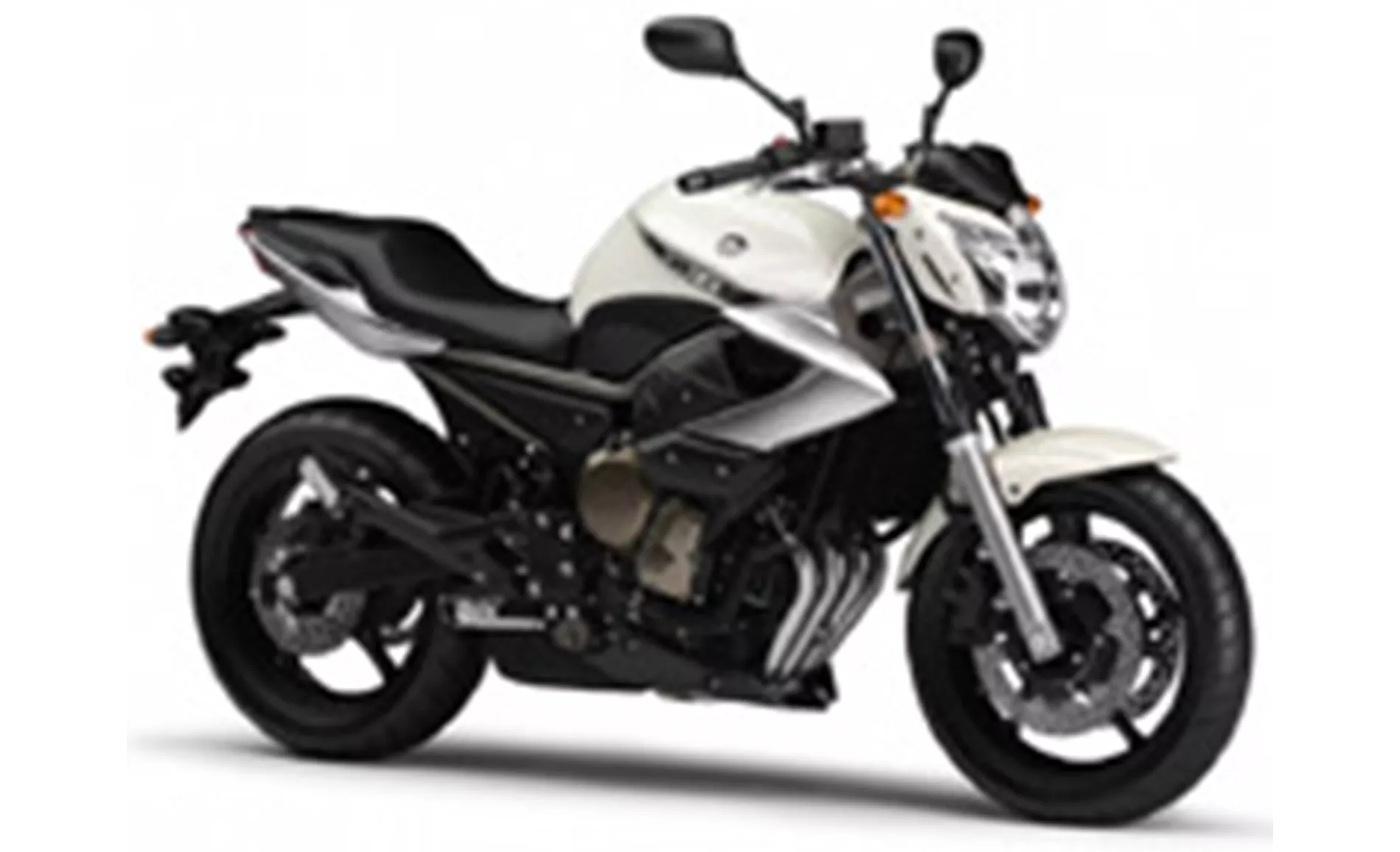
Yamaha XJ6 2009
When it comes to dimensions and weights, the XJ6 2009 has a 17-inch front and rear tire diameter, providing good traction and stability. The wheelbase measures 1440 mm, contributing to the bike's agility and maneuverability. The seat height is 785 mm, offering a comfortable riding position for most riders. The fuel tank has a capacity of 17.3 liters, allowing for longer rides without frequent refueling.
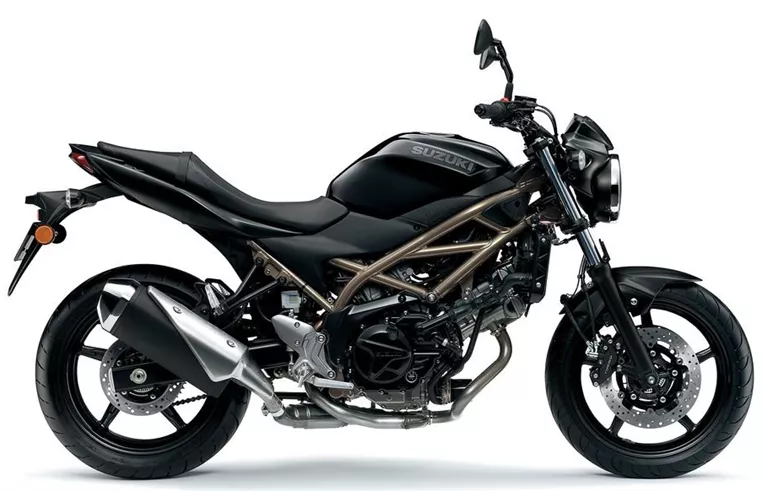
Moving on to the Suzuki SV 650 2021, it features a slightly less powerful engine compared to the XJ6 2009, with a horsepower of 73 HP and a torque of 64 Nm. The bike is equipped with a liquid-cooled 2-cylinder engine, offering a unique V2 character. The displacement of the engine is 645cc, providing a good balance between power and responsiveness.
Similar to the XJ6 2009, the SV 650 2021 also has a telescopic fork suspension at the front, ensuring a smooth and controlled ride. The chassis is made of steel and has a tubular frame, providing stability and durability. The bike is equipped with dual-disc brakes at the front, offering reliable stopping power.
In terms of dimensions and weights, the SV 650 2021 has a 17-inch front and rear tire diameter, providing good traction and stability. The wheelbase measures 1445 mm, slightly longer than the XJ6 2009, which may contribute to a more stable ride. The seat height is 785 mm, offering a comfortable riding position for most riders. The fuel tank has a capacity of 14.5 liters, slightly smaller than the XJ6 2009, but still sufficient for most rides.
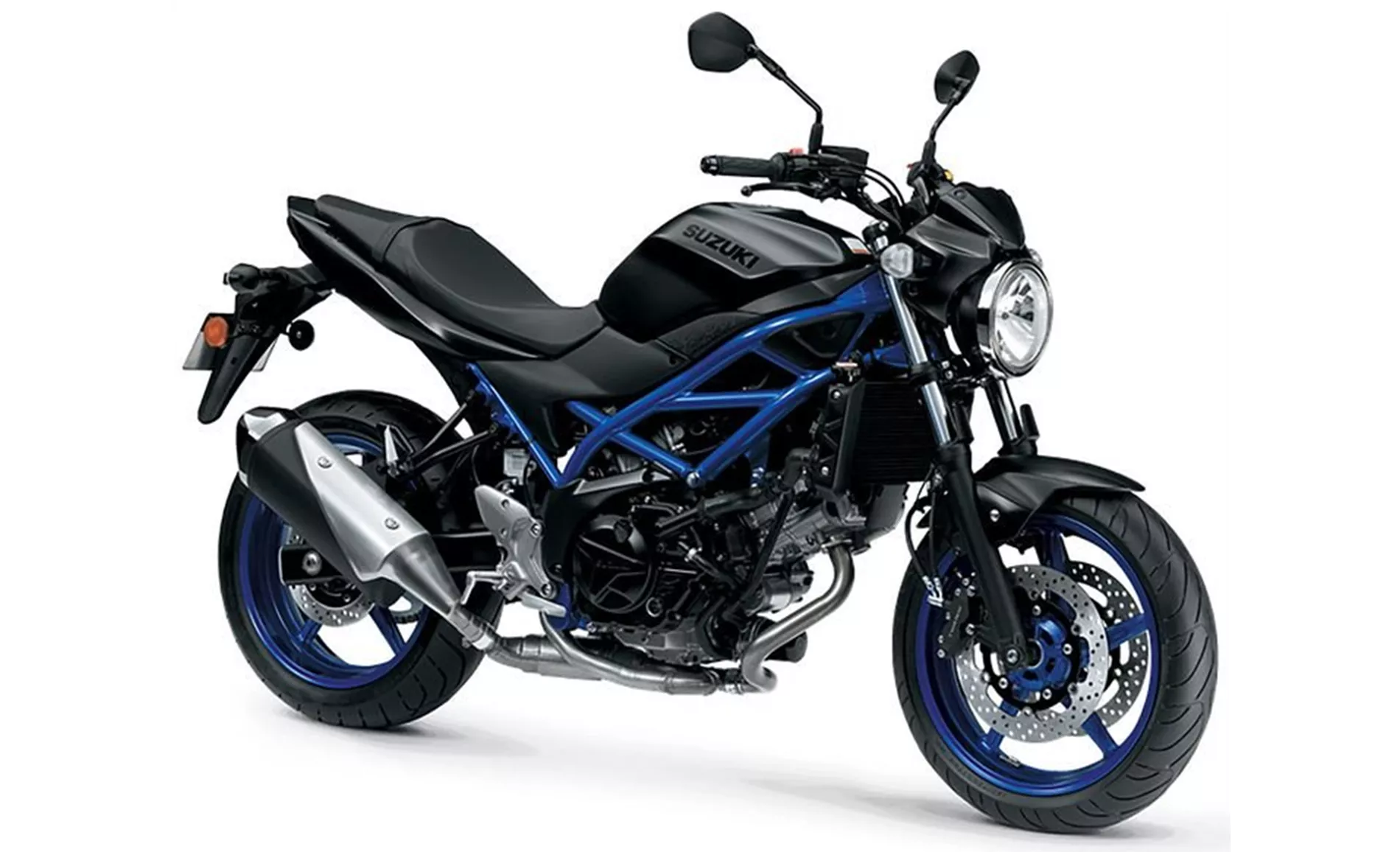
Suzuki SV 650 2021
Now, let's discuss the strengths and weaknesses of each bike. The Yamaha XJ6 2009 has favorable performance characteristics, providing an enjoyable and playful riding experience. The clutch is optimal, ensuring smooth gear shifts. The bike also offers a comfortable seat and has a youthful and aggressive appearance. Additionally, the XJ6 2009 is known for its high-quality construction. However, it may have components that are not too demanding in terms of design, and the torque development may not be as strong as some other models.
On the other hand, the Suzuki SV 650 2021 has a confident and characterful V2 engine, offering a unique riding experience. The chassis provides stability, and the seat position is comfortable for long rides. The bike is easy to handle and has a timeless appearance. However, it should be noted that the brake may require manual force, and there is no additional onboard electronics apart from ABS. Additionally, the instrument panel may have moderately legible displays.
In conclusion, both the Yamaha XJ6 2009 and the Suzuki SV 650 2021 are capable naked bikes that offer exciting rides. The XJ6 2009 has a more powerful engine and a larger fuel tank capacity, while the SV 650 2021 has a unique V2 engine character and a slightly longer wheelbase. Ultimately, the choice between these two bikes will depend on the rider's preferences and priorities.
Especificações técnicas Yamaha XJ6 2009 em comparação com Suzuki SV 650 2021
Prós e contras em comparação
Prós e contras em comparação
Yamaha XJ6 2009
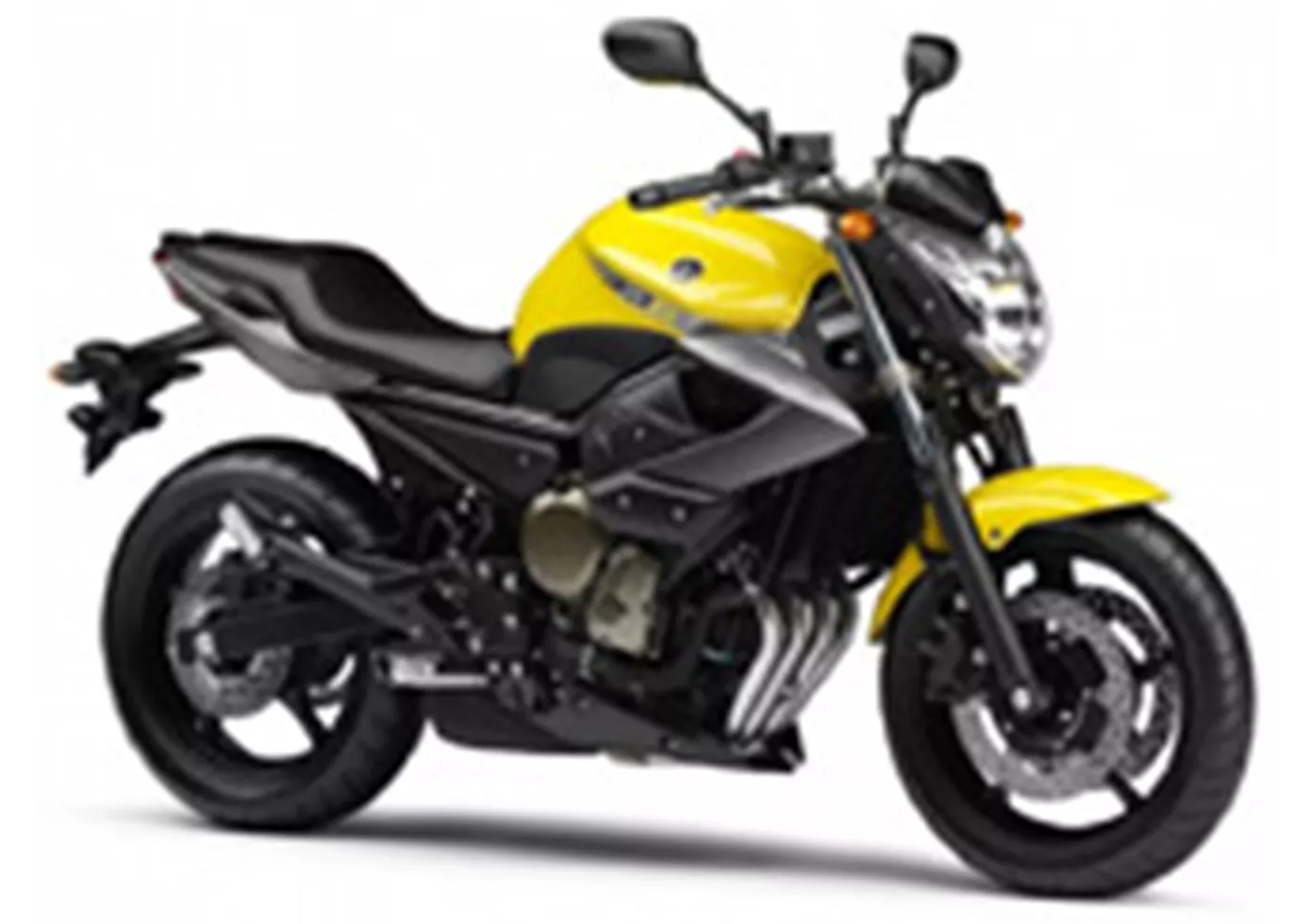
Apesar da base comum, a XJ parece muito mais jovem e agressiva. Uma mota de classe média que de forma alguma nos faz sentir de gama média. Exceptuando o braço oscilante, a moto parece ser de alta qualidade e muito fixe. A moto é um pouco mais fácil de manusear do que a Diversion.
Suzuki SV 650 2021
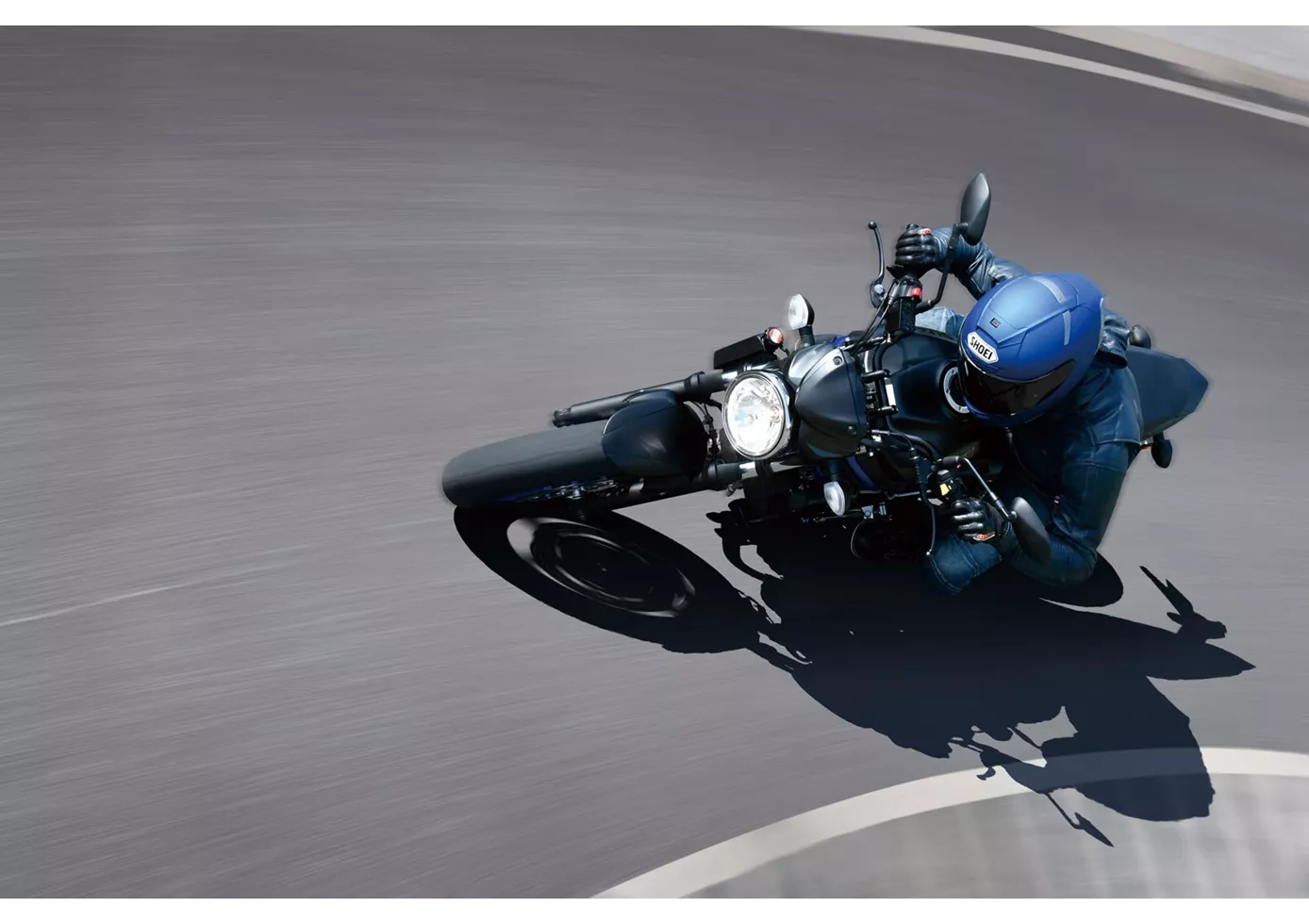
Não mudou muito na Suzuki SV 650 em comparação com a sua antecessora de há cinco anos. O motor foi atualizado para Euro5 e está agora ainda mais maduro, o que se enquadra perfeitamente no resto do conjunto. A SV 650 não quer assustar ninguém, especialmente os principiantes. O chassis dá uma impressão sólida e sem agitação, os travões requerem muita força manual para evitar travagens excessivas inesperadas. O aspeto é intemporal, por um lado, mas por outro lado, alguns componentes estão realmente um pouco ultrapassados. Por outro lado, o preço é justo, como é habitual na Suzuki.
Comparação de preços Preço médio de mercado Yamaha XJ6 vs Suzuki SV 650
There are a few key differences between a Yamaha XJ6 2009 and a Suzuki SV 650 2021. In terms of price, the actual average price of a Suzuki SV 650 2021 is about 40% higher. A Yamaha XJ6 2009 experiences a loss of 1.370 BRL in one year and 140 BRL in two years of ownership. This is offset by a loss of 840 BRL and 3.460 BRL for a Suzuki SV 650 2021. Compared to Suzuki SV 650 2021 there are less Yamaha XJ6 2009 bikes available on the 1000PS.de Marketplace, specifically 6 compared to 13. It takes less time to sell a Yamaha XJ6 with 31 days compared to 111 days for a Suzuki SV 650. Since model year 2009 1000PS.de editors have written 4 reviews for the Yamaha XJ6 and 25 reviews for the Suzuki SV 650 since model year 2005. The first review for the Yamaha XJ6 was published on 13/11/2008 and now has more than 21.900 views. This compares to more than 14.200 views for the first review on Suzuki SV 650 published on 26/09/2008.