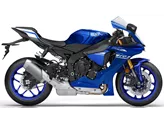
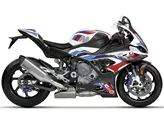
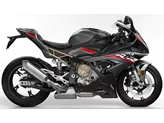
BMW S 1000 RR 2019 vs. BMW M 1000 RR 2021
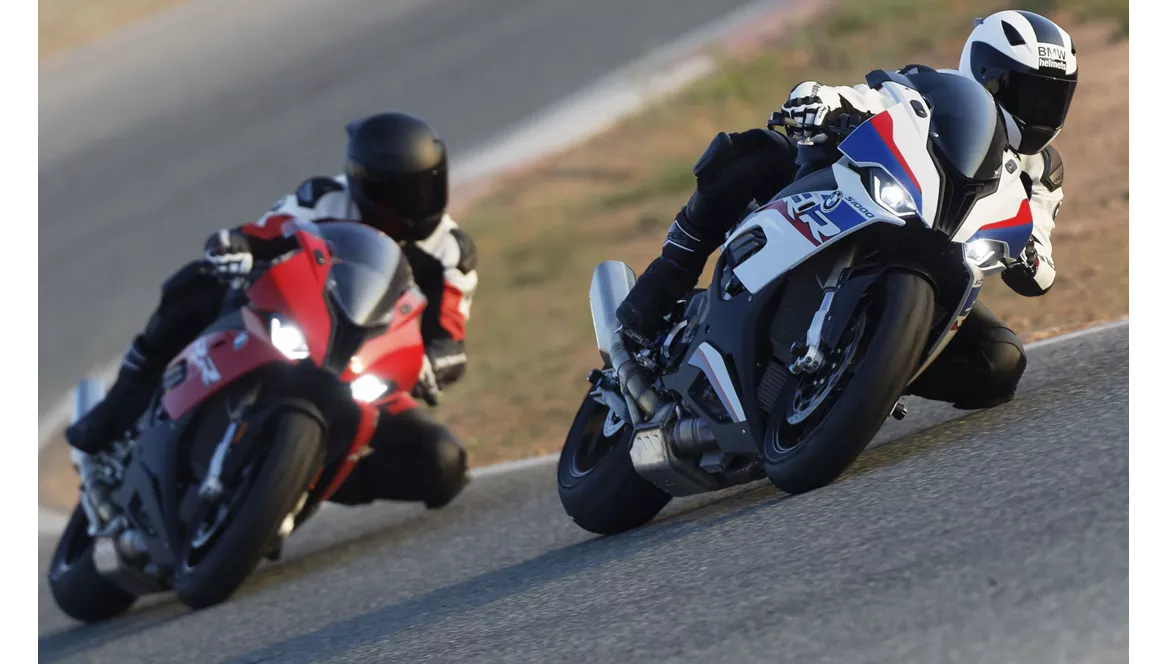
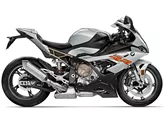
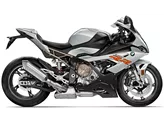
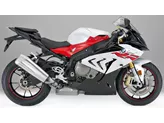
BMW S 1000 RR 2019
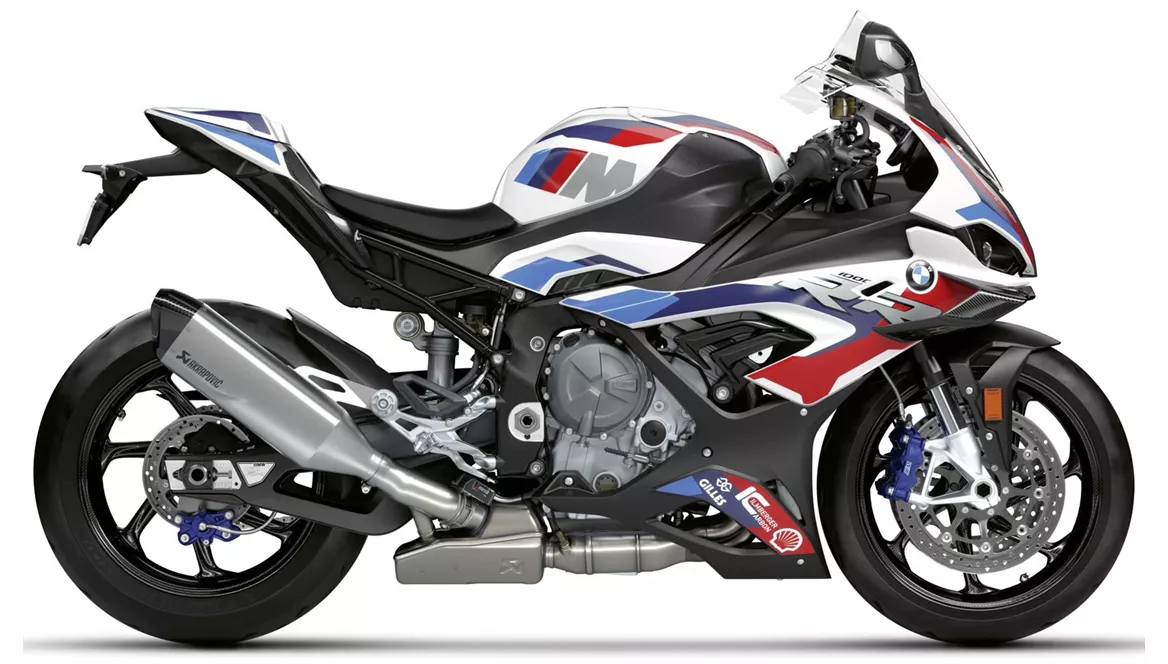
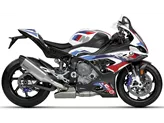
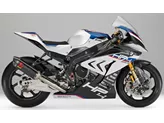
BMW M 1000 RR 2021
Vue d’ensemble - BMW S 1000 RR 2019 vs BMW M 1000 RR 2021
The BMW S 1000 RR model year 2019 and the BMW M 1000 RR model year 2021 are both supersport motorcycles from BMW, but they have some notable differences in terms of specifications and strengths.
Starting with the technical specifications, both models have the same engine type, bore, stroke, engine power, torque, compression ratio, throttle bore, cylinders, valves per cylinder, and displacement. They also have similar suspension systems, with upside-down telescopic forks in the front and swing arms with monoshocks in the rear. The chassis is made of aluminum and has a twin-tube, load-bearing engine design. The front brakes are double disk with a diameter of 320 mm and hydraulic actuation, using radial technology. Both models also come equipped with advanced rider assistance systems such as ABS, riding modes, launch control, ride by wire, quickshifter, and traction control. They have LED headlights and a fuel tank capacity of 16.5 liters.
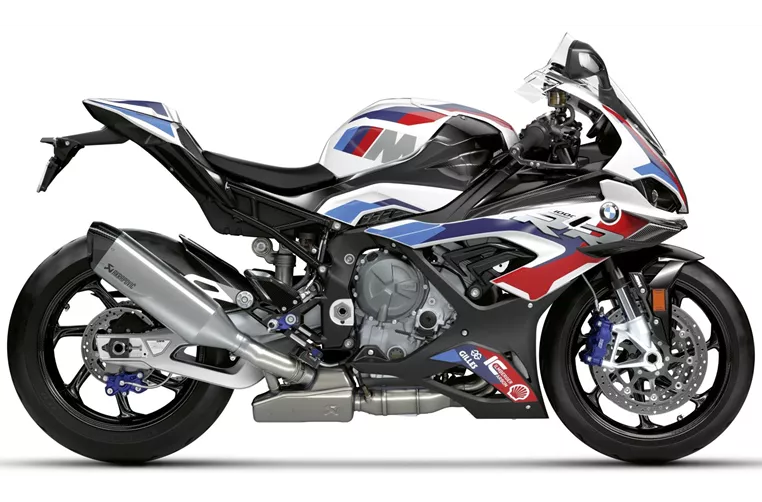
In terms of differences, the BMW M 1000 RR model year 2021 has a slightly higher engine power of 212 HP compared to the 207 HP of the BMW S 1000 RR model year 2019. The M 1000 RR also has a slightly higher compression ratio of 13.5 compared to 13.3 in the S 1000 RR. The M 1000 RR has a slightly different rake and trail, with a rake of 66.4 degrees and a trail of 99.8 mm, compared to the S 1000 RR's rake of 66.9 degrees and trail of 93.9 mm. The rear tire width is also different, with the M 1000 RR having a wider rear tire of 200 mm compared to the 190 mm on the S 1000 RR. The wheelbase is slightly longer on the M 1000 RR, measuring 1457 mm compared to the 1441 mm on the S 1000 RR. The seat height is also slightly higher on the M 1000 RR, measuring 832 mm compared to the 824 mm on the S 1000 RR. The kerb weight is slightly lighter on the M 1000 RR, weighing 192 kg with ABS compared to the 197 kg on the S 1000 RR.
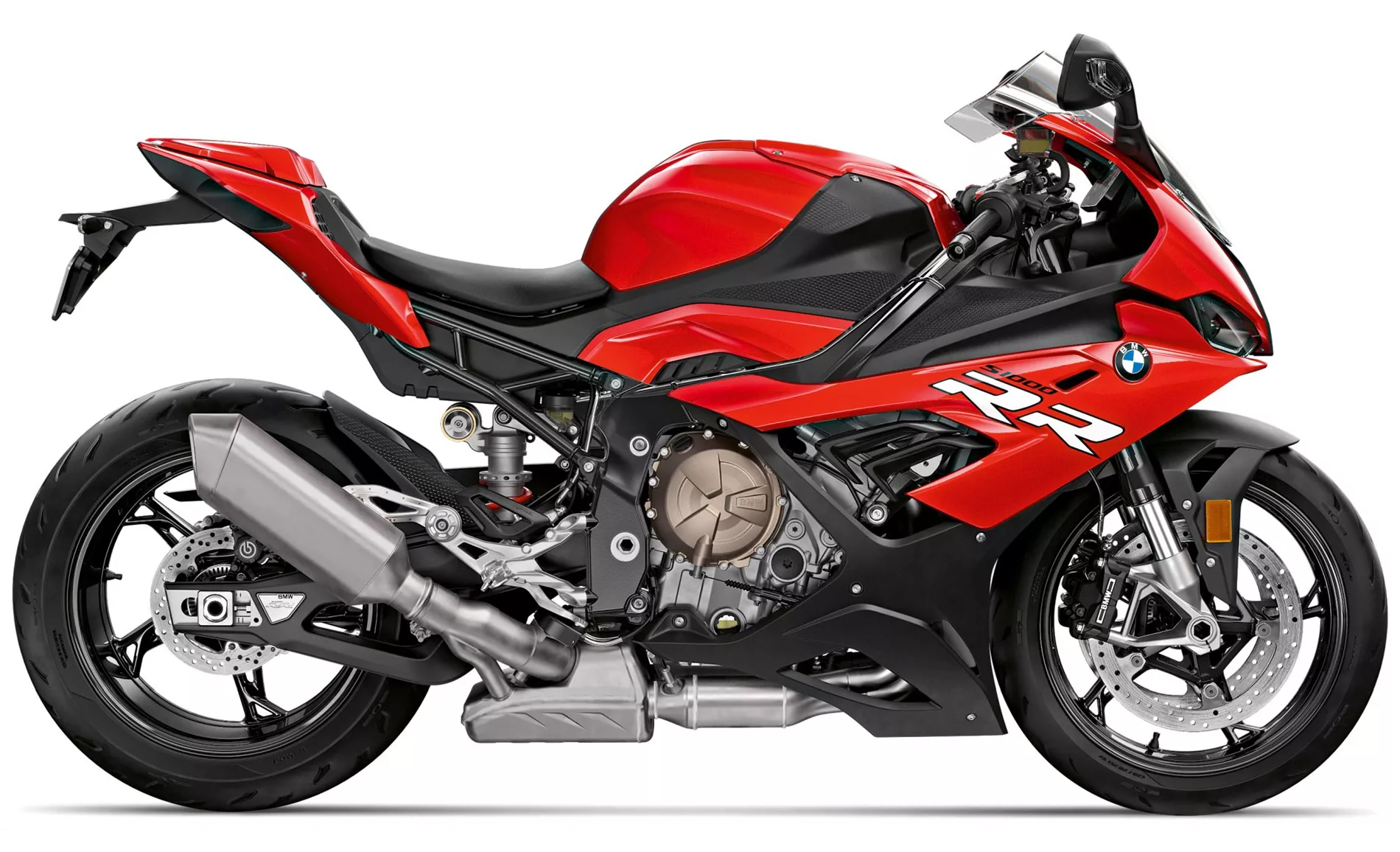
BMW S 1000 RR 2019
Moving on to the strengths of each model, the BMW S 1000 RR 2019 is praised for its very linear power delivery, wide rev range, and pleasant dosing, making it more controllable and faster for most riders. It has a high-quality frame, swingarm, and display, which adds to its appeal. The new DDC (Dynamic Damping Control) system offers precise performance, and the electronics package is top-notch. The shift assistant is excellent, allowing for smooth gear changes. The S 1000 RR also has a sportier seating position, making it more active and engaging to ride.
On the other hand, the BMW M 1000 RR 2021 is described as a smooth overall package with strong brakes and a precise chassis. It has noble details that are visually appealing and enjoyable to observe in the paddock. The engine is rev-happy and has a great torque curve, providing a harmonious transition from load to push mode. The M 1000 RR is praised for its great responsiveness and overall performance.
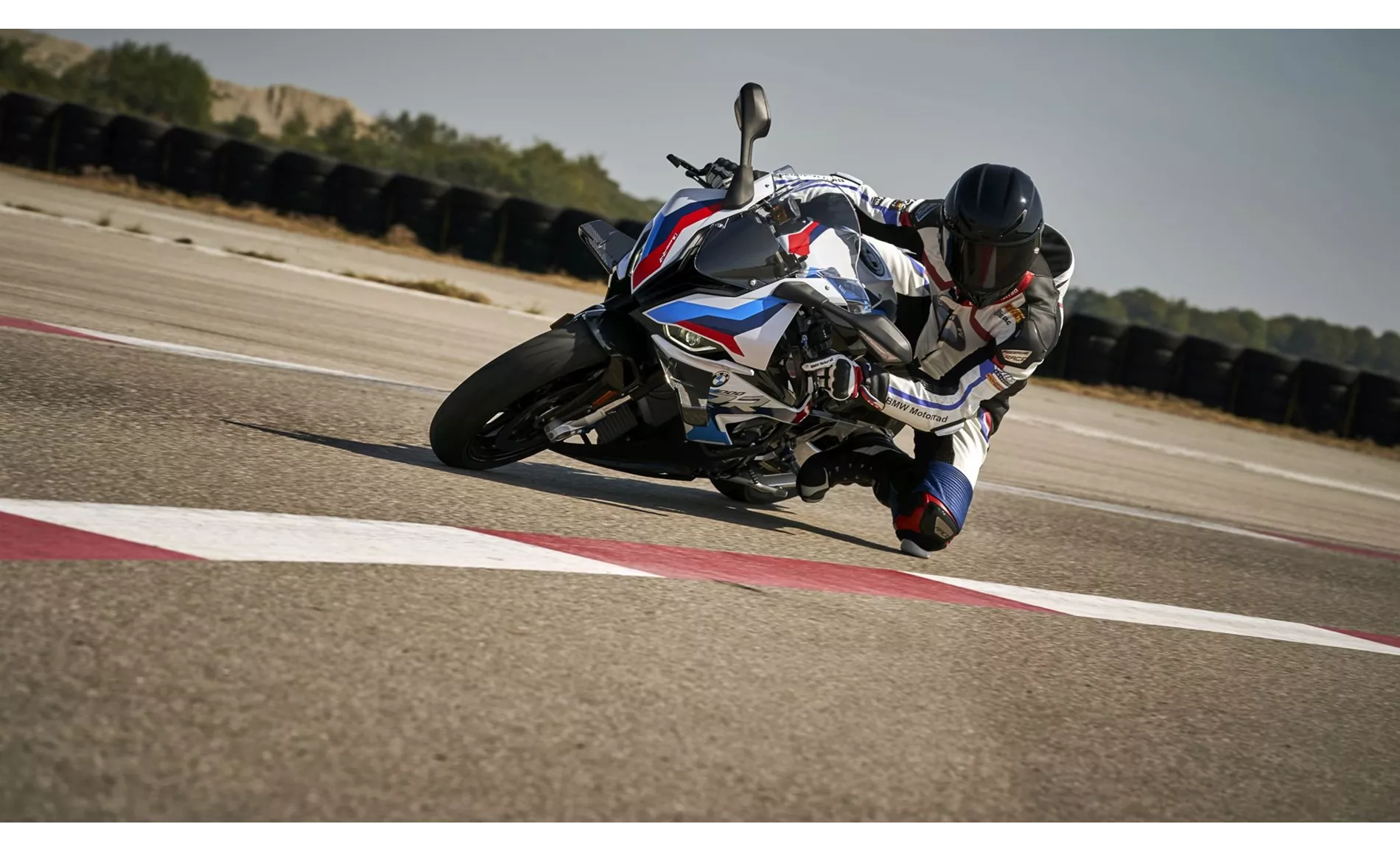
BMW M 1000 RR 2021
In terms of weaknesses, the BMW S 1000 RR 2019 is criticized for losing some of its "thrill" due to the linear power delivery, making it almost "too perfect." The menu navigation may also take some time to get used to.
The BMW M 1000 RR 2021 is noted to have a price package that is not customer-friendly but sales-friendly. Some riders feel that the footrests could have more grip on the track, and there is a desire for a higher and harder seat option.
In conclusion, both the BMW S 1000 RR 2019 and the BMW M 1000 RR 2021 are high-performance supersport motorcycles with similar technical specifications. However, the M 1000 RR offers slight improvements in engine power, compression ratio, rake, trail, rear tire width, wheelbase, seat height, and kerb weight. Each model has its own strengths and weaknesses, with the S 1000 RR praised for its linear power delivery and high-quality details, while the M 1000 RR is commended for its smooth overall package and great responsiveness.
Caractéristiques techniques BMW S 1000 RR 2019 par rapport à BMW M 1000 RR 2021
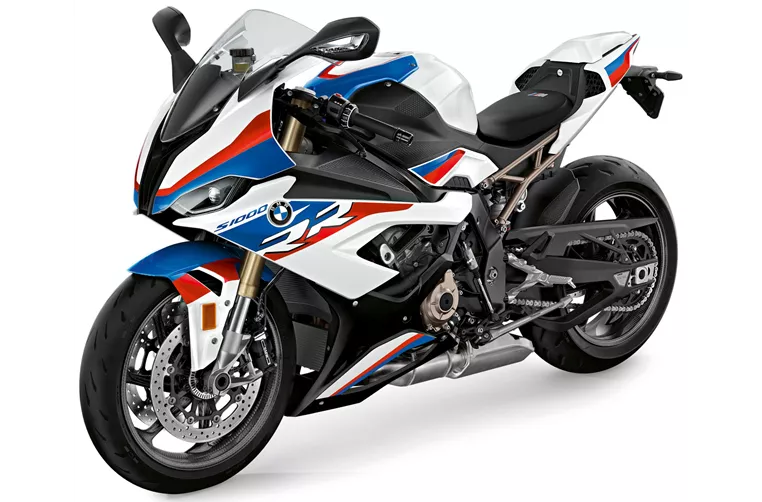
Avantages et inconvénients en comparaison
Avantages et inconvénients en comparaison
BMW S 1000 RR 2019
Une vraie superbike "à tout faire". Sur la piste de course comme sur la route, la BMW sait jouer de ses atouts. Grâce à la distribution variable de l'arbre à cames, le moteur puissant est déjà convaincant à bas régime et accélère harmonieusement sur toute la plage de régime, avec une puissance élevée dans tous les domaines. Pour le pilote amateur, le châssis fonctionne certainement de manière exceptionnelle dans toutes les situations, il garantit un feedback transparent et offre de nombreuses possibilités de réglage. La position de conduite est sportive, mais relativement confortable. L'électronique fonctionne de manière très harmonieuse sans infantiliser le pilote - TOP !
BMW M 1000 RR 2021
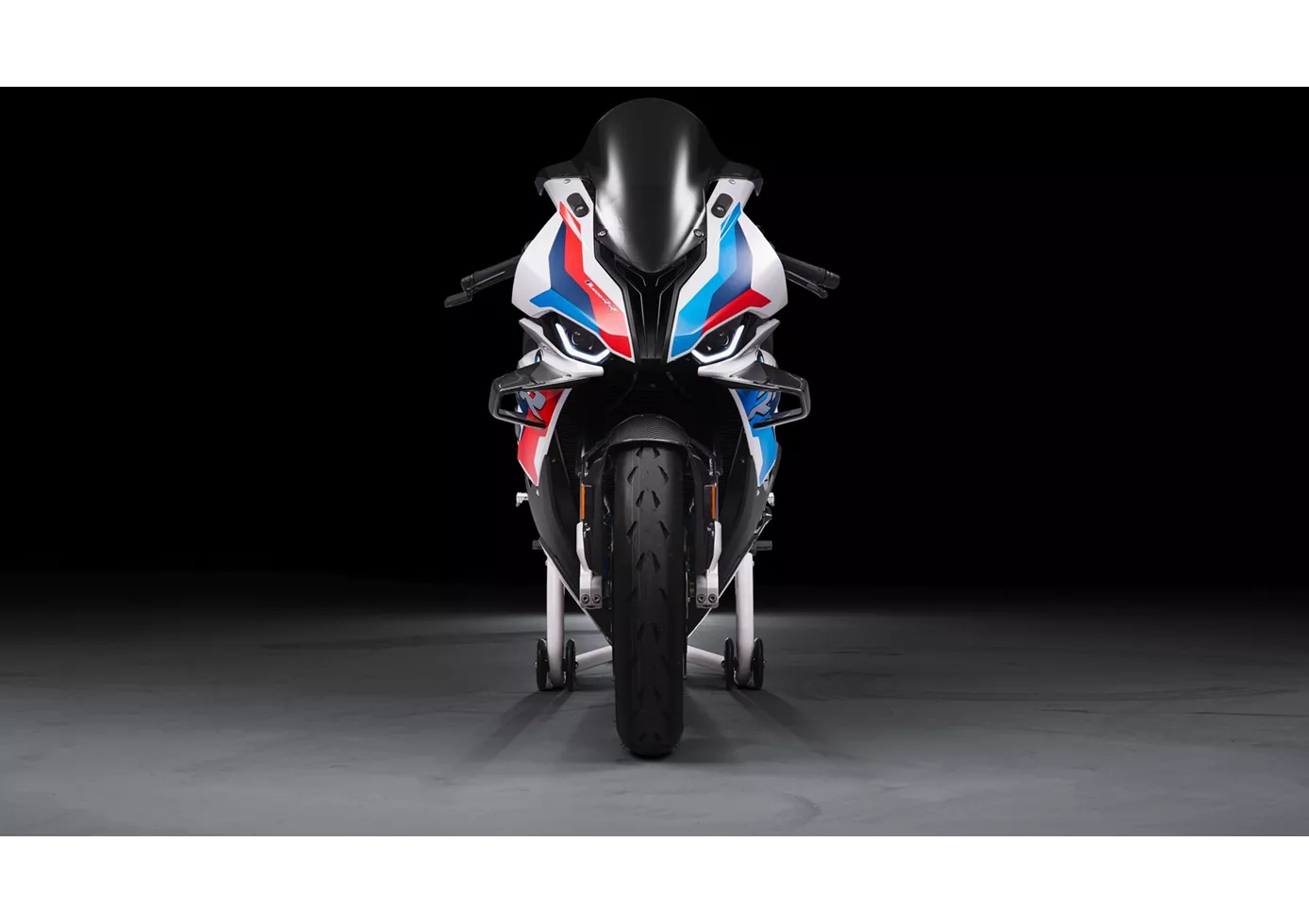
BMW M 1000 RR : L'icône supersport perfectionnée La BMW M 1000 RR est la quintessence du supersports. Elle est aussi tranchante qu'un rasoir, avec une stabilité et une précision qui étonnent même les pilotes les plus expérimentés. Directement du showroom à la piste de course, sans avoir à dépenser le moindre centime pour des modifications supplémentaires - c'est la perfection à l'état pur. Chaque virage, chaque freinage, chaque accélération est un témoignage de l'ingénierie allemande. En ligne droite, elle s'élance comme un avion à réaction et chaque mouvement semble aussi précis que si l'on manipulait un instrument chirurgical.
Comparaison des prix Prix moyen du marché BMW S 1000 RR vs BMW M 1000 RR
There are a few key differences between a BMW S 1000 RR 2019 and a BMW M 1000 RR 2021. In terms of price, the actual average price of a BMW M 1000 RR 2021 is about 73% higher. Compared to BMW M 1000 RR 2021 there are more BMW S 1000 RR 2019 bikes available on the 1000PS.de Marketplace, specifically 11 compared to 7. It takes less time to sell a BMW S 1000 RR with 63 days compared to 127 days for a BMW M 1000 RR. Since model year 2010 1000PS.de editors have written 135 reviews for the BMW S 1000 RR and 14 reviews for the BMW M 1000 RR since model year 2021. The first review for the BMW S 1000 RR was published on 4/16/2008 and now has more than 4,000 views. This compares to more than 105,600 views for the first review on BMW M 1000 RR published on 9/23/2020.