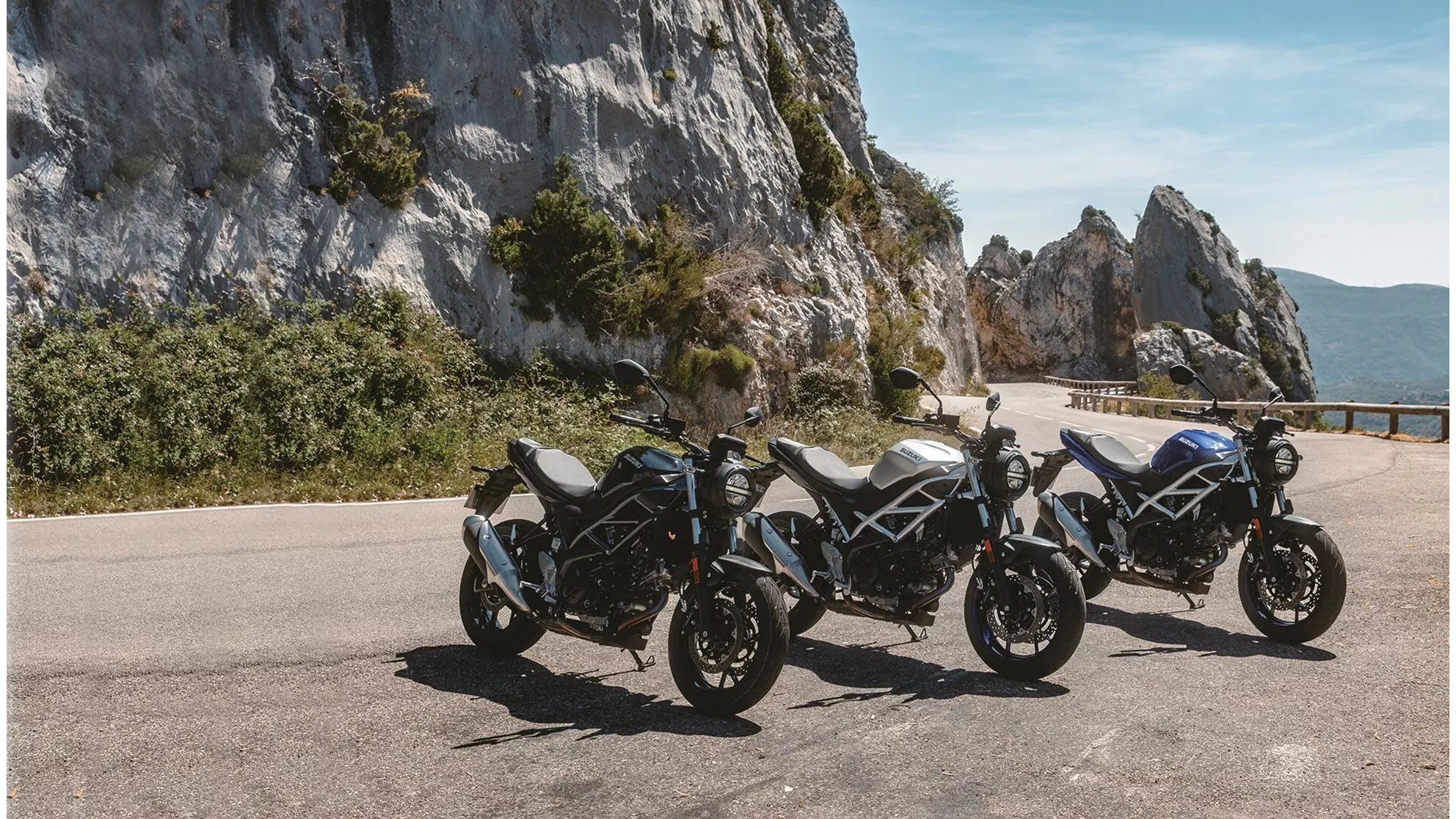
Back in 2021, in the 1000PS comparison test at the time, I noted: the SV650 is still a good naked bike, but the competition has clearly stepped up in terms of technology and electronics. Back then, I wished for an update. With the 2027 SV-7S, exactly that modernisation has now arrived. For a first orientation, it's worth holding the new features up against two stages of development: the return of the SV650 in 2016 and its Euro 5 version from 2021. Because not everything on today's features list is actually new. To the 2021 comparison.

Suzuki SV650 vs SV-7S: What's really new?
Familiar V-twin, new aids: What the update brings you
For a long time, the SV650 offered its fans a lot with little electronics. With the 2027 SV-7S, modern features move in. We compare the new features with the 2016 and 2021 model versions and assess which of them matter to interested buyers.

Der Horvath
published on 11/9/2026
3,355 Views
Why the SV650 deserved an update
SV-7S: The new name doesn't bring a bigger engine
It stays at 645 cc. Suzuki quotes 73.4 hp at 8,500 rpm and 64 Nm at 6,800 rpm for the SV-7S's V-twin, plus Euro 5+. The big difference comes from ride-by-wire and a revised intake, fuel injection and exhaust system. This gives interested buyers a clear picture: the new name stands for the modernisation of the familiar concept. Anyone hoping above all for more displacement or significantly higher peak output when switching won't find a reason to buy here. To the SV-7S presentation.
SV650: Why 2016 and 2021 need to be considered separately
The 2016 SV650 was presented with around 76 hp; in the 2021 comparison, after the Euro 5 update, the figures were 73 hp and 64 Nm. The new SV-7S thus sits at the output level of the more recent comparison model. As early as 2016, the SV650 received numerous revised engine components, twin-spark ignition and new injectors. That earlier modernisation therefore can't be credited to the SV-7S as a novelty all over again. Likewise, a supposed loss of power compared with the old SV can only be put into proper context if you take the specific model year into account. To the 2016 SV650.
Riding modes and quickshifter change how it's operated
New compared with the SV650 models considered here are three riding modes, a three-level, switchable traction control and the bidirectional quickshifter. According to Suzuki, Active responds more directly, Basic is modelled on the SV650 and Comfort limits output to 45 kW. For your choice, what matters most is whether you want to adjust the throttle response and shift without using the clutch. Easy Start and Low RPM Assist, on the other hand, were already on board in 2016. So a long features list on its own only tells half the story. To the 2016 SV650 test.

The riding modes and assistance functions are shown in the SV-7S's TFT cockpit.
Seat height and chassis stick to the core idea
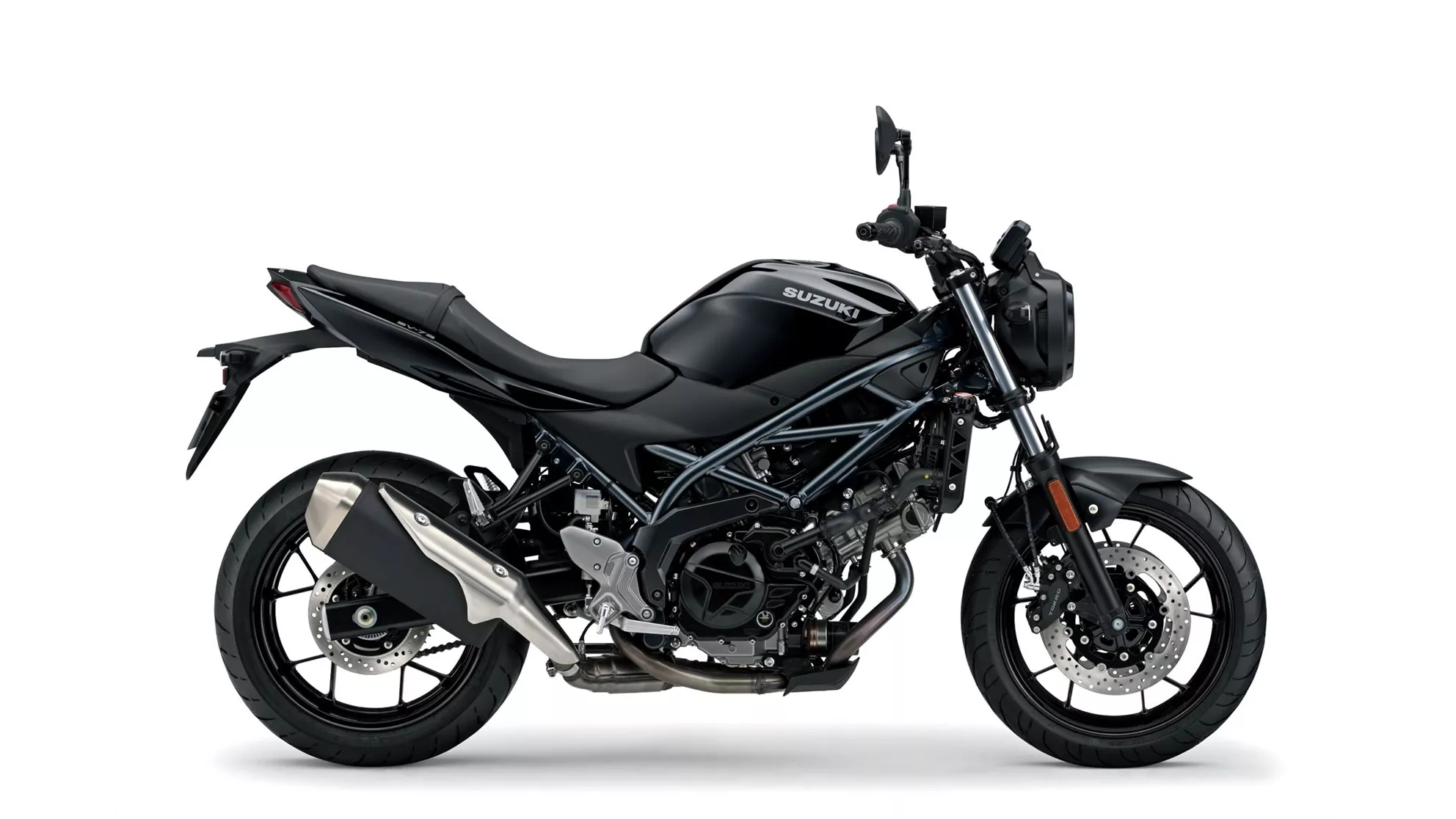
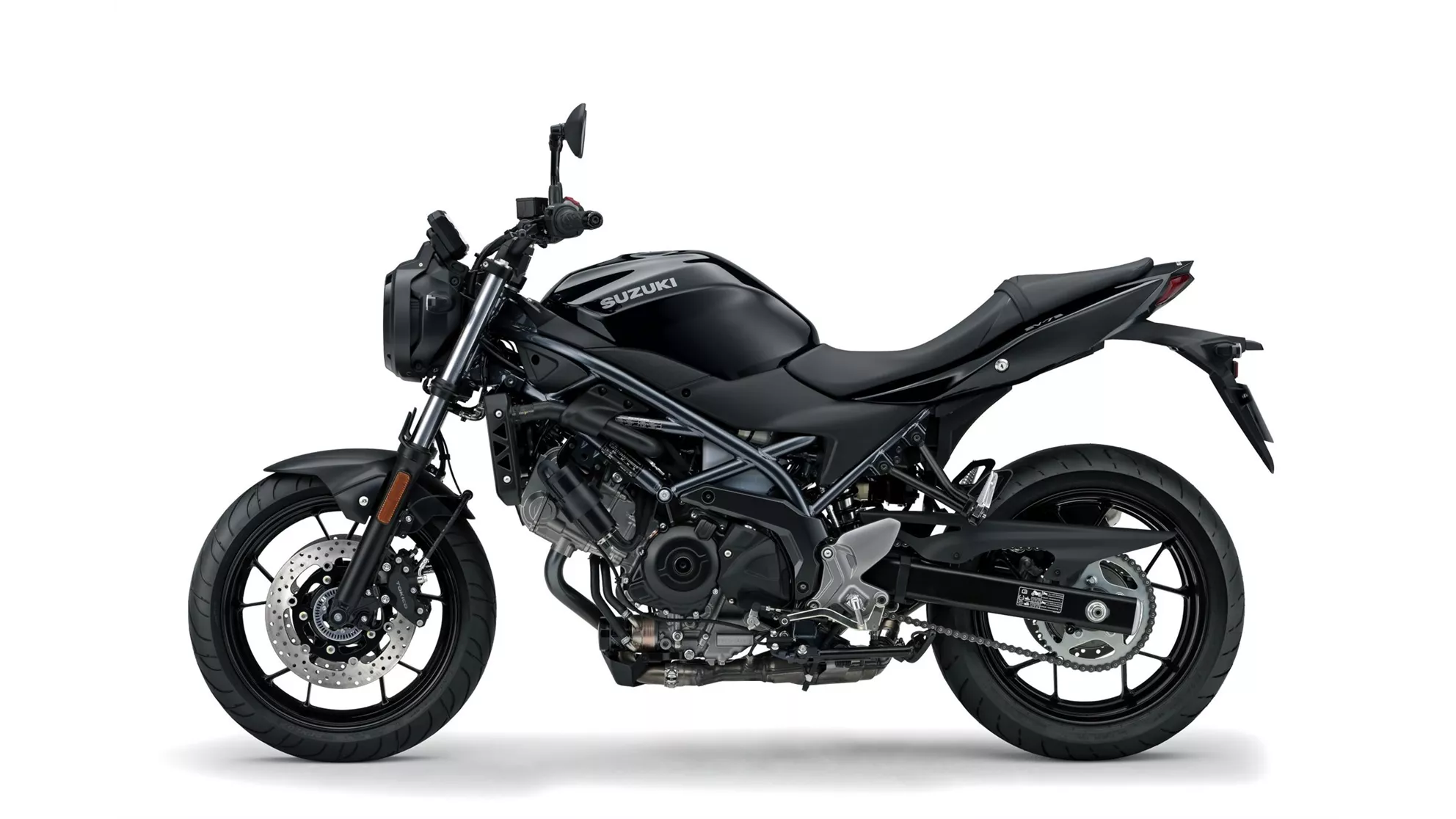
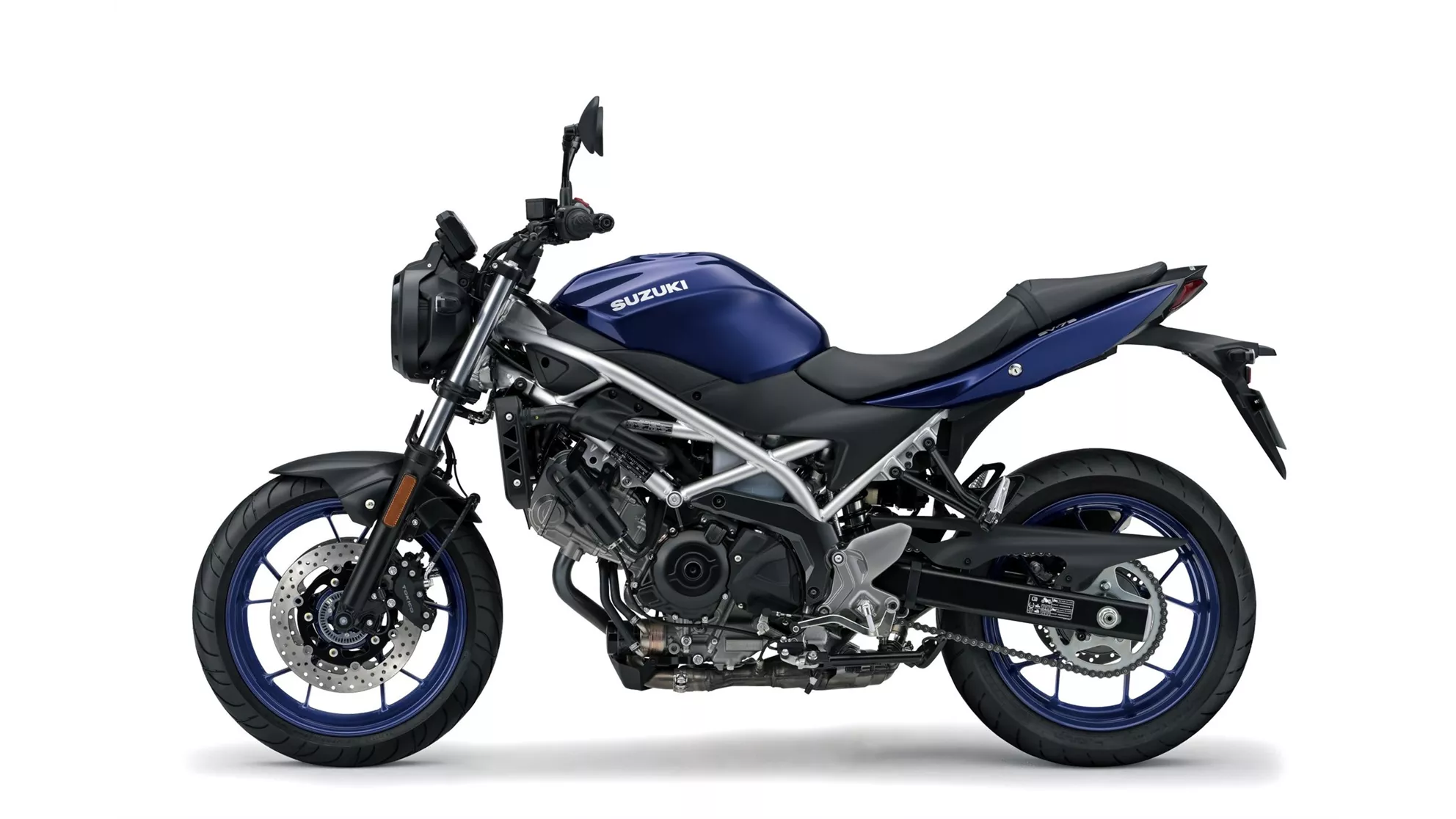
The 785 mm seat height is retained, while the SV-7S handlebar gets wider and moves closer to the rider. Steel trellis frame, conventional 41 mm fork and 160-section rear tyre continue the familiar recipe. Suzuki quotes 200 kg wet weight. The 2021 report lists 201 kg weight fueled up, the 2016 test 197 kg including ABS. No major diet can be derived from that. Up front, the SV-7S presentation mentions four-piston calipers, whereas the 2016 test mentions twin-piston calipers. This difference shouldn't be applied across the board to every SV650 model year. The 2021 comparison praised the stable chassis and easy handling, but criticised the lever effort required when braking.
- How much does a Suzuki SV 650 cost?
- Here you will find an overview of the price level of new and used motorbikes!

The 2021 SV650 with a seated rider, side view.
TFT and LED fix familiar points of criticism
The SV-7S gets LED lighting and a 4.2-inch TFT with smartphone connectivity. The navigation shows arrows, while the map runs on the smartphone. With this, Suzuki addresses two points of the SV650 criticised in the 2021 comparison: the halogen headlight and the only moderately readable LCD. For commuters and touring riders, this is a tangible gain in features. If you already use your smartphone on the handlebar anyway, you should weigh up for yourself what added value the extra display brings. And if it's precisely the pared-back operation of the classic SV650 you appreciate, you don't have to throw your preference overboard because of a colour display.

The SV-7S's round headlight combines the classic basic shape with LED technology.
Which changes matter for your choice
The SV-7S appeals above all to those who want the SV concept with additional assistance and comfort features. For satisfied SV650 owners, the familiar performance figures alone offer little reason to switch. What matters is whether the new operation and features actually benefit you in everyday riding. With a used SV650, it's therefore worth looking at the model year and the specific offer first. Weigh the price actually being asked against the functions you want to use. That way, the update gains a personal value rather than just a longer features list.

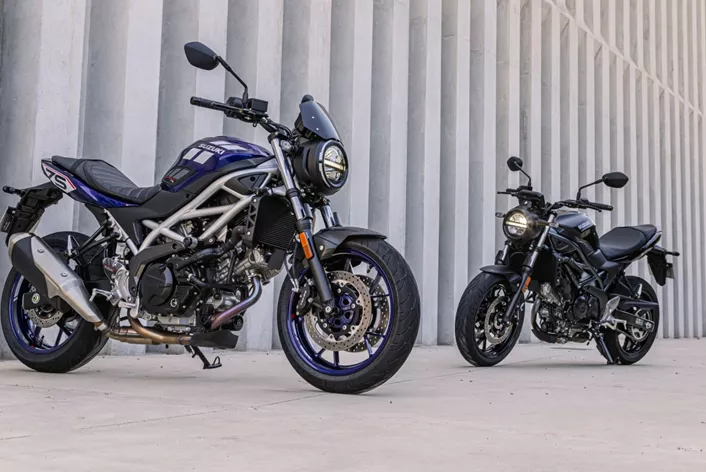
The 2021 SV650 as a possible alternative for those who can do without the new electronics package.
Conclusion: How much new SV do you need?
With the SV-7S, Suzuki tackles exactly the areas where the SV650 had lately been looking particularly dated: electronics and cockpit. This makes the new bike interesting above all for those who want to combine the familiar V-twin with up-to-date features. For satisfied SV650 owners, the SV-7S is therefore not a must-buy. And for newcomers, a suitable used SV650 remains worth considering if they can do without the additional aids.
My opinion: With the new SV-7S, Suzuki has taken exactly the right measures to make the SV's character competitive again. My highlights are clearly the electronic adjustments to the engine and the wider handlebar - in other words, points that contribute to rideability. If we could now also get a chrome ring around the round headlight as an accessory, I'd have nothing to complain about!
The new Suzuki models for 2027

The key questions about the model change
Is the SV-7S more powerful than the 2021 SV650? The quoted peak figures are practically level.
Are Easy Start and Low RPM Assist new? Both are already mentioned in the 2016 test.
What sets the SV-7S apart in everyday riding in particular? The adjustable throttle response, traction control, the quickshifter and the connected cockpit expand your options.
Is switching automatically worth it? For interested buyers, what matters is which of these functions actually suit their own use. If you're happy with your SV650, that's exactly where you should start.
- How much does a Suzuki SV-7S cost?
- Here you will find an overview of the price level of new and used motorbikes!
Similar naked bikes to the Suzuki SV-7S
Suzuki SV650 vs SV-7S: What's really new? Images
Source: 1000PS