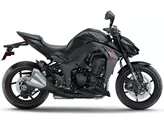
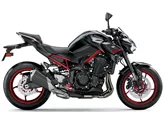
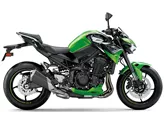
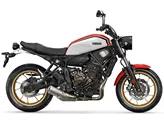
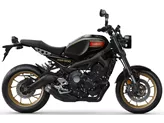
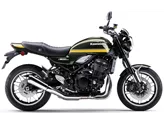
Yamaha XSR900 2016 vs. Kawasaki Z900 2020

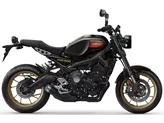
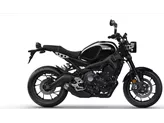
Yamaha XSR900 2016
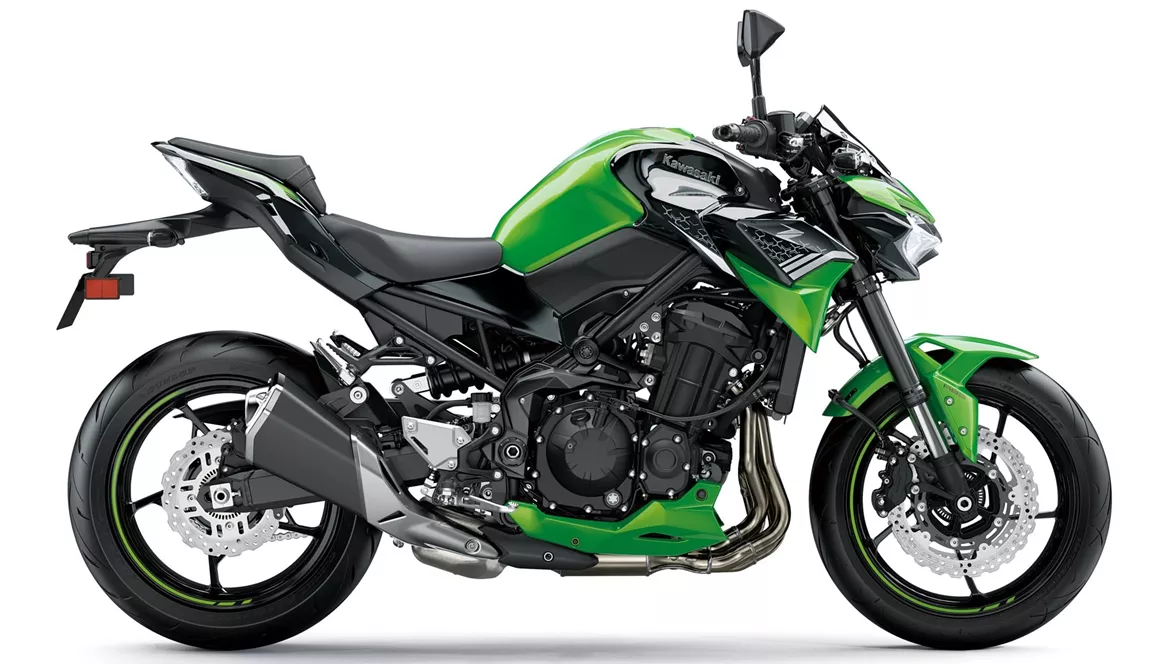
Kawasaki Z900 2020
Преглед - Yamaha XSR900 2016 vs Kawasaki Z900 2020
The Yamaha XSR900 2016 and the Kawasaki Z900 2020 are both naked bikes with similar engine types and cooling systems. However, there are several notable differences between the two models.
In terms of engine power, the Kawasaki Z900 2020 has a slight advantage with 125.4 HP compared to the Yamaha XSR900 2016's 115 HP. Similarly, the Kawasaki Z900 2020 also has a higher torque of 98.6 Nm compared to the Yamaha XSR900 2016's 87.5 Nm. This difference in power and torque may result in a more exhilarating riding experience on the Kawasaki Z900 2020.
Another difference lies in the number of cylinders. The Yamaha XSR900 2016 has a 3-cylinder engine, while the Kawasaki Z900 2020 has a 4-cylinder engine. Generally, more cylinders provide smoother power delivery and better overall performance.
Both models feature upside-down telescopic forks for the front suspension and swing arm with a monoshock for the rear suspension. This ensures good handling and stability on both bikes.
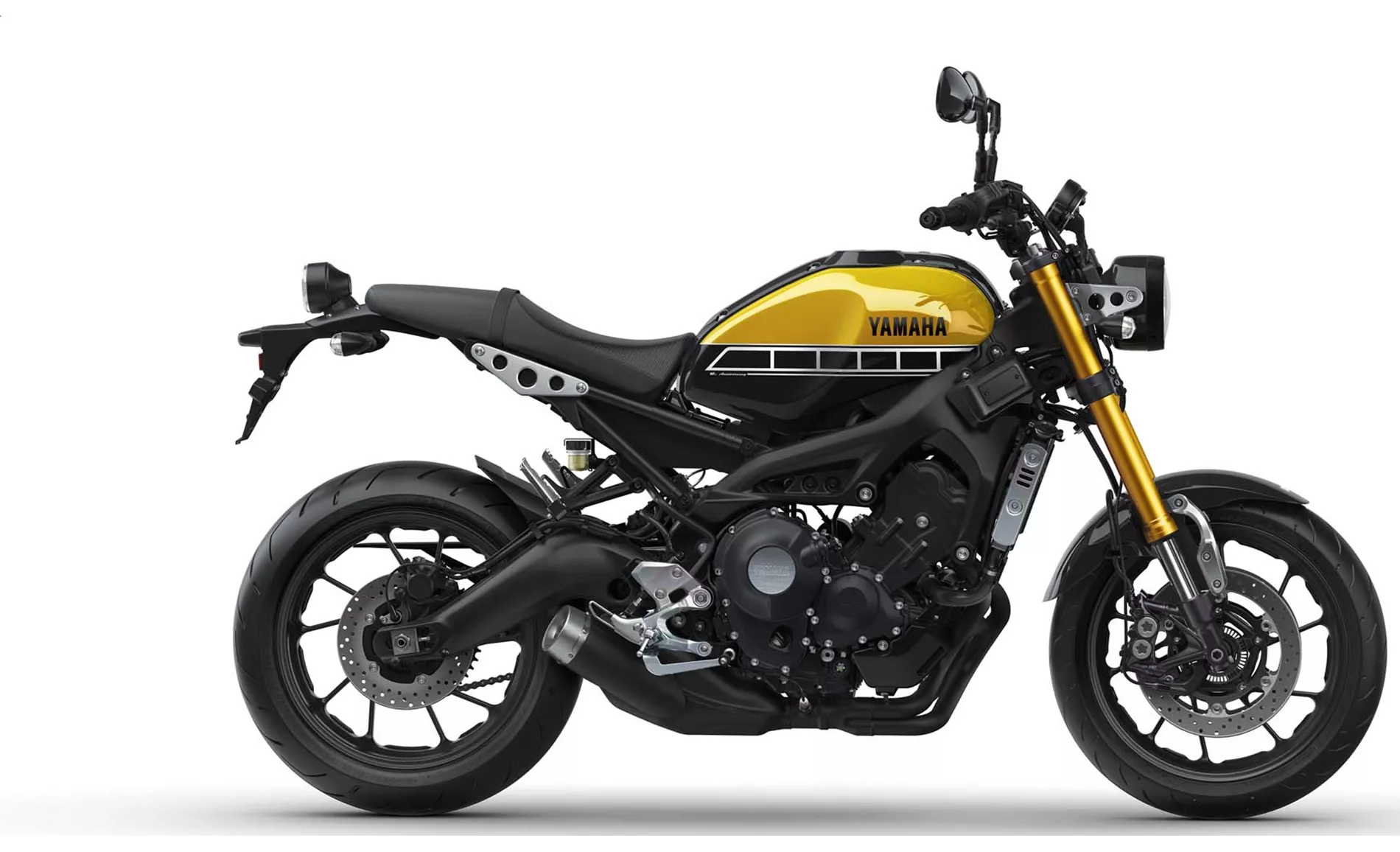
Yamaha XSR900 2016
In terms of chassis, the Yamaha XSR900 2016 features an aluminum frame with a twin tube design, while the Kawasaki Z900 2020 has a steel frame with a double cradle design. The choice of materials and frame design may affect the overall weight and stiffness of the bike, potentially influencing its handling characteristics.
Both bikes have double disk brakes at the front with similar diameters, ensuring reliable stopping power. Additionally, both models come equipped with ABS as standard, providing an added level of safety.
In terms of dimensions and weights, the Yamaha XSR900 2016 has a slightly shorter wheelbase of 1440 mm compared to the Kawasaki Z900 2020's 1450 mm. The seat height of the Yamaha XSR900 2016 is also slightly higher at 815 mm compared to the Kawasaki Z900 2020's 795 mm. However, the Yamaha XSR900 2016 is lighter with a kerb weight of 191 kg compared to the Kawasaki Z900 2020's 210 kg.
Moving on to the strengths of each model, the Yamaha XSR900 2016 is praised for its greedy engine, well-tuned riding modes, and the inclusion of ABS and TC as standard. It also receives positive feedback for its authentic modern design and clean workmanship.
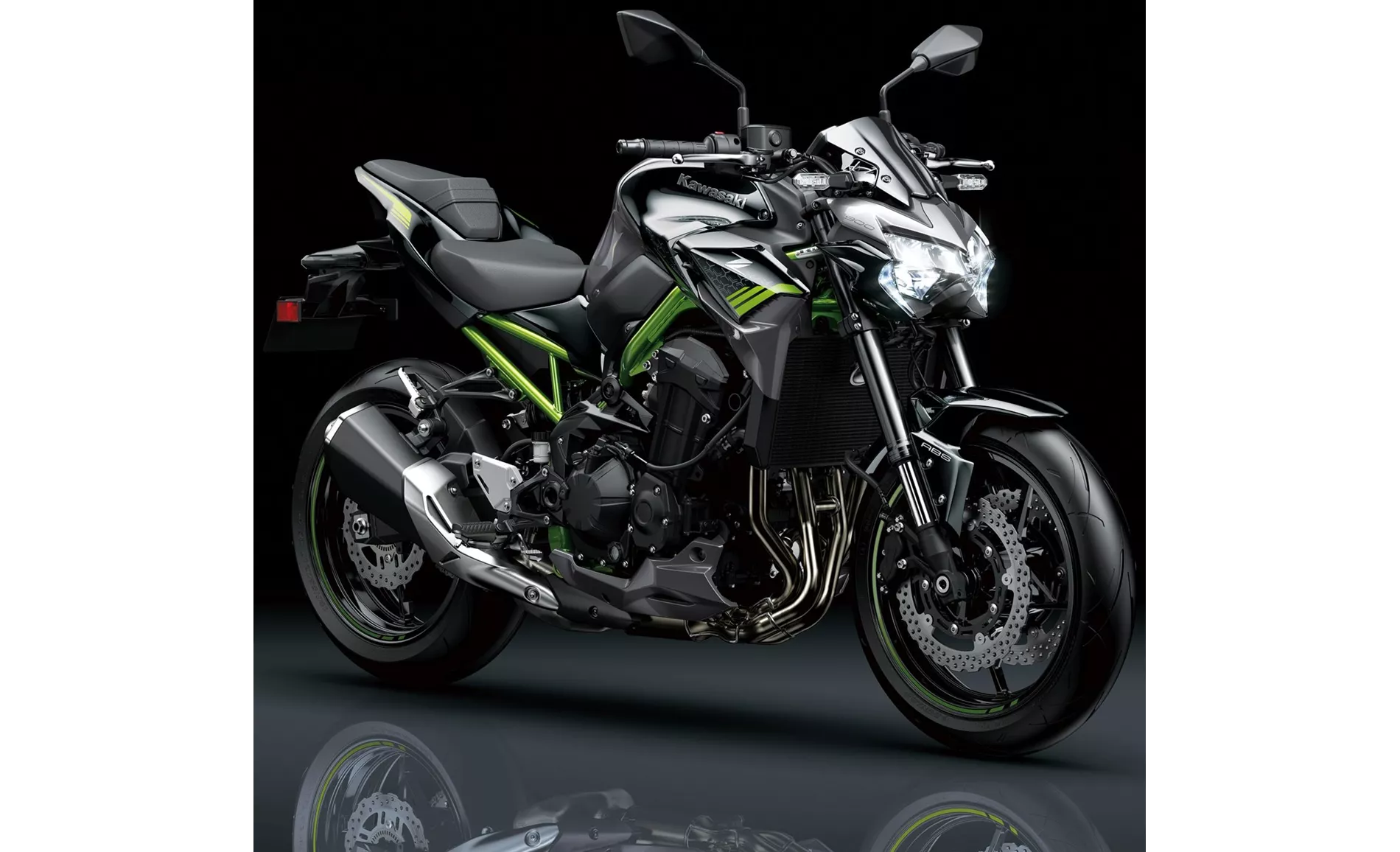
Kawasaki Z900 2020
On the other hand, the Kawasaki Z900 2020 is commended for its powerful four-cylinder engine, great handling, and good equipment. It is also noted for its aggressive looks and value for money.
However, there are also weaknesses associated with each model. The Yamaha XSR900 2016 is criticized for its hard chassis and the seat, which could be more comfortable. Additionally, the speedblock design of the bike is already present on many other models, potentially making it less unique.
The Kawasaki Z900 2020, on the other hand, has a menu navigation system that some riders find tiring to navigate. Furthermore, it lacks the option for a quickshifter, which could be a disadvantage for riders who prefer seamless gear shifts.
In conclusion, both the Yamaha XSR900 2016 and the Kawasaki Z900 2020 have their own strengths and weaknesses. The Yamaha XSR900 2016 offers a greedy engine and well-tuned riding modes, while the Kawasaki Z900 2020 boasts a powerful four-cylinder engine and great handling. Ultimately, the choice between the two models will depend on the rider's preferences and priorities.
Техничке спецификације Yamaha XSR900 2016 у поређењу са Kawasaki Z900 2020
За и против у поређењу
За и против у поређењу
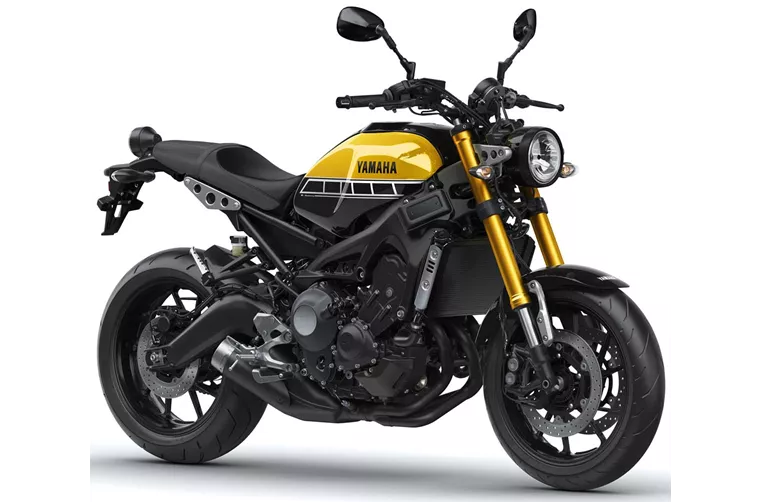
Yamaha XSR900 2016

The Yamaha XSR900 is a classic optical illusion - with its round headlight, angular tank and attached tail light, it clearly passes for a retro bike. But it's no coincidence that the performance is reminiscent of the potent mid-range naked bike Yamaha MT-09, which is the extremely sporty basis for the XSR900. So the engine is a blast and the brakes are appropriately venomous. Fortunately, the engineers didn't overdo it with the chassis, the XSR900 offers sufficient comfort and the upright riding position is more comfortable than the powerful engine would lead one to expect. All in all, the XSR900 is one of the sportiest models among the retro bikes.
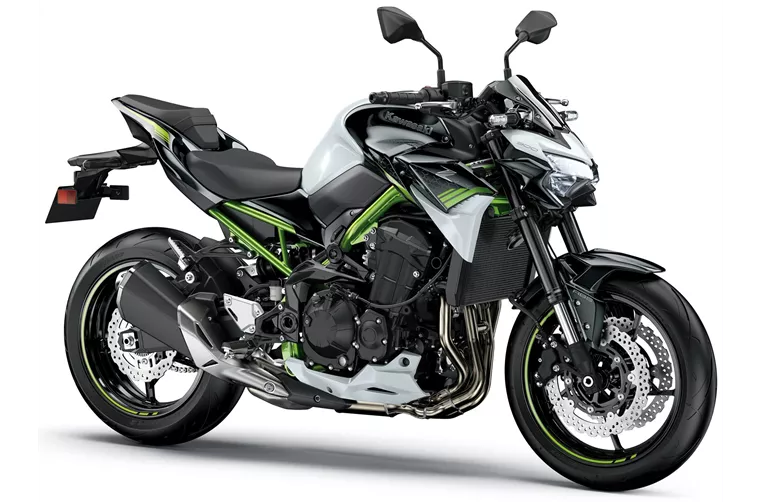
Kawasaki Z900 2020
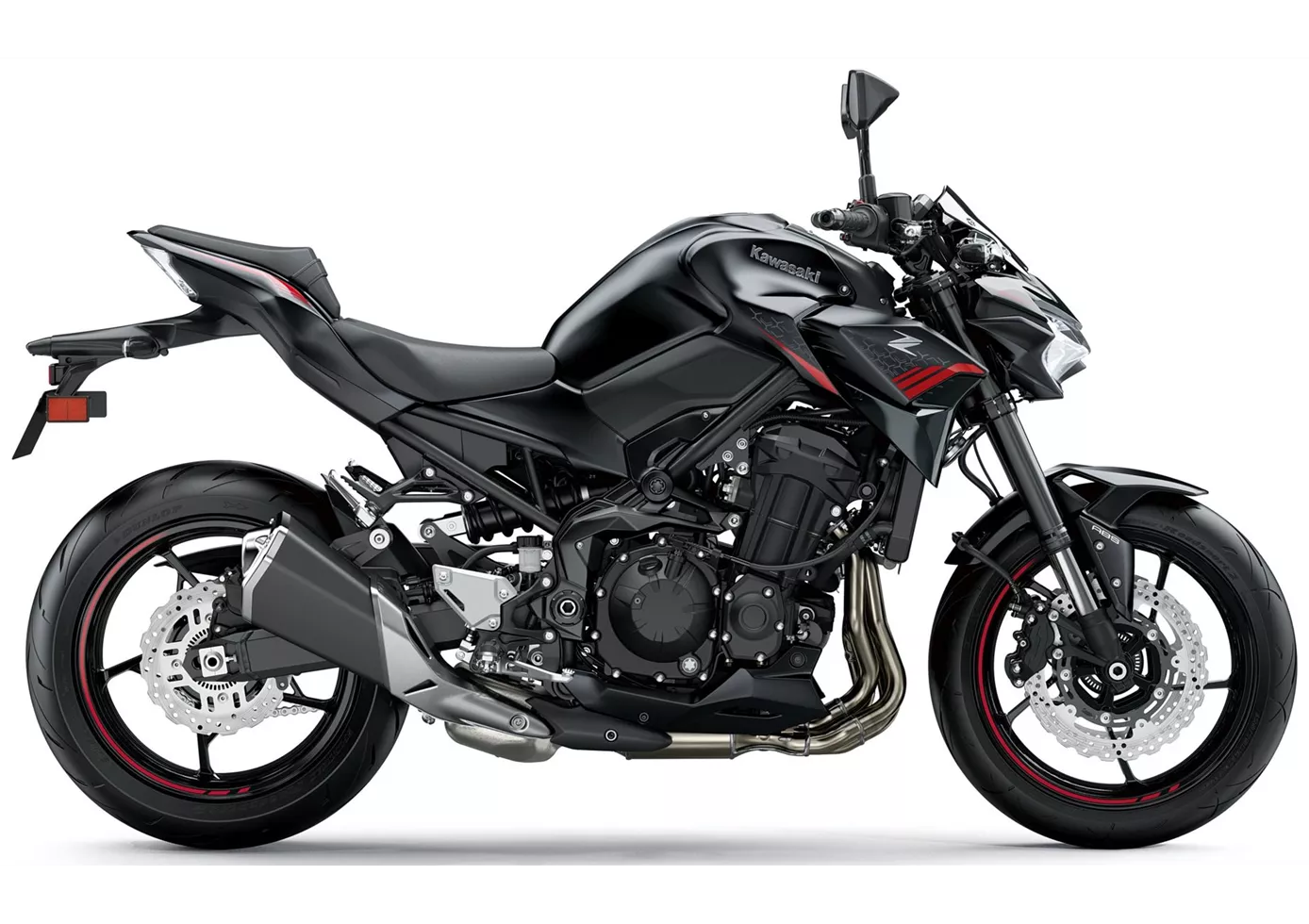
The Kawasaki Z900 may not be up to scratch when it comes to modern, lean angle-dependent electronic features, but it's relatively cheap and you shouldn't underestimate the fan base of the good old inline four - the Z900 is one of the cheapest ways to own such a great engine with just under a litre of displacement in a sporty naked bike! The higher weight is noticeable, but not massively annoying, because the handling and stability are quite alright. In terms of "outdated" electronics, the most annoying thing is the missing shift assistant, which is not even available as an option. Overall, however, the Z900 is a great naked bike with a great price-performance ratio.
Поређење цена Просечна тржишна цена Yamaha XSR900 vs Kawasaki Z900
There are a few key differences between a Yamaha XSR900 2016 and a Kawasaki Z900 2020. In terms of price, the actual average price of a Kawasaki Z900 2020 is about 31% higher. Compared to Kawasaki Z900 2020 there are less Yamaha XSR900 2016 bikes available on the 1000PS.de Marketplace, specifically 5 compared to 34. It takes less time to sell a Yamaha XSR900 with 77 days compared to 124 days for a Kawasaki Z900. Since model year 2016 1000PS.de editors have written 30 reviews for the Yamaha XSR900 and 46 reviews for the Kawasaki Z900 since model year 2017. The first review for the Yamaha XSR900 was published on 11/25/2015 and now has more than 17,600 views. This compares to more than 93,200 views for the first review on Kawasaki Z900 published on 11/11/2016.