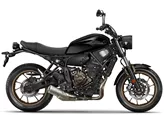
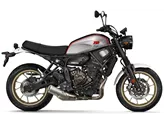
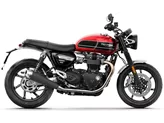
Yamaha XSR900 2016 vs. Kawasaki Z900 RS 2018
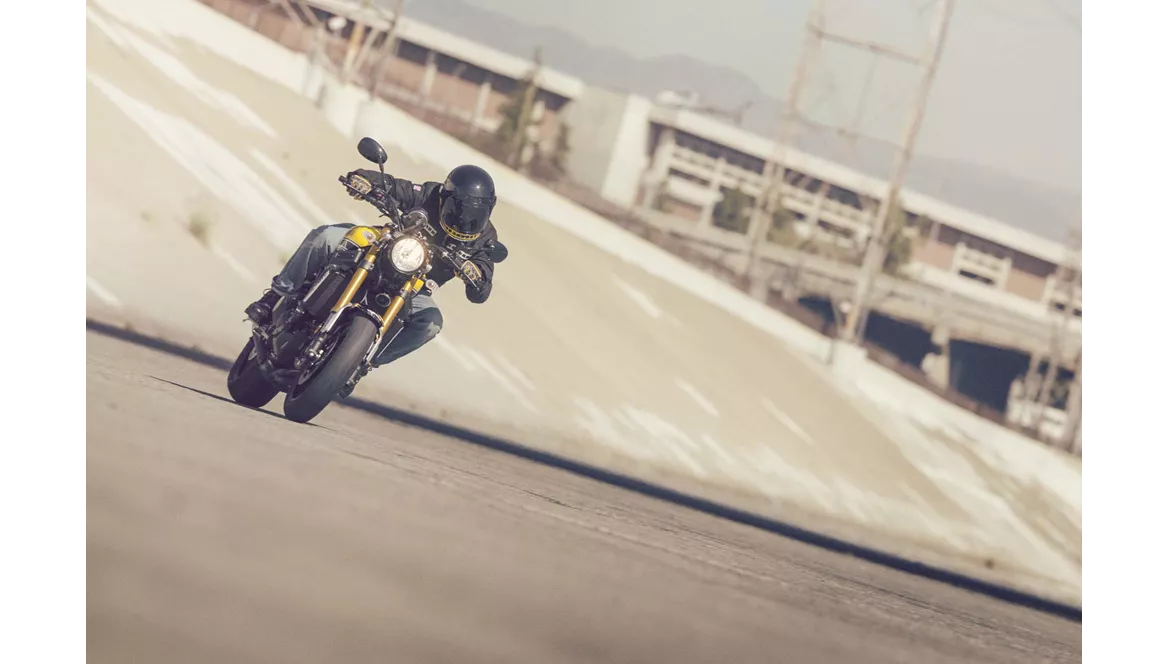
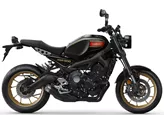
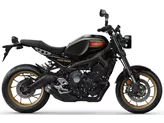
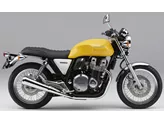
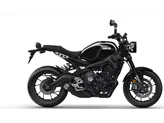
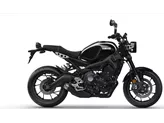
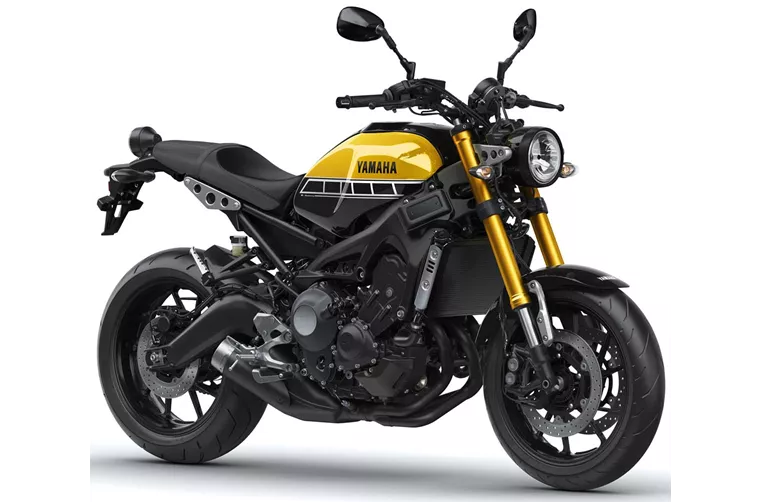
Yamaha XSR900 2016
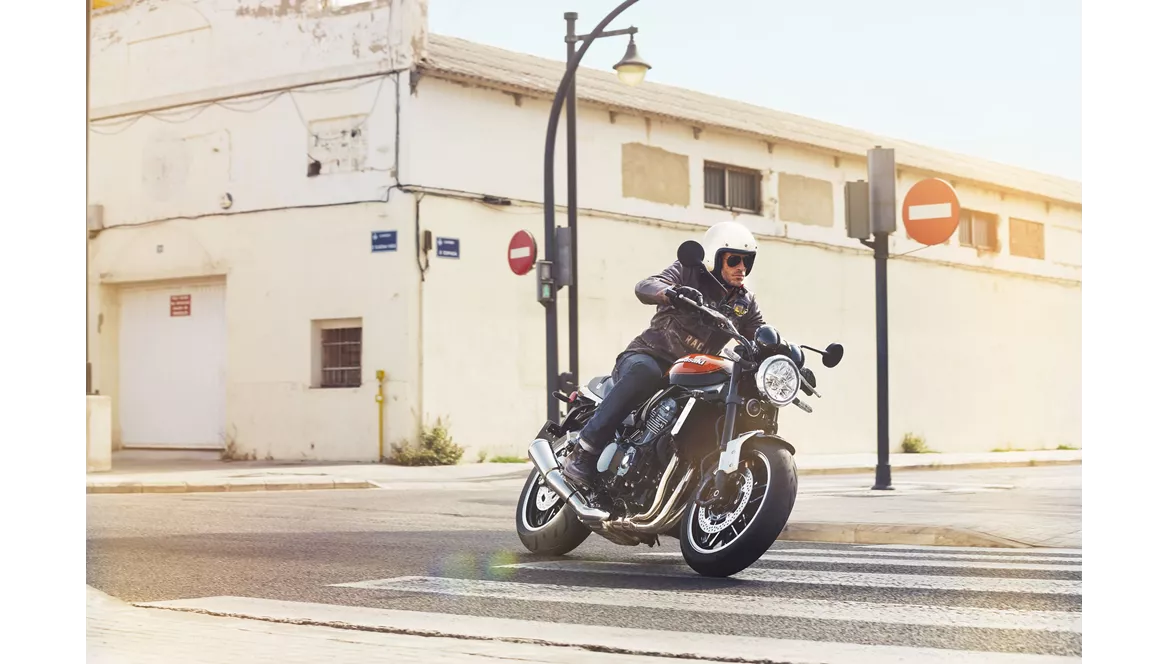
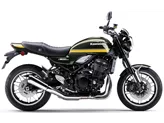
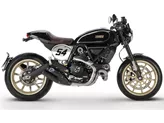
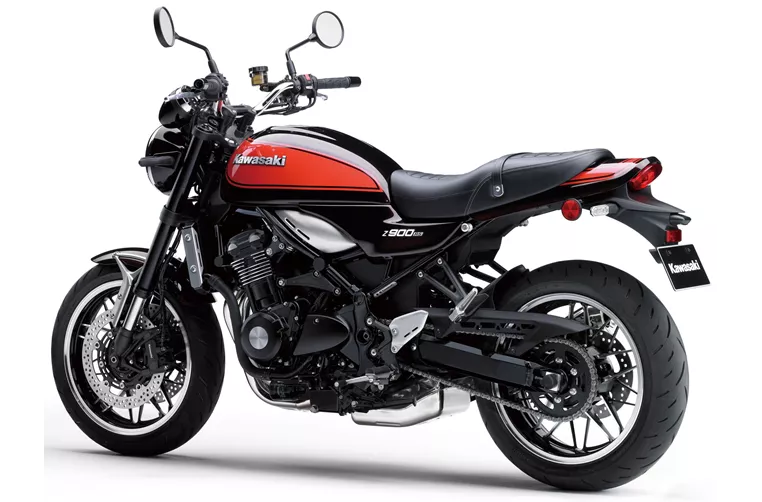
Kawasaki Z900 RS 2018
Преглед - Yamaha XSR900 2016 vs Kawasaki Z900 RS 2018
The Yamaha XSR900 2016 and the Kawasaki Z900 RS 2018 are both naked bikes with similar engine types, in line, and liquid cooling. However, there are some notable differences between the two models.
In terms of engine power, the Yamaha XSR900 2016 has a slight advantage with 115 HP compared to the Kawasaki Z900 RS 2018's 111 HP. The torque is also higher on the Yamaha XSR900 at 87.5 Nm compared to the Kawasaki Z900 RS's 98.6 Nm. The Yamaha XSR900 has 3 cylinders while the Kawasaki Z900 RS has 4 cylinders, which may result in a smoother power delivery for the latter.
Both bikes have upside-down telescopic forks for the front suspension and swing arm with a monoshock for the rear suspension. The chassis of the Yamaha XSR900 is made of aluminum and has a twin tube frame, while the Kawasaki Z900 RS has a steel frame with a tubular design. This may result in differences in weight and handling characteristics.
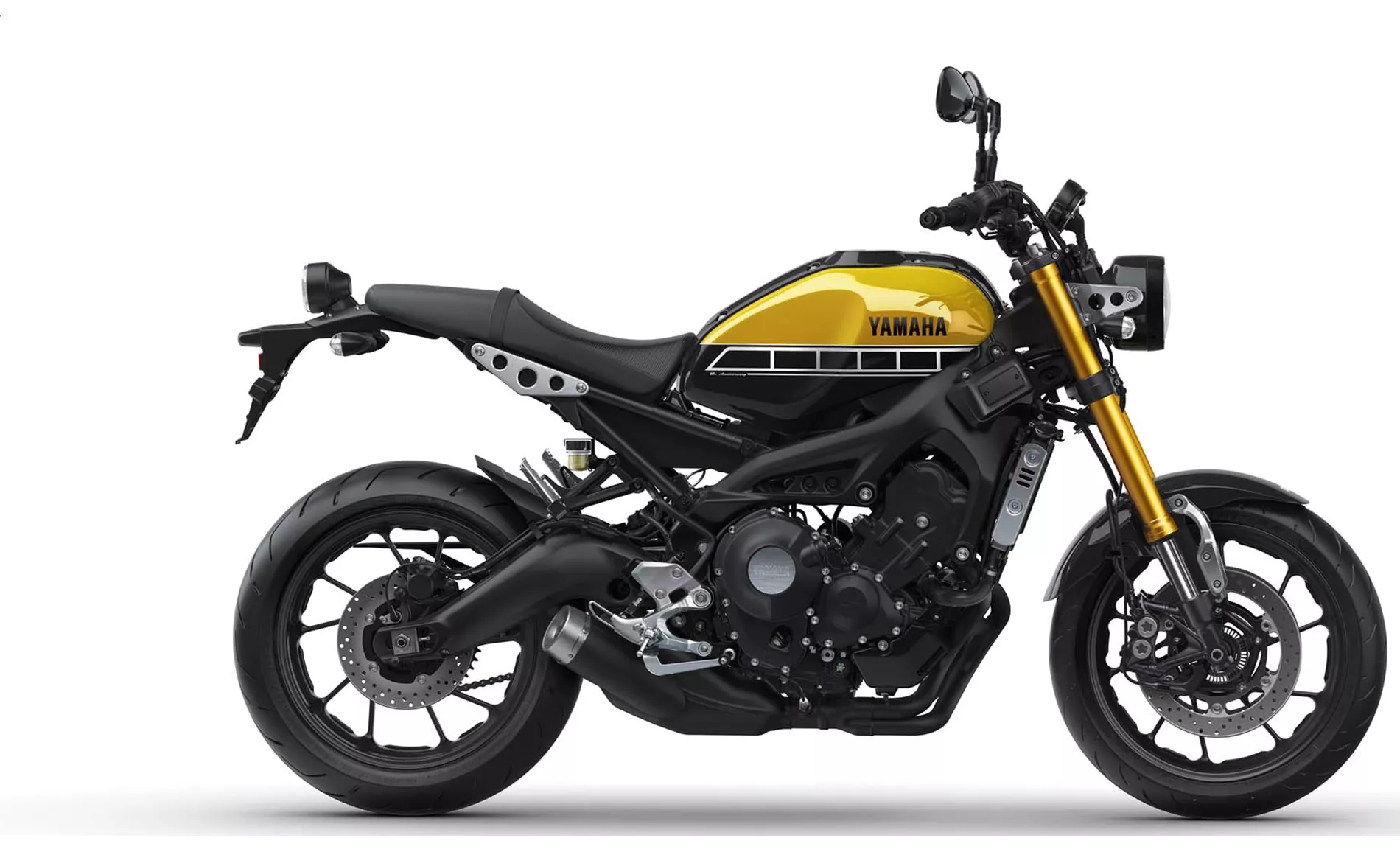
Yamaha XSR900 2016
In terms of braking, both bikes have double disk brakes at the front with similar diameters. The Yamaha XSR900 has a front tire width of 120 mm and a rear tire width of 180 mm, while the Kawasaki Z900 RS has the same tire widths. Both bikes have a 17-inch front and rear tire diameter.
The Yamaha XSR900 has a wheelbase of 1440 mm, a seat height of 815 mm, and a kerb weight of 191 kg with ABS. On the other hand, the Kawasaki Z900 RS has a slightly longer wheelbase of 1470 mm, a higher seat height of 835 mm, and a higher kerb weight of 215 kg with ABS. The fuel tank capacity of the Yamaha XSR900 is 14 l, while the Kawasaki Z900 RS has a larger capacity of 17 l.
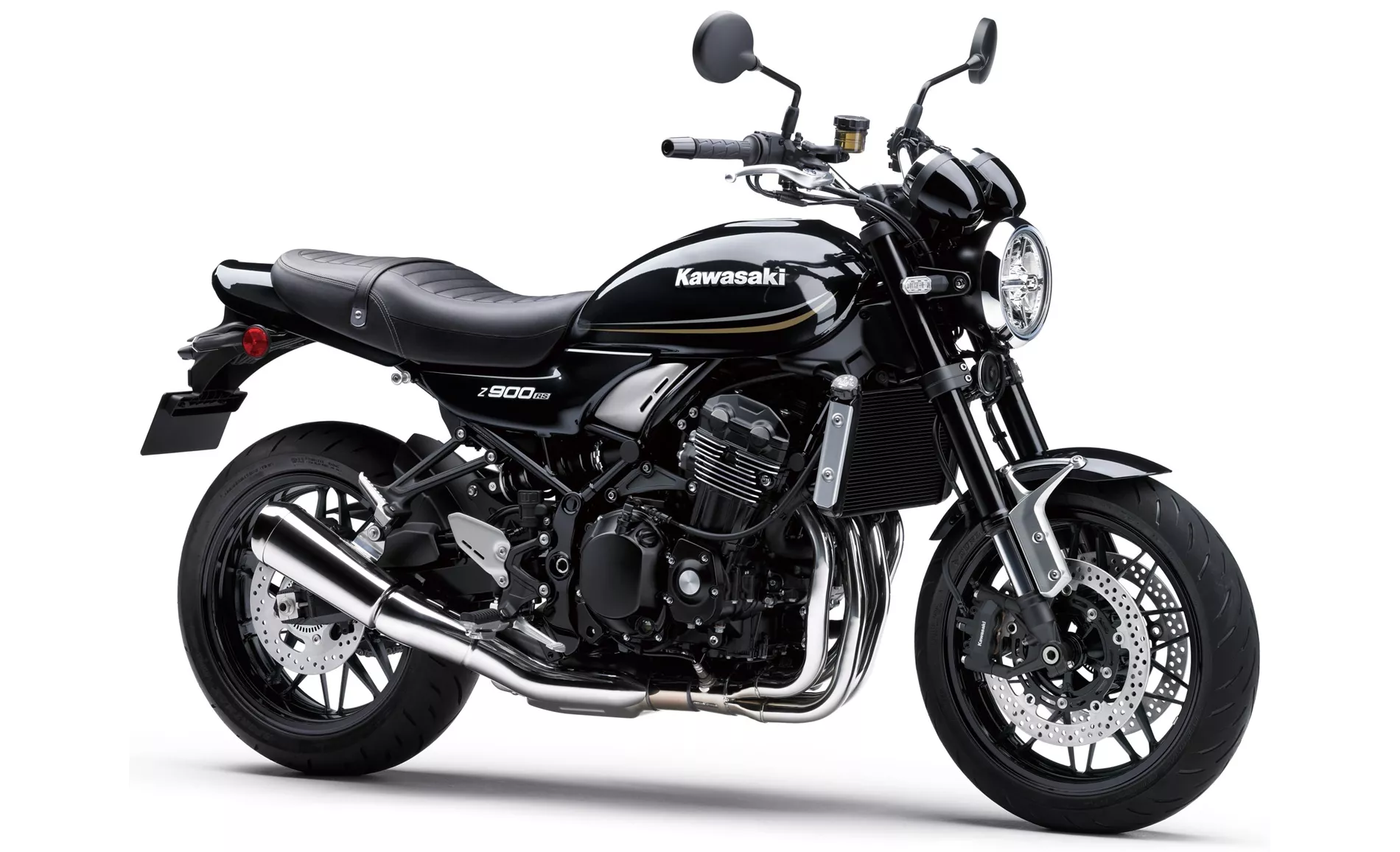
Kawasaki Z900 RS 2018
In terms of strengths, the Yamaha XSR900 is praised for its greedy engine, well-tuned riding modes, standard ABS and TC, authentic modern design, and clean workmanship. On the other hand, the Kawasaki Z900 RS is commended for its powerful and smooth engine, good looks, comfortable seating position, easy rideability, and balanced handling without being too nervous or ponderous.
However, the Yamaha XSR900 has some weaknesses including a hard chassis, a seat that could be more comfortable, and a speedblock design that is already present on many other models. The Kawasaki Z900 RS lacks a shift assistant, is heavier than other retro bikes in its class, has a seat that may be too soft on long tours, and lacks wind protection.
In conclusion, both the Yamaha XSR900 2016 and the Kawasaki Z900 RS 2018 have their own strengths and weaknesses. The Yamaha XSR900 offers a greedy engine and well-tuned riding modes, while the Kawasaki Z900 RS provides a powerful and smooth engine with a comfortable seating position. Ultimately, the choice between the two will depend on the rider's preferences and priorities.
Техничке спецификације Yamaha XSR900 2016 у поређењу са Kawasaki Z900 RS 2018
За и против у поређењу
За и против у поређењу
Yamaha XSR900 2016
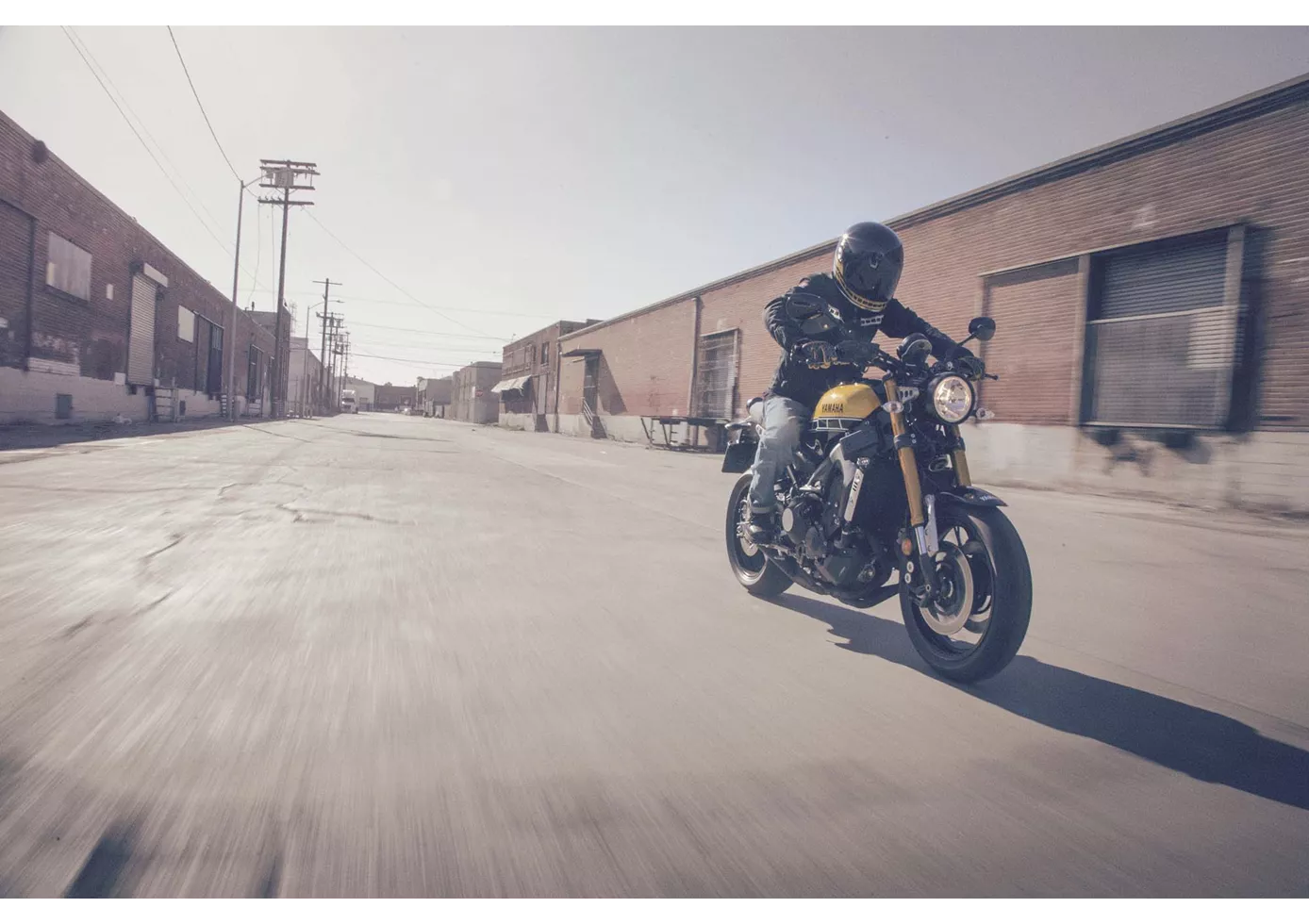
The Yamaha XSR900 is a classic case of optical illusion – with its round headlight, angular fuel tank and mounted rear light, it clearly comes across as a retro bike. However, it’s no coincidence that its performance is reminiscent of the powerful mid-range naked bike, the Yamaha MT-09, as that is the extremely sporty basis for the XSR900. The engine is therefore a real force to be reckoned with, and the brakes, as you’d expect, bite with real ferocity. Fortunately, the engineers haven’t gone overboard with the suspension; the XSR900 offers plenty of comfort, and the upright riding position is more relaxed than one might expect given the engine’s powerful acceleration. Within the retro bike segment, the XSR900 is yet one of the sportiest models overall.
Kawasaki Z900 RS 2018
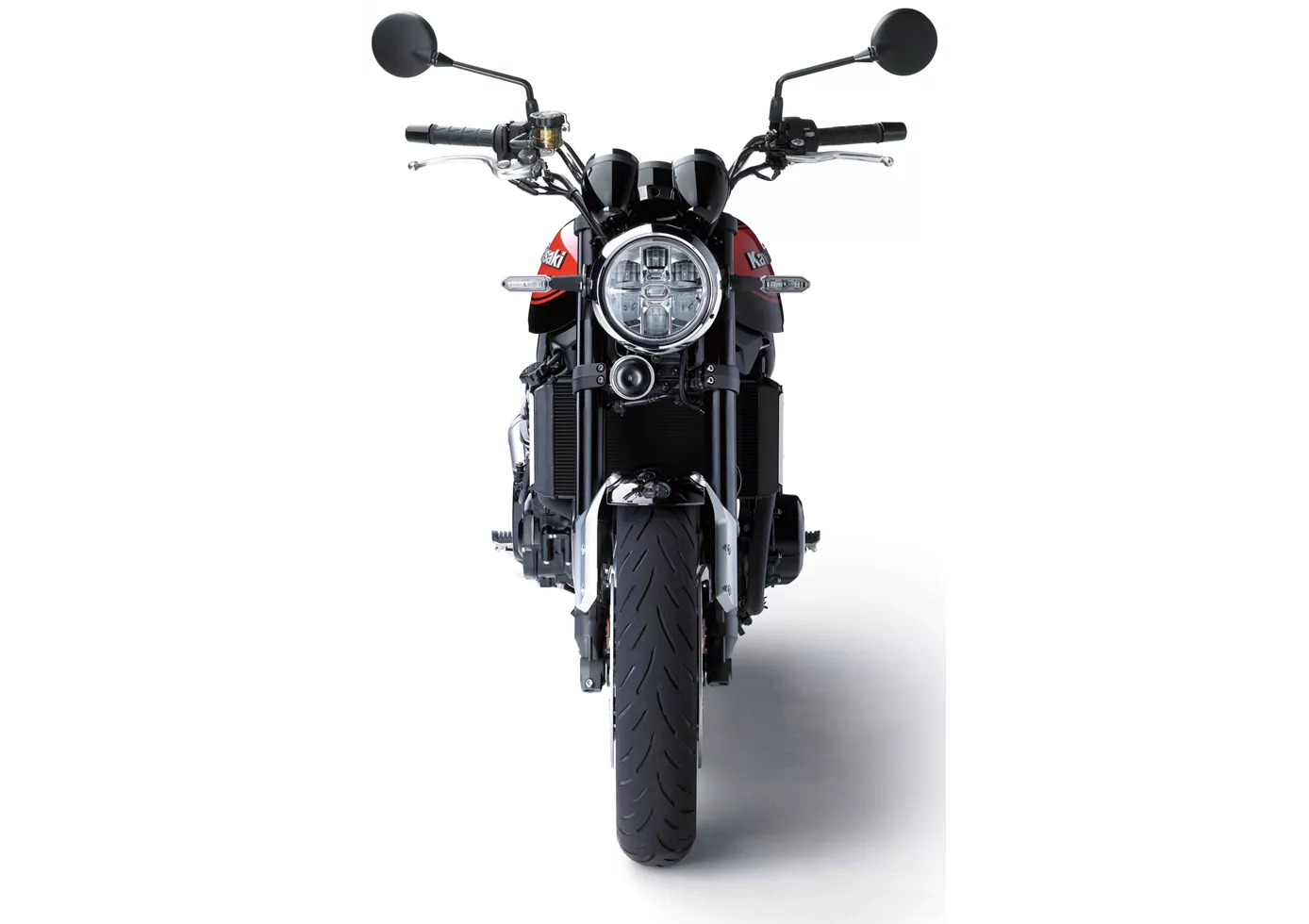
The Kawasaki Z900 RS is the perfect combination of classic design and modern technology. Its four-cylinder Inline engine, which runs silky smooth, delivers linear power and impressive elasticity across the entire rev range. The suspension strikes an ideal balance between comfort and stability, making it perfect for both long-distance riding and sporty riding. Despite the lack of a windscreen, the Z900 RS impresses with a comfortable riding position and agile riding performance. Aesthetically, it pays homage to the legendary Z1, whilst modern features such as traction control and high-quality build quality round off a very successful overall package. For anyone looking to combine a retro look with modern power, the Z900 RS is a reliable and versatile companion, both for everyday use and for longer tours.
Поређење цена Просечна тржишна цена Yamaha XSR900 vs Kawasaki Z900 RS
There are a few key differences between a Yamaha XSR900 2016 and a Kawasaki Z900 RS 2018. In terms of price, the actual average price of a Kawasaki Z900 RS 2018 is about 80% higher. A Yamaha XSR900 2016 experiences a loss of 1,650 USD in one year and 1,670 USD in two years of ownership. This is offset by a loss of 900 USD and 1,070 USD for a Kawasaki Z900 RS 2018. Compared to Kawasaki Z900 RS 2018 there are less Yamaha XSR900 2016 bikes available on the 1000PS.de Marketplace, specifically 5 compared to 28. It takes less time to sell a Yamaha XSR900 with 77 days compared to 154 days for a Kawasaki Z900 RS. Since model year 2016 1000PS.de editors have written 30 reviews for the Yamaha XSR900 and 26 reviews for the Kawasaki Z900 RS since model year 2018. The first review for the Yamaha XSR900 was published on 11/25/2015 and now has more than 17,600 views. This compares to more than 63,700 views for the first review on Kawasaki Z900 RS published on 9/6/2017.