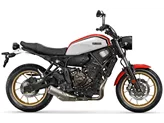
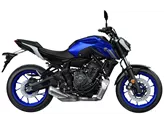
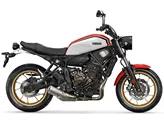
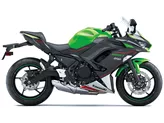
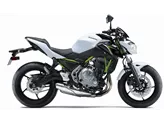
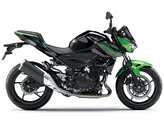
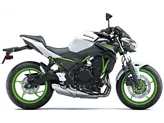
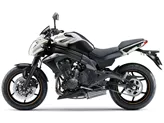
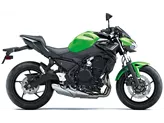
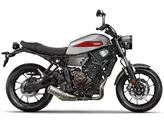
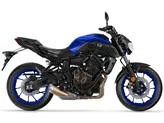
Yamaha XSR700 2016 vs. Kawasaki Z650 2020

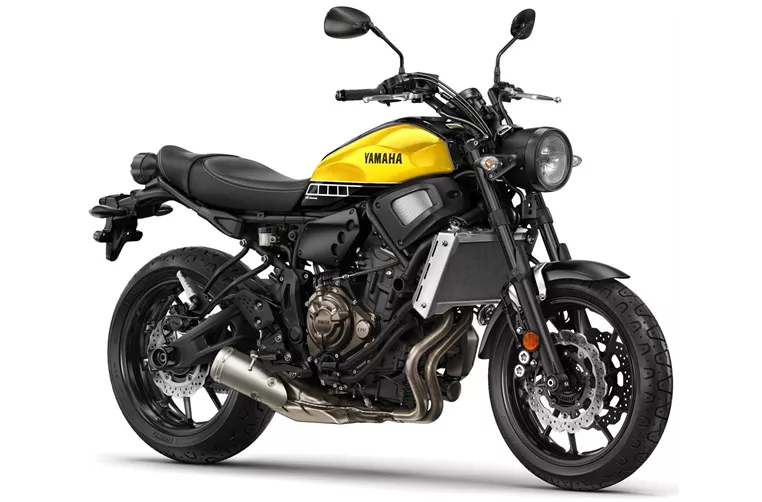
Yamaha XSR700 2016
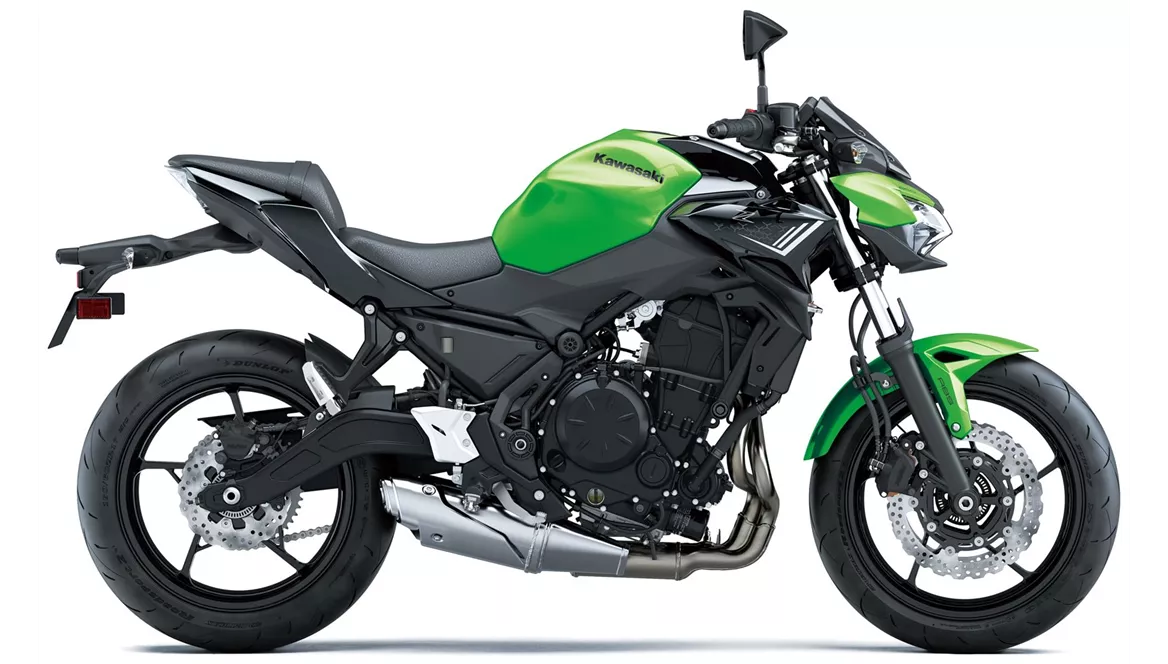
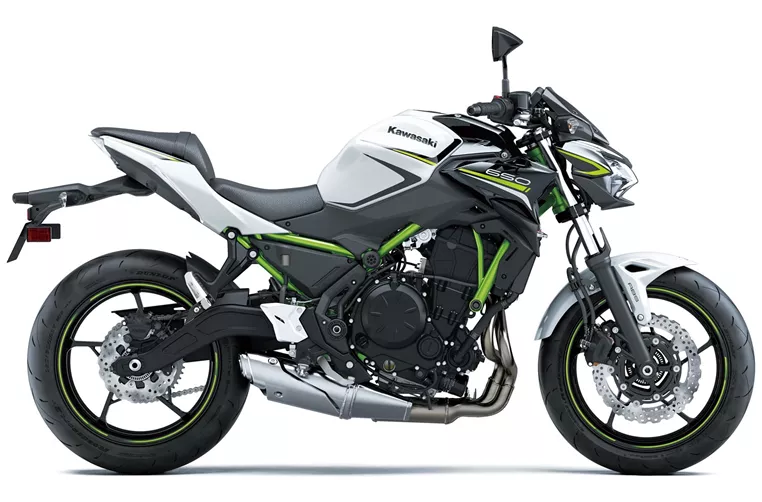
Kawasaki Z650 2020
Преглед - Yamaha XSR700 2016 vs Kawasaki Z650 2020
When comparing the Yamaha XSR700 2016 and the Kawasaki Z650 2020, there are several notable differences and similarities to consider.
Starting with the engine and drive train, both motorcycles have an inline two-cylinder engine with liquid cooling and fuel injection. The Yamaha XSR700 has a slightly higher engine power of 75 HP compared to the Kawasaki Z650's 68.2 HP. However, the torque output of the XSR700 is slightly lower at 68 Nm compared to the Z650's 65.7 Nm. In terms of displacement, the XSR700 has a slightly larger engine at 689ccm, while the Z650 has a displacement of 649ccm.
Moving on to the suspension, both bikes feature a telescopic fork front suspension and a swing arm rear suspension with a monoshock absorber. The chassis for both motorcycles is made of steel, providing stability and durability.

Yamaha XSR700 2016
In terms of braking, both bikes have double disk front brakes. However, there are some differences in the specifications. The Yamaha XSR700 has a front brake diameter of 282mm with four pistons, while the Kawasaki Z650 has a larger front brake diameter of 300mm with double pistons.
Both motorcycles are equipped with ABS as part of their advanced rider assistance systems, providing added safety and control.
When it comes to dimensions and weights, there are slight variations between the two bikes. The Yamaha XSR700 has a front tire width of 120mm and a rear tire width of 180mm, while the Kawasaki Z650 has a slightly narrower rear tire width of 160mm. Both bikes have a 17-inch front and rear tire diameter. The wheelbase of the XSR700 is 1405mm, while the Z650 has a slightly longer wheelbase of 1410mm. The seat height of the XSR700 is 815mm, whereas the Z650 has a lower seat height of 790mm. The kerb weight of the XSR700 with ABS is 186kg, while the Z650 weighs slightly more at 187.1kg. The fuel tank capacity of the XSR700 is 14 liters, while the Z650 has a slightly larger fuel tank capacity of 15 liters.
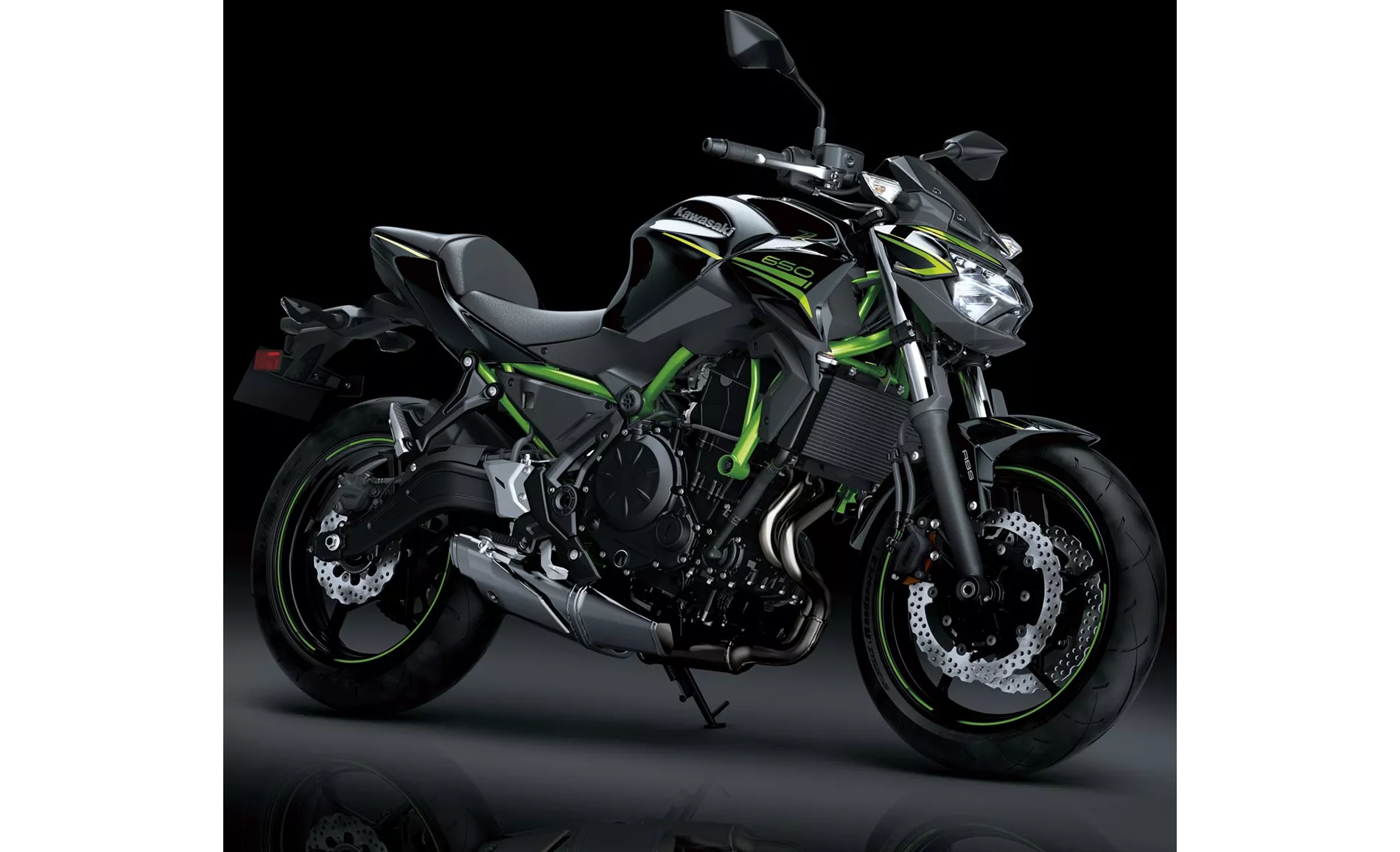
Kawasaki Z650 2020
In terms of strengths, the Yamaha XSR700 is praised for its elastic motor, direct transmission, easy handling, and good build quality. On the other hand, the Kawasaki Z650 is commended for its powerful two-cylinder engine, aggressive intake noise, compact dimensions, low seat height, stable chassis, TFT display with connectivity, and grown-up look.
However, there are also weaknesses to consider. The XSR700 is criticized for its too soft chassis and seating position that may require some getting used to. The Z650, on the other hand, has been noted to have a front brake pressure point that could be improved, potentially being uncomfortable for taller riders, and the Rideology App may not be as sophisticated as desired.
In conclusion, both the Yamaha XSR700 2016 and the Kawasaki Z650 2020 have their own strengths and weaknesses. The XSR700 offers a slightly more powerful engine and a larger displacement, while the Z650 boasts a lower seat height and a more aggressive look. Ultimately, the choice between the two would depend on the rider's preferences and priorities.
Техничке спецификације Yamaha XSR700 2016 у поређењу са Kawasaki Z650 2020
За и против у поређењу
За и против у поређењу
Yamaha XSR700 2016

If you want an entry-level motorbike that will keep you happy for a long time, but at the same time has a cool retro look, there's really no getting around the Yamaha XSR 700. With the MT-07 as the technical basis, you're buying what is probably the most popular beginner's motorbike at the moment - just in a different guise. The XSR 700's greatest triumph is its unbelievably elastic in-line two-cylinder, which neither overtaxes beginners nor bores experienced motorcyclists. The throttle response is pleasantly direct and the power develops very harmoniously, there will never be an 'oops' moment here. However, the XSR 700 should be seen as a relaxed cruiser rather than a sporty motorbike. The chassis sways very easily when ridden fast and brings uncertainty into the vehicle. Experienced riders will find it easy to cope with, but a beginner may be overwhelmed.
Kawasaki Z650 2020
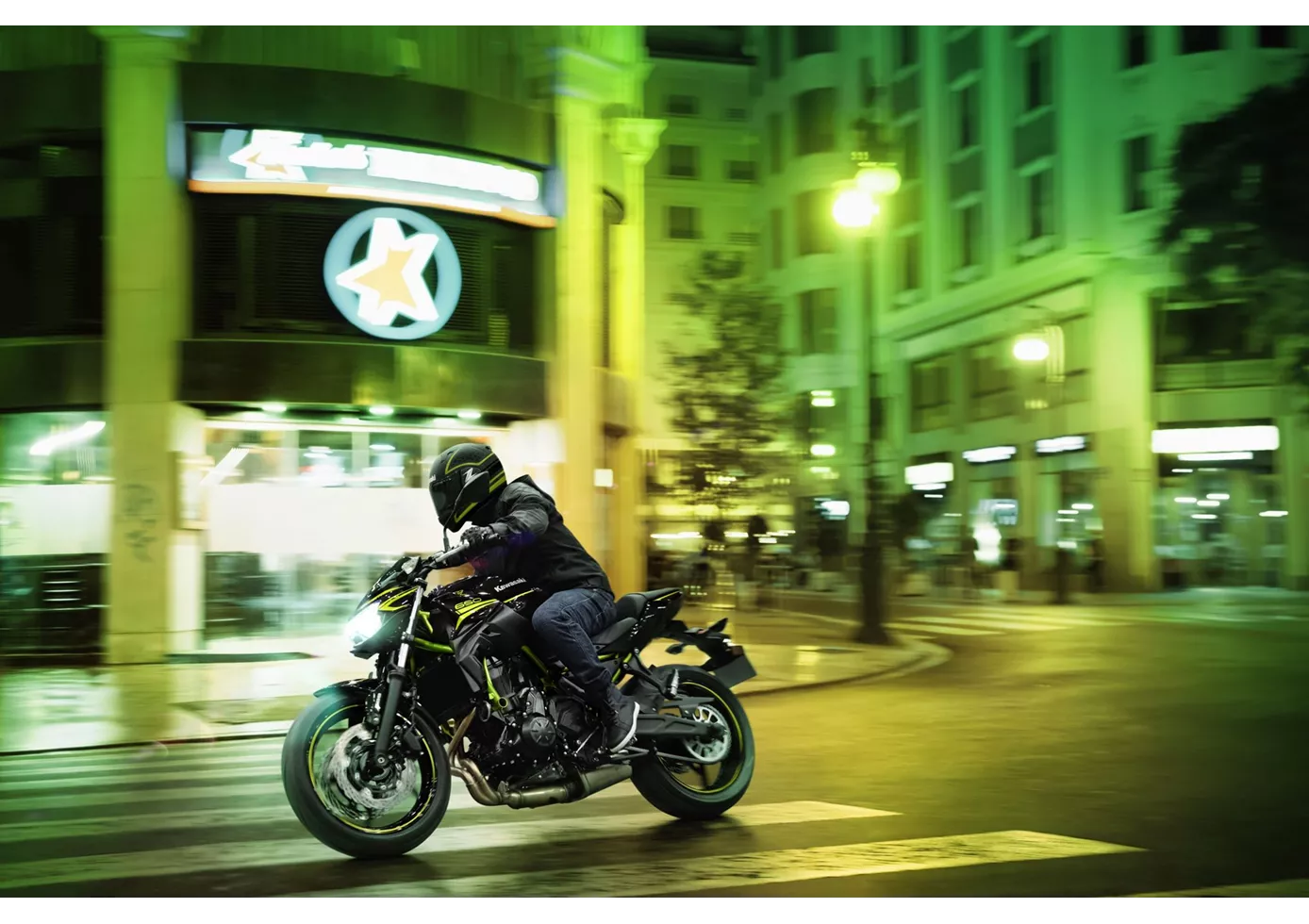
It's simply marvellous what Kawasaki has put together in a complete package with the new Z650. The technical components may not knock your socks off individually, but in combination they make for a pleasantly neutral motorbike that everyone will enjoy. No bitchy idiosyncrasies - simply a naked bike that works really well on winding country roads. Of course, the TFT display, which we don't find in the competition at the moment, is a plus, as is the grown-up look, which is strongly oriented towards the larger Z models. Only the pressure point of the front brake could have been more clearly defined - but you can't have everything in this price range.
Поређење цена Просечна тржишна цена Yamaha XSR700 vs Kawasaki Z650
There are a few key differences between a Yamaha XSR700 2016 and a Kawasaki Z650 2020. In terms of price, the actual average price of a Yamaha XSR700 2016 is about 7% higher. A Yamaha XSR700 2016 experiences a loss of 100 USD in one year of ownership. This is offset by a loss of 30 USD for a Kawasaki Z650 2020. Compared to Kawasaki Z650 2020 there are less Yamaha XSR700 2016 bikes available on the 1000PS.de Marketplace, specifically 9 compared to 21. It takes less time to sell a Kawasaki Z650 with 80 days compared to 85 days for the Yamaha XSR700. Since model year 2015 1000PS.de editors have written 26 reviews for the Yamaha XSR700 and 31 reviews for the Kawasaki Z650 since model year 2017. The first review for the Yamaha XSR700 was published on 7/22/2015 and now has more than 13,700 views. This compares to more than 25,000 views for the first review on Kawasaki Z650 published on 11/8/2016.