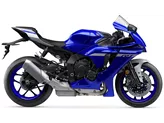
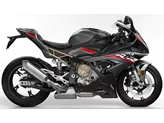
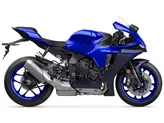
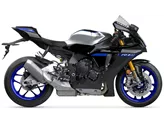
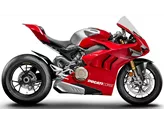
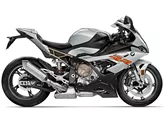
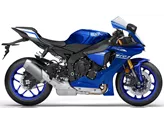
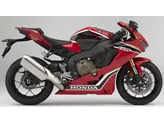
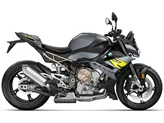
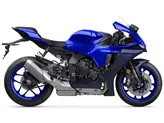
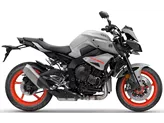
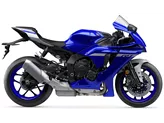
BMW S 1000 RR 2012 vs. Yamaha R1 2018
BMW S 1000 RR 2012
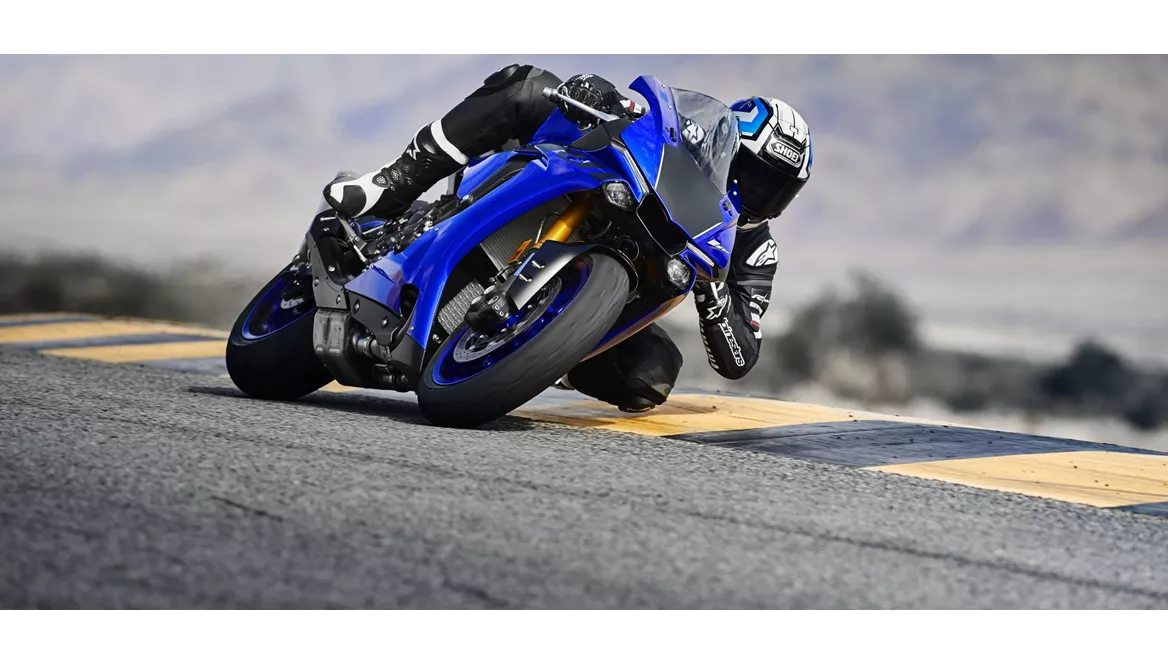
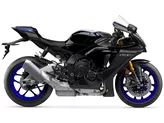
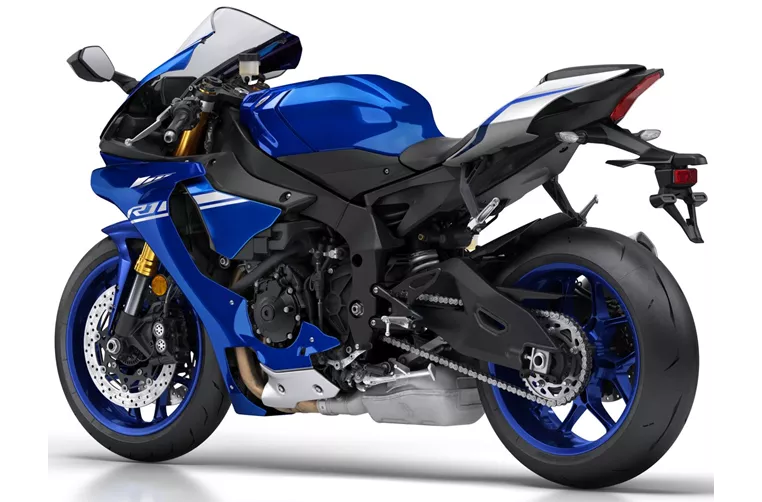
Yamaha R1 2018
Vue d’ensemble - BMW S 1000 RR 2012 vs Yamaha R1 2018
The BMW S 1000 RR model year 2012 and the Yamaha R1 model year 2018 are both high-performance supersport motorcycles that offer impressive power and handling. However, there are some notable differences between the two models.
In terms of engine specifications, the BMW S 1000 RR 2012 has a slightly larger bore of 80 mm compared to the Yamaha R1 2018's 79 mm. The stroke of the BMW is 49.7 mm, while the Yamaha has a stroke of 50.9 mm. Both bikes have a 4-cylinder engine with a displacement of around 1000 cc. The BMW produces 192 HP of power, while the Yamaha offers a slightly higher power output of 200 HP. Both bikes have a compression ratio of 13 and similar torque figures, with the BMW producing 112 Nm and the Yamaha offering 112.4 Nm.
In terms of suspension, the BMW S 1000 RR 2012 features a telescopic fork at the front, while the Yamaha R1 2018 is equipped with an upside-down telescopic fork. Both bikes have an aluminum frame, with the BMW utilizing a Twin Tube frame type and the Yamaha featuring a Deltabox frame.
BMW S 1000 RR 2012
Both bikes have a double disk braking system at the front, ensuring excellent stopping power. The dimensions and weights of the two motorcycles are also quite similar, with both having a front tire width of 120 mm and a rear tire width of 190 mm. The wheelbase of the BMW is slightly longer at 1432 mm compared to the Yamaha's 1405 mm. The seat height of the Yamaha is higher at 855 mm, while the BMW offers a slightly lower seat height of 820 mm. The kerb weight of the Yamaha is lighter at 199 kg compared to the BMW's 207 kg. Both bikes have a fuel tank capacity of around 17 liters.
In terms of strengths, the BMW S 1000 RR 2012 offers a complete electronic equipment package, including advanced features such as ABS. It also has a strong engine and is known for its impressive speed on the road. Additionally, the BMW has an appropriate appearance that appeals to many riders.
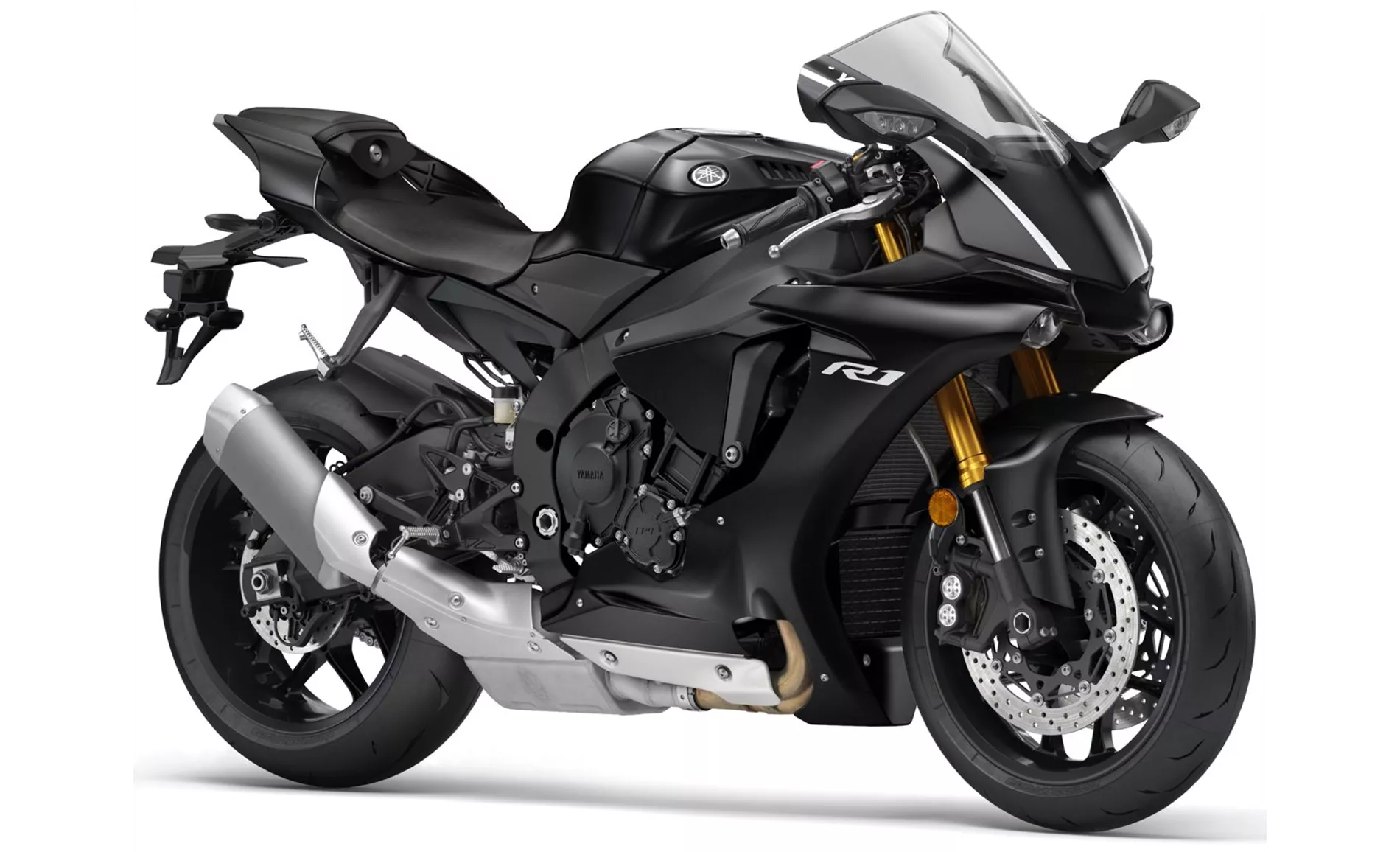
Yamaha R1 2018
On the other hand, the Yamaha R1 2018 has a very rev-happy engine that delivers an exhilarating riding experience. It also has a great sound and offers terrific handling, making it a favorite among riders who enjoy a more aggressive riding style. Despite its compact and radical design, the Yamaha R1 offers great seating comfort. It also boasts high-quality electronic equipment and noble components that are manufactured using the most modern methods.
In terms of weaknesses, the BMW S 1000 RR 2012 has a chassis that some riders may find complicated and takes time to get used to. On the other hand, the Yamaha R1 2018 requires an agile driving style and may not be as comfortable for leisurely rides.
In conclusion, both the BMW S 1000 RR 2012 and the Yamaha R1 2018 are impressive supersport motorcycles with their own unique strengths and weaknesses. The BMW offers a strong engine and complete electronic equipment, while the Yamaha delivers a thrilling riding experience with its rev-happy engine and excellent handling. Ultimately, the choice between the two models will depend on the rider's preferences and riding style.
Caractéristiques techniques BMW S 1000 RR 2012 par rapport à Yamaha R1 2018
Avantages et inconvénients en comparaison
Avantages et inconvénients en comparaison
BMW S 1000 RR 2012
Avec des faits concrets, la BMW peut encore marquer des points en 2015. Si vous aimez les performances de pointe, vous devez acheter la BMW. Elle vire en haut avec une puissance incroyable et distancie le reste du peloton dès 200. Les pilotes grands et lourds pourront en profiter encore plus. BMW n'a pas choisi la facilité avec cette machine et a mis sur pied une moto très universelle. Si l'on faisait un test comparatif avec 50 pilotes différents (du rookie au professionnel), la BMW obtiendrait la meilleure moyenne de toutes les motos de 1000 cm3. Le châssis électronique, mais aussi les aides à la conduite, permettent aux professionnels d'aller vite et aux débutants de rouler en toute sécurité. Une recommandation top pour un groupe cible très large. Les pilotes amateurs très rapides ne seront pas satisfaits à 100% par le châssis de série. Ceux qui ne souhaitent pas modifier le châssis devraient plutôt se tourner vers une R1M, une Panigale S ou encore une RSV RF. Quant à ceux qui modifient de toute façon leur moto, ils trouveront avec la S 1000 RR la base la plus puissante et la plus universelle. De manière surprenante, cette machine à la puissance d'ours se comporte également très bien sur les routes de campagne. Dans l'ensemble, cela ressemble à un compromis, mais dans la pratique, ce n'est jamais le cas.
Yamaha R1 2018
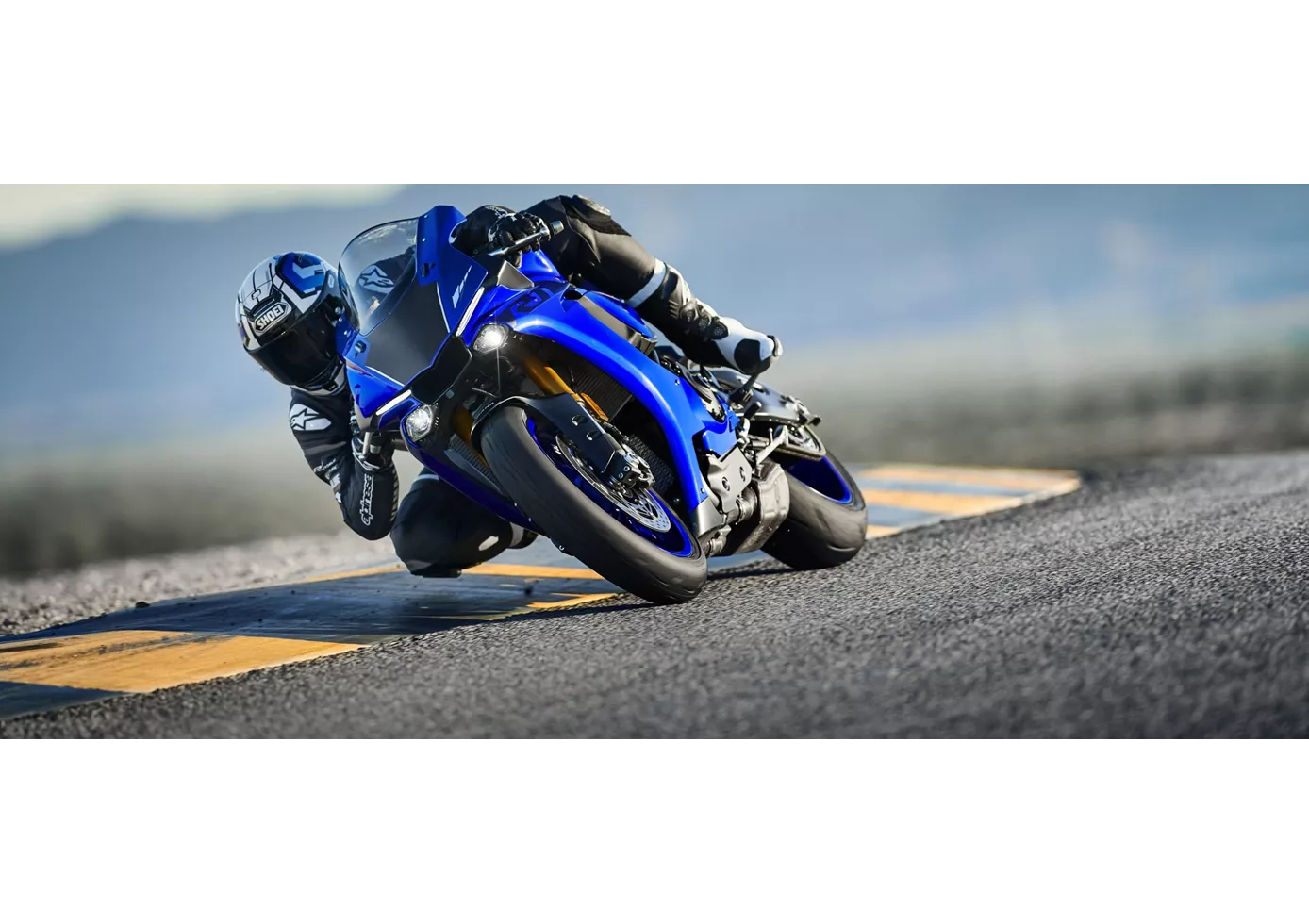
La Yamaha YZF-R1 est arrivée à maturité et fait le bonheur d'innombrables pilotes de circuit. Le moteur brille par sa légèreté et son agilité, la position de conduite surprend positivement et la maniabilité est radicale mais toujours "adaptée à la masse". La machine attire immédiatement l'attention par son aspect et aussi par sa sonorité qui fait chaud au cœur. C'est surtout sur les routes de campagne que la moto marque des points avec les atouts qu'on lui connaît : super moteur, super électronique, super ensemble ! Un vrai plaisir de conduire !
Comparaison des prix Prix moyen du marché BMW S 1000 RR vs Yamaha R1
There are a few key differences between a BMW S 1000 RR 2012 and a Yamaha R1 2018. There are the same number of bikes of both models available on the 1000PS.de marketplace, specifically 10. It takes less time to sell a Yamaha R1 with 52 days compared to 64 days for the BMW S 1000 RR. Since model year 2010 1000PS.de editors have written 135 reviews for the BMW S 1000 RR and 80 reviews for the Yamaha R1 since model year 2005. The first review for the BMW S 1000 RR was published on 4/16/2008 and now has more than 4,000 views. This compares to more than 3,900 views for the first review on Yamaha R1 published on 4/28/2003.