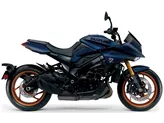
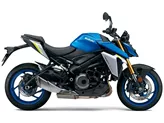
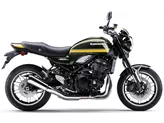
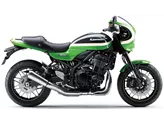
Suzuki GSX-S1000 2015 vs. Kawasaki Z900 RS 2021
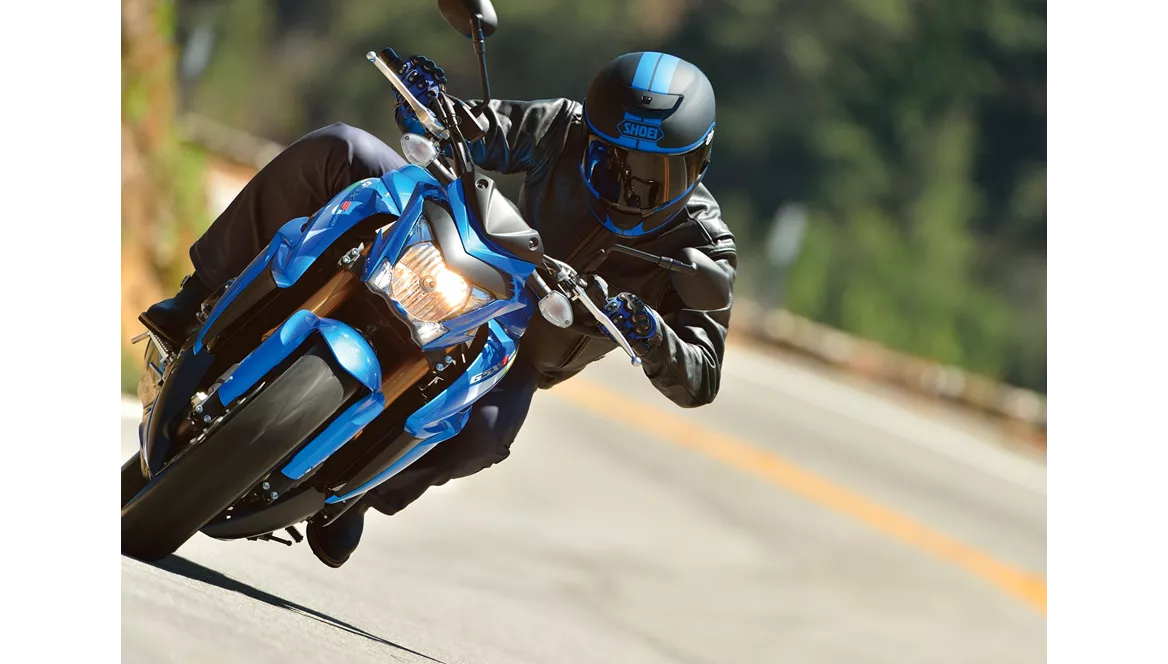
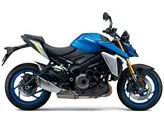
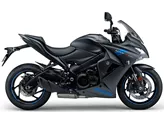
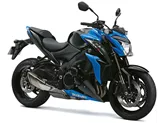
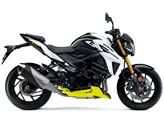
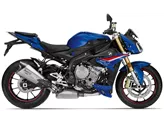
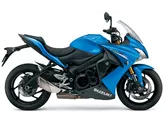
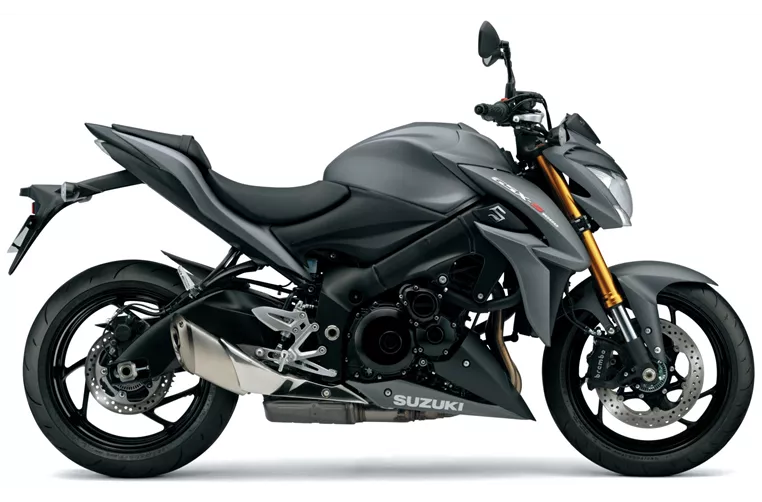
Suzuki GSX-S1000 2015
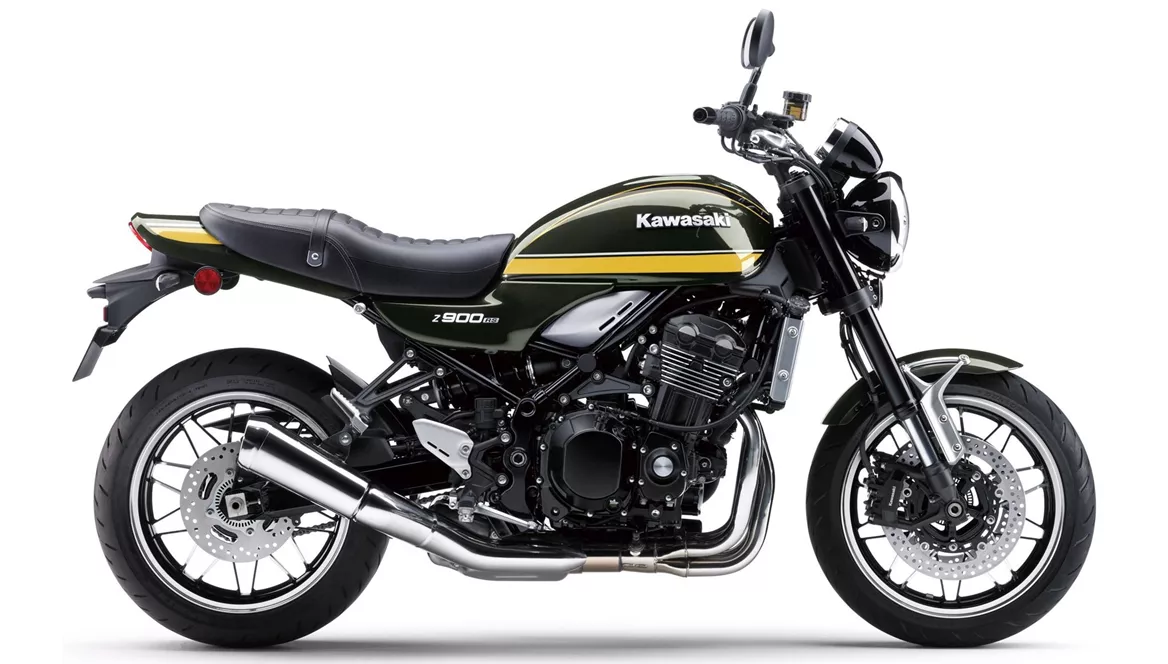
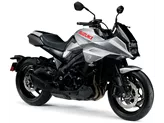
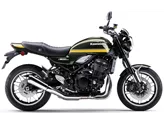
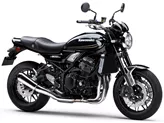
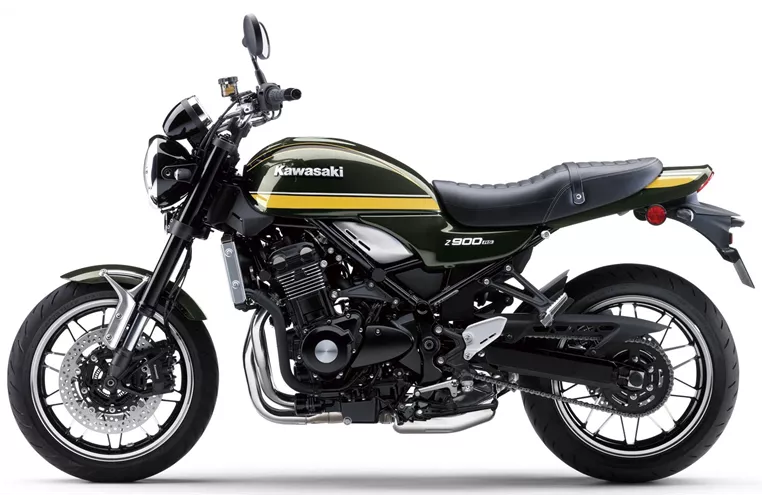
Kawasaki Z900 RS 2021
Vue d’ensemble - Suzuki GSX-S1000 2015 vs Kawasaki Z900 RS 2021
The Suzuki GSX-S1000 2015 and the Kawasaki Z900 RS 2021 are both naked bikes with similar engine types, fuel systems, and cooling systems. However, there are several differences between the two models.
In terms of engine power, the Suzuki GSX-S1000 2015 has a higher output with 149 HP compared to the Kawasaki Z900 RS 2021, which has 111 HP. This means that the Suzuki model may offer more acceleration and top speed capabilities.
When it comes to torque, the Suzuki GSX-S1000 2015 also has an advantage with 106 Nm compared to the Kawasaki Z900 RS 2021's 98.6 Nm. This can result in better low-end power and overall performance.
Both bikes have four cylinders and utilize fuel injection systems for efficient fuel delivery. This ensures smooth and responsive throttle control for both models.
In terms of suspension, both bikes feature upside-down telescopic forks at the front and swing arm suspension at the rear. The suspension on both models can be adjusted for compression, preload, and rebound, allowing riders to fine-tune the bike's handling characteristics to their preferences.
The chassis construction differs between the two models. The Suzuki GSX-S1000 2015 features an aluminum frame with a twin-tube design, while the Kawasaki Z900 RS 2021 has a steel frame with a tubular design. The choice of materials and frame design can impact the bike's overall weight, stiffness, and handling characteristics.
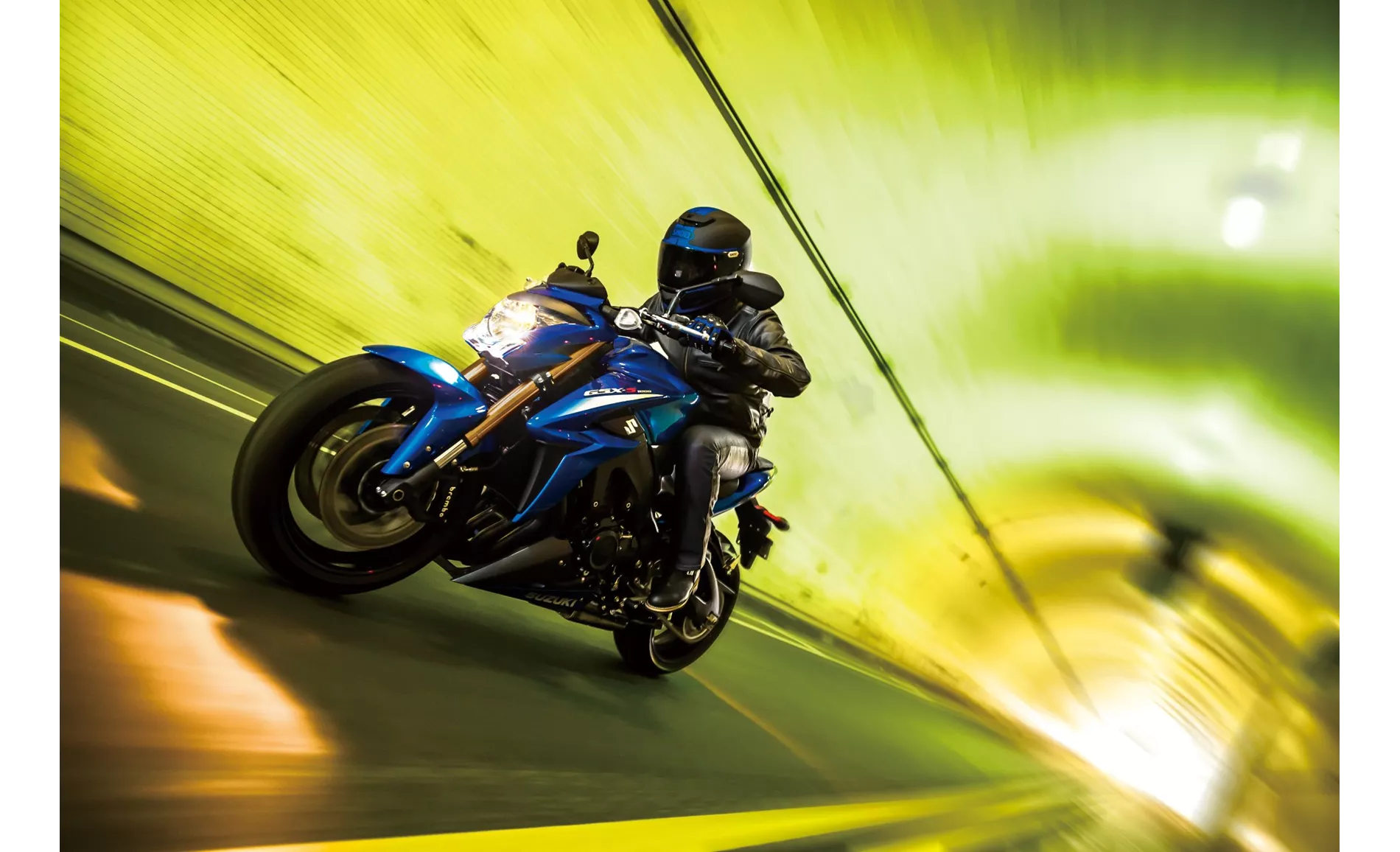
Suzuki GSX-S1000 2015
Both bikes are equipped with double disk brakes at the front, with the Suzuki GSX-S1000 2015 having slightly larger 310 mm diameter disks compared to the Kawasaki Z900 RS 2021's 300 mm diameter disks. Both models also have four-piston calipers for strong braking performance.
In terms of advanced rider assistance systems, both bikes come with ABS. However, the Kawasaki Z900 RS 2021 also features traction control, providing an additional layer of safety and control in various riding conditions.
Both bikes have similar tire dimensions, with a front tire width of 120 mm and a rear tire width of 180-190 mm. They also have the same wheelbase length of around 1460-1470 mm, providing stability and maneuverability.
When it comes to seat height, the Kawasaki Z900 RS 2021 has a slightly higher seat at 835 mm compared to the Suzuki GSX-S1000 2015's 815 mm. This may affect the comfort and ergonomics for different riders.
In terms of weight, the Suzuki GSX-S1000 2015 has a lower kerb weight of 209 kg compared to the Kawasaki Z900 RS 2021's 215 kg. This can result in better handling and maneuverability for the Suzuki model.
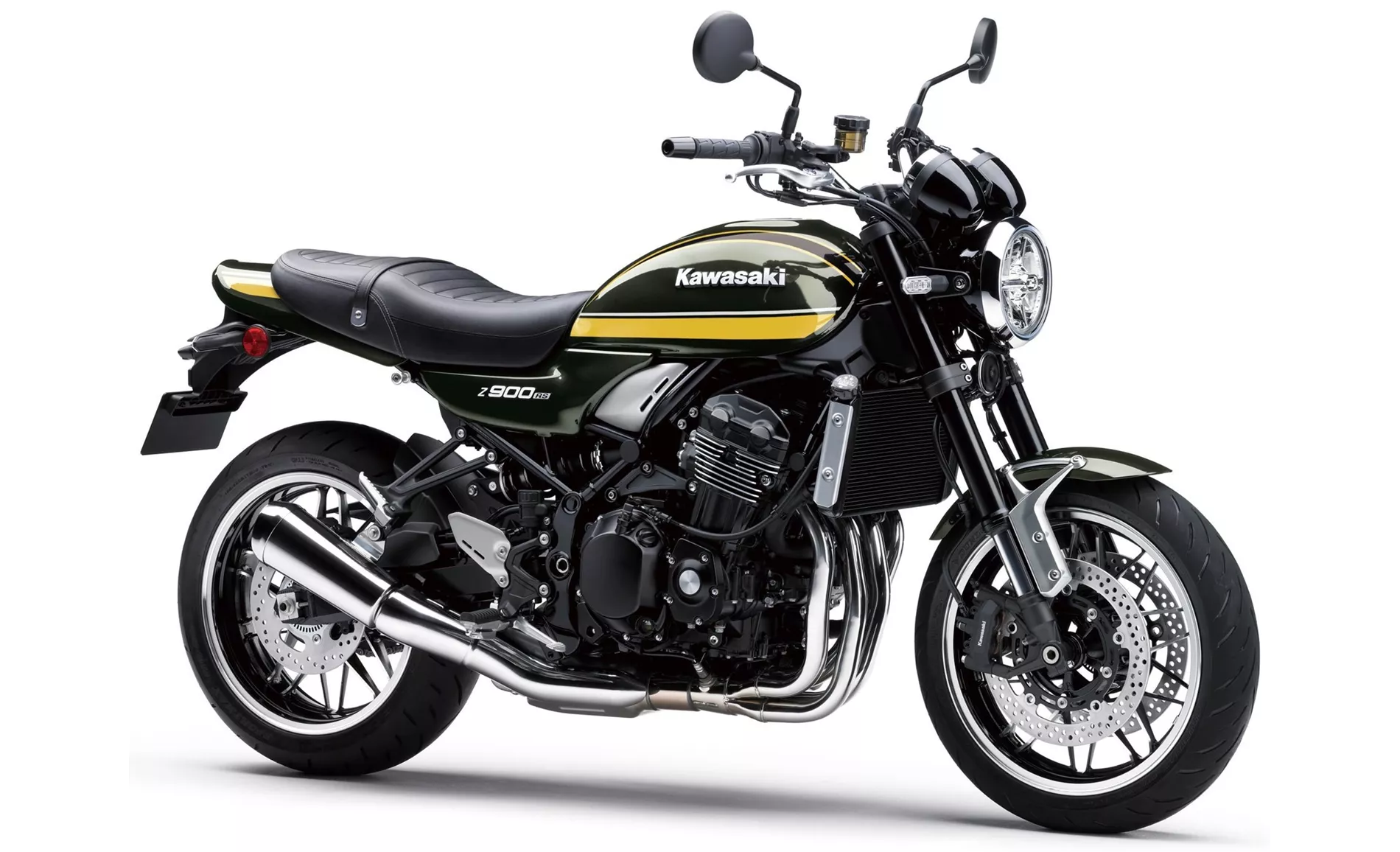
Kawasaki Z900 RS 2021
Both bikes have a fuel tank capacity of 17 liters, providing a decent range for longer rides.
In terms of strengths, the Suzuki GSX-S1000 2015 is known for its legendary Suzuki engine, sharp sound, rev-happy nature, pleasing design, strong brakes, and taut chassis. It also does not compromise on performance.
On the other hand, the Kawasaki Z900 RS 2021 stands out with its authentic and beautiful retro look, very comfortable seating position, and easy and comfortable ride.
In terms of weaknesses, the Suzuki GSX-S1000 2015 is based on an older platform, and its performance in the rev range may not be as strong as some competitors. It may also experience load change issues.
The Kawasaki Z900 RS 2021, on the other hand, lacks a quickshifter and driving modes, although it does offer adjustable traction control.
Overall, both the Suzuki GSX-S1000 2015 and the Kawasaki Z900 RS 2021 have their own unique strengths and weaknesses. The choice between the two would depend on the rider's preferences for power, handling, comfort, and style.
Caractéristiques techniques Suzuki GSX-S1000 2015 par rapport à Kawasaki Z900 RS 2021
Avantages et inconvénients en comparaison
Avantages et inconvénients en comparaison
Suzuki GSX-S1000 2015
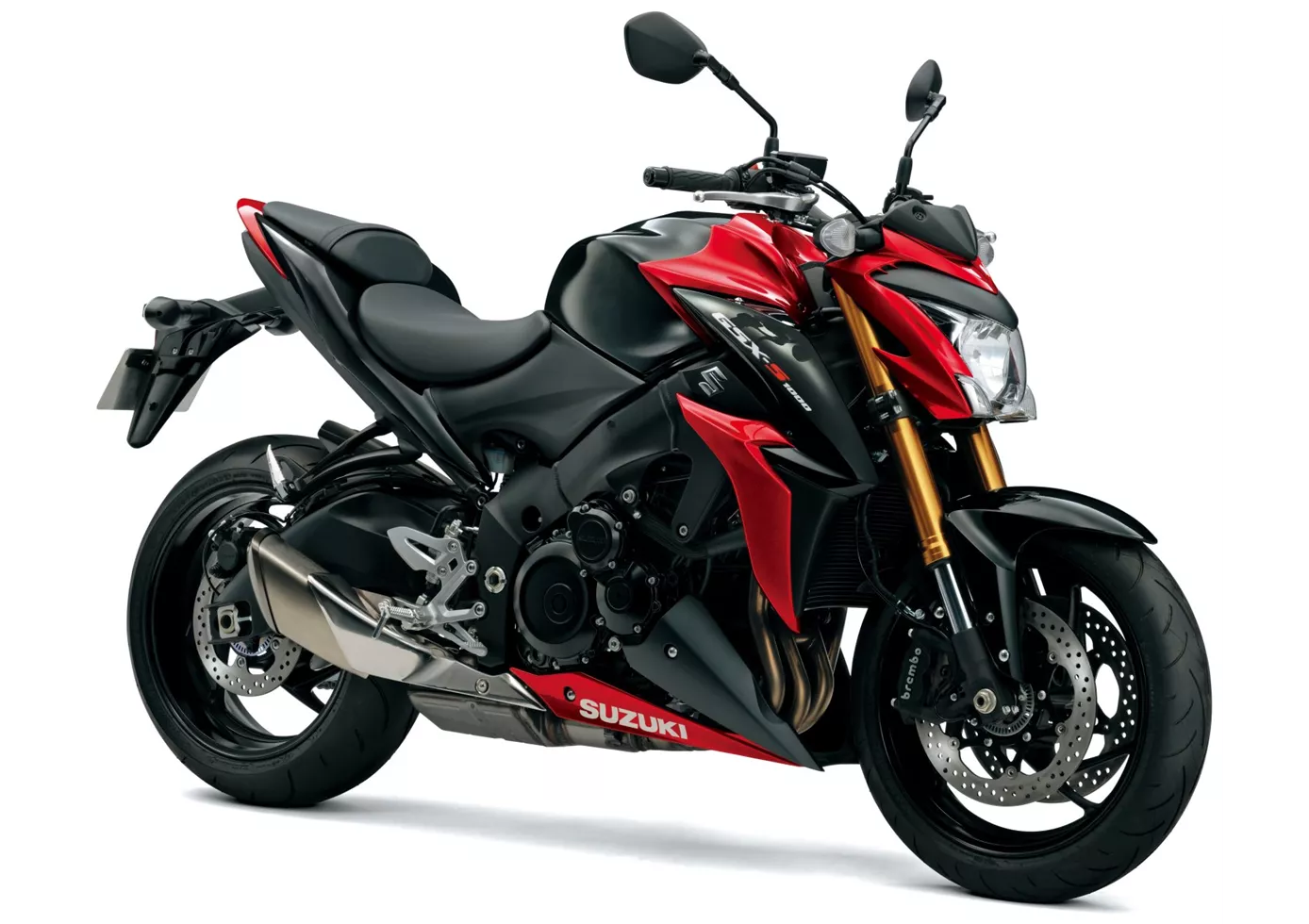
Certains pourraient s'étonner qu'après avoir attendu si longtemps, Suzuki n'ait pas lancé sur le marché la power naked bike ultime et sans compromis. Au lieu de cela, la Suzuki GSX-S 1000 semble presque trop sage avec ses 149 CV. Mais si on la conduit sur une piste de course, on se rend vite compte que le moteur est bien plus puissant dans la vie réelle et que le reste des performances du châssis et du système de freinage sont également remarquables. En outre, elle offre une bonne dose d'aptitude à l'usage quotidien et pratique - ce qui n'est pas un mauvais ingrédient lorsqu'on doit tout couvrir avec une seule moto, du quotidien à la piste de course.
Kawasaki Z900 RS 2021
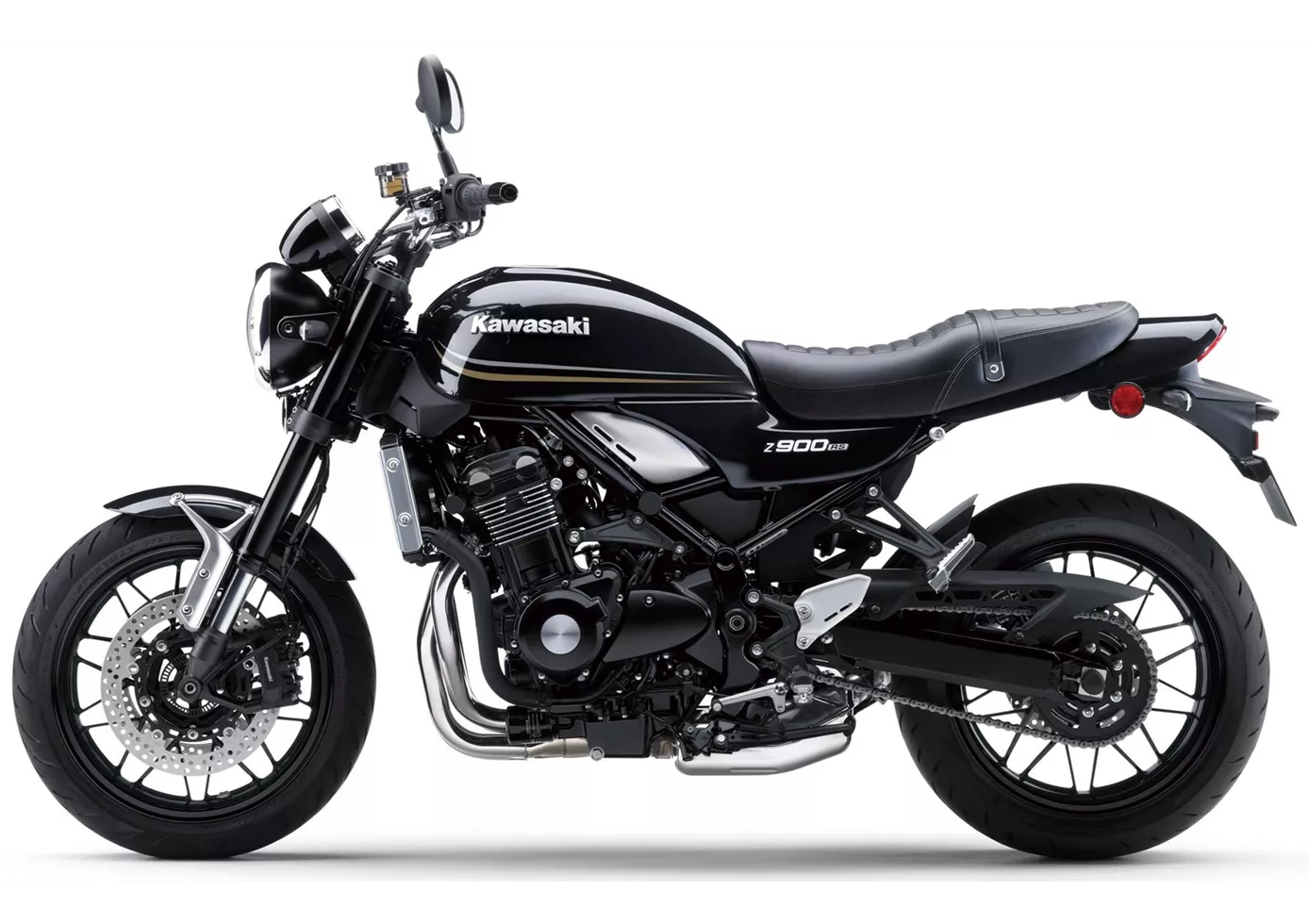
La Kawasaki Z900 RS est le mélange parfait d'un design classique et d'une technologie moderne. Le moteur quatre cylindres soyeux offre un déploiement de puissance linéaire et une élasticité impressionnante à tous les régimes. La suspension allie confort et stabilité, idéale pour les longues distances et la conduite sportive. Malgré l'absence de protection contre le vent, la Z900 RS convainc par une position de conduite confortable et des caractéristiques de conduite agiles. Visuellement, elle rappelle la légendaire Z1, tandis que des caractéristiques modernes comme le contrôle de traction et une finition de qualité complètent l'ensemble. Pour tous ceux qui recherchent un look rétro avec des performances modernes, la Z900 RS est un compagnon fiable et polyvalent - aussi bien au quotidien qu'en randonnée.
Comparaison des prix Prix moyen du marché Suzuki GSX-S1000 vs Kawasaki Z900 RS
There are a few key differences between a Suzuki GSX-S1000 2015 and a Kawasaki Z900 RS 2021. In terms of price, the actual average price of a Kawasaki Z900 RS 2021 is about 43% higher. Compared to Kawasaki Z900 RS 2021 there are less Suzuki GSX-S1000 2015 bikes available on the 1000PS.de Marketplace, specifically 6 compared to 14. It takes less time to sell a Suzuki GSX-S1000 with 86 days compared to 125 days for a Kawasaki Z900 RS. Since model year 2015 1000PS.de editors have written 36 reviews for the Suzuki GSX-S1000 and 26 reviews for the Kawasaki Z900 RS since model year 2018. The first review for the Suzuki GSX-S1000 was published on 9/27/2014 and now has more than 17,100 views. This compares to more than 63,700 views for the first review on Kawasaki Z900 RS published on 9/6/2017.