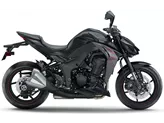
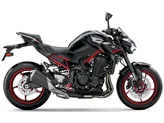
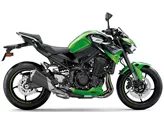
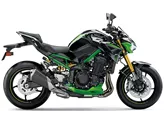
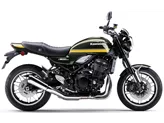
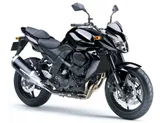
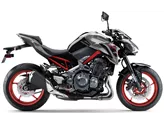
Kawasaki Z900 2020 vs. Kawasaki Z1000 2013
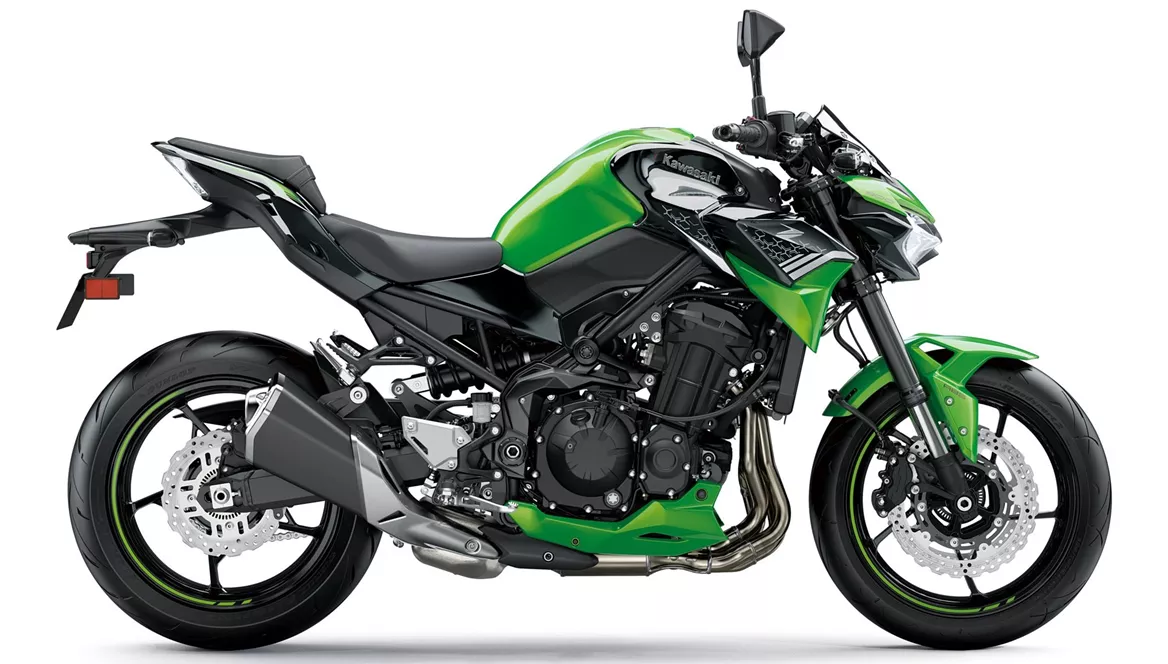
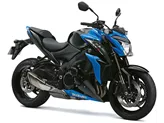
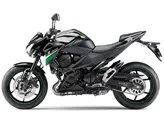
Kawasaki Z900 2020

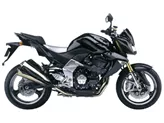
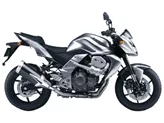
Kawasaki Z1000 2013
Vue d’ensemble - Kawasaki Z900 2020 vs Kawasaki Z1000 2013
The Kawasaki Z900 2020 and the Kawasaki Z1000 2013 are both naked bikes from Kawasaki, but they have some notable differences in their technical specifications and overall performance.
In terms of engine and drive train, both bikes have an inline four-cylinder engine with liquid cooling. However, the Z900 has a smaller displacement of 948cc compared to the Z1000's 1043cc. This results in a slightly lower engine power for the Z900 at 125.4 HP, while the Z1000 boasts a more powerful 138 HP. The torque is also higher for the Z1000 at 110 Nm compared to the Z900's 98.6 Nm. Both bikes have a four-cylinder configuration, ensuring smooth power delivery.
When it comes to suspension, both bikes feature upside-down telescopic forks at the front. However, the Z900 offers adjustment options for preload and rebound, while the Z1000 provides additional adjustment options for compression. This allows for more precise tuning of the suspension to suit the rider's preferences and road conditions. The rear suspension on both bikes also offers adjustment options for preload and rebound.
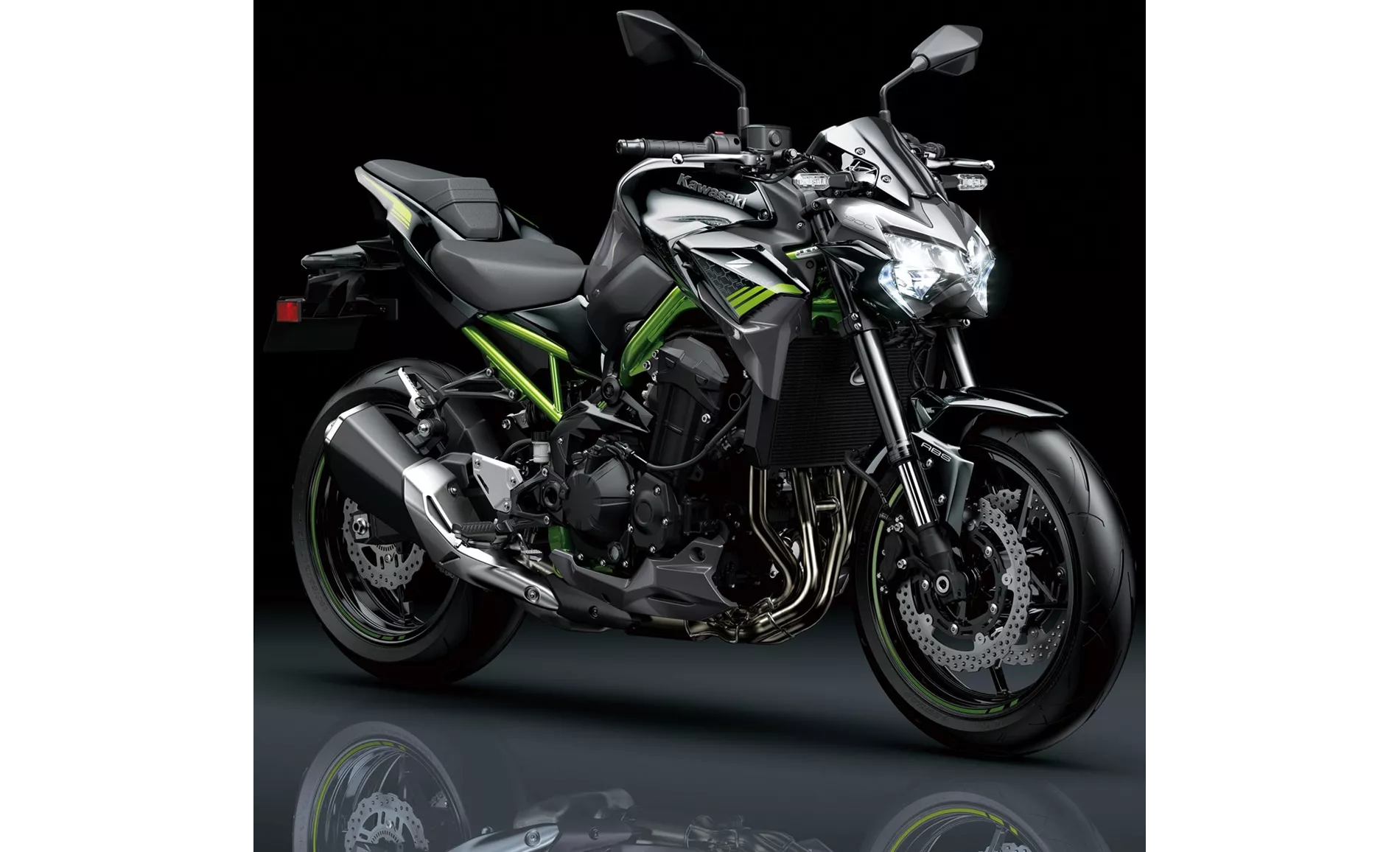
Kawasaki Z900 2020
In terms of chassis, the Z900 has a steel frame, while the Z1000 features an aluminum frame. The choice of material affects the overall weight and stiffness of the bike, with aluminum frames typically being lighter and more rigid. However, the Z900's double cradle frame design ensures stability and durability.
Both bikes have double disk brakes at the front with four pistons, providing strong and reliable stopping power. The Z1000 also features radial technology, which enhances braking performance. The front tire width is the same for both bikes at 120 mm, but the Z1000 has a wider rear tire at 190 mm compared to the Z900's 180 mm. Both bikes have a 17-inch front and rear tire diameter.
In terms of dimensions and weights, the Z900 has a slightly longer wheelbase at 1450 mm compared to the Z1000's 1440 mm. The seat height is also lower for the Z900 at 795 mm, while the Z1000 has a higher seat height at 815 mm.

Kawasaki Z1000 2013
When considering the strengths of the Z900, it offers a powerful four-cylinder engine, great handling, good equipment, aggressive looks, and value for money. On the other hand, the Z1000's strengths lie in its powerful engine, rich sound, and unique design.
However, there are also some weaknesses to consider. The Z900's menu navigation can be somewhat tiring, and it lacks the option for a quickshifter. The Z1000, on the other hand, does not have traction control and has a slightly nervous chassis.
In conclusion, both the Kawasaki Z900 2020 and the Kawasaki Z1000 2013 have their own strengths and weaknesses. The Z900 offers a more affordable option with good performance and handling, while the Z1000 provides a more powerful engine and unique design. Ultimately, the choice between the two will depend on the rider's preferences and priorities.
Caractéristiques techniques Kawasaki Z900 2020 par rapport à Kawasaki Z1000 2013
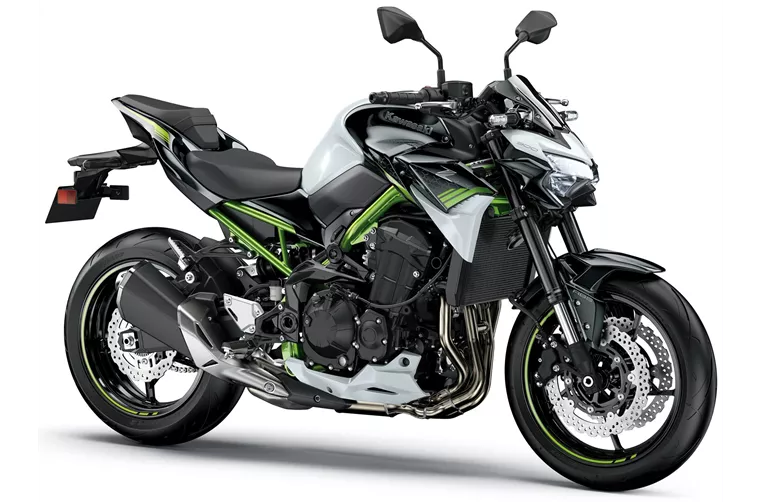

Avantages et inconvénients en comparaison
Avantages et inconvénients en comparaison
Kawasaki Z900 2020
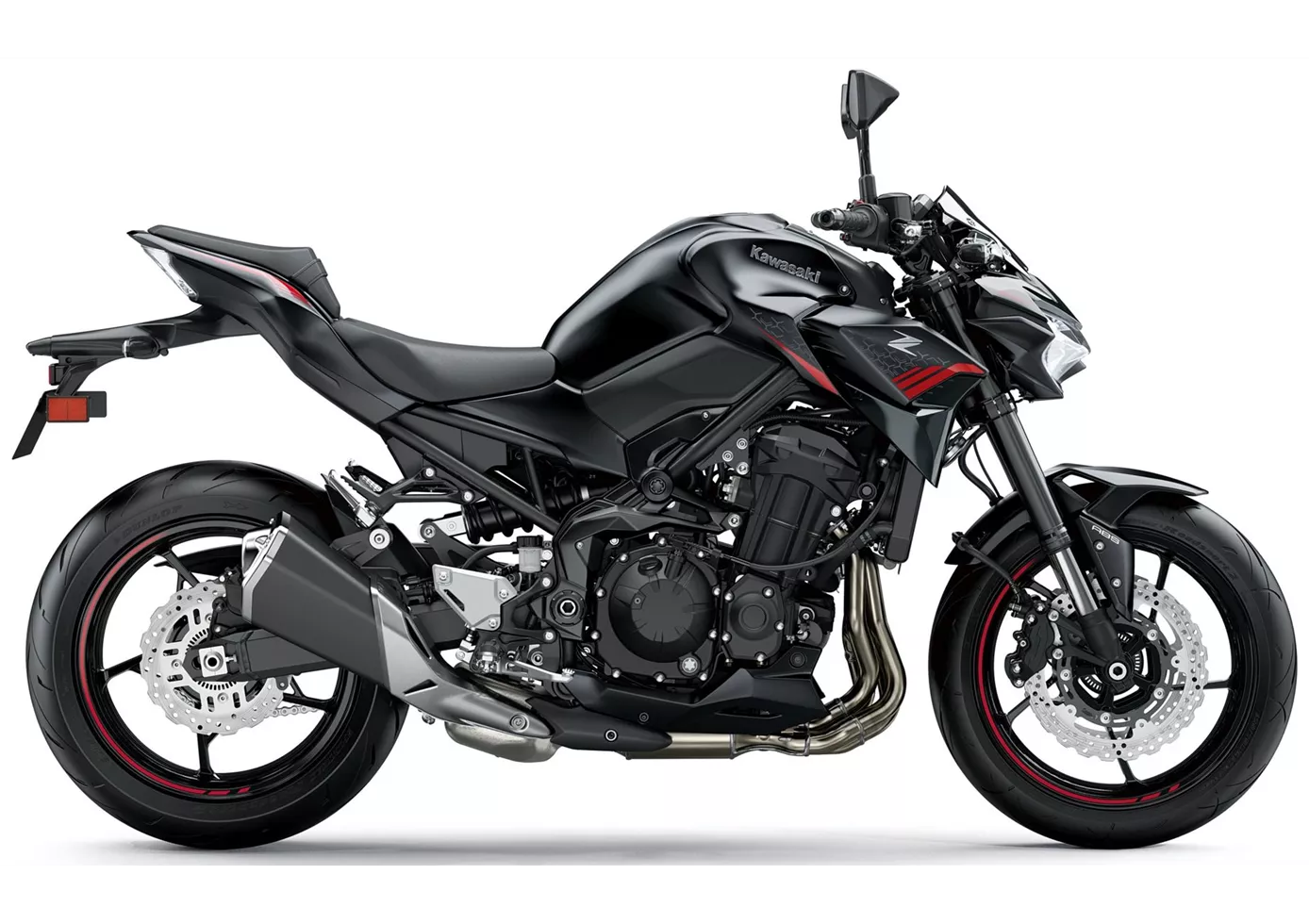
La Kawasaki Z900 n'est peut-être plus tout à fait à la hauteur en ce qui concerne les caractéristiques électroniques modernes dépendant de l'inclinaison, mais elle est relativement bon marché et il ne faut surtout pas sous-estimer la communauté des fans du bon vieux quatre cylindres en ligne - la Z900 est l'une des possibilités les plus avantageuses de posséder un moteur aussi formidable d'une cylindrée d'à peine un litre dans une naked bike sportive ! Le poids plus élevé est perceptible, mais pas massivement gênant, car la maniabilité et la stabilité sont tout à fait correctes. En ce qui concerne l'électronique "dépassée", le plus dérangeant est l'absence d'assistant de changement de vitesse, qui n'est même pas disponible en option. Mais dans l'ensemble, la Z900 est une superbe moto naked avec un excellent rapport qualité-prix.
Kawasaki Z1000 2013

Dans l'ensemble, le nouveau Z1000 est donc une évolution réussie de son prédécesseur. L'absence de contrôle de traction est plus un problème de marketing qu'un problème pour les clients finaux.
Comparaison des prix Prix moyen du marché Kawasaki Z900 vs Kawasaki Z1000
There are a few key differences between a Kawasaki Z900 2020 and a Kawasaki Z1000 2013. In terms of price, the actual average price of a Kawasaki Z900 2020 is about 7% higher. Compared to Kawasaki Z1000 2013 there are more Kawasaki Z900 2020 bikes available on the 1000PS.de Marketplace, specifically 34 compared to 4. It takes less time to sell a Kawasaki Z1000 with 69 days compared to 124 days for the Kawasaki Z900. Since model year 2017 1000PS.de editors have written 46 reviews for the Kawasaki Z900 and 41 reviews for the Kawasaki Z1000 since model year 2005. The first review for the Kawasaki Z900 was published on 11/11/2016 and now has more than 93,200 views. This compares to more than 5,800 views for the first review on Kawasaki Z1000 published on 9/2/2002.