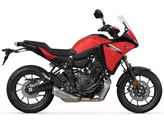
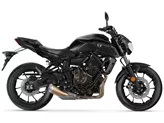
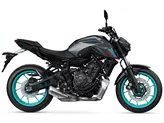
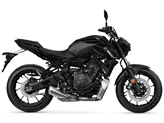
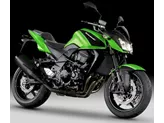
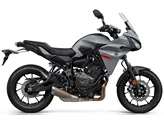
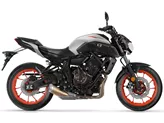
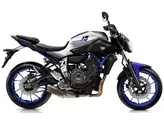
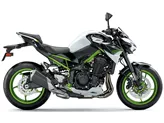
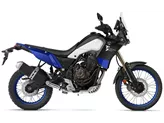
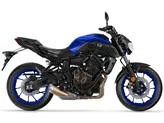
Kawasaki Z 750R 2011 vs. Yamaha MT-07 2022
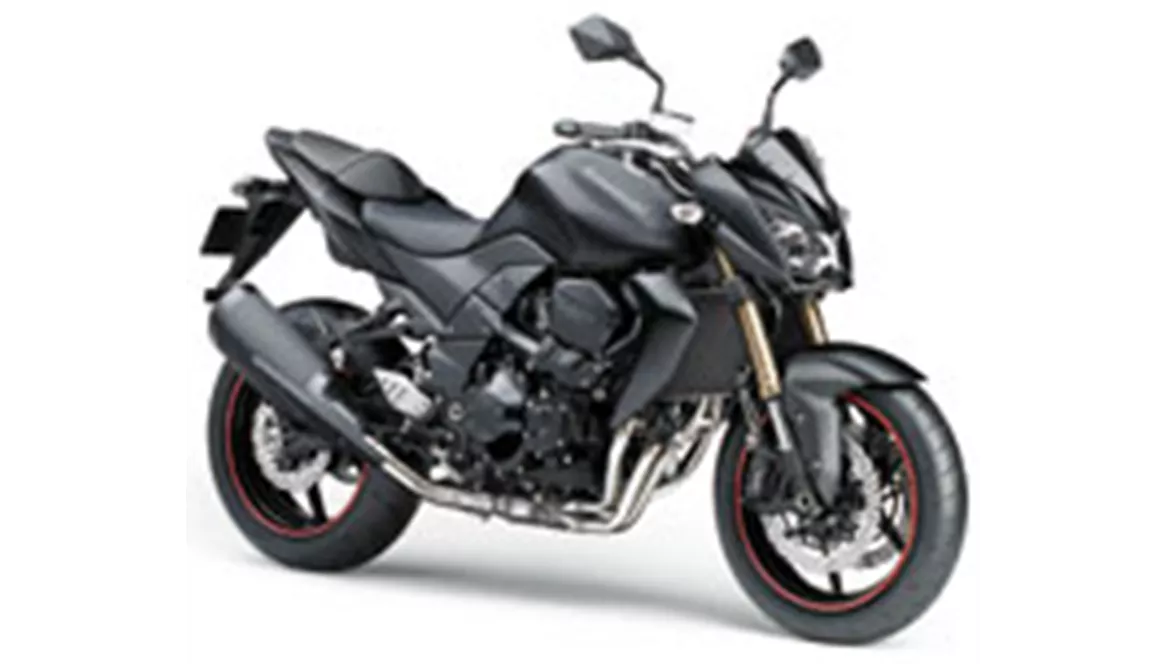
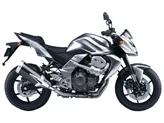
Kawasaki Z 750R 2011
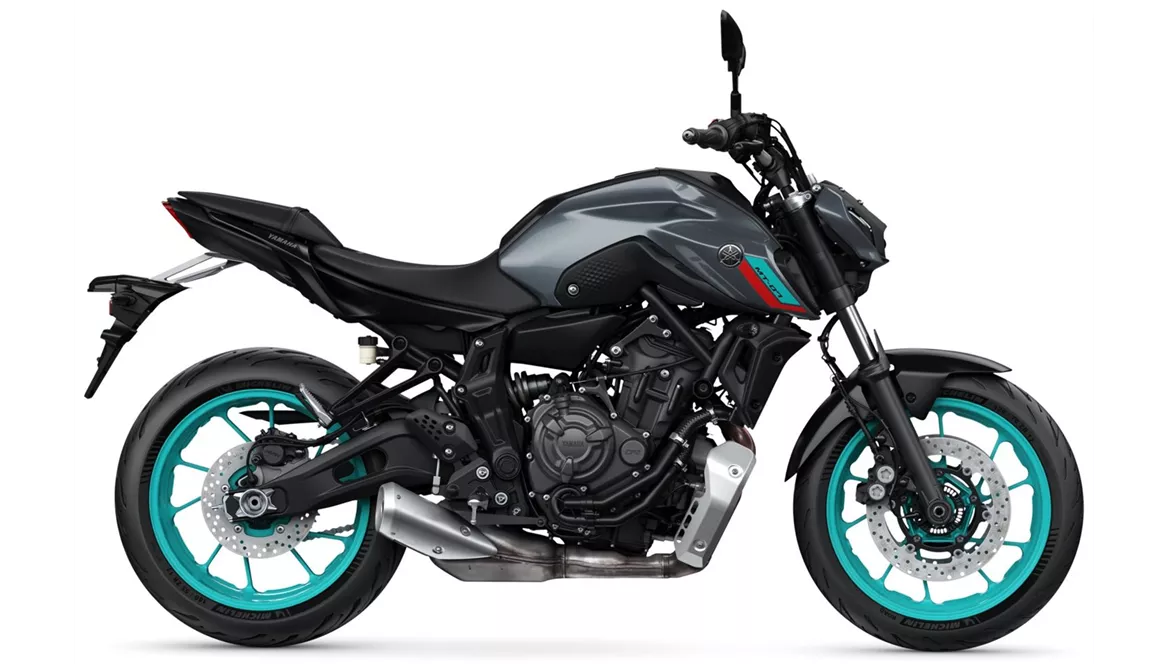
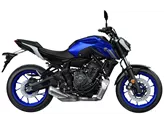
Yamaha MT-07 2022
Vue d’ensemble - Kawasaki Z 750R 2011 vs Yamaha MT-07 2022
The Kawasaki Z 750R model year 2011 and the Yamaha MT-07 model year 2022 are both naked bikes with similar technical specifications. However, there are some notable differences between the two models.
In terms of engine performance, the Kawasaki Z 750R 2011 is equipped with a 106 HP inline-four engine, while the Yamaha MT-07 2022 features a slightly less powerful 73.4 HP inline-two engine. The Kawasaki model also has a higher torque rating of 78 Nm compared to the Yamaha's 67 Nm. This means that the Kawasaki Z 750R may offer more aggressive acceleration and top speed compared to the Yamaha MT-07.
Both bikes have liquid-cooled engines and similar displacement, with the Kawasaki Z 750R at 748 ccm and the Yamaha MT-07 at 689 ccm. This ensures efficient cooling and optimal performance during extended rides.
In terms of suspension, the Kawasaki Z 750R 2011 is equipped with an Upside-Down telescopic fork, while the Yamaha MT-07 2022 features a telescopic fork. Both suspension systems provide good stability and control, but the Upside-Down fork on the Kawasaki may offer slightly better performance in more aggressive riding conditions.
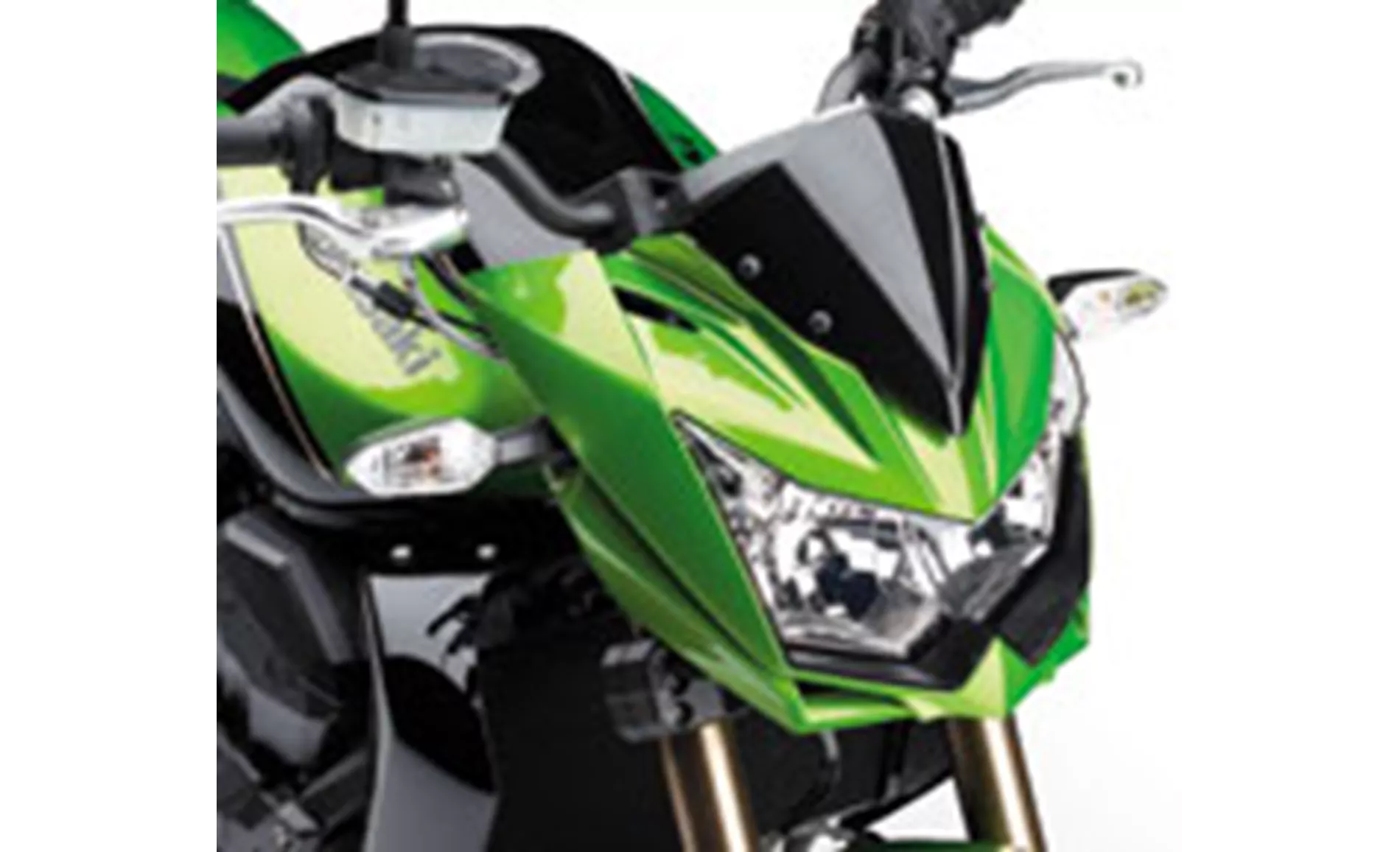
Kawasaki Z 750R 2011
Both bikes have a steel frame, which provides a sturdy and reliable chassis for enhanced stability and handling. However, the Kawasaki Z 750R 2011 has been reported to have some stability issues, leading to unsteadiness in the chassis. This could potentially affect the bike's handling and overall riding experience.
In terms of braking, both bikes feature a double disk front brake system, ensuring excellent stopping power and control. Additionally, both models come with ABS, which enhances safety by preventing wheel lock-up during sudden braking.
In terms of dimensions and weights, the Kawasaki Z 750R 2011 has a slightly longer wheelbase of 1440 mm compared to the Yamaha MT-07's 1400 mm. This may result in slightly better stability and handling for the Kawasaki model. The seat height of the Kawasaki is also higher at 835 mm compared to the Yamaha's 805 mm, which may suit taller riders better.
In terms of weight, the Yamaha MT-07 2022 is lighter, with a kerb weight (with ABS) of 184 kg compared to the Kawasaki Z 750R's 230 kg. This lighter weight may contribute to better maneuverability and agility for the Yamaha model.
Both bikes have similar tire sizes, with a front tire width of 120 mm and a rear tire width of 180 mm, both with a 17-inch diameter. This ensures good traction and stability on various road surfaces.
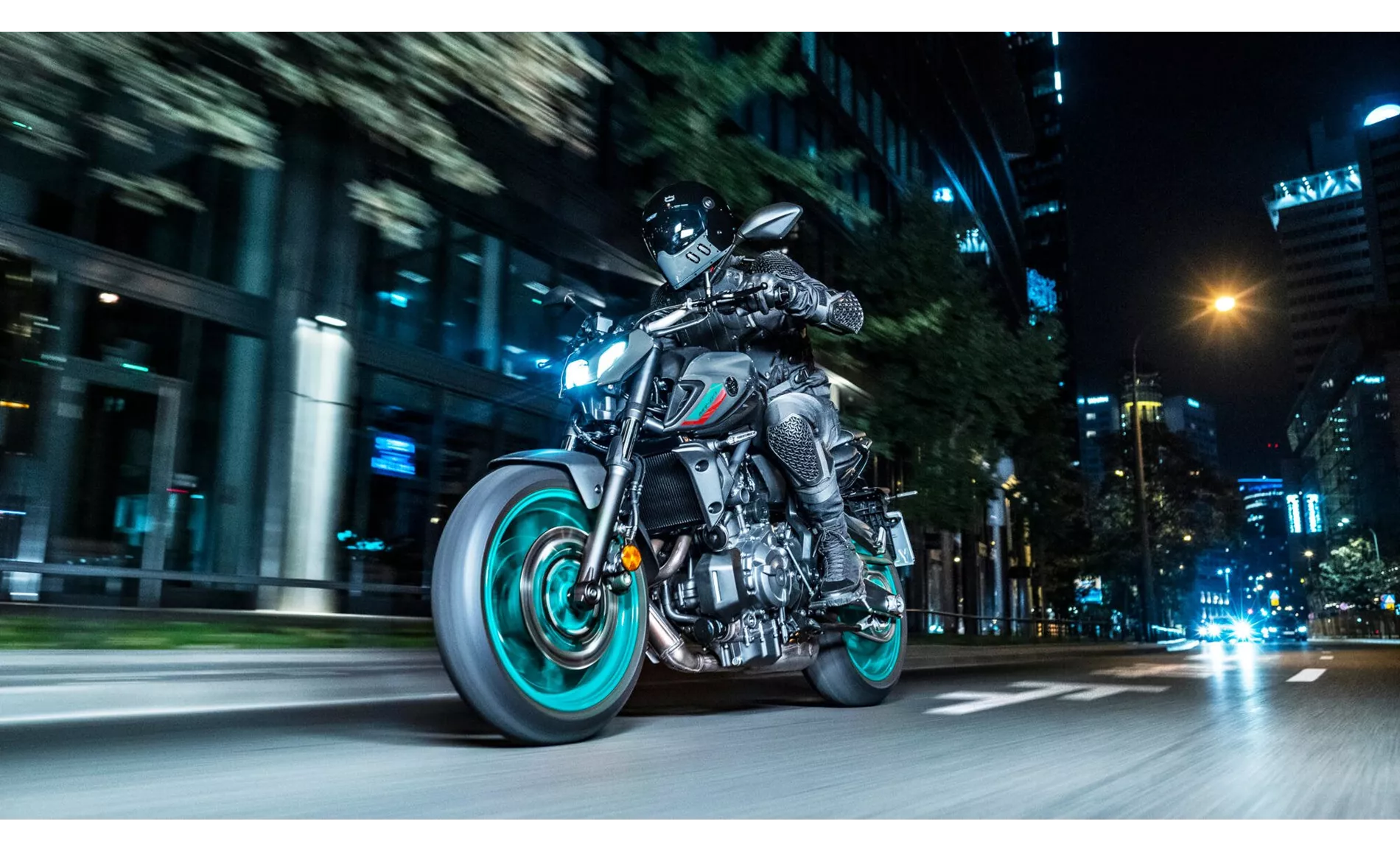
Yamaha MT-07 2022
In terms of fuel tank capacity, the Kawasaki Z 750R 2011 has a larger capacity of 18.5 liters compared to the Yamaha MT-07's 14 liters. This means that the Kawasaki model may offer a longer range before needing to refuel.
In terms of strengths, the Kawasaki Z 750R 2011 is praised for its confident engine performance, excellent braking system, and the inclusion of ABS for added safety. On the other hand, the Yamaha MT-07 2022 is praised for its lively and powerful engine, good sound, comfortable seating position, and easy-to-read instruments.
In terms of weaknesses, the Kawasaki Z 750R 2011 has been reported to have stability issues, leading to unsteadiness in the chassis. On the other hand, the Yamaha MT-07 2022 has a chassis that is not adjustable and lacks a TFT display, which may be considered a drawback for some riders.
Overall, both the Kawasaki Z 750R 2011 and the Yamaha MT-07 2022 are capable naked bikes with their own strengths and weaknesses. Riders looking for a more powerful and stable ride may prefer the Kawasaki model, while those seeking a lively and comfortable ride with modern features may lean towards the Yamaha model.
Caractéristiques techniques Kawasaki Z 750R 2011 par rapport à Yamaha MT-07 2022
Avantages et inconvénients en comparaison
Avantages et inconvénients en comparaison
Kawasaki Z 750R 2011
Dans l'ensemble, la Kawasaki Z 750 porte pour nous le R à juste titre. Elle procure définitivement beaucoup de plaisir lors des trackdays. Mais si l'on veut aller à la chasse aux temps au tour de manière énergique, il faut investir dans le châssis. En premier lieu pour gagner de l'angle d'inclinaison maximum. Ensuite, on pourrait même envisager un "RR" dans l'abréviation du nom.
Yamaha MT-07 2022
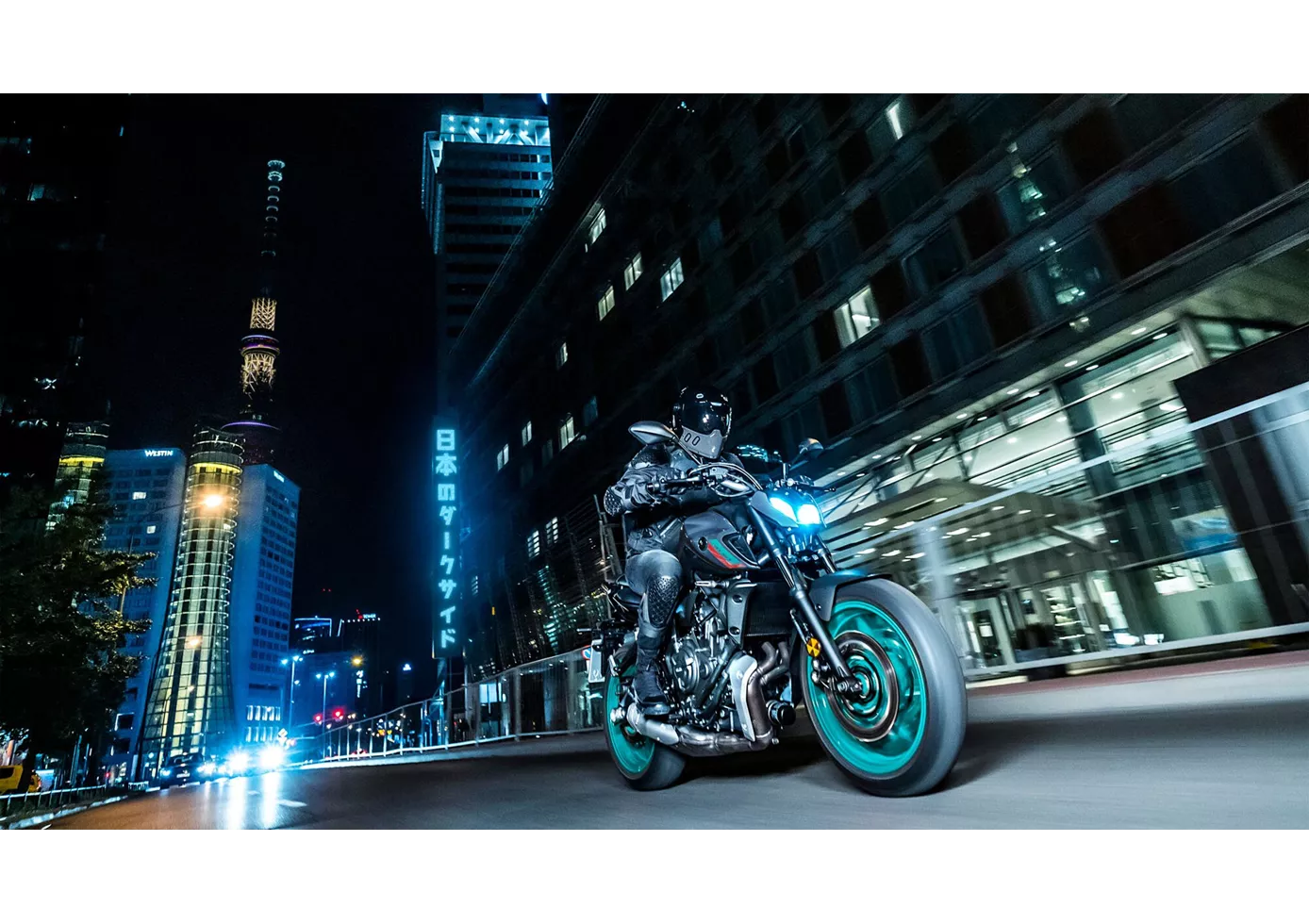
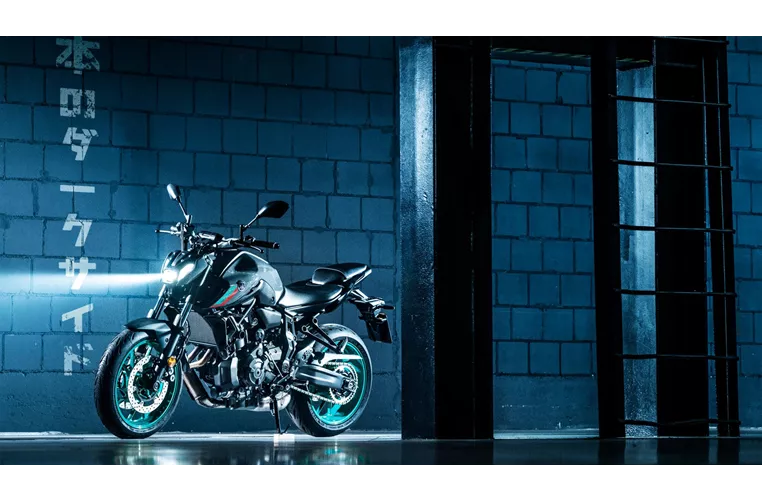
Peu de motos de la catégorie dite d'entrée de gamme procurent autant de plaisir que la Yamaha MT-07. Même la version bridée à 48 ch peut, grâce à sa cylindrée relativement importante, tenir plus longtemps que l'on ne pourrait le supposer face à la version complète. Les autres composants s'en sortent également bien, tant les freins que le châssis ne veulent effrayer personne avec trop de dureté, mais n'atteignent pas immédiatement leurs limites, même pour les pilotes les plus sportifs. L'optique est désormais plus cohérente, le phare à LED minimaliste s'accorde parfaitement avec le look anguleux.
Comparaison des prix Prix moyen du marché Kawasaki Z 750R vs Yamaha MT-07
There are a few key differences between a Kawasaki Z 750R 2011 and a Yamaha MT-07 2022. In terms of price, the actual average price of a Yamaha MT-07 2022 is about 42% higher. Compared to Yamaha MT-07 2022 there are less Kawasaki Z 750R 2011 bikes available on the 1000PS.de Marketplace, specifically 4 compared to 52. It takes less time to sell a Kawasaki Z 750R with 49 days compared to 109 days for a Yamaha MT-07. Since model year 2011 1000PS.de editors have written 7 reviews for the Kawasaki Z 750R and 69 reviews for the Yamaha MT-07 since model year 2013. The first review for the Kawasaki Z 750R was published on 9/14/2010 and now has more than 17,800 views. This compares to more than 12,600 views for the first review on Yamaha MT-07 published on 11/4/2013.