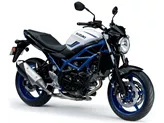
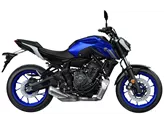
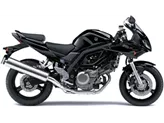
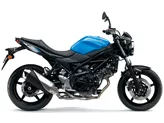
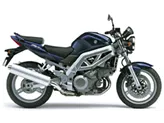
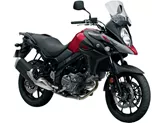
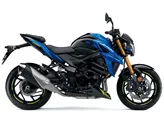
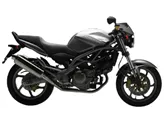
Kawasaki Z 800 2013 vs. Suzuki SV 650 2016
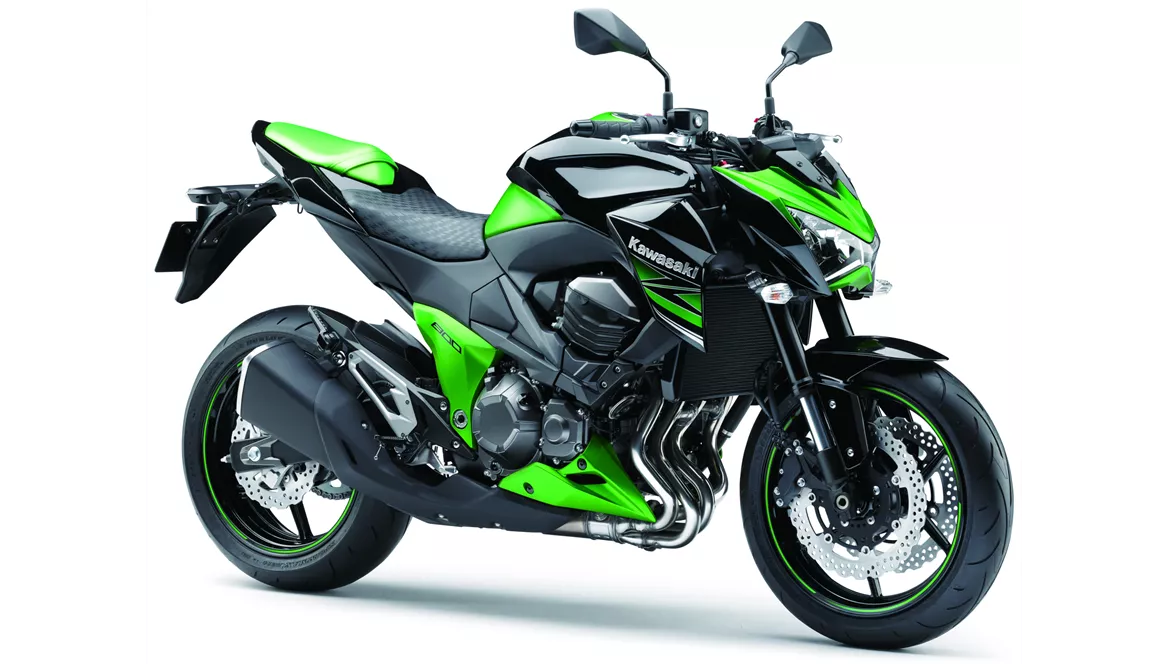
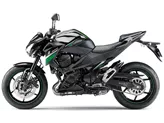
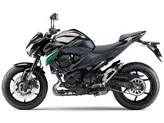
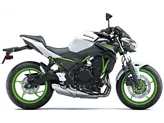
Kawasaki Z 800 2013
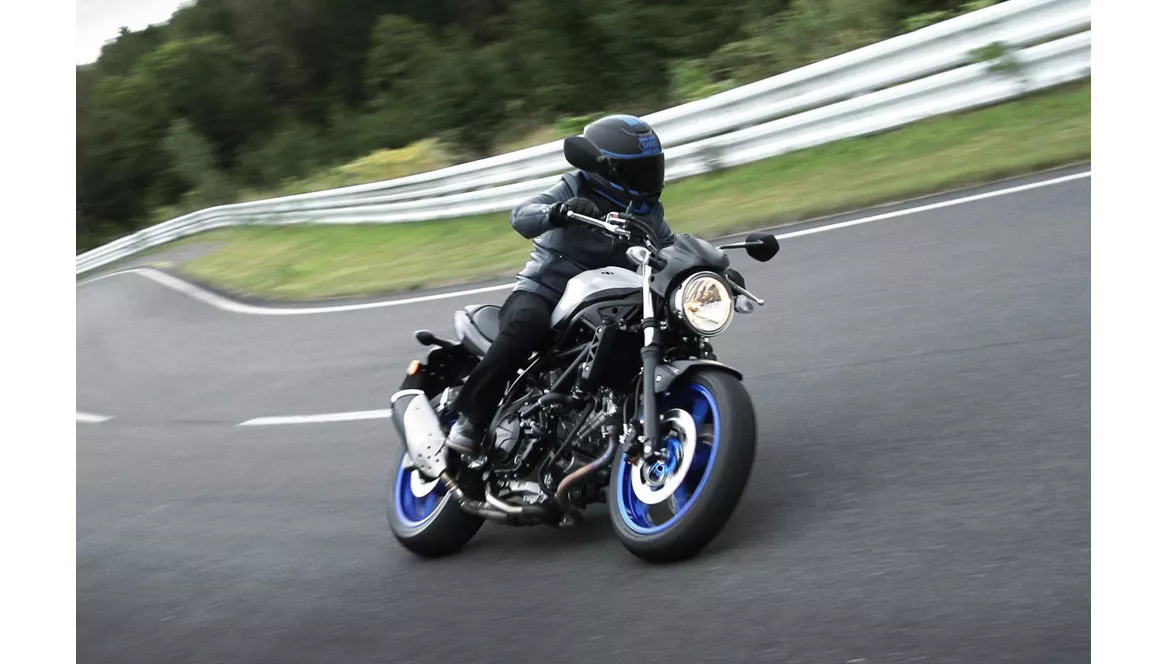
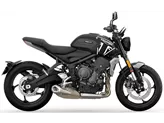
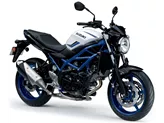
Suzuki SV 650 2016
Vue d’ensemble - Kawasaki Z 800 2013 vs Suzuki SV 650 2016
The Kawasaki Z 800 2013 and the Suzuki SV 650 2016 are both naked bikes that offer a thrilling riding experience. However, there are several key differences between the two models.
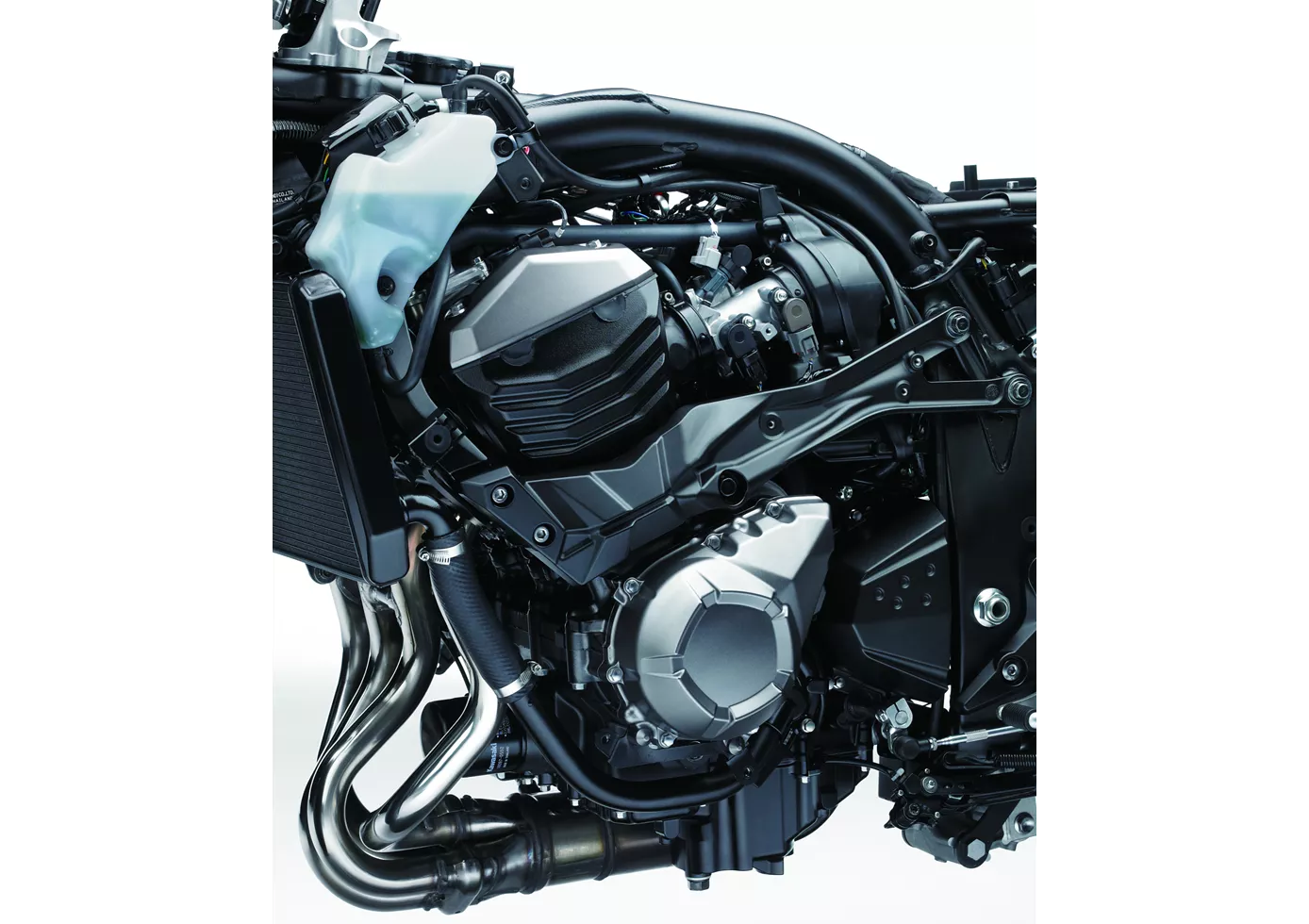
In terms of engine specifications, the Kawasaki Z 800 2013 is equipped with an in-line, liquid-cooled engine with a displacement of 806cc. It produces a powerful 113 horsepower and 83 Nm of torque. On the other hand, the Suzuki SV 650 2016 features a V-twin, liquid-cooled engine with a displacement of 645cc. It generates 76 horsepower and 64 Nm of torque. While the Kawasaki Z 800 has more power, the Suzuki SV 650 offers a pleasant V2 sound and agile performance.
Both bikes have a steel frame, but the Kawasaki Z 800 has a double cradle frame while the Suzuki SV 650 has a tubular frame. The Kawasaki Z 800 has an upside-down telescopic fork for the front suspension, providing a comfortable and stable ride. The Suzuki SV 650, on the other hand, has a telescopic fork for the front suspension. Both bikes feature double disc brakes at the front, but the Kawasaki Z 800 has four-piston calipers while the Suzuki SV 650 has double piston calipers. This gives the Kawasaki Z 800 more stopping power and control.
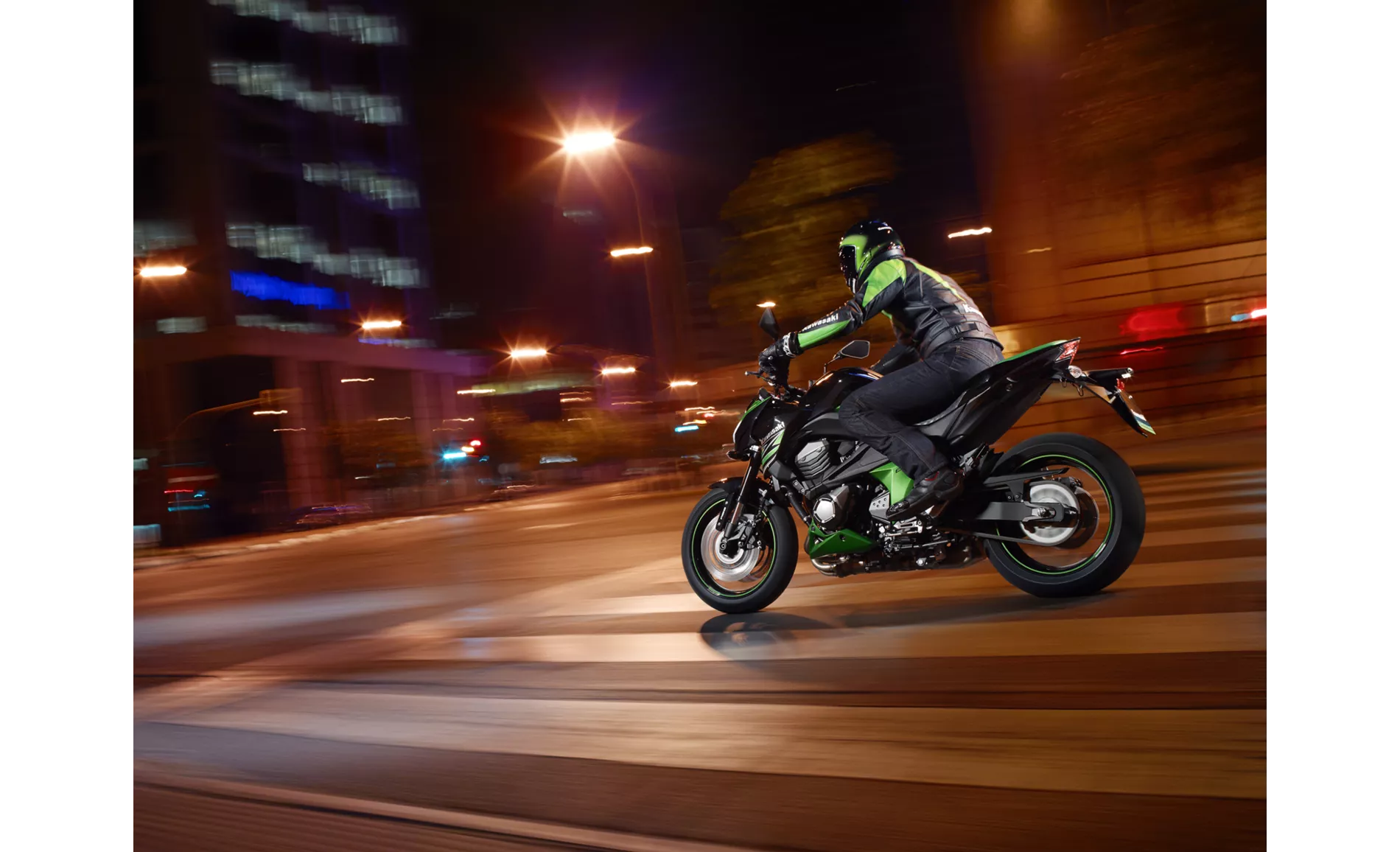
Kawasaki Z 800 2013
In terms of dimensions and weights, both bikes have a front tire width of 120mm and a front tire diameter of 17 inches. However, the Kawasaki Z 800 has a wider rear tire width of 180mm compared to the Suzuki SV 650's 160mm. Both bikes have a wheelbase of 1445mm, providing stability and maneuverability. The seat height of the Kawasaki Z 800 is 834mm, while the Suzuki SV 650 has a lower seat height of 785mm. The Kawasaki Z 800 also has a larger fuel tank capacity of 17 liters compared to the Suzuki SV 650's 13.8 liters.
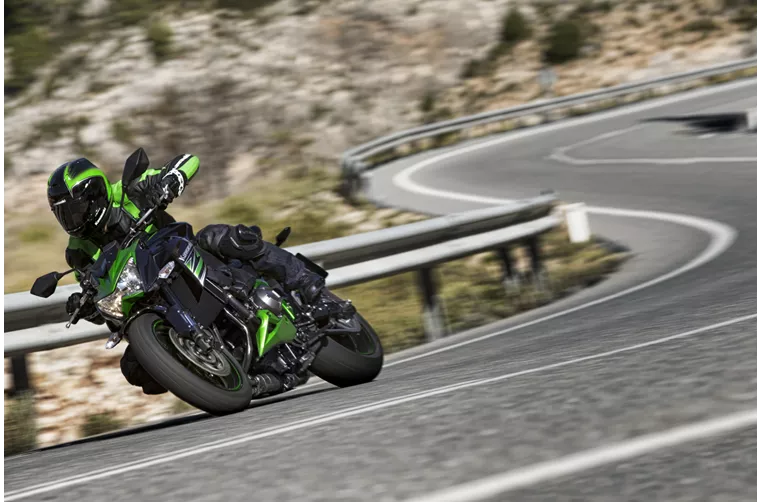
In terms of strengths, the Kawasaki Z 800 2013 has an eye-catching, chunky look that is sure to turn heads. It also offers confident acceleration and relaxed geometry, making it a comfortable ride. The powerful brakes provide excellent stopping power.

Suzuki SV 650 2016
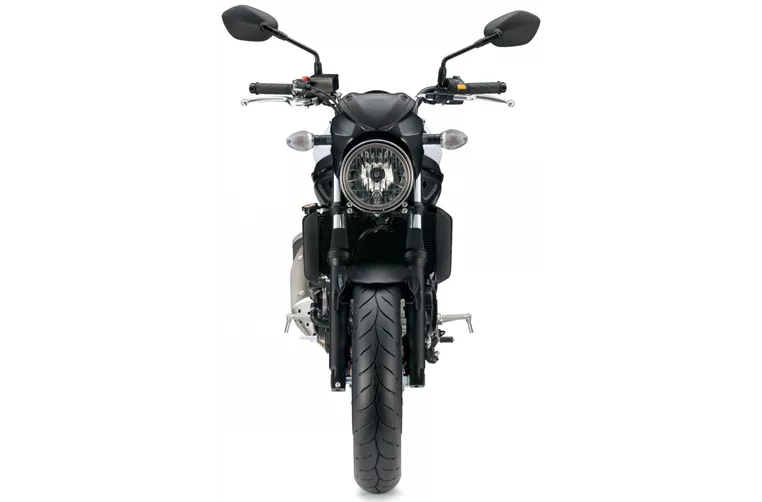
On the other hand, the Suzuki SV 650 2016 has an agile and powerful engine that delivers a typical V2 sound. The seating position is low and pleasant, and the bike offers easy handling and a comfortable chassis. The brakes on the Suzuki SV 650 provide good control.
However, the Kawasaki Z 800 2013 has a weakness in terms of limited freedom of movement for the legs. On the other hand, the Suzuki SV 650 2016 has a poorly readable digital tachometer, which can be a drawback for some riders.
In conclusion, the Kawasaki Z 800 2013 and the Suzuki SV 650 2016 are both impressive naked bikes with their own strengths and weaknesses. The Kawasaki Z 800 offers a powerful and comfortable ride, while the Suzuki SV 650 provides agility and a pleasant V2 sound. Riders should consider their preferences and priorities when choosing between these two models.
Caractéristiques techniques Kawasaki Z 800 2013 par rapport à Suzuki SV 650 2016
Avantages et inconvénients en comparaison
Avantages et inconvénients en comparaison
Kawasaki Z 800 2013
Dans l'ensemble, la Z800 a livré une performance sensationnelle. Compte tenu du fait que rien n'a été modifié ou optimisé sur le véhicule, à l'exception du pot d'échappement Remus, le résultat final est superbe.
Suzuki SV 650 2016
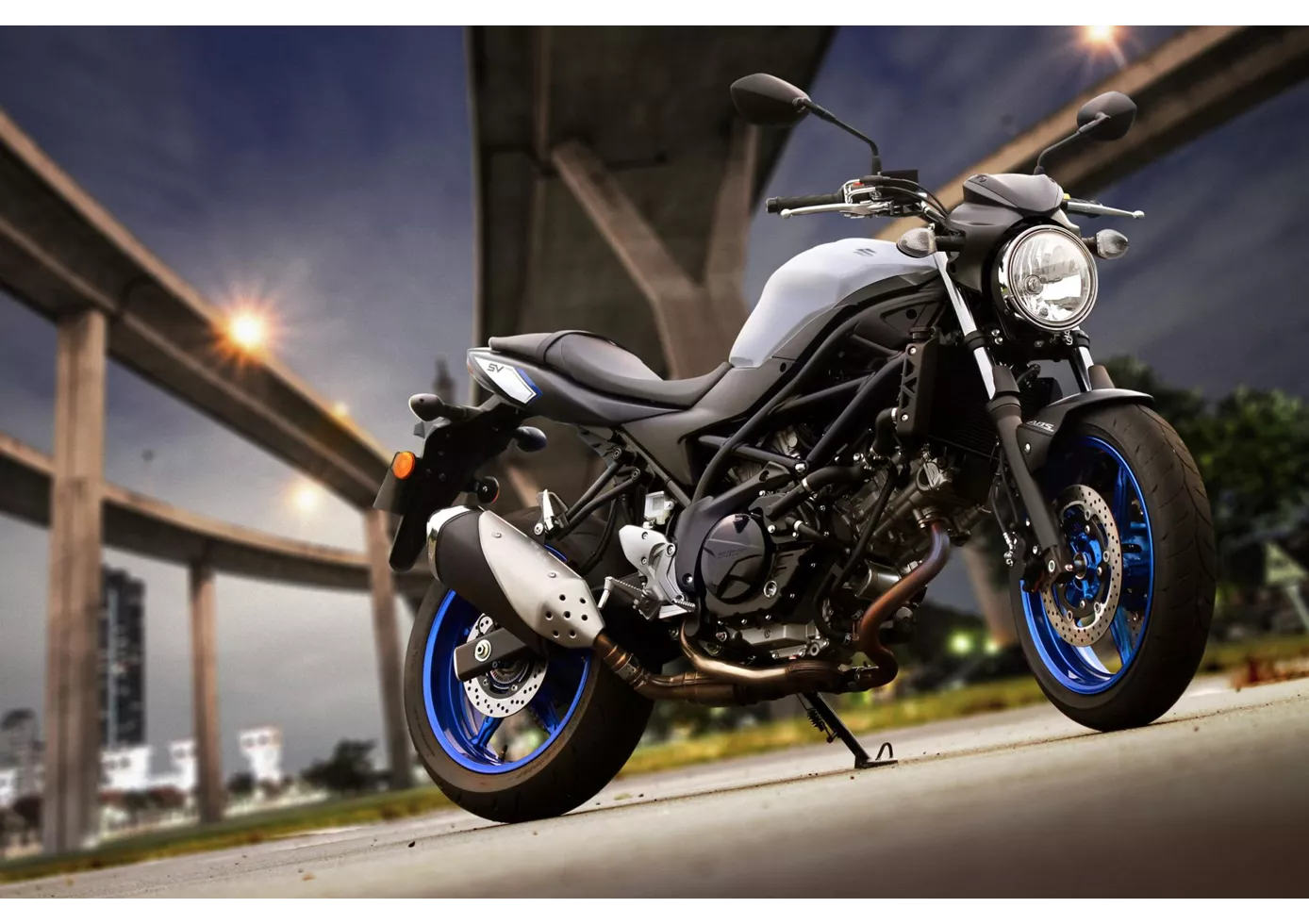
La nouvelle SV650 s'inscrit dans la lignée du minimalisme visuel des deux premières générations de SV650, tout en se basant techniquement sur son prédécesseur direct, la SFV650 Gladius - deux excellents coups qui font de la très moderne SV650 un classique. Le design s'inscrit parfaitement dans l'époque des nombreuses transformations rétro, mais à l'intérieur sommeillent aussi des gadgets modernes qui facilitent l'apprentissage, surtout pour les débutants. Le moteur, quant à lui, peut également convaincre les pilotes confirmés, le vrombissement typique du V2 est magnifique. En ce qui concerne le châssis et les freins, il ne faut pas s'attendre à une sportivité extrême, mais le prix de près de 6400 euros (en Allemagne) est une annonce qui fera sans doute avaler la poussière à la concurrence.
Comparaison des prix Prix moyen du marché Kawasaki Z 800 vs Suzuki SV 650
There are a few key differences between a Kawasaki Z 800 2013 and a Suzuki SV 650 2016. In terms of price, the actual average price of a Kawasaki Z 800 2013 is about 23% higher. Compared to Suzuki SV 650 2016 there are less Kawasaki Z 800 2013 bikes available on the 1000PS.de Marketplace, specifically 7 compared to 11. It takes less time to sell a Kawasaki Z 800 with 56 days compared to 80 days for a Suzuki SV 650. Since model year 2013 1000PS.de editors have written 11 reviews for the Kawasaki Z 800 and 25 reviews for the Suzuki SV 650 since model year 2005. The first review for the Kawasaki Z 800 was published on 9/6/2012 and now has more than 8,100 views. This compares to more than 14,200 views for the first review on Suzuki SV 650 published on 9/26/2008.