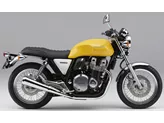
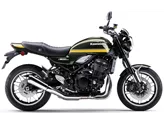
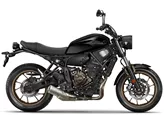
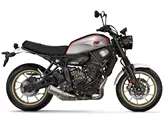
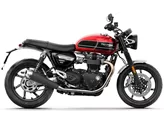
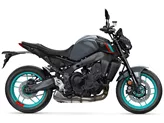
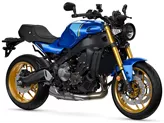
Yamaha XSR900 2016 vs. Kawasaki Z900 RS 2021
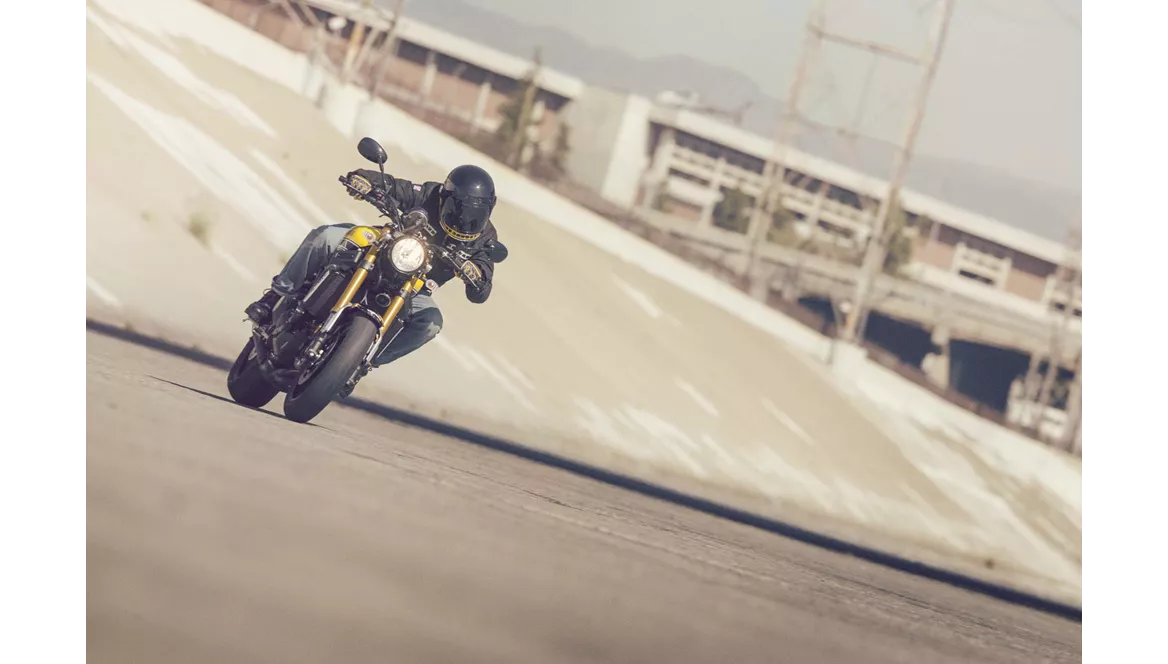
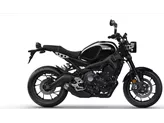
Yamaha XSR900 2016
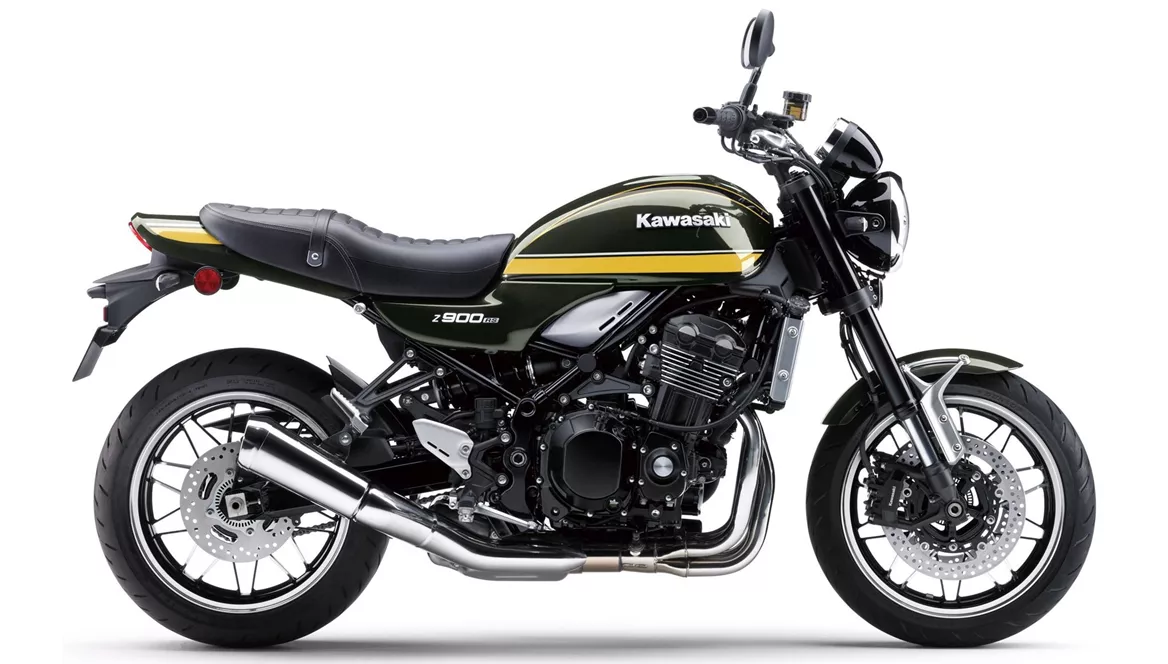
Kawasaki Z900 RS 2021
Vue d’ensemble - Yamaha XSR900 2016 vs Kawasaki Z900 RS 2021
When comparing the Yamaha XSR900 2016 and the Kawasaki Z900 RS 2021, it is clear that both bikes have their unique strengths and weaknesses.
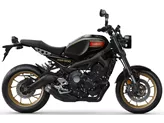
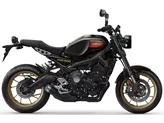
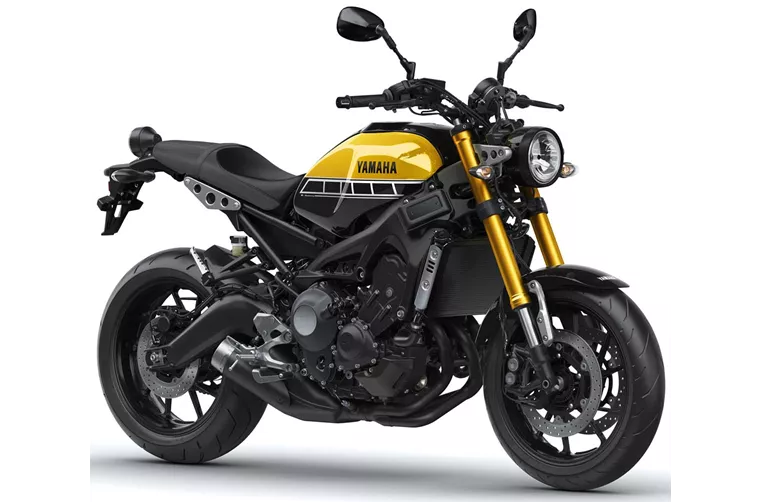
Starting with the Yamaha XSR900 2016, one of its main strengths is its powerful engine. With 115 HP and 87.5 Nm of torque, it offers a thrilling and exhilarating riding experience. Additionally, the XSR900 comes with well-tuned riding modes, allowing riders to customize their riding experience to their preferences. Another advantage of the XSR900 is that it comes with ABS and TC as standard, providing added safety and control on the road. Furthermore, the XSR900 boasts an authentic modern design and clean workmanship, making it visually appealing.
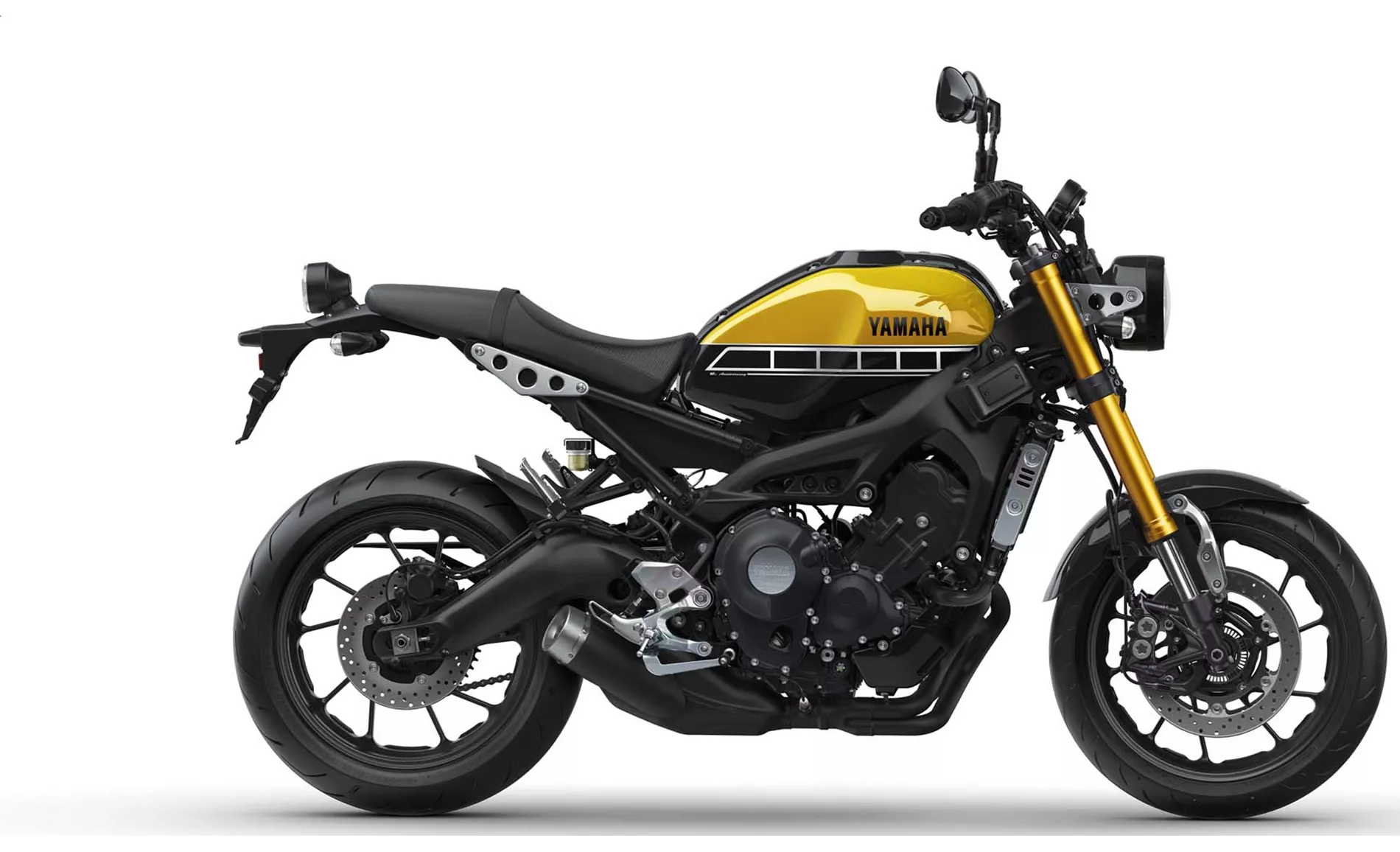
Yamaha XSR900 2016
On the other hand, the XSR900 does have some weaknesses. One of the main drawbacks is its hard chassis, which can result in a less comfortable ride, especially on longer journeys. Additionally, some riders may find the seat to be uncomfortable, which can be a significant drawback for those planning to spend extended periods on the bike. Lastly, the XSR900 features a speedblock design that is already present on many other Yamaha models, which may make it less unique and appealing to some riders.
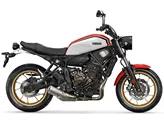
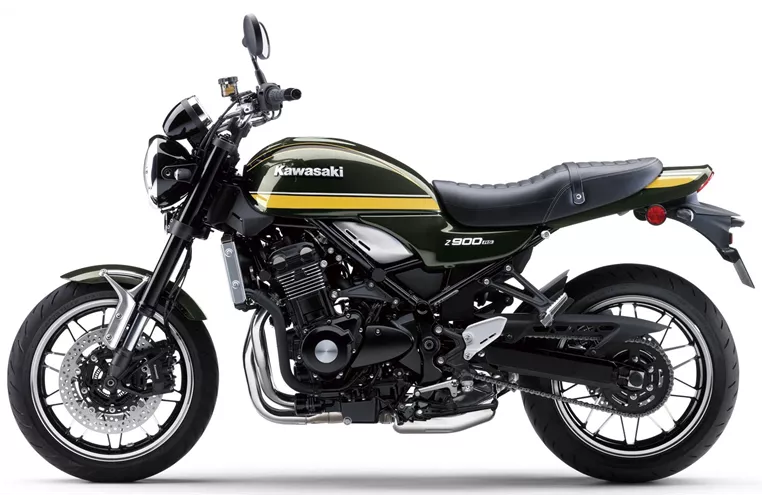
Moving on to the Kawasaki Z900 RS 2021, this bike has its own set of strengths. One of the standout features of the Z900 RS is its authentic and beautiful retro look. It pays homage to the classic Kawasaki bikes of the past, making it a visually stunning option for riders who appreciate retro aesthetics. Additionally, the Z900 RS offers a very comfortable seating position, allowing riders to enjoy long rides without experiencing discomfort. Furthermore, the bike is praised for being easy and comfortable to ride, making it suitable for both experienced and novice riders.
However, the Z900 RS does have a couple of weaknesses. Unlike the XSR900, it does not come with a quickshifter or driving modes. While it does have adjustable traction control, the lack of these additional features may be a downside for some riders who prefer more advanced technology and customization options.
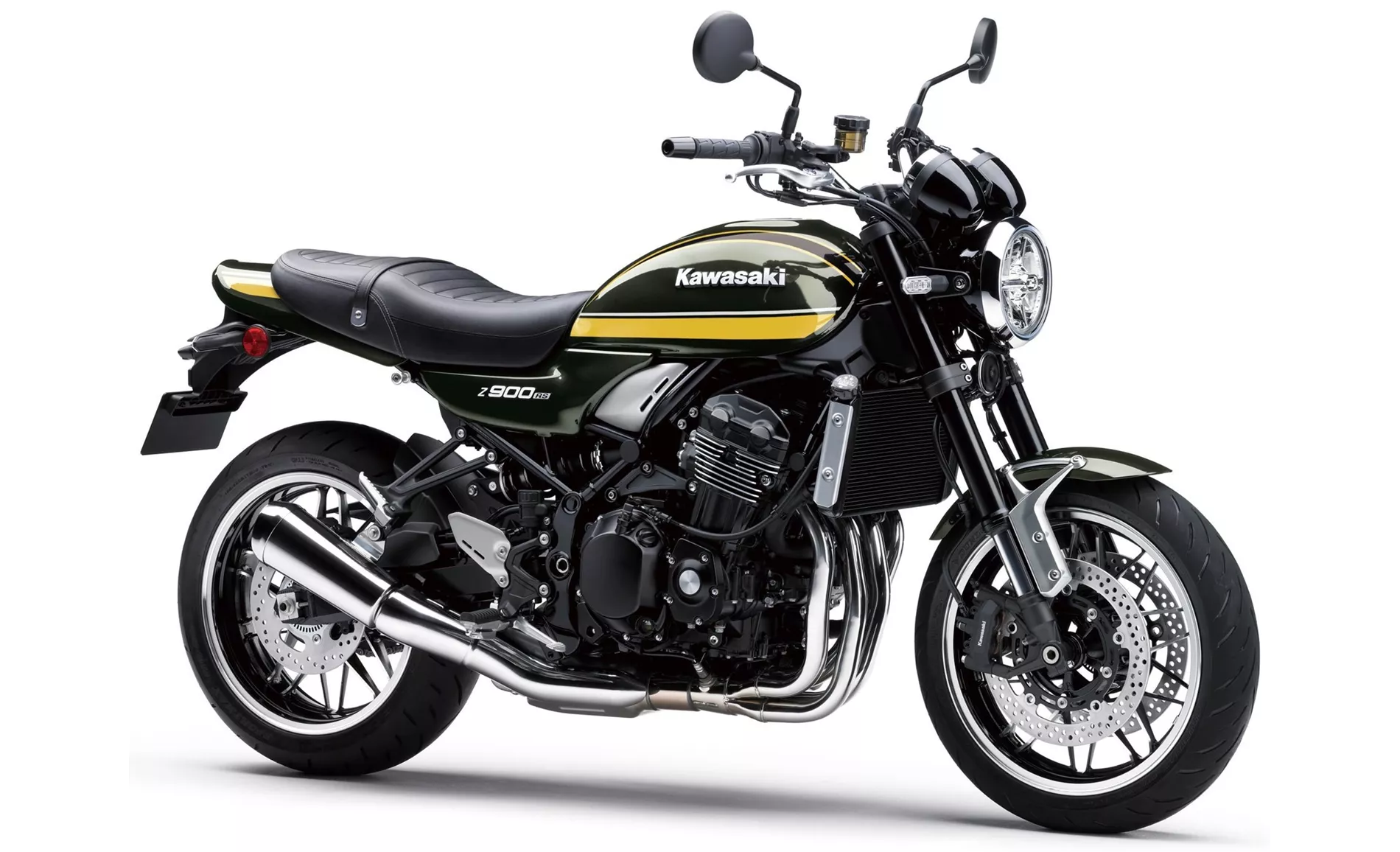
Kawasaki Z900 RS 2021
In terms of technical specifications, there are a few notable differences between the two bikes. The XSR900 has a slightly more powerful engine with 115 HP compared to the Z900 RS's 111 HP. However, the Z900 RS has a higher torque of 98.6 Nm compared to the XSR900's 87.5 Nm. The XSR900 has a 3-cylinder engine, while the Z900 RS has a 4-cylinder engine. Both bikes have liquid cooling and similar suspension and braking systems. The XSR900 has an aluminum frame, while the Z900 RS has a steel frame. The Z900 RS has a larger fuel tank capacity of 17 liters compared to the XSR900's 14 liters.
In conclusion, both the Yamaha XSR900 2016 and the Kawasaki Z900 RS 2021 have their own unique strengths and weaknesses. The XSR900 offers a powerful engine and well-tuned riding modes, but has a hard chassis and less comfortable seat. On the other hand, the Z900 RS boasts an authentic retro look and comfortable seating position, but lacks a quickshifter and driving modes. Ultimately, the choice between the two will depend on the rider's preferences and priorities.
Caractéristiques techniques Yamaha XSR900 2016 par rapport à Kawasaki Z900 RS 2021
Avantages et inconvénients en comparaison
Avantages et inconvénients en comparaison
Yamaha XSR900 2016
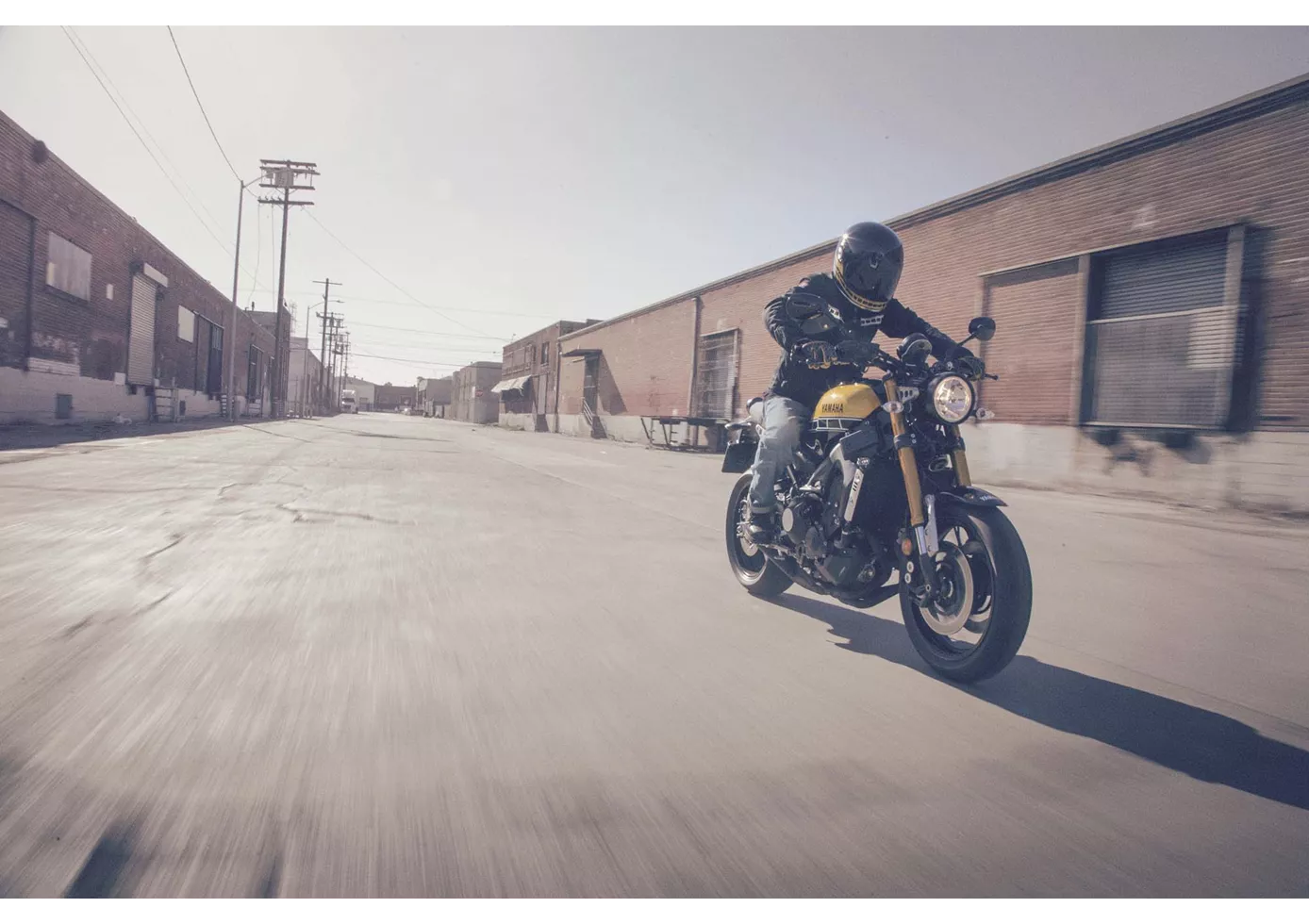
La Yamaha XSR900 est une illusion d'optique classique - avec son phare rond, son réservoir anguleux et son feu arrière rapporté, elle passe clairement pour une moto rétro. Mais ce n'est pas un hasard si ses performances rappellent celles de la puissante moto tout terrain de classe moyenne Yamaha MT-09, car celle-ci constitue la base extrêmement sportive de la XSR900. Le moteur est donc une merveille et les freins sont très puissants. En ce qui concerne le châssis, les techniciens n'exagèrent heureusement pas, la XSR900 offre suffisamment de confort et la position d'assise droite est plus confortable que ne le laisserait supposer le moteur puissant. Dans la catégorie des motos rétro, la XSR900 est néanmoins l'un des modèles les plus sportifs.
Kawasaki Z900 RS 2021
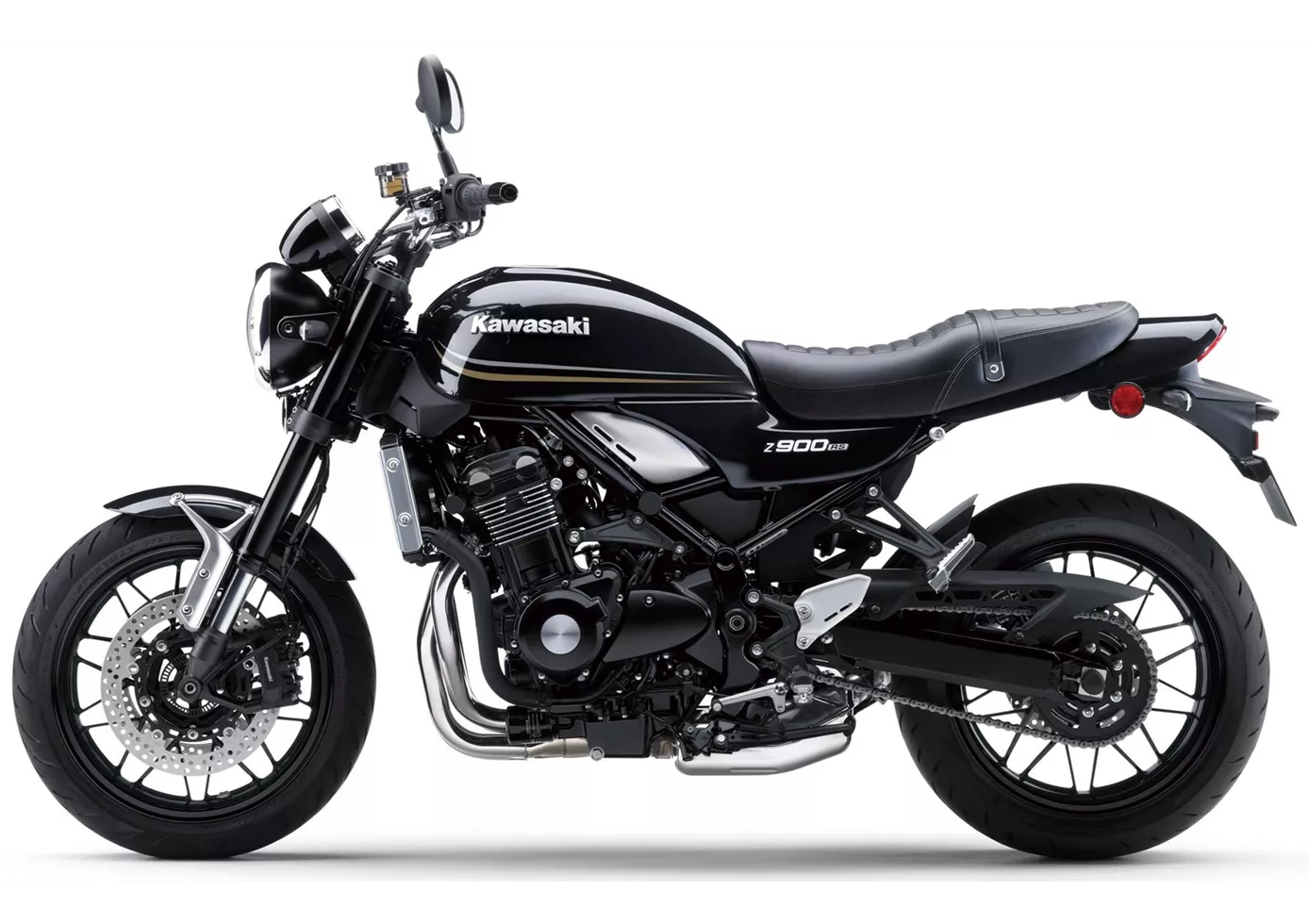
La Kawasaki Z900 RS allie à la perfection un design classique et une Technologie moderne. Son moteur quatre cylindres en ligne, d’une souplesse exceptionnelle, offre une puissance délivrée de manière linéaire et une élasticité impressionnante sur toute la plage de régime. La Suspension offre un équilibre idéal entre confort et stabilité, ce qui la rend parfaite aussi bien pour les longs trajets que pour une conduite sportive. Malgré l'absence de pare-brise, la Z900 RS séduit par sa position de conduite confortable et sa performance de conduite agile. Sur le plan esthétique, elle rend hommage à la légendaire Z1, tandis que des éléments modernes tels que le contrôle de traction et une finition haut de gamme viennent parachever un ensemble très réussi. Pour tous ceux qui recherchent un look rétro associé à une puissance du moteur actuelle, la Z900 RS est une compagne fiable et polyvalente, tant pour le quotidien que pour les longs trajets.
Comparaison des prix Prix moyen du marché Yamaha XSR900 vs Kawasaki Z900 RS
There are a few key differences between a Yamaha XSR900 2016 and a Kawasaki Z900 RS 2021. In terms of price, the actual average price of a Kawasaki Z900 RS 2021 is about 61% higher. Compared to Kawasaki Z900 RS 2021 there are less Yamaha XSR900 2016 bikes available on the 1000PS.de Marketplace, specifically 5 compared to 14. It takes less time to sell a Yamaha XSR900 with 77 days compared to 125 days for a Kawasaki Z900 RS. Since model year 2016 1000PS.de editors have written 30 reviews for the Yamaha XSR900 and 26 reviews for the Kawasaki Z900 RS since model year 2018. The first review for the Yamaha XSR900 was published on 11/25/2015 and now has more than 17,600 views. This compares to more than 63,700 views for the first review on Kawasaki Z900 RS published on 9/6/2017.