BMW S 1000 R 2021 vs. Kawasaki Z900 2020
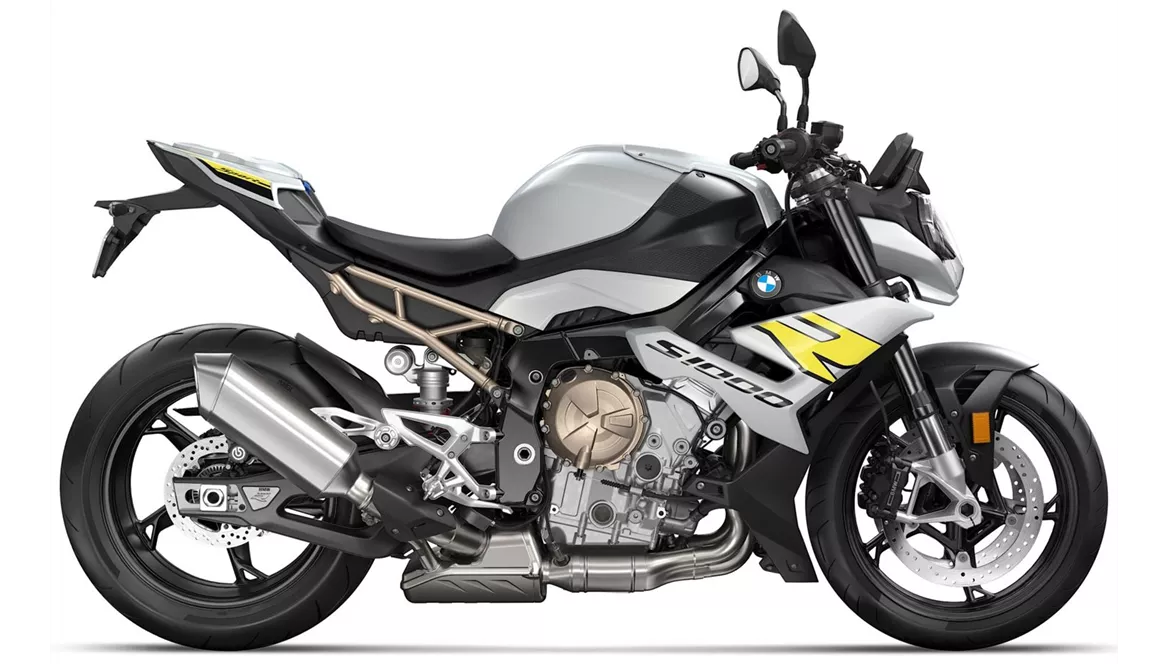
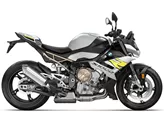
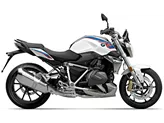
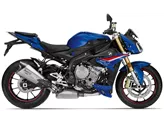
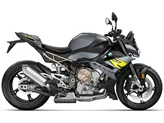
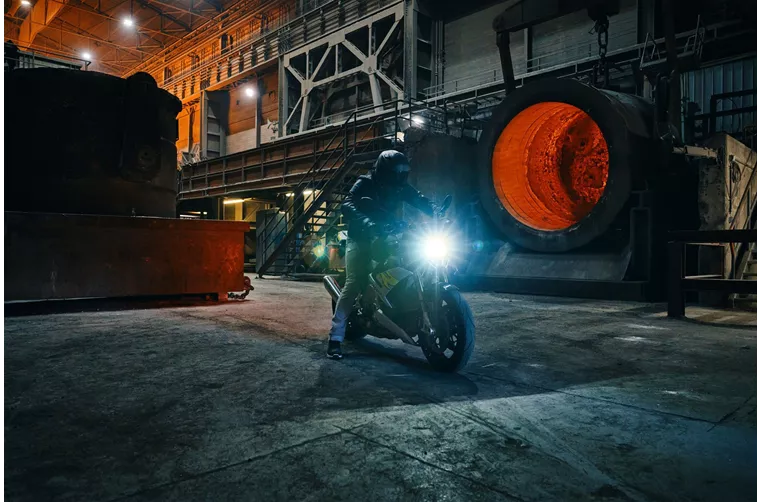
BMW S 1000 R 2021
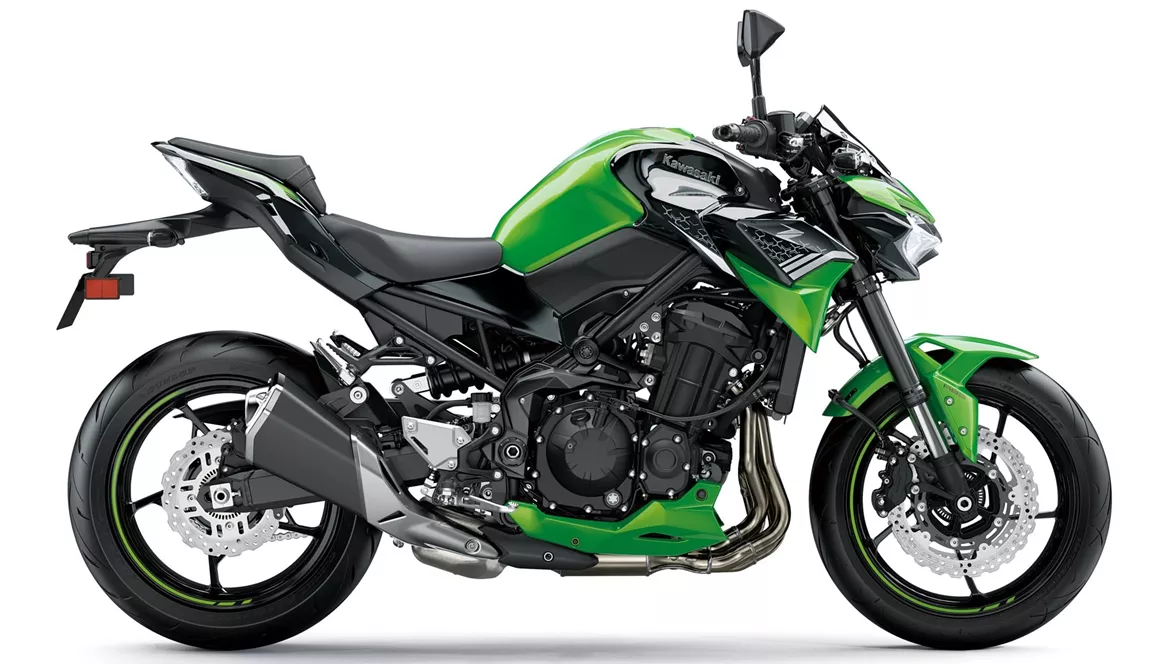
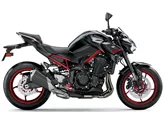
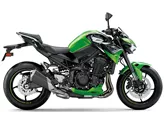
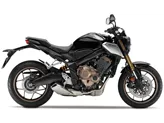
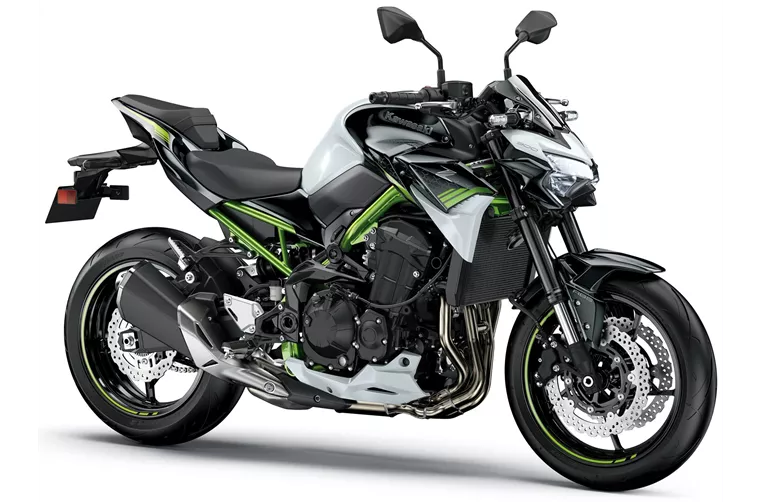
Kawasaki Z900 2020
Vue d’ensemble - BMW S 1000 R 2021 vs Kawasaki Z900 2020
The BMW S 1000 R 2021 and the Kawasaki Z900 2020 are both naked bikes with similar engine types, in-line four-cylinders, and liquid cooling systems. However, there are several notable differences between the two models.
In terms of engine power, the BMW S 1000 R 2021 comes out on top with 165 HP, while the Kawasaki Z900 2020 falls slightly behind with 125.4 HP. This gives the BMW an advantage in terms of acceleration and top speed.
When it comes to torque, the BMW also has the upper hand with 114 Nm compared to the Kawasaki's 98.6 Nm. This means that the BMW will have better low-end power and acceleration.
Both bikes feature fuel injection systems and have four cylinders, ensuring smooth and efficient power delivery. The BMW has a slightly larger displacement at 999 ccm, while the Kawasaki has a displacement of 948 ccm.
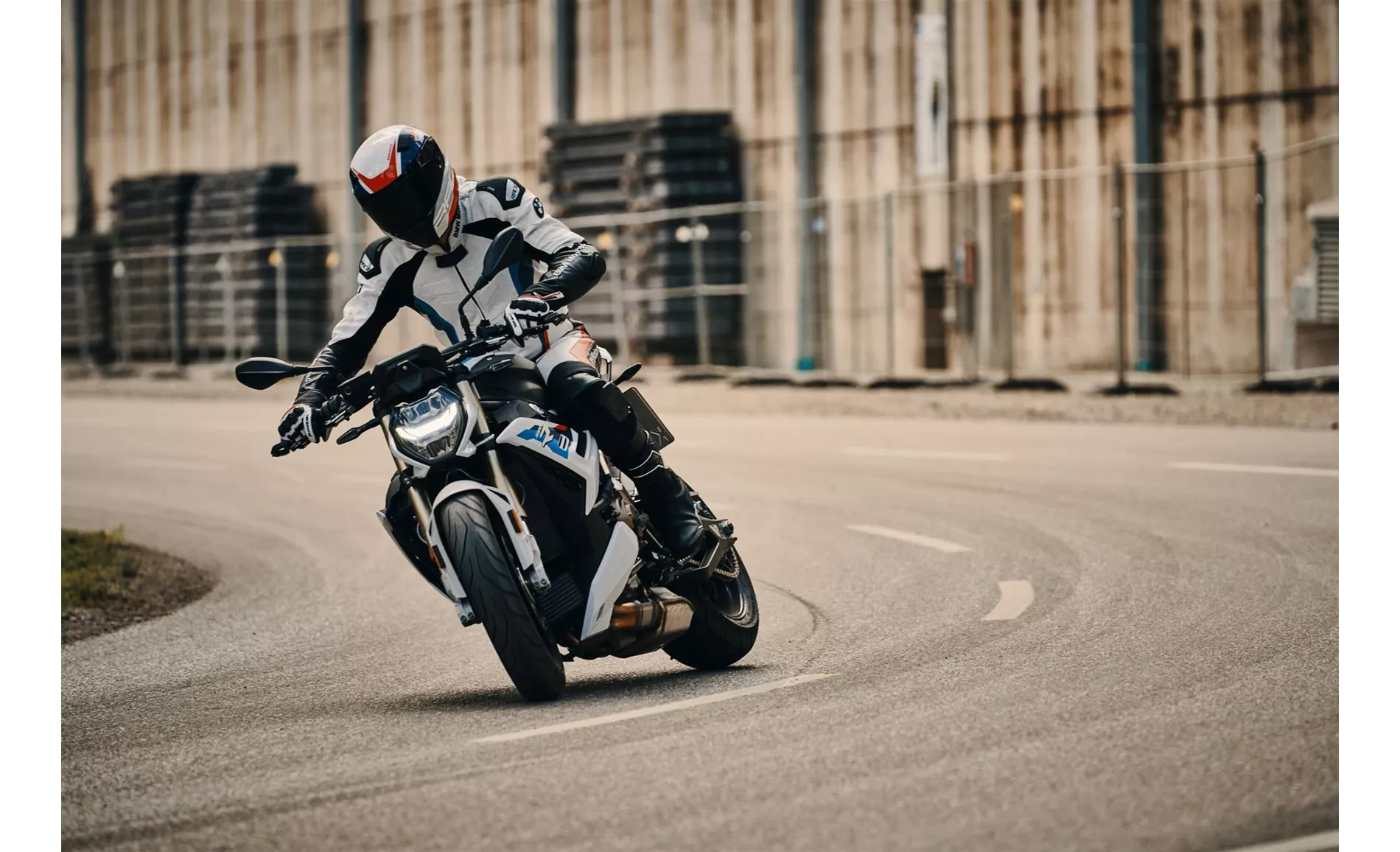
BMW S 1000 R 2021
In terms of suspension, both bikes feature upside-down telescopic forks at the front and swing arm suspensions at the rear. However, the BMW offers more adjustability with compression, preload, and rebound adjustments for both the front and rear suspension. The Kawasaki only offers preload and rebound adjustments for its suspension.
When it comes to the chassis, the BMW features an aluminum frame with a twin tube design, which provides a good balance between rigidity and weight. On the other hand, the Kawasaki has a steel frame with a double cradle design, which may not be as lightweight as the aluminum frame but still offers good stability.
In terms of braking, both bikes feature double disc brakes at the front with four-piston calipers. However, the BMW has larger diameter discs at 320 mm compared to the Kawasaki's 300 mm. The BMW also utilizes radial technology for its brakes, which provides better braking performance and feel.
In terms of rider assistance systems, both bikes feature ABS and traction control. However, the BMW offers more advanced rider assistance systems such as hill start assist, riding modes, cornering ABS, ride by wire, and anti-wheelie control. The Kawasaki only offers riding modes and ride by wire.
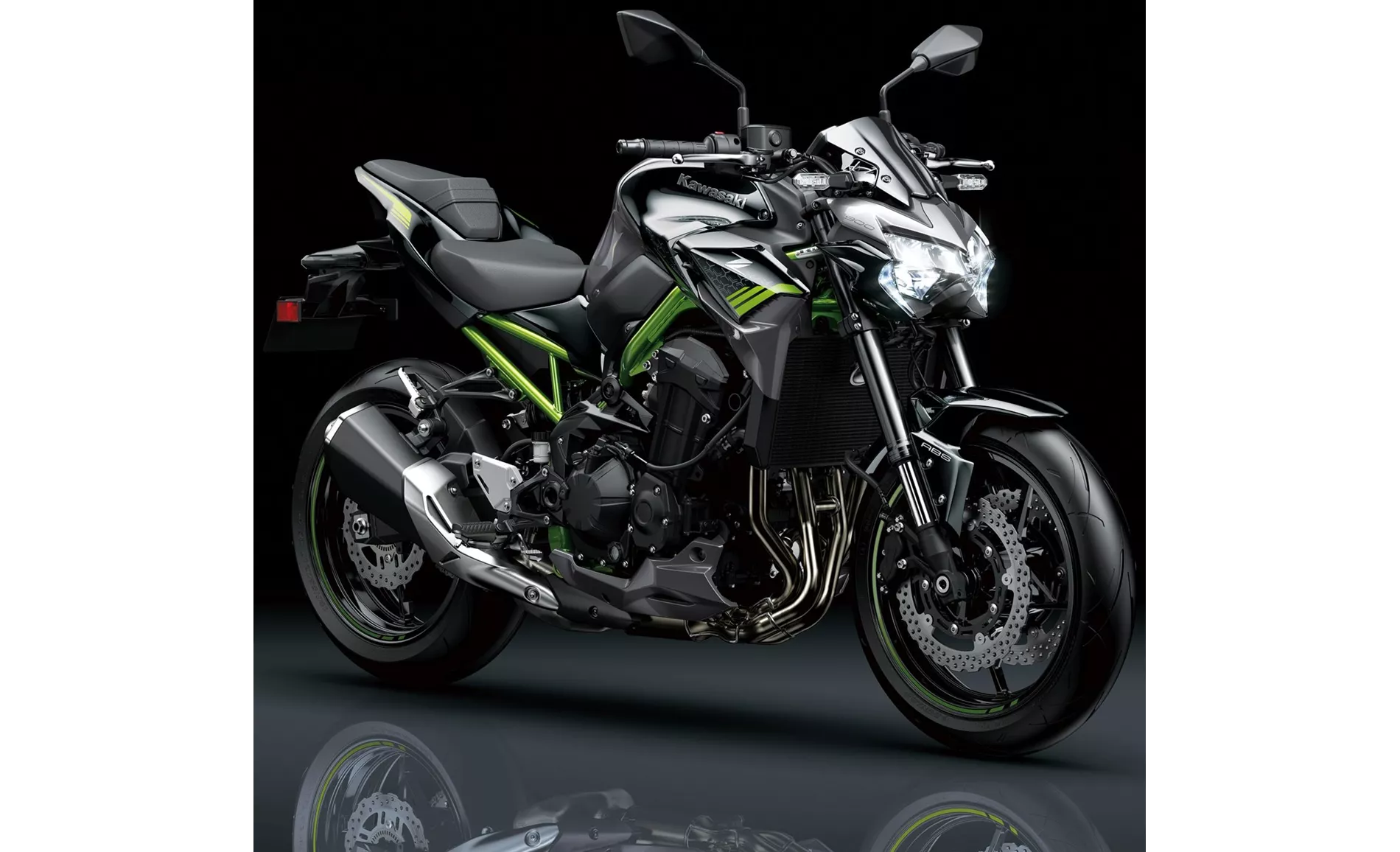
Kawasaki Z900 2020
In terms of dimensions and weights, both bikes have similar front and rear tire widths and diameters. They also share the same wheelbase at 1450 mm. However, the BMW has a slightly higher seat height at 830 mm compared to the Kawasaki's 795 mm. The BMW is also lighter with a kerb weight of 199 kg, while the Kawasaki weighs 210 kg.
In terms of strengths, the BMW S 1000 R 2021 is praised for its powerful engine, good brakes, comfortable ergonomics, and high-performance optional extras. It is also considered a great all-rounder. On the other hand, the Kawasaki Z900 2020 is praised for its powerful four-cylinder engine, great handling, good equipment, aggressive looks, and value for money.
In terms of weaknesses, the BMW S 1000 R 2021 is criticized for its quickshifter not being perfect and its sound being somewhat intrusive. It also experiences vibrations in the handlebars. The Kawasaki Z900 2020 is criticized for its somewhat tiring menu navigation and the absence of a quickshifter option.
Overall, the BMW S 1000 R 2021 offers a more powerful and technologically advanced package, making it a top choice for riders seeking high performance and advanced features. However, the Kawasaki Z900 2020 provides good value for money and a strong overall package with its powerful engine and great handling.
Caractéristiques techniques BMW S 1000 R 2021 par rapport à Kawasaki Z900 2020
Avantages et inconvénients en comparaison
Avantages et inconvénients en comparaison
BMW S 1000 R 2021
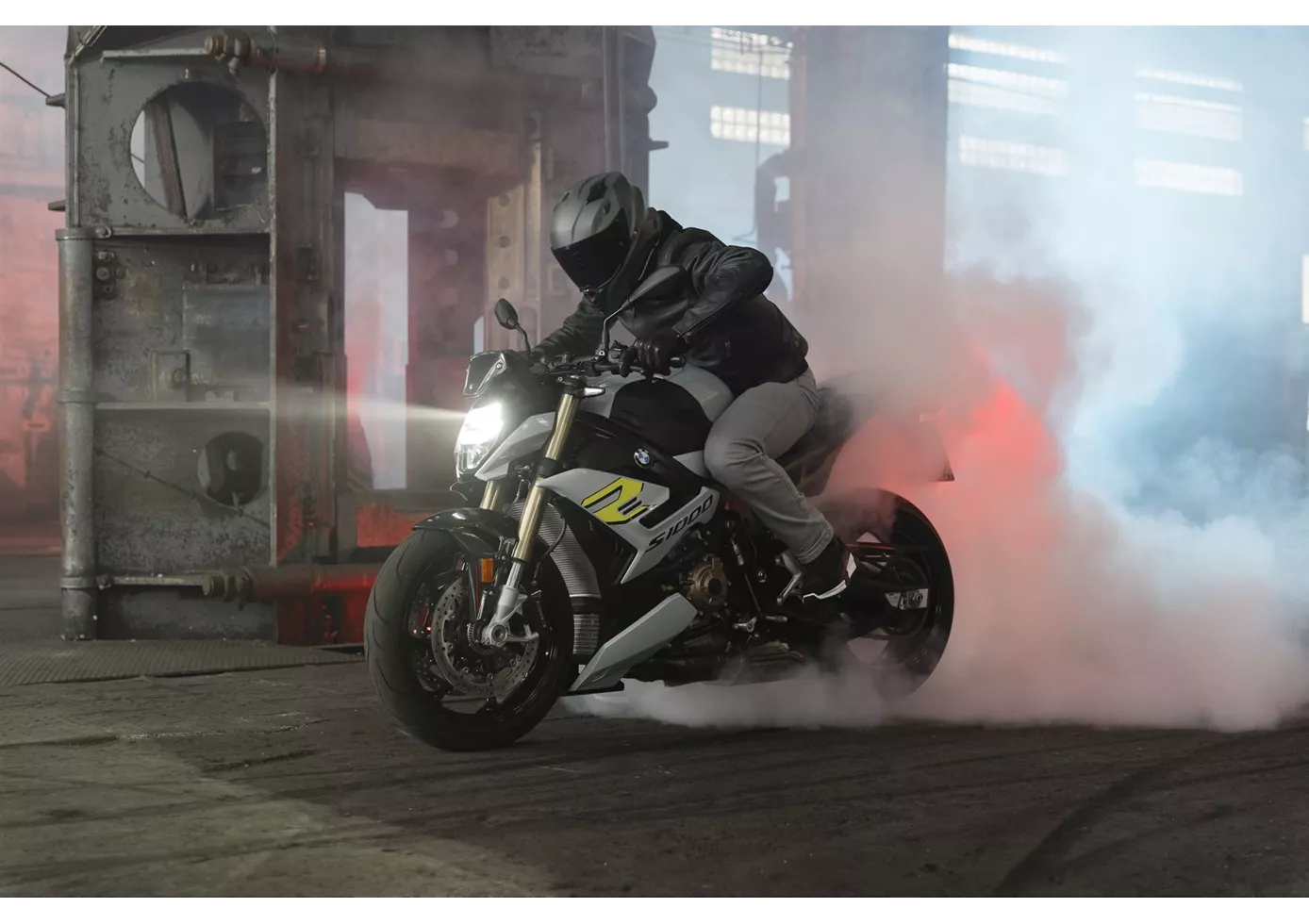
La position de conduite est sportive, mais pas du tout inconfortable, le freinage est efficace et le moteur de la S 1000 R se montre sous son meilleur jour - peut-être même un peu trop homogène. Du côté de la conduite, il n'y a rien à redire non plus. Sur la base des données de performance pures et des fonctions électroniques intégrées, la BMW a ce qu'il faut pour réaliser le meilleur temps au tour. Et ce sur n'importe quel type de terrain, car le châssis semi-actif permet d'avaler des kilomètres et des kilomètres sur de mauvaises routes parsemées de nids de poule. Malheureusement, ce sentiment de supériorité ne s'est jamais vraiment transmis au pilote. Sans doute le revers de la médaille d'un trop grand équilibre dans tous les domaines - du moins à mes yeux italophiles. Il manquait à la BMW ce petit quelque chose, ce rayonnement ou ce charisme difficile à expliquer, mais qui suscite de véritables émotions.
Kawasaki Z900 2020
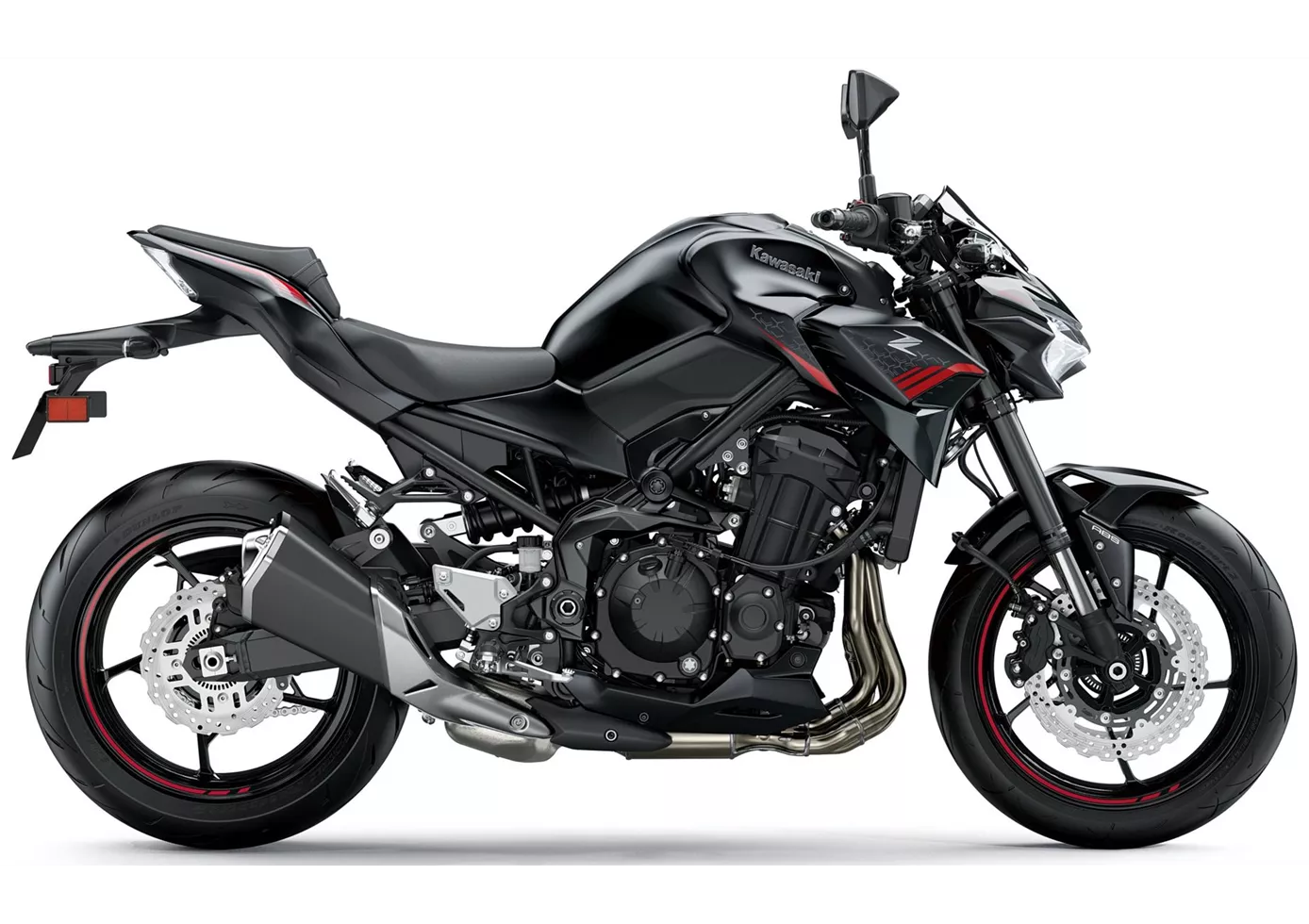
La Kawasaki Z900 n'est peut-être plus tout à fait à la hauteur en ce qui concerne les caractéristiques électroniques modernes dépendant de l'inclinaison, mais elle est relativement bon marché et il ne faut surtout pas sous-estimer la communauté des fans du bon vieux quatre cylindres en ligne - la Z900 est l'une des possibilités les plus avantageuses de posséder un moteur aussi formidable d'une cylindrée d'à peine un litre dans une naked bike sportive ! Le poids plus élevé est perceptible, mais pas massivement gênant, car la maniabilité et la stabilité sont tout à fait correctes. En ce qui concerne l'électronique "dépassée", le plus dérangeant est l'absence d'assistant de changement de vitesse, qui n'est même pas disponible en option. Mais dans l'ensemble, la Z900 est une superbe moto naked avec un excellent rapport qualité-prix.
Comparaison des prix Prix moyen du marché BMW S 1000 R vs Kawasaki Z900
There are a few key differences between a BMW S 1000 R 2021 and a Kawasaki Z900 2020. In terms of price, the actual average price of a BMW S 1000 R 2021 is about 89% higher. Compared to Kawasaki Z900 2020 there are less BMW S 1000 R 2021 bikes available on the 1000PS.de Marketplace, specifically 15 compared to 34. It takes less time to sell a BMW S 1000 R with 67 days compared to 124 days for a Kawasaki Z900. Since model year 2014 1000PS.de editors have written 62 reviews for the BMW S 1000 R and 46 reviews for the Kawasaki Z900 since model year 2017. The first review for the BMW S 1000 R was published on 11/3/2013 and now has more than 17,300 views. This compares to more than 93,200 views for the first review on Kawasaki Z900 published on 11/11/2016.