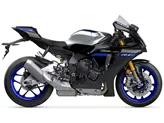
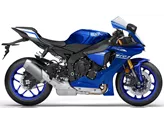
Yamaha R1 2019 vs. Yamaha R7 2021

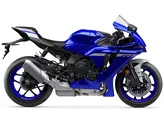
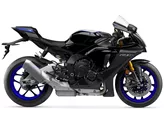
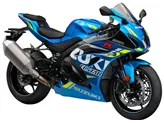
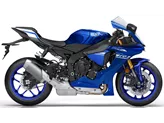
Yamaha R1 2019
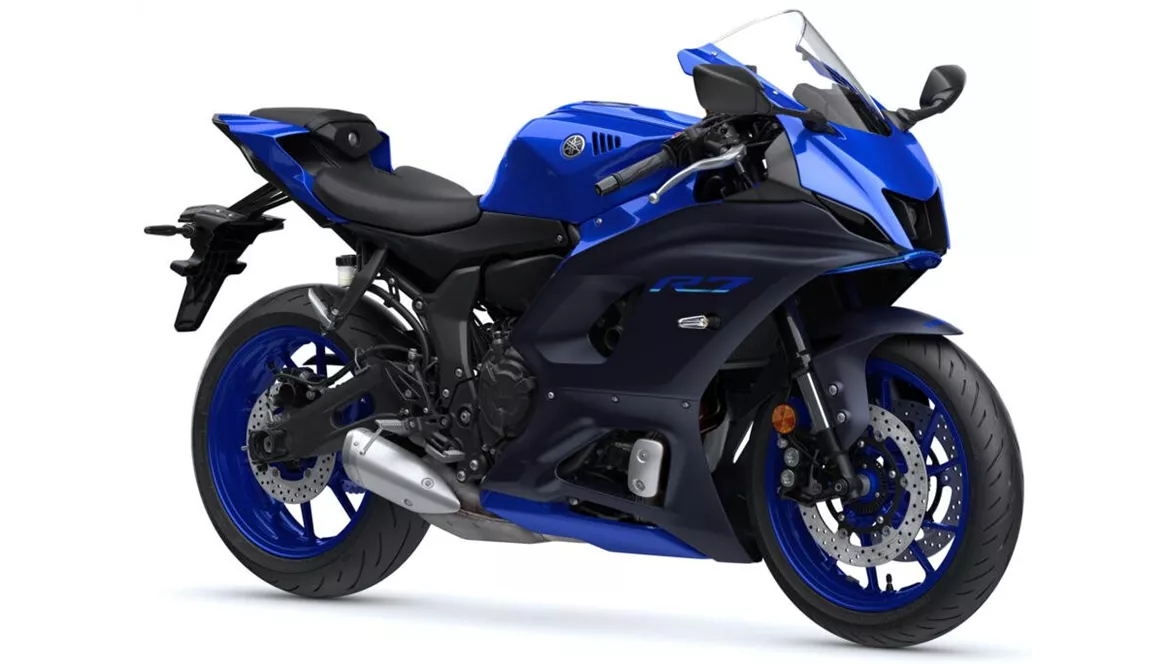
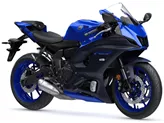
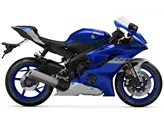
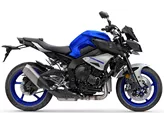
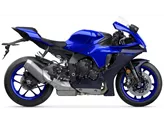
Yamaha R7 2021
Vue d’ensemble - Yamaha R1 2019 vs Yamaha R7 2021
The Yamaha R1 model year 2019 and the Yamaha R7 model year 2021 are both supersport motorcycles from Yamaha, but they have several differences in terms of technical specifications and features.
Starting with the engine and drive train, the Yamaha R1 2019 is equipped with a 998cc engine that produces a powerful 200 HP and 112.4 Nm of torque. It has a bore of 79 mm and a stroke of 50.9 mm, with a compression ratio of 13. The R1 has four cylinders and four valves per cylinder, with a DOHC valve system. On the other hand, the Yamaha R7 2021 has a smaller 689cc engine that generates 73.4 HP and 67 Nm of torque. It has a slightly larger bore of 80 mm and stroke of 68.6 mm, with a compression ratio of 11.5. The R7 also has two cylinders and four valves per cylinder, with a DOHC valve system.
In terms of suspension, both models feature upside-down telescopic forks in the front. However, the R1 has an aluminum frame, while the R7 has a steel frame. This difference in frame material may affect the overall weight and handling characteristics of the motorcycles.

Yamaha R1 2019
Both the R1 and R7 have double disk brakes in the front, providing strong stopping power. The R1 is equipped with advanced rider assistance systems such as launch control and traction control, while the R7 only has ABS as a standard rider assistance system.
In terms of dimensions and weights, the R1 has a front tire width of 120 mm and a rear tire width of 190 mm, both with a diameter of 17 inches. It has a wheelbase of 1405 mm and a kerb weight of 199 kg with ABS. The fuel tank capacity is 17 liters. On the other hand, the R7 has a front tire width of 120 mm and a rear tire width of 180 mm, also with a diameter of 17 inches. It has a slightly shorter wheelbase of 1395 mm and a lighter kerb weight of 188 kg with ABS. The fuel tank capacity is 13 liters.
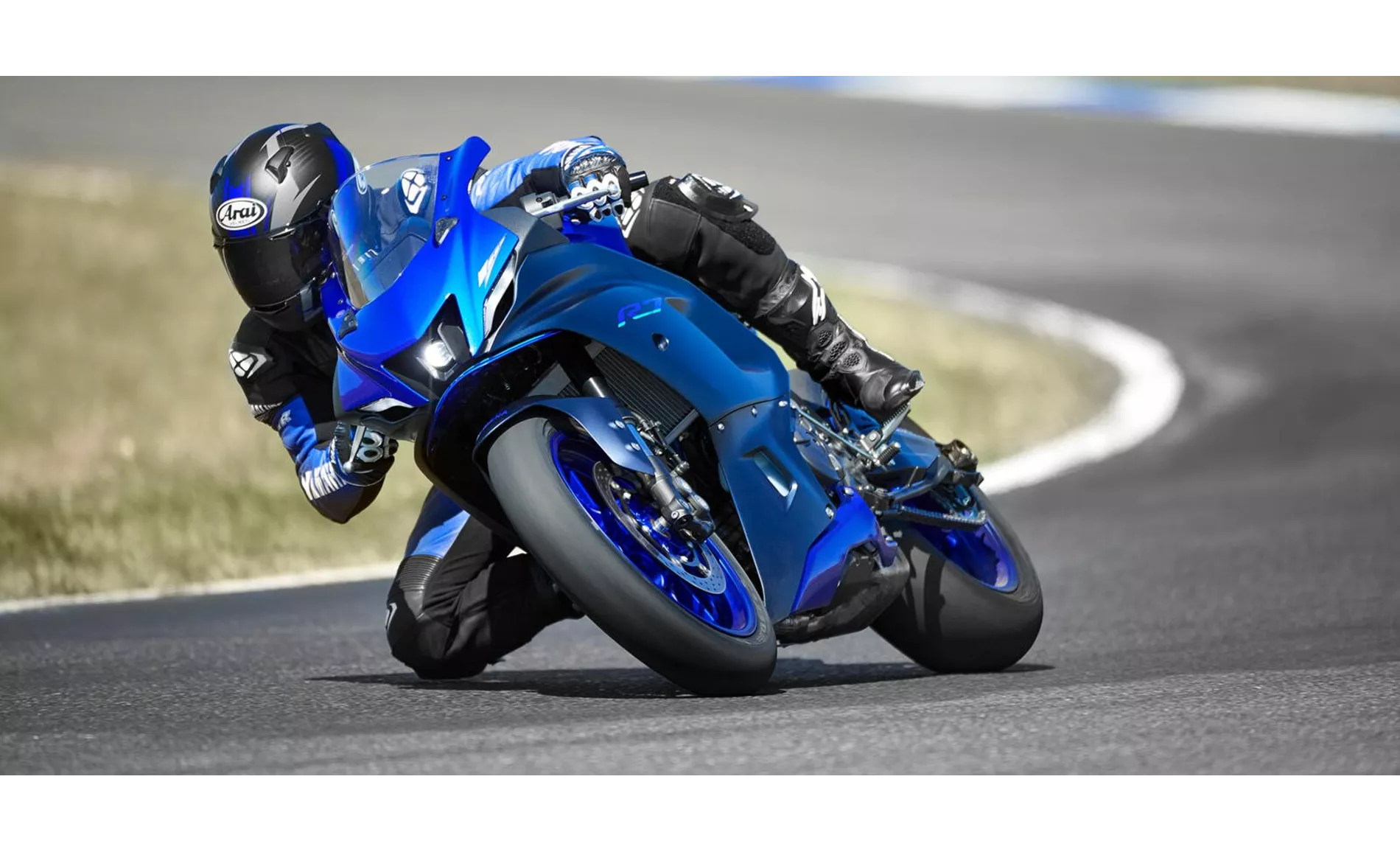
Yamaha R7 2021
In terms of strengths, the Yamaha R1 2019 is known for its powerful engine, clean response, and being a very fast track bike in the right hands. It also has perfectly tuned electronics, which further enhance its performance. On the other hand, the Yamaha R7 2021 is praised for its high-torque CP2 engine, sporty riding position, and well-set suspension. It is considered a good entry-level trackday bike, with standard tires that provide a good balance of grip and performance.
However, both models have their weaknesses. The Yamaha R1 2019 has an ABS system that is not 100 percent satisfactory, which may affect the braking performance in certain situations. The Yamaha R7 2021 does not come with a quickshifter as standard, which could be a desirable feature for some riders.
In conclusion, the Yamaha R1 2019 and Yamaha R7 2021 are both impressive supersport motorcycles with their own unique strengths and weaknesses. The R1 offers a more powerful engine and advanced rider assistance systems, making it a top choice for experienced riders on the track. On the other hand, the R7 provides a more accessible entry-level option with a smaller engine and a focus on sporty handling. Ultimately, the choice between the two will depend on the rider's preferences and intended use.
Caractéristiques techniques Yamaha R1 2019 par rapport à Yamaha R7 2021

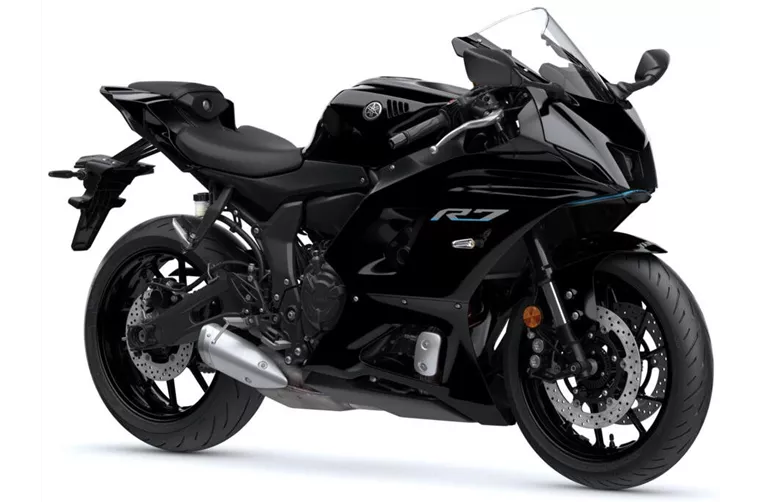
Avantages et inconvénients en comparaison
Avantages et inconvénients en comparaison
Yamaha R1 2019

La Yamaha YZF-R1 est arrivée à maturité et fait le bonheur d'innombrables pilotes de circuit. Le moteur brille par sa légèreté et son agilité, la position de conduite surprend positivement et la maniabilité est radicale mais toujours "adaptée à la masse". La machine attire immédiatement l'attention par son aspect et aussi par sa sonorité qui fait chaud au cœur. C'est surtout sur les routes de campagne que la moto marque des points avec les atouts qu'on lui connaît : super moteur, super électronique, super ensemble ! Un vrai plaisir de conduire !
Yamaha R7 2021
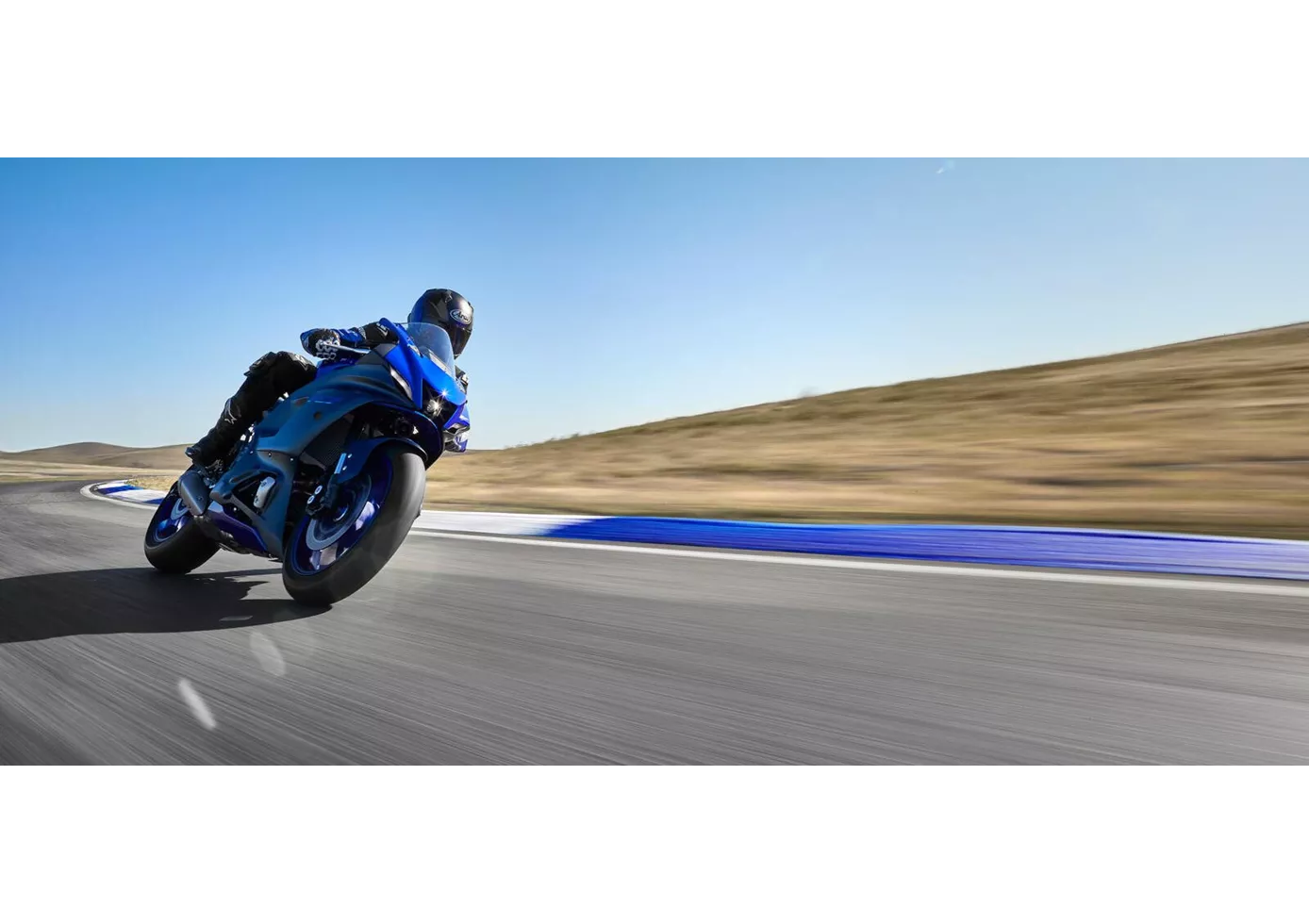
Ceux qui s'attendent à une solution en demi-teinte avec la Yamaha R7 seront surpris de voir à quel point la petite supersportive fonctionne de manière équilibrée. Le moteur d'un peu plus de 70 ch n'a bien sûr pas ce qu'il faut pour défier par exemple l'orgue de vitesse R6, mais c'est justement le moteur avec son punch par le bas qui convient le mieux au caractère. Les composants du châssis sont de très bonne qualité, même entièrement réglables à l'avant, et la maniabilité de la petite grenade est absolument géniale. La position d'assise est correcte, bien moins radicale que sur les vraies supersports, et donc globalement adaptée à la vie quotidienne.
Comparaison des prix Prix moyen du marché Yamaha R1 vs Yamaha R7
There are a few key differences between a Yamaha R1 2019 and a Yamaha R7 2021. It takes less time to sell a Yamaha R1 with 112 days compared to 161 days for a Yamaha R7. Since model year 2005 1000PS.de editors have written 80 reviews for the Yamaha R1 and 9 reviews for the Yamaha R7 since model year 2021. The first review for the Yamaha R1 was published on 4/28/2003 and now has more than 3,900 views. This compares to more than 92,800 views for the first review on Yamaha R7 published on 5/18/2021.