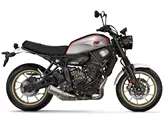
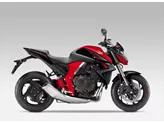
Yamaha XSR900 2016 vs. Honda CB 1000 R 2019
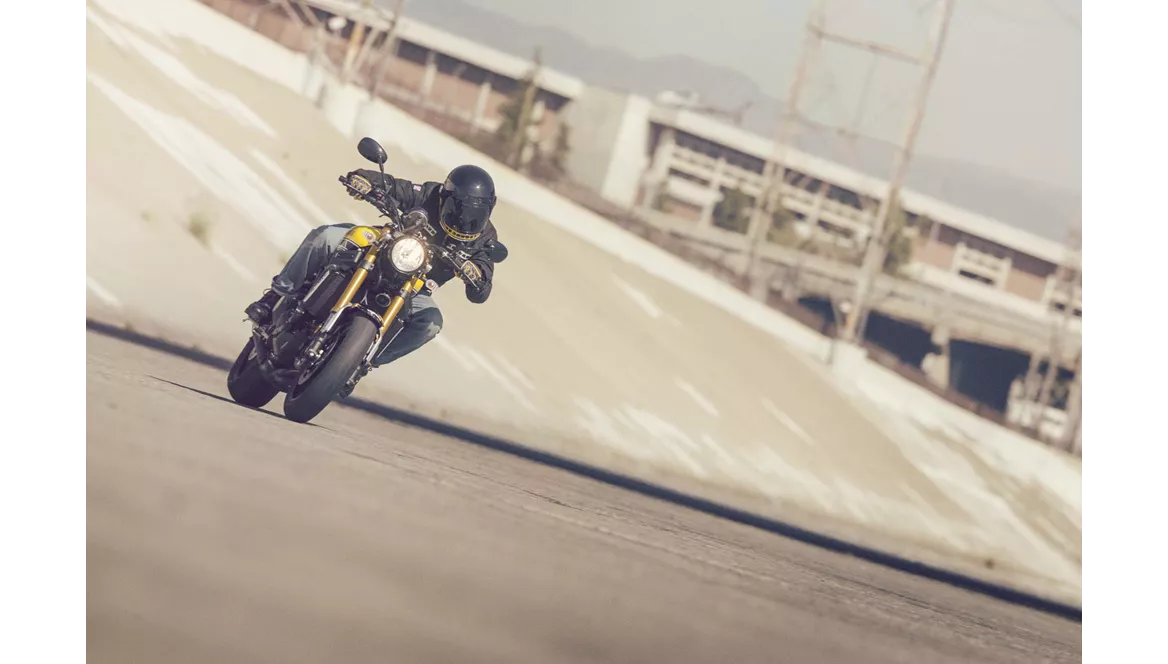
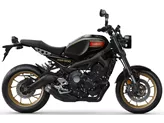
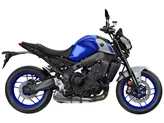
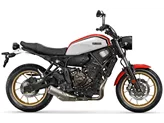
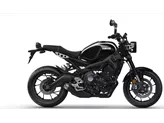
Yamaha XSR900 2016
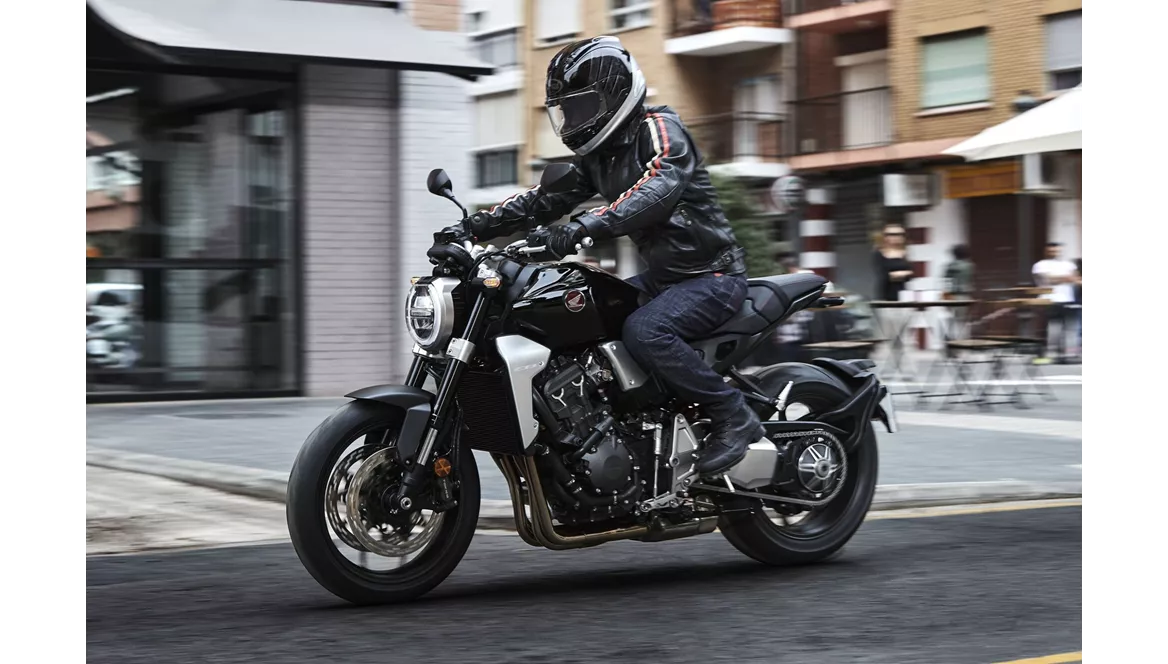
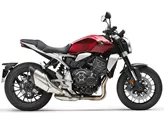
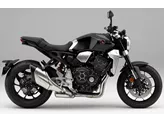
Honda CB 1000 R 2019
Vue d’ensemble - Yamaha XSR900 2016 vs Honda CB 1000 R 2019
The Yamaha XSR900 2016 and the Honda CB 1000 R 2019 are both naked bikes that offer powerful engines and advanced rider assistance systems. However, there are several differences between the two models that should be considered.
In terms of engine performance, the Honda CB 1000 R 2019 has a clear advantage. It is equipped with a 145 HP engine, compared to the Yamaha XSR900 2016's 115 HP engine. The Honda also has a higher torque of 104 Nm, while the Yamaha has 87.5 Nm. Additionally, the Honda CB 1000 R 2019 has four cylinders, while the Yamaha XSR900 2016 has three.
Both bikes have liquid cooling systems and upside-down telescopic forks for the front suspension. However, the Yamaha XSR900 2016 has a swing arm suspension for the rear, while the Honda CB 1000 R 2019 has a single swing arm suspension. Both models also have monoshock shock absorbers.
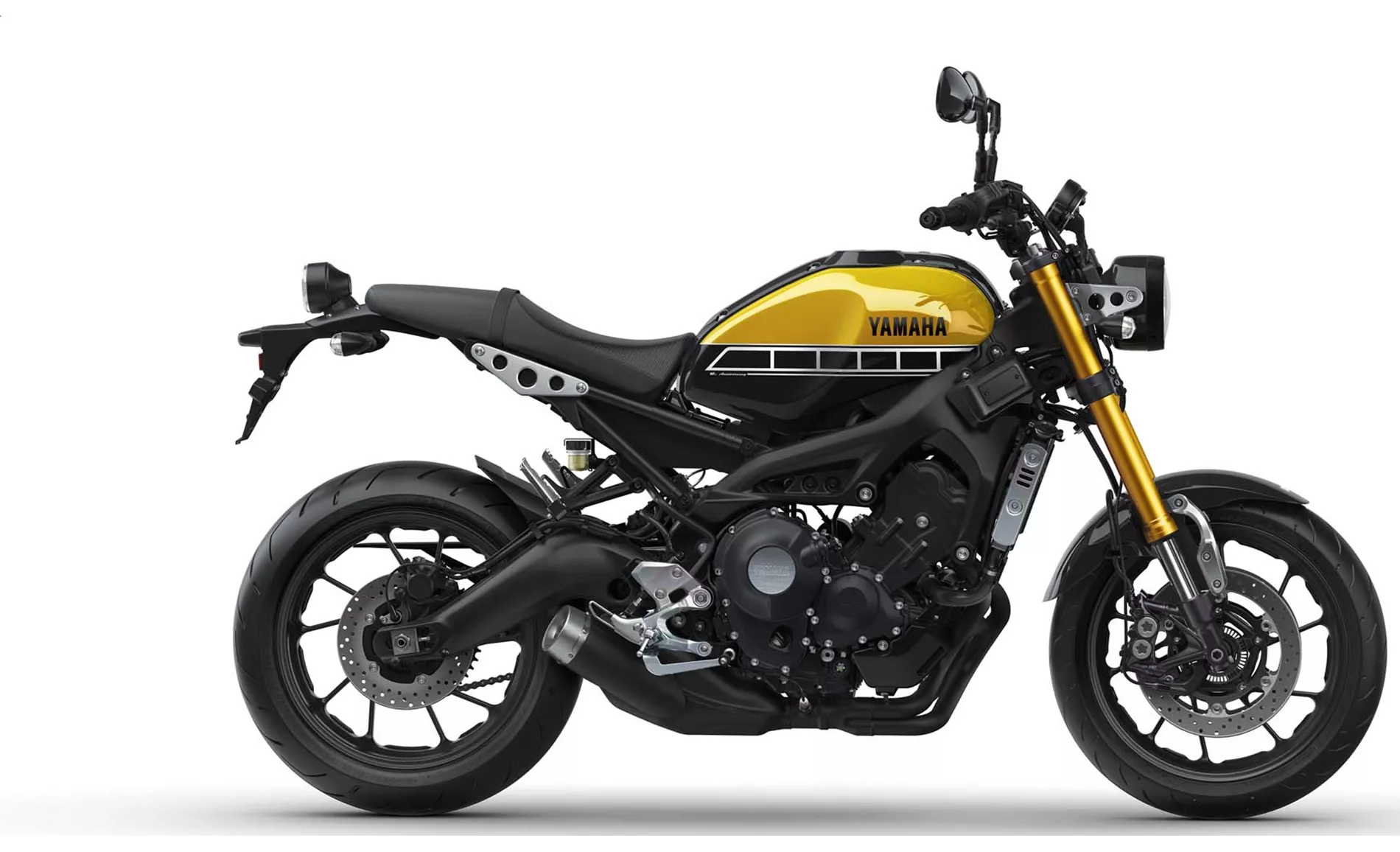
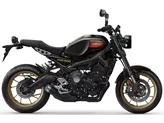
Yamaha XSR900 2016
In terms of chassis, the Yamaha XSR900 2016 has an aluminum frame with a twin tube design, while the Honda CB 1000 R 2019 has a steel frame with a backbone design. This difference in frame material and design may affect the overall weight and handling of the bikes.
Both bikes have double disk brakes at the front, but the Honda CB 1000 R 2019 has larger diameter disks (310 mm) compared to the Yamaha XSR900 2016 (298 mm). Both models also have ABS as standard.
In terms of dimensions and weights, the Honda CB 1000 R 2019 has a slightly larger wheelbase (1455 mm) compared to the Yamaha XSR900 2016 (1440 mm). The seat height of the Honda is also slightly higher at 830 mm, compared to the Yamaha's 815 mm. The Honda CB 1000 R 2019 is also heavier, with a kerb weight of 212 kg, compared to the Yamaha XSR900 2016's 191 kg. The Honda also has a larger fuel tank capacity of 16.2 liters, while the Yamaha has 14 liters.
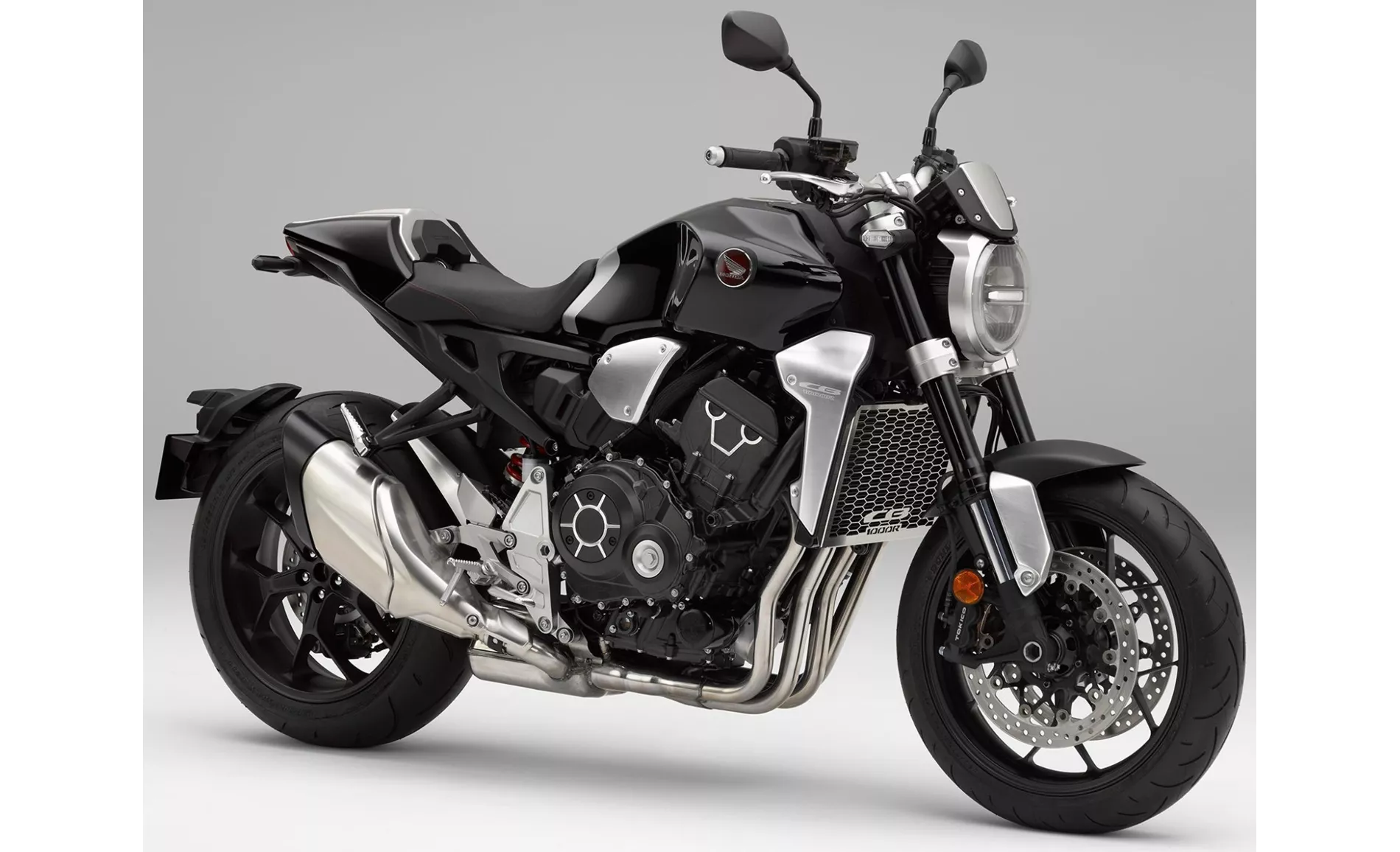
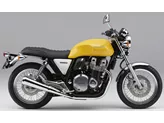
Honda CB 1000 R 2019
In terms of strengths, the Yamaha XSR900 2016 is praised for its greedy engine, well-tuned riding modes, standard ABS and TC, authentic modern design, and clean workmanship. On the other hand, the Honda CB 1000 R 2019 is praised for its flawless responsiveness, rideability, good electronics package (including ABS, traction control, and riding modes), smooth and precise gearbox, and excellent functioning quickshifter.
In terms of weaknesses, the Yamaha XSR900 2016 is criticized for its hard chassis, uncomfortable seat, and speedblock design that is already seen on many other models. The Honda CB 1000 R 2019 is criticized for its black/white LCD display, which is not quite up to date and not easily readable in direct sunlight. Additionally, tall riders may have space problems with their knees at the tank.
Overall, the Honda CB 1000 R 2019 offers more power and advanced features compared to the Yamaha XSR900 2016. However, personal preferences and specific needs should be taken into consideration when choosing between the two models.
Caractéristiques techniques Yamaha XSR900 2016 par rapport à Honda CB 1000 R 2019
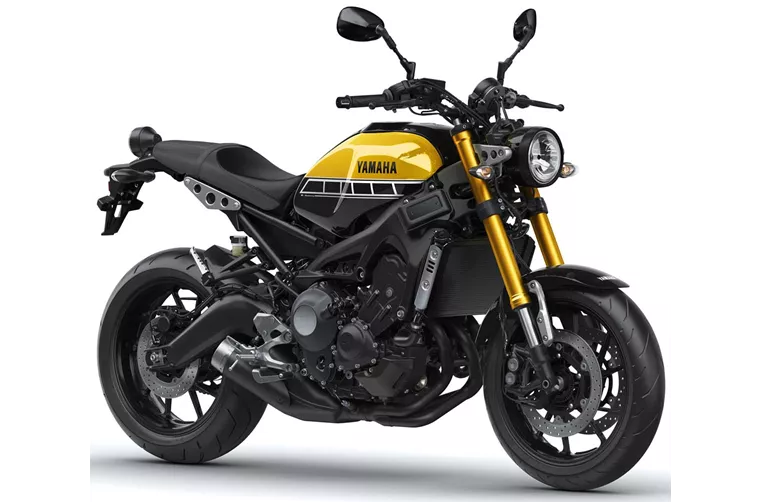
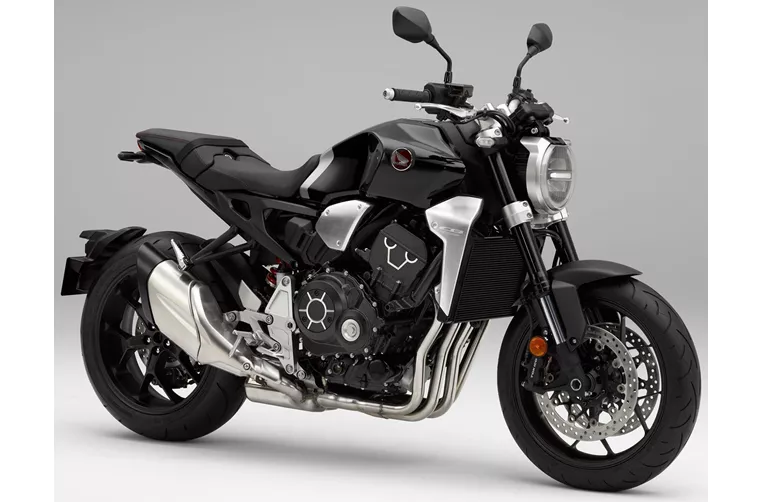
Avantages et inconvénients en comparaison
Avantages et inconvénients en comparaison
Yamaha XSR900 2016

La Yamaha XSR900 est une illusion d'optique classique - avec son phare rond, son réservoir anguleux et son feu arrière rapporté, elle passe clairement pour une moto rétro. Mais ce n'est pas un hasard si ses performances rappellent celles de la puissante moto tout terrain de classe moyenne Yamaha MT-09, car celle-ci constitue la base extrêmement sportive de la XSR900. Le moteur est donc une merveille et les freins sont très puissants. En ce qui concerne le châssis, les techniciens n'exagèrent heureusement pas, la XSR900 offre suffisamment de confort et la position d'assise droite est plus confortable que ne le laisserait supposer le moteur puissant. Dans la catégorie des motos rétro, la XSR900 est néanmoins l'un des modèles les plus sportifs.
Honda CB 1000 R 2019
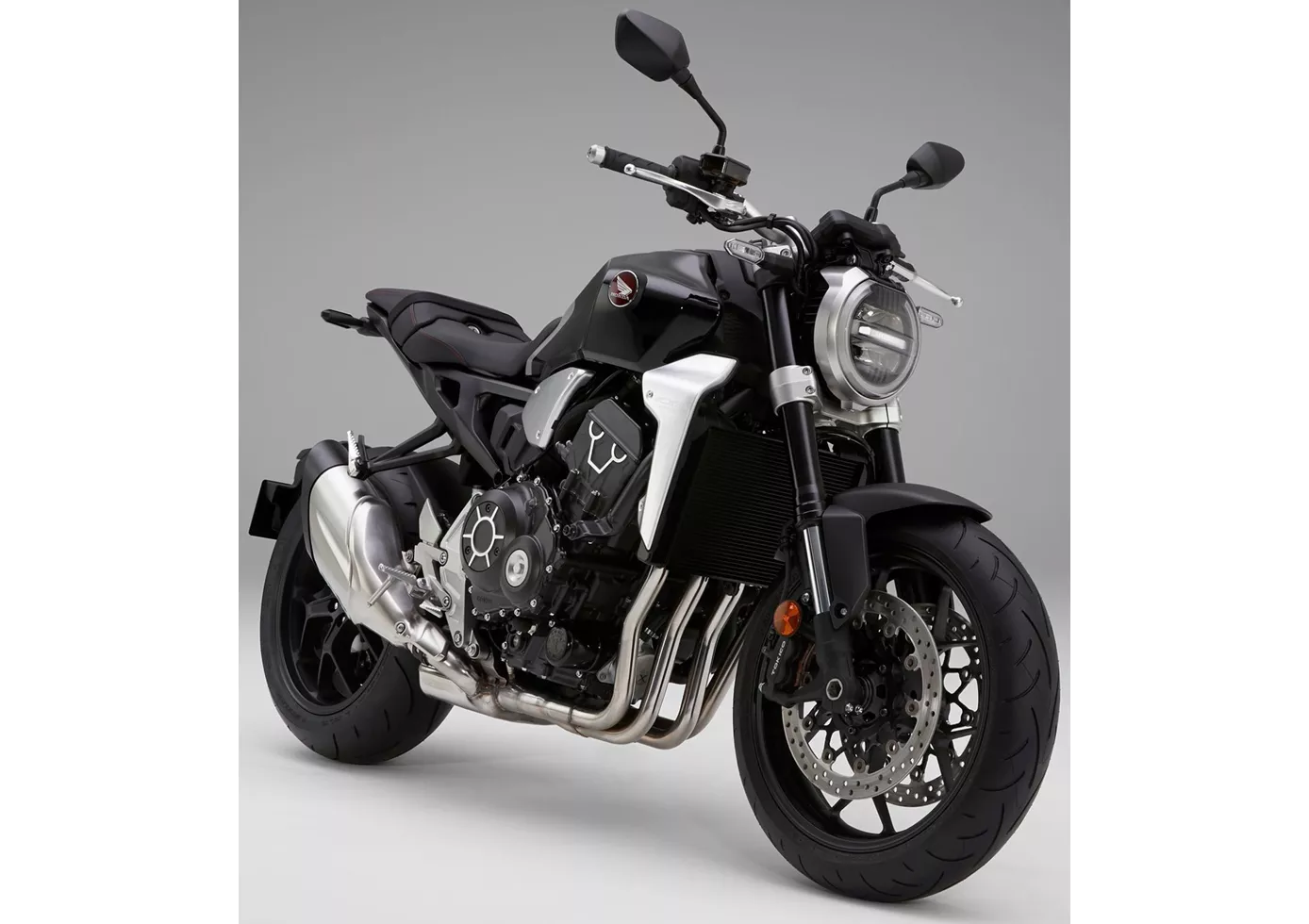
La version 1 litre du Neo Sport Cafe Racer montre que le juste milieu n'est pas toujours nécessaire. Il faut dire honnêtement que le plus grand de tous les représentants est aussi celui qui se sent le plus "adulte". Les caractéristiques / options électroniques de la variante + de la 1000 ne laissent presque rien à désirer et la maniabilité est particulièrement agréable pour cette catégorie. Un cornering ludique avec un châssis bien réglé, des freins mordants et un poids réduit semblent être la recette du succès de la facilité de conduite. En matière de puissance, la CB1000R+ doit malheureusement faire des concessions : avec 145 ch, la Honda n'est pas une fusée brachiale, mais elle est d'autant plus contrôlable. Et 145 ch pour 213 kg avec le plein, c'est plus que suffisant sur la route pour un plaisir de conduire maximal !
Comparaison des prix Prix moyen du marché Yamaha XSR900 vs Honda CB 1000 R
There are a few key differences between a Yamaha XSR900 2016 and a Honda CB 1000 R 2019. In terms of price, the actual average price of a Honda CB 1000 R 2019 is about 53% higher. A Yamaha XSR900 2016 experiences a loss of 1,650 USD in one year and 1,670 USD in two years of ownership. This is offset by a loss of 970 USD and 1,320 USD for a Honda CB 1000 R 2019. Compared to Honda CB 1000 R 2019 there are less Yamaha XSR900 2016 bikes available on the 1000PS.de Marketplace, specifically 5 compared to 16. It takes less time to sell a Yamaha XSR900 with 77 days compared to 116 days for a Honda CB 1000 R. Since model year 2016 1000PS.de editors have written 30 reviews for the Yamaha XSR900 and 42 reviews for the Honda CB 1000 R since model year 2008. The first review for the Yamaha XSR900 was published on 11/25/2015 and now has more than 17,600 views. This compares to more than 10,400 views for the first review on Honda CB 1000 R published on 11/6/2007.