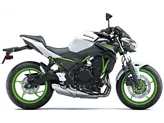
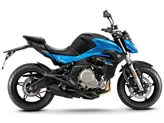
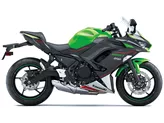
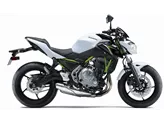
Kawasaki Vulcan S 2015 vs. Kawasaki Z650 2020
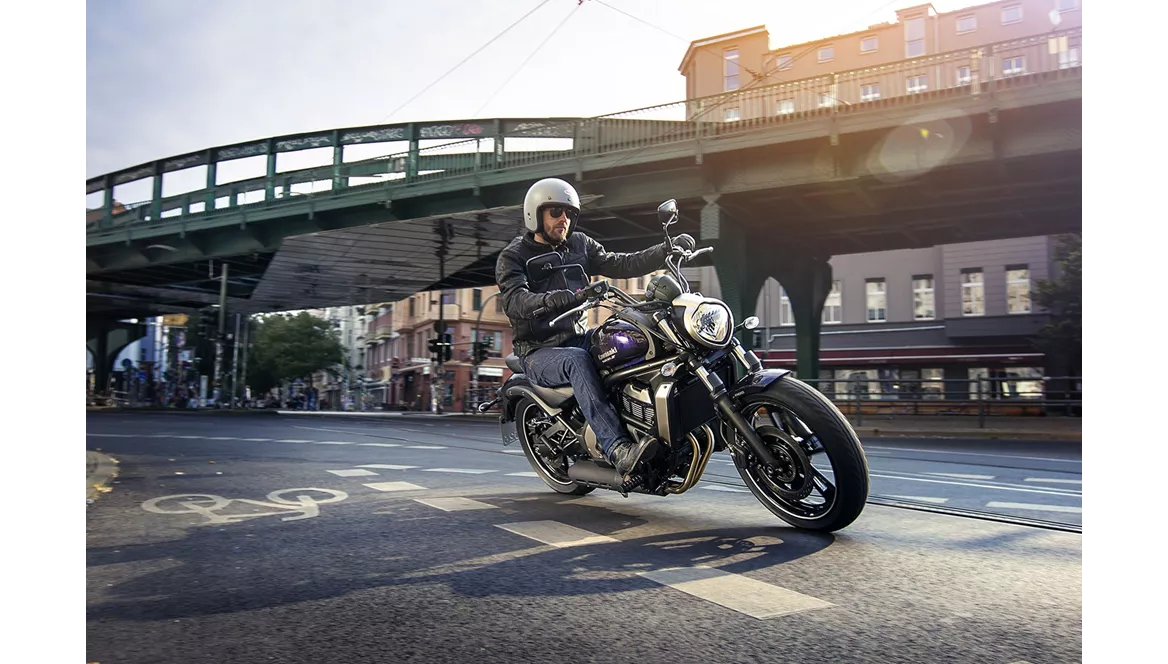
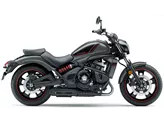
Kawasaki Vulcan S 2015
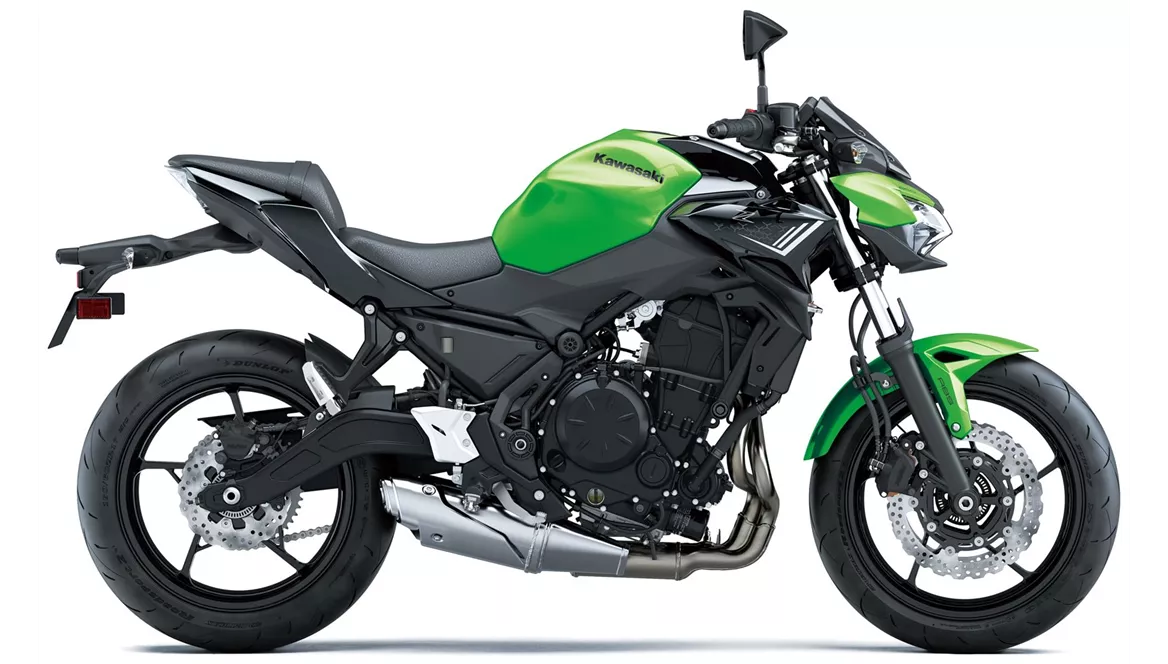
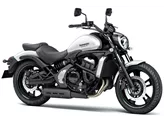
Kawasaki Z650 2020
Vue d’ensemble - Kawasaki Vulcan S 2015 vs Kawasaki Z650 2020
The Kawasaki Vulcan S 2015 and the Kawasaki Z650 2020 are both impressive motorcycles with their own unique features and strengths.
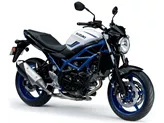
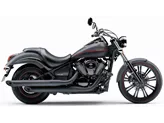
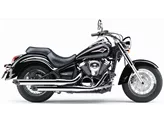
Starting with the Kawasaki Vulcan S 2015, it boasts a rev-happy engine that performs well in both high and low rev ranges. The engine has a displacement of 649cc and delivers 61 horsepower and 63 Nm of torque. The transmission is chain-driven, and the bike has a liquid cooling system. The Vulcan S features a steel frame with a perimeter design, providing stability and durability. The front brake is a single disk with double piston calipers, ensuring reliable stopping power. The bike has a narrow and maneuverable 160 rear tire, and its dimensions include a wheelbase of 1575mm and a seat height of 705mm. The Vulcan S weighs 228 kg and has a fuel tank capacity of 14 liters.
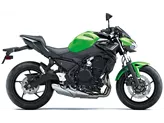
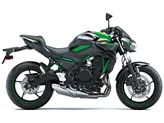
On the other hand, the Kawasaki Z650 2020 is equipped with a powerful two-cylinder engine that delivers 68.2 horsepower and 65.7 Nm of torque. The engine has the same displacement as the Vulcan S, 649cc, and is also chain-driven with liquid cooling. The Z650 features a steel frame with a tubular design, providing stability and strength. The front brake is a double disk with double piston calipers, offering enhanced braking performance. The bike has a front tire width of 120mm and a diameter of 17 inches, while the rear tire has a width of 160mm and the same diameter. The Z650 has compact dimensions, with a wheelbase of 1410mm and a seat height of 790mm. It weighs 187.1 kg and has a fuel tank capacity of 15 liters.
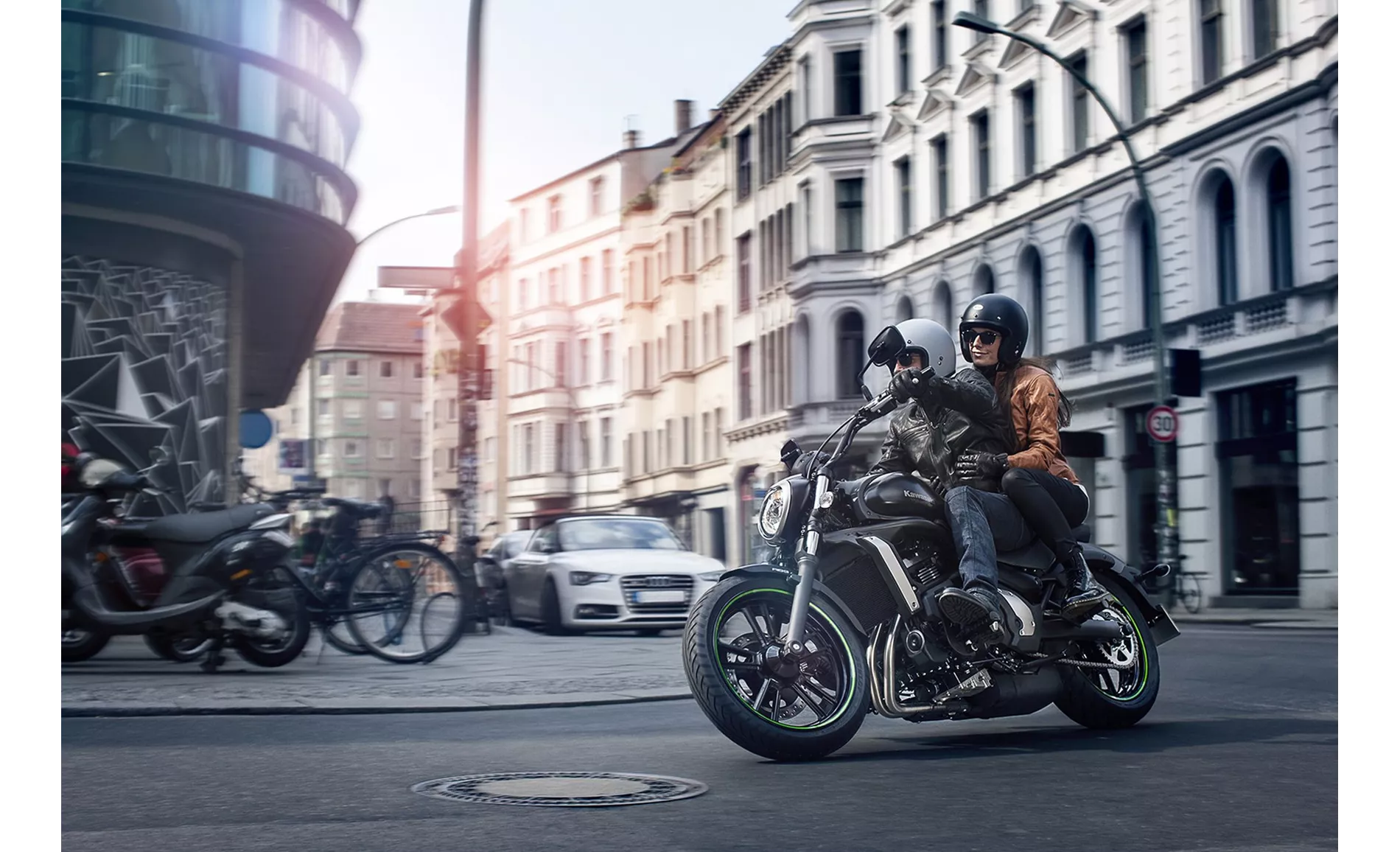
Kawasaki Vulcan S 2015
In terms of strengths, the Kawasaki Vulcan S 2015 offers a unique and idiosyncratic look, making it stand out from other motorcycles in its class. It also features the Ergo-Fit system, allowing riders to customize the bike to their specific preferences for optimal comfort. The Vulcan S has a sufficiently comfortable chassis, providing a smooth and enjoyable ride. Additionally, it has a narrow rear tire, making it highly maneuverable.
On the other hand, the Kawasaki Z650 2020 boasts a powerful two-cylinder engine that delivers impressive performance. It produces an aggressive intake noise, adding to the overall excitement of riding the bike. The Z650 has compact dimensions and a low seat height, making it suitable for riders of different sizes. It also features a stable chassis, ensuring a confident and controlled ride. The bike is equipped with a TFT display with connectivity, allowing riders to easily access information and stay connected while on the road. Lastly, the Z650 has a grown-up look, appealing to riders who prefer a more mature and sophisticated style.
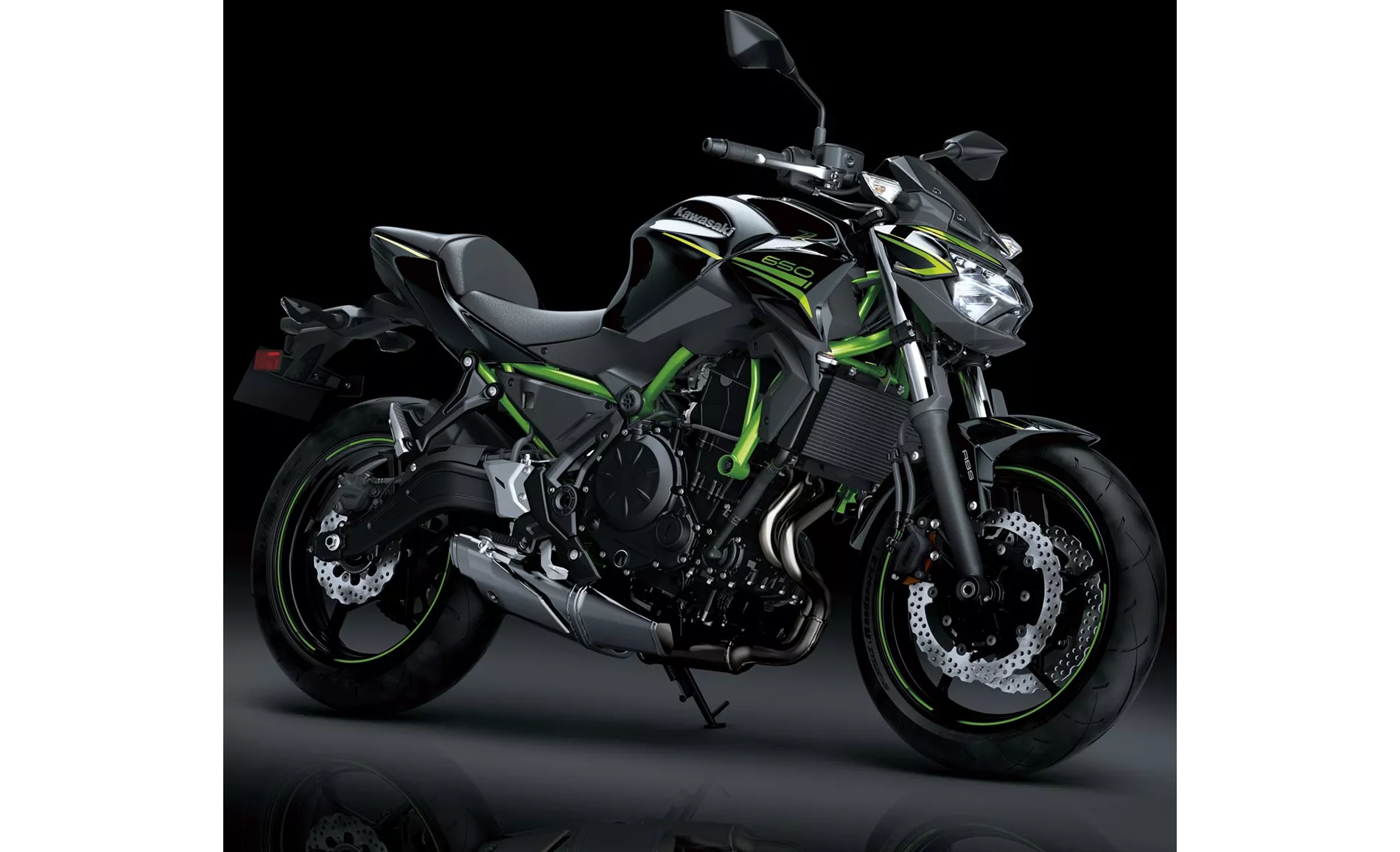
Kawasaki Z650 2020
However, both motorcycles have their weaknesses. The Kawasaki Vulcan S 2015's Ergo-Fit system comes at an additional cost, which may be a drawback for some riders. It also offers moderate wind protection, which can be a concern for those who frequently ride at high speeds. Additionally, the gear indicator is only available as an optional feature, which may be inconvenient for some riders.
On the other hand, the Kawasaki Z650 2020 has a front brake pressure point that may not be to everyone's liking. The bike may also be uncomfortable for taller riders due to its low seat height. Furthermore, the Rideology App, which offers connectivity features, may not be as sophisticated as some riders would prefer.
In conclusion, both the Kawasaki Vulcan S 2015 and the Kawasaki Z650 2020 are impressive motorcycles with their own unique features and strengths. The Vulcan S offers a unique look, customization options, and maneuverability, while the Z650 boasts a powerful engine, compact dimensions, and a mature design. However, they also have their weaknesses, such as additional costs for customization and optional features for the Vulcan S, and brake pressure point and potential discomfort for taller riders with the Z650. Ultimately, the choice between these two models will depend on the rider's preferences and priorities.
Caractéristiques techniques Kawasaki Vulcan S 2015 par rapport à Kawasaki Z650 2020
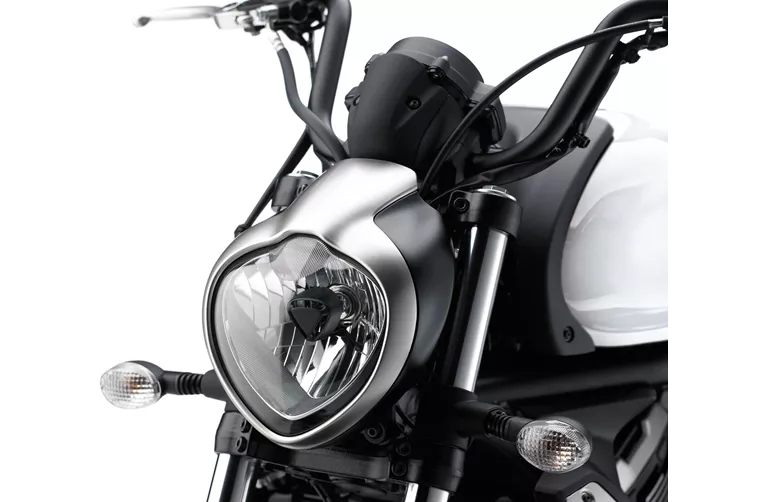
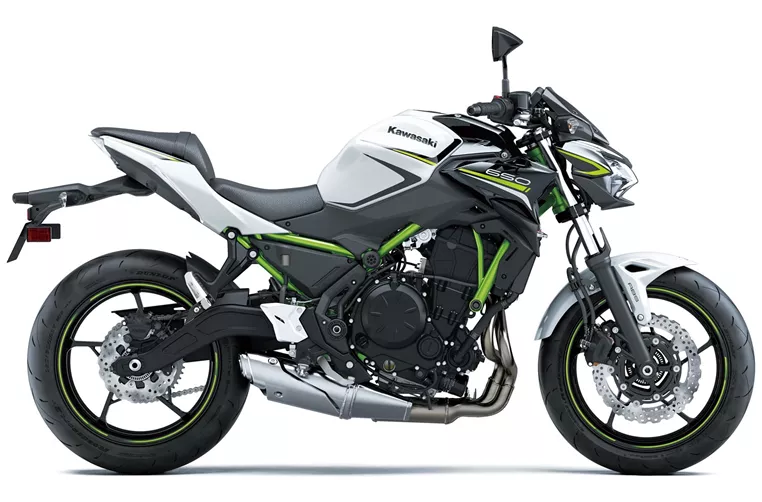
Avantages et inconvénients en comparaison
Avantages et inconvénients en comparaison
Kawasaki Vulcan S 2015
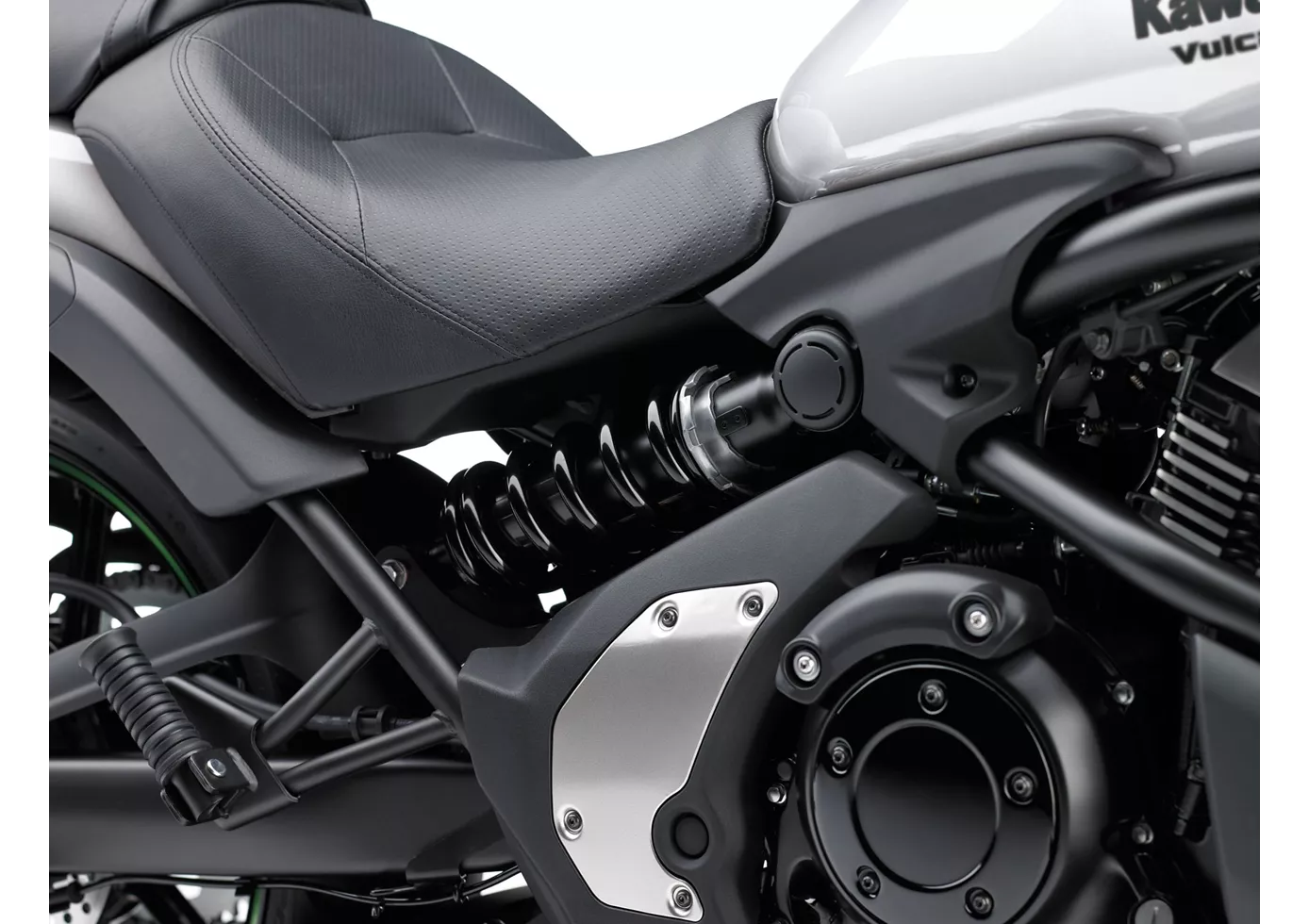
Quelle que soit la plateforme dans laquelle Kawasaki place son bicylindre de 650 cm3, le résultat est à chaque fois une moto magnifique ! Même si le moteur est inhabituellement poussif pour un cruiser, il se combine avec le réglage sportif du châssis pour donner un cruiser qui se qualifie déjà de cruiser sportif. Le seul frein est l'angle d'inclinaison maximum limité, ce qui ne découragera pas les amateurs de frottements de repose-pieds. Avec une si bonne moto, nous espérons que Kawasaki en fera plus - après tout, la Vulcan S nous accompagne déjà depuis 2015 presque sans changement.
Kawasaki Z650 2020
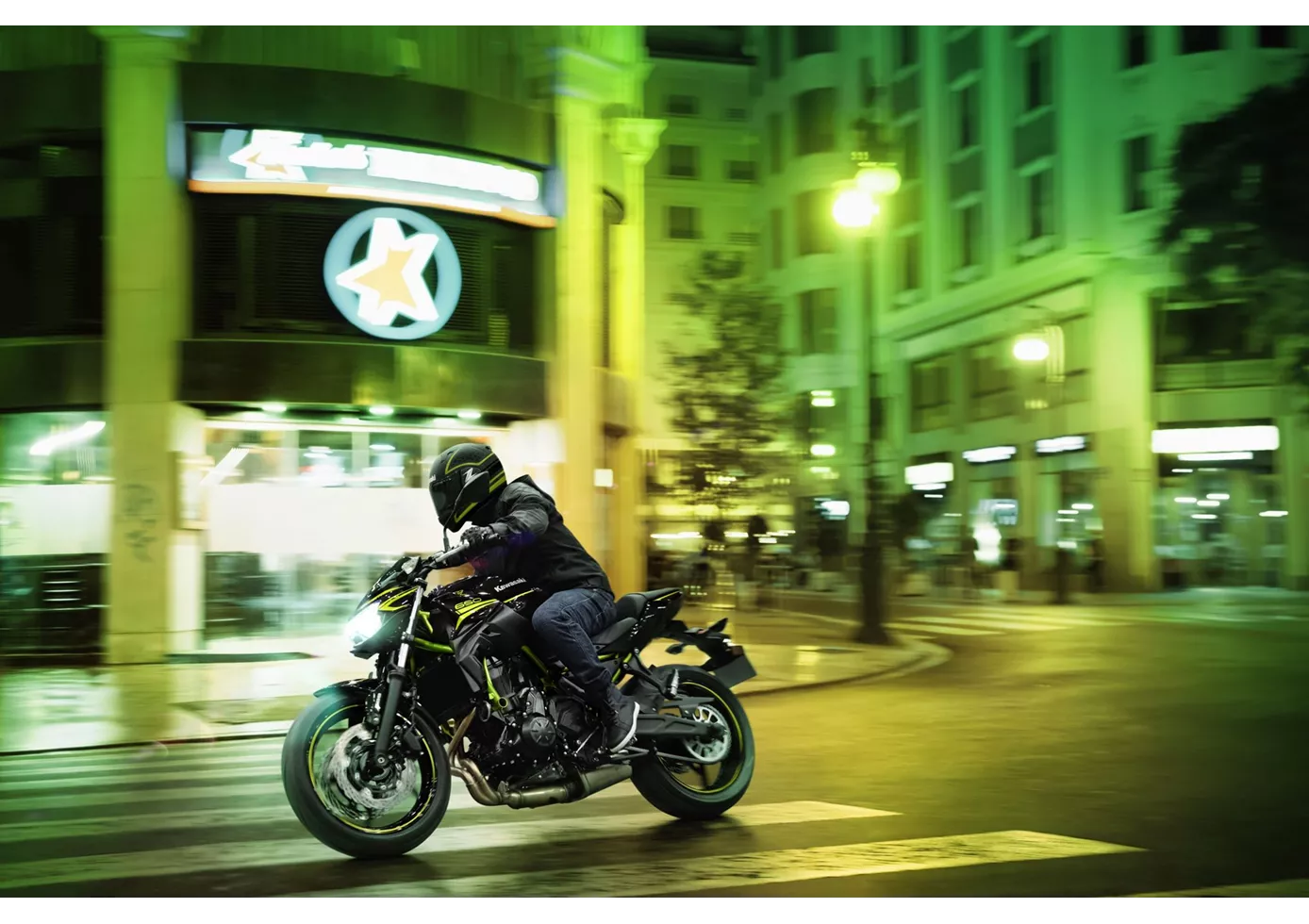
En 2021, la Kawasaki Z 650 sera toujours synonyme de conduite facile, avec une belle allure et de bonnes options. Tant la hauteur de selle que le moteur sont très accessibles et procureront beaucoup de plaisir aux pilotes expérimentés comme aux novices. Ceux qui recherchent une moto naked honnête et sans grandes surprises trouveront ici leur bonheur. En raison de ses dimensions compactes, il est toutefois conseillé de faire un essai avant l'achat et peut-être d'opter pour la selle surélevée.
Comparaison des prix Prix moyen du marché Kawasaki Vulcan S vs Kawasaki Z650
There are a few key differences between a Kawasaki Vulcan S 2015 and a Kawasaki Z650 2020. In terms of price, the actual average price of a Kawasaki Vulcan S 2015 is about 3% higher. A Kawasaki Vulcan S 2015 experiences a loss of 380 USD in one year of ownership. This is offset by a loss of 30 USD for a Kawasaki Z650 2020. Compared to Kawasaki Z650 2020 there are less Kawasaki Vulcan S 2015 bikes available on the 1000PS.de Marketplace, specifically 8 compared to 21. It takes less time to sell a Kawasaki Vulcan S with 75 days compared to 80 days for a Kawasaki Z650. Since model year 2015 1000PS.de editors have written 13 reviews for the Kawasaki Vulcan S and 31 reviews for the Kawasaki Z650 since model year 2017. The first review for the Kawasaki Vulcan S was published on 10/16/2014 and now has more than 14,800 views. This compares to more than 25,000 views for the first review on Kawasaki Z650 published on 11/8/2016.