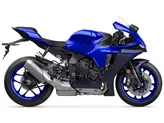
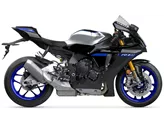
Yamaha R1 2010 vs. BMW S 1000 RR 2019
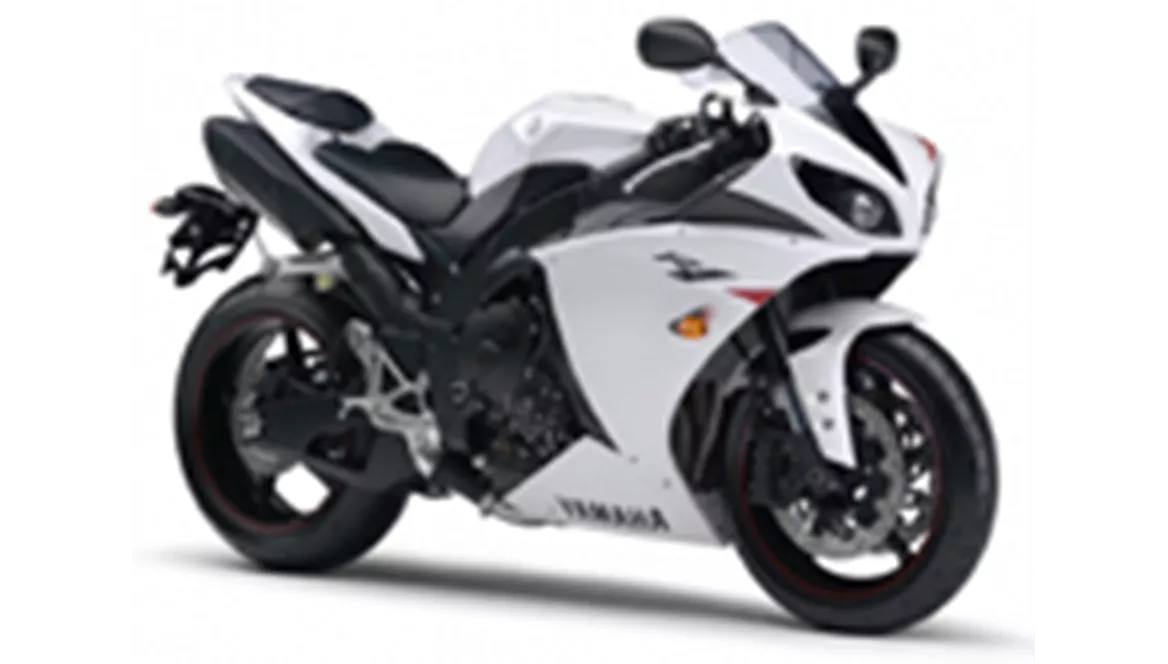
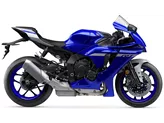
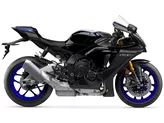
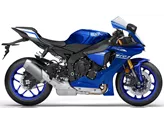
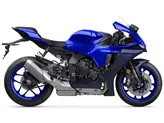
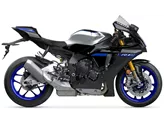
Yamaha R1 2010
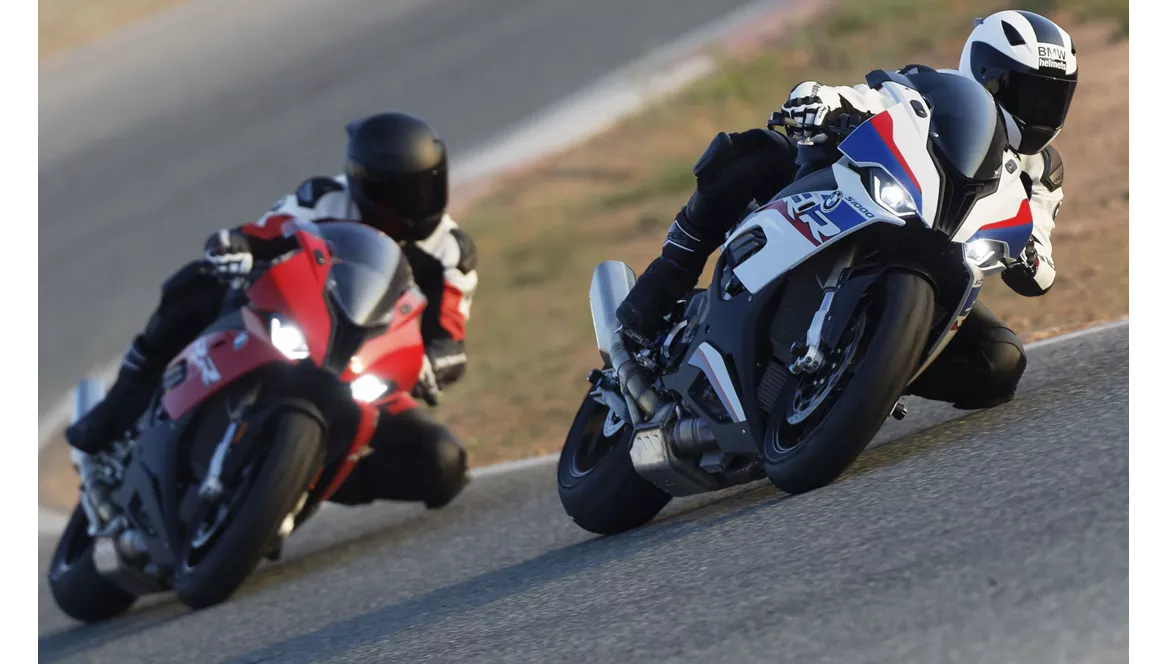
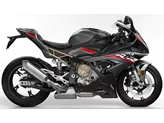
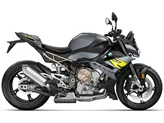
BMW S 1000 RR 2019
Vue d’ensemble - Yamaha R1 2010 vs BMW S 1000 RR 2019
The Yamaha R1 model year 2010 and the BMW S 1000 RR model year 2019 are both supersport motorcycles that offer high performance and advanced features. However, there are some notable differences between the two models.
In terms of engine specifications, the Yamaha R1 2010 is equipped with a 998cc engine that produces 181 horsepower and 115.5 Nm of torque. On the other hand, the BMW S 1000 RR 2019 has a slightly larger 999cc engine that delivers 207 horsepower and 113 Nm of torque. This gives the BMW a significant advantage in terms of power output.
Both motorcycles have a 4-cylinder engine with 4 valves per cylinder and DOHC (Double Overhead Camshaft) configuration. This allows for efficient airflow and optimal performance. However, the BMW S 1000 RR 2019 has a slightly larger bore (80mm) and a shorter stroke (49.7mm) compared to the Yamaha R1 2010 (78mm bore and 52.2mm stroke). This configuration contributes to the BMW's higher power output.
In terms of suspension, both motorcycles feature upside-down telescopic forks at the front. This provides excellent stability and control during high-speed maneuvers. The chassis of both bikes is made of aluminum, which ensures a lightweight and rigid structure. However, the BMW S 1000 RR 2019 has a Twin Tube frame with a load-bearing engine design, which offers enhanced stability and handling.
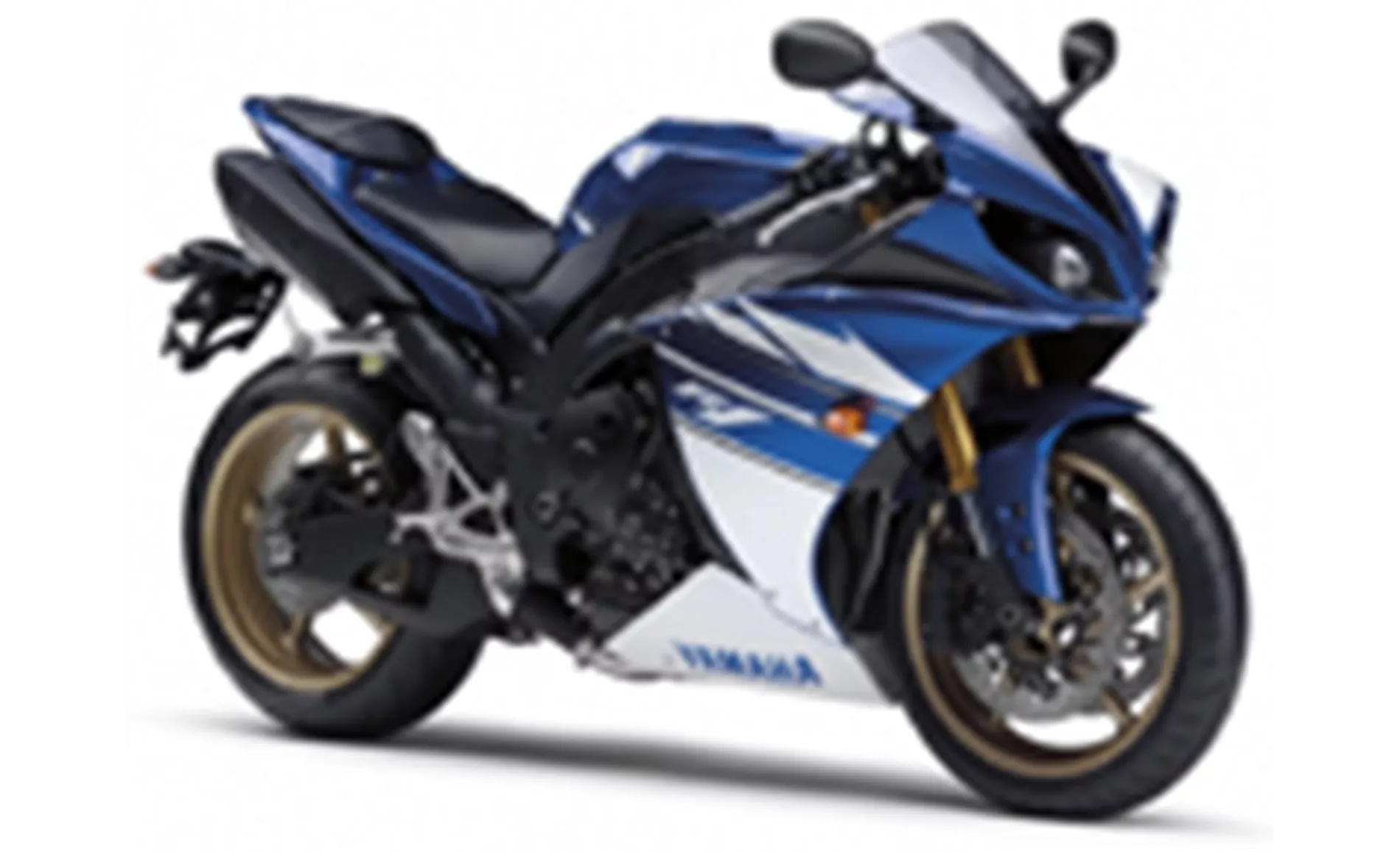
Yamaha R1 2010
Both motorcycles are equipped with double disc brakes at the front, providing strong and reliable stopping power. The front and rear tire dimensions are the same for both models, with a width of 120mm and a diameter of 17 inches. This ensures good grip and stability on various road surfaces.
In terms of dimensions and weights, the BMW S 1000 RR 2019 has a slightly longer wheelbase (1441mm) compared to the Yamaha R1 2010 (1415mm). This contributes to the BMW's improved stability and cornering ability. The seat height of the BMW is also slightly lower at 824mm, compared to the Yamaha's 835mm. The fuel tank capacity of the Yamaha R1 2010 is larger at 18 liters, while the BMW S 1000 RR 2019 has a capacity of 16.5 liters.
In terms of strengths, the Yamaha R1 2010 is praised for its strong engine and sophisticated engine character. The braking system is also considered optimal, providing reliable stopping power. Additionally, the comfortable seating position enhances the overall riding experience.
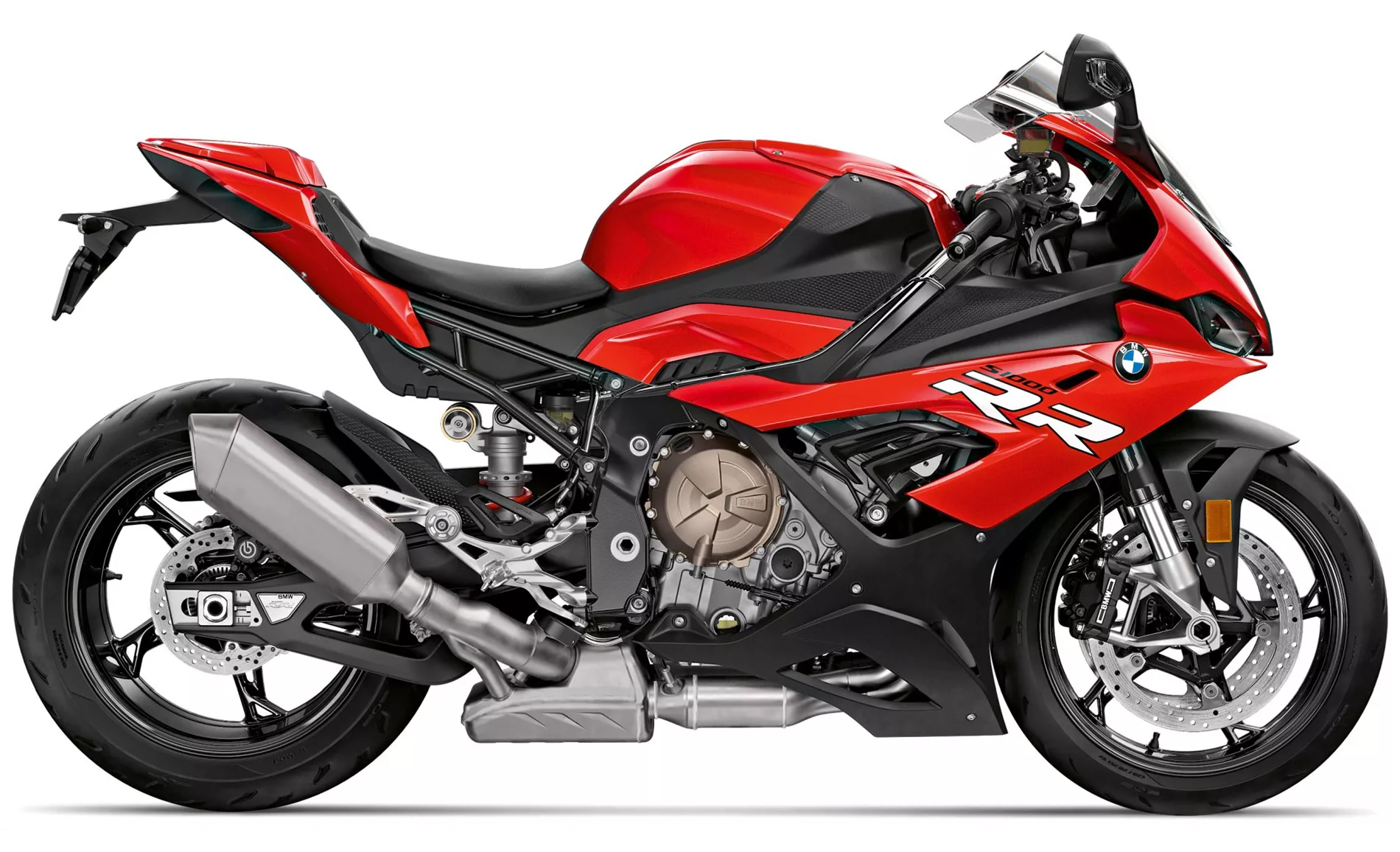
BMW S 1000 RR 2019
On the other hand, the BMW S 1000 RR 2019 is commended for its very linear power delivery, which makes it more controllable and faster for most riders. The wide rev range and pleasant dosing contribute to its performance. The electronics package of the BMW is also highly regarded, offering advanced features. The shift assistant is excellent, allowing for smooth and precise gear changes. The sportier seating position of the BMW adds to its appeal. High-quality details such as the frame, swingarm, and display also contribute to the overall package.
In terms of weaknesses, the Yamaha R1 2010 is criticized for its suboptimal suspension elements, which may impact the overall handling and comfort. The peak power is considered slightly low, and the traction is deemed slightly weak. The high weight of the Yamaha R1 2010 may also affect its agility and maneuverability.
On the other hand, the BMW S 1000 RR 2019 is noted to have lost a certain amount of "thrill" due to its linear power delivery. Some riders may find it almost "too perfect" and may miss the excitement of a more aggressive power delivery. The menu navigation of the BMW may take some time to get used to.
In conclusion, both the Yamaha R1 2010 and the BMW S 1000 RR 2019 are high-performance supersport motorcycles with their own strengths and weaknesses. The BMW offers a more powerful engine, a sportier seating position, and advanced electronics, while the Yamaha provides a comfortable seating position and a reliable braking system. Ultimately, the choice between the two models will depend on the rider's preferences and priorities.
Caractéristiques techniques Yamaha R1 2010 par rapport à BMW S 1000 RR 2019
Avantages et inconvénients en comparaison
Avantages et inconvénients en comparaison
Yamaha R1 2010
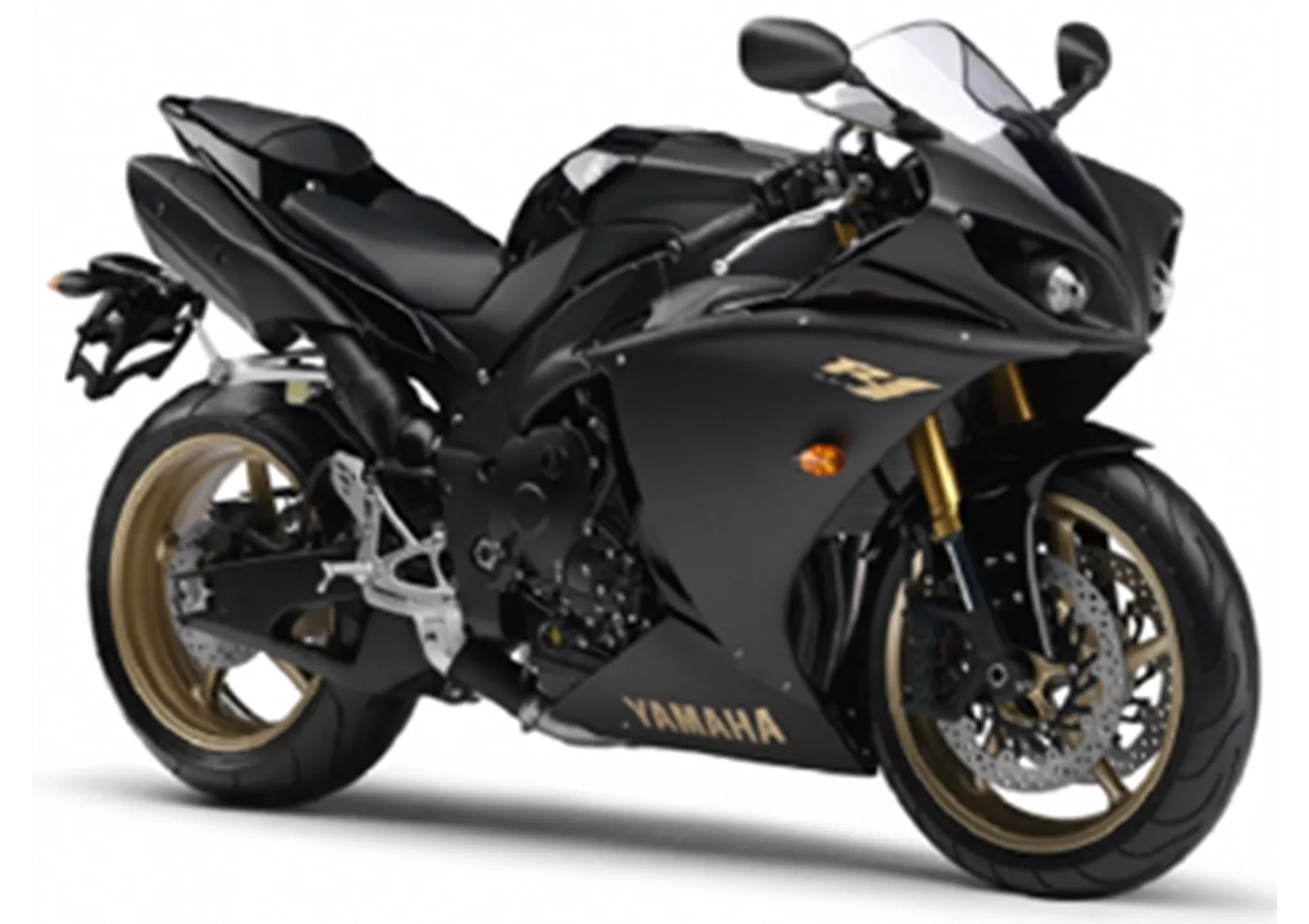
La Yamaha YZF-R1 continue d'enthousiasmer par ses performances équilibrées - le moteur 1000 en particulier, avec son décalage extravagant des pivots de course, ne sert pas seulement à déployer une puissance énorme, mais assure également un son magnifique !
BMW S 1000 RR 2019
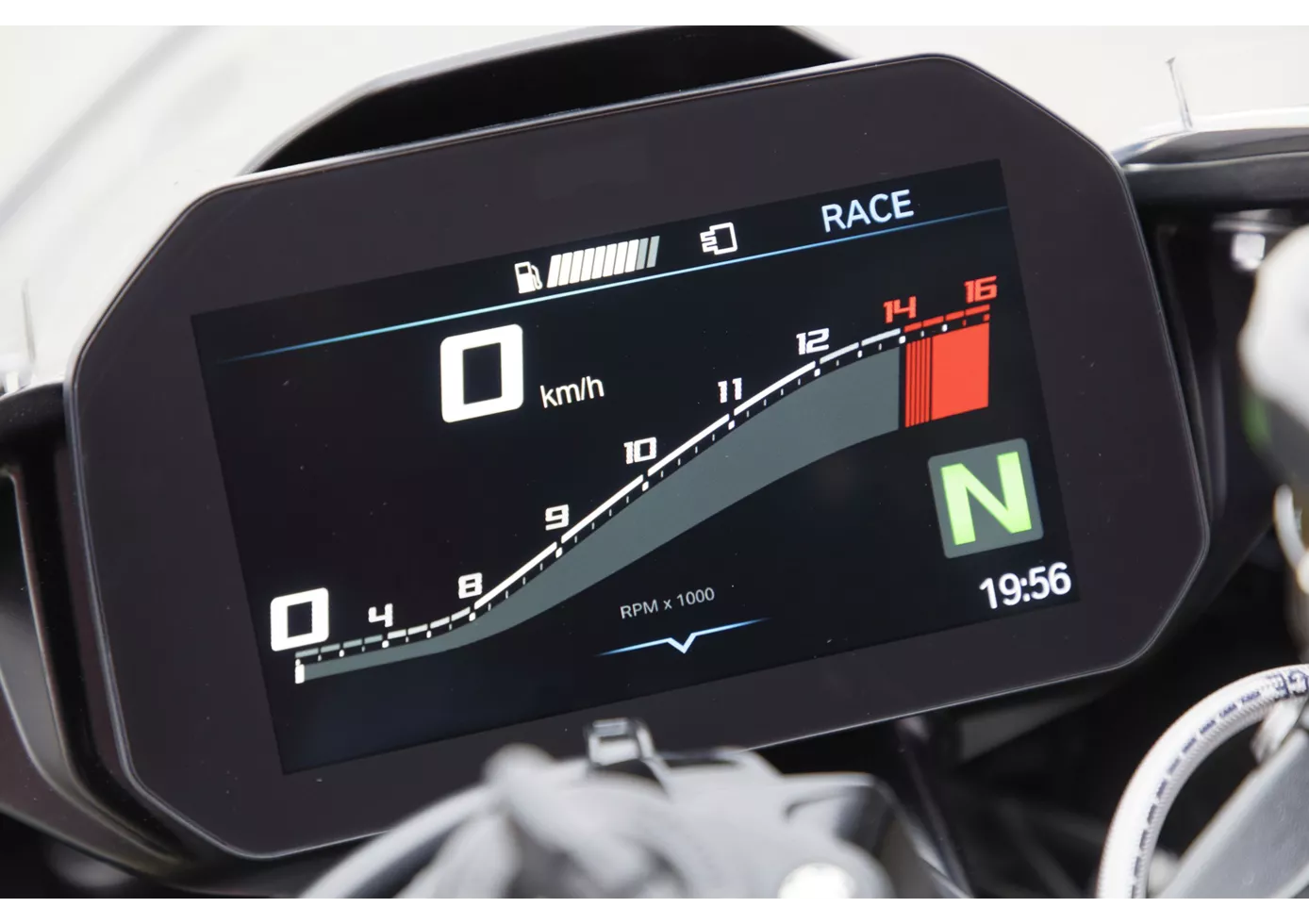
Une vraie superbike "à tout faire". Sur la piste de course comme sur la route, la BMW sait jouer de ses atouts. Grâce à la distribution variable de l'arbre à cames, le moteur puissant est déjà convaincant à bas régime et accélère harmonieusement sur toute la plage de régime, avec une puissance élevée dans tous les domaines. Pour le pilote amateur, le châssis fonctionne certainement de manière exceptionnelle dans toutes les situations, il garantit un feedback transparent et offre de nombreuses possibilités de réglage. La position de conduite est sportive, mais relativement confortable. L'électronique fonctionne de manière très harmonieuse sans infantiliser le pilote - TOP !
Comparaison des prix Prix moyen du marché Yamaha R1 vs BMW S 1000 RR
There are a few key differences between a Yamaha R1 2010 and a BMW S 1000 RR 2019. In terms of price, the actual average price of a BMW S 1000 RR 2019 is about 61% higher. Compared to BMW S 1000 RR 2019 there are less Yamaha R1 2010 bikes available on the 1000PS.de Marketplace, specifically 5 compared to 11. It takes less time to sell a Yamaha R1 with 53 days compared to 63 days for a BMW S 1000 RR. Since model year 2005 1000PS.de editors have written 80 reviews for the Yamaha R1 and 135 reviews for the BMW S 1000 RR since model year 2010. The first review for the Yamaha R1 was published on 4/28/2003 and now has more than 3,900 views. This compares to more than 4,000 views for the first review on BMW S 1000 RR published on 4/16/2008.