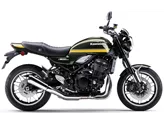
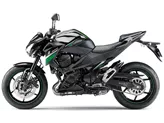
Kawasaki Z900 RS 2018 vs. Kawasaki Z900 2021
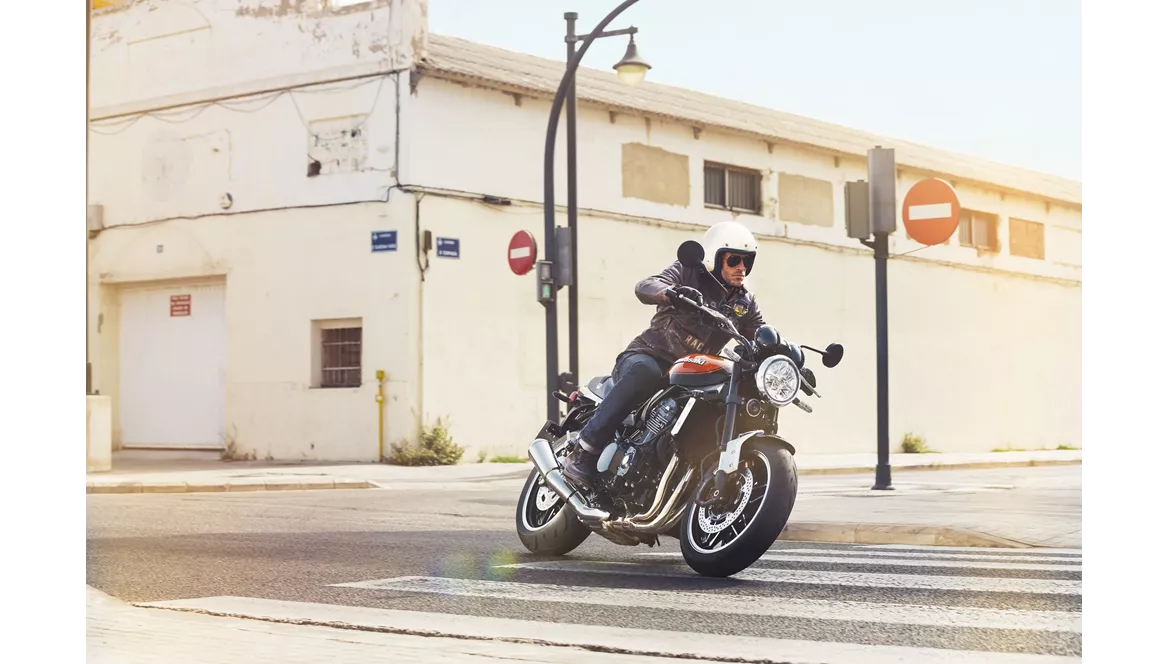
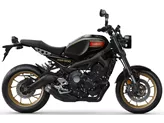
Kawasaki Z900 RS 2018
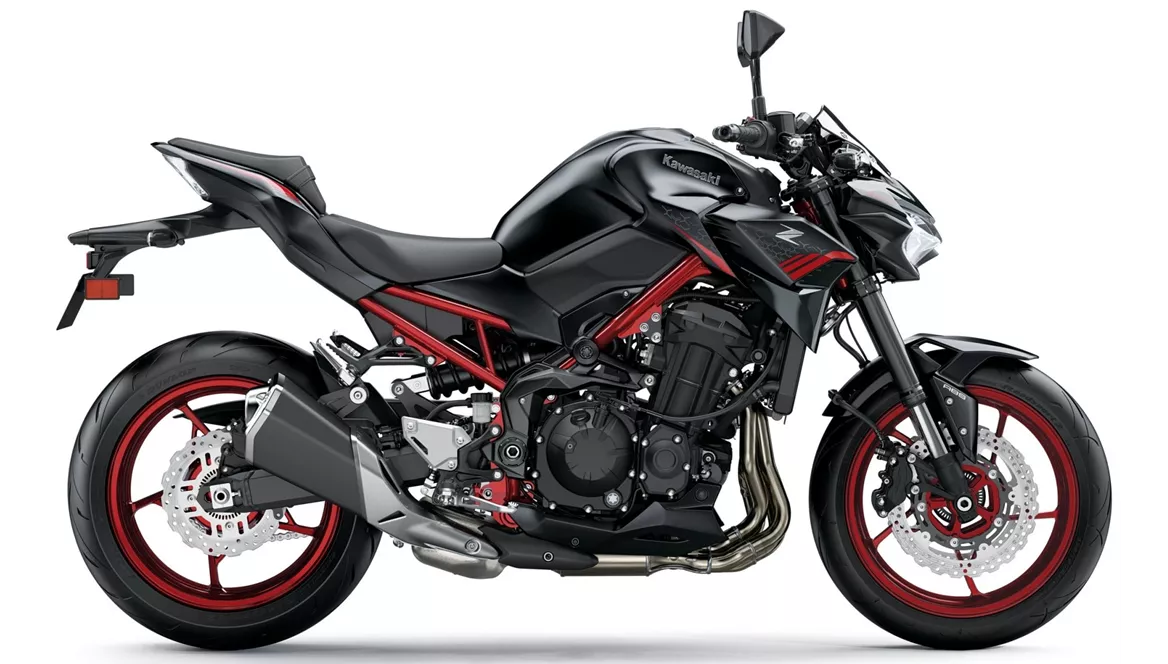
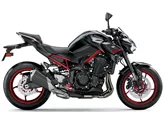
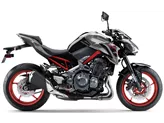
Kawasaki Z900 2021
Vue d’ensemble - Kawasaki Z900 RS 2018 vs Kawasaki Z900 2021
The Kawasaki Z900 RS model year 2018 and the Kawasaki Z900 model year 2021 both belong to the naked bike category and share several similarities in terms of their technical specifications. They both have an inline four-cylinder engine with a displacement of 948cc and liquid cooling. Additionally, they have the same torque output of 98.6 Nm and utilize fuel injection as their fuel system.
In terms of engine power, the Kawasaki Z900 RS 2018 produces 111 HP, while the Kawasaki Z900 2021 boasts a slightly higher power output of 125.4 HP. This increase in power can provide the rider with a more thrilling and dynamic riding experience.
Both models feature an upside-down telescopic fork for the front suspension, allowing for better handling and stability. The suspension on the rear of both bikes consists of a swing arm with a monoshock absorber. The suspension components on both models can be adjusted for preload and rebound, allowing riders to fine-tune their bike's performance to their liking. The rear suspension is made of aluminum, which helps reduce weight and improve overall handling.
In terms of the chassis, both the Kawasaki Z900 RS 2018 and the Kawasaki Z900 2021 feature a steel frame. However, the frame type differs slightly, with the Z900 RS 2018 having a tubular frame and the Z900 2021 featuring a double cradle frame. The choice of frame type can affect the overall rigidity and handling characteristics of the bike.
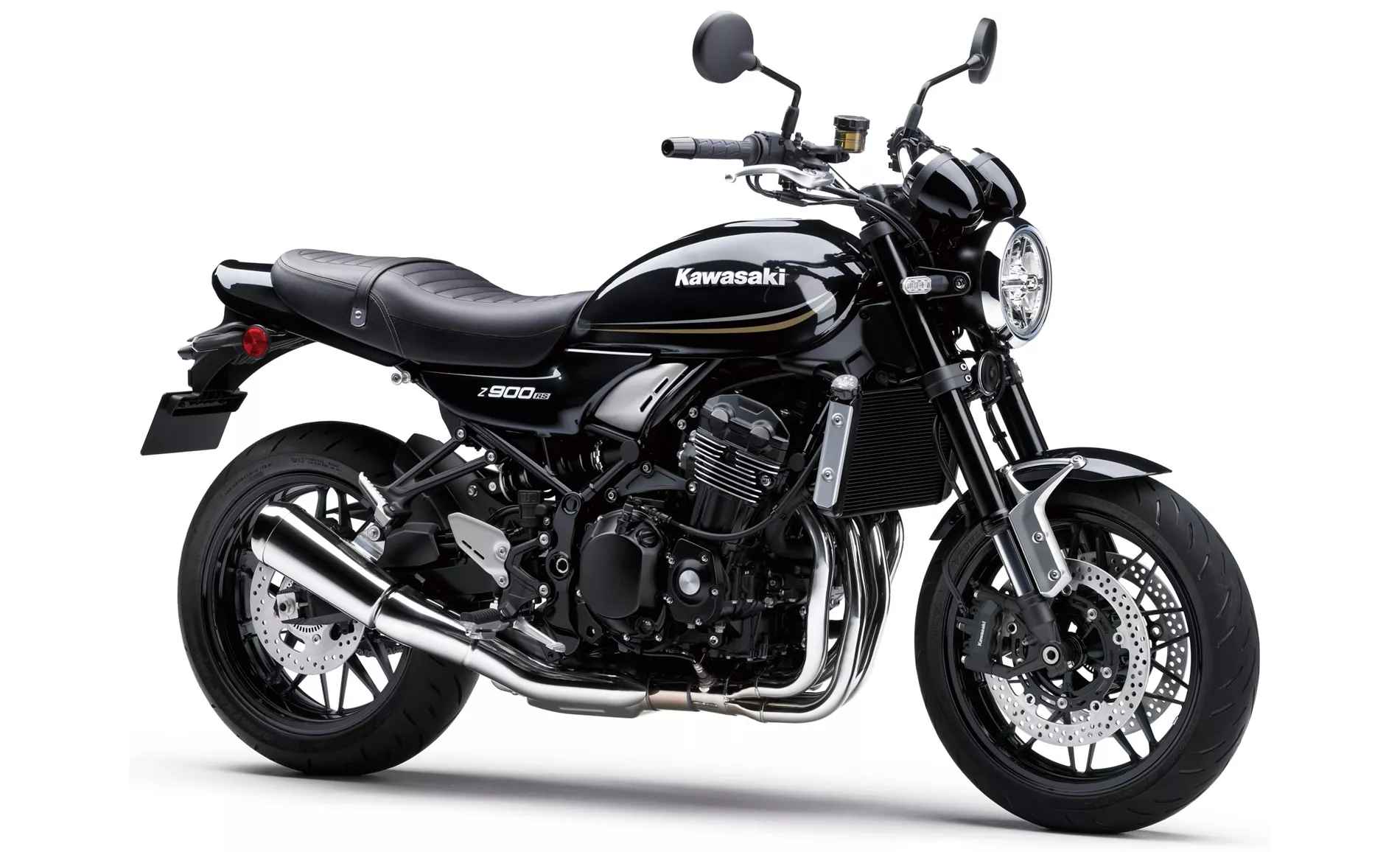
Kawasaki Z900 RS 2018
Both models are equipped with double disk brakes on the front, with a diameter of 300mm and four-piston calipers. This provides ample stopping power and ensures reliable and effective braking performance. The advanced rider assistance systems on both bikes include ABS, ride by wire, and traction control, enhancing safety and control during riding.
In terms of dimensions and weights, the Kawasaki Z900 RS 2018 has a wheelbase of 1470mm and a seat height of 835mm. It weighs 215kg (with ABS) and features a front tire width of 120mm and a rear tire width of 180mm, both with a diameter of 17 inches. On the other hand, the Kawasaki Z900 2021 has a slightly shorter wheelbase of 1450mm and a lower seat height of 795mm. It weighs slightly less at 210kg (with ABS), and the front and rear tire dimensions remain the same.
Moving on to the strengths of each model, the Kawasaki Z900 RS 2018 is praised for its powerful and smooth engine, attractive retro-inspired design, comfortable seating position, and easy-to-ride nature. It offers balanced handling, striking a good middle ground between being overly responsive and sluggish.
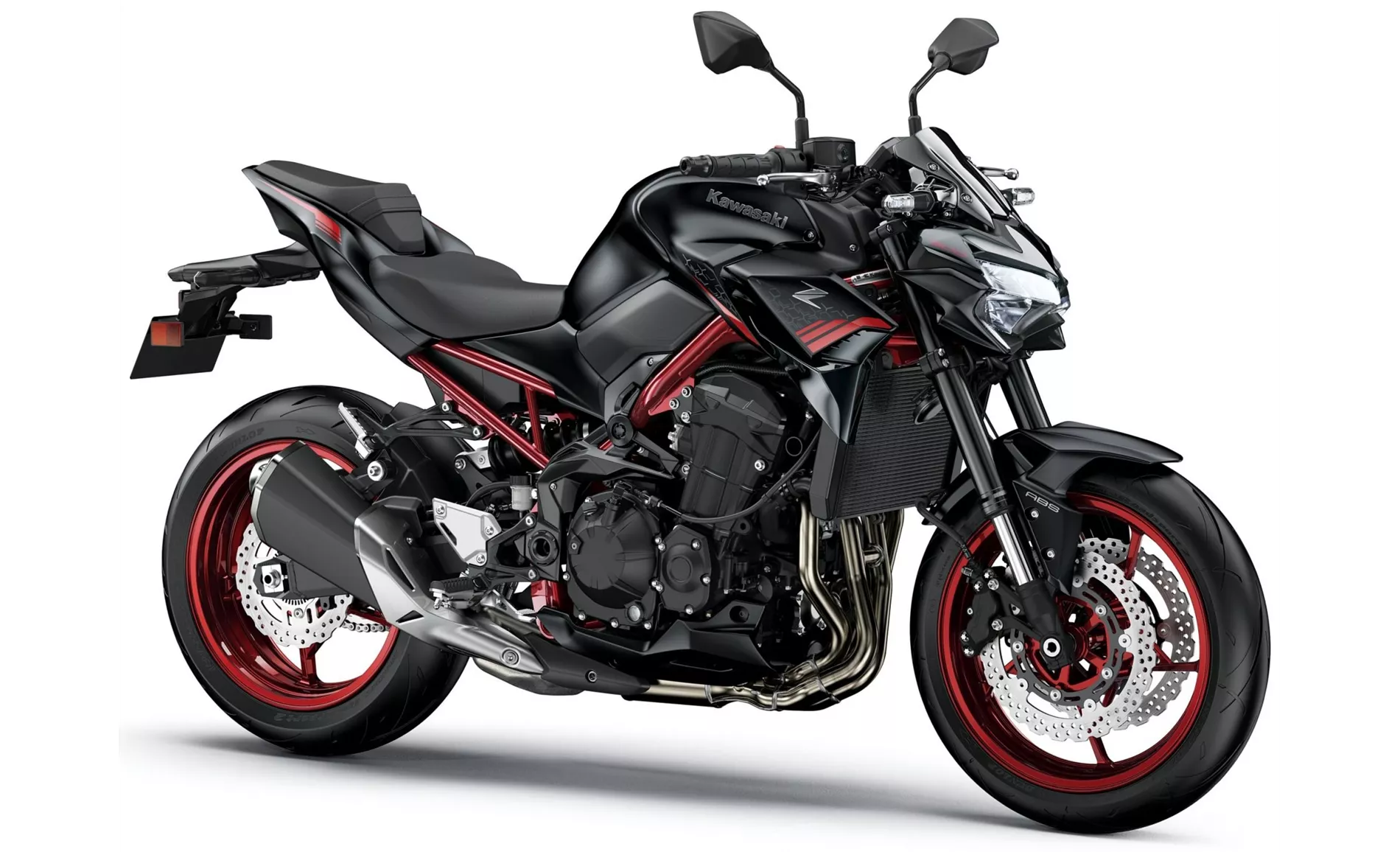
Kawasaki Z900 2021
On the other hand, the Kawasaki Z900 2021 is commended for its powerful four-cylinder engine, intuitive handling, good equipment, aggressive looks, and value for money. The increased power output and updated design give it a more modern and aggressive appearance.
In terms of weaknesses, the Kawasaki Z900 RS 2018 lacks a shift assistant, making gear shifting less seamless compared to models equipped with this feature. It is also slightly heavier than other retro bikes in its class, which may affect maneuverability. Additionally, the seat may be too soft for some riders during long tours, and the lack of wind protection can be a disadvantage on highways or in adverse weather conditions.
Similarly, the Kawasaki Z900 2021 does not offer a quickshifter option, which may be a drawback for riders who prefer this feature. It is also noted that competitors in its class have advanced electronic systems with a 6-axis IMU, giving them an edge in terms of technology and performance.
In conclusion, while both the Kawasaki Z900 RS 2018 and the Kawasaki Z900 2021 share similar technical specifications and offer a thrilling riding experience, they have their own unique strengths and weaknesses. The Z900 RS 2018 boasts a retro-inspired design and a comfortable riding position, while the Z900 2021 offers more power, modern styling, and better value for money. Ultimately, the choice between the two models depends on the rider's preferences and priorities.
Caractéristiques techniques Kawasaki Z900 RS 2018 par rapport à Kawasaki Z900 2021
Avantages et inconvénients en comparaison
Avantages et inconvénients en comparaison
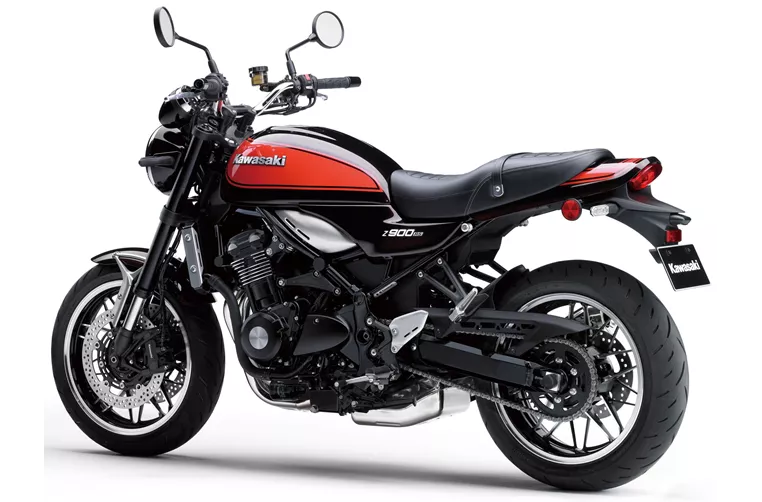
Kawasaki Z900 RS 2018
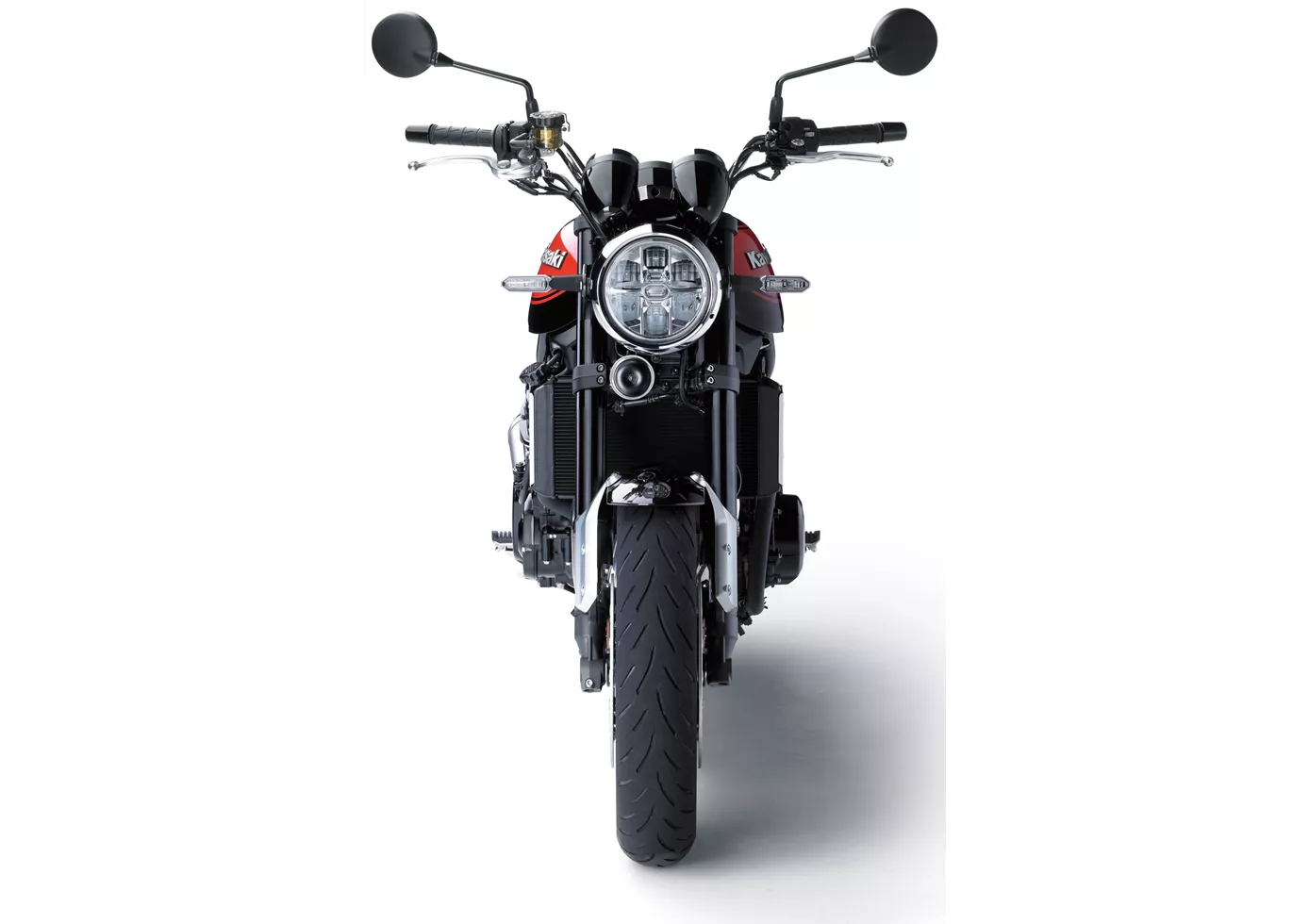
La Kawasaki Z900 RS allie à la perfection un design classique et une Technologie moderne. Son moteur quatre cylindres en ligne, d’une souplesse exceptionnelle, offre une puissance délivrée de manière linéaire et une élasticité impressionnante sur toute la plage de régime. La Suspension offre un équilibre idéal entre confort et stabilité, ce qui la rend parfaite aussi bien pour les longs trajets que pour une conduite sportive. Malgré l'absence de pare-brise, la Z900 RS séduit par sa position de conduite confortable et sa performance de conduite agile. Sur le plan esthétique, elle rend hommage à la légendaire Z1, tandis que des éléments modernes tels que le contrôle de traction et une finition haut de gamme viennent parachever un ensemble très réussi. Pour tous ceux qui recherchent un look rétro associé à une puissance du moteur actuelle, la Z900 RS est une compagne fiable et polyvalente, tant pour le quotidien que pour les longs trajets.
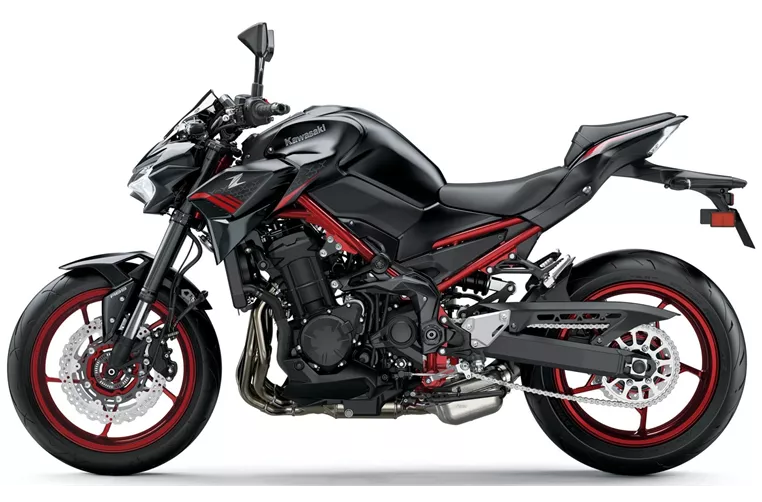
Kawasaki Z900 2021
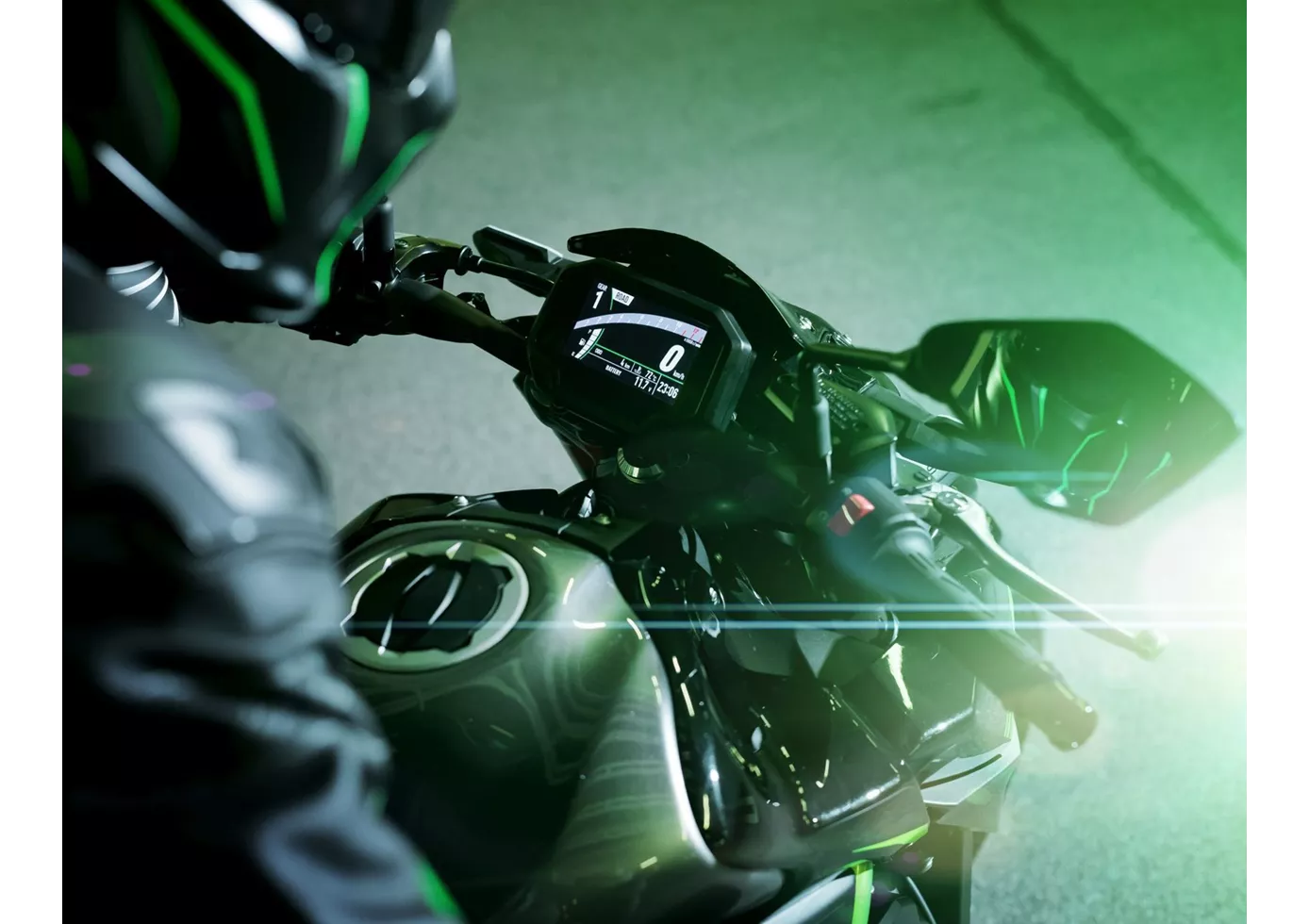
La Kawasaki Z900 n'est peut-être plus tout à fait à la hauteur en ce qui concerne les caractéristiques électroniques modernes dépendant de l'inclinaison, mais elle est relativement bon marché et il ne faut surtout pas sous-estimer la communauté des fans du bon vieux quatre cylindres en ligne - la Z900 est l'une des possibilités les plus avantageuses de posséder un moteur aussi formidable d'une cylindrée d'à peine un litre dans une naked bike sportive ! Le poids plus élevé est perceptible, mais pas massivement gênant, car la maniabilité et la stabilité sont tout à fait correctes. En ce qui concerne l'électronique "dépassée", le plus dérangeant est l'absence d'assistant de changement de vitesse, qui n'est même pas disponible en option. Mais dans l'ensemble, la Z900 est une superbe moto naked avec un excellent rapport qualité-prix.
Comparaison des prix Prix moyen du marché Kawasaki Z900 RS vs Kawasaki Z900
There are a few key differences between a Kawasaki Z900 RS 2018 and a Kawasaki Z900 2021. In terms of price, the actual average price of a Kawasaki Z900 RS 2018 is about 38% higher. Compared to Kawasaki Z900 2021 there are less Kawasaki Z900 RS 2018 bikes available on the 1000PS.de Marketplace, specifically 28 compared to 33. It takes less time to sell a Kawasaki Z900 with 107 days compared to 154 days for the Kawasaki Z900 RS. Since model year 2018 1000PS.de editors have written 26 reviews for the Kawasaki Z900 RS and 46 reviews for the Kawasaki Z900 since model year 2017. The first review for the Kawasaki Z900 RS was published on 9/6/2017 and now has more than 63,700 views. This compares to more than 93,200 views for the first review on Kawasaki Z900 published on 11/11/2016.