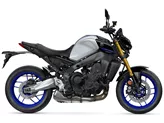
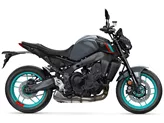
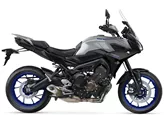
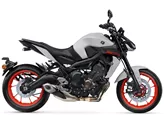
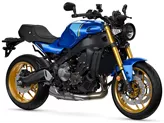
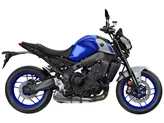
Kawasaki ER-6n 2008 vs. Yamaha MT-09 2017
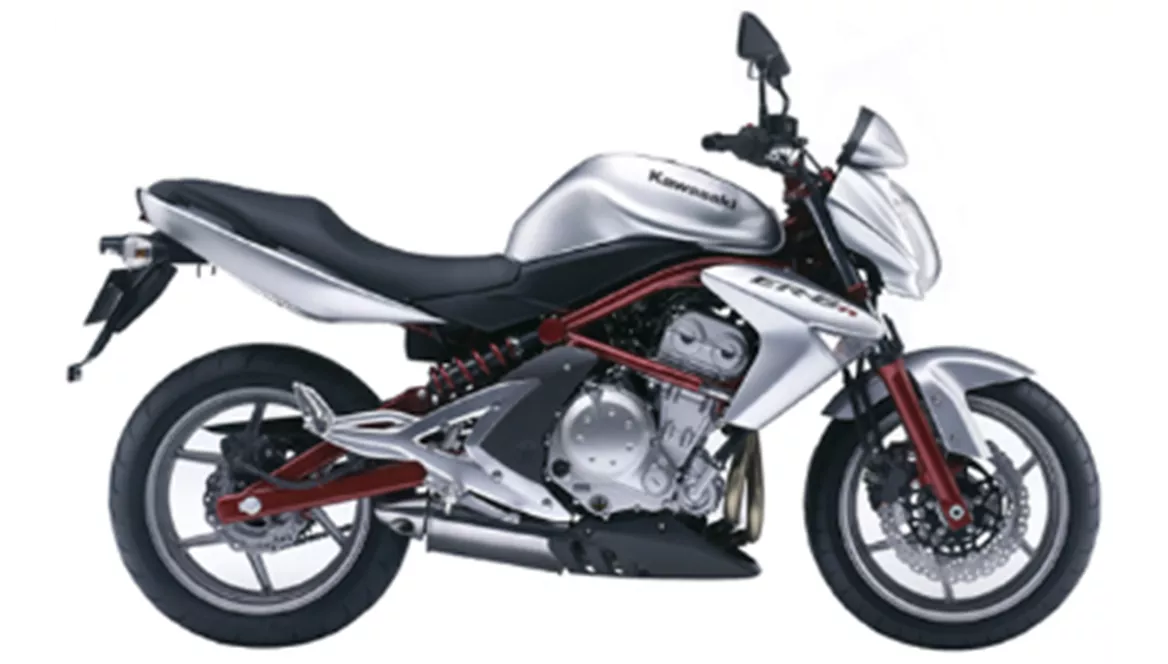
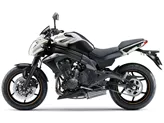
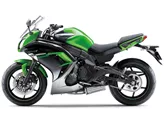
Kawasaki ER-6n 2008
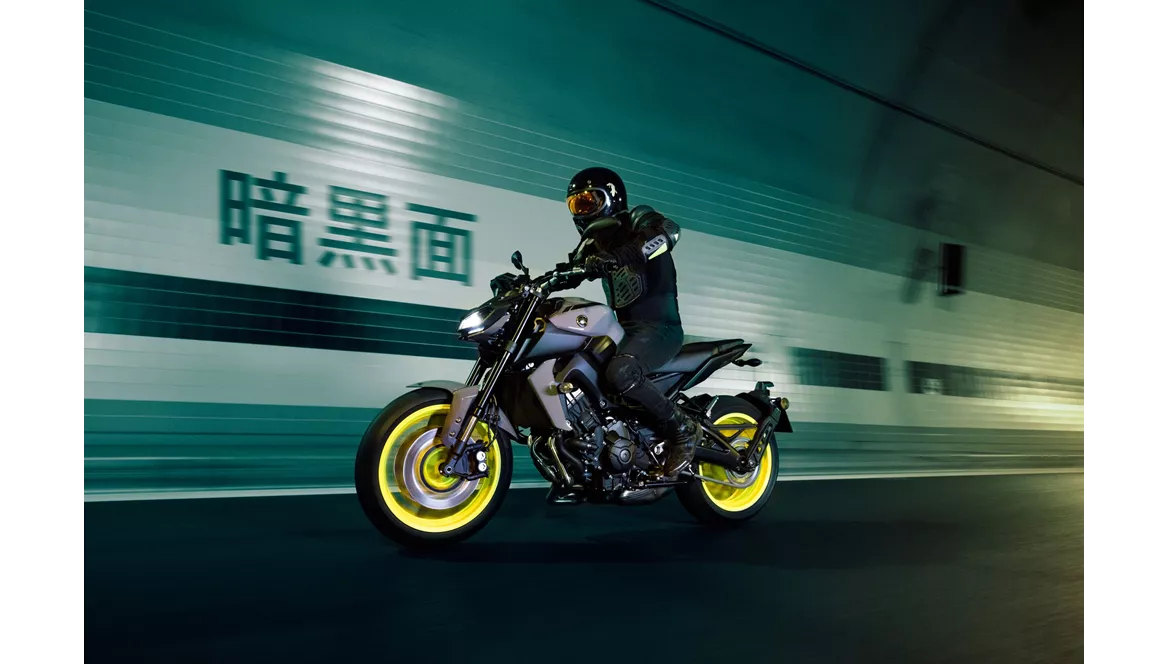
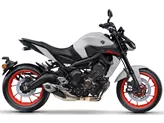
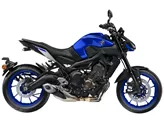
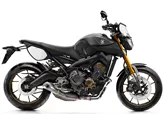
Yamaha MT-09 2017
Vue d’ensemble - Kawasaki ER-6n 2008 vs Yamaha MT-09 2017
The Kawasaki ER-6n model year 2008 and the Yamaha MT-09 model year 2017 are both naked bikes with similar engine cooling systems and liquid cooling. However, there are several key differences between the two models.
In terms of engine power, the Yamaha MT-09 2017 has a significant advantage with 115 HP compared to the Kawasaki ER-6n 2008's 72 HP. This difference in power output can greatly affect the overall performance and acceleration of the motorcycles. Additionally, the Yamaha MT-09 2017 has an engine with three cylinders, while the Kawasaki ER-6n 2008 has only two cylinders. This difference in cylinder count can also impact the overall power and smoothness of the engine.
In terms of displacement, the Yamaha MT-09 2017 has a larger engine with 847ccm compared to the Kawasaki ER-6n 2008's 649ccm. This larger displacement can contribute to increased power and torque, providing a more exhilarating riding experience.
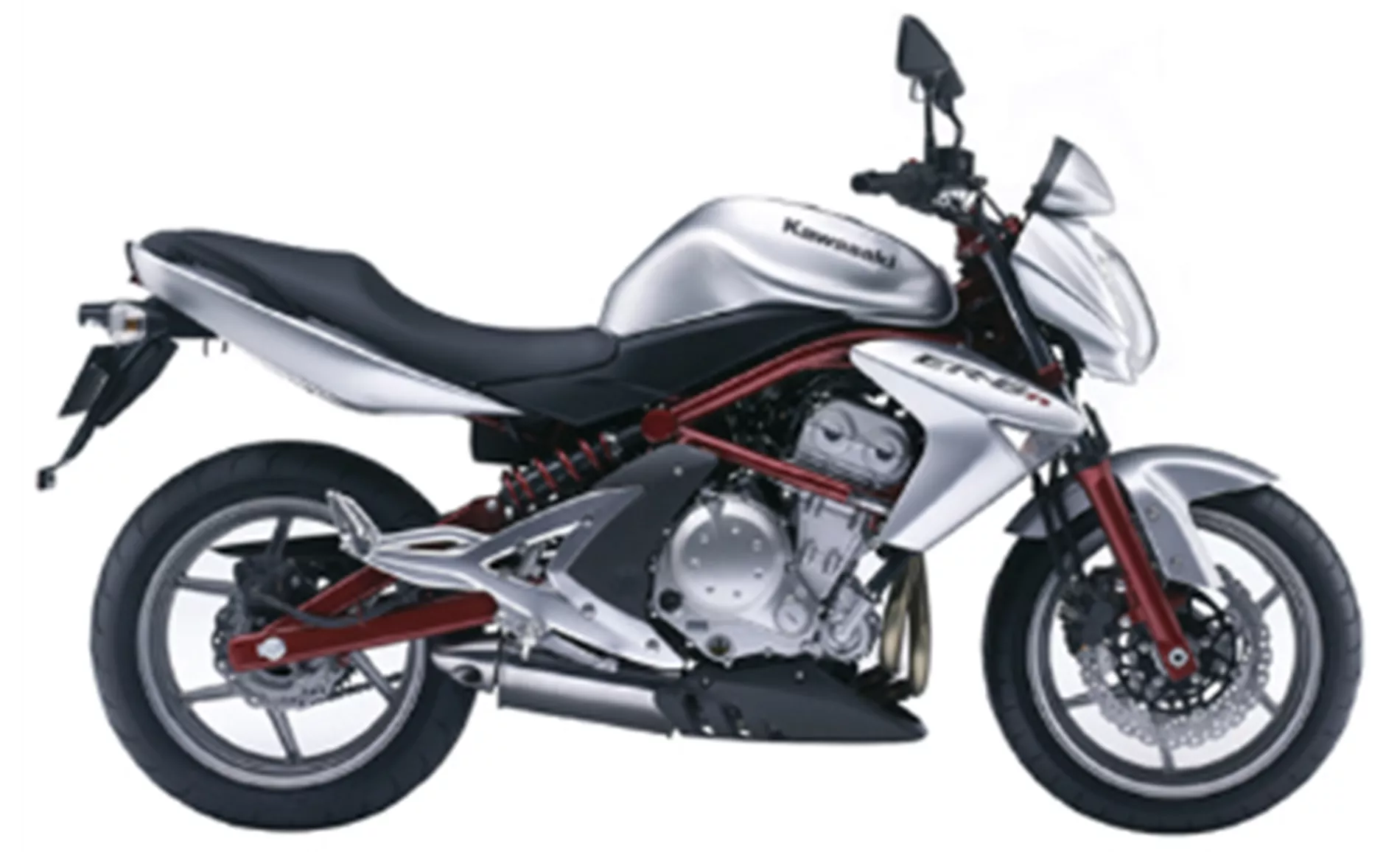
Kawasaki ER-6n 2008
When it comes to dimensions and weights, the Yamaha MT-09 2017 has a slightly longer wheelbase of 1440mm compared to the Kawasaki ER-6n 2008's 1405mm. This longer wheelbase can enhance stability and handling at higher speeds. However, the Kawasaki ER-6n 2008 has a lower seat height of 785mm, making it more accessible for shorter riders. The fuel tank capacity of the Kawasaki ER-6n 2008 is also slightly larger at 15.5 liters compared to the Yamaha MT-09 2017's 14 liters.
In terms of strengths, the Kawasaki ER-6n 2008 is praised for its lightness, precision, and rideability. It has a modern and dynamic look, making it visually appealing. The bike is also beginner-friendly and offers trustworthy ergonomics. Additionally, the Kawasaki ER-6n 2008 comes with ABS, providing added safety and control.
On the other hand, the Yamaha MT-09 2017 has several strengths, including an Öhlins suspension that enhances the overall riding experience. The addition of an Akrapovic exhaust system improves both the aesthetics and sound of the bike. The Magura HC3 radial brake pump offers excellent braking performance, and the Carbon2Race covers provide a visually stunning appearance. The combination of the seat, footrests, and handlebar clamps on the Yamaha MT-09 2017 is also highly effective.
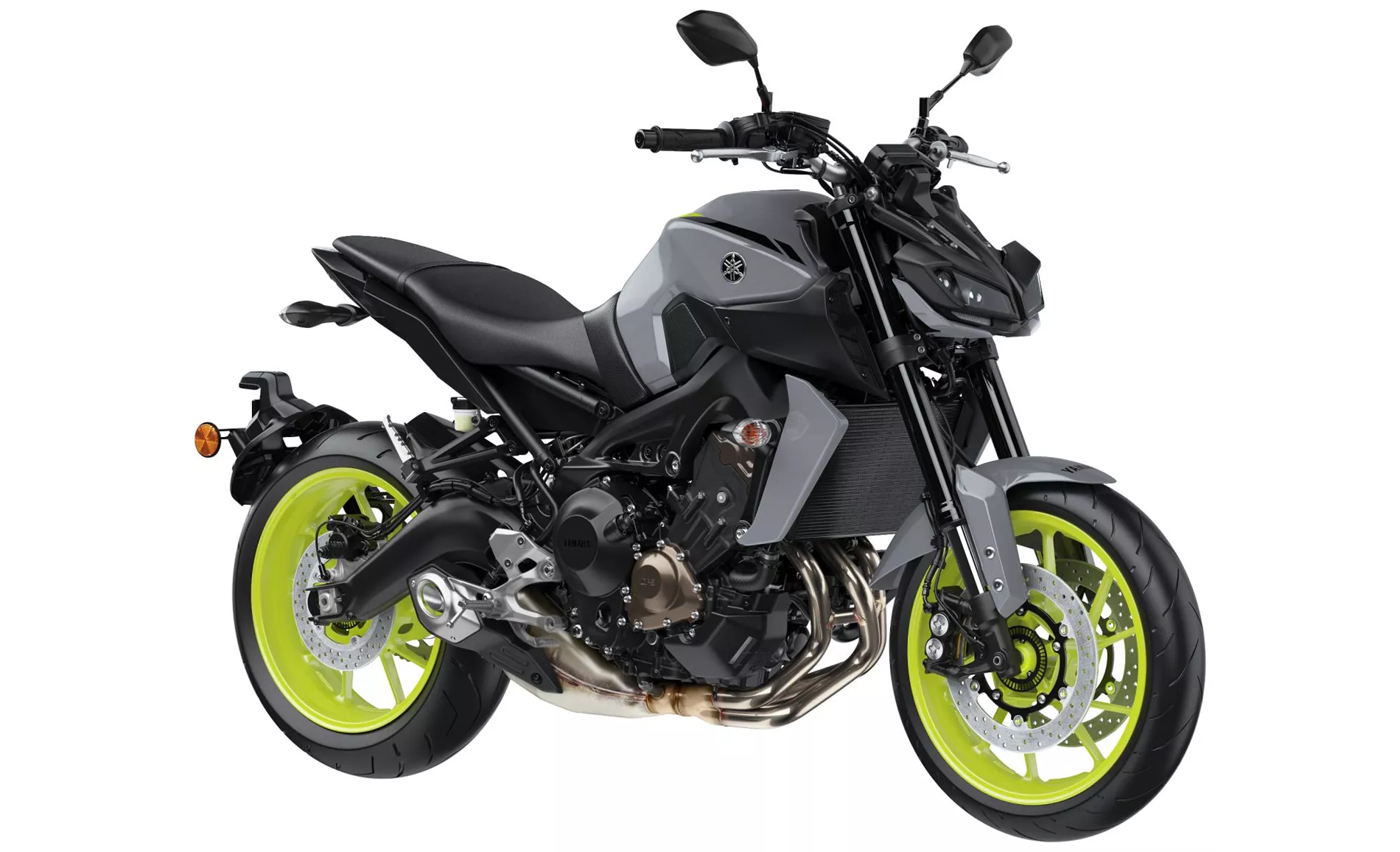
Yamaha MT-09 2017
In terms of weaknesses, the Kawasaki ER-6n 2008 has an uncomfortable sitting position for riders taller than 1.80m due to the positioning of the footrests. Additionally, the bike is not well-suited for performing wheelies.
The Yamaha MT-09 2017 has some weaknesses, including a higher financial outlay and a significant amount of working time required for certain modifications. Some parts may also need to be registered, and the ECU Flash is not road legal.
Overall, the Yamaha MT-09 2017 offers more power, larger displacement, and several performance-enhancing features compared to the Kawasaki ER-6n 2008. However, the Kawasaki ER-6n 2008 has its strengths in terms of lightness, precision, and beginner-friendly characteristics. The choice between the two models ultimately depends on the rider's preferences and priorities.
Caractéristiques techniques Kawasaki ER-6n 2008 par rapport à Yamaha MT-09 2017
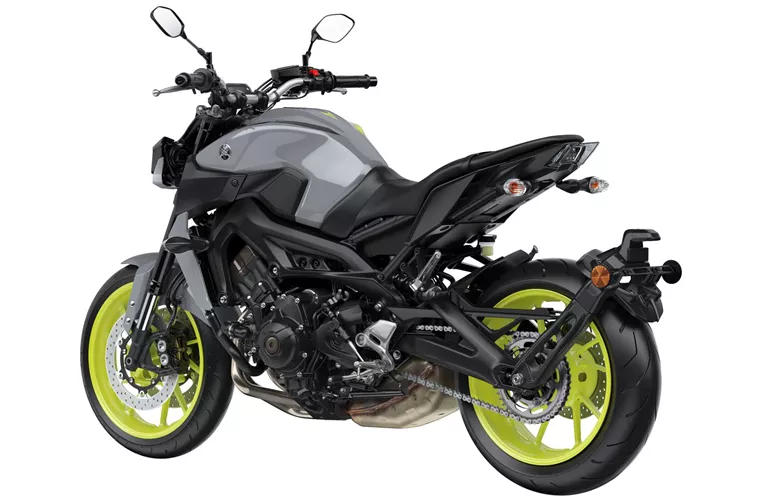
Avantages et inconvénients en comparaison
Avantages et inconvénients en comparaison
Kawasaki ER-6n 2008
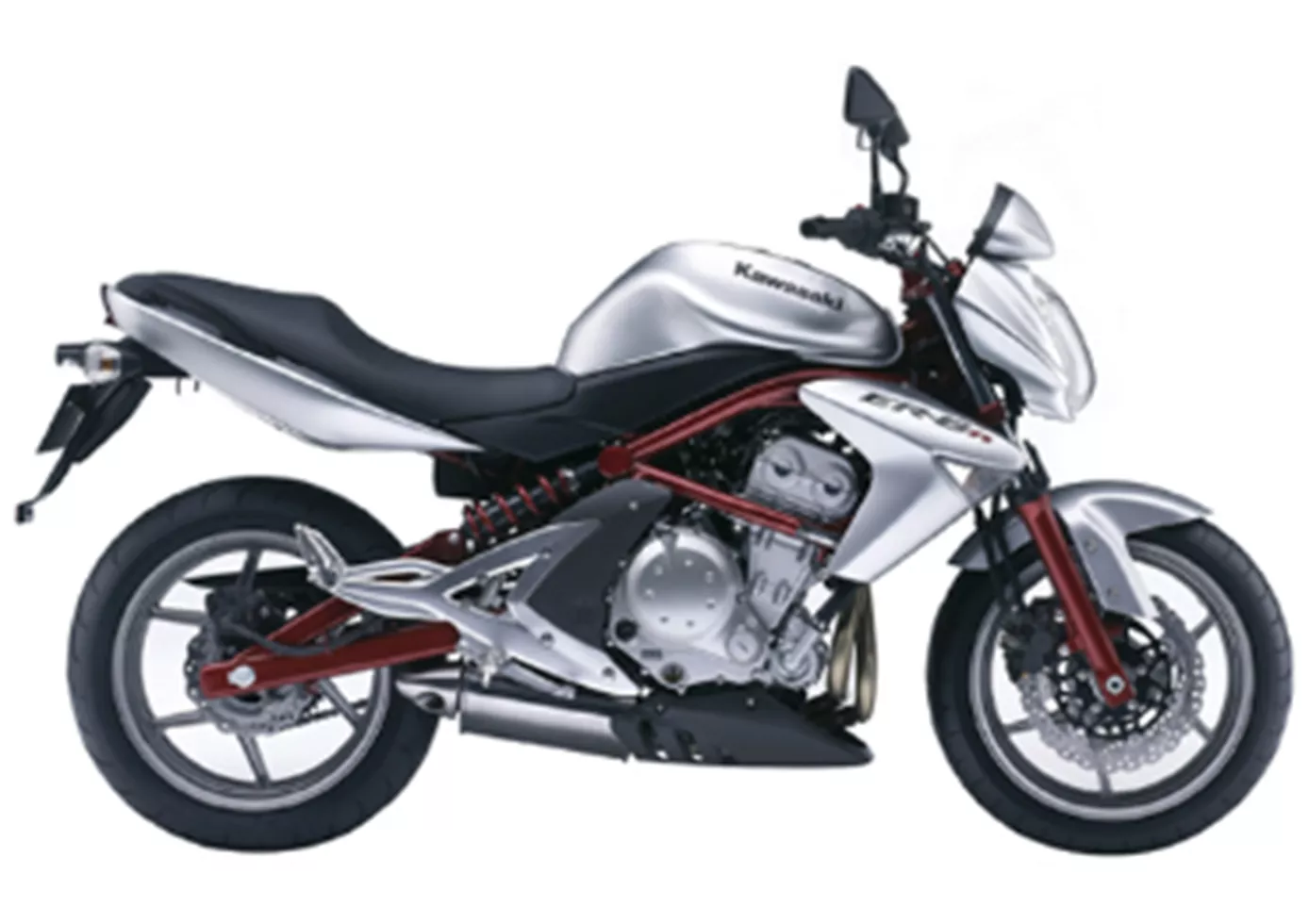
Kawasaki ne construit pas de jouets. L'ER-6N devient plus sérieuse - et reste adaptée aux débutants.
Yamaha MT-09 2017
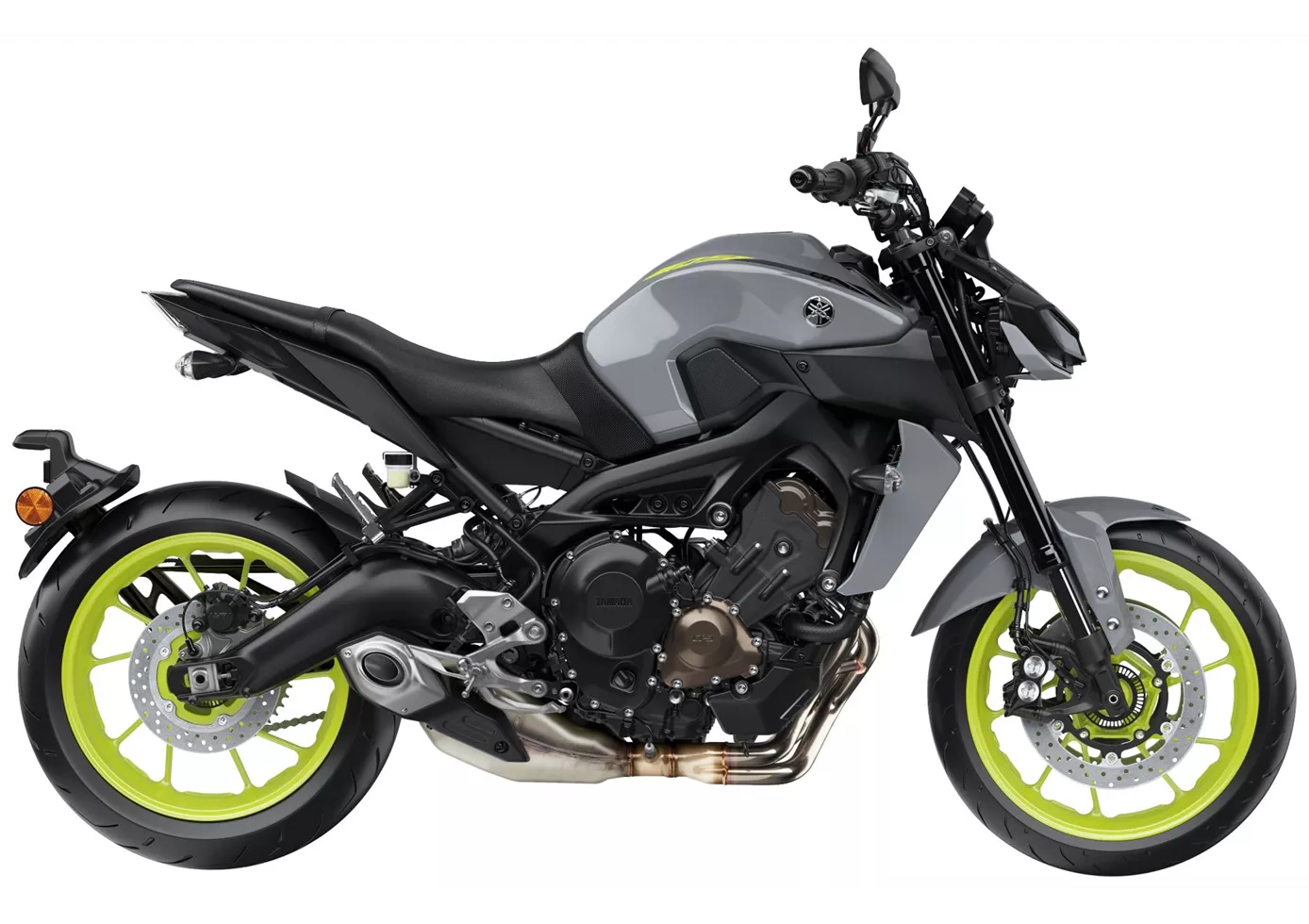
Conduire vite, c'est possible, mais c'est fatigant. Le guidon haut est contre-productif sur la piste de course et demande beaucoup d'efforts physiques. Même avec le châssis WP, la MT-09 n'arrive pas à se hisser au niveau de la Street Triple R. Elle ne peut donc pas être utilisée comme une moto de course.
Comparaison des prix Prix moyen du marché Kawasaki ER-6n vs Yamaha MT-09
There are a few key differences between a Kawasaki ER-6n 2008 and a Yamaha MT-09 2017. It takes less time to sell a Kawasaki ER-6n with 57 days compared to 73 days for a Yamaha MT-09. Since model year 2006 1000PS.de editors have written 16 reviews for the Kawasaki ER-6n and 57 reviews for the Yamaha MT-09 since model year 2013. The first review for the Kawasaki ER-6n was published on 6/29/2005 and now has more than 11,200 views. This compares to more than 39,900 views for the first review on Yamaha MT-09 published on 6/10/2013.