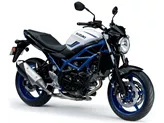
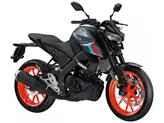
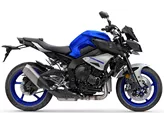
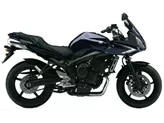
Yamaha MT-07 2014 vs. Yamaha R1 2020
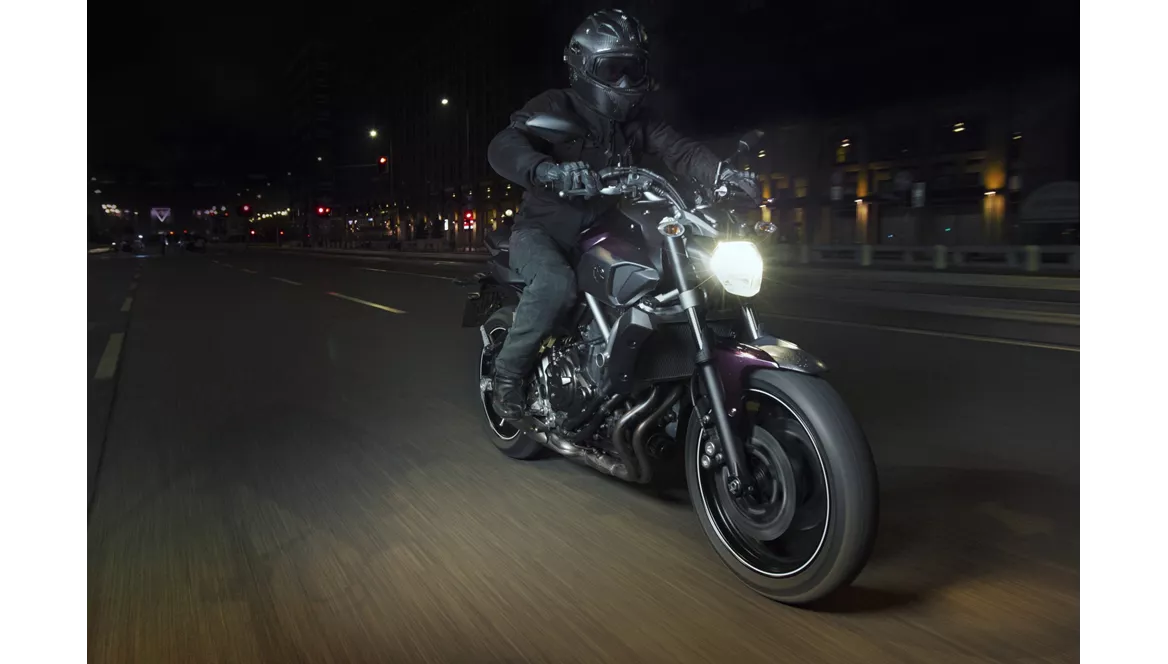
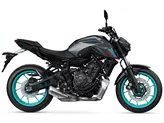
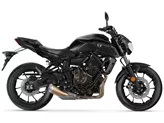
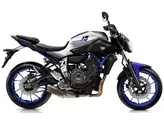
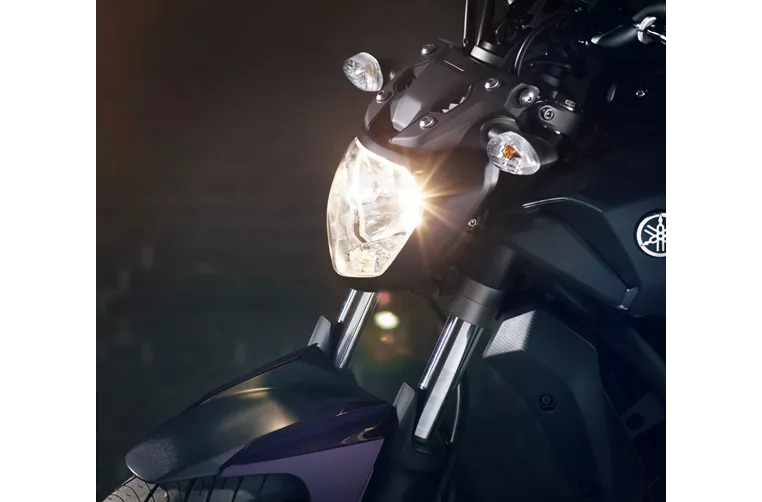
Yamaha MT-07 2014
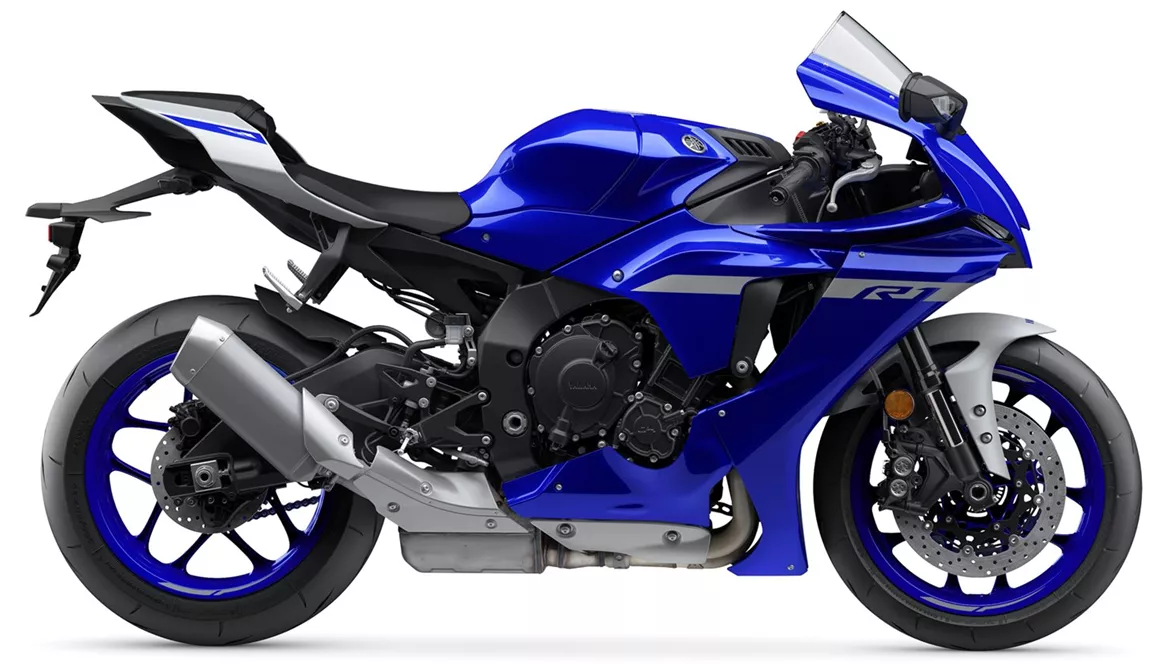
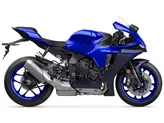
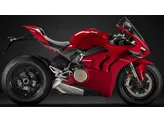
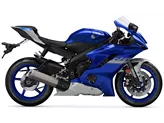
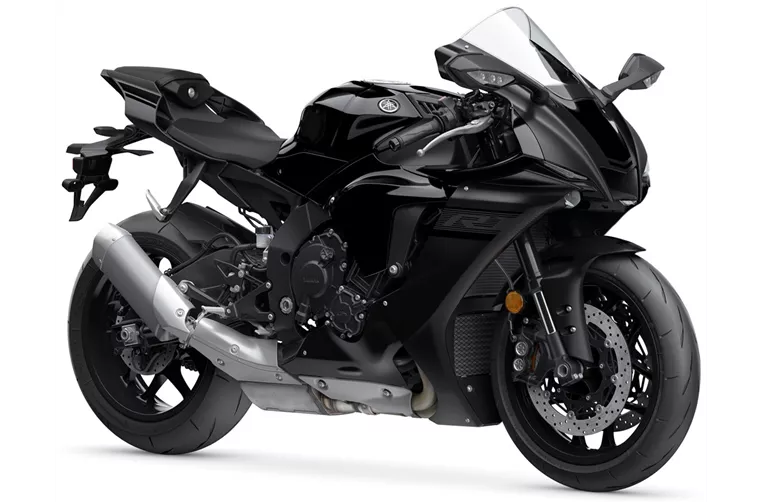
Yamaha R1 2020
Vue d’ensemble - Yamaha MT-07 2014 vs Yamaha R1 2020
The Yamaha MT-07 2014 and the Yamaha R1 2020 are two distinct motorcycles with different characteristics and purposes. The MT-07 is a naked bike, designed for everyday riding and urban commuting, while the R1 is a supersport bike, built for high-performance and track-oriented riding.
Starting with the engine and drive train, the MT-07 2014 is equipped with a 689cc, 2-cylinder engine that produces 75 horsepower and 68 Nm of torque. It has a bore of 80mm and a stroke of 68.6mm, with a compression ratio of 11.5. On the other hand, the R1 2020 boasts a more powerful 998cc, 4-cylinder engine that delivers a whopping 200 horsepower and 112.4 Nm of torque. It has a slightly smaller bore of 79mm but a shorter stroke of 50.9mm, resulting in a higher compression ratio of 13.
In terms of suspension, the MT-07 2014 features a telescopic fork at the front, while the R1 2020 is equipped with an upside-down telescopic fork. This difference in suspension design contributes to the R1's superior stability and handling, especially at high speeds and during aggressive cornering.
The chassis of the MT-07 2014 is made of steel, which provides a good balance between rigidity and weight. On the other hand, the R1 2020 features an aluminum frame, which is lighter and stiffer, further enhancing its performance capabilities.
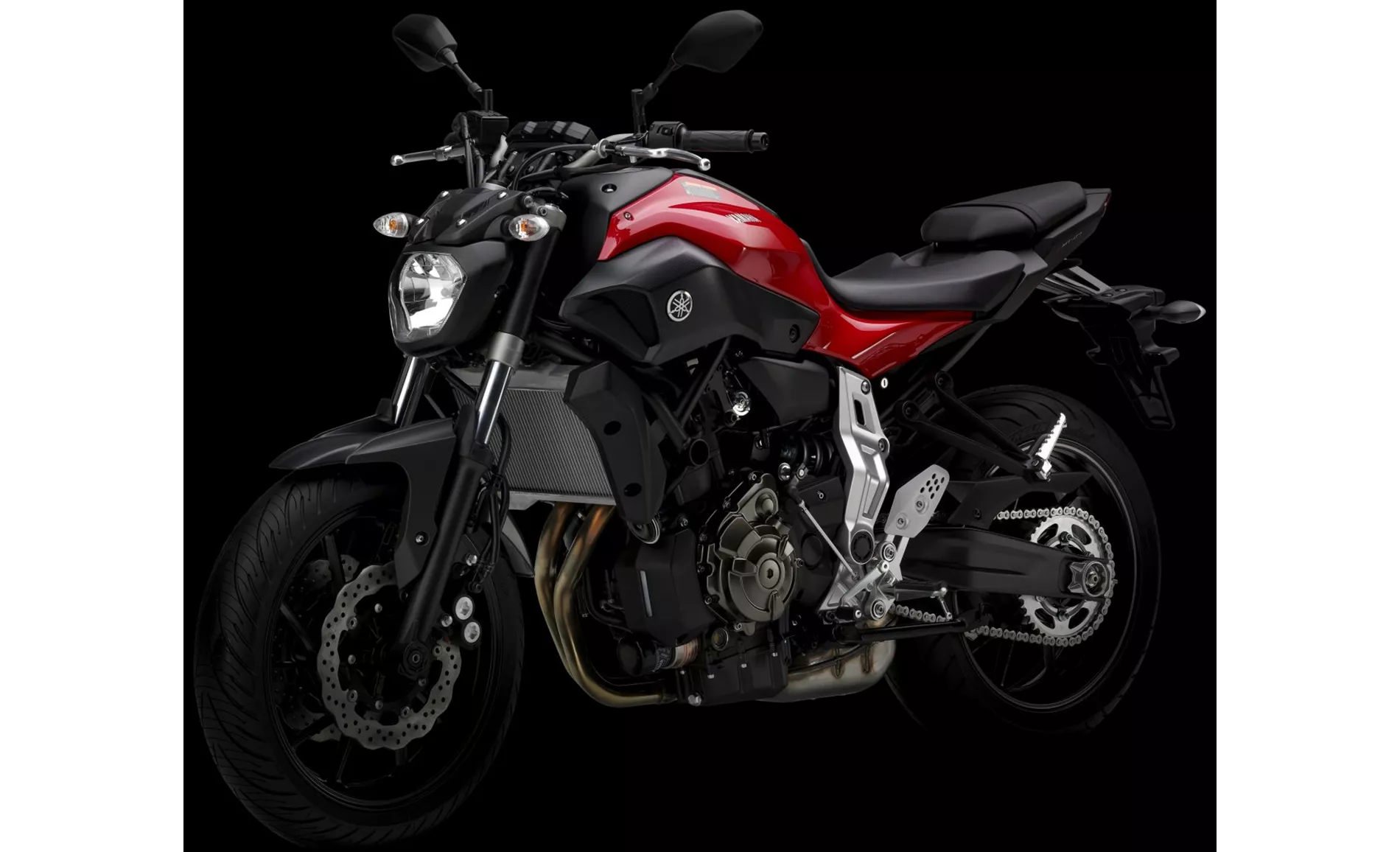
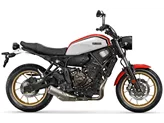
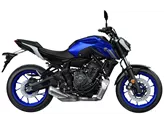
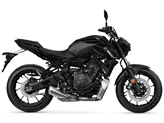
Yamaha MT-07 2014
Both bikes have double disk brakes at the front, ensuring powerful and reliable stopping power. However, it is worth noting that the R1 2020 has been criticized for its brakes not being fully satisfactory on the race track, indicating a potential weakness in this area.
In terms of dimensions and weights, both bikes have a front tire width of 120mm and a front tire diameter of 17 inches. However, the R1 2020 has a wider rear tire width of 190mm compared to the MT-07 2014's 180mm. The R1 also has a slightly longer wheelbase of 1405mm, providing increased stability and improved handling.
When it comes to seat height, the R1 2020 has a higher seat height of 855mm compared to the MT-07 2014's 805mm. This may make the R1 less accessible for shorter riders or those who prefer a lower seating position.
In terms of weight, the MT-07 2014 has a kerb weight of 182kg, while the R1 2020 is slightly heavier at 199kg. Despite the weight difference, the R1's powerful engine compensates for the additional weight, resulting in impressive acceleration and top speed.
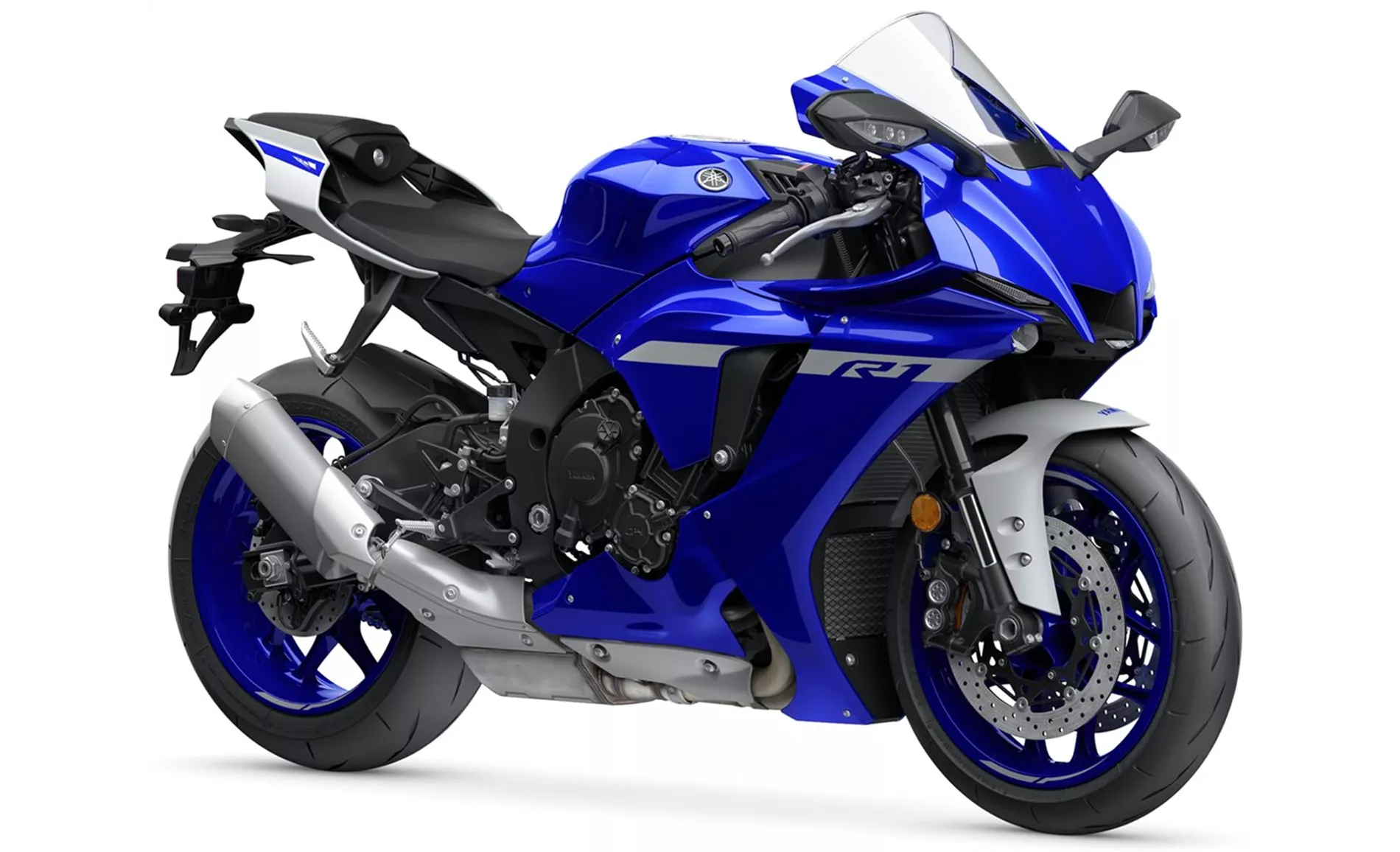
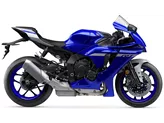
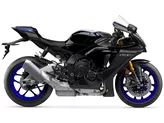
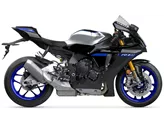
Yamaha R1 2020
Both bikes have liquid cooling systems, ensuring optimal engine performance and temperature regulation. Additionally, they both have a fuel tank capacity that allows for decent range, with the MT-07 2014 having a 14-liter tank and the R1 2020 having a larger 17-liter tank.
In terms of strengths, the MT-07 2014 is praised for its extremely agile engine, light handling, low weight, aggressive appearance, powerful brakes, comfortable seating position, throaty sound, and easy-to-read display. On the other hand, the R1 2020 is commended for its powerful engine, clean response, great sound, stable chassis, high-quality electronics, and overall noble impression.
However, both bikes also have their weaknesses. The MT-07 2014 is criticized for its slightly soft suspension, footrests that drag quickly, and the presence of cheap plastic parts. The R1 2020 has been noted to have brakes that are not entirely satisfactory on the race track.
In conclusion, the Yamaha MT-07 2014 and the Yamaha R1 2020 are two motorcycles with distinct characteristics and purposes. The MT-07 is a naked bike designed for everyday riding, while the R1 is a supersport bike built for high-performance and track-oriented riding. The R1 boasts a more powerful engine, superior suspension, and a lighter chassis, making it more suitable for aggressive riding and track use. However, the MT-07 offers a more affordable and accessible option for riders looking for a versatile and enjoyable riding experience.
Caractéristiques techniques Yamaha MT-07 2014 par rapport à Yamaha R1 2020
Avantages et inconvénients en comparaison
Avantages et inconvénients en comparaison
Yamaha MT-07 2014
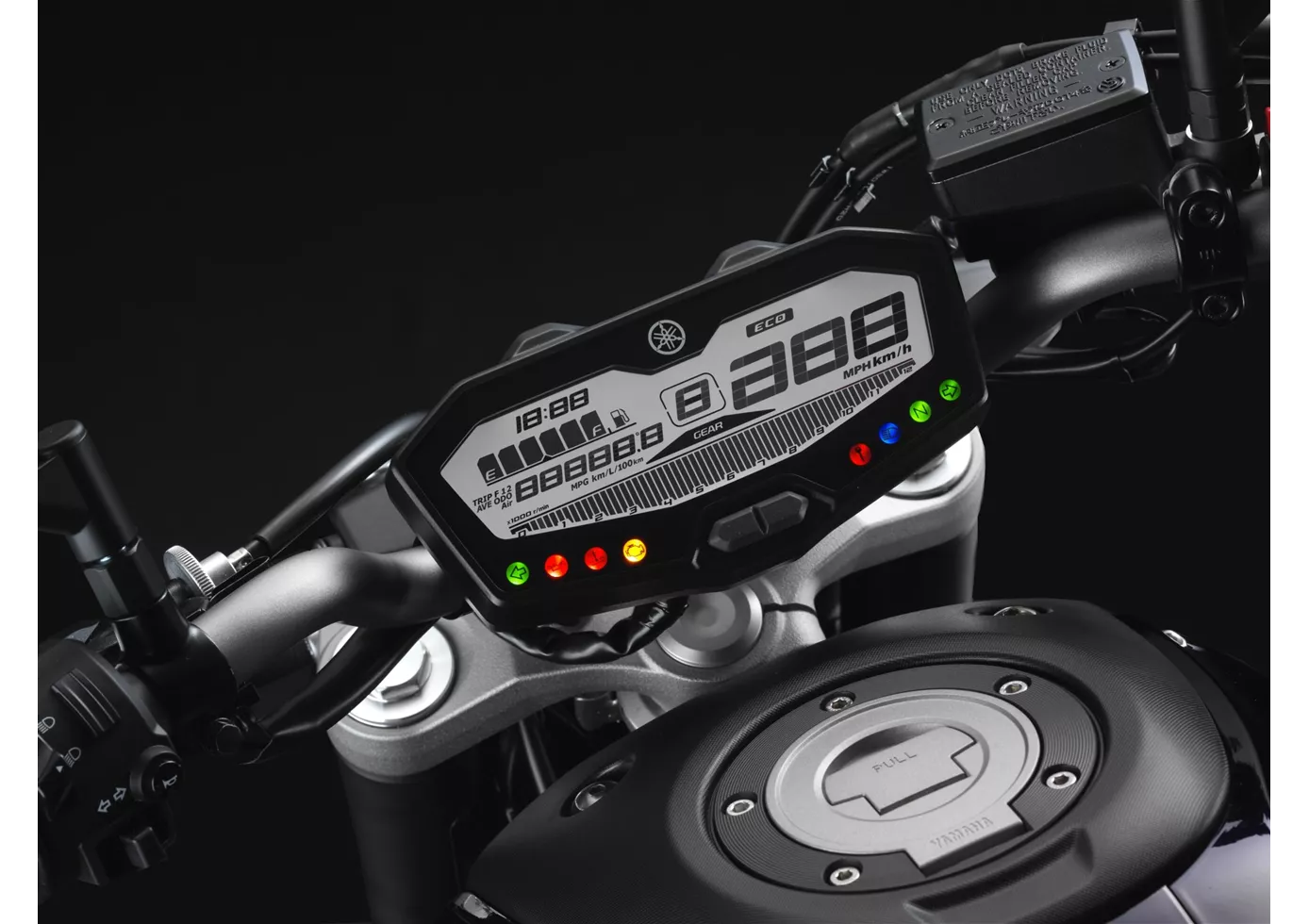
Même après trois ans, la Yamaha MT-07 est toujours considérée comme la favorite du public. Personne d'autre ne propose un tel rapport qualité-prix. Le bicylindre est puissant, mais son dosage est très doux à bas régime. L'écran est également l'un des meilleurs de sa catégorie grâce à sa bonne lisibilité. Seul le châssis déçoit. En conduite sportive, il est tout simplement configuré de manière trop souple, ce qui fait que la MT-07 peut parfois se cabrer.
Yamaha R1 2020
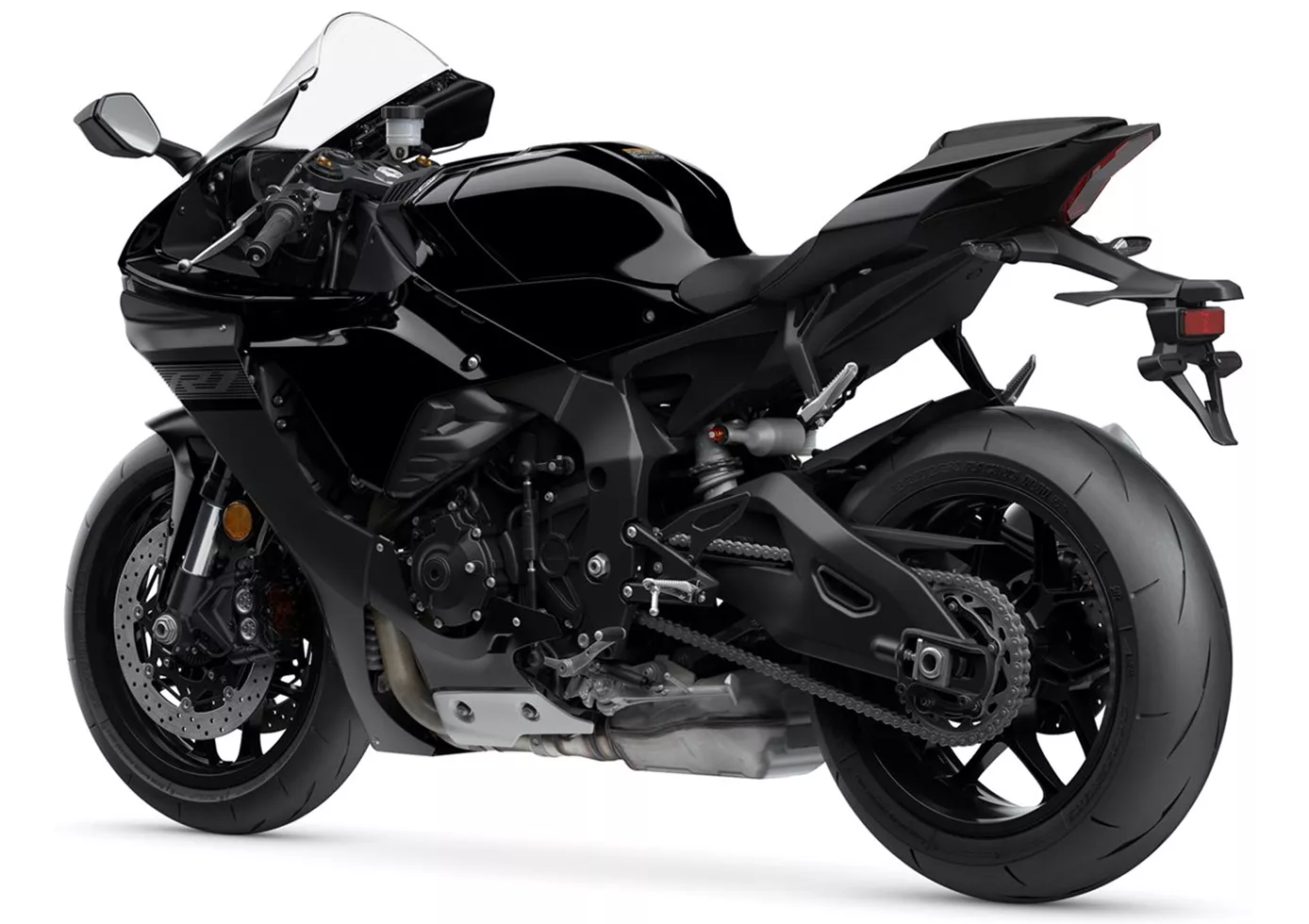
La Yamaha YZF-R1 est arrivée à maturité et fait le bonheur d'innombrables pilotes de circuit. Le moteur brille par sa légèreté et son agilité, la position de conduite surprend positivement et la maniabilité est radicale mais toujours "adaptée à la masse". La machine attire immédiatement l'attention par son aspect et aussi par sa sonorité qui fait chaud au cœur. C'est surtout sur les routes de campagne que la moto marque des points avec les atouts qu'on lui connaît : super moteur, super électronique, super ensemble ! Un vrai plaisir de conduire !
Comparaison des prix Prix moyen du marché Yamaha MT-07 vs Yamaha R1
There are a few key differences between a Yamaha MT-07 2014 and a Yamaha R1 2020. In terms of price, the actual average price of a Yamaha R1 2020 is about 285% higher. A Yamaha MT-07 2014 experiences a loss of 160 USD in one year of ownership. This is offset by a loss of 1,240 USD for a Yamaha R1 2020. Compared to Yamaha R1 2020 there are more Yamaha MT-07 2014 bikes available on the 1000PS.de Marketplace, specifically 17 compared to 9. It takes less time to sell a Yamaha MT-07 with 37 days compared to 86 days for a Yamaha R1. Since model year 2013 1000PS.de editors have written 69 reviews for the Yamaha MT-07 and 80 reviews for the Yamaha R1 since model year 2005. The first review for the Yamaha MT-07 was published on 11/4/2013 and now has more than 12,600 views. This compares to more than 3,900 views for the first review on Yamaha R1 published on 4/28/2003.