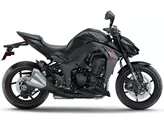
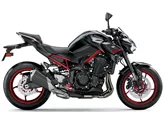
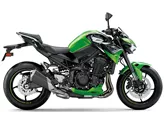
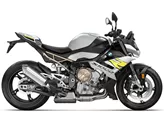
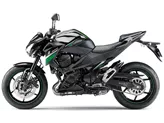
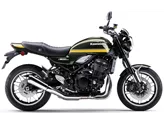
Kawasaki Z900 2020 vs. BMW S 1000 R 2016
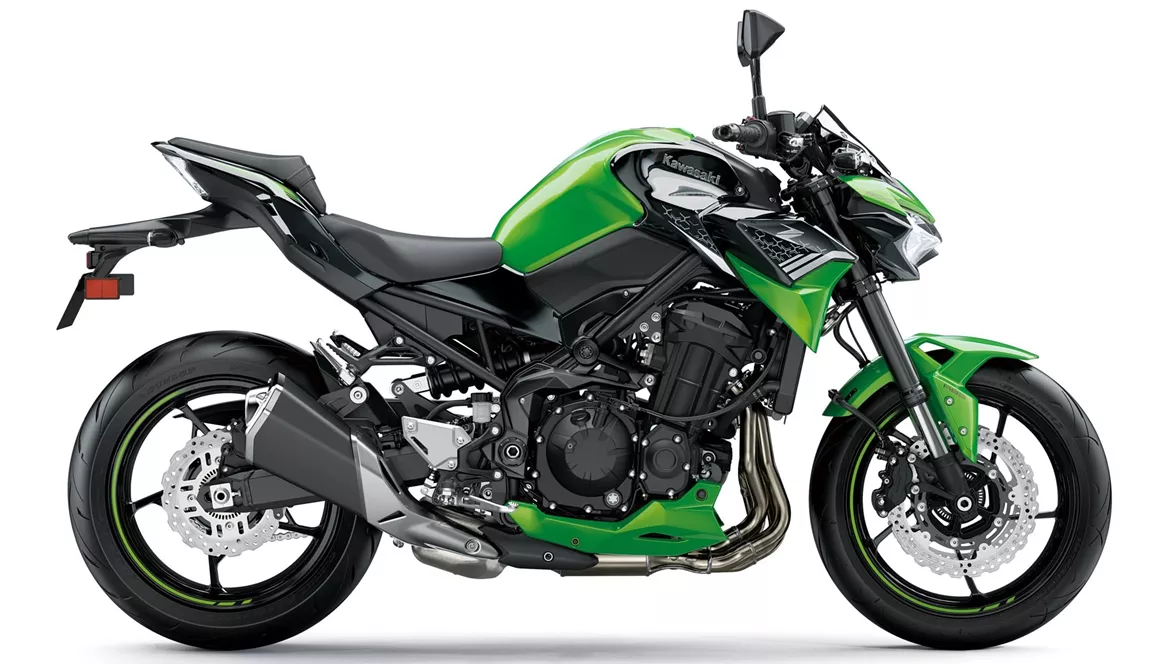
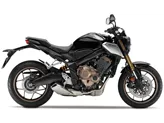
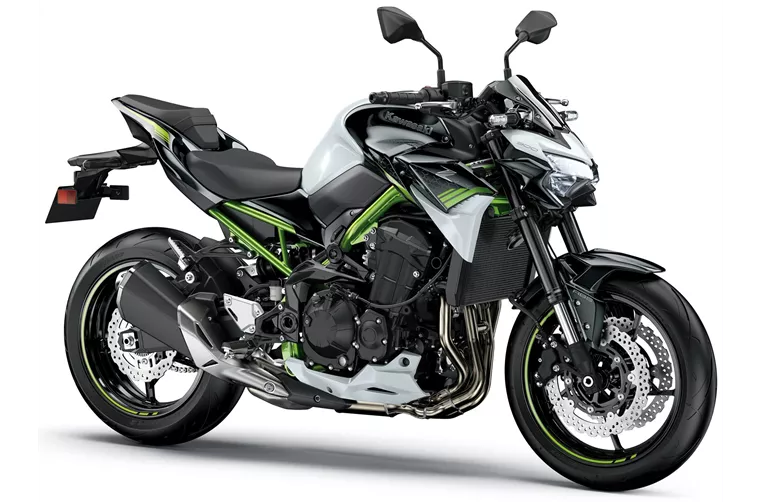
Kawasaki Z900 2020
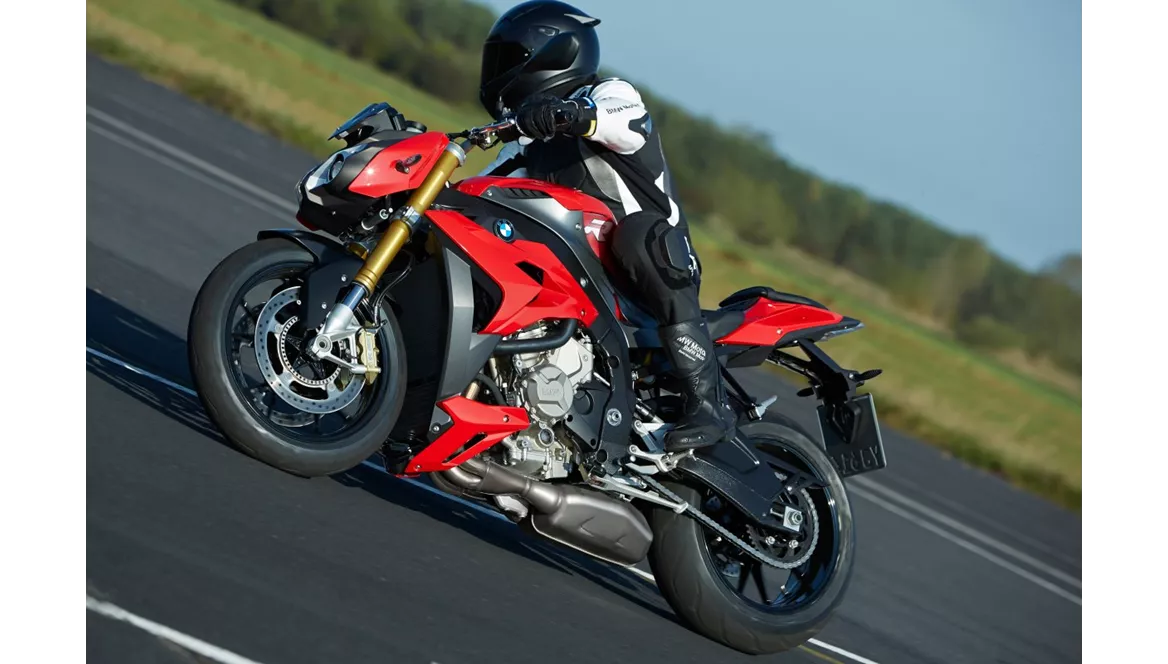
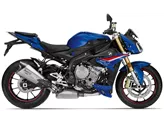
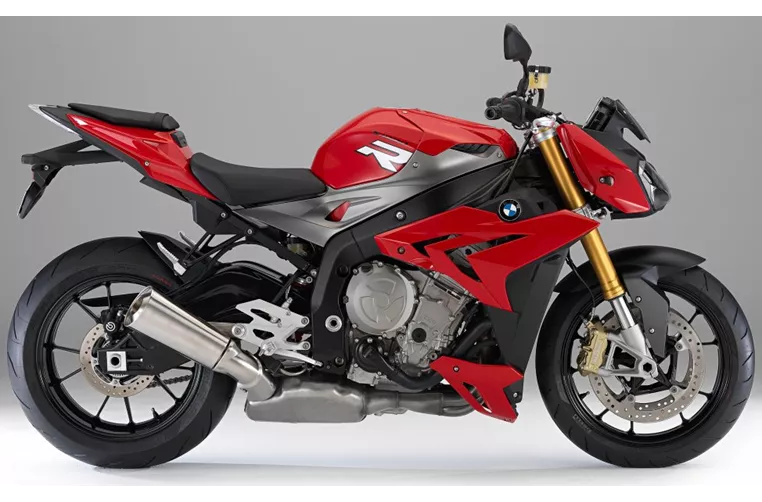
BMW S 1000 R 2016
Vue d’ensemble - Kawasaki Z900 2020 vs BMW S 1000 R 2016
The Kawasaki Z900 2020 and the BMW S 1000 R 2016 are both naked bikes with similar engine types, inline four-cylinder engines. However, there are some notable differences between the two models.
In terms of engine power, the BMW S 1000 R 2016 has a higher output with 160 HP compared to the Kawasaki Z900 2020's 125.4 HP. The BMW also has a higher torque of 112 Nm compared to the Kawasaki's 98.6 Nm. This means that the BMW will likely offer more acceleration and top speed compared to the Kawasaki.
Both bikes have four cylinders and a displacement of around 1000cc, which provides a good balance between power and efficiency. The Kawasaki has a slightly smaller displacement of 948cc compared to the BMW's 999cc.
In terms of suspension, both bikes feature upside-down telescopic forks at the front and swing arm suspension at the rear. They also both have a monoshock for the rear suspension. This setup provides good stability and control for both models.
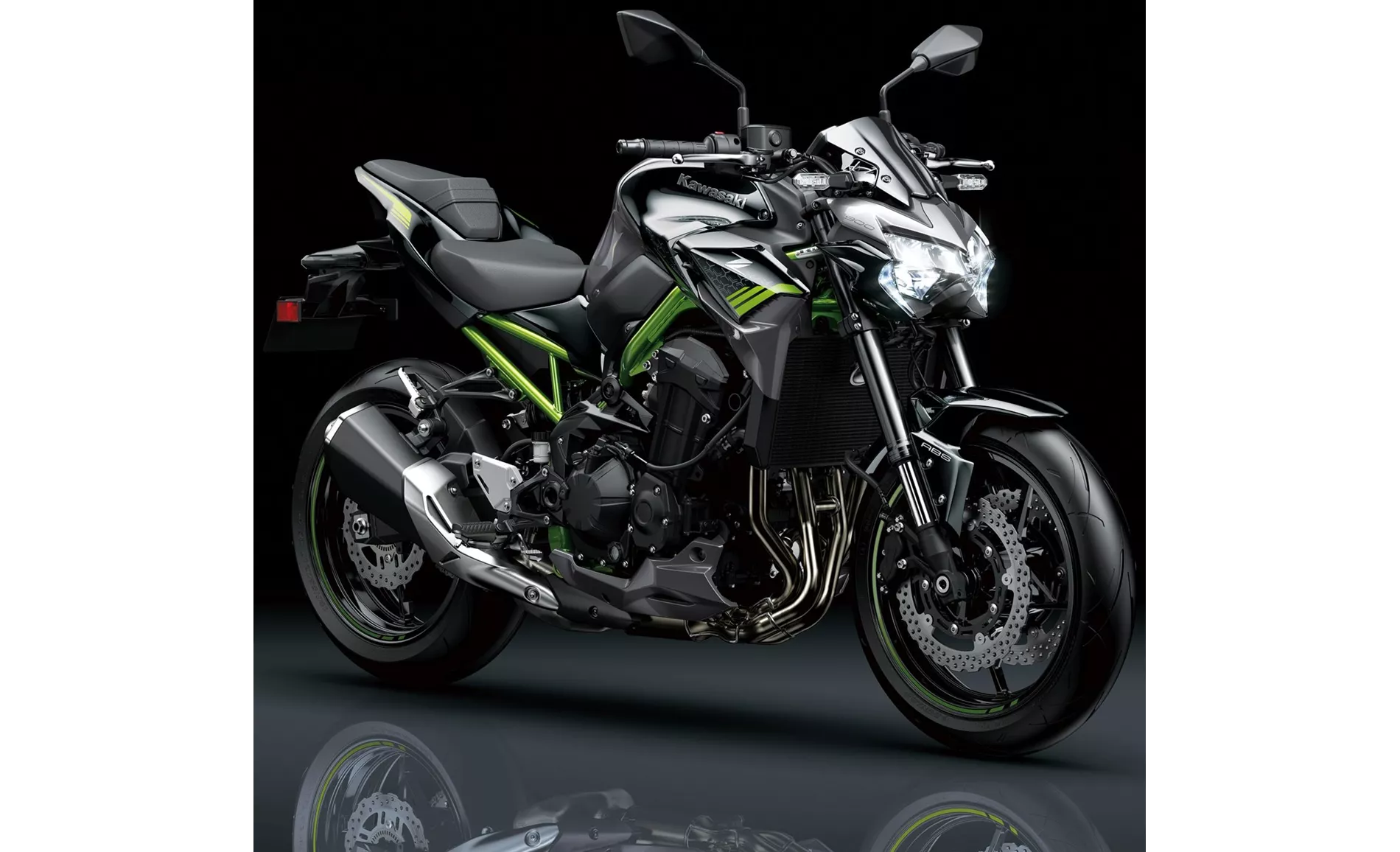
Kawasaki Z900 2020
The chassis of the Kawasaki Z900 2020 is made of steel and has a double cradle frame, while the BMW S 1000 R 2016 has an aluminum frame with a twin tube design. The aluminum frame of the BMW offers a lighter weight and potentially better handling compared to the steel frame of the Kawasaki.
Both bikes have double disk brakes at the front with four pistons, providing strong and reliable stopping power. However, the BMW S 1000 R 2016 has radial brakes, which offer improved performance and feel compared to the petal brakes of the Kawasaki Z900 2020.
In terms of advanced rider assistance systems, both bikes have ABS, riding modes, ride by wire, and traction control. However, the BMW S 1000 R 2016 also features dynamic suspension, which can automatically adjust the suspension settings based on riding conditions for optimal performance.
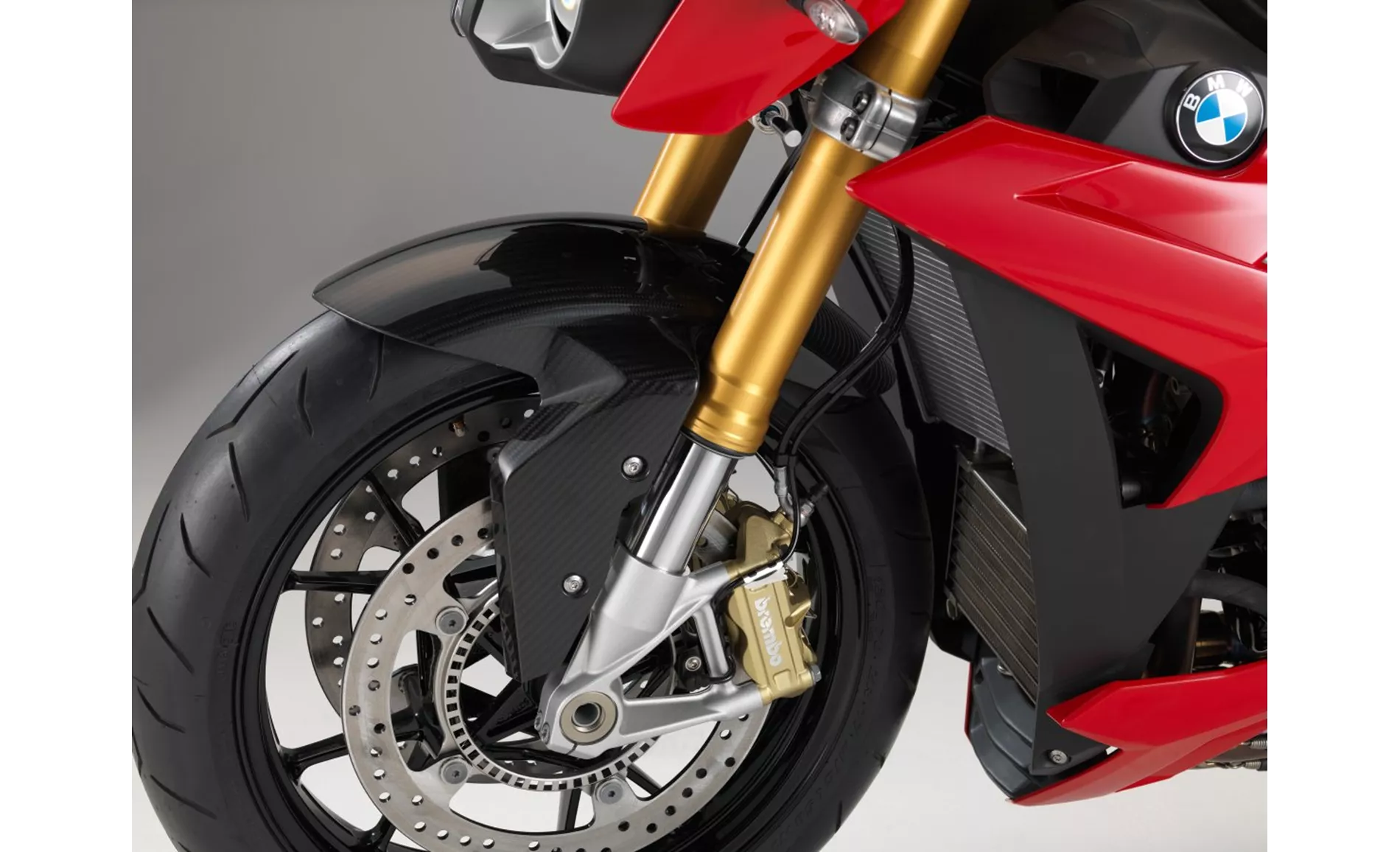
BMW S 1000 R 2016
In terms of dimensions and weights, both bikes have a front tire width of 120mm and a front tire diameter of 17 inches. The Kawasaki has a rear tire width of 180mm and a rear tire diameter of 17 inches, while the BMW has a wider rear tire with a width of 190mm. The wheelbase of the Kawasaki is slightly longer at 1450mm compared to the BMW's 1439mm. The seat height of the Kawasaki is lower at 795mm compared to the BMW's 814mm. The Kawasaki also weighs slightly more at 210kg compared to the BMW's 207kg.
In terms of strengths, the Kawasaki Z900 2020 offers a powerful four-cylinder engine, great handling, good equipment, aggressive looks, and value for money. On the other hand, the BMW S 1000 R 2016 has a powerful and well-controllable engine, a powerful braking system, and a comfortable seating position.
As for weaknesses, the Kawasaki Z900 2020 has a somewhat tiring menu navigation and lacks the option for a quickshifter. The BMW S 1000 R 2016, on the other hand, has irresistible but expensive optional extras and a hard chassis.
In conclusion, both the Kawasaki Z900 2020 and the BMW S 1000 R 2016 are powerful naked bikes with their own strengths and weaknesses. The choice between the two will depend on individual preferences and priorities, such as desired power output, handling characteristics, and budget.
Caractéristiques techniques Kawasaki Z900 2020 par rapport à BMW S 1000 R 2016
Avantages et inconvénients en comparaison
Avantages et inconvénients en comparaison
Kawasaki Z900 2020
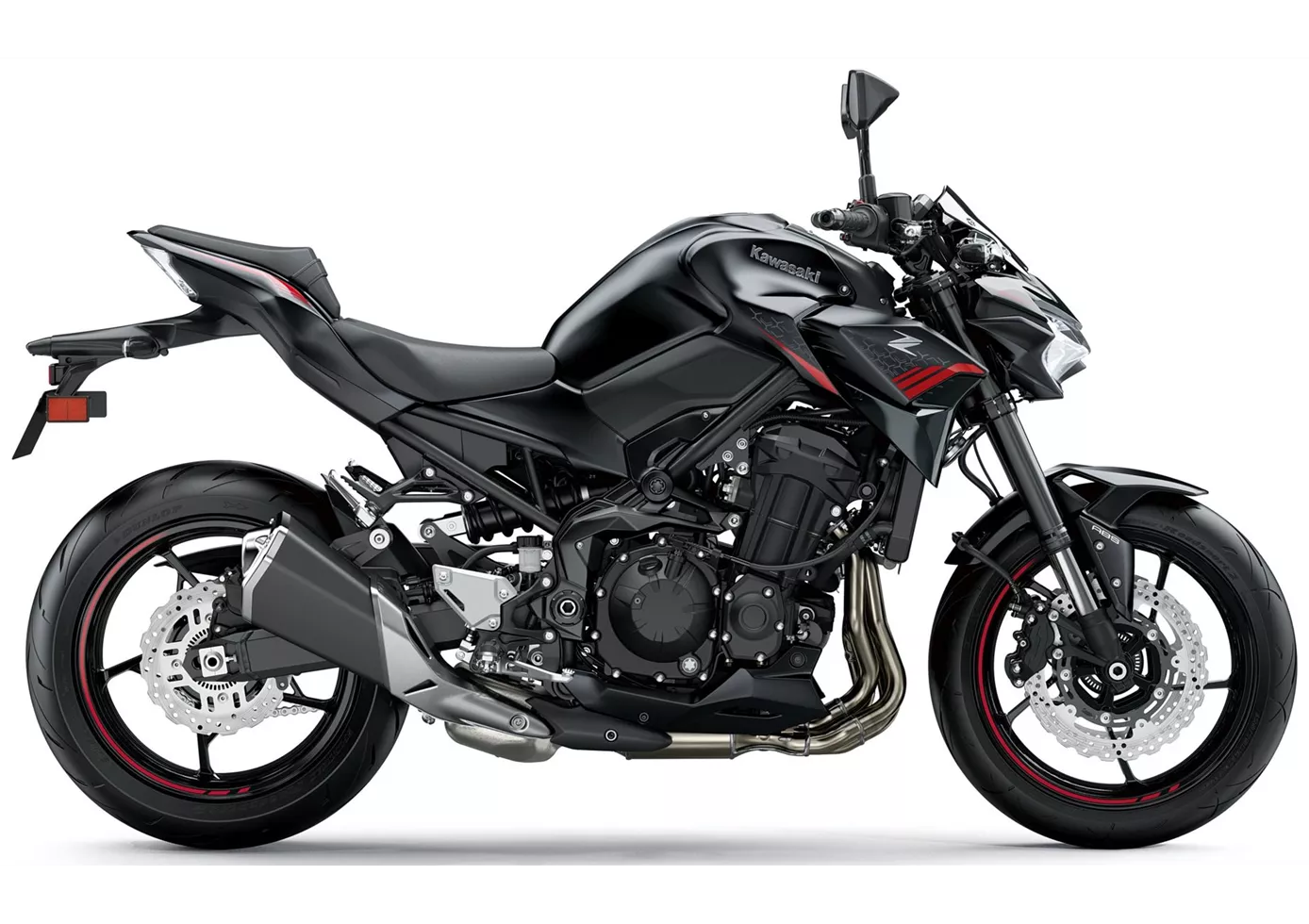
La Kawasaki Z900 n'est peut-être plus tout à fait à la hauteur en ce qui concerne les caractéristiques électroniques modernes dépendant de l'inclinaison, mais elle est relativement bon marché et il ne faut surtout pas sous-estimer la communauté des fans du bon vieux quatre cylindres en ligne - la Z900 est l'une des possibilités les plus avantageuses de posséder un moteur aussi formidable d'une cylindrée d'à peine un litre dans une naked bike sportive ! Le poids plus élevé est perceptible, mais pas massivement gênant, car la maniabilité et la stabilité sont tout à fait correctes. En ce qui concerne l'électronique "dépassée", le plus dérangeant est l'absence d'assistant de changement de vitesse, qui n'est même pas disponible en option. Mais dans l'ensemble, la Z900 est une superbe moto naked avec un excellent rapport qualité-prix.
BMW S 1000 R 2016
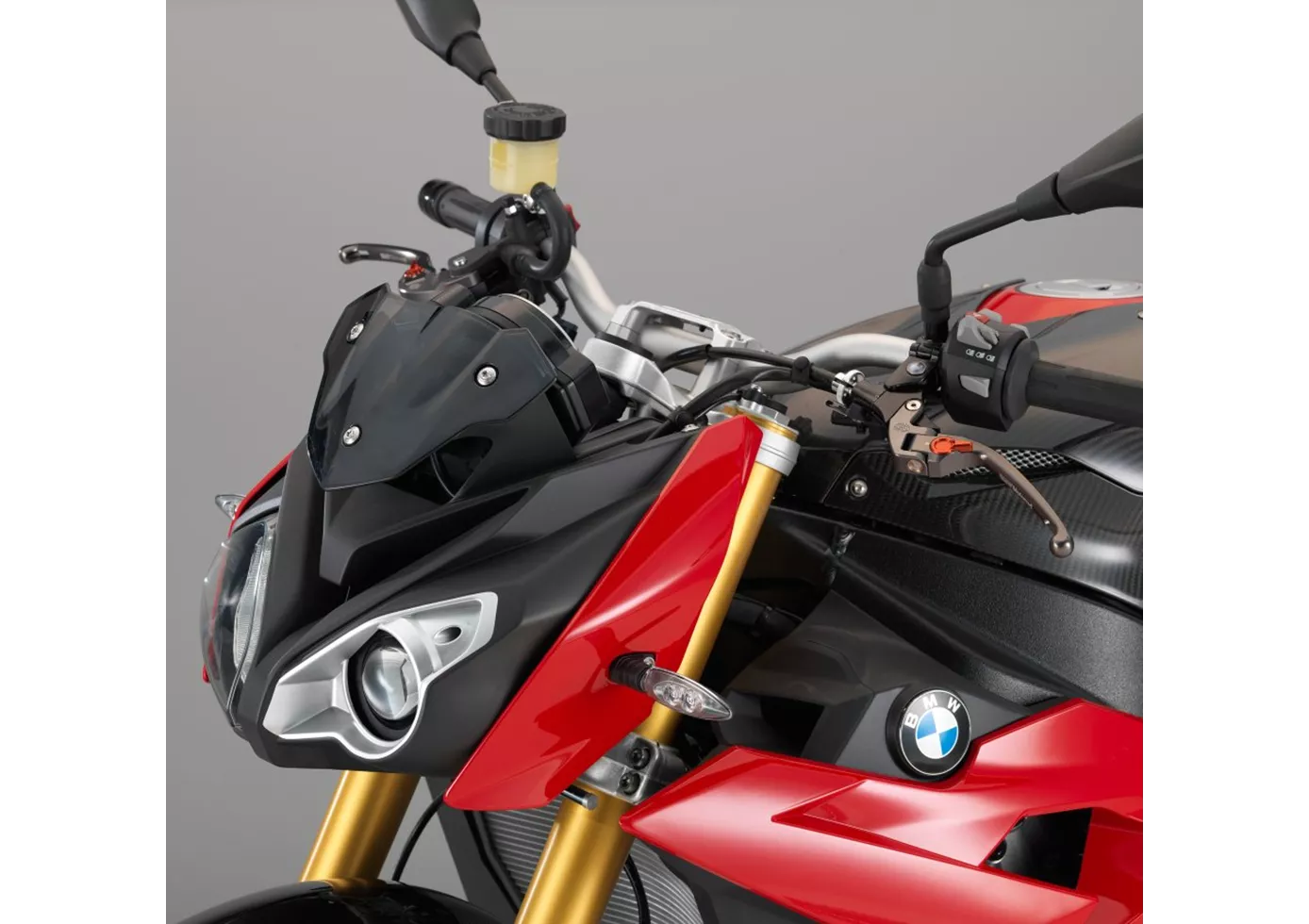
La BMW S 1000 R convainc sur toute la ligne et est bien plus qu'une simple version nue de la S 1000 RR. Avec son caractère propre, un couple plus important à mi-régime et une électronique de premier ordre, elle pose de nouveaux jalons dans le segment des nakeds hautes performances. L'ensemble de ses performances brutales, de sa suspension exceptionnelle et de son utilisation pratique au quotidien en font l'une des meilleures Moto naked qui soient - et ce à un prix étonnamment juste.
Comparaison des prix Prix moyen du marché Kawasaki Z900 vs BMW S 1000 R
There are a few key differences between a Kawasaki Z900 2020 and a BMW S 1000 R 2016. In terms of price, the actual average price of a BMW S 1000 R 2016 is about 29% higher. Compared to BMW S 1000 R 2016 there are more Kawasaki Z900 2020 bikes available on the 1000PS.de Marketplace, specifically 34 compared to 10. It takes less time to sell a BMW S 1000 R with 69 days compared to 124 days for the Kawasaki Z900. Since model year 2017 1000PS.de editors have written 46 reviews for the Kawasaki Z900 and 62 reviews for the BMW S 1000 R since model year 2014. The first review for the Kawasaki Z900 was published on 11/11/2016 and now has more than 93,200 views. This compares to more than 17,300 views for the first review on BMW S 1000 R published on 11/3/2013.