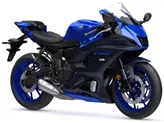
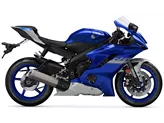
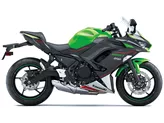
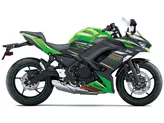
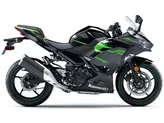
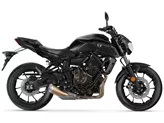
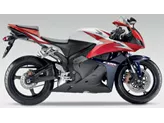
Kawasaki Ninja 650 2017 vs. Yamaha YZF-R6 2017
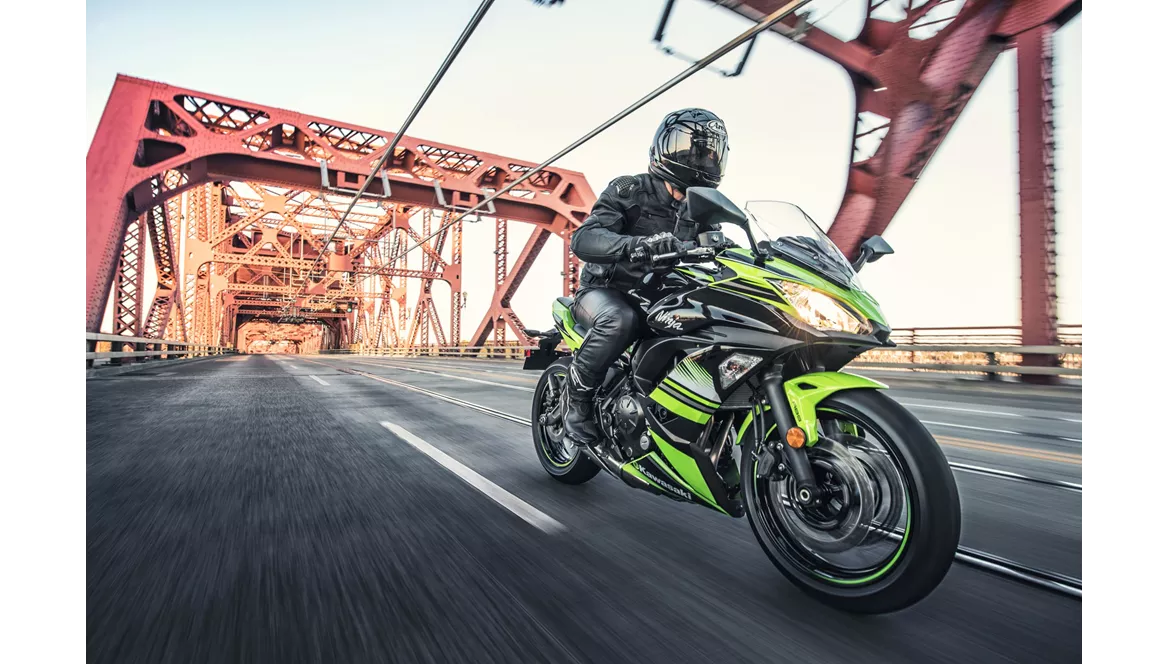
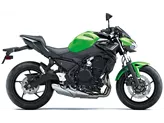
Kawasaki Ninja 650 2017
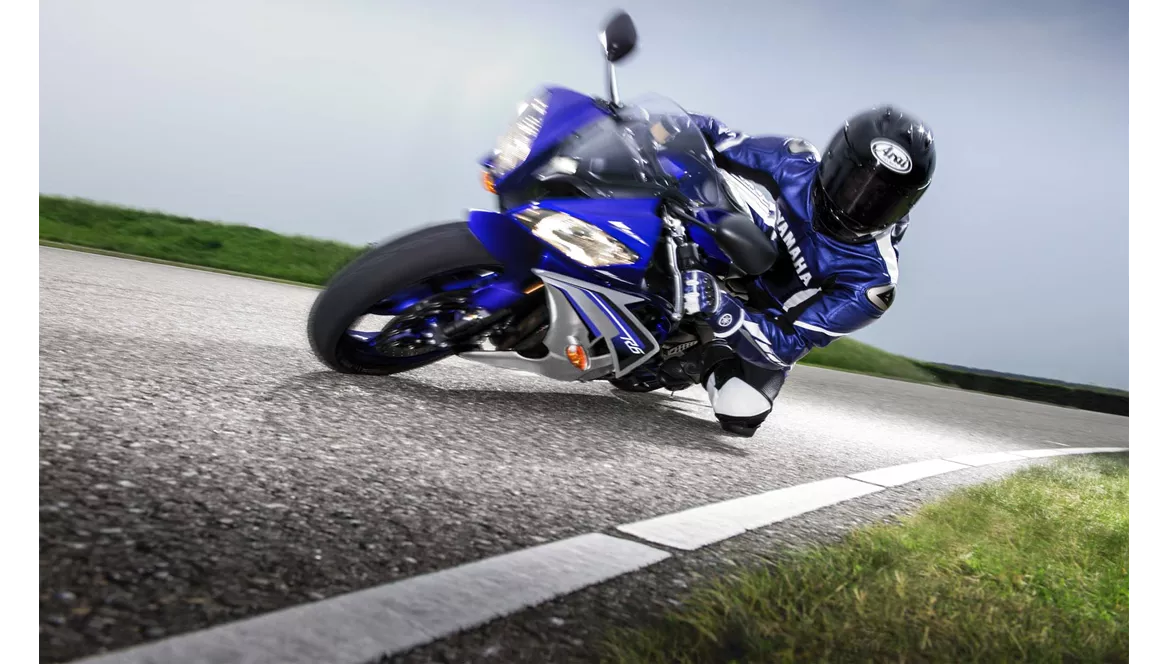
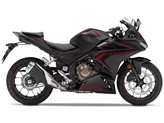
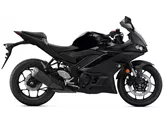
Yamaha YZF-R6 2017
Vue d’ensemble - Kawasaki Ninja 650 2017 vs Yamaha YZF-R6 2017
The Kawasaki Ninja 650 2017 and the Yamaha YZF-R6 2017 are both supersport motorcycles that offer impressive performance and sleek designs. However, there are several key differences between the two models.
In terms of engine specifications, the Kawasaki Ninja 650 has a larger displacement of 649cc compared to the Yamaha YZF-R6's 599cc engine. The Ninja 650 produces 68.2 horsepower, while the YZF-R6 boasts a more powerful engine with 124 horsepower. Both motorcycles feature DOHC valves and four valves per cylinder, ensuring efficient fuel combustion.
The chassis and frame of the two motorcycles also differ. The Kawasaki Ninja 650 has a steel frame, while the Yamaha YZF-R6 features an aluminum frame. The Ninja 650's tubular frame provides a sporty and agile feel, while the YZF-R6's Deltabox frame offers high transparency and precise handling.
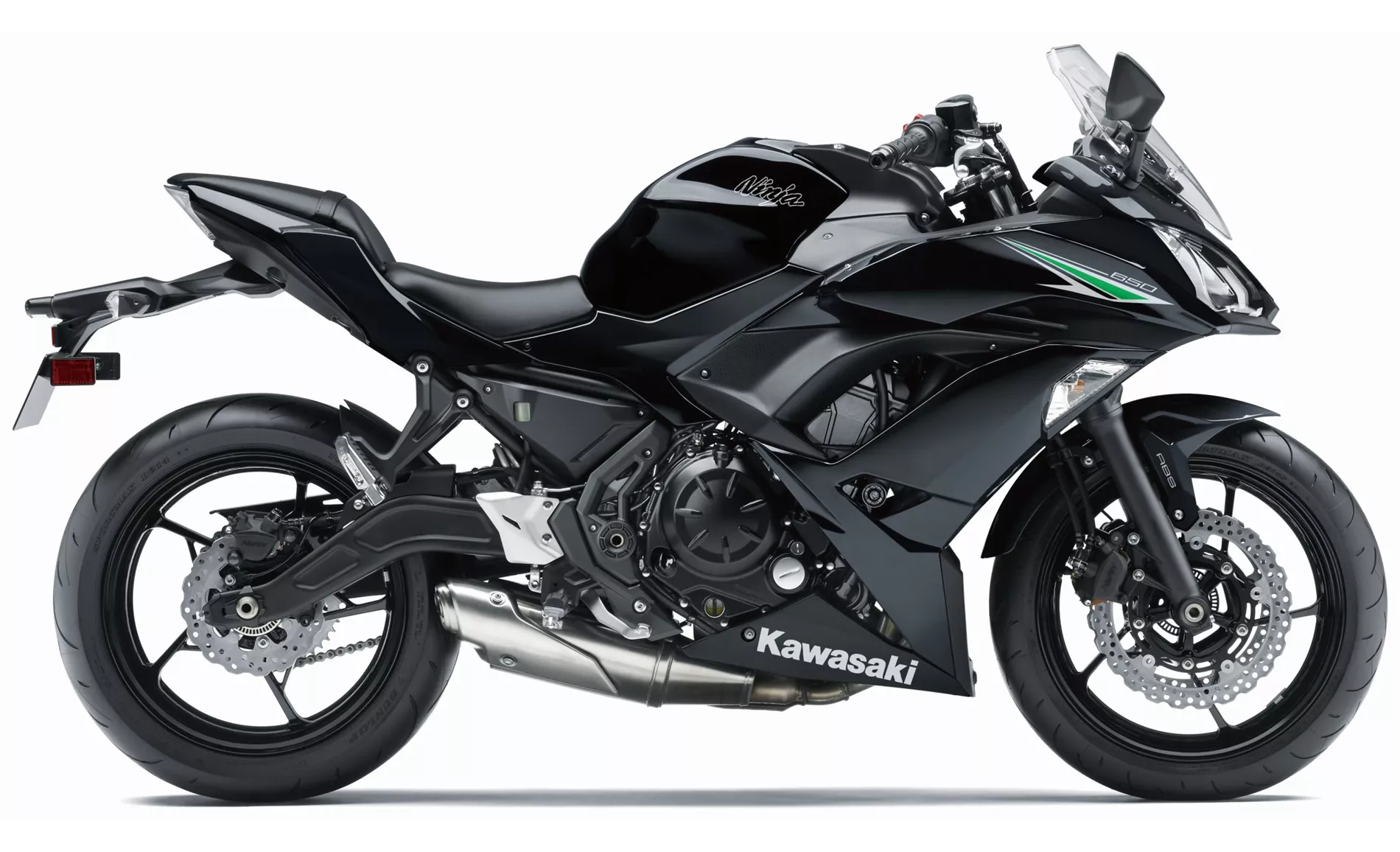
Kawasaki Ninja 650 2017
In terms of suspension, the Ninja 650 has a telescopic fork front suspension, while the YZF-R6 has an upside-down telescopic fork front suspension. Both motorcycles feature double disk brakes at the front, providing strong and direct stopping power.
When it comes to dimensions and weights, the Ninja 650 has a wheelbase of 1410mm, while the YZF-R6 has a slightly shorter wheelbase of 1375mm. The seat height of the Ninja 650 is 790mm, whereas the YZF-R6 has a higher seat height of 850mm. The YZF-R6 also has a larger fuel tank capacity of 17 liters, compared to the Ninja 650's 15-liter capacity.
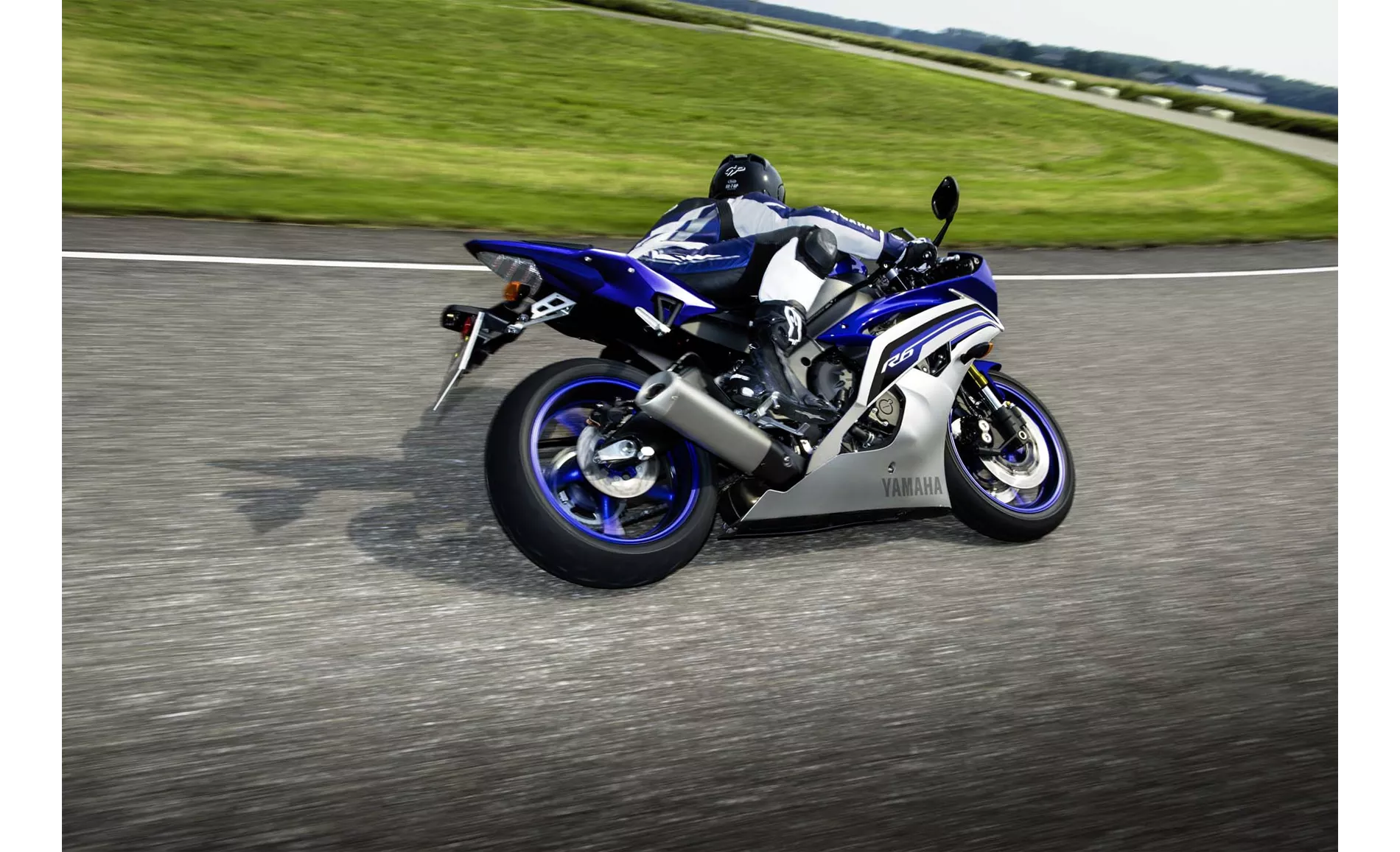
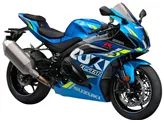
Yamaha YZF-R6 2017
In terms of strengths, the Ninja 650 offers a transparent chassis for a sporty feel, playful and good-natured handling, excellent brakes, sharp looks reminiscent of the ZX-10R, and a resilient engine. On the other hand, the YZF-R6 boasts strong and direct brakes, sharp looks, an automatic gearshift, good wind protection, precise handling, and high transparency.
However, both motorcycles have their weaknesses. The Ninja 650 lacks sound from the stock exhaust and experiences slight vibrations from the engine. The YZF-R6 has a radical seating position that may not be suitable for touring and comes with standard power of only 118.4 horsepower, which can be costly to upgrade.
In conclusion, the Kawasaki Ninja 650 2017 and the Yamaha YZF-R6 2017 are both impressive supersport motorcycles with their own unique features and strengths. The choice between the two ultimately depends on the rider's preferences and priorities, such as power, handling, and seating position.
Caractéristiques techniques Kawasaki Ninja 650 2017 par rapport à Yamaha YZF-R6 2017
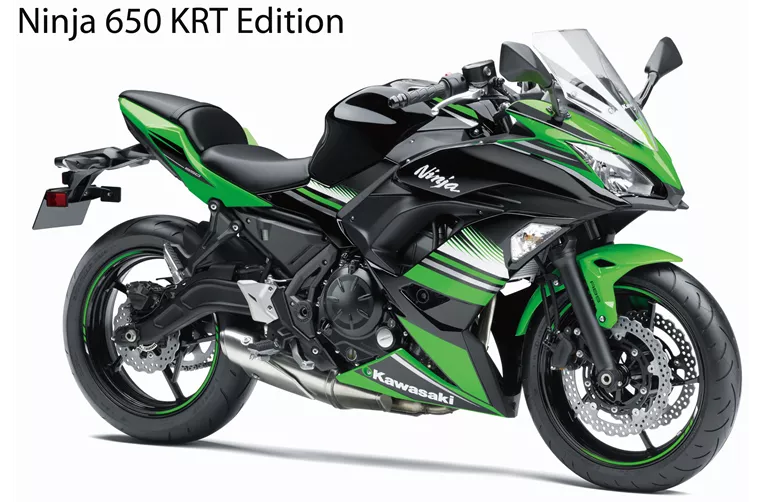
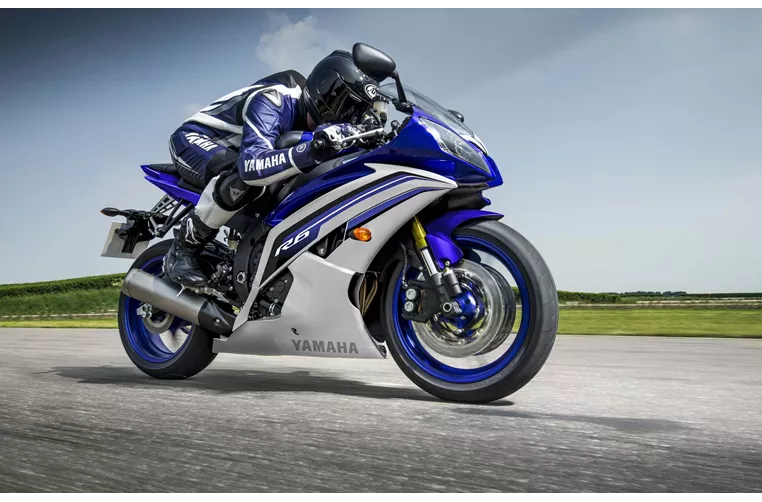
Avantages et inconvénients en comparaison
Avantages et inconvénients en comparaison
Kawasaki Ninja 650 2017
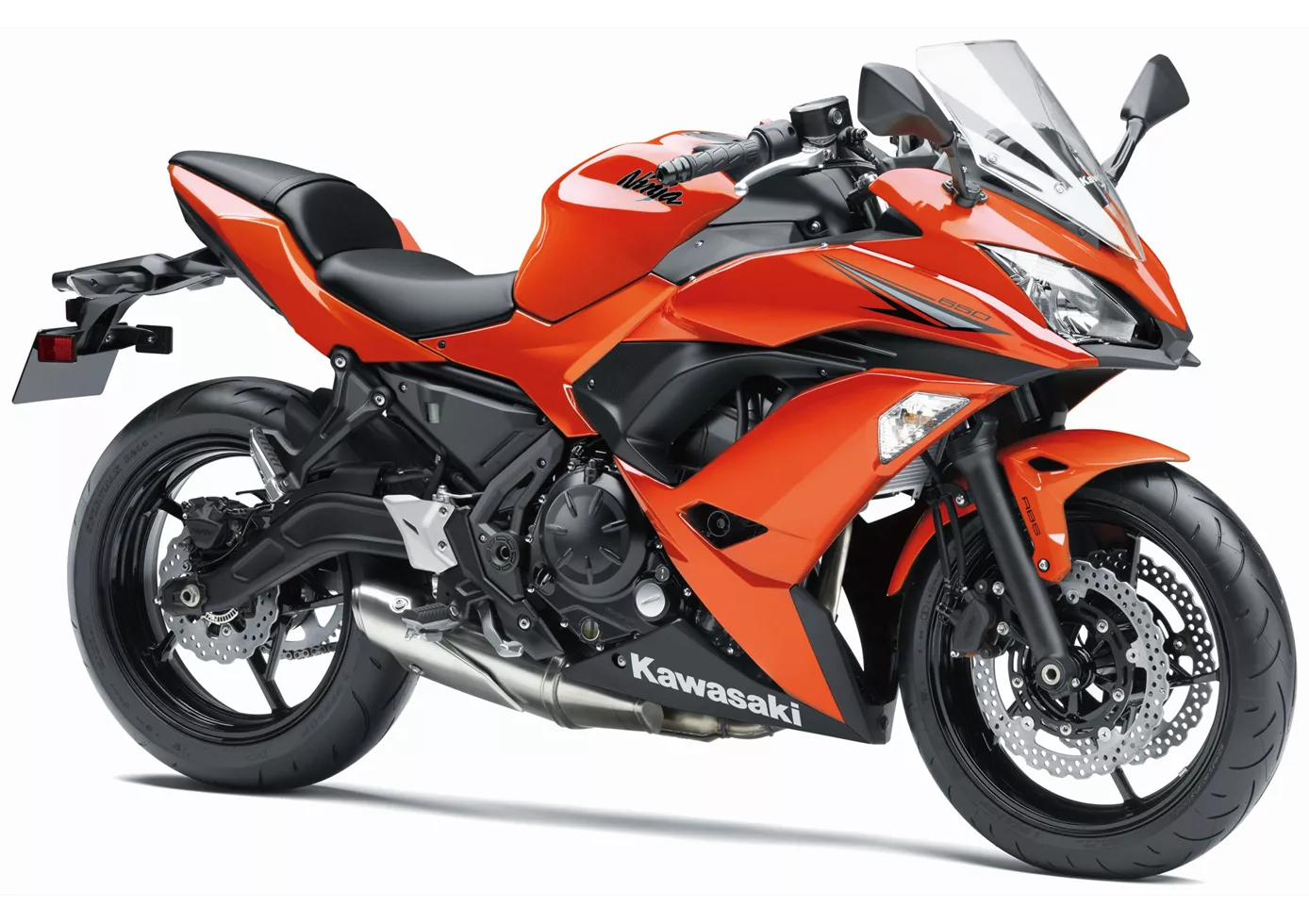
La Ninja 650 est en train d'écraser son prédécesseur (Er-6f). Le moteur a bien franchi l'obstacle de l'Euro 4 et sert 68 chevaux très bien utilisés, le châssis est tout simplement génial pour cette catégorie, et la réduction de poids de 18( !) kilos par rapport à l'ER-6f justifie un hochement de tête respectueux.
Yamaha YZF-R6 2017
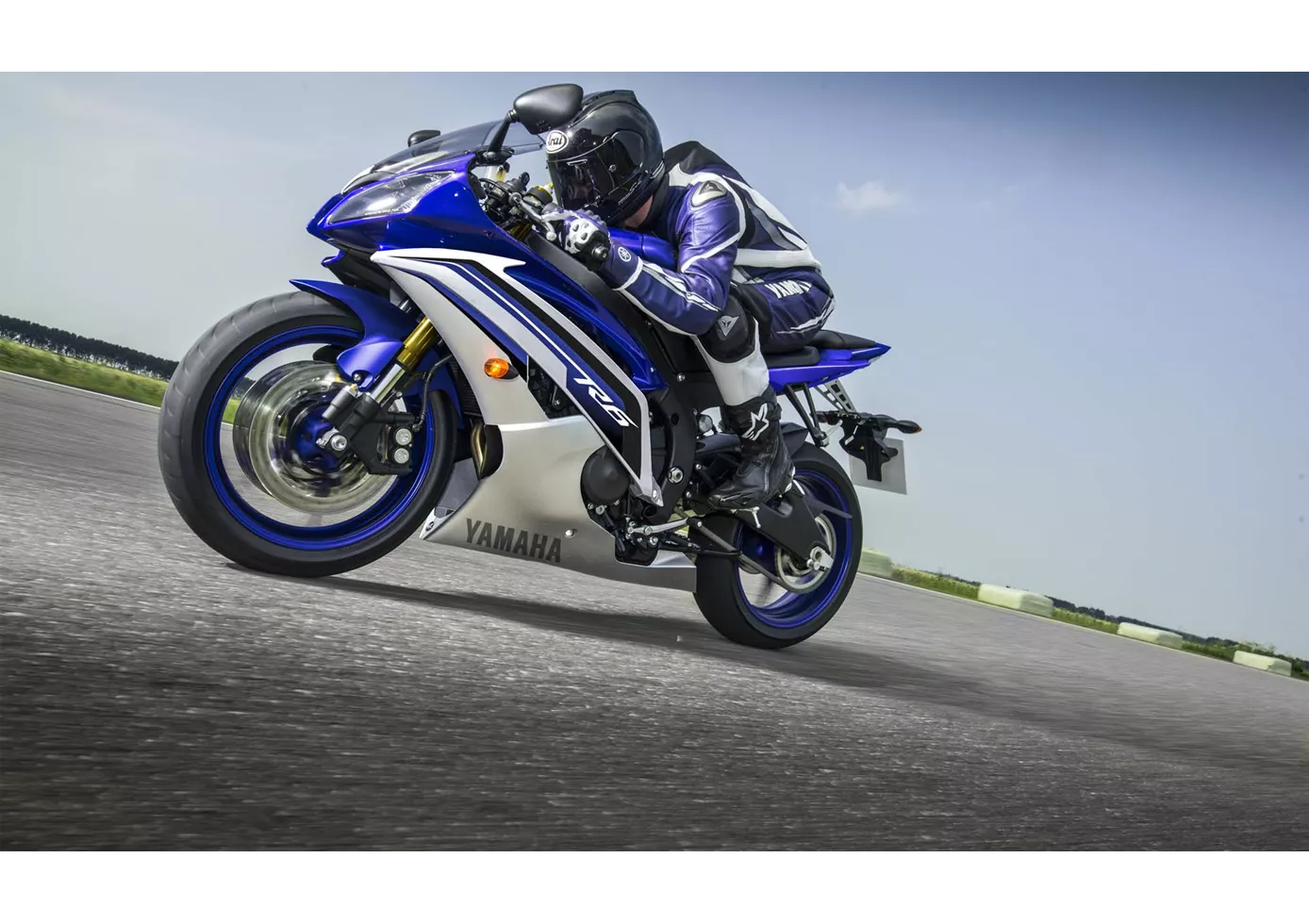
On a presque l'impression que la Yamaha YZF-R6 est née sur la piste de course. Il est facile de voir que la R6 est la petite sœur de la YZF-R1. Que ce soit le design, l'ergonomie, le freinage ou les aides électroniques, les gènes de la course sont partout ! La R6 est une excellente pièce d'ingénierie dans la catégorie des 600 cm3 et, selon les préférences de chacun, c'est probablement la meilleure 600 cm3 du moment - du moins pour la piste de course. La Yamaha offre au pilote une précision et un feedback incroyables sur la roue avant et le châssis, tout en étant très souple ! Le moteur est extrêmement poussif, mais il faut aussi le garder en forme. Dommage que la dernière version de la R6 ait dû perdre un peu de puissance en raison de l'Euro-4... Néanmoins, pour la plupart des pilotes, elle sera la moto de piste la plus rapide. Et si besoin est, un système d'échappement ouvert (sans homologation routière) et une cartographie permettent de tirer encore quelques chevaux de cette supersports. Un design pointu rencontre des composants encore plus pointus - TOP !
Comparaison des prix Prix moyen du marché Kawasaki Ninja 650 vs Yamaha YZF-R6
There are a few key differences between a Kawasaki Ninja 650 2017 and a Yamaha YZF-R6 2017. There are the same number of bikes of both models available on the 1000PS.de marketplace, specifically 7. It takes less time to sell a Kawasaki Ninja 650 with 96 days compared to 136 days for a Yamaha YZF-R6. Since model year 2017 1000PS.de editors have written 20 reviews for the Kawasaki Ninja 650 and 33 reviews for the Yamaha YZF-R6 since model year 2005. The first review for the Kawasaki Ninja 650 was published on 10/4/2016 and now has more than 79,600 views. This compares to more than 3,600 views for the first review on Yamaha YZF-R6 published on 10/17/2002.