Suzuki SV 650 2017 vs. Kawasaki Z900 2018
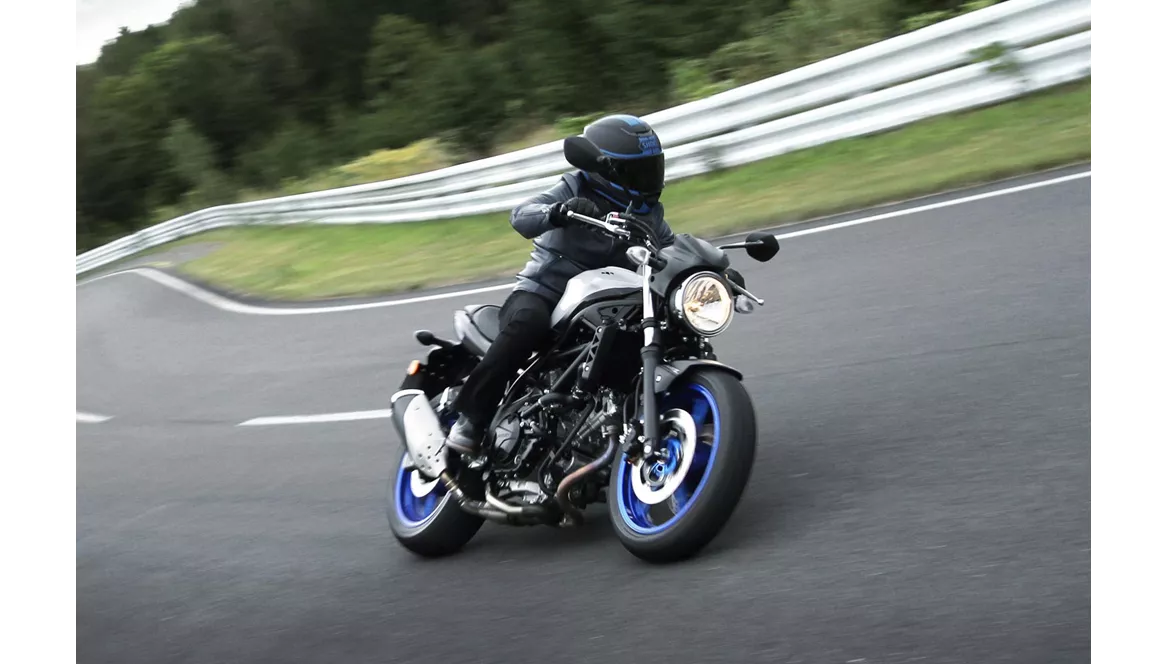
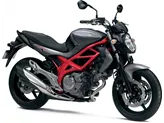
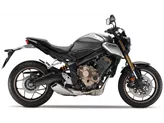
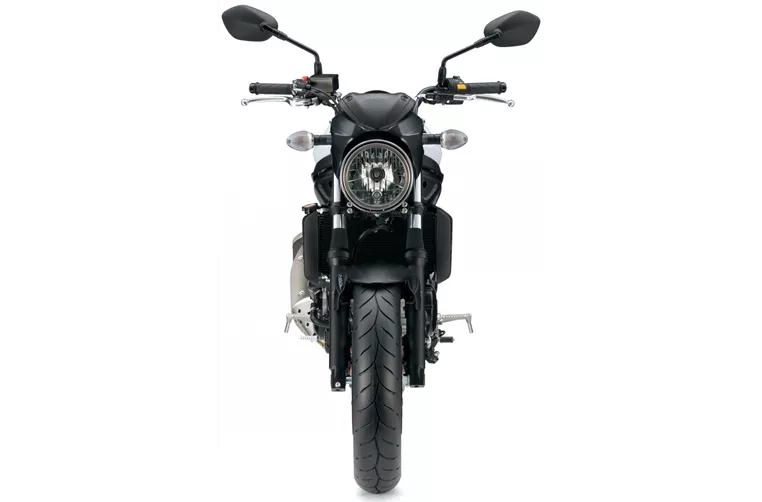
Suzuki SV 650 2017
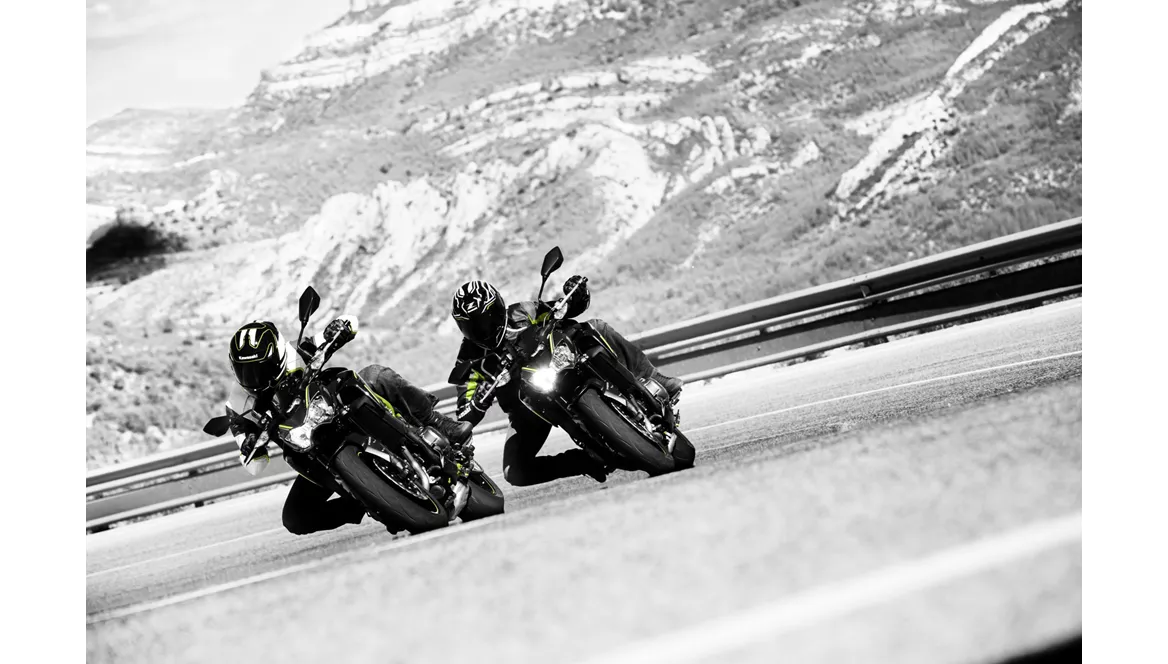
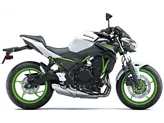
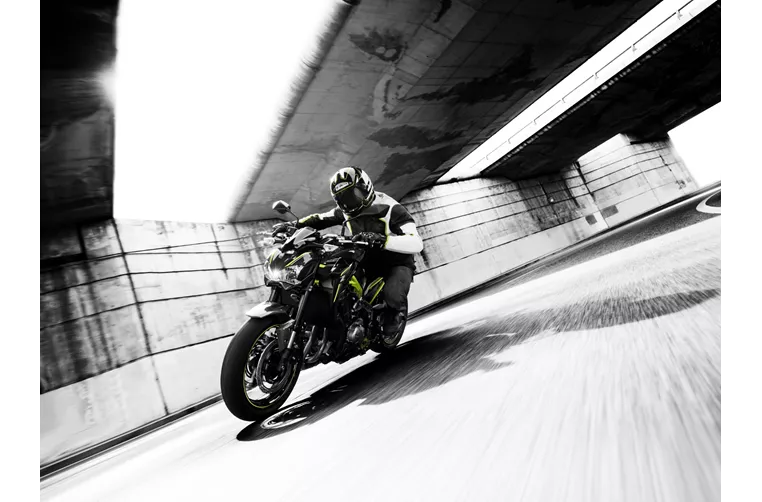
Kawasaki Z900 2018
Vue d’ensemble - Suzuki SV 650 2017 vs Kawasaki Z900 2018
When comparing the Suzuki SV 650 2017 and the Kawasaki Z900 2018, it is clear that both bikes have their own strengths and weaknesses.
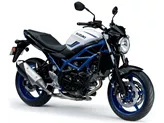
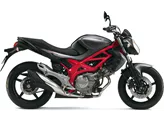
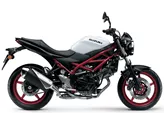
Starting with the Suzuki SV 650 2017, it features a V-twin engine with 76 HP and 64 Nm of torque. The engine is known for its smoothness and provides a playful riding experience. The chassis of the SV 650 is also highly regarded, offering great stability and handling. The suspension consists of a telescopic fork in the front and a swing arm with a monoshock in the rear. The frame is made of steel, which provides durability and strength. The front brakes are double disk with a diameter of 290 mm and double piston calipers. The SV 650 also comes equipped with ABS for advanced rider assistance. The dimensions and weights include a front tire width of 120 mm, front tire diameter of 17 inches, rear tire width of 160 mm, rear tire diameter of 17 inches, wheelbase of 1445 mm, seat height of 785 mm, and a kerb weight of 197 kg with ABS.
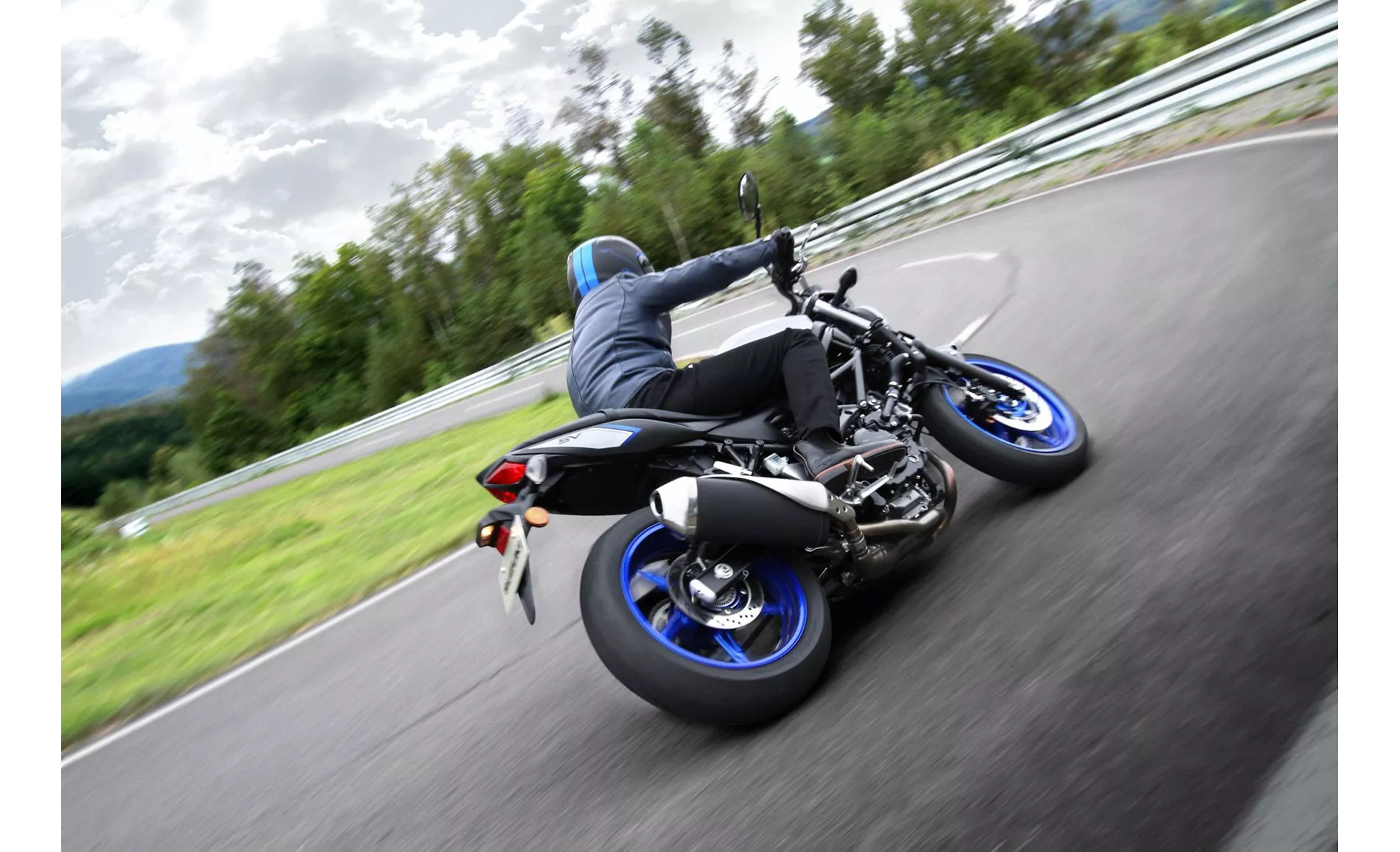
Suzuki SV 650 2017
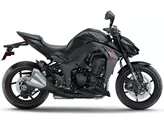
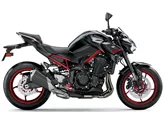
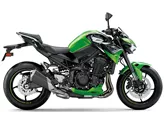
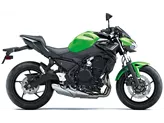
On the other hand, the Kawasaki Z900 2018 boasts an inline-four engine with 125.4 HP and 98.6 Nm of torque. The engine is known for its power and smoothness, providing a thrilling riding experience. The chassis of the Z900 is also highly praised, offering great stability and a sharp, sporty look. The suspension consists of an upside-down telescopic fork in the front and a swing arm with a monoshock made of aluminum in the rear. The frame is made of steel and features a double cradle design. The front brakes are double disk with a diameter of 300 mm and four piston calipers. Like the SV 650, the Z900 also comes equipped with ABS for advanced rider assistance. The dimensions and weights include a front tire width of 120 mm, front tire diameter of 17 inches, rear tire width of 180 mm, rear tire diameter of 17 inches, wheelbase of 1450 mm, seat height of 795 mm, and a kerb weight of 210 kg with ABS.
In terms of strengths, the SV 650 is praised for its smooth engine, playful handling, and great chassis. The Z900, on the other hand, is commended for its powerful and silky engine, great sound, sharp, sporty look, low seating position, and easy handling and manoeuvrability.
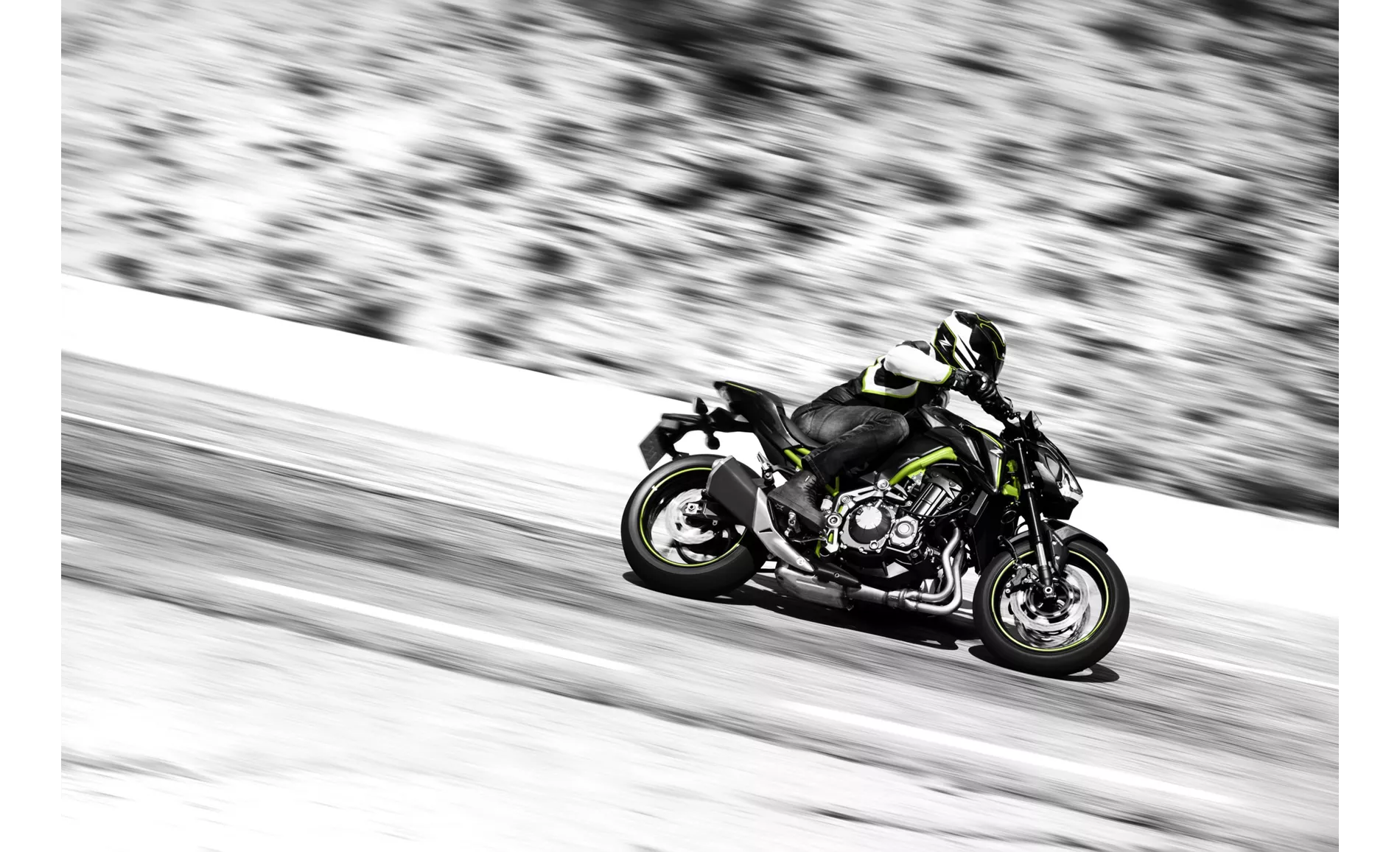
Kawasaki Z900 2018
However, both bikes have their weaknesses as well. The SV 650 is criticized for its weak brakes, which can be a concern for some riders. The Z900, on the other hand, lacks traction control and the knee angle can be strenuous for tall riders in the long run.
In conclusion, the Suzuki SV 650 2017 and the Kawasaki Z900 2018 are both impressive naked bikes with their own unique features and characteristics. While the SV 650 excels in terms of smoothness and playful handling, the Z900 stands out with its powerful engine and sporty design. Ultimately, the choice between the two will depend on the rider's preferences and priorities.
Caractéristiques techniques Suzuki SV 650 2017 par rapport à Kawasaki Z900 2018
Avantages et inconvénients en comparaison
Avantages et inconvénients en comparaison
Suzuki SV 650 2017
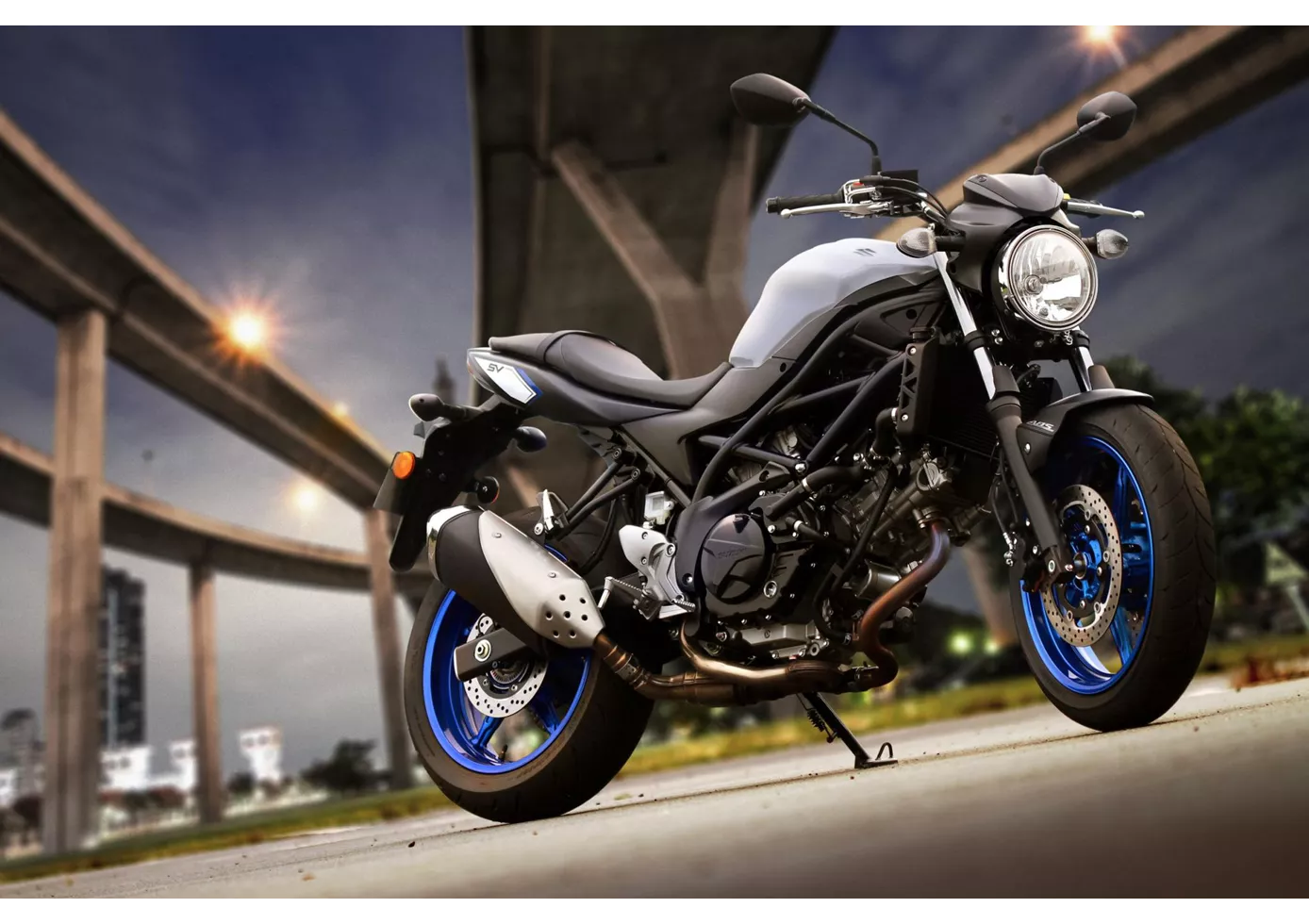
La Suzuki SV 650 est accompagnée d'une longue histoire pleine de succès, qui durera certainement encore longtemps. Son V2 souple convainc par sa réactivité très douce et son couple élevé. Ses dimensions compactes contribuent à donner à la moto un aspect très compact. Cela conviendra parfaitement aux débutants. Le châssis marque également des points avec une maniabilité ludique. Malheureusement, le freinage n'est pas à la hauteur de ce que l'on attend d'un véhicule aussi puissant.
Kawasaki Z900 2018
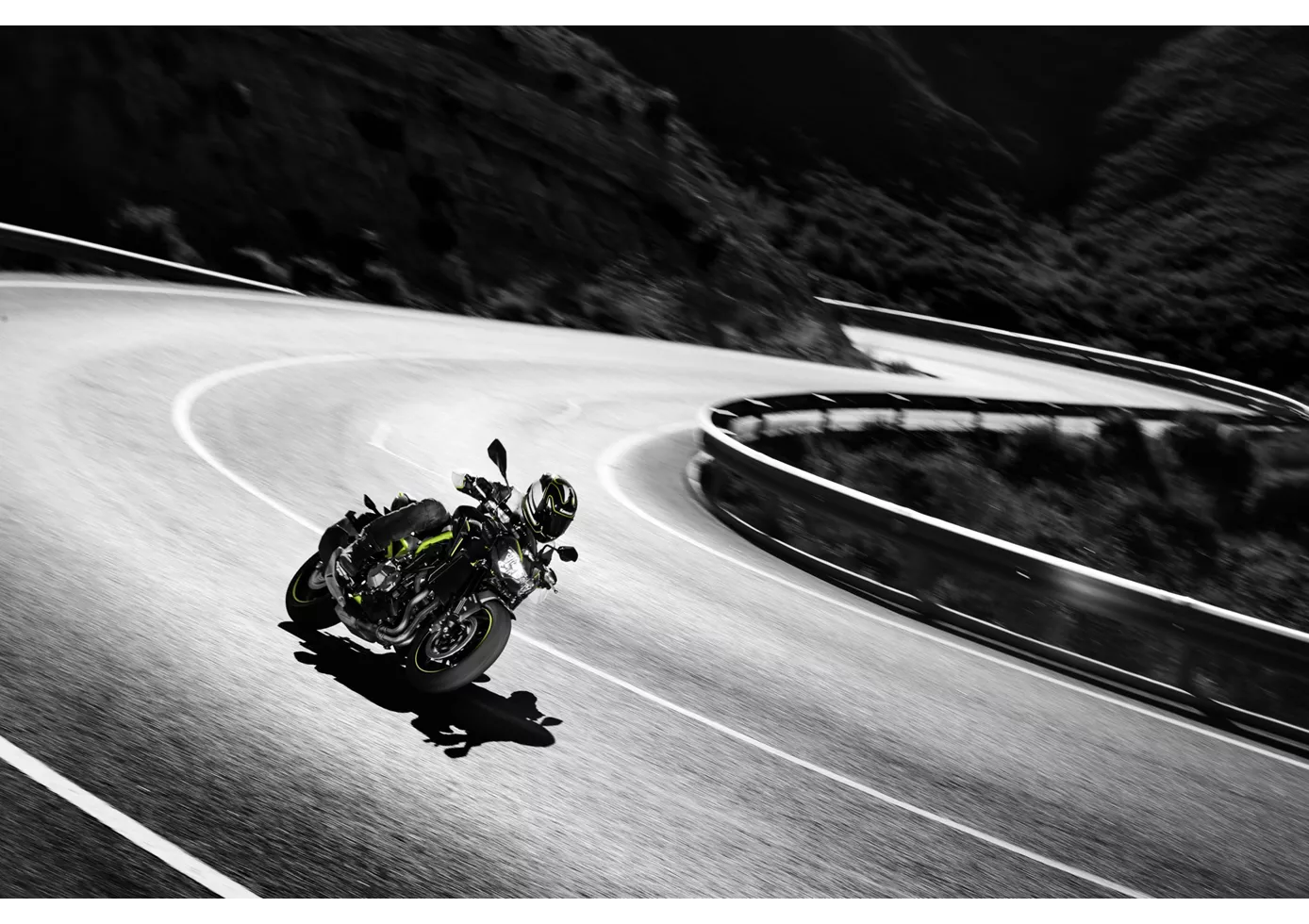
Dans le segment très concurrentiel des naked bikes, la Z900 joue dans la cour des grands. Son moteur, en particulier, est absolument grandiose, incroyablement soyeux et offre une puissance élevée à tous les régimes - comme il se doit pour un quatre cylindres japonais. Son look sportif et agressif s'y prête bien. Elle renonce aux fioritures électroniques, mais offre néanmoins une grande sécurité dans les virages, au freinage et en sortie d'accélération. La selle basse profite surtout aux petits pilotes, mais les grands pilotes pourraient regretter un angle du genou plus plat sur les longs trajets. Le faible poids et la compacité de la Z900 la rendent particulièrement maniable et facile à manier. Un canon sportif dont le prix est également très attractif
Comparaison des prix Prix moyen du marché Suzuki SV 650 vs Kawasaki Z900
There are a few key differences between a Suzuki SV 650 2017 and a Kawasaki Z900 2018. In terms of price, the actual average price of a Kawasaki Z900 2018 is about 51% higher. Compared to Kawasaki Z900 2018 there are less Suzuki SV 650 2017 bikes available on the 1000PS.de Marketplace, specifically 6 compared to 55. With 112 days it takes the same amount of time to sell a Suzuki SV 650 or a Kawasaki Z900. Since model year 2005 1000PS.de editors have written 25 reviews for the Suzuki SV 650 and 46 reviews for the Kawasaki Z900 since model year 2017. The first review for the Suzuki SV 650 was published on 9/26/2008 and now has more than 14,200 views. This compares to more than 93,200 views for the first review on Kawasaki Z900 published on 11/11/2016.