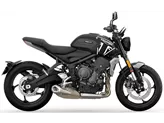
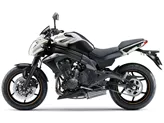
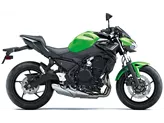
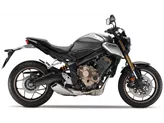
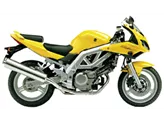
Suzuki SV 650 2021 vs. Kawasaki ER-6n 2011
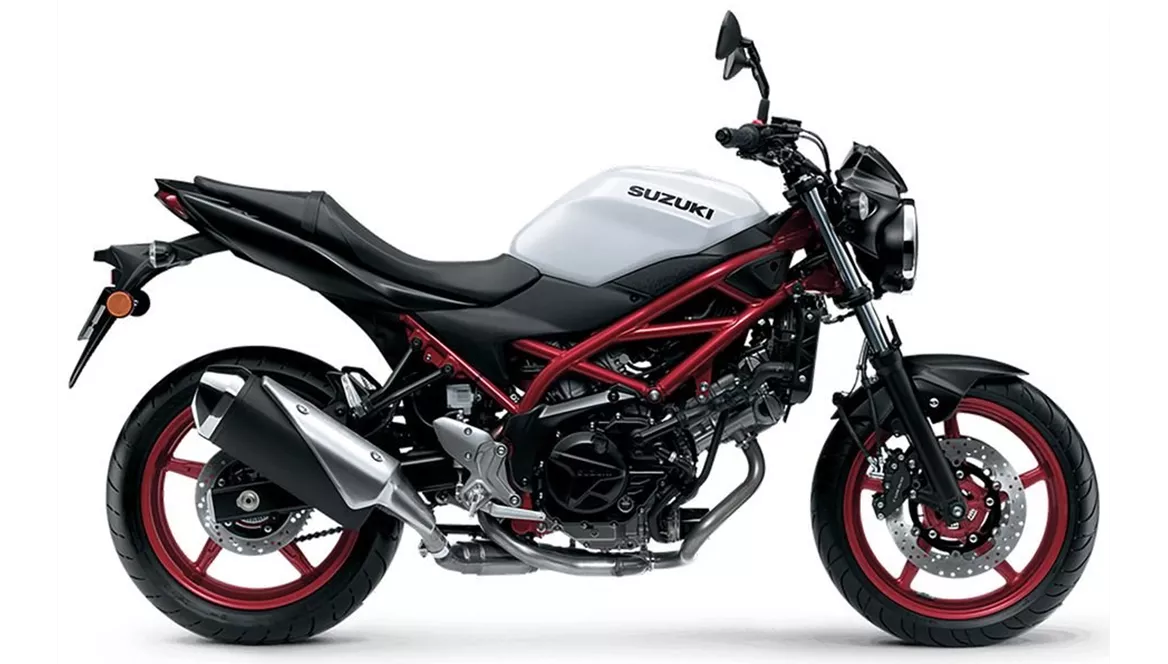
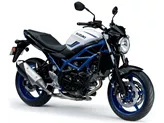
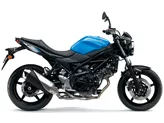
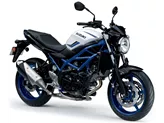
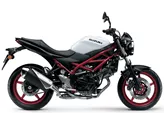
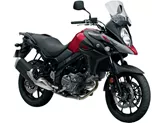
Suzuki SV 650 2021
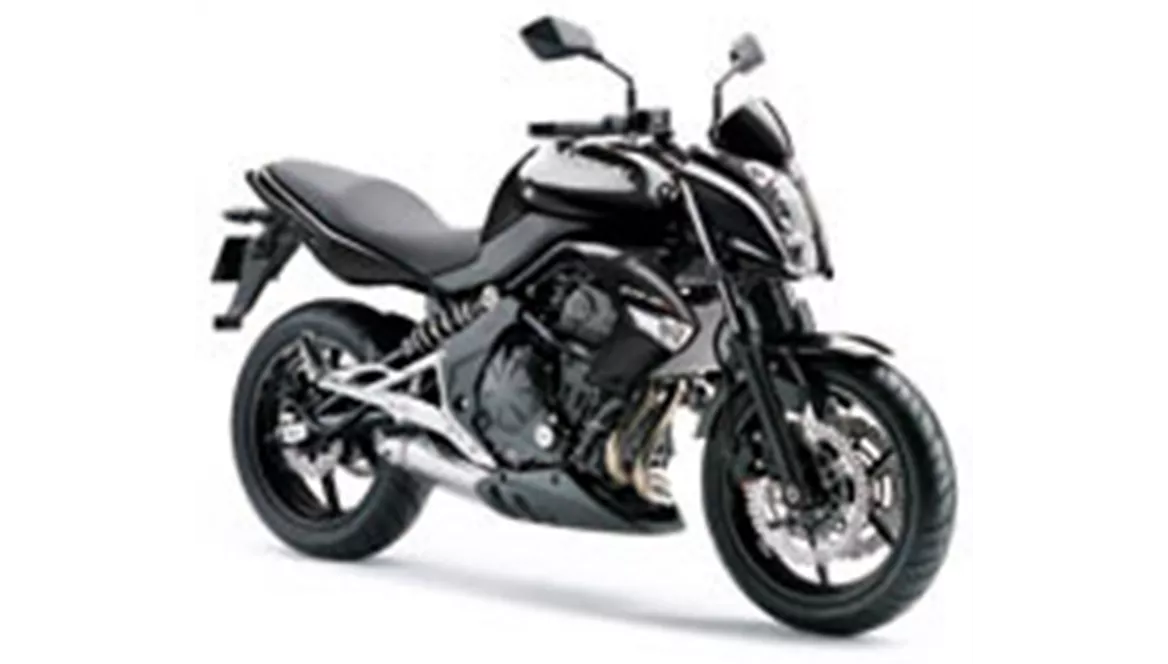
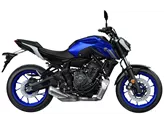
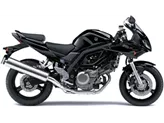
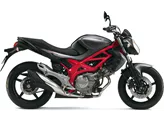
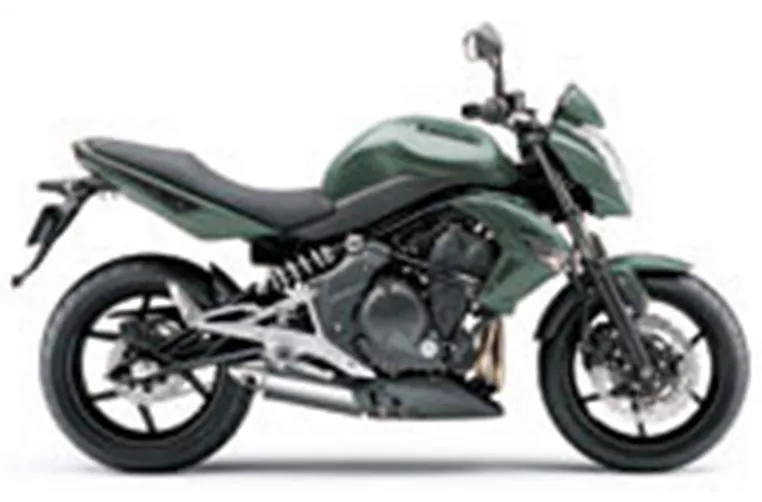
Kawasaki ER-6n 2011
Vue d’ensemble - Suzuki SV 650 2021 vs Kawasaki ER-6n 2011
The Suzuki SV 650 2021 and the Kawasaki ER-6n 2011 are both naked bikes that offer a thrilling riding experience. However, there are some notable differences between the two models.
In terms of engine specifications, the Suzuki SV 650 2021 is equipped with a V2 engine that delivers 73 horsepower and 64 Nm of torque. On the other hand, the Kawasaki ER-6n 2011 features an inline engine with slightly lower power output of 72 horsepower and 66 Nm of torque. Both bikes have liquid cooling and a displacement of around 650cc, providing sufficient power for various riding situations.
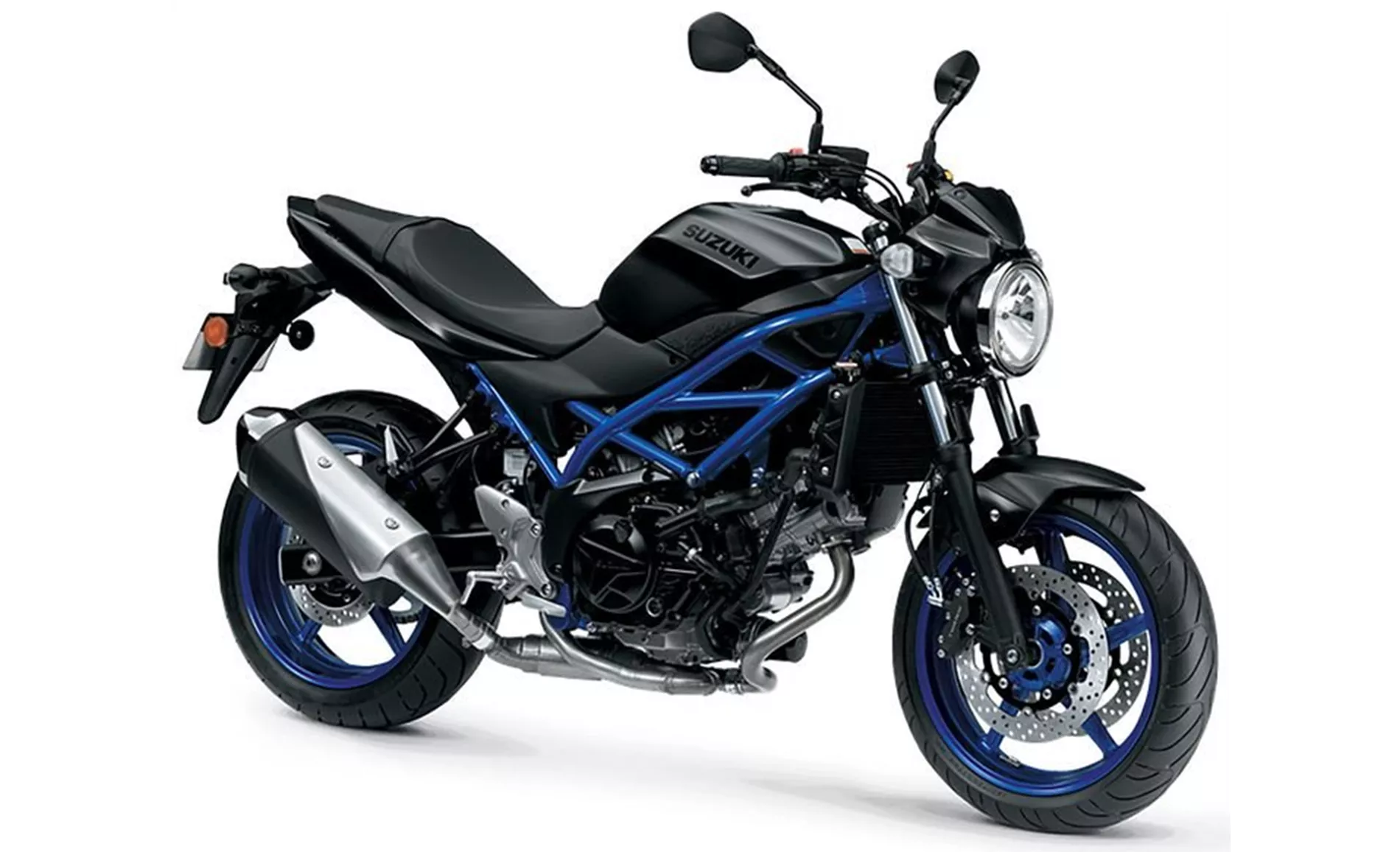
Suzuki SV 650 2021
When it comes to suspension, both bikes feature a monoshock rear shock absorber and a steel frame chassis. This ensures stability and a comfortable ride for the rider. The front brakes on both models are double disk, but the Suzuki SV 650 2021 has four-piston calipers, while the Kawasaki ER-6n 2011 has double-piston calipers. This may result in slightly different braking performance between the two bikes.
In terms of dimensions and weights, the Suzuki SV 650 2021 has a front tire width of 120mm, a rear tire width of 160mm, a wheelbase of 1445mm, and a seat height of 785mm. It weighs 200kg (with ABS) and has a fuel tank capacity of 14.5 liters. On the other hand, the Kawasaki ER-6n 2011 has similar tire widths, a slightly shorter wheelbase of 1410mm, and a slightly higher seat height of 790mm. It weighs slightly more at 208kg (with ABS) and has a larger fuel tank capacity of 15.5 liters.
In terms of strengths, the Suzuki SV 650 2021 offers a confident V2 powerplant with character, a stable chassis, a comfortable seating position, easy handling, and a timeless look. On the other hand, the Kawasaki ER-6n 2011 boasts ABS, wider handlebars, a slimmer waist, increased intake noise, a comfortable seat, and an uncomplicated chassis.
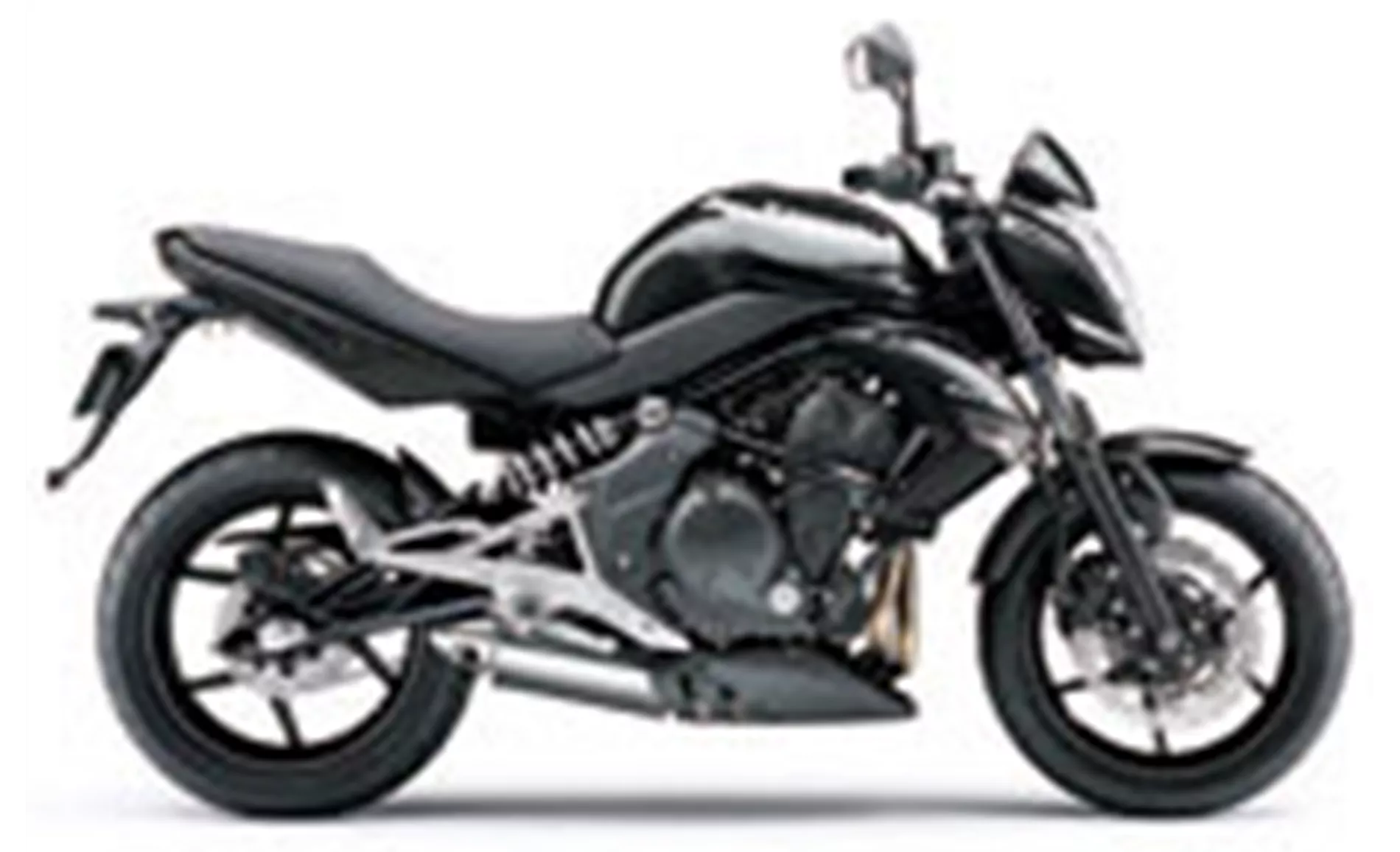
Kawasaki ER-6n 2011
However, the Suzuki SV 650 2021 does have a few weaknesses. The brake requires manual force, and there are no electronics on board apart from ABS. Additionally, the instruments are moderately readable. On the other hand, the Kawasaki ER-6n 2011 does not have any notable weaknesses.
In conclusion, both the Suzuki SV 650 2021 and the Kawasaki ER-6n 2011 are capable naked bikes with their own strengths and weaknesses. The Suzuki SV 650 2021 offers a powerful V2 engine and a comfortable riding position, while the Kawasaki ER-6n 2011 provides ABS and a more compact design. Ultimately, the choice between the two models will depend on the rider's preferences and priorities.
Caractéristiques techniques Suzuki SV 650 2021 par rapport à Kawasaki ER-6n 2011
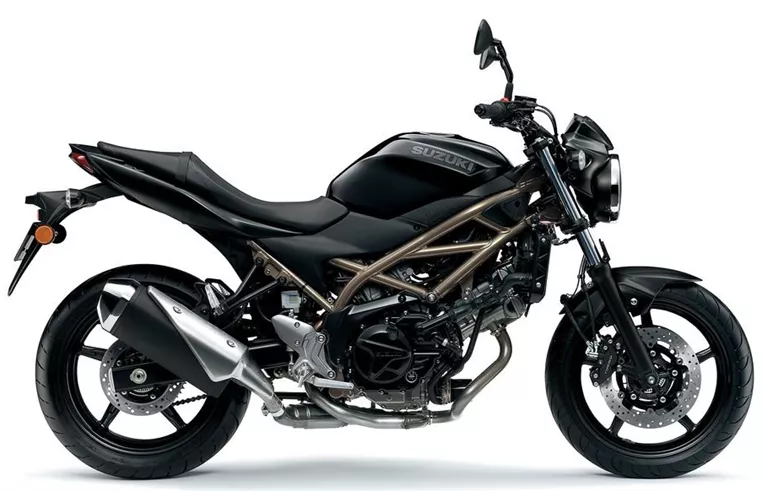
Avantages et inconvénients en comparaison
Avantages et inconvénients en comparaison
Suzuki SV 650 2021
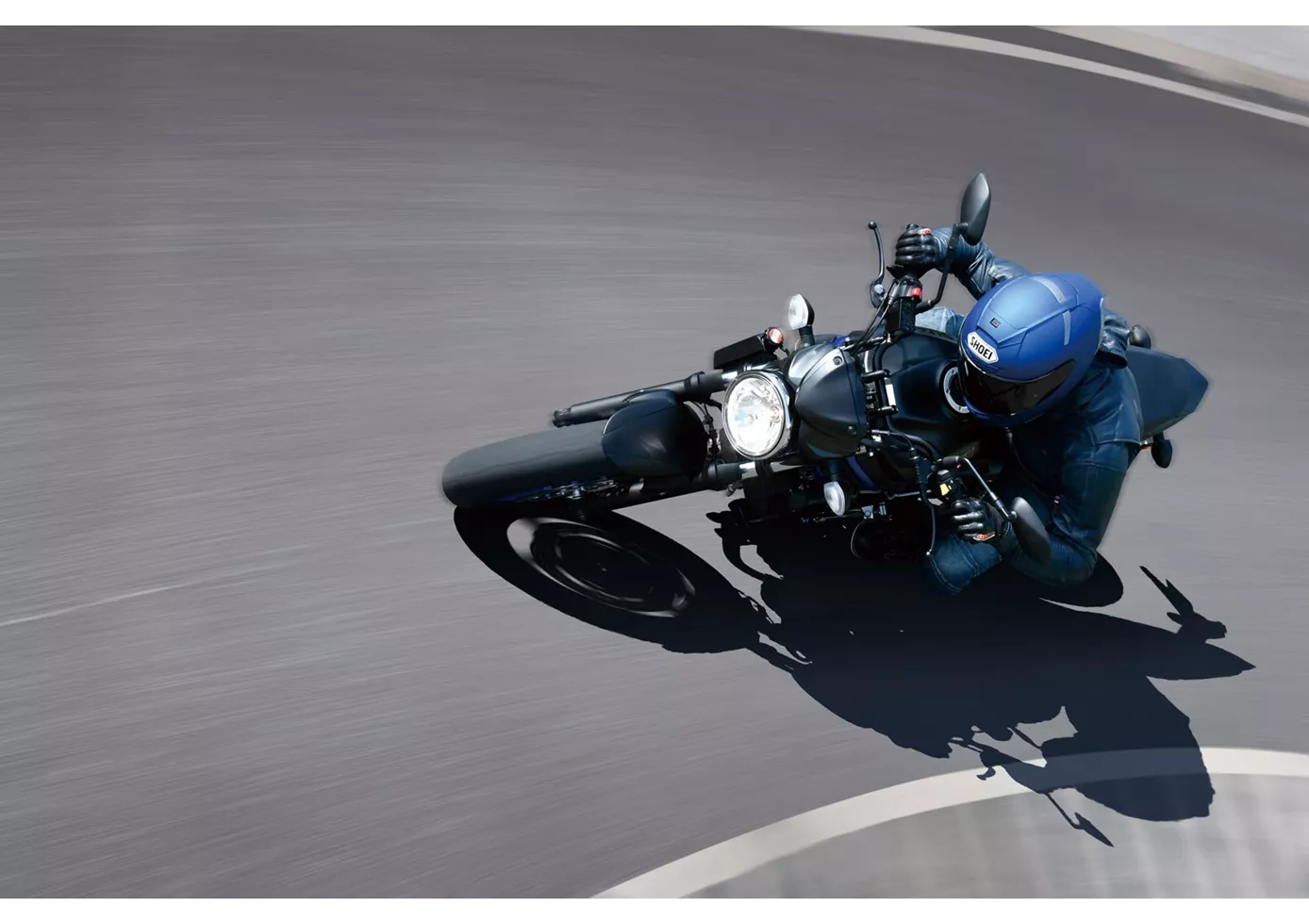
La Suzuki SV 650 est sur le marché depuis 25 ans, plus longtemps qu'aucune autre moto. Le moteur a reçu une mise à jour Euro5 et se présente désormais de manière encore plus adulte, ce qui le met clairement en harmonie avec le reste du package. La SV 650 ne veut effrayer personne, surtout pas les débutants. Le châssis donne une impression de solidité et de sérénité, le frein demande une bonne force manuelle pour éviter un surfreinage inattendu. L'optique est d'une part intemporelle, mais d'autre part vraiment un peu dépassée sur certains composants. En revanche, le prix est correct, comme d'habitude chez Suzuki.
Kawasaki ER-6n 2011
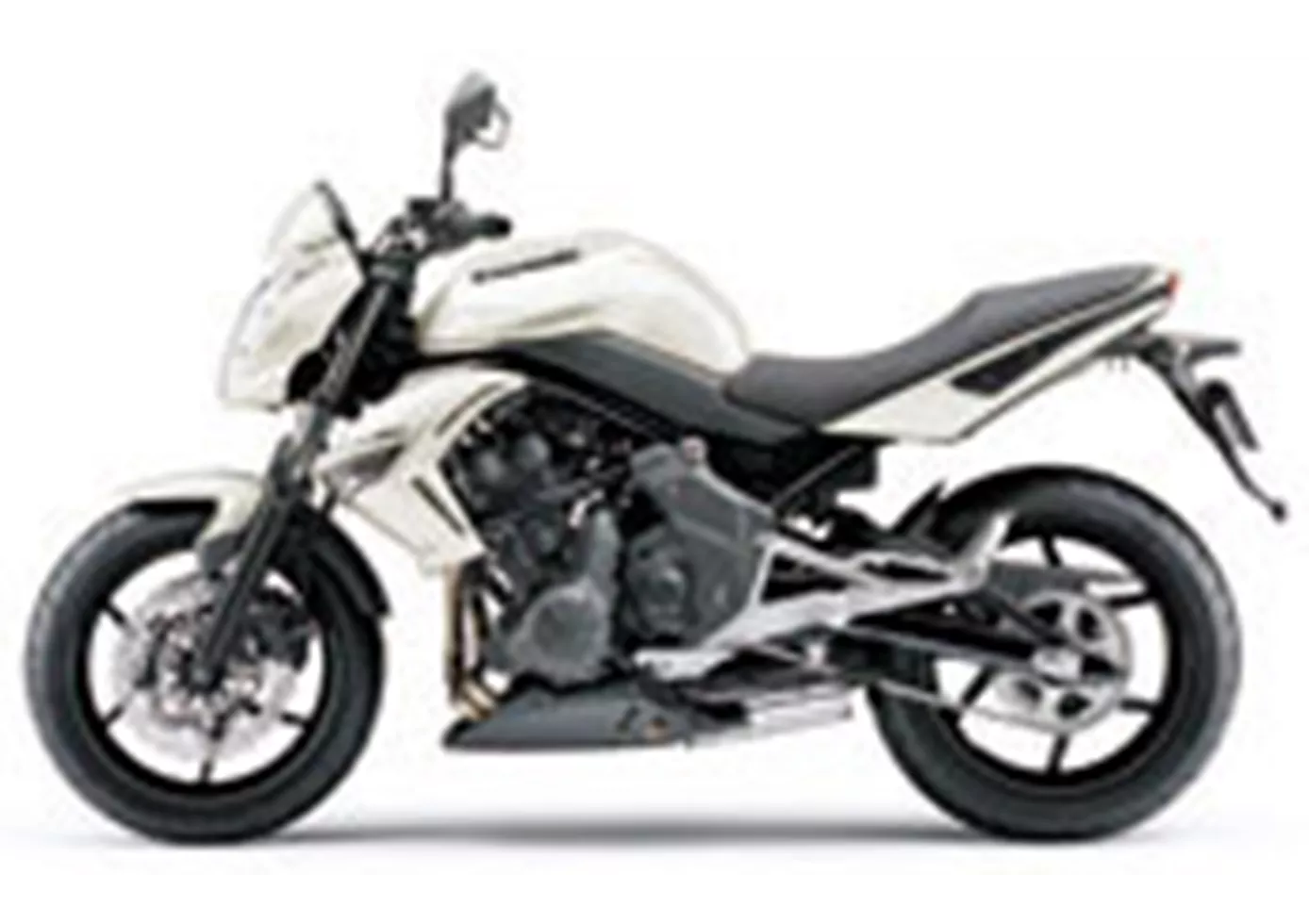
Un ensemble aussi cohérent avec des détails aussi fins n'existe nulle part ailleurs à ce prix. L'ER-6n a retrouvé un peu de piquant sur le plan visuel et dynamique et est plus amusante que jamais.
Comparaison des prix Prix moyen du marché Suzuki SV 650 vs Kawasaki ER-6n
There are a few key differences between a Suzuki SV 650 2021 and a Kawasaki ER-6n 2011. In terms of price, the actual average price of a Suzuki SV 650 2021 is about 52% higher. A Suzuki SV 650 2021 experiences a loss of 130 USD in one year and 520 USD in two years of ownership. This is offset by a loss of 230 USD and 500 USD for a Kawasaki ER-6n 2011. Compared to Kawasaki ER-6n 2011 there are more Suzuki SV 650 2021 bikes available on the 1000PS.de Marketplace, specifically 13 compared to 5. It takes less time to sell a Kawasaki ER-6n with 49 days compared to 111 days for the Suzuki SV 650. Since model year 2005 1000PS.de editors have written 25 reviews for the Suzuki SV 650 and 16 reviews for the Kawasaki ER-6n since model year 2006. The first review for the Suzuki SV 650 was published on 9/26/2008 and now has more than 14,200 views. This compares to more than 11,200 views for the first review on Kawasaki ER-6n published on 6/29/2005.