BMW R 1250 RS 2019 vs. Kawasaki Ninja 1000SX 2023

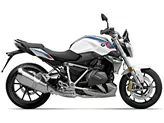
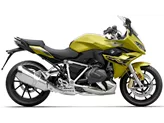
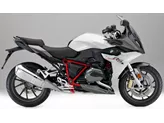
BMW R 1250 RS 2019

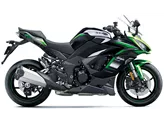
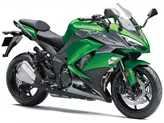
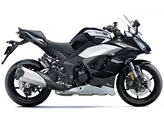
Kawasaki Ninja 1000SX 2023
Vue d’ensemble - BMW R 1250 RS 2019 vs Kawasaki Ninja 1000SX 2023
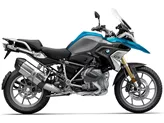
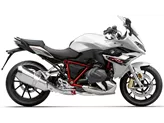
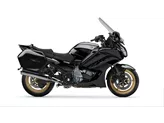
The BMW R 1250 RS 2019 is equipped with a boxer engine that delivers 136 HP of power and 143 Nm of torque. Its transmission is a prop shaft, and it has a displacement of 1254 ccm. The suspension consists of an upside-down telescopic fork in the front with a travel of 140 mm, and a single swing arm in the rear with a monoshock and a travel of 140 mm. The chassis is made of steel, and the front brakes are double disk with a diameter of 320 mm and radial technology. The bike also features advanced rider assistance systems such as ABS, anti-slipping control, riding modes, and ride by wire. The front tire width is 120 mm, the rear tire width is 180 mm, and both have a diameter of 17 inches. The wheelbase is 1530 mm, the seat height is 820 mm, and the kerb weight with ABS is 243 kg. The fuel tank capacity is 18 liters, and the bike is equipped with LED headlights.
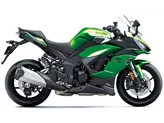
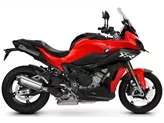
On the other hand, the Kawasaki Ninja 1000SX 2023 is powered by an in-line four-cylinder engine that produces 142 HP of power and 111 Nm of torque. Its transmission is a chain, and it has a displacement of 1043 ccm. The front suspension is an upside-down telescopic fork with a travel of 120 mm, and the rear suspension is a swing arm with a monoshock and a travel of 144 mm. The chassis is made of aluminum, and the front brakes are double disk with a diameter of 300 mm and radial, monoblock, petal technology. The bike features advanced rider assistance systems such as ABS, riding modes, cornering ABS, ride by wire, quickshifter, and traction control. The front tire width is 120 mm, the rear tire width is 190 mm, and both have a diameter of 17 inches. The wheelbase is 1440 mm, the seat height is 834.98 mm, and the kerb weight with ABS is 235 kg. The fuel tank capacity is 19 liters. The bike is equipped with LED daytime running lights, LED headlights, a TFT display, and an adjustable windscreen.

BMW R 1250 RS 2019
In terms of strengths, the BMW R 1250 RS 2019 offers precise and stable handling, thanks to its modern look and agile, high-revving boxer engine. The seating position is suitable for touring, and the bike comes with ABS and traction control as standard. It also features selectable riding modes, a color TFT display, and LED headlights. Additionally, it has an extensive accessories list, allowing riders to customize their bike to their preferences.
On the other hand, the Kawasaki Ninja 1000SX 2023 boasts a silky four-cylinder engine and comfortable yet sporty ergonomics. It offers excellent wind protection with its full fairing and comes with a standard electronics package. The bike provides stability and is accessible to a wide range of riders.
However, the BMW R 1250 RS 2019 does have some weaknesses. The windshield could be higher to provide better wind protection, and many features come at an additional cost, which can increase the overall price of the bike.

Kawasaki Ninja 1000SX 2023
Similarly, the Kawasaki Ninja 1000SX 2023 has a few weaknesses. The engine needs to be revved higher to deliver its full potential, and the electronics could be more user-friendly. Additionally, adjusting the windshield requires the use of both hands, which can be inconvenient for riders.
In conclusion, both the BMW R 1250 RS 2019 and the Kawasaki Ninja 1000SX 2023 offer unique strengths and weaknesses. The BMW provides precise handling, a powerful engine, and a modern look, while the Kawasaki offers a smooth four-cylinder engine, comfortable ergonomics, and excellent wind protection. Ultimately, the choice between the two will depend on the rider's preferences and priorities.
Caractéristiques techniques BMW R 1250 RS 2019 par rapport à Kawasaki Ninja 1000SX 2023


Avantages et inconvénients en comparaison
Avantages et inconvénients en comparaison
BMW R 1250 RS 2019

Un super moteur dans une jolie robe ne fait pas tout. L'équipement de série de la BMW R 1250 RS déçoit, il n'inclut ni Quickshifter ni régulateur de vitesse, en 2021, ce n'est plus d'actualité. Sur le plan ergonomique, la Bavaroise s'adapte à presque tous les pilotes. Le châssis ESA est génial et constitue un atout, surtout si l'on roule à deux. Dans les virages serrés, les kilos de la RS sont indiscutables, elle semble presque lente. Plus les rayons sont larges, plus on est à l'aise sur la BMW. La protection contre le vent et les intempéries est bonne, même si un pare-brise un peu plus haut serait souhaitable.
Kawasaki Ninja 1000SX 2023

Une moto de tourisme sportive de la vieille école. La Kawasaki Ninja 1000SX remplit tous les points que l'on attend de cette catégorie de motos. À cela s'ajoute un pack électronique complet qui offre tout ce que l'on pourrait souhaiter en voyage - et ce sans supplément de prix ! On lui pardonne le fait que la commande ne soit peut-être pas aussi intuitive que celle de la concurrence, au plus tard lorsqu'on jette un coup d'œil à l'étiquette de prix.
Comparaison des prix Prix moyen du marché BMW R 1250 RS vs Kawasaki Ninja 1000SX
There are a few key differences between a BMW R 1250 RS 2019 and a Kawasaki Ninja 1000SX 2023. In terms of price, the actual average price of a BMW R 1250 RS 2019 is about 9% higher. Compared to Kawasaki Ninja 1000SX 2023 there are less BMW R 1250 RS 2019 bikes available on the 1000PS.de Marketplace, specifically 6 compared to 89. It takes less time to sell a BMW R 1250 RS with 76 days compared to 128 days for a Kawasaki Ninja 1000SX. Since model year 2019 1000PS.de editors have written 11 reviews for the BMW R 1250 RS and 13 reviews for the Kawasaki Ninja 1000SX since model year 2020. The first review for the BMW R 1250 RS was published on 11/6/2018 and now has more than 77,400 views. This compares to more than 40,500 views for the first review on Kawasaki Ninja 1000SX published on 11/5/2019.