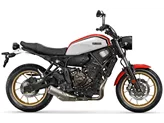
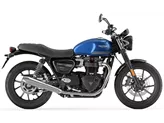
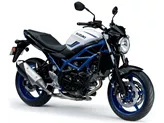
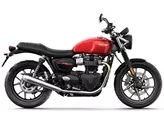
Triumph Street Twin 2016 vs. Yamaha XSR700 2016
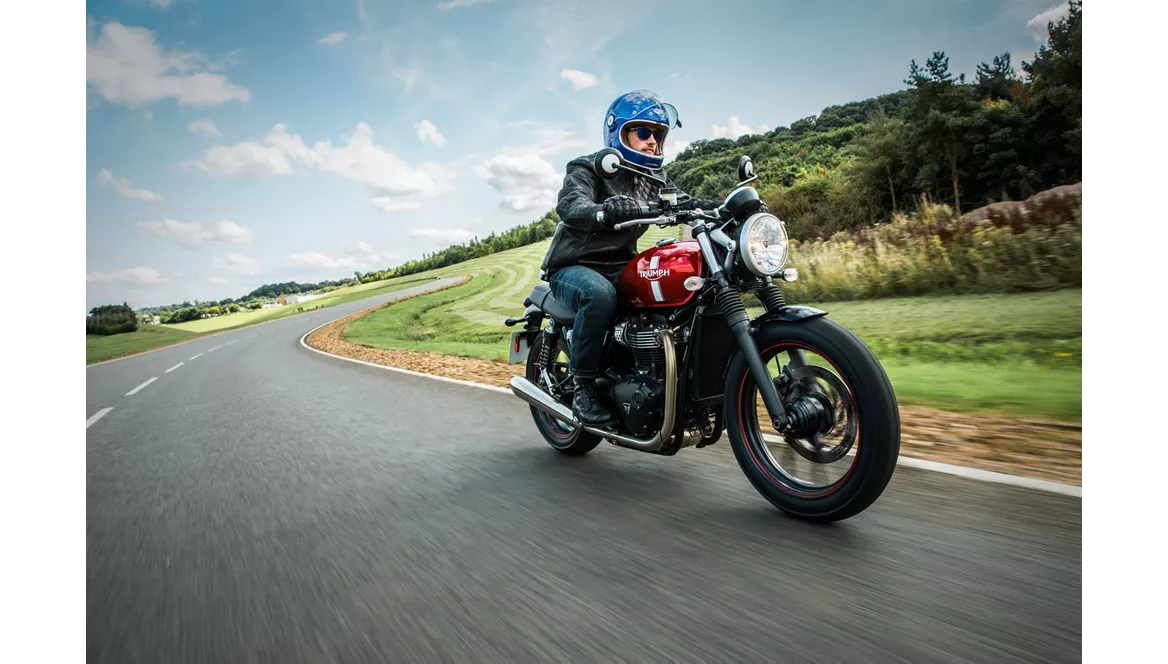
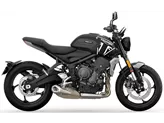
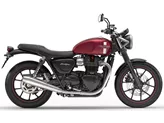
Triumph Street Twin 2016
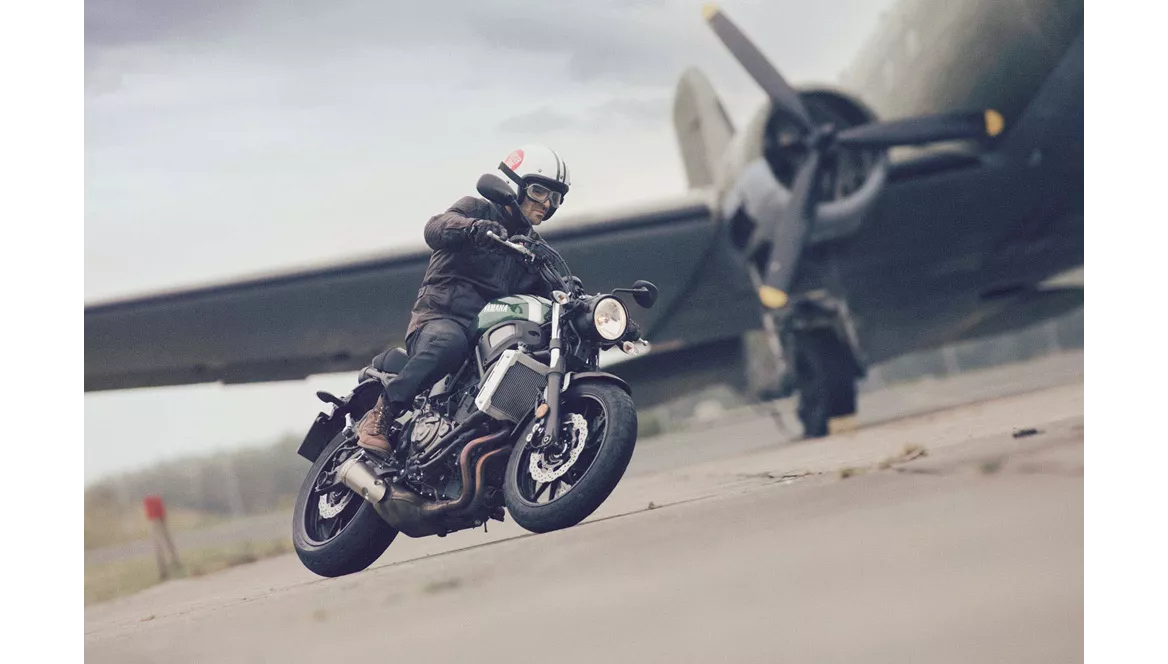
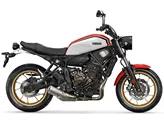
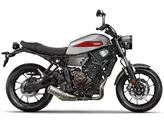
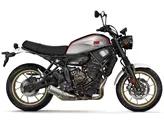
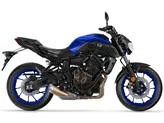
Yamaha XSR700 2016
Vue d’ensemble - Triumph Street Twin 2016 vs Yamaha XSR700 2016
In terms of engine and drive train, both the Triumph Street Twin 2016 and the Yamaha XSR700 2016 have a 2-cylinder engine with fuel injection and liquid cooling. However, the Triumph Street Twin has an in-line crankpin offset engine type with a power output of 55 HP and torque of 80 Nm, while the Yamaha XSR700 has an in-line engine type with a higher power output of 75 HP but a slightly lower torque of 68 Nm.
Both bikes have a telescopic fork front suspension and a swing arm rear suspension. The Triumph Street Twin has a dual shock rear shock absorber, while the Yamaha XSR700 has a monoshock rear shock absorber.
In terms of chassis, both bikes have a steel frame.
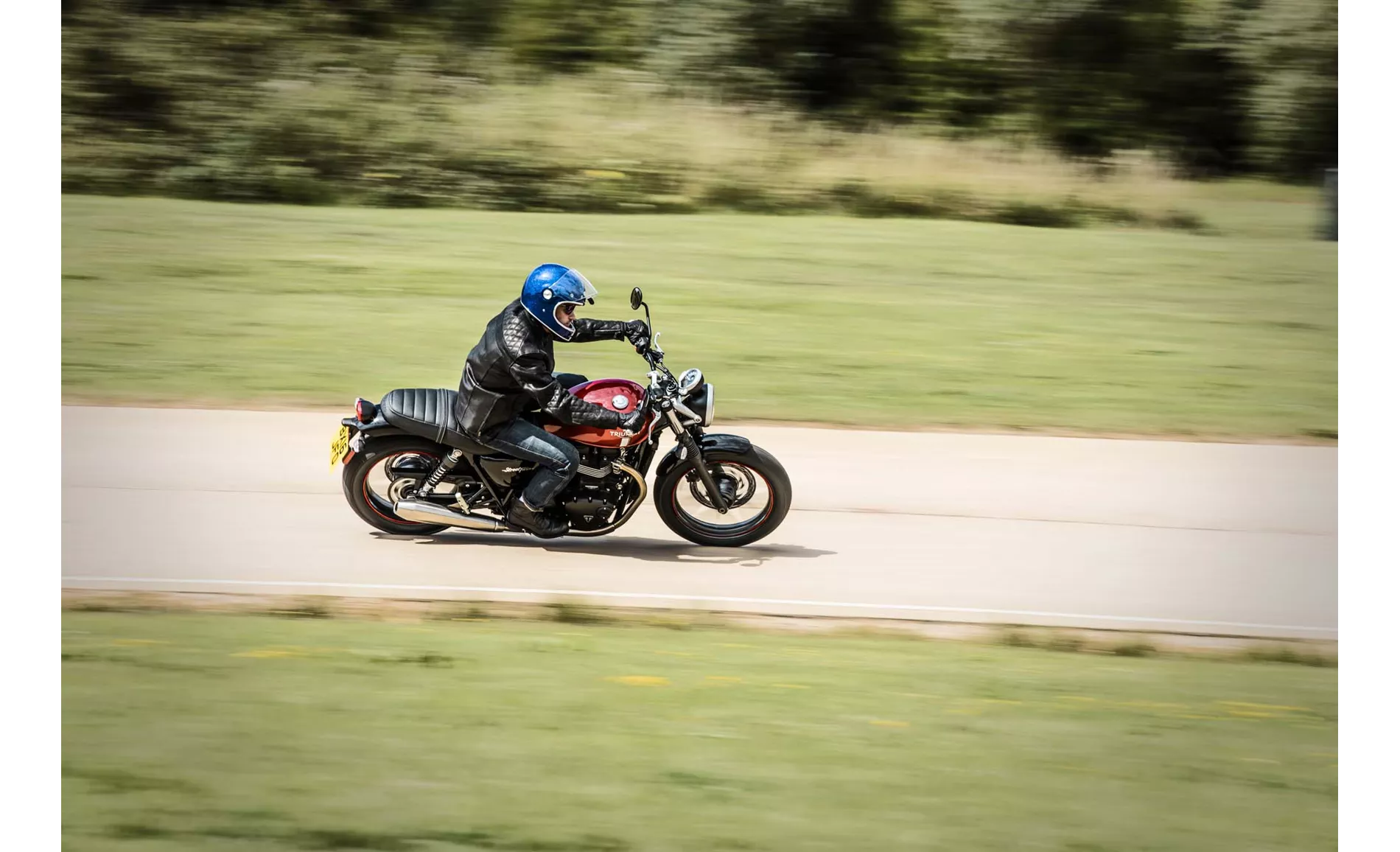
Triumph Street Twin 2016
For brakes, both bikes have double disk front brakes. The Triumph Street Twin has a larger brake diameter of 310 mm and a double piston, while the Yamaha XSR700 has a smaller brake diameter of 282 mm but with four pistons.
Both bikes are equipped with ABS as an advanced rider assistance system.
In terms of dimensions and weights, the Triumph Street Twin has a front tire width of 100 mm and a front tire diameter of 18 inches, while the Yamaha XSR700 has a slightly wider front tire width of 120 mm and a front tire diameter of 17 inches. The rear tire width of the Triumph Street Twin is 150 mm with a diameter of 17 inches, while the Yamaha XSR700 has a wider rear tire width of 180 mm with the same diameter of 17 inches. The wheelbase of the Triumph Street Twin is 1415 mm, slightly longer than the 1405 mm wheelbase of the Yamaha XSR700. The seat height of the Triumph Street Twin is 750 mm, lower than the 815 mm seat height of the Yamaha XSR700.
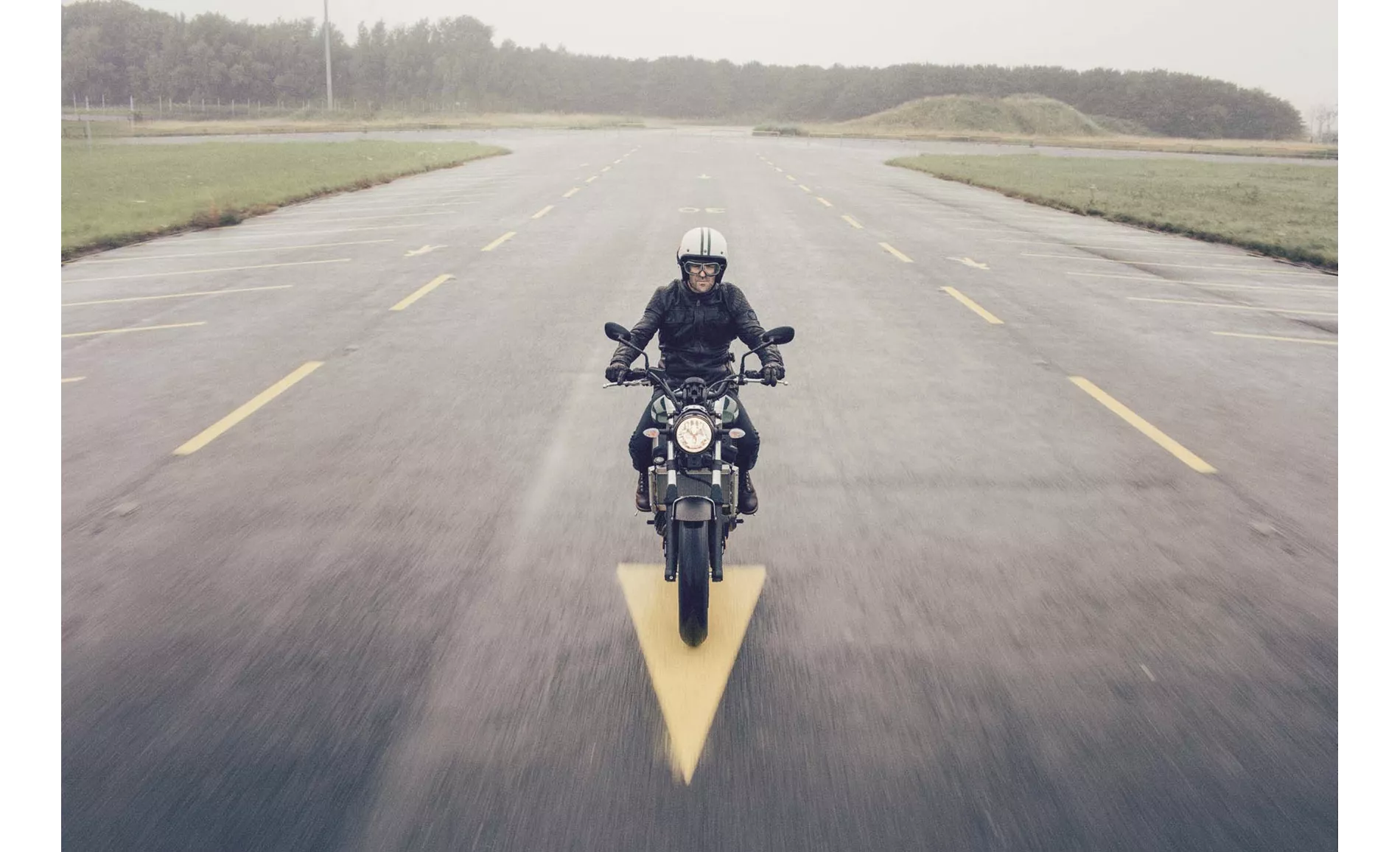
Yamaha XSR700 2016
In terms of fuel tank capacity, the Triumph Street Twin has a capacity of 12 liters, while the Yamaha XSR700 has a larger capacity of 14 liters.
The Triumph Street Twin 2016 is praised for its excellently tuned engine, high torque, low consumption, authentic design, good quality, and clean workmanship. However, it is noted that the basic shape without accessories may appear somewhat sober and the chassis and brakes may reach their limits in sporty use.
On the other hand, the Yamaha XSR700 2016 is praised for its elastic motor, direct transmission, easy handling, and good build quality. However, it is mentioned that the chassis may be too soft and the seating position may take some getting used to.
Caractéristiques techniques Triumph Street Twin 2016 par rapport à Yamaha XSR700 2016
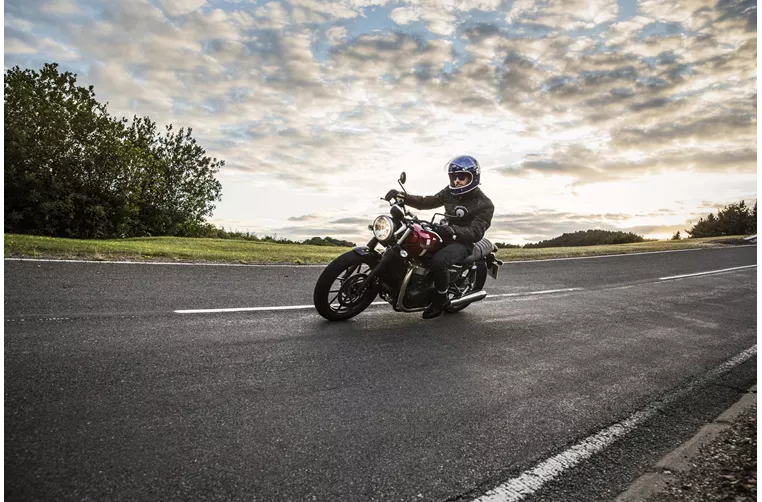
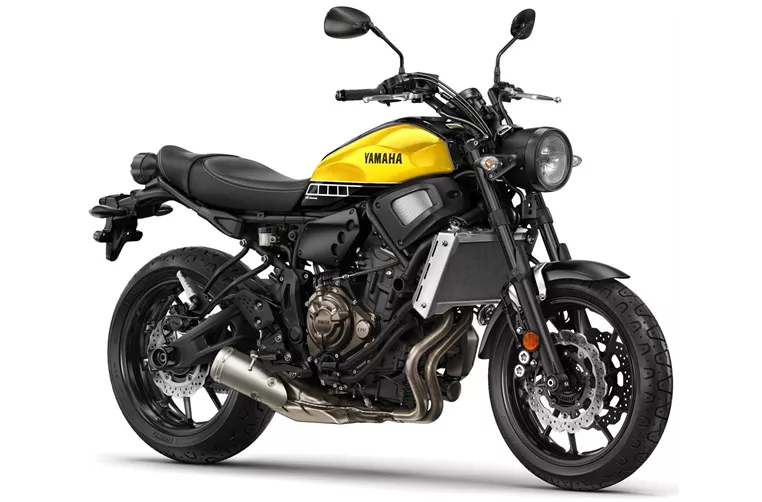
Avantages et inconvénients en comparaison
Avantages et inconvénients en comparaison
Triumph Street Twin 2016
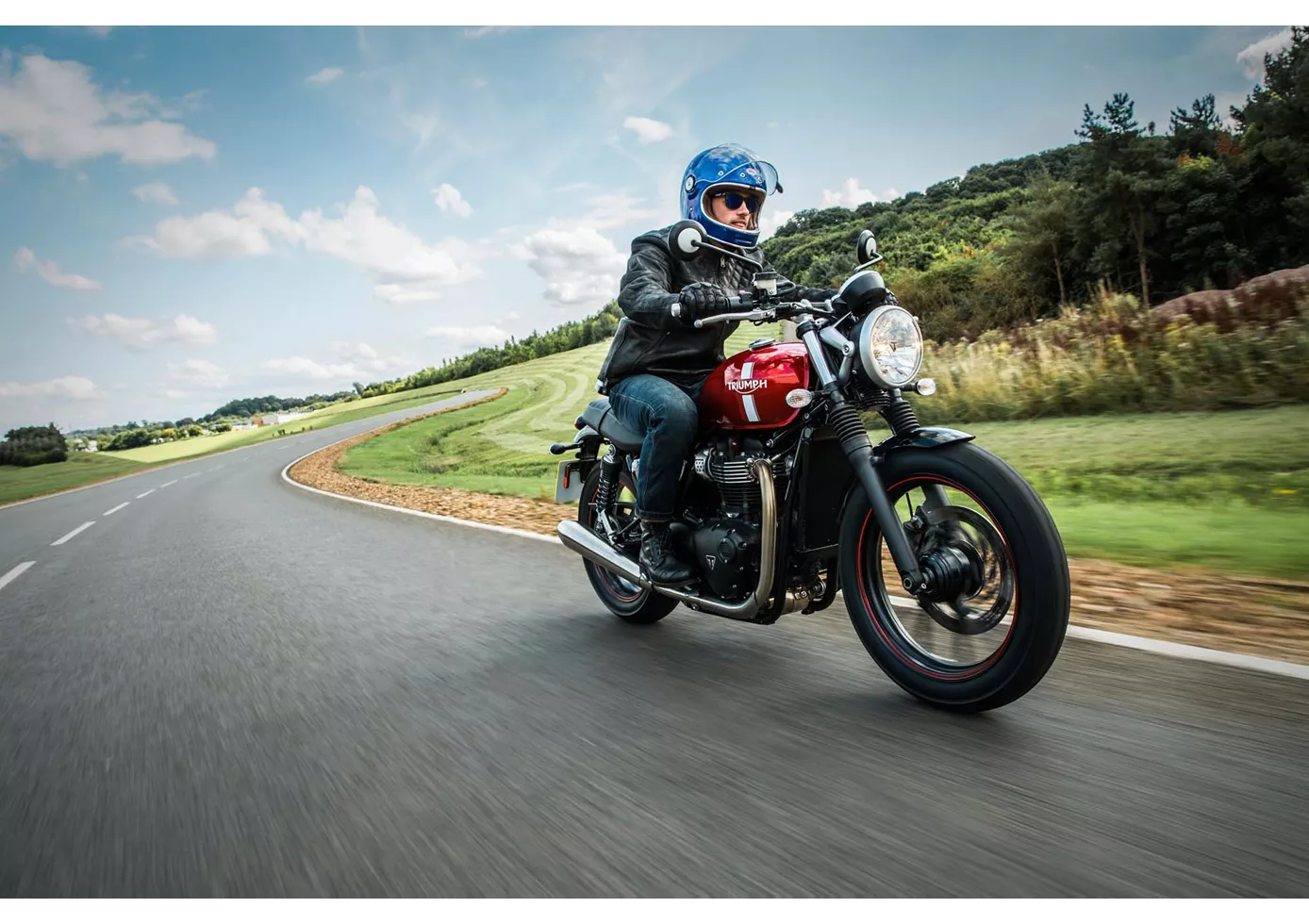
La Triumph Street Twin est une moto de plaisir par excellence, dont le moteur de 55 ch prouve de manière impressionnante ce qui compte vraiment, à savoir le couple. Et ce, exactement là où on en a besoin, à mi-régime. 80 Nm poussent la moto de 217 kg vers l'avant avec une poussée agréable et n'incitent jamais le pilote à solliciter le moteur de manière excessive, c'est-à-dire à le faire tourner. En ce qui concerne le design, Triumph est resté authentique comme à son habitude et offre d'innombrables possibilités de personnalisation avec plus de 450 accessoires et les trois "Inspiration Packs". Un cas d'école en matière de classiques modernes.
Yamaha XSR700 2016
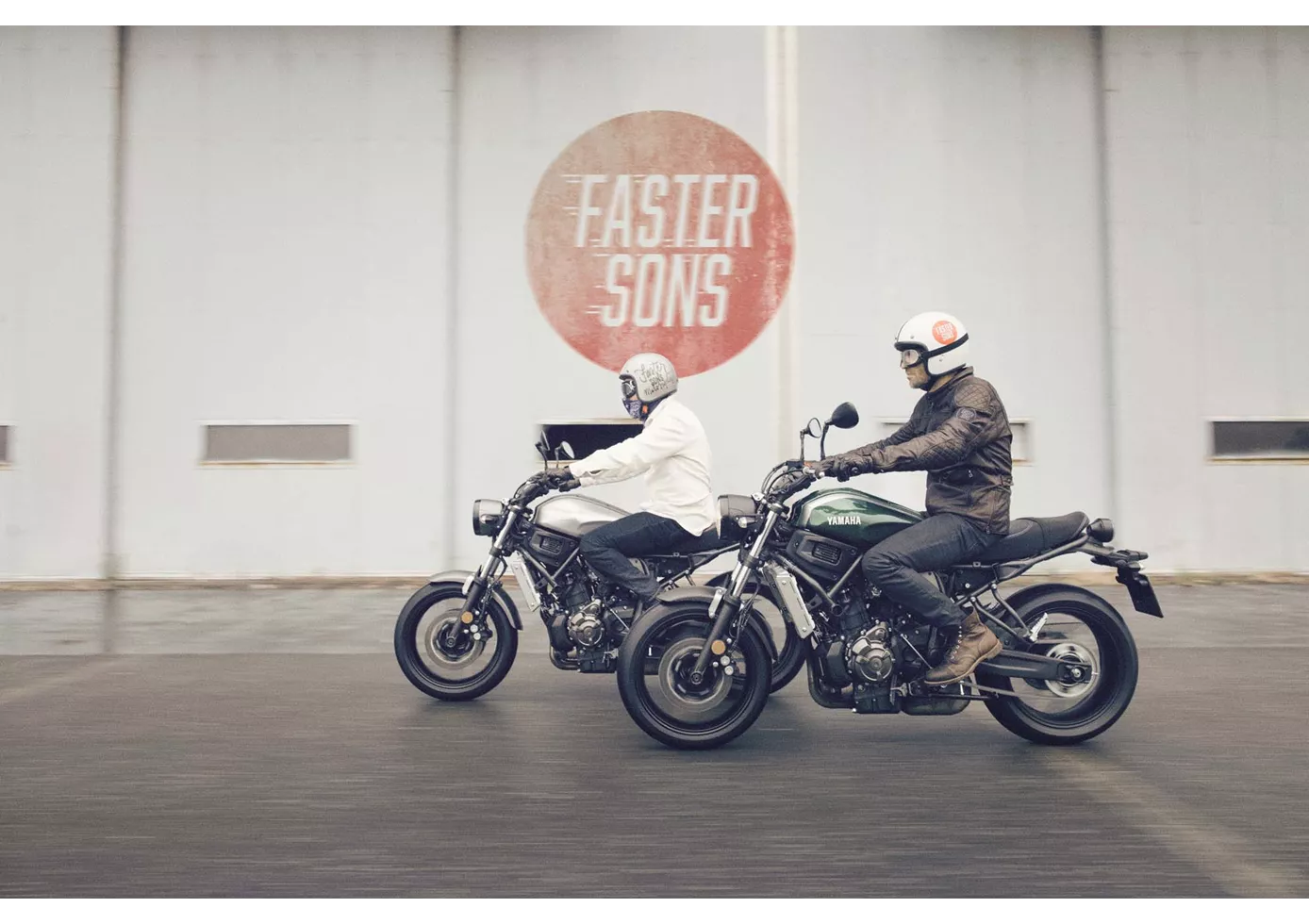
La XSR est pour moi la moto parfaite pour le quotidien. Elle est un régal pour les yeux, elle est incroyablement puissante, tout en étant légère et agile. La position d'assise permet de longues sorties, car les bagages peuvent être portés sans problème sur le dos. La XSR elle-même ne sait pas vraiment ce qu'elle veut être maintenant. Mais je trouve trouve le mélange qui en résulte plutôt intéressant. Pour ceux qui ne veulent pas (ou ne peuvent pas) avoir plusieurs motos dans leur garage, la XSR est un très bon choix. est bien servie. Elle apporte tout ce que l'on attend d'une moto. Dans un hôtel, on parlerait d'une offre tout compris. Elle est parfaite pour pour les trajets quotidiens au bureau, pour les excursions du week-end et les petits tours dans le sud. Même avec un passager, la moto se déplace très facilement. Comme d'habitude chez Yamaha, la moto donne une impression de solidité. Ici, tout fonctionne. L'échappement est agréablement silencieux, mais à partir de 5000 tours, il produit un son très agréable et puissant. L'arrière est une question de goût. Personnellement, je modifierais l'arrière et j'enlèverais les éléments en plastique. En outre, je trouve que les rétroviseurs standard sont un peu grands. Ici, l'aspect rétro n'a pas été totalement respecté. Mais cela peut être modifié grâce aux de nombreux accessoires, très rapidement et facilement. Le tableau de bord est en principe bien lisible. Cependant, de nombreuses informations sont sont logées dans l'espace. C'est là que le design et la fonctionnalité se confondent un peu. Résumé en une phrase : Le vélo parfait pour tous les défis.
Comparaison des prix Prix moyen du marché Triumph Street Twin vs Yamaha XSR700
There are a few key differences between a Triumph Street Twin 2016 and a Yamaha XSR700 2016. In terms of price, the actual average price of a Triumph Street Twin 2016 is about 10% higher. A Triumph Street Twin 2016 experiences a loss of 260 USD in one year of ownership. This is offset by a loss of 100 USD for a Yamaha XSR700 2016. Compared to Yamaha XSR700 2016 there are less Triumph Street Twin 2016 bikes available on the 1000PS.de Marketplace, specifically 6 compared to 9. It takes less time to sell a Triumph Street Twin with 61 days compared to 85 days for a Yamaha XSR700. Since model year 2016 1000PS.de editors have written 11 reviews for the Triumph Street Twin and 26 reviews for the Yamaha XSR700 since model year 2015. The first review for the Triumph Street Twin was published on 12/11/2015 and now has more than 45,200 views. This compares to more than 13,700 views for the first review on Yamaha XSR700 published on 7/22/2015.