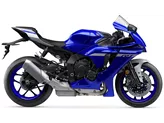
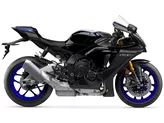
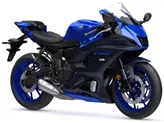
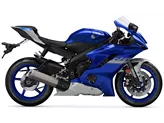
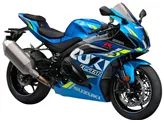
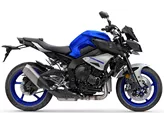
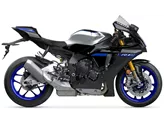
Yamaha R1 2015 vs. Yamaha R7 2021
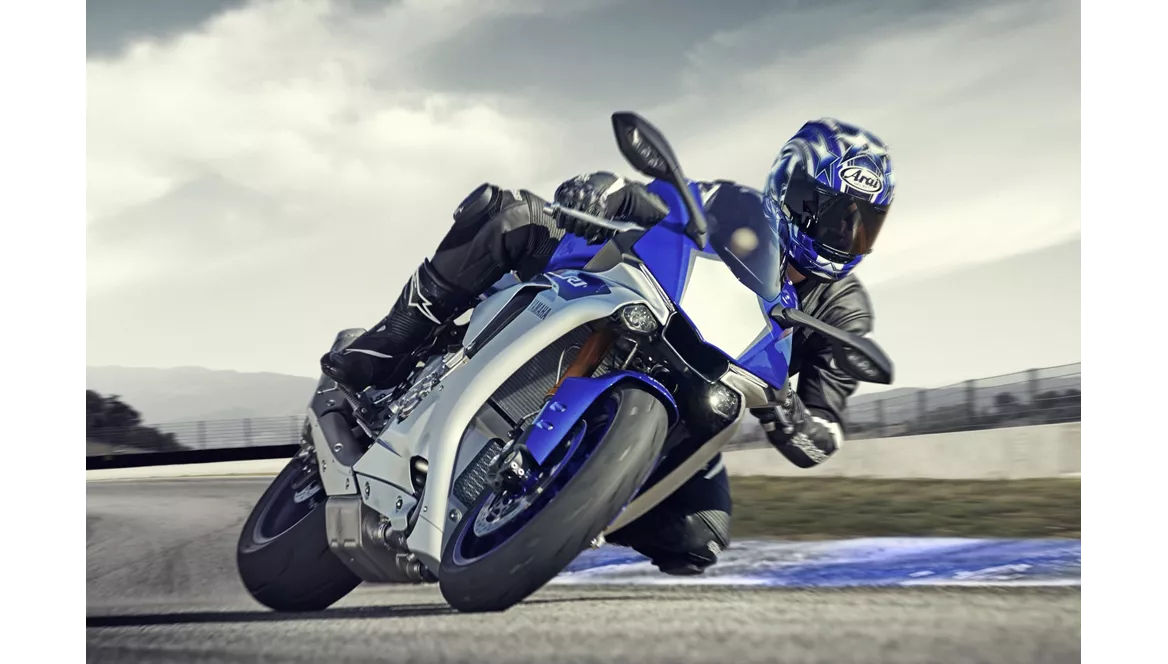
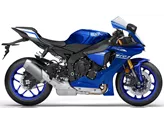
Yamaha R1 2015
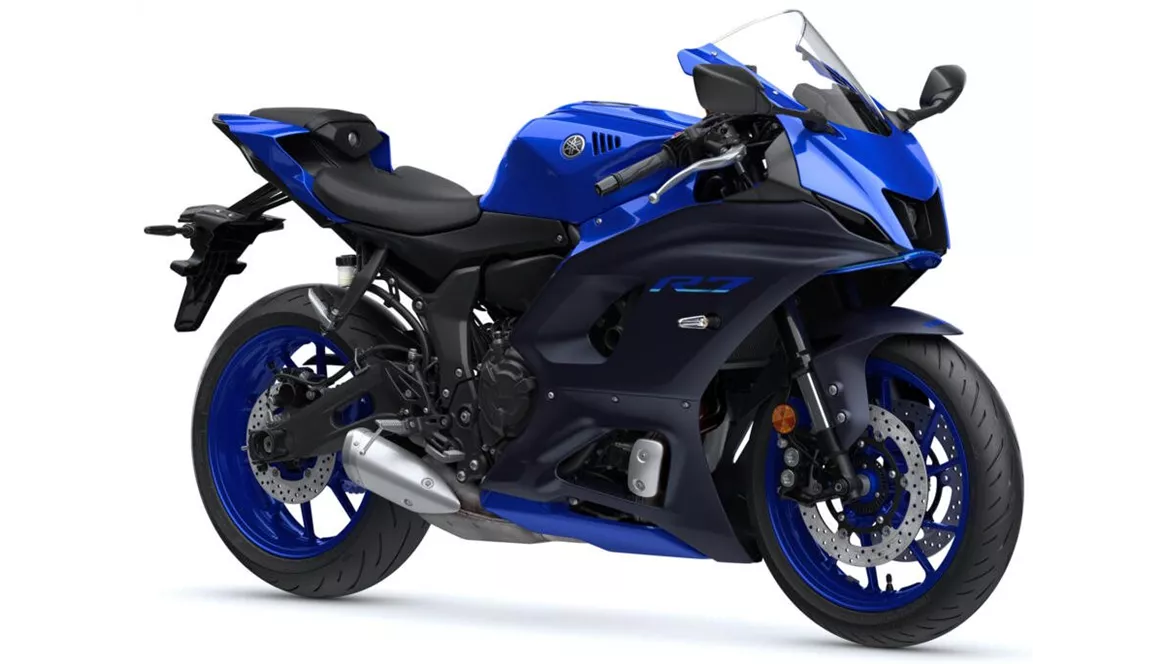
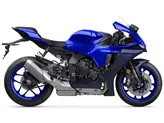
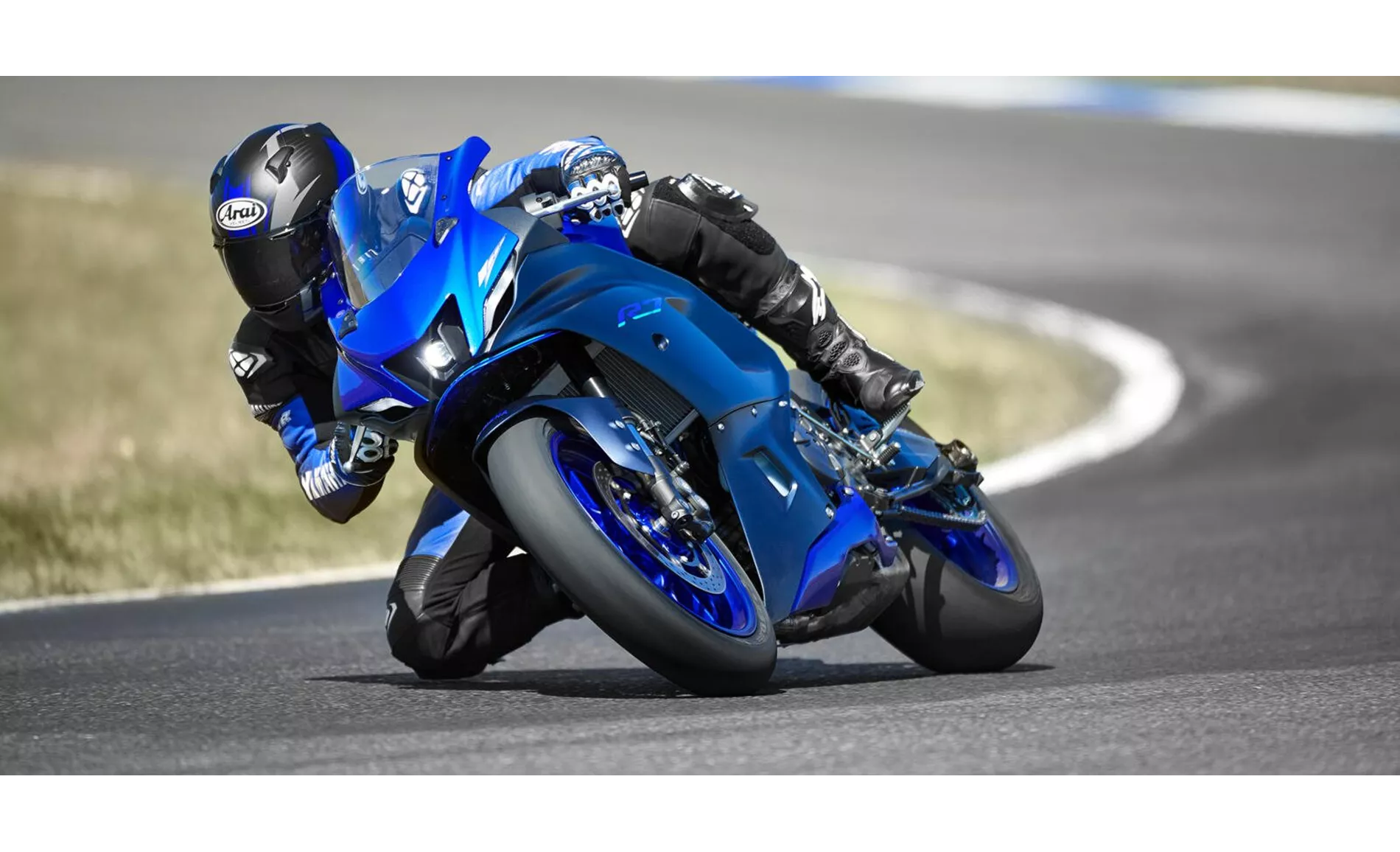
Yamaha R7 2021
Vue d’ensemble - Yamaha R1 2015 vs Yamaha R7 2021
The Yamaha R1 model year 2015 and the Yamaha R7 model year 2021 are both supersport motorcycles from Yamaha, but they have several key differences in terms of their technical specifications and strengths.
Starting with the technical specifications, the Yamaha R1 2015 is equipped with a 998cc engine that produces 200 horsepower and 112.4 Nm of torque. It has a bore of 79mm and a stroke of 50.9mm, with a compression ratio of 13. The R1 2015 has a four-cylinder engine with four valves per cylinder and DOHC (Double Overhead Camshaft) valve configuration. It features an upside-down telescopic fork front suspension and a double disk front brake system. The frame is made of aluminum, and it has a wheelbase of 1405mm. The R1 2015 weighs 199kg (with ABS) and has a fuel tank capacity of 17 liters.
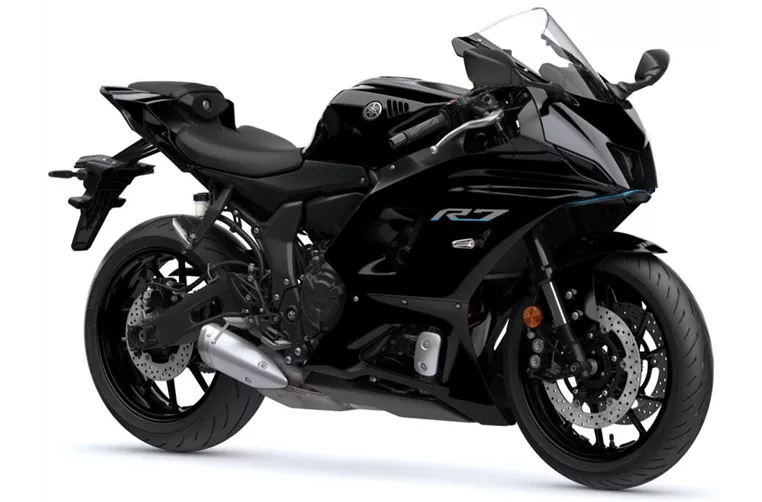
On the other hand, the Yamaha R7 2021 is powered by a 689cc engine that produces 73.4 horsepower and 67 Nm of torque. It has a bore of 80mm and a stroke of 68.6mm, with a compression ratio of 11.5. The R7 2021 has a two-cylinder engine with four valves per cylinder and DOHC valve configuration. It also features an upside-down telescopic fork front suspension and a double disk front brake system. However, the frame of the R7 2021 is made of steel instead of aluminum. It has a slightly shorter wheelbase of 1395mm compared to the R1 2015. The R7 2021 weighs 188kg (with ABS) and has a smaller fuel tank capacity of 13 liters.
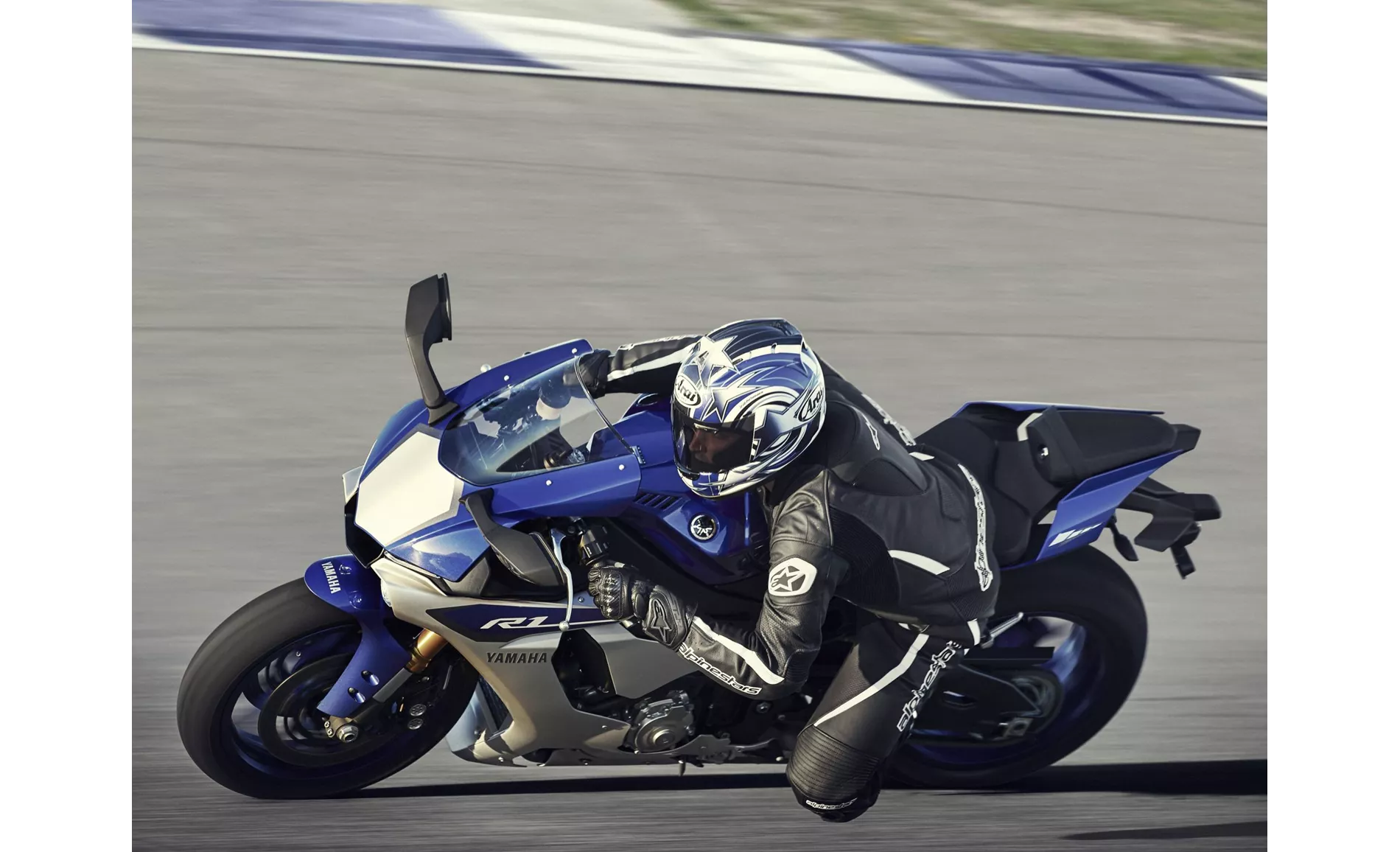
Yamaha R1 2015
In terms of strengths, the Yamaha R1 2015 is known for its crazy sound and rev-happy engine with a strong peak. It provides a great racing feeling in the saddle and comes with a superior electronics package. The R1 2015 is also praised for its high-quality workmanship, ensuring durability and reliability.
On the other hand, the Yamaha R7 2021 is appreciated for its high-torque CP2 engine, which offers good acceleration and power delivery. It has a sporty riding position, allowing the rider to have better control and maneuverability. The suspension set-up of the R7 2021 is designed to provide a balanced and responsive ride. It also comes with standard tires that offer good grip and performance. The R7 2021 is considered a good entry-level trackday bike, suitable for riders who want to experience the thrill of the racetrack.
Yamaha R7 2021
However, both motorcycles have their weaknesses. The Yamaha R1 2015 is criticized for having torque sag in the middle, which can affect its performance in certain situations. It is also noted to have stability issues in the braking zone, which may require the rider to be more cautious during aggressive braking maneuvers.
On the other hand, the Yamaha R7 2021 is mentioned to lack a quickshifter as standard, which could have enhanced the overall riding experience and convenience.
In conclusion, the Yamaha R1 2015 and the Yamaha R7 2021 are two different supersport motorcycles with their own set of strengths and weaknesses. The R1 2015 offers a more powerful and aggressive performance, while the R7 2021 focuses on providing a sporty and accessible riding experience. Ultimately, the choice between these two models depends on the rider's preferences and intended use.
Caractéristiques techniques Yamaha R1 2015 par rapport à Yamaha R7 2021
Avantages et inconvénients en comparaison
Avantages et inconvénients en comparaison
Yamaha R1 2015
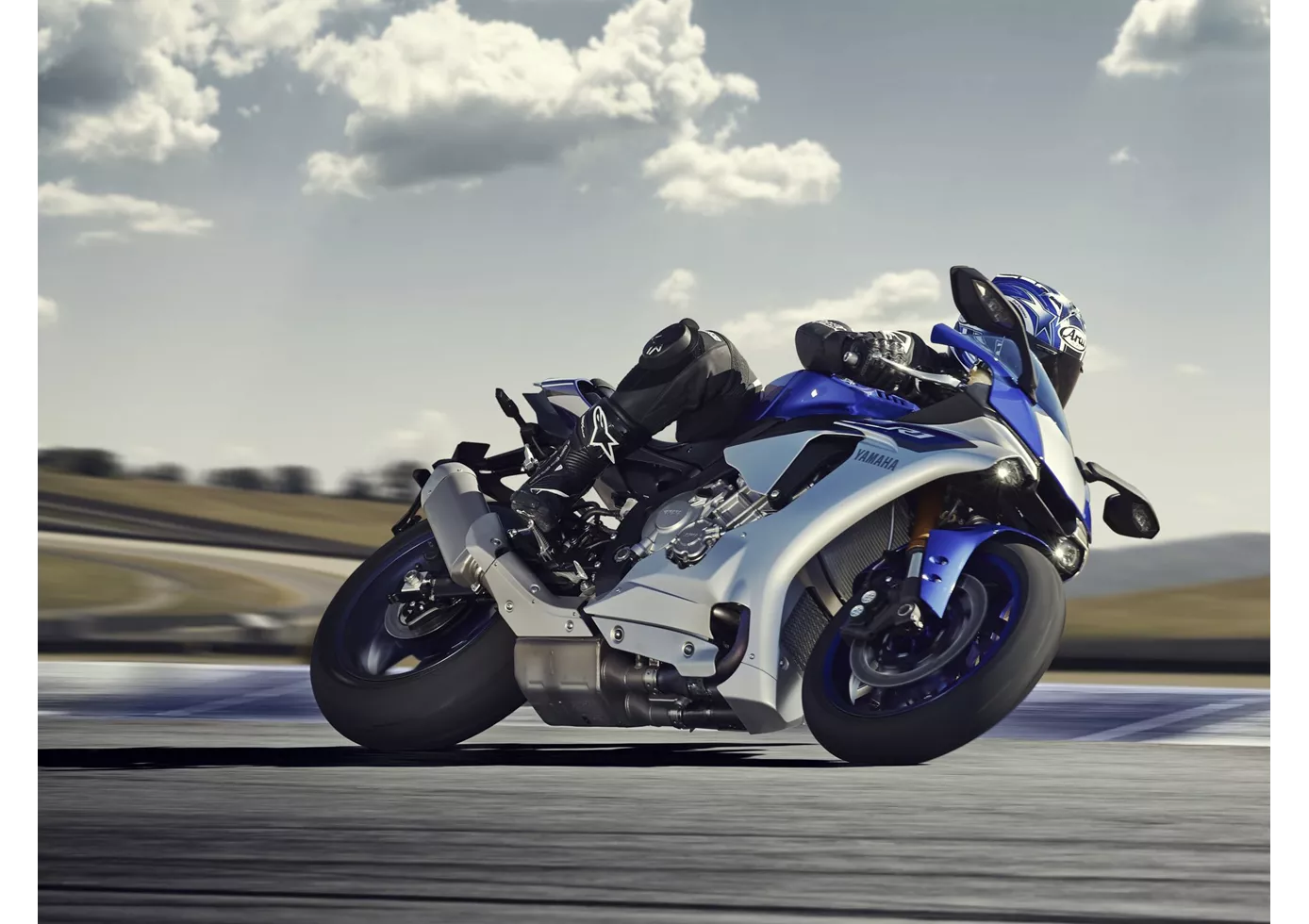
La fusée high-tech de Yamaha est toujours à la pointe de la technologie en 2016. Radicale, polarisante et fascinante, elle réalise de puissants temps au tour. Elle est plus proche des motos de course que les autres 1000. Entre-temps, personne ne se plaint de l'avant. Sans "M", elle est le meilleur choix pour ceux qui n'ont de toute façon pas besoin d'Öhlins ou le meilleur choix pour ceux qui prévoient de toute façon une transformation sur circuit et qui aiment monter du matériel Öhlins "normal", sans truc électrique.
Yamaha R7 2021
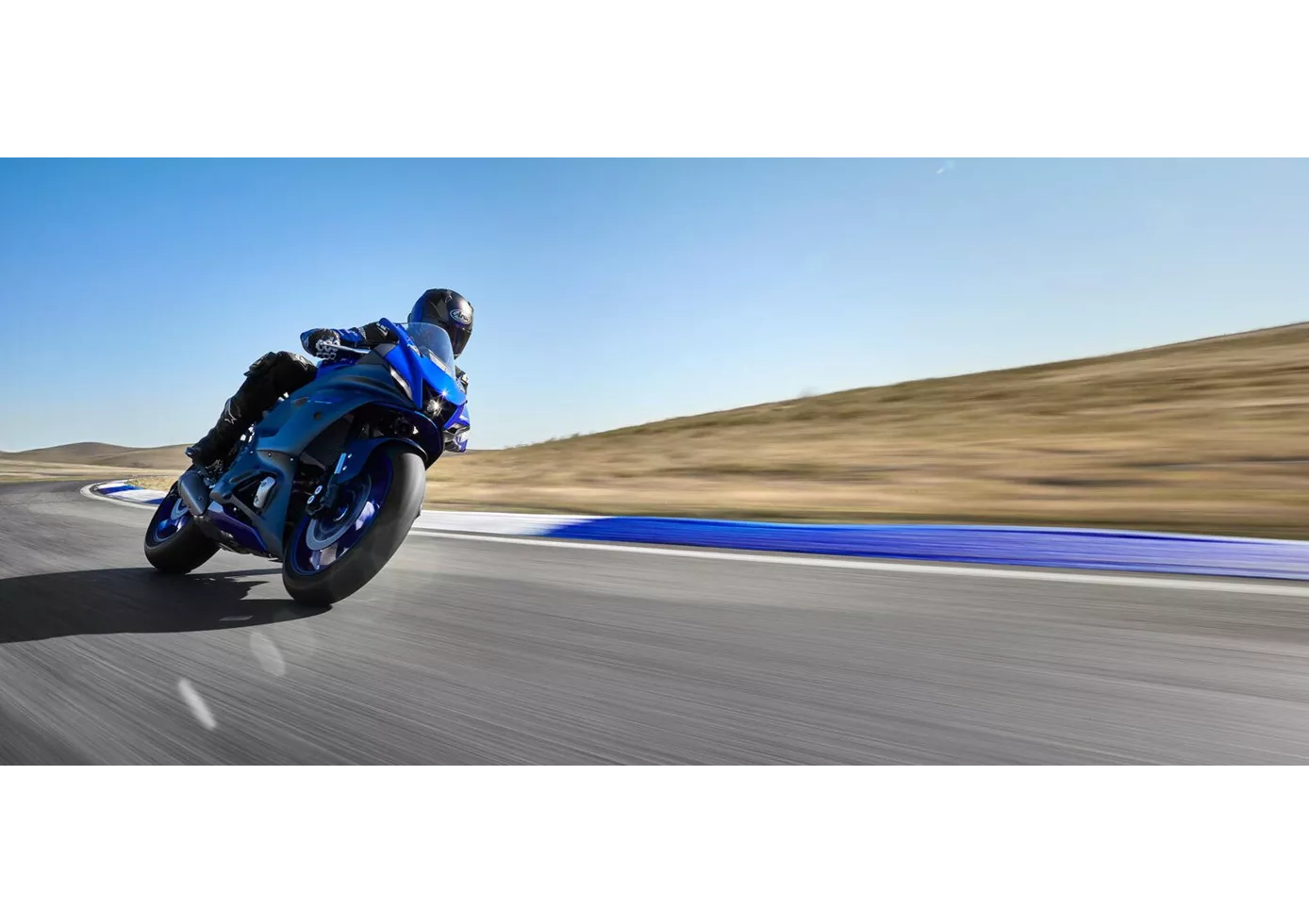
Dans l'ensemble, la R7 est une très bonne moto de piste pour débutants, qui m'a préparé et accompagné de manière sûre, agréable et pas du tout fatigante à la conduite sur piste. Son ergonomie agréable mais adaptée à la piste, son poids léger, ses pneus, ses freins et ses suspensions fantastiques, ainsi que son moteur coupleux à bas et moyen régime m'ont permis de corriger les erreurs que commettent la plupart des débutants sur circuit et ce, sans me faire tomber, sans m'effrayer, sans me faire peur ou même sans me faire jeter l'éponge.
Comparaison des prix Prix moyen du marché Yamaha R1 vs Yamaha R7
There are a few key differences between a Yamaha R1 2015 and a Yamaha R7 2021. It takes less time to sell a Yamaha R1 with 76 days compared to 161 days for a Yamaha R7. Since model year 2005 1000PS.de editors have written 80 reviews for the Yamaha R1 and 9 reviews for the Yamaha R7 since model year 2021. The first review for the Yamaha R1 was published on 4/28/2003 and now has more than 3,900 views. This compares to more than 92,800 views for the first review on Yamaha R7 published on 5/18/2021.