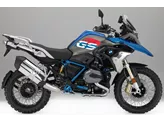
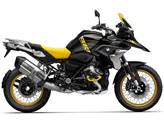
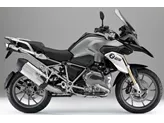
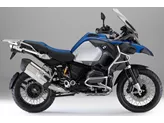
Suzuki V-Strom 1000 2017 vs. BMW R 1200 GS 2013
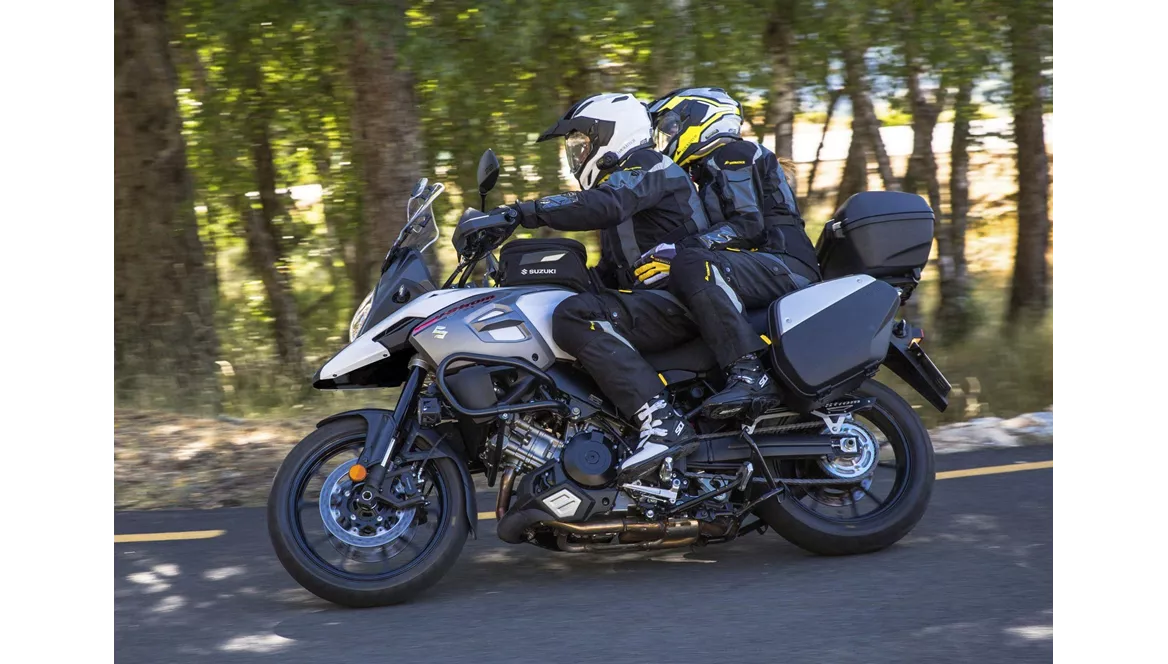
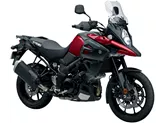
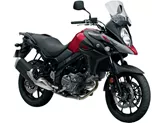
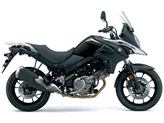
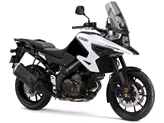
Suzuki V-Strom 1000 2017
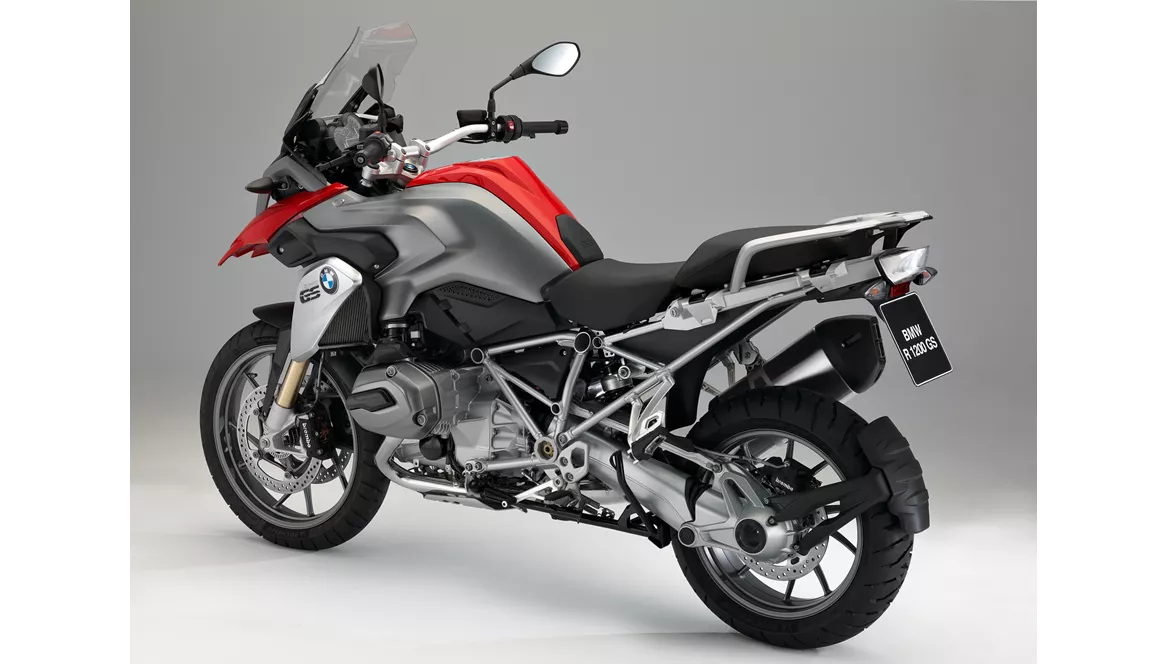
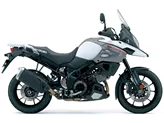
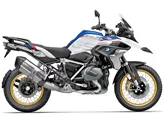
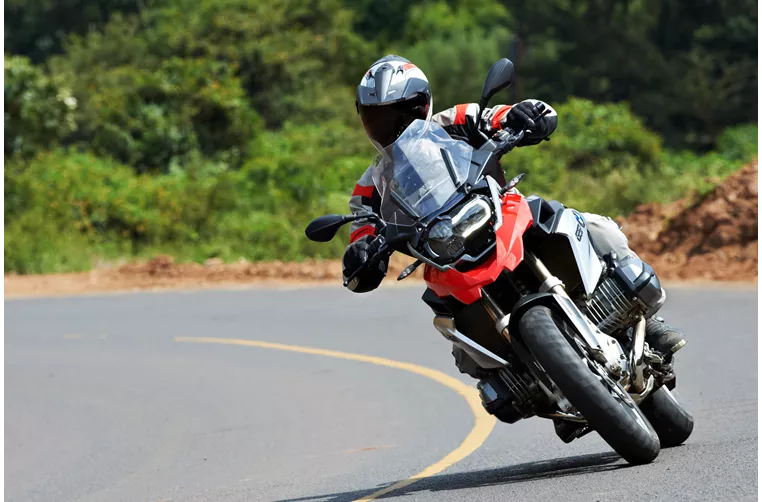
BMW R 1200 GS 2013
Vue d’ensemble - Suzuki V-Strom 1000 2017 vs BMW R 1200 GS 2013
The Suzuki V-Strom 1000 2017 and the BMW R 1200 GS 2013 are both enduro motorcycles that offer powerful engines and are suitable for touring. However, there are several differences between the two models.
In terms of engine specifications, the Suzuki V-Strom 1000 2017 is equipped with a V-twin engine with a bore of 100 mm and a stroke of 66 mm. It produces 101 HP of power and 101 Nm of torque. On the other hand, the BMW R 1200 GS 2013 features a boxer engine with a bore of 101 mm and a stroke of 73 mm. It delivers 125 HP of power and 125 Nm of torque. Both motorcycles have a 2-cylinder configuration and a displacement of around 1000 cc.
When it comes to suspension, the Suzuki V-Strom 1000 2017 is equipped with an upside-down telescopic fork at the front, which can be adjusted for compression, preload, and rebound. The rear suspension is a swing arm that can be adjusted for preload and rebound. On the other hand, the BMW R 1200 GS 2013 features a strut front suspension that can be adjusted for preload, and a single swing arm rear suspension that can also be adjusted for preload.
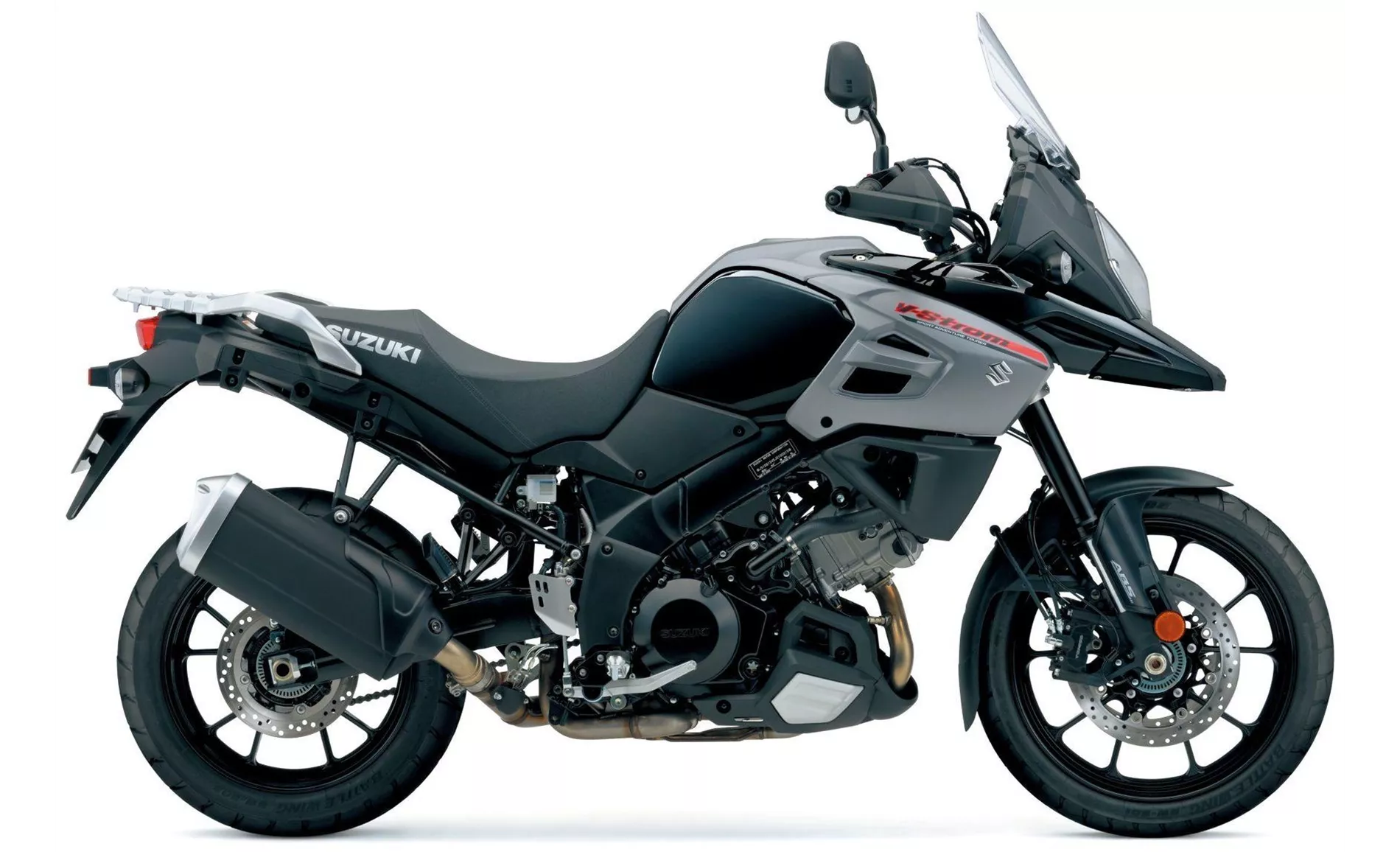
Suzuki V-Strom 1000 2017
In terms of chassis, the Suzuki V-Strom 1000 2017 has an aluminum frame with a twin tube design, while the BMW R 1200 GS 2013 has a steel frame with a twin tube design that also serves as a load-bearing engine.
Both motorcycles have double disk brakes at the front, providing excellent stopping power. The front tire diameter is 19 inches for both models, while the rear tire width is 150 mm for the Suzuki V-Strom 1000 2017 and 170 mm for the BMW R 1200 GS 2013. The rear tire diameter is 17 inches for both models.
In terms of dimensions and weights, the Suzuki V-Strom 1000 2017 has a wheelbase of 1555 mm and a seat height of 850 mm. It has a kerb weight of 232 kg with ABS and a fuel tank capacity of 20 liters. On the other hand, the BMW R 1200 GS 2013 has a slightly shorter wheelbase of 1507 mm but the same seat height of 850 mm. It has a slightly higher kerb weight of 238 kg with ABS and the same fuel tank capacity of 20 liters.
The Suzuki V-Strom 1000 2017 has several strengths, including a powerful engine, good brakes with lean angle ABS, a combined brake system, traction control, a stable and comfortable chassis, good wind protection, high suitability for touring, complete instruments including a gear indicator, a 12-volt socket in the cockpit area, and hand protectors and an engine guard as standard. Additionally, it is reasonably priced.
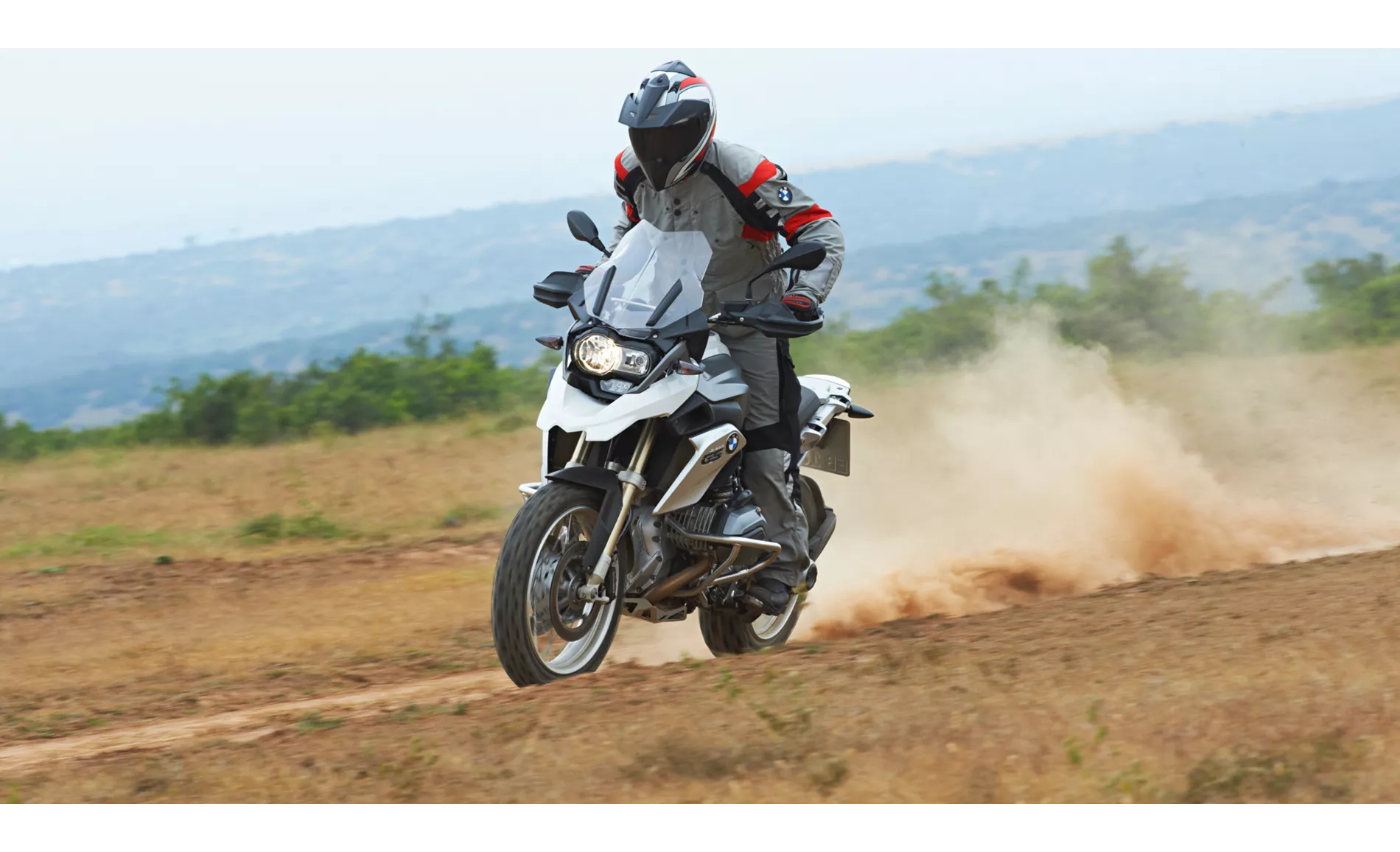
BMW R 1200 GS 2013
On the other hand, the BMW R 1200 GS 2013 has strengths such as a new engine, top chassis, high comfort, and suitability for both traveling and everyday use.
One weakness of the Suzuki V-Strom 1000 2017 is the noticeable set-up torque when braking in curves. However, no weaknesses are mentioned for the BMW R 1200 GS 2013.
In conclusion, both the Suzuki V-Strom 1000 2017 and the BMW R 1200 GS 2013 are capable enduro motorcycles with their own strengths and weaknesses. The Suzuki V-Strom 1000 2017 offers a powerful engine, good brakes, and a comfortable chassis, while the BMW R 1200 GS 2013 boasts a new engine, top chassis, and high comfort. Ultimately, the choice between the two models will depend on the rider's preferences and priorities.
Caractéristiques techniques Suzuki V-Strom 1000 2017 par rapport à BMW R 1200 GS 2013
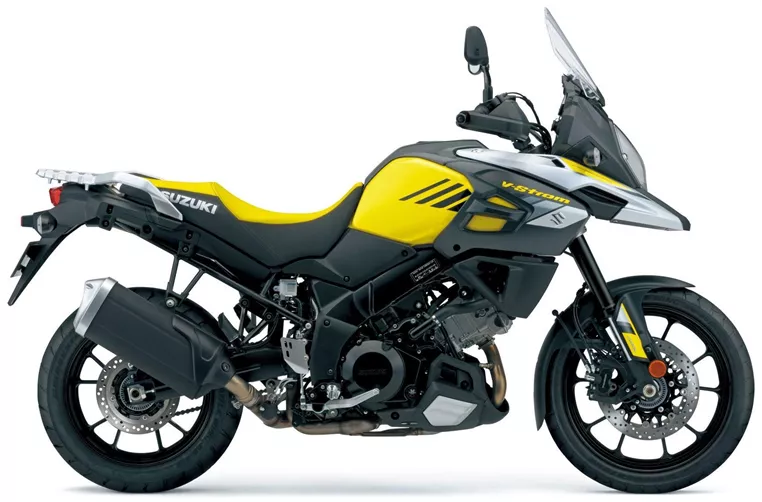
Avantages et inconvénients en comparaison
Avantages et inconvénients en comparaison
Suzuki V-Strom 1000 2017
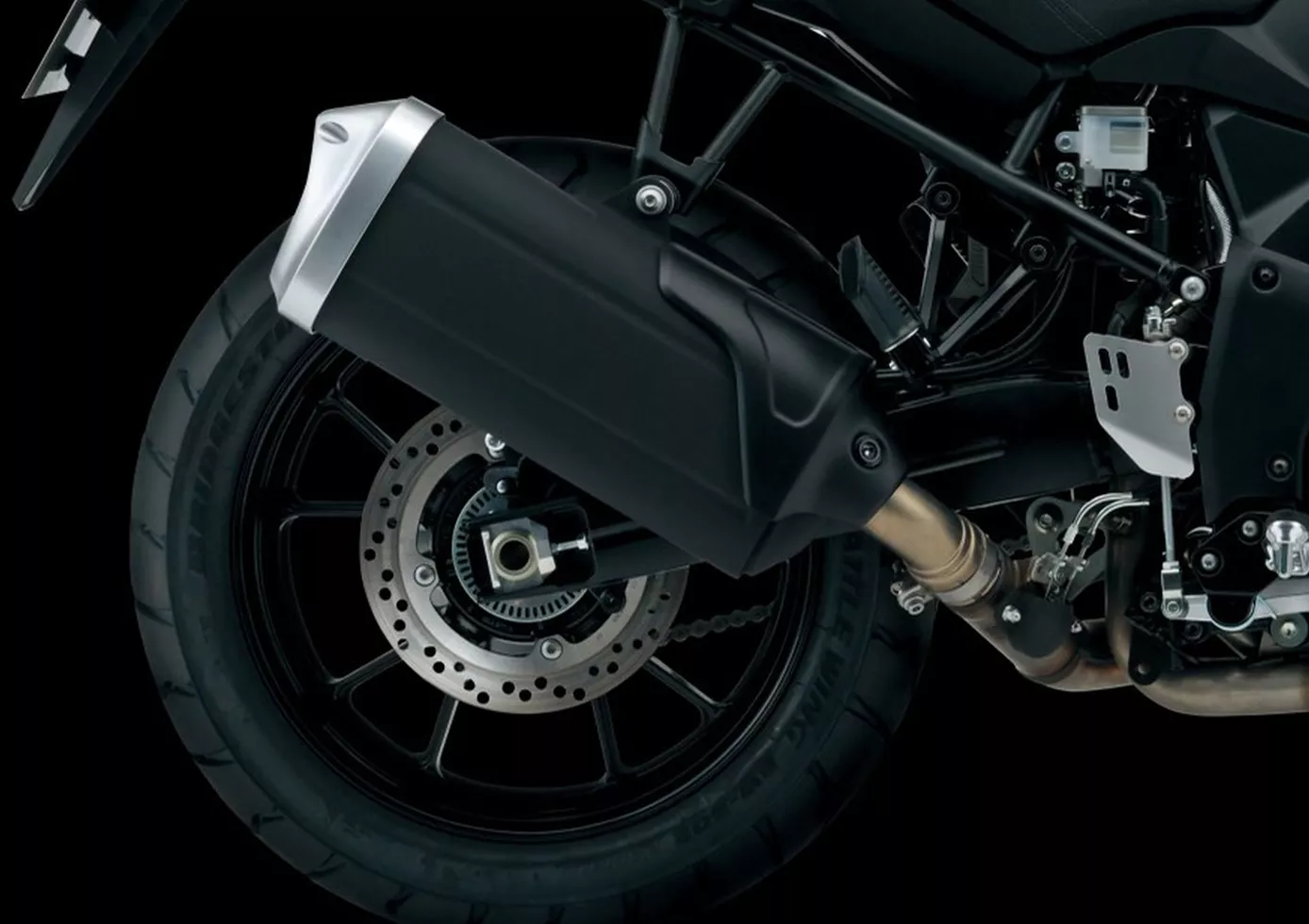
Même si Suzuki n'a peut-être pas mis autant d'efforts dans le développement de la V-Strom que la concurrence dans les enduros de voyage, la Suzuki peut utiliser cet état de fait à son avantage. Dans un monde où les packs électroniques sont nombreux, elle se présente encore de manière très puriste dans l'année-modèle 2019, seul l'ABS en virage laisse entrevoir une innovation. De nombreux clients souhaitent une moto simple et c'est précisément à ce groupe cible que s'adresse la V-Strom 1000. Son V2 robuste dégage un caractère sans fin et est un compagnon à l'épreuve des balles grâce à des années d'essais. En combinaison avec le châssis puissant et la position assise détendue, on obtient avec la Suzuki V-Strom 1000 une moto d'aventure à la conduite sportive qui s'oppose à la numérisation des motos dans le monde actuel.
BMW R 1200 GS 2013
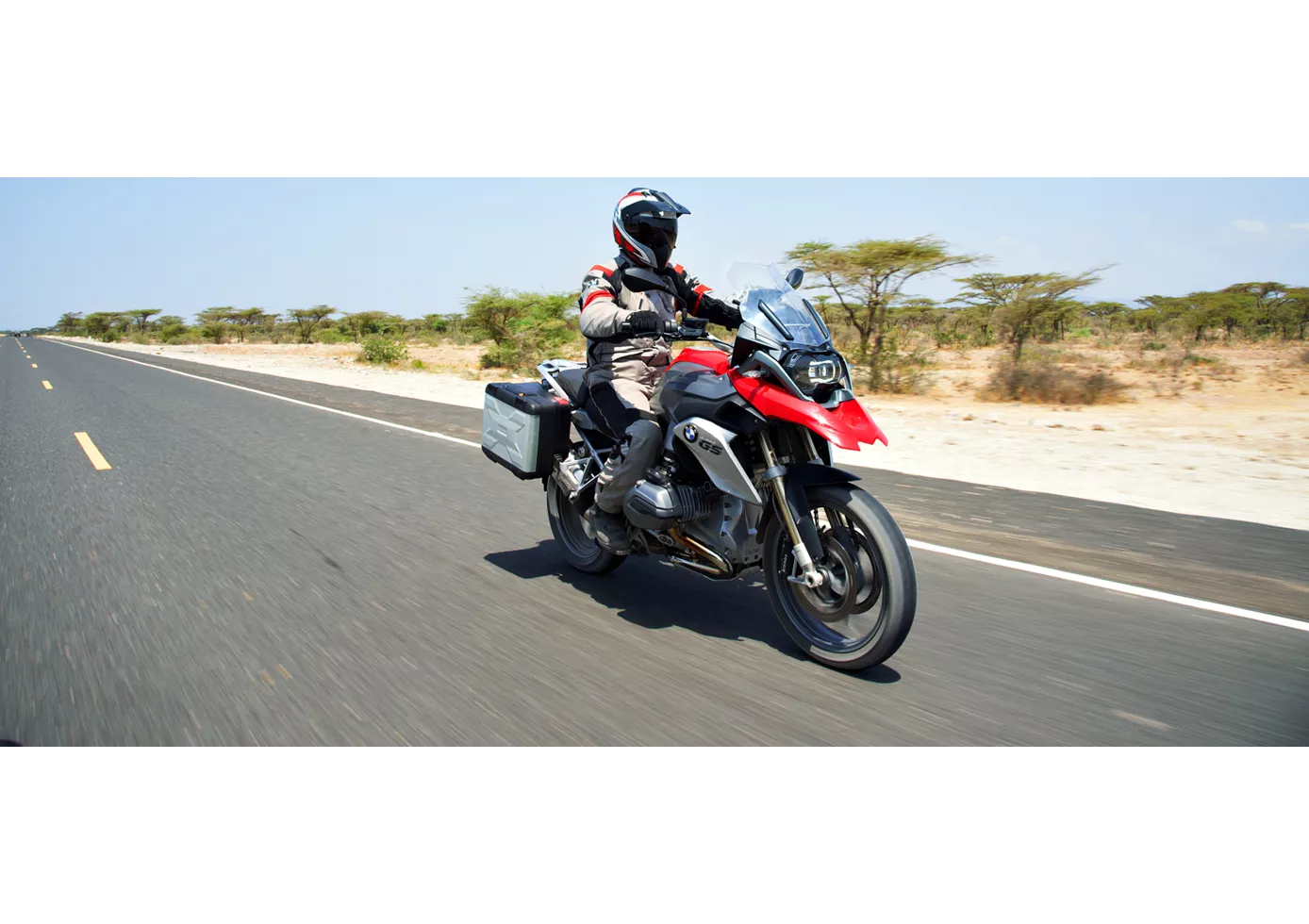
Depuis plus de 35 ans, BMW continue d'élargir sa gamme de boxers et travaille systématiquement à l'évolution de la GS. En plus de la mise à jour EURO4 du moteur avec un nouveau catalyseur et une nouvelle cartographie, il y a désormais encore plus de caractéristiques comme le Dynamic ESA Next Generation avec compensation automatique de l'assiette, qui améliore encore la stabilité et le confort du pilote. Avec ses couleurs discrètes, la version Exclusive est destinée aux amateurs d'une apparence soignée et feutrée et, contrairement à la variante Rallye plus criarde, elle est plutôt conçue pour la route. De nombreuses caractéristiques sont payantes, mais les clients de la GS ne s'en soucient généralement pas - 90% d'entre eux commandent un équipement complet.
Comparaison des prix Prix moyen du marché Suzuki V-Strom 1000 vs BMW R 1200 GS
There are a few key differences between a Suzuki V-Strom 1000 2017 and a BMW R 1200 GS 2013. In terms of price, the actual average price of a BMW R 1200 GS 2013 is about 25% higher. A Suzuki V-Strom 1000 2017 experiences a loss of 230 USD in one year and 750 USD in two years of ownership. This is offset by a loss of 240 USD and 670 USD for a BMW R 1200 GS 2013. Compared to BMW R 1200 GS 2013 there are less Suzuki V-Strom 1000 2017 bikes available on the 1000PS.de Marketplace, specifically 10 compared to 44. It takes less time to sell a BMW R 1200 GS with 60 days compared to 105 days for the Suzuki V-Strom 1000. Since model year 2005 1000PS.de editors have written 40 reviews for the Suzuki V-Strom 1000 and 98 reviews for the BMW R 1200 GS since model year 2005. The first review for the Suzuki V-Strom 1000 was published on 7/23/2002 and now has more than 6,300 views. This compares to more than 19,100 views for the first review on BMW R 1200 GS published on 1/20/2004.