After the Speed 400, Scrambler 400 X, Scrambler 400 XC and Tracker 400, Triumph's 400 family keeps on growing. This time things are getting particularly traditional: with the Bonneville T40 and Bonneville T40 Black, Triumph is bringing the Bonneville name into the 400cc class. The aim is to make the British classic concept accessible to a wider audience.

Triumph Bonneville T40: The Bonnie arrives with 400cc
Classic Bonneville looks meet modern tech
Triumph expands the Bonneville family downwards: the T40 and T40 Black combine a 400cc single with spoked wheels, classic looks and a surprising amount of electronics.
&width=72&height=72&bgcolor=rgba_39_42_44_0&mode=crop "Author: Der Horvath")
Der Horvath
published on 10/6/2026
6,193 Views
Triumph Bonneville T40: A real Bonnie or just a Speed 400 in retro clothing?
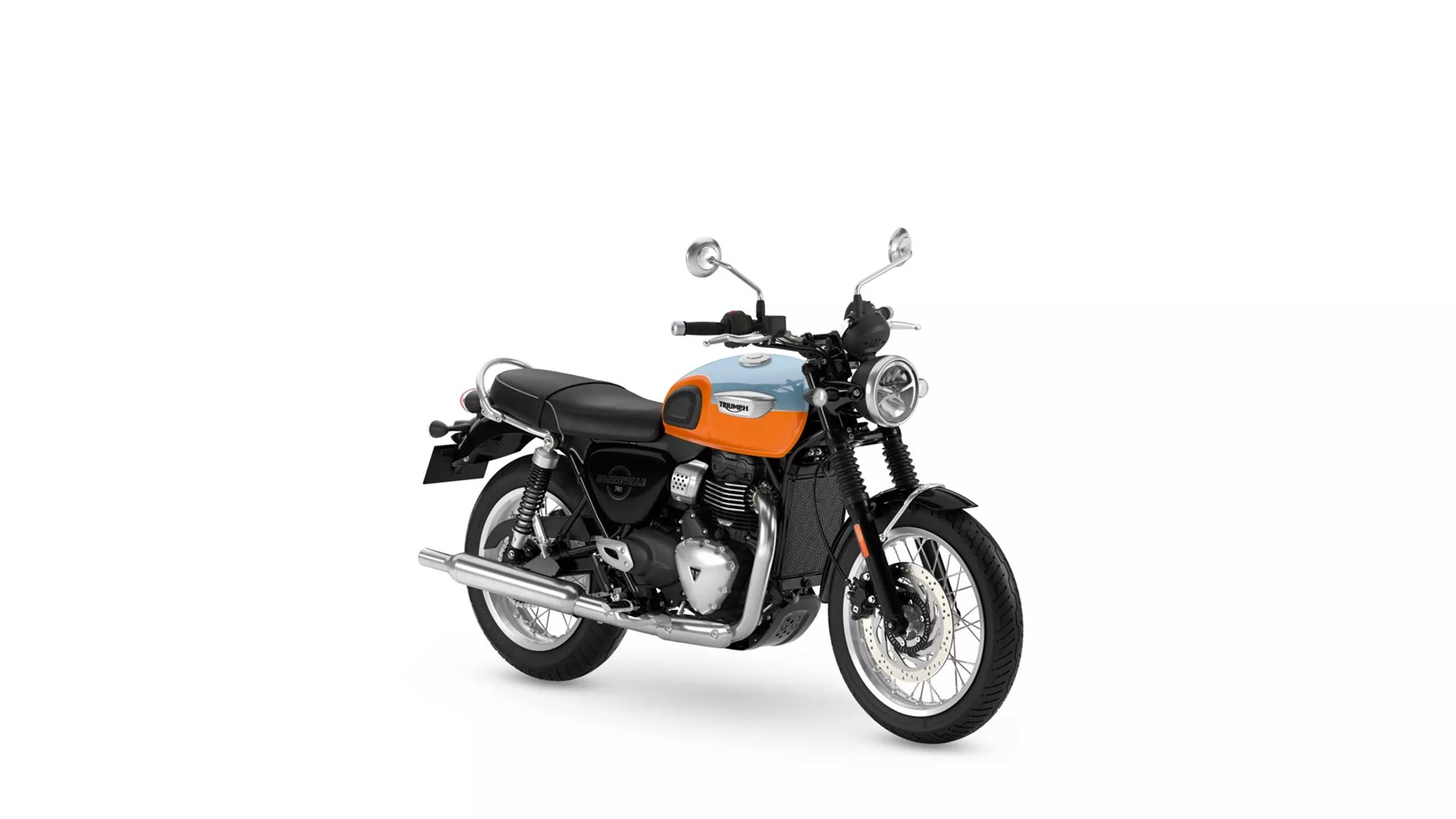
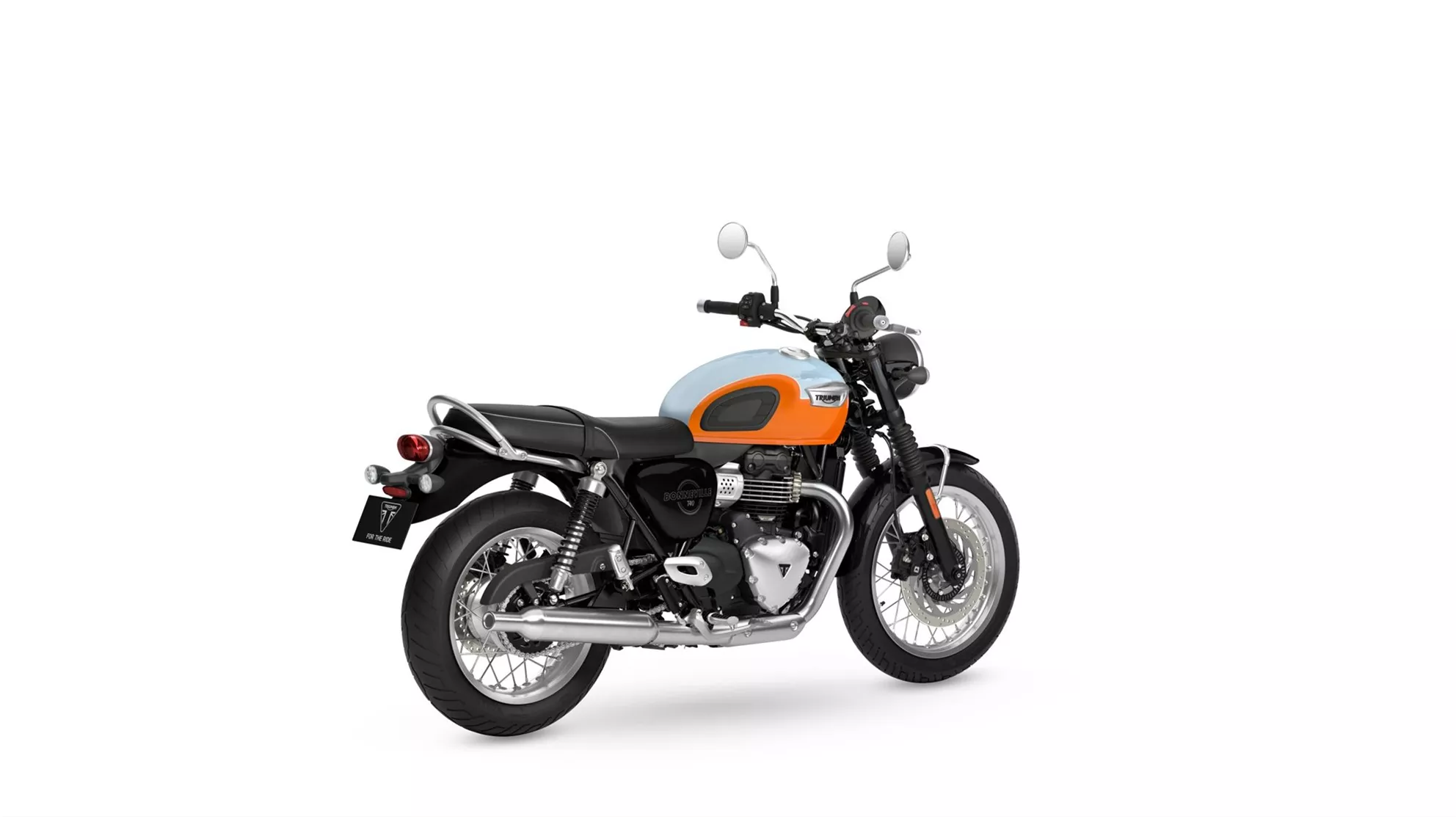
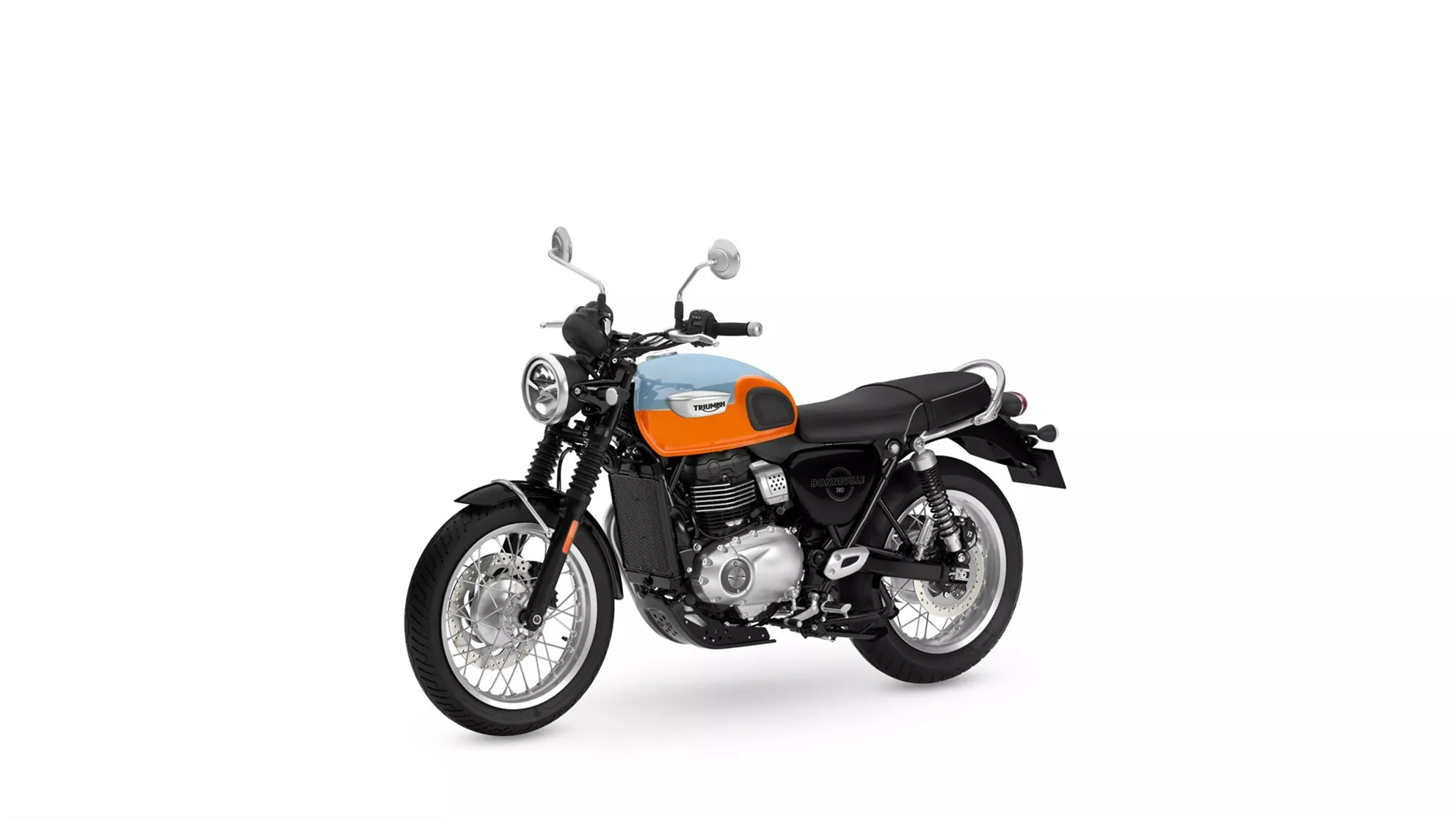
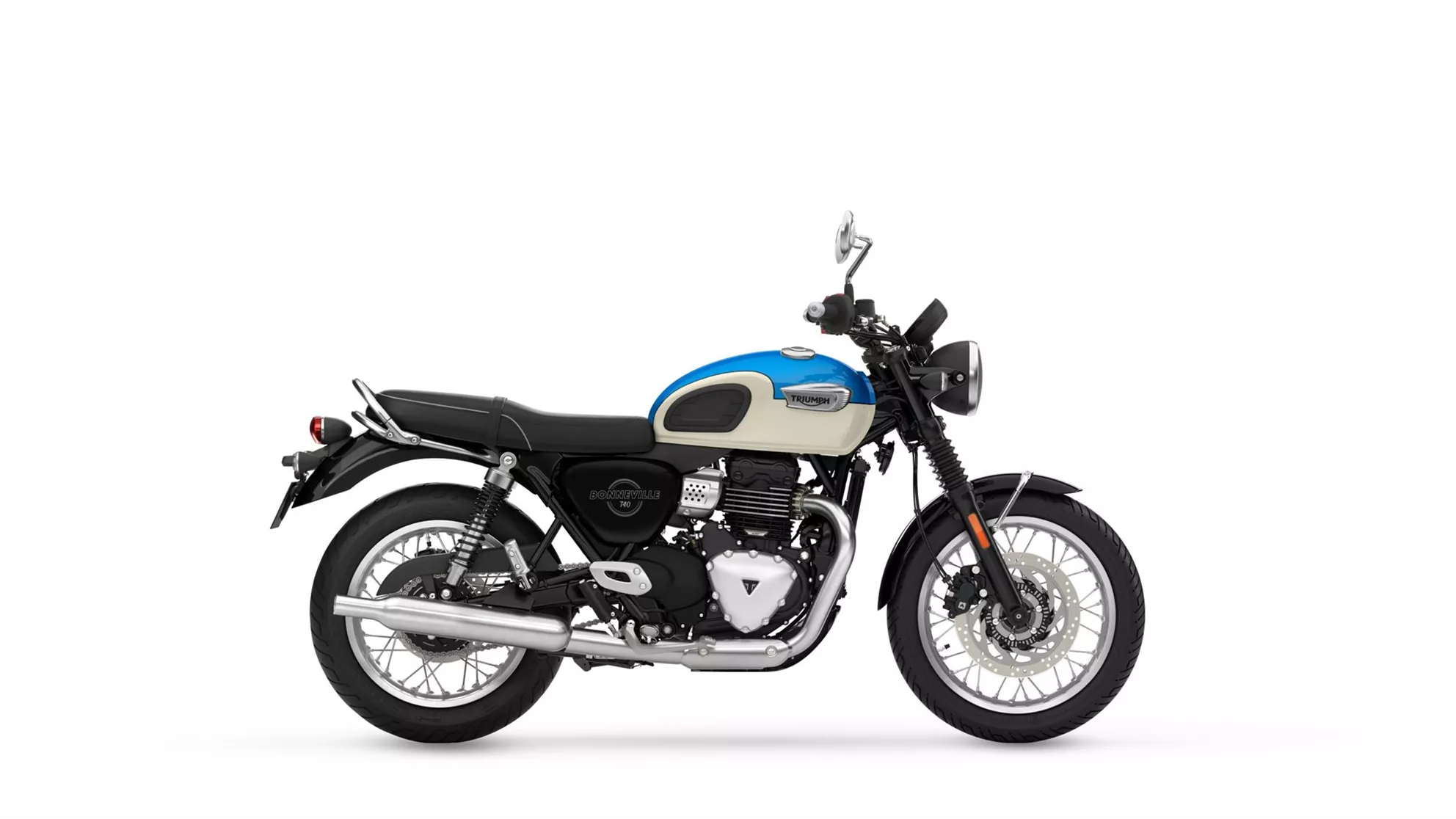
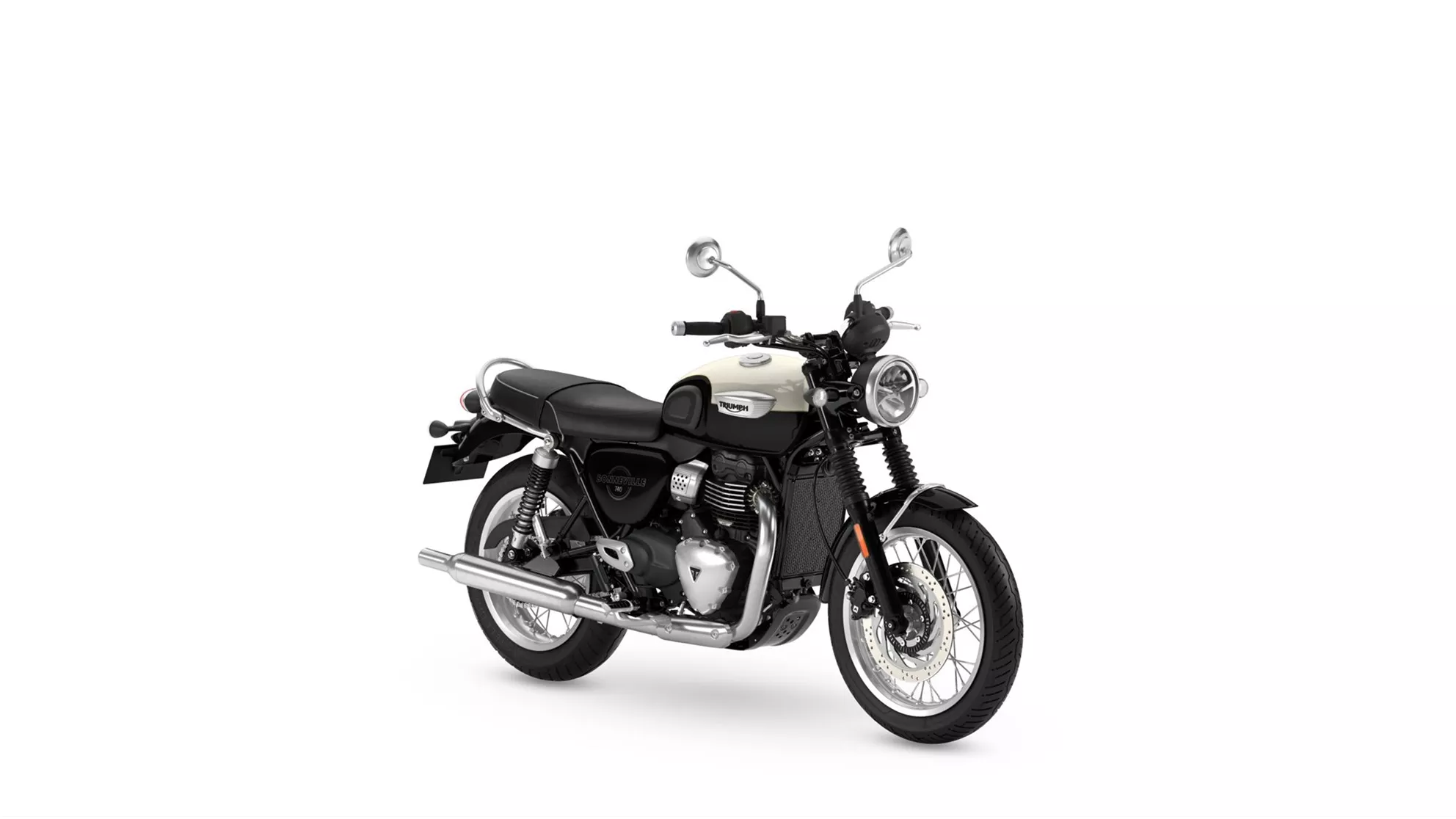
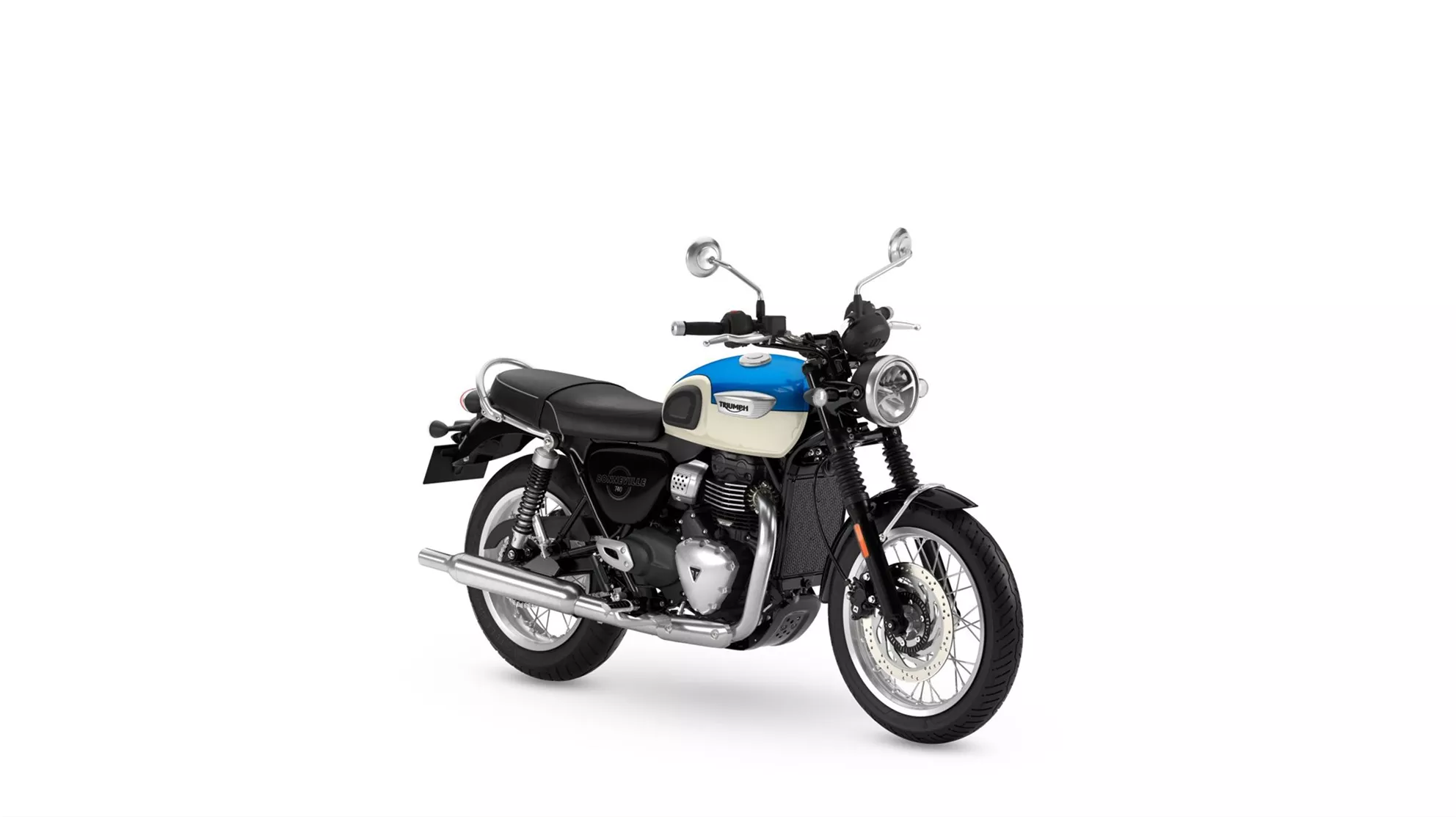
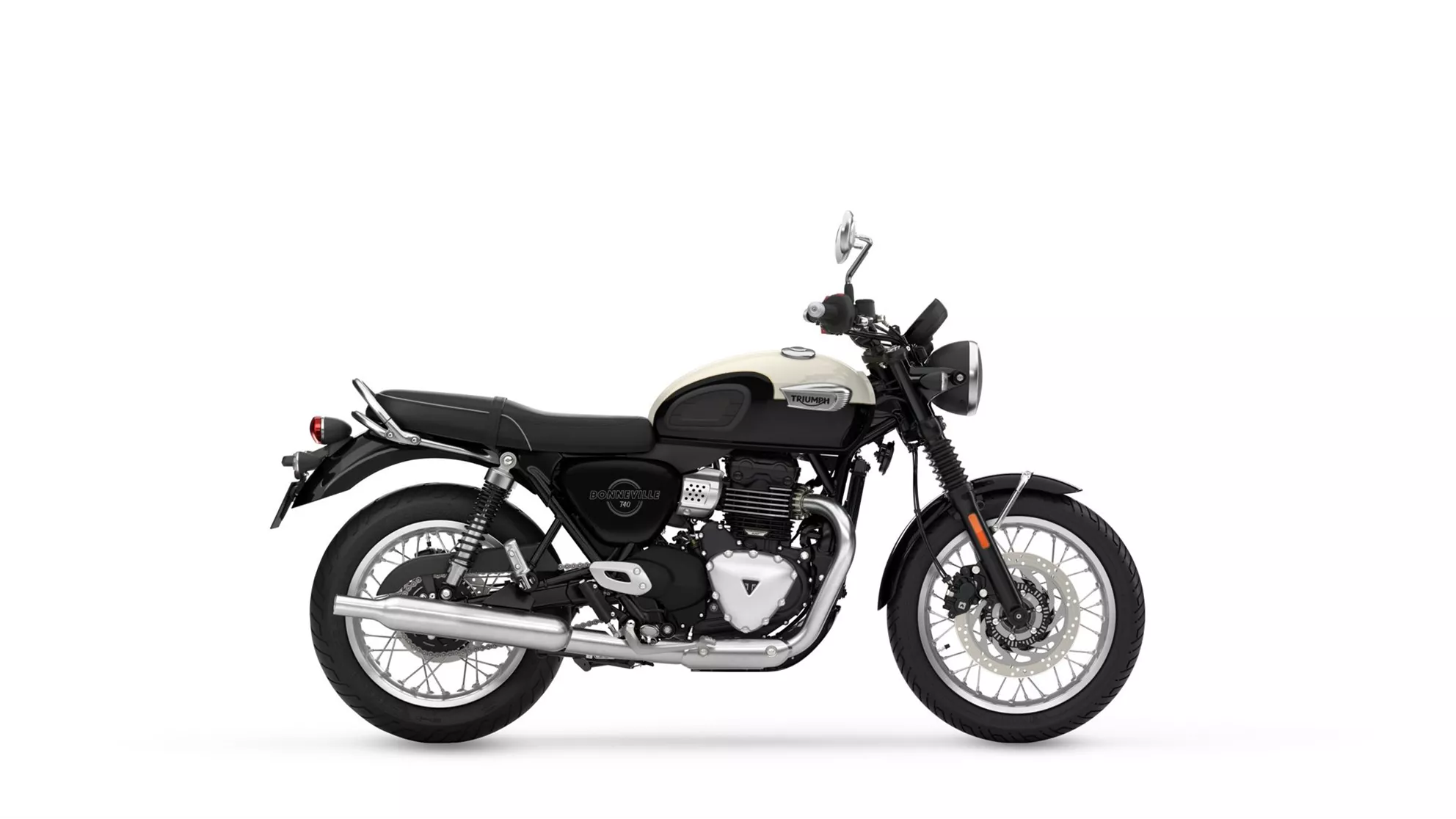
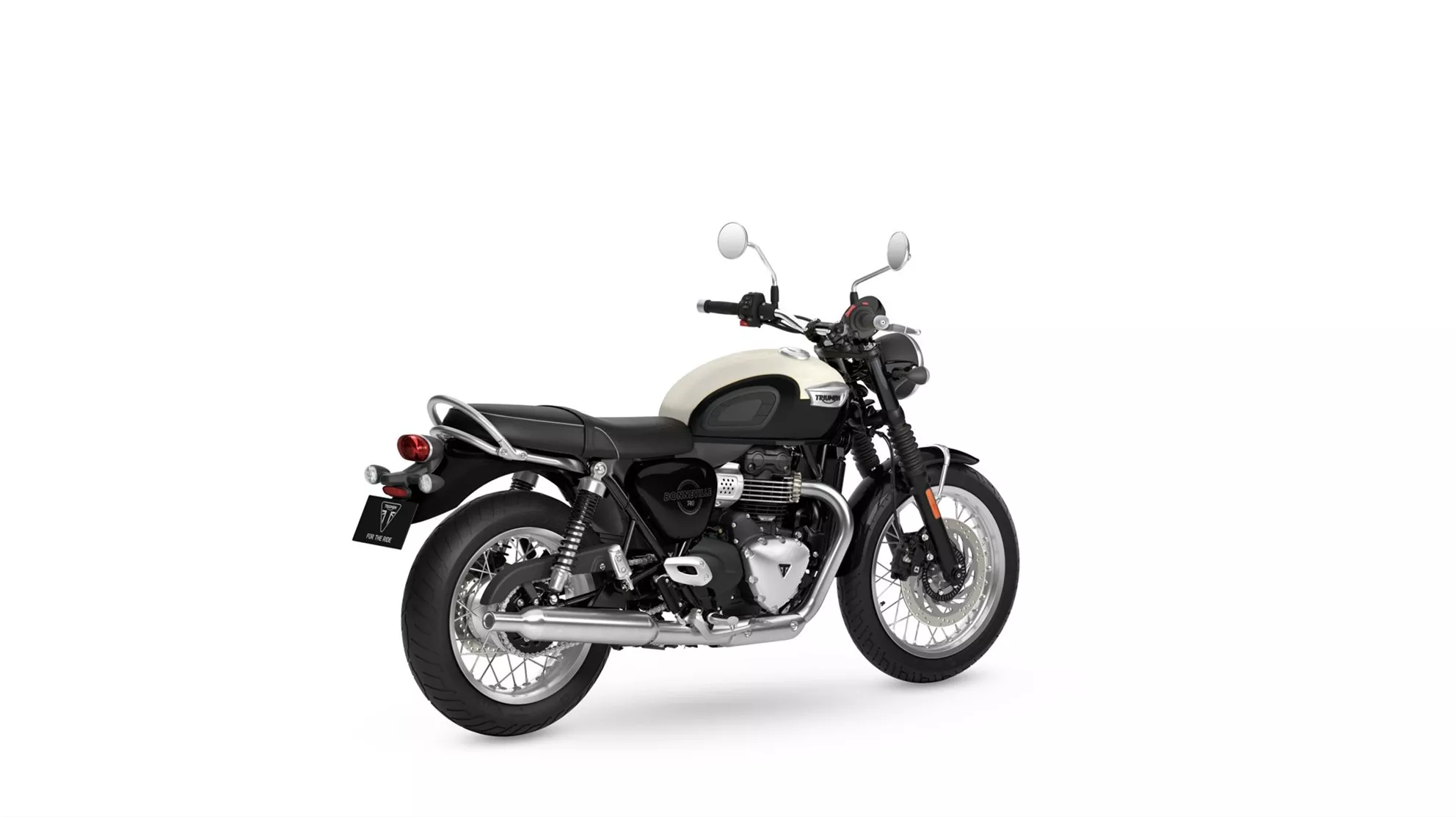
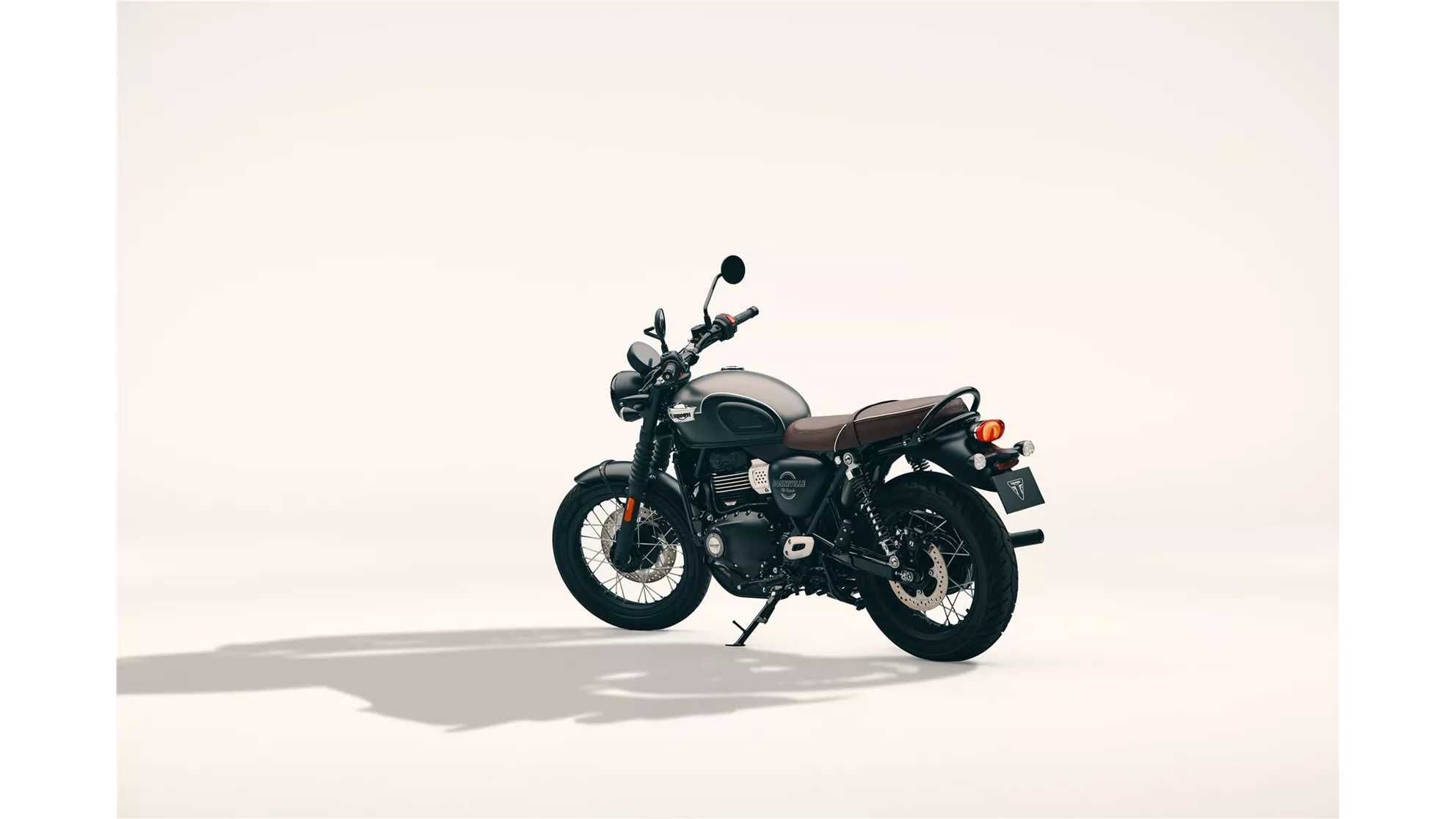
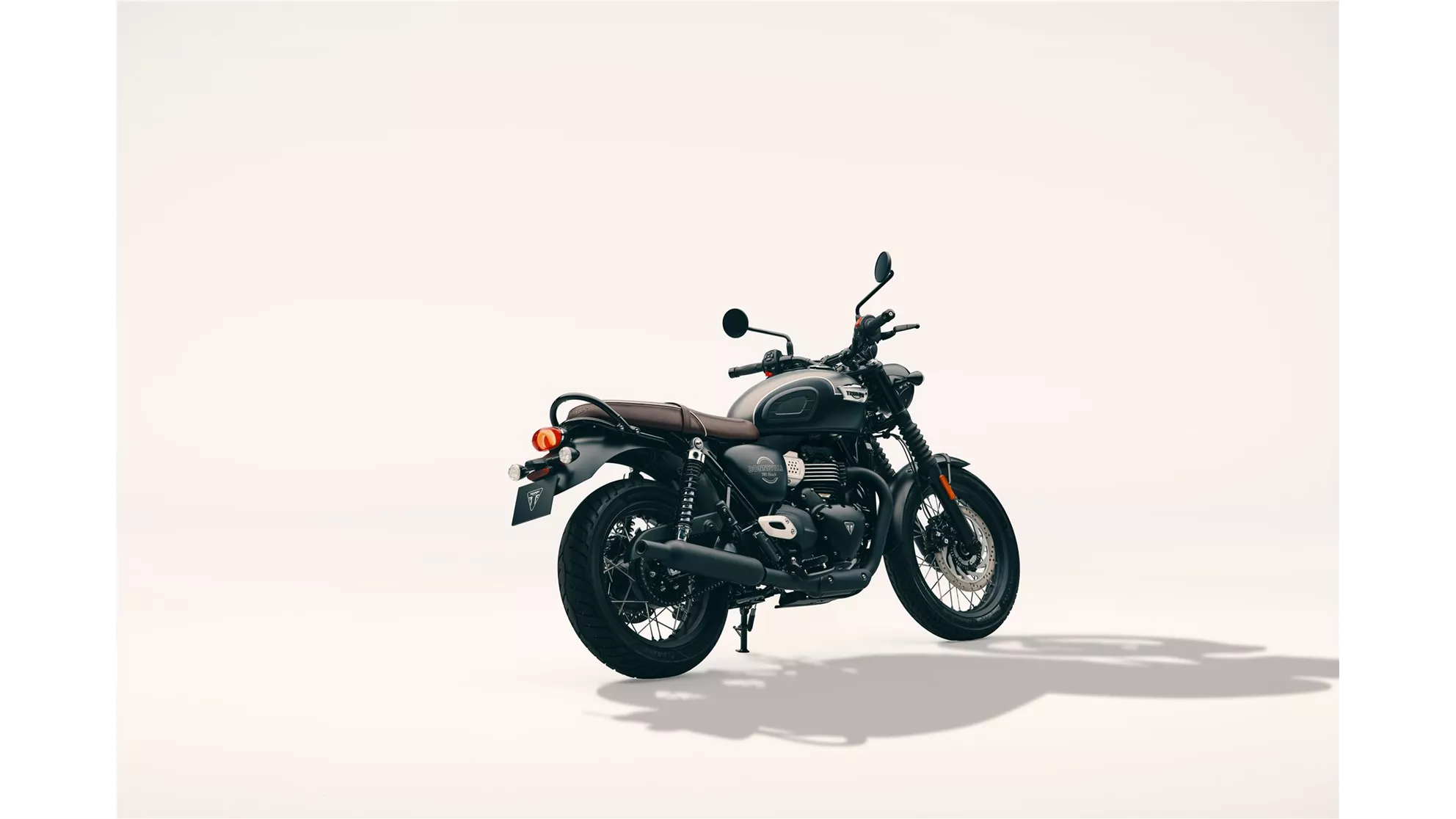
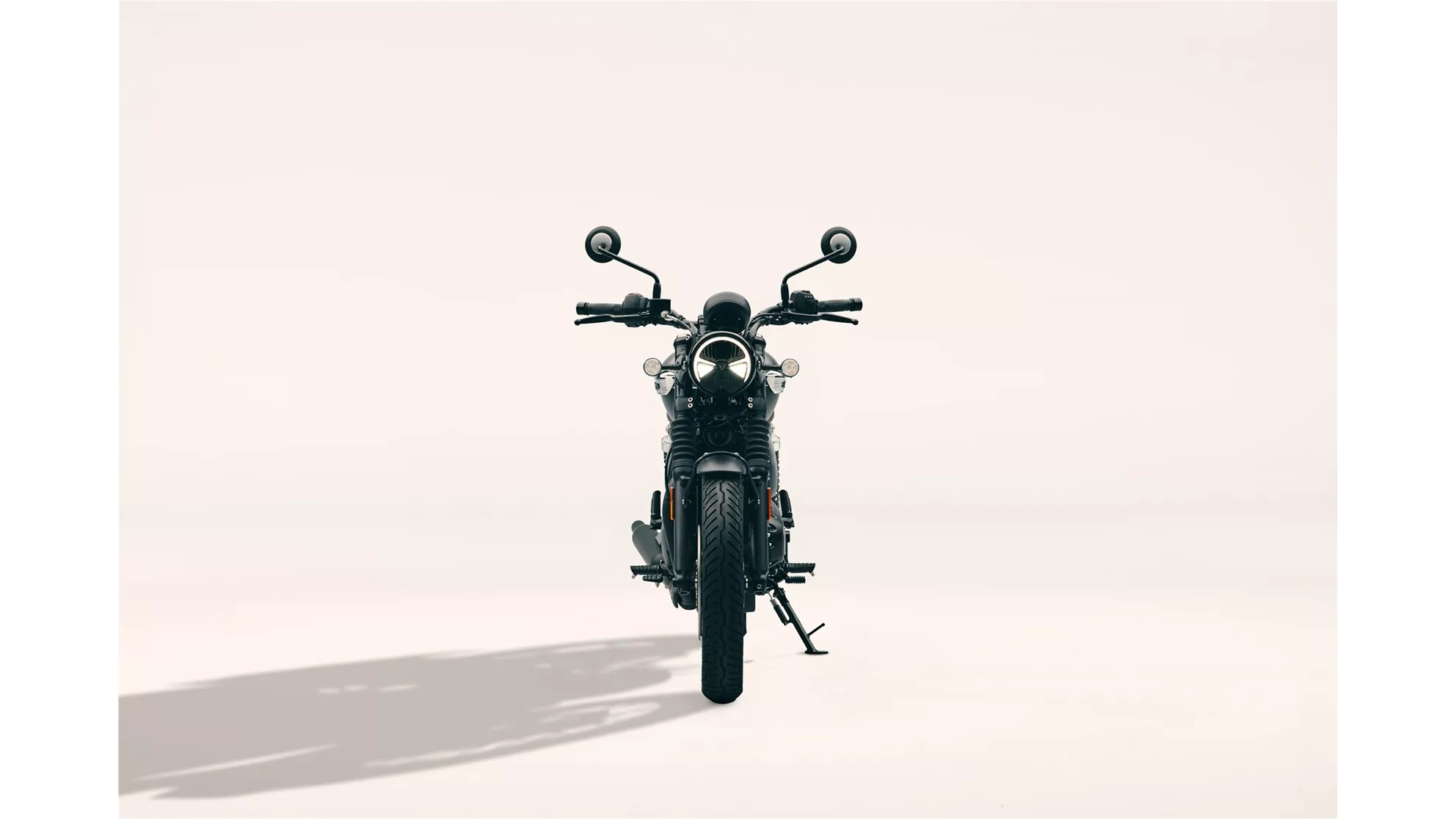
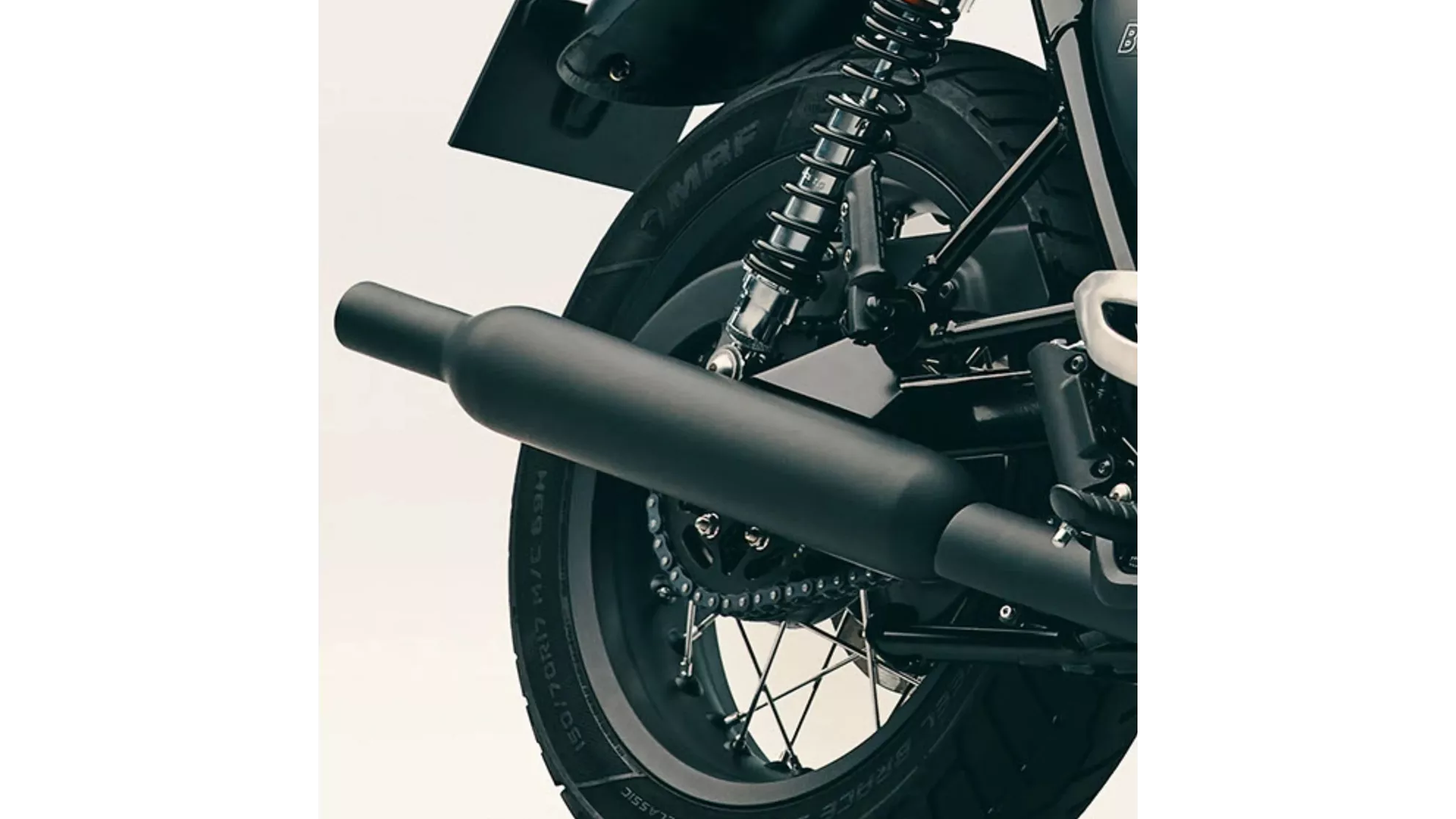
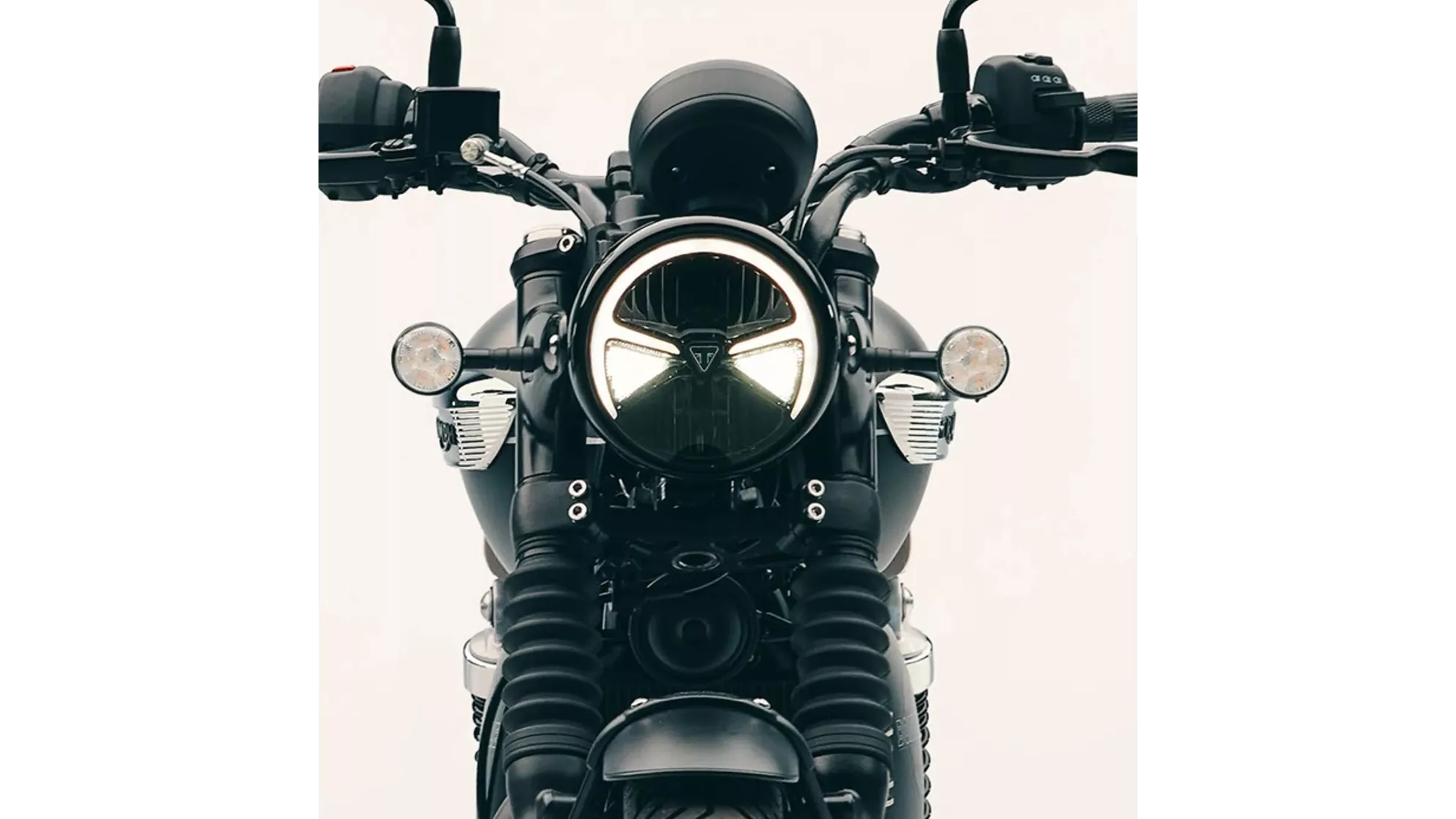
Triumph explicitly stresses that the T40 isn't meant to be just another 400 with a different tank. The manufacturer has retuned the TR-series single for use in the Bonneville and has also tried to carry over as many of the typical styling cues of the bigger Bonnies as possible. The silhouette follows the familiar recipe accordingly: teardrop tank, round headlight, long mudguards, twin rear shocks and classic spoked wheels. Add to that the slim peashooter silencer.
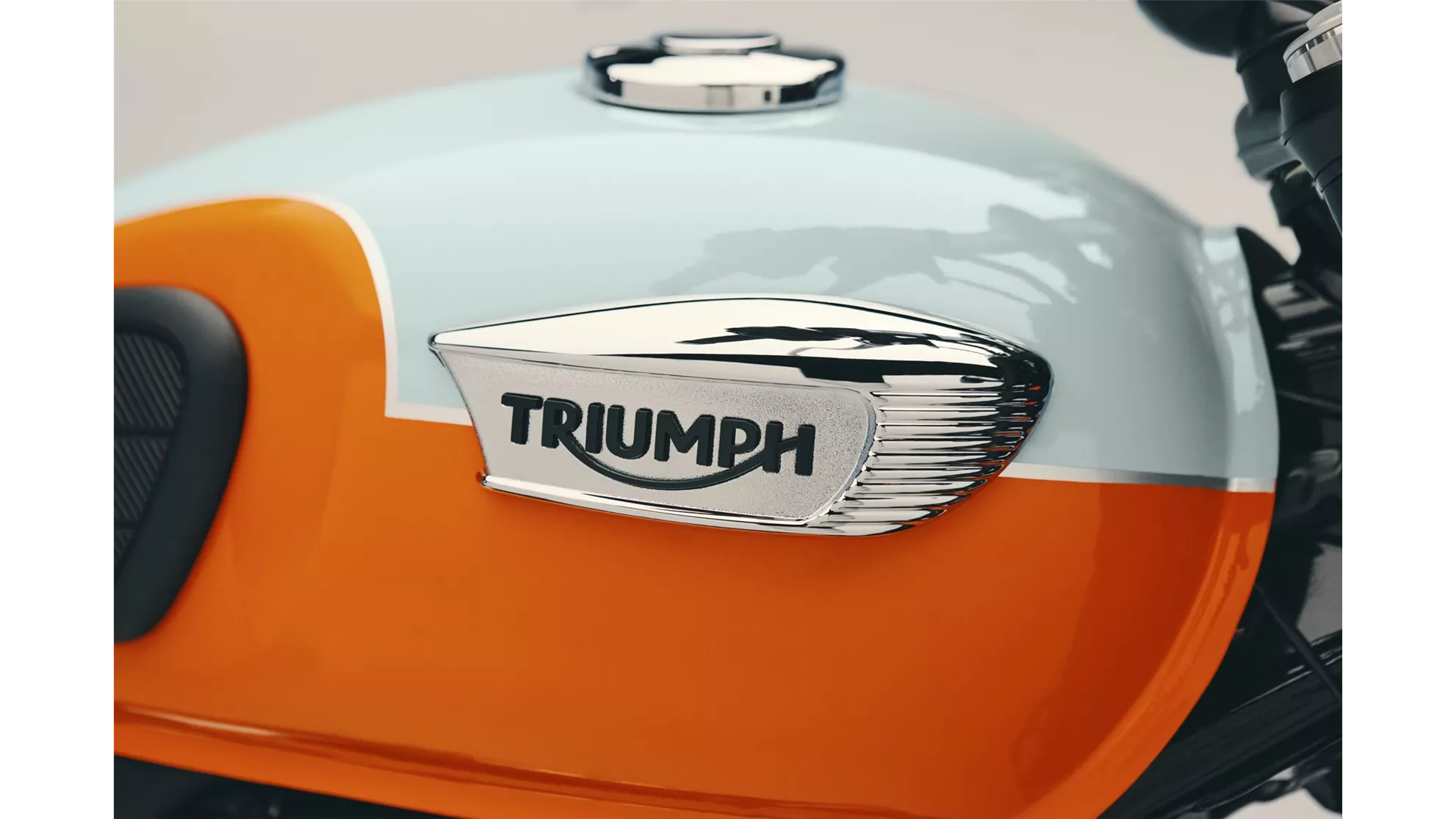
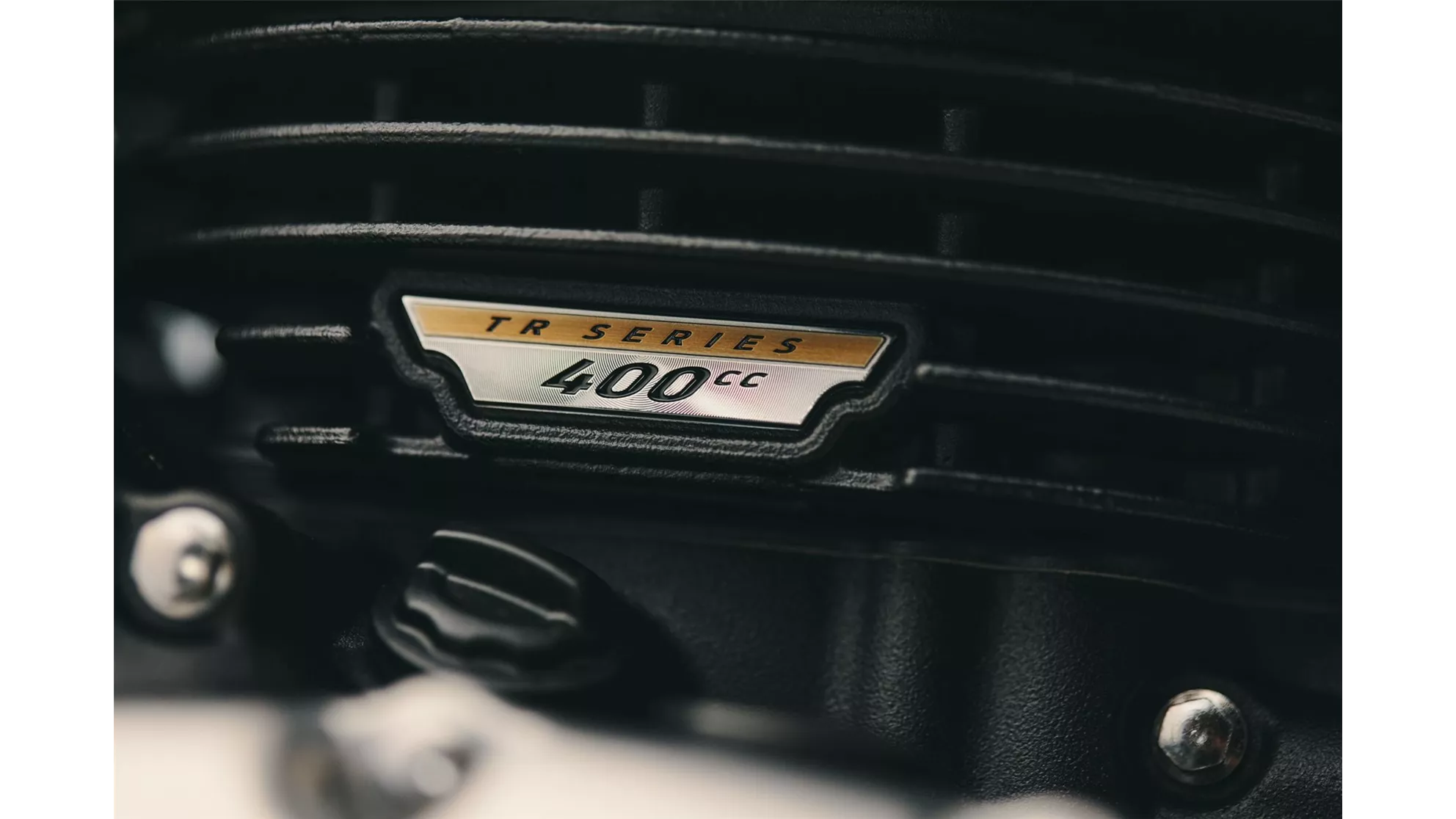
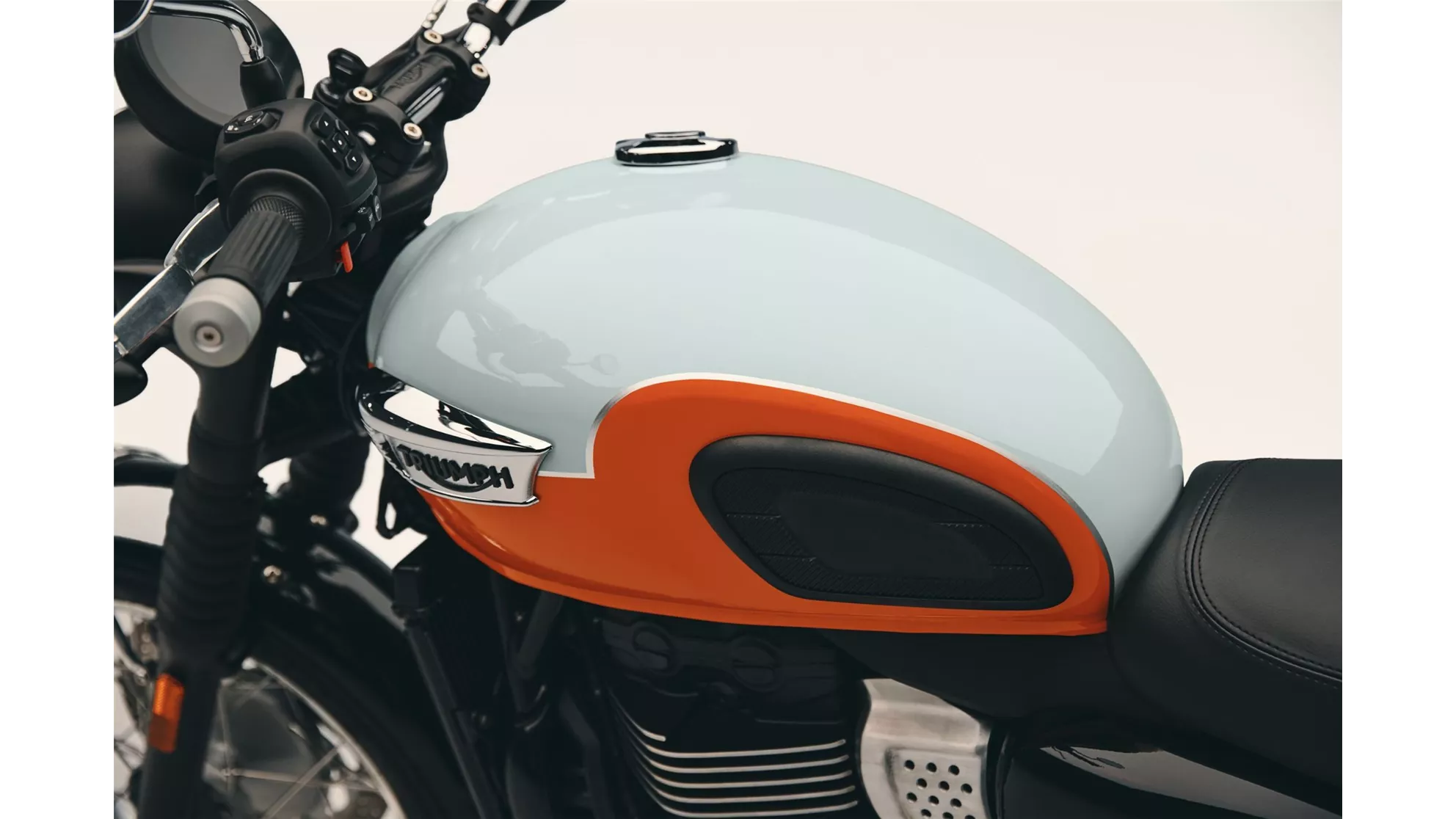
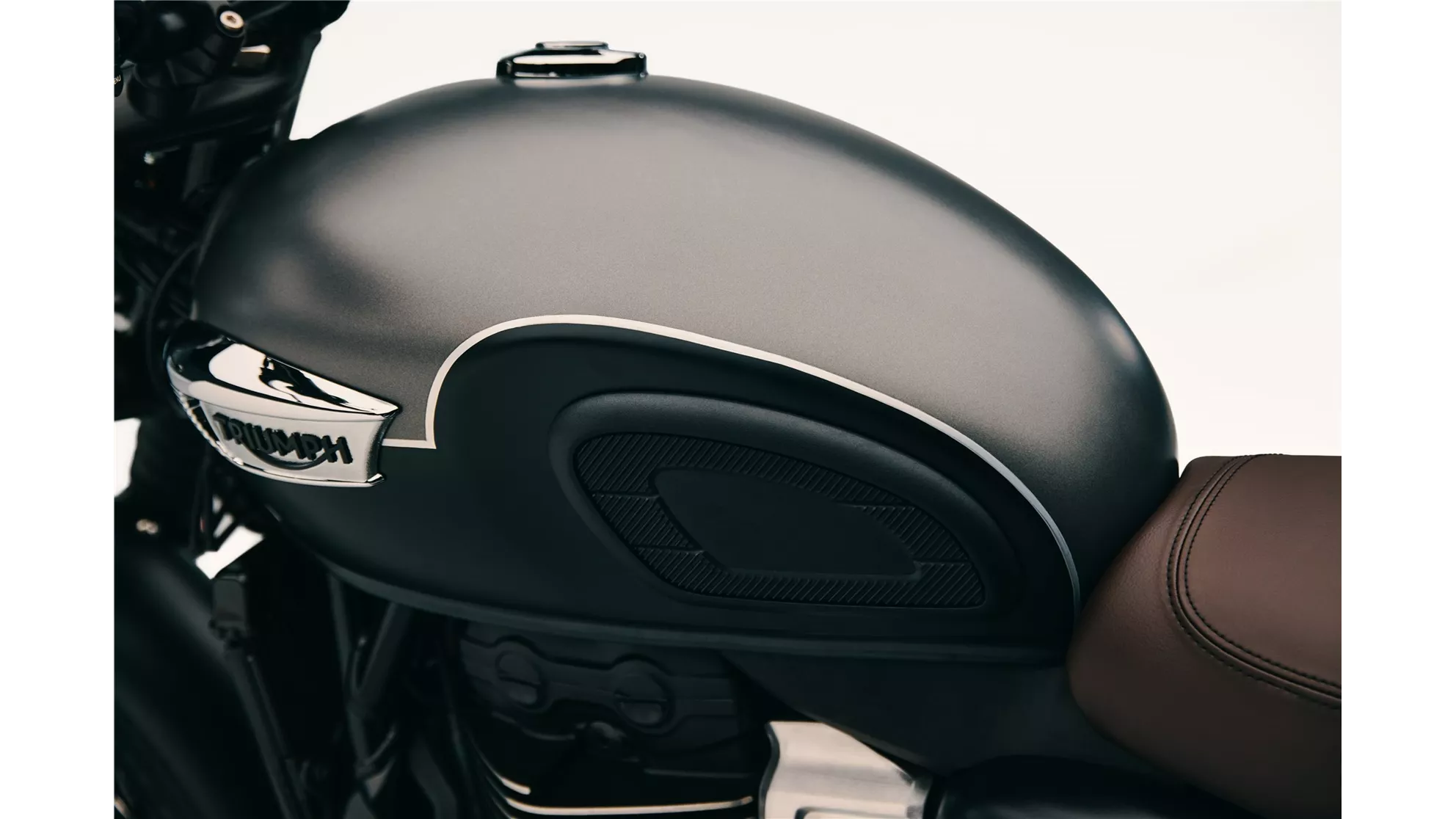
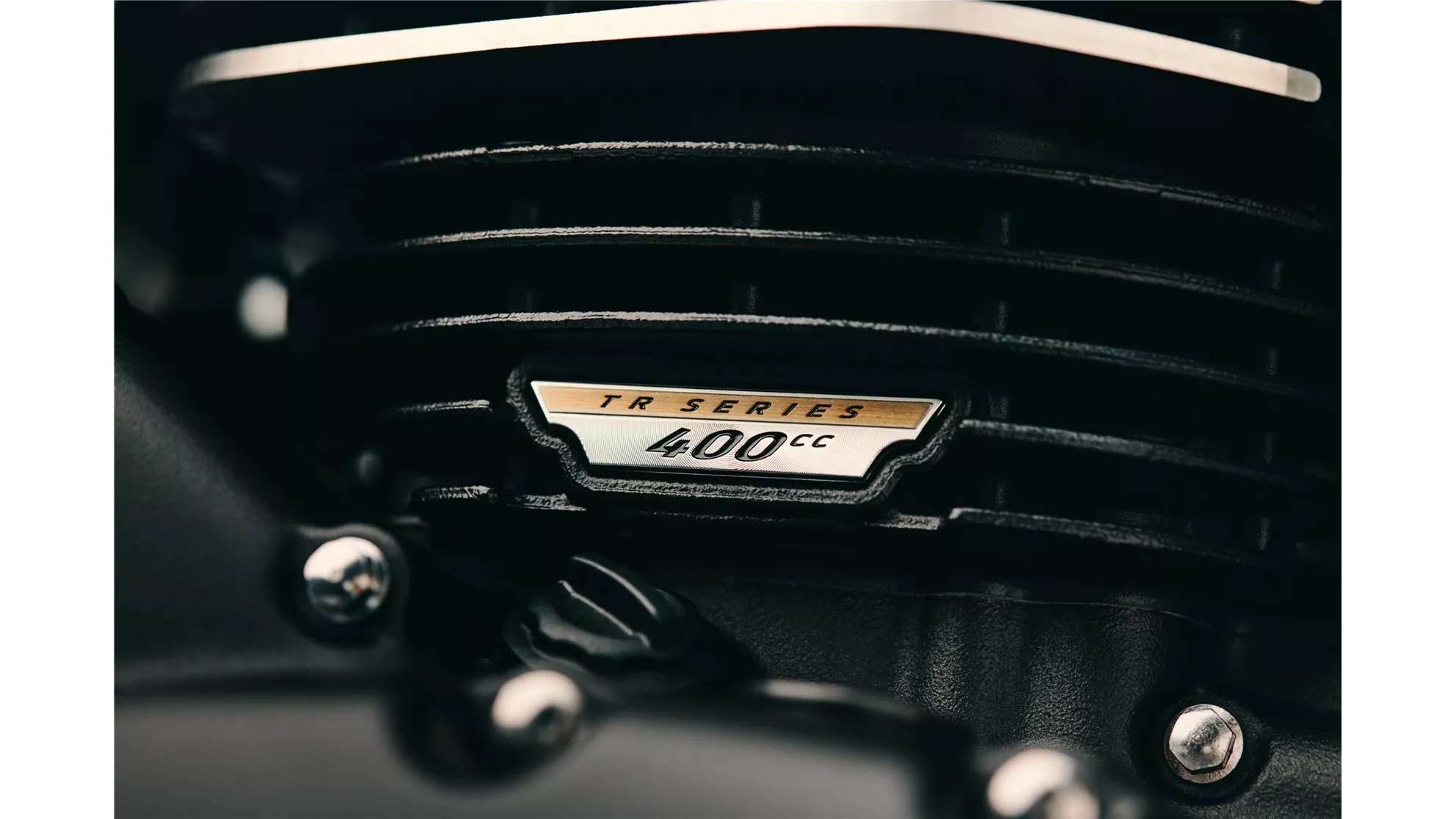
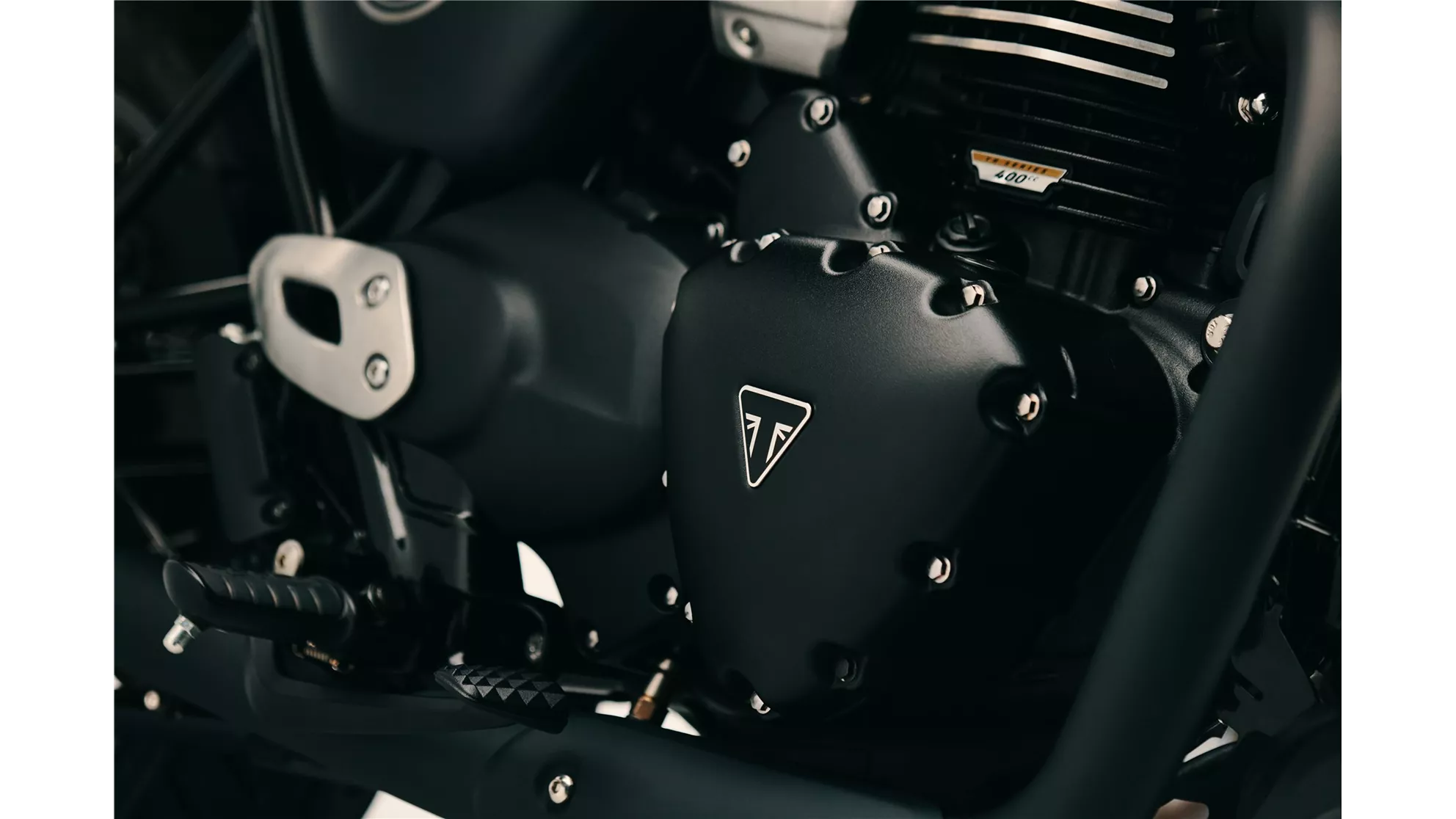
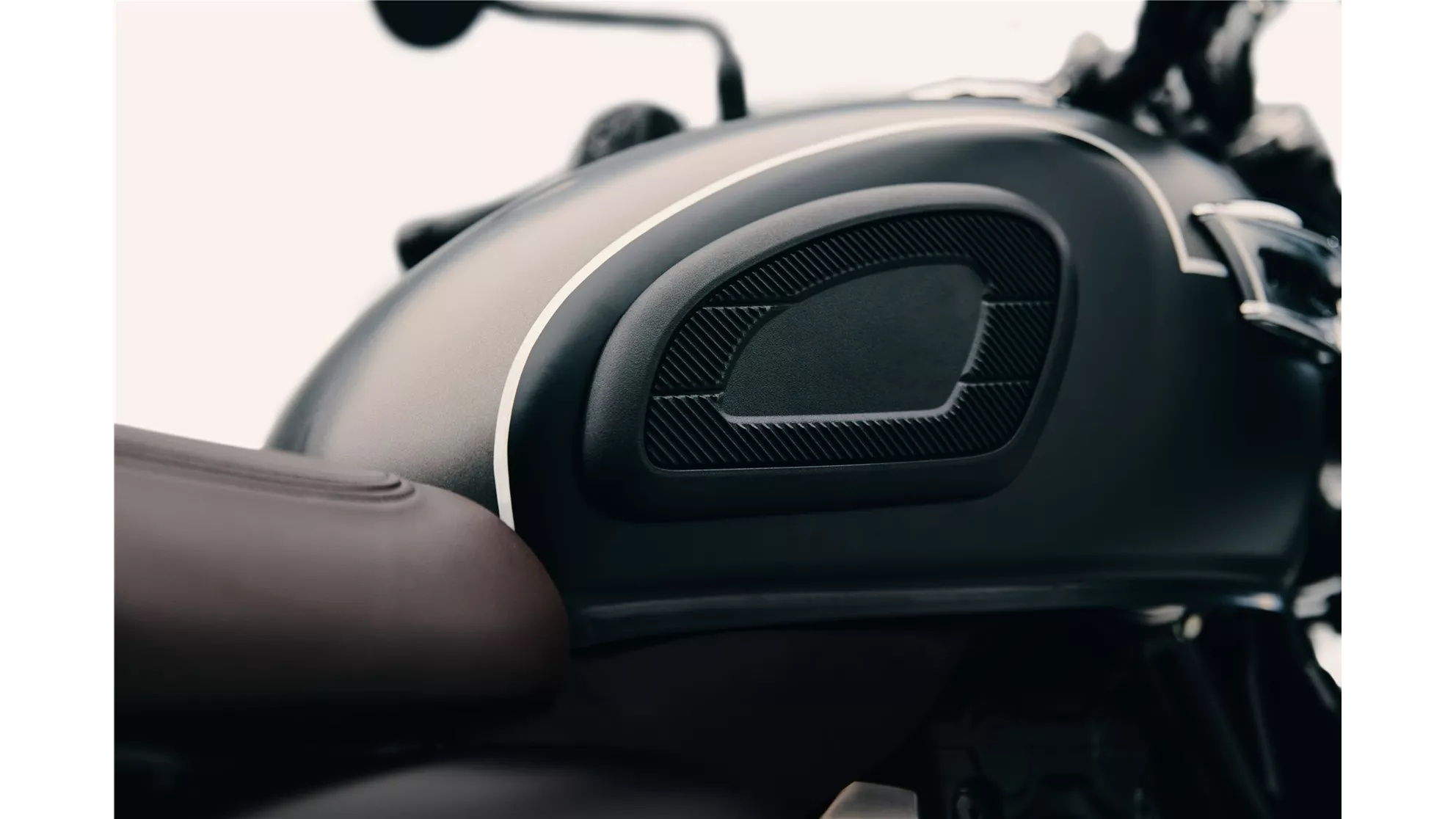
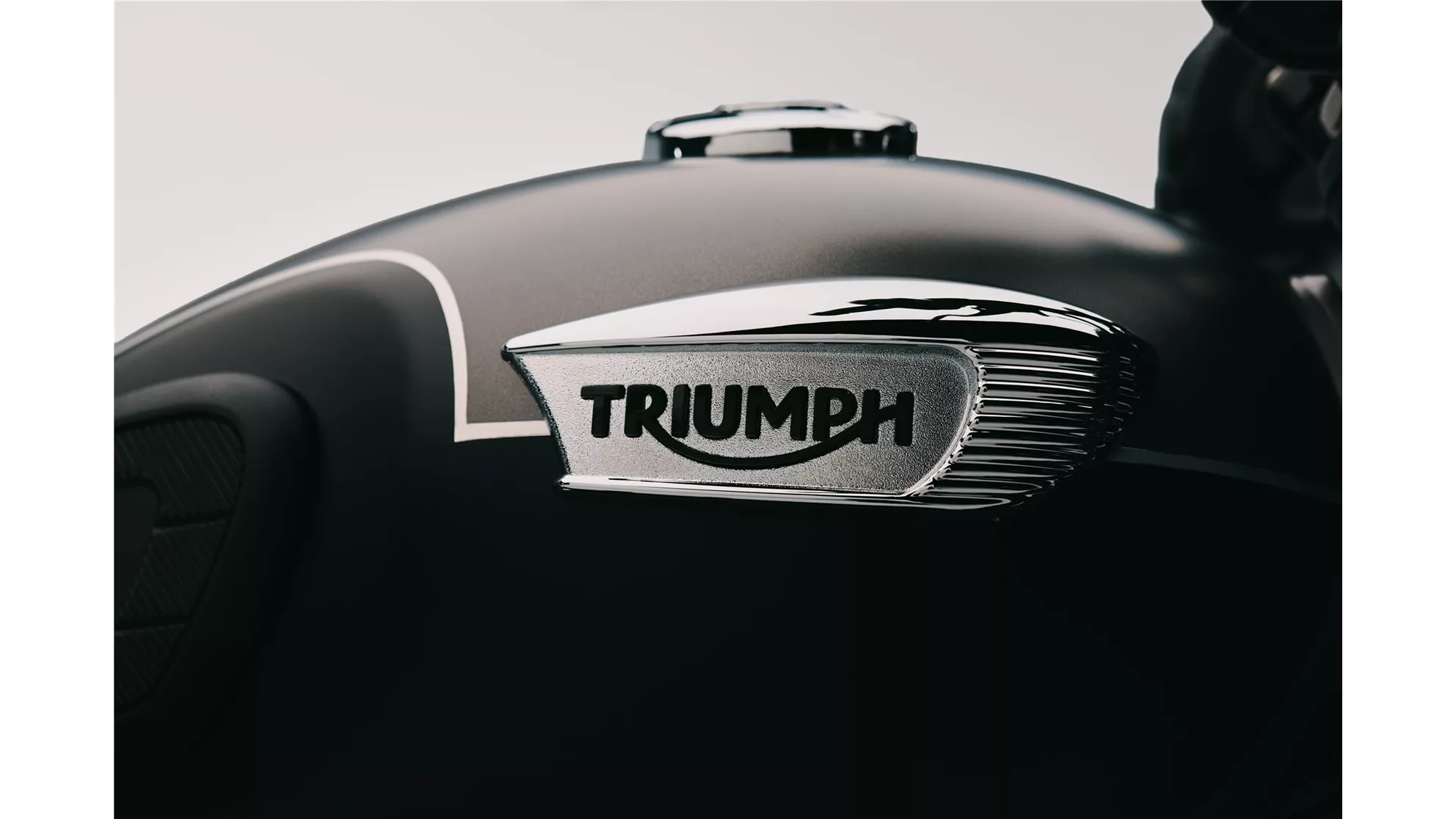
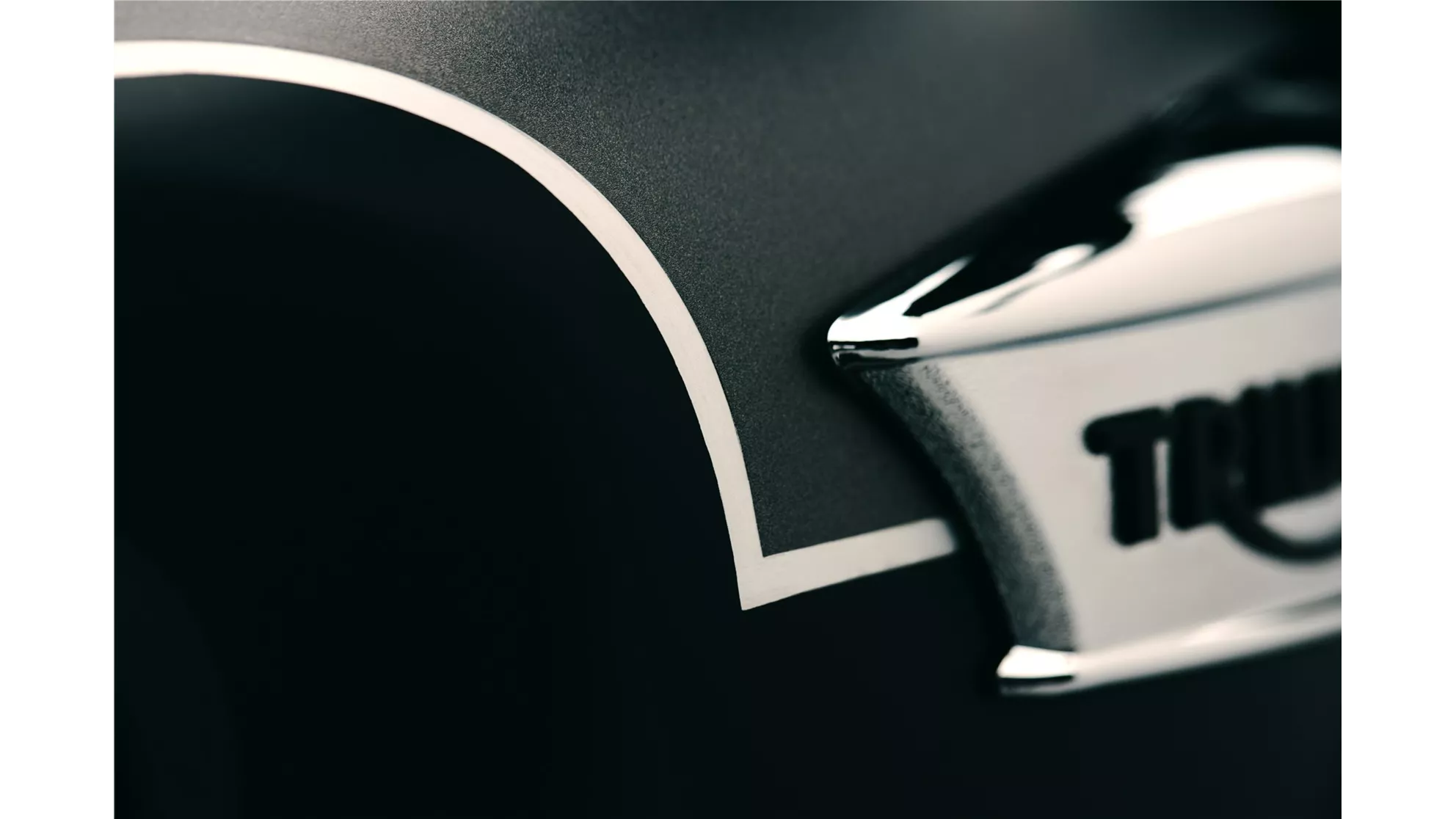
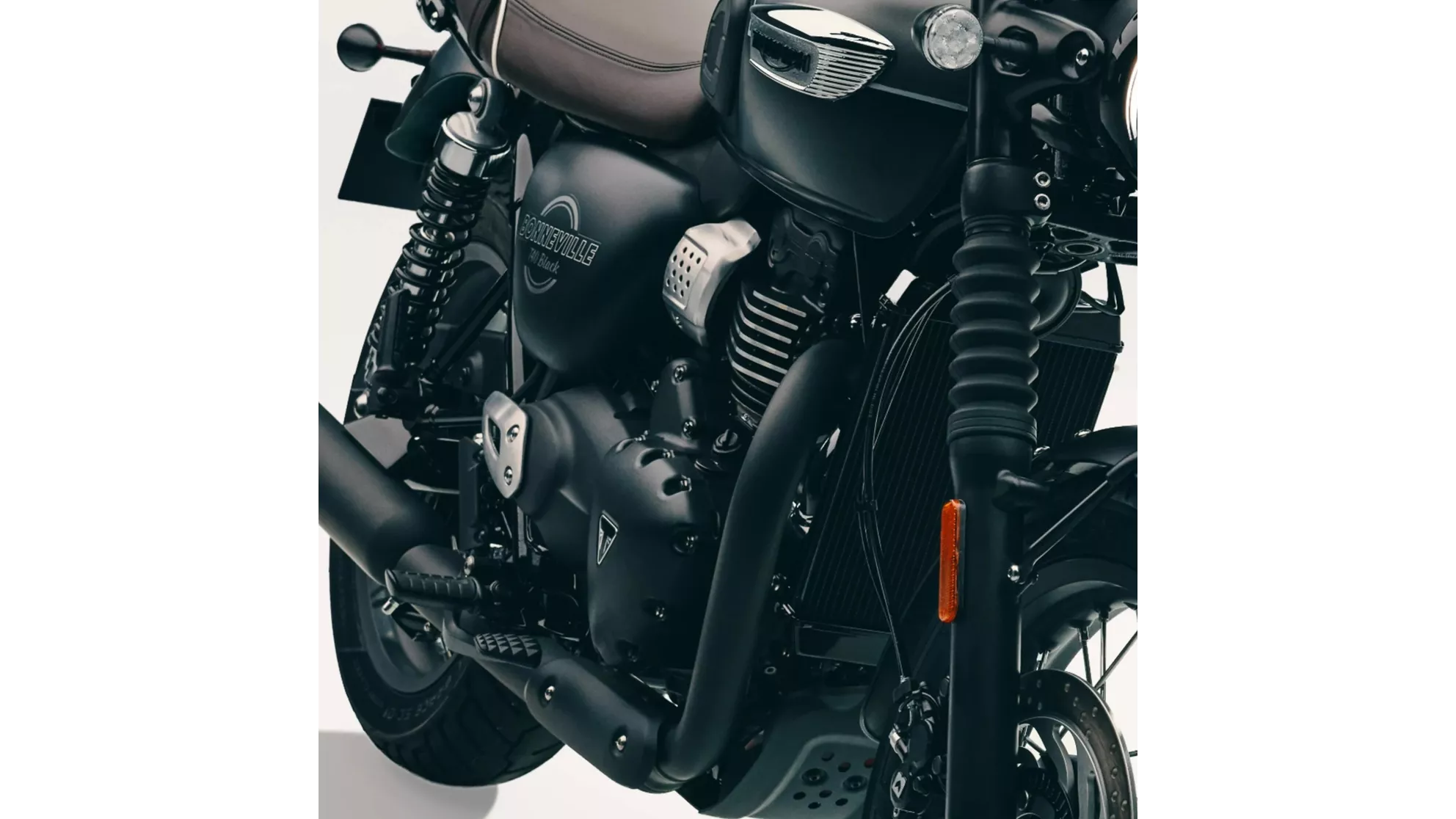
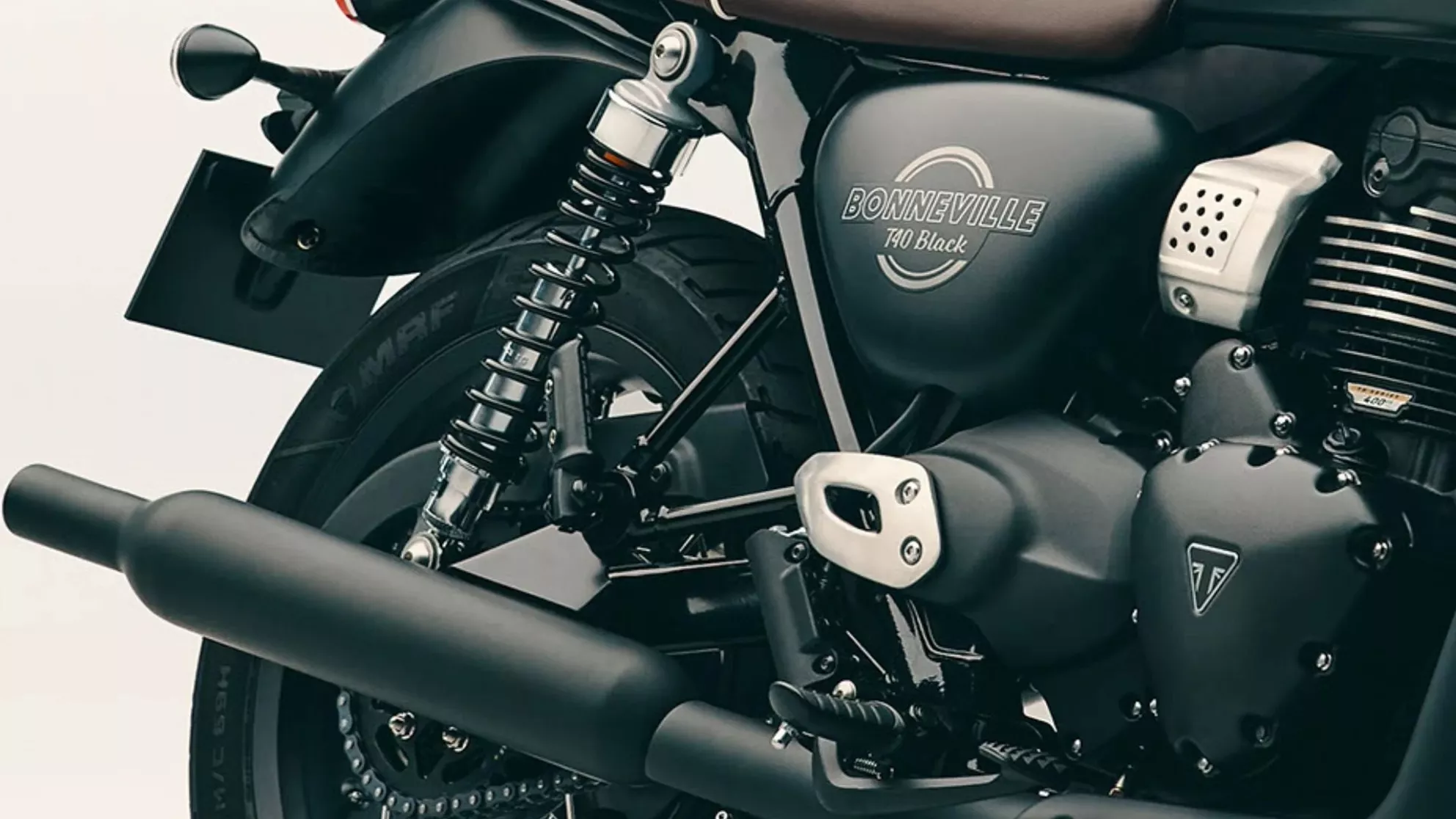
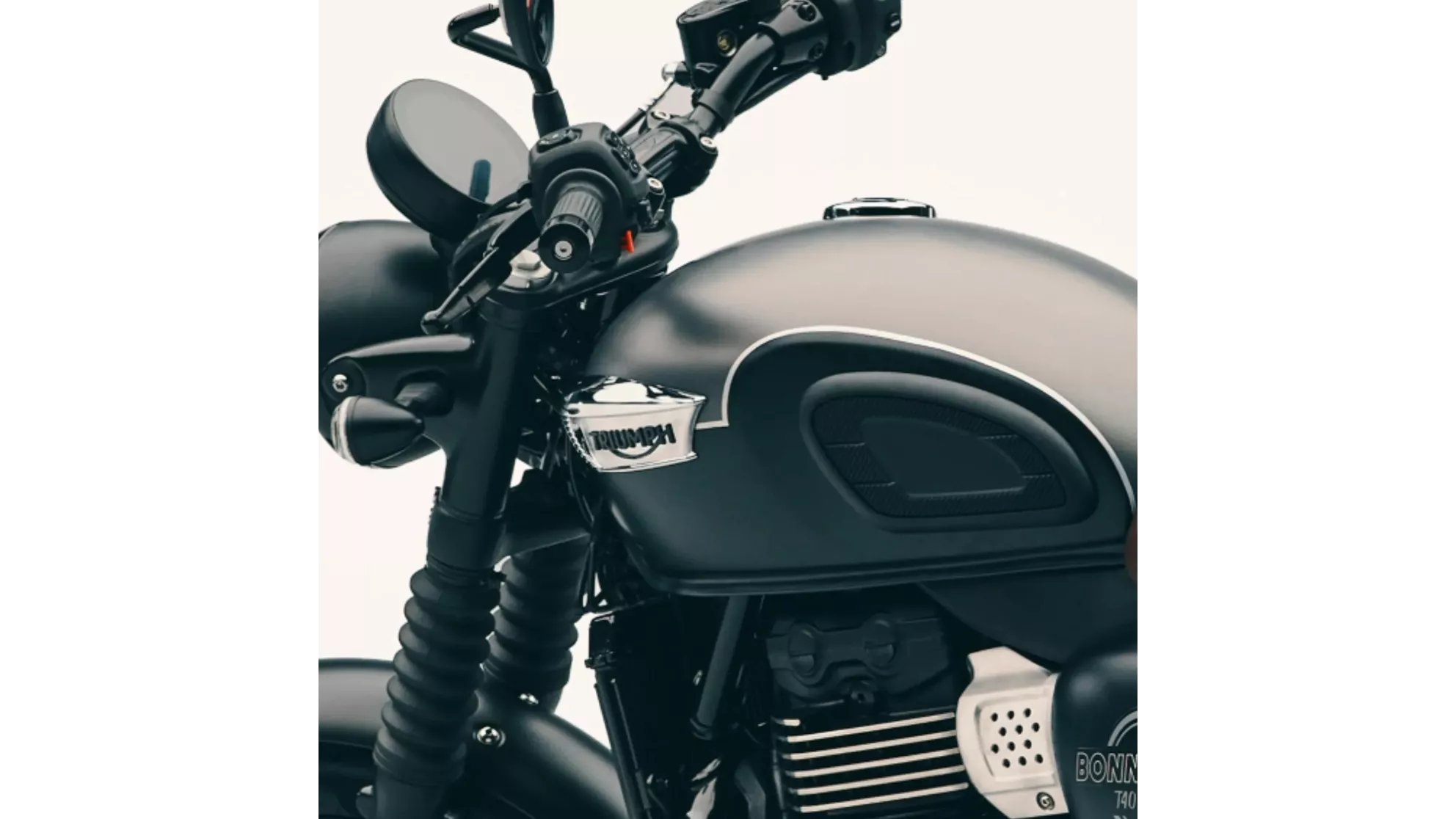
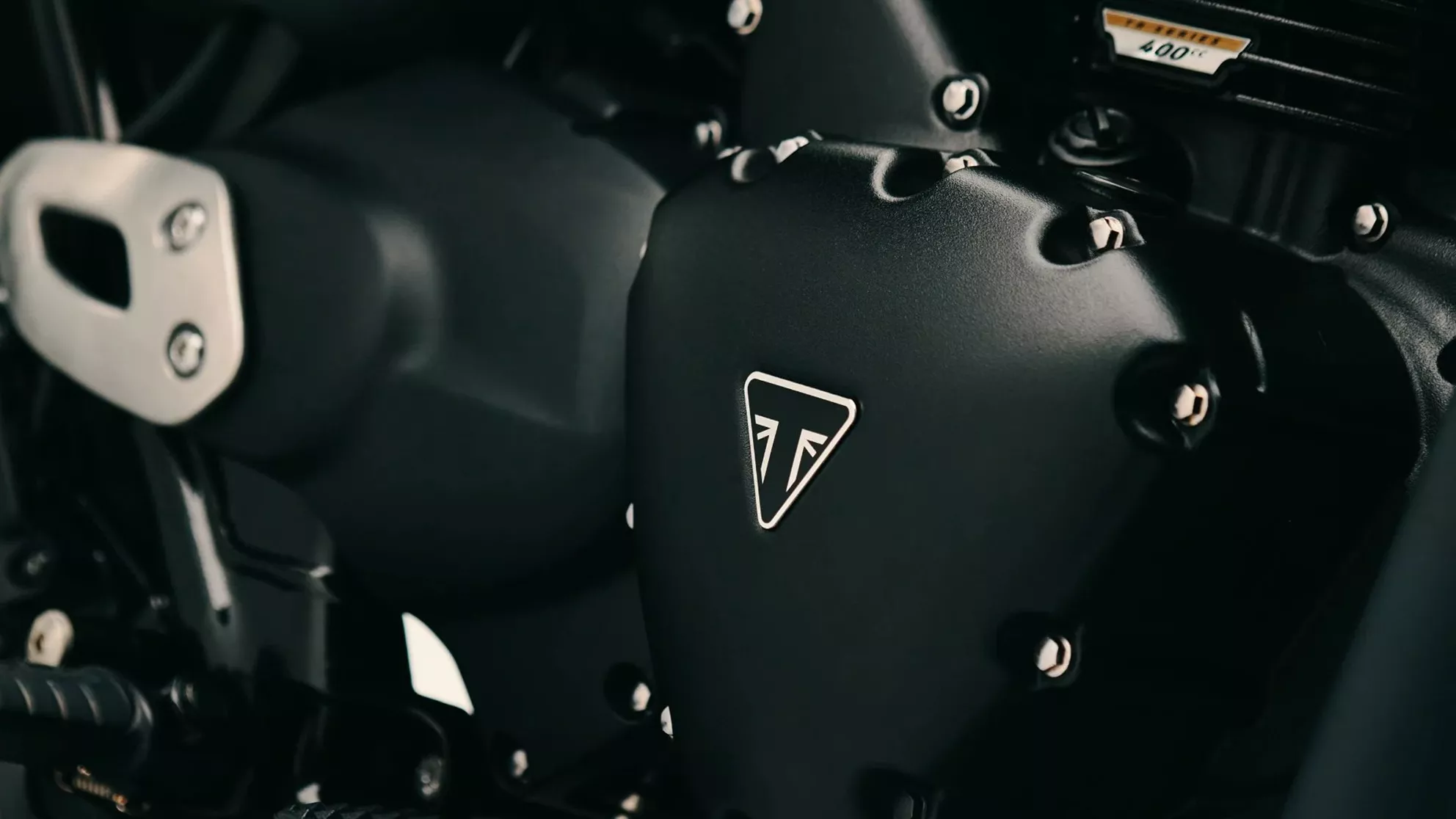
Triumph has gone to particular lengths with the details. The two-tone paint schemes get hand-painted coach lines, while the tank wears classic rubber knee pads and the three-bar Triumph badge. Even the single is visually woven into the retro concept. Machined cooling fins on the cylinder head and a large finned exhaust header clamp pick up on historic design elements. The clutch and alternator covers are made of brushed aluminium.
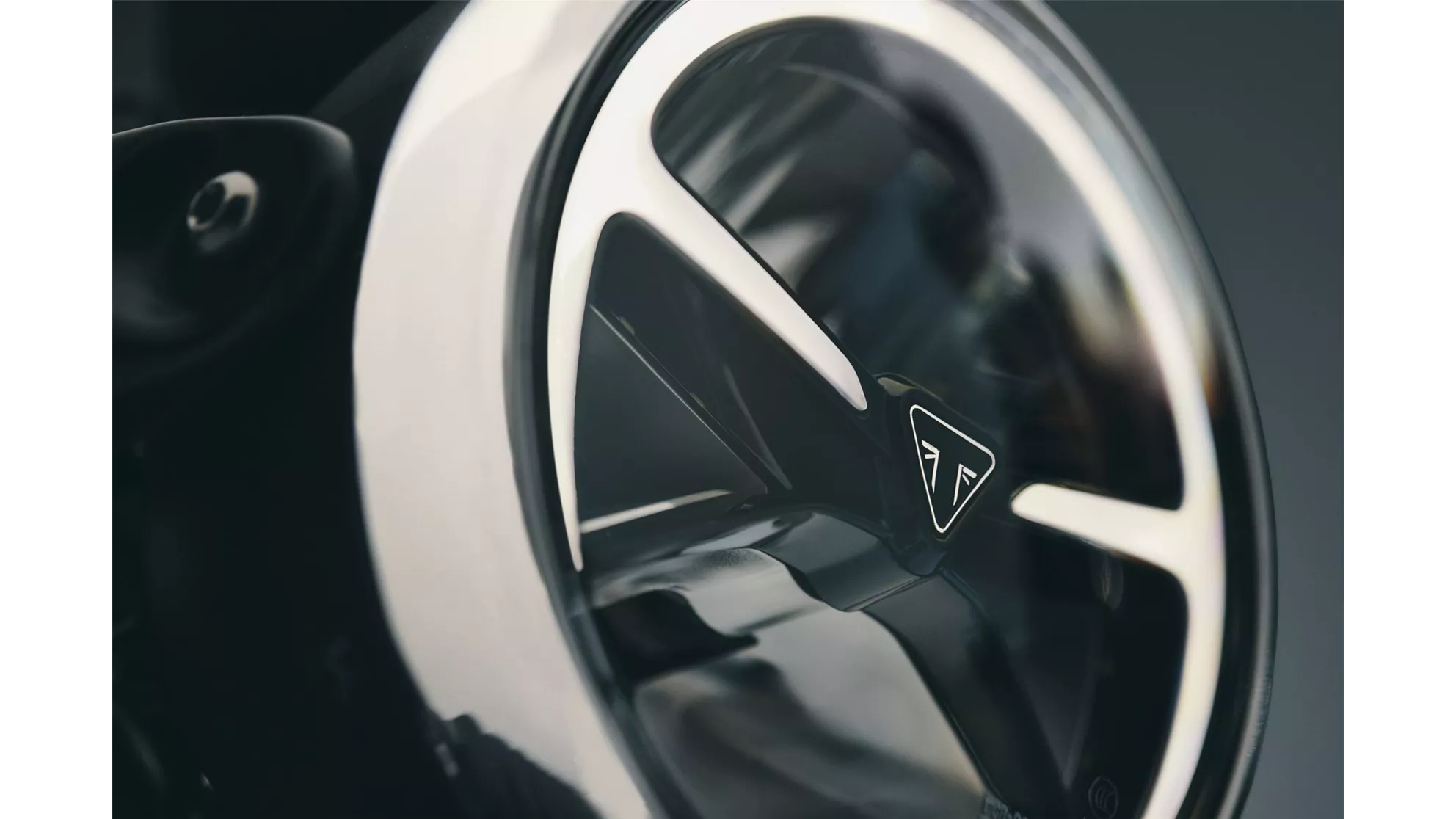
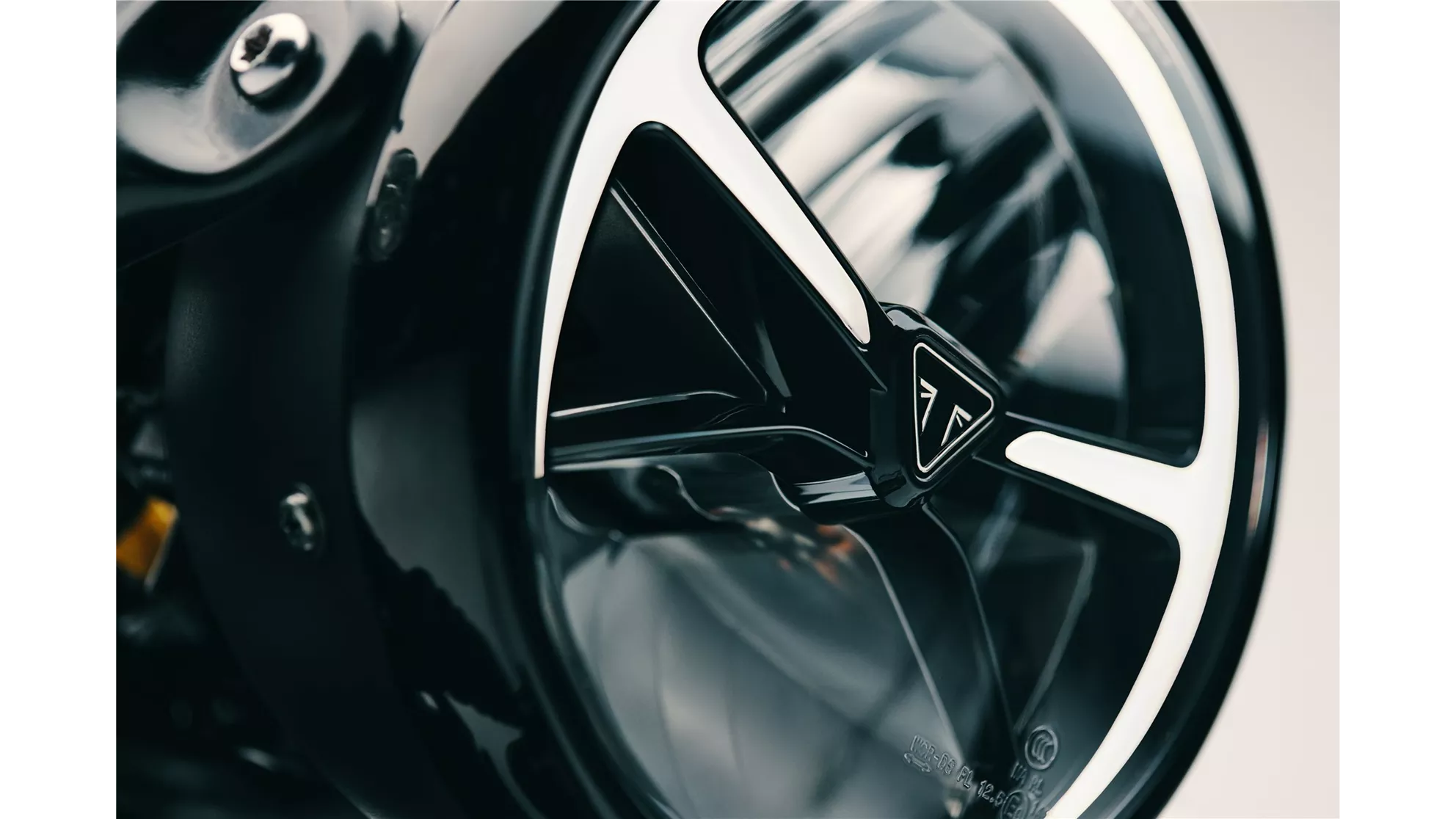
The tech is meant to interfere as little as possible with the classic lines. According to Triumph, cables and hoses have been routed out of sight accordingly. Brand logos can be found on the handlebar clamp, mudguard, engine covers and in the front and rear lights, among other places.
Triumph Bonneville T40 and T40 Black: What are the differences?
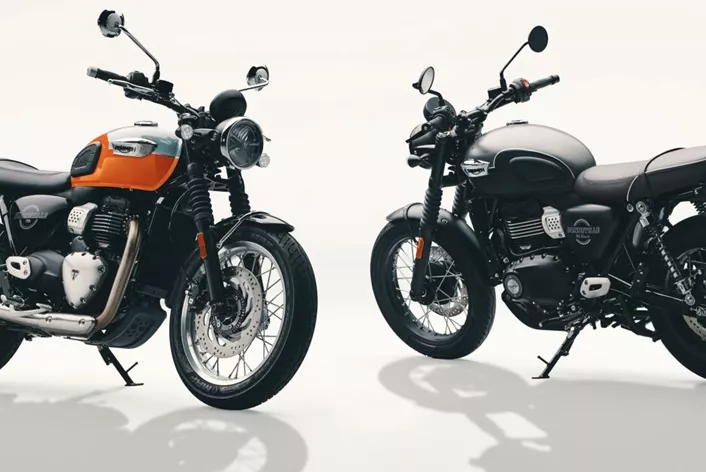
Technically, both models follow the same basic concept. The differences lie mainly in the finishes and colours. The standard Triumph Bonneville T40 combines chrome mirrors and grab rails with brushed aluminium heel guards and a brushed steel exhaust system. The T40 is available in three two-tone paint schemes: Aegean Blue/Fusion White, Meriden Blue/Tangerine Orange and New England White/Jet Black. All three variants get the aforementioned hand-painted coach lines.
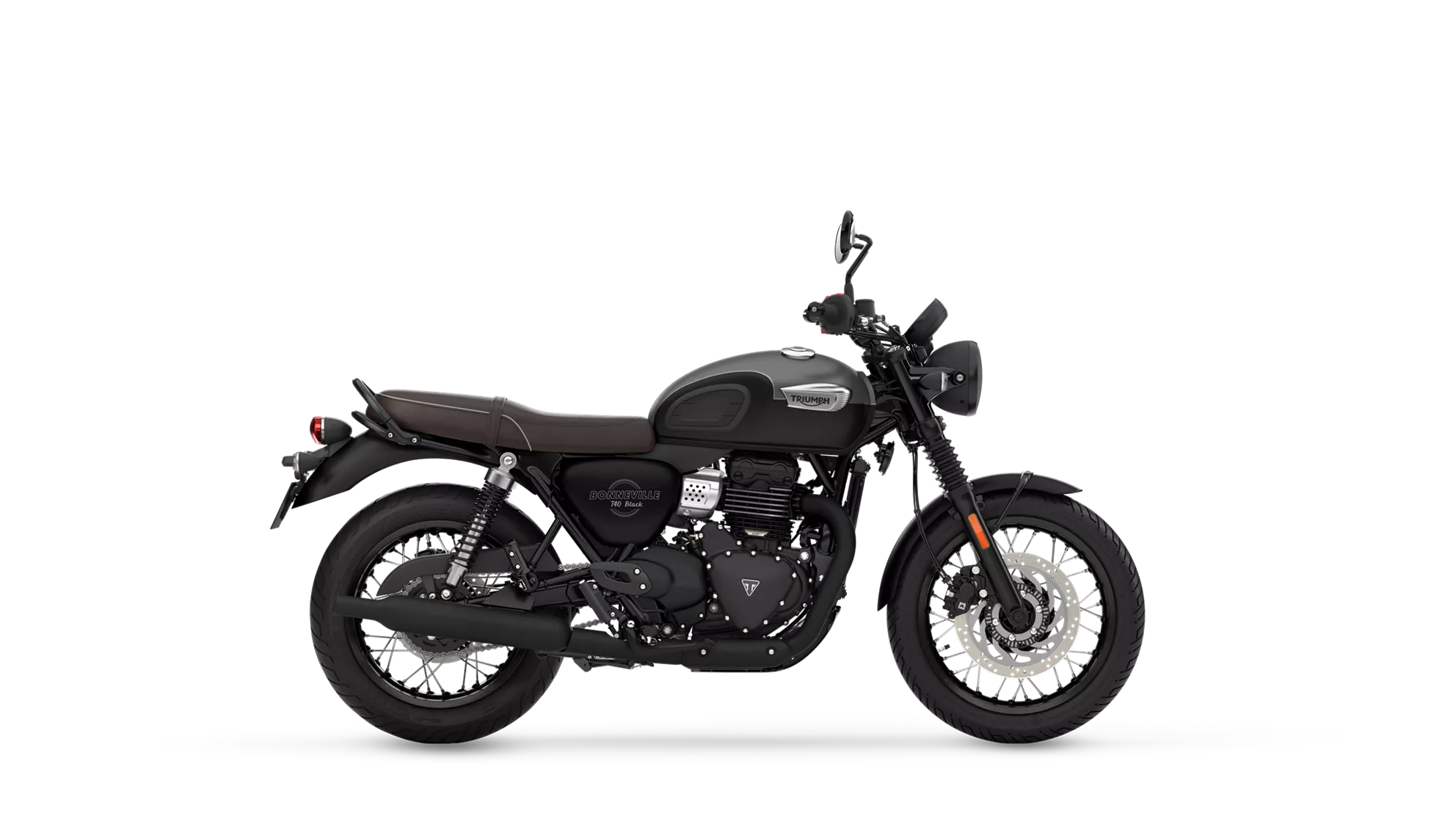
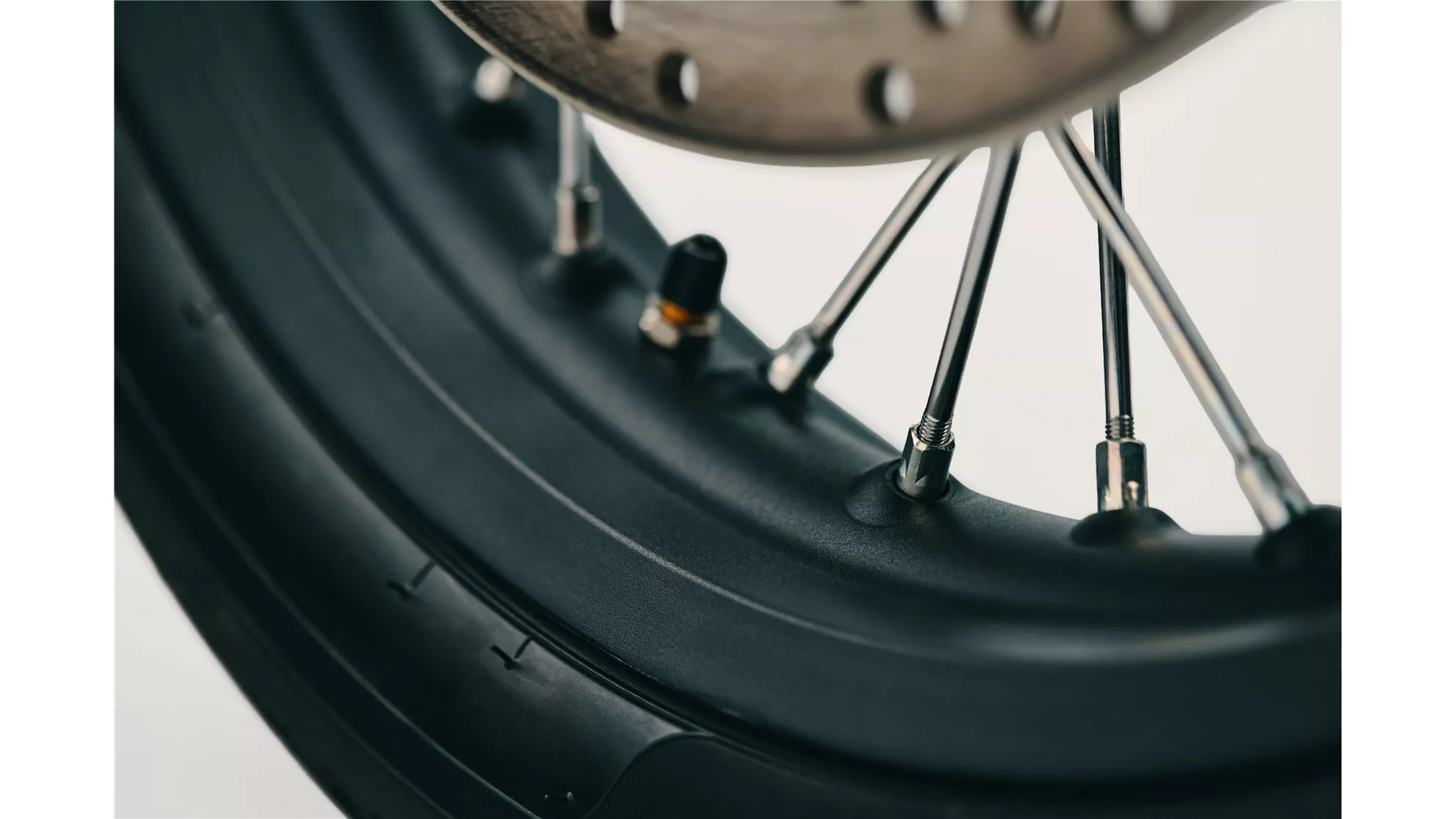
If you prefer things darker, there's the Triumph Bonneville T40 Black. It comes in Matt Pewter Grey and Matt Phantom Black. Add to that gloss black aluminium rims with bright steel spokes, powder-coated engine covers and a black exhaust header and peashooter silencer.
Bonneville T40 engine: 32 hp and 36 Nm from a single
At the heart of the new Bonneville sits the latest version of the liquid-cooled 400cc TR-series single. Triumph has revised the cylinder head and developed a dedicated engine setup for the T40. The numbers are quickly explained: 32 hp at 7,000 rpm and 36 Nm at 5,000 rpm. Triumph is clearly putting the focus on low and mid-range revs rather than maximum peak power. Both the Bonneville T40 and T40 Black are therefore A2-compliant as standard.

Less power than its sister models, but more character, according to Triumph.
The single is also supposed to sound different from its siblings. A dedicated setup, a lower idle speed and the peashooter silencer are meant to deliver distinct firing pulses and a sound befitting a Bonneville. How convincing it really sounds, of course, we'll only be able to judge once we've met it in person.
Electronics: Five riding modes and cornering ABS
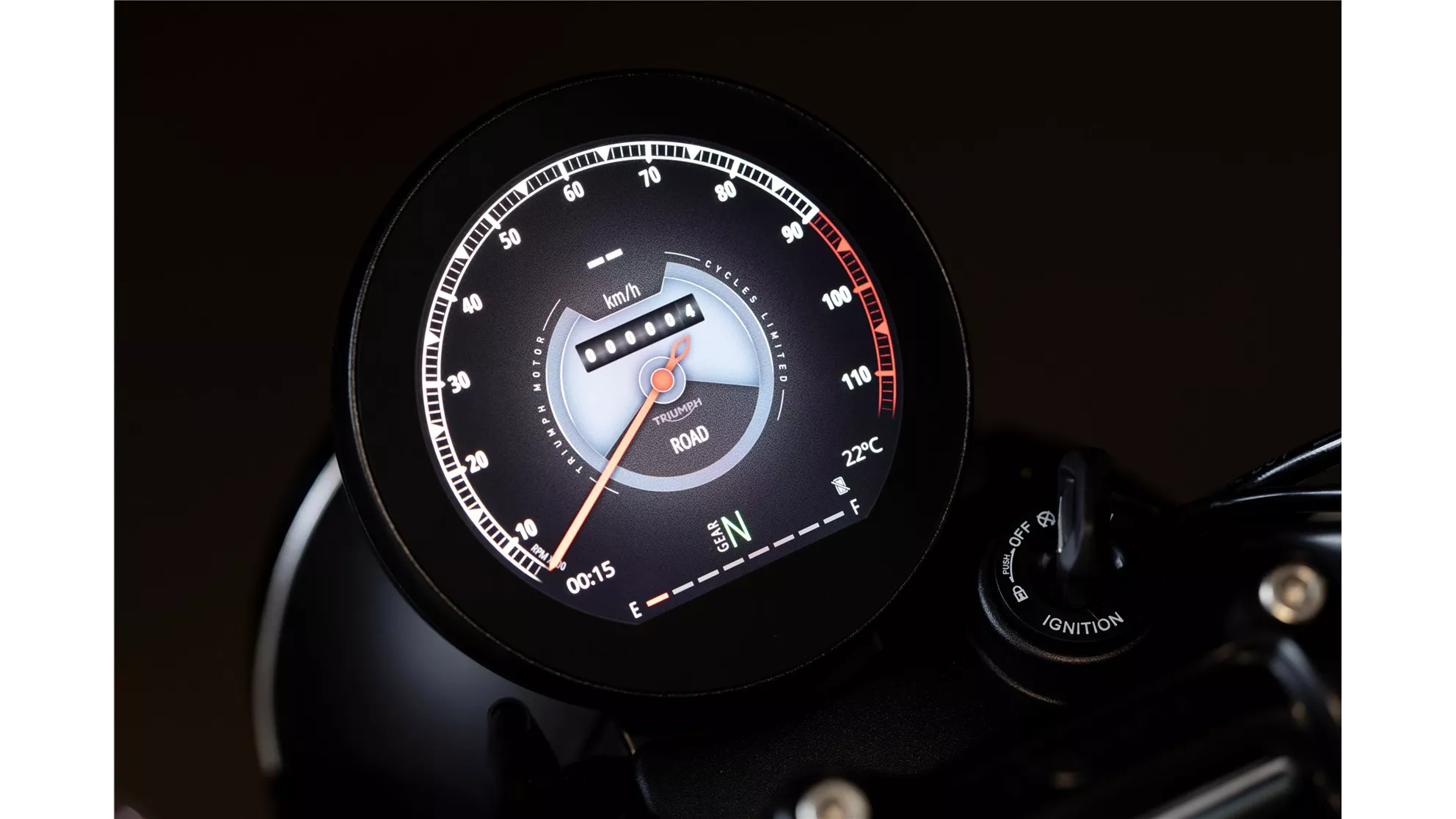
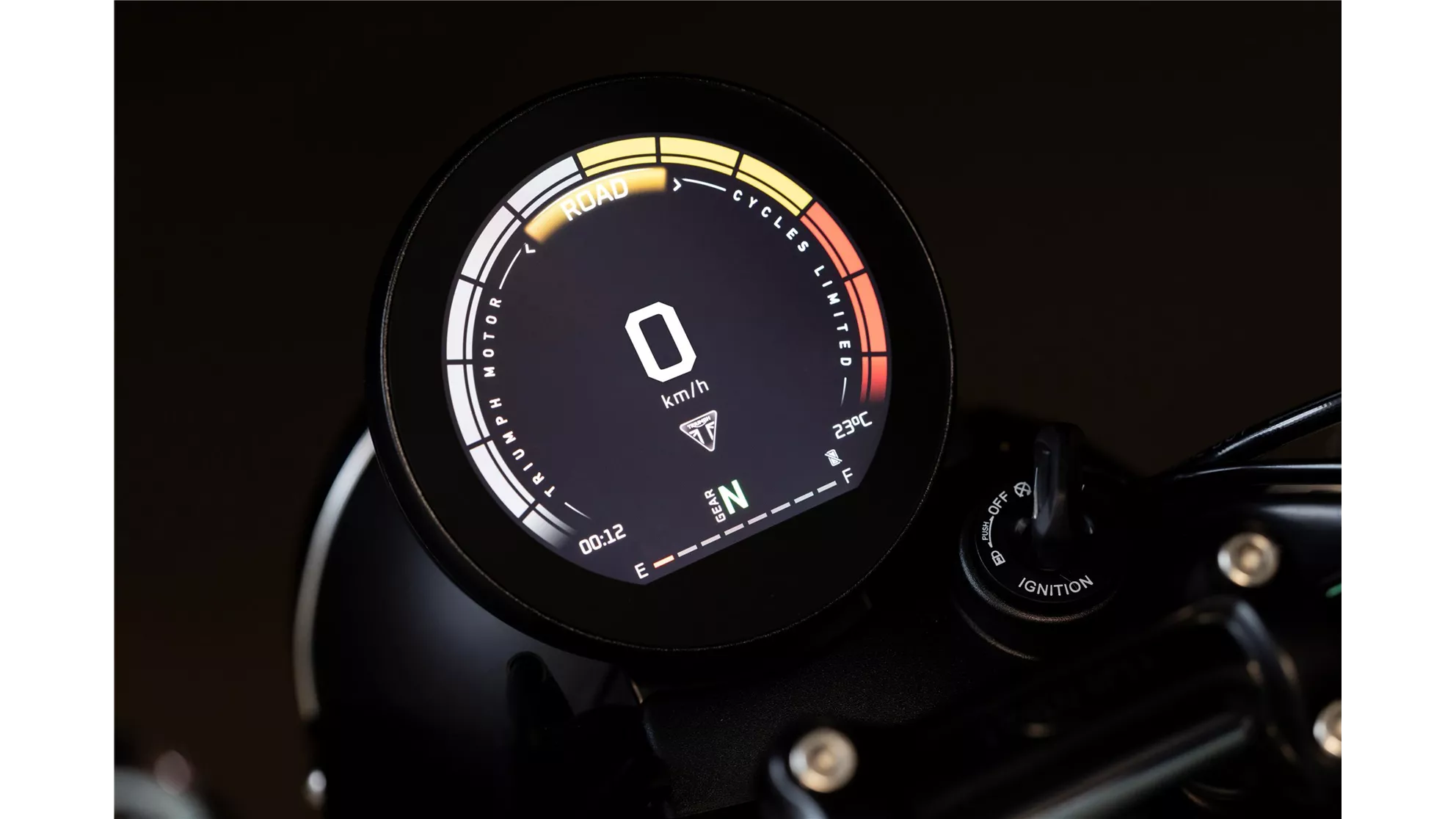
By the time you get to the electronics, the trip back to the 1960s comes to a fairly abrupt end. Triumph treats the little Bonnie to a package that is remarkably comprehensive for a bike in this performance class. Three preset riding modes come as standard: Road, Rain and Eco. On top of that, there are two individually customisable modes. Depending on the selected setting, throttle response, traction control and ABS are adjusted. Preferred modes can be stored in a quick-access menu.
Add to that cruise control as well as lean-sensitive ABS and lean-sensitive traction control.
Triumph Bonneville T40: Round TFT gauges with smartphone connectivity

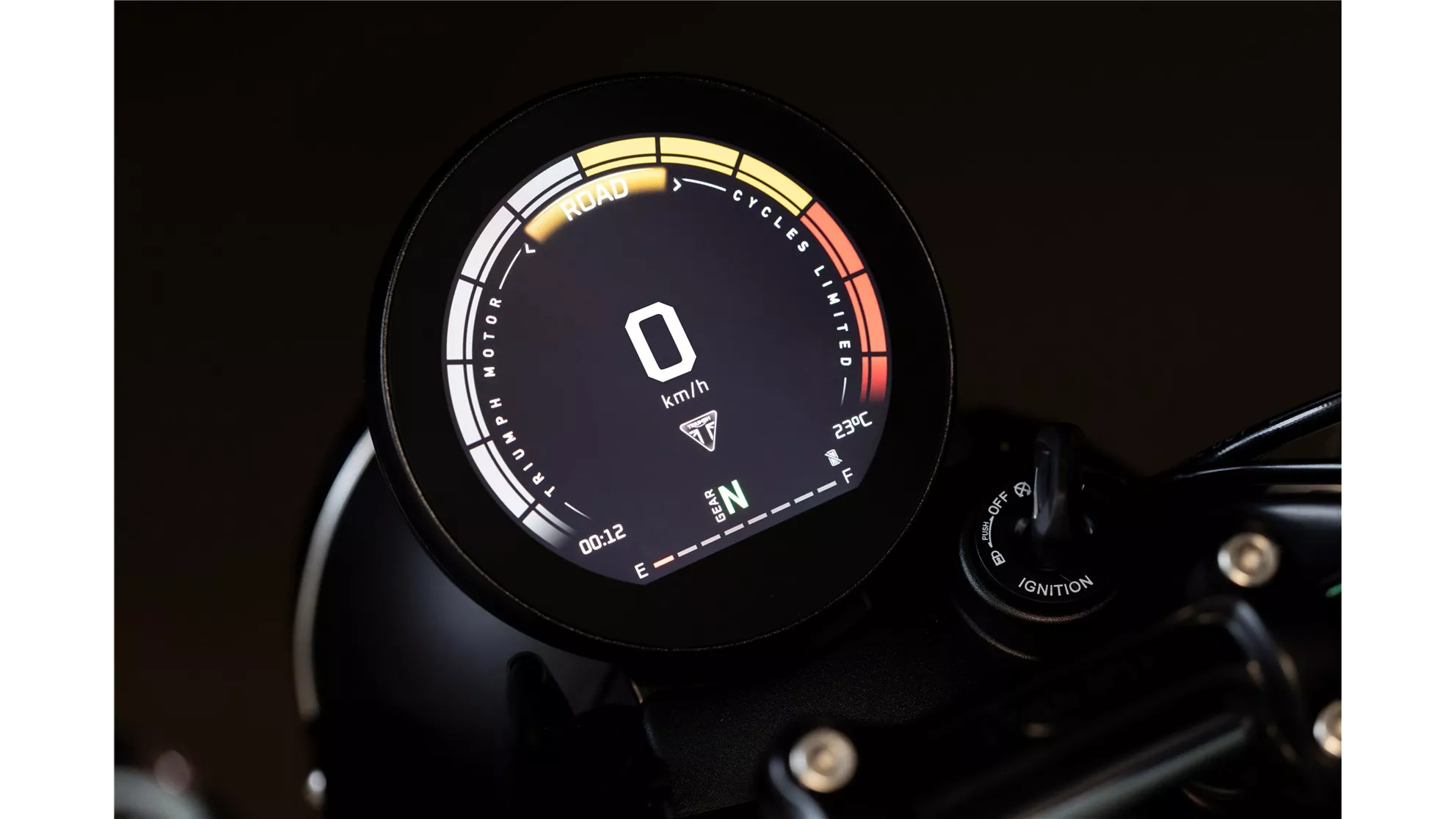
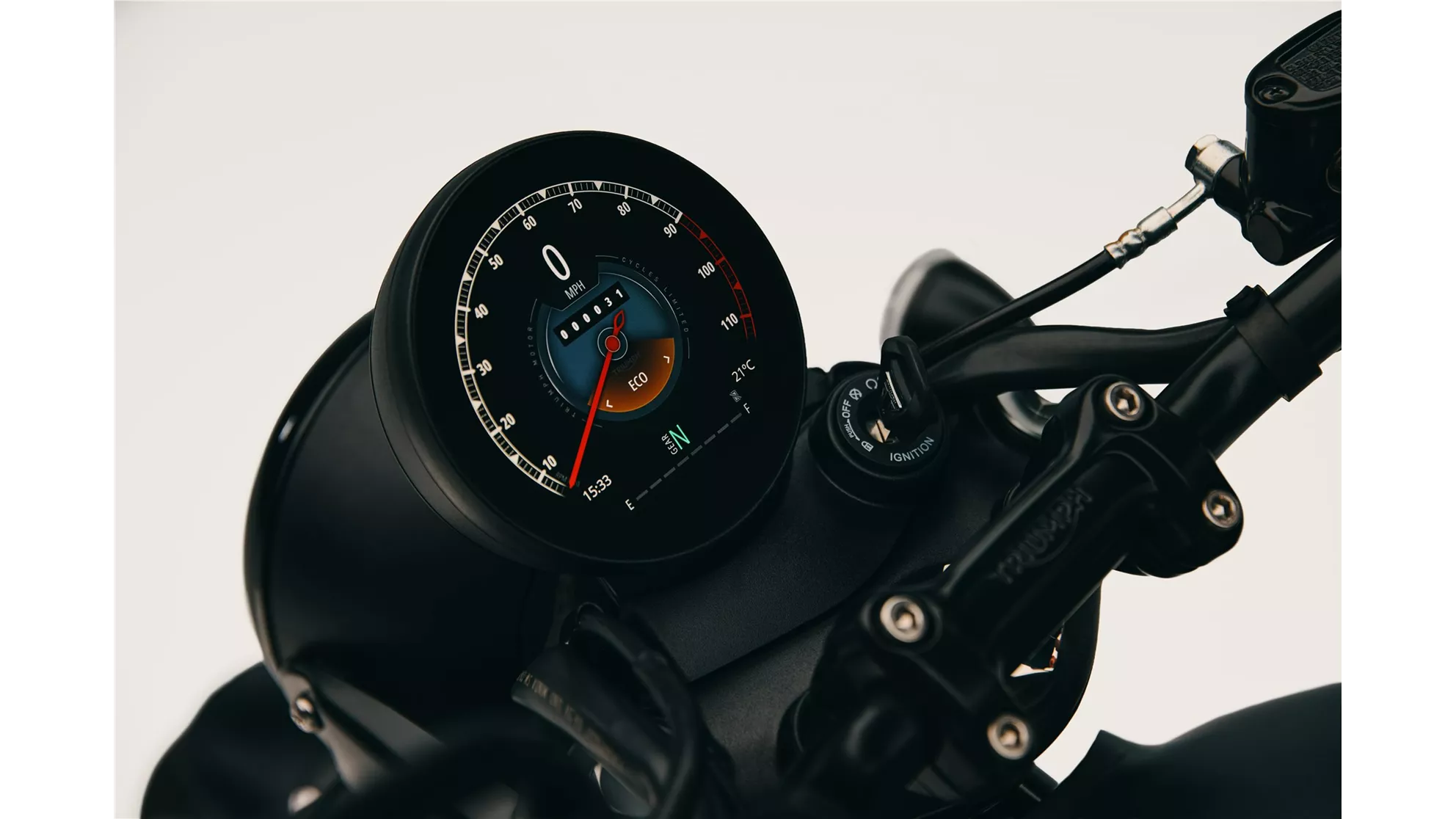
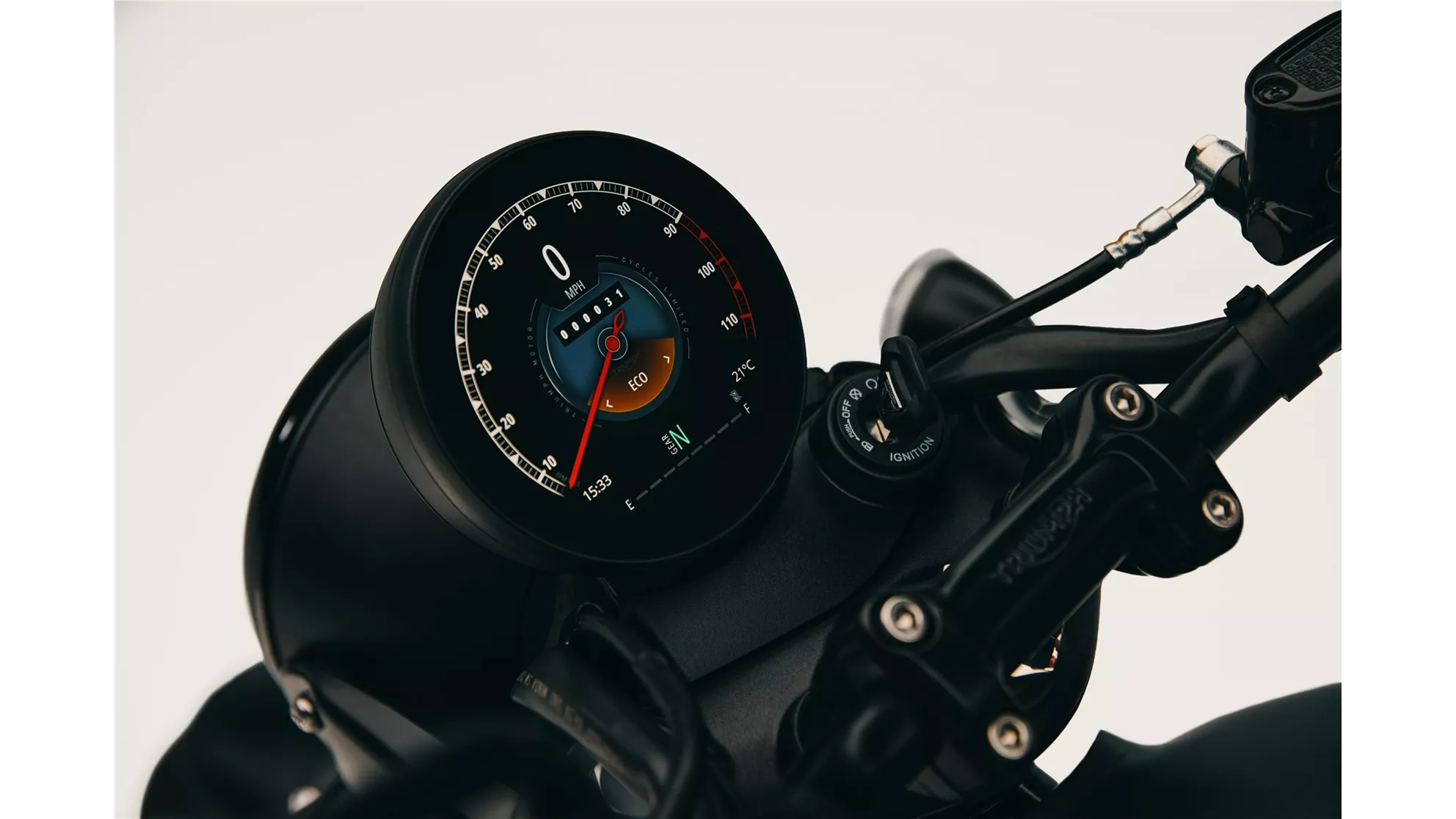
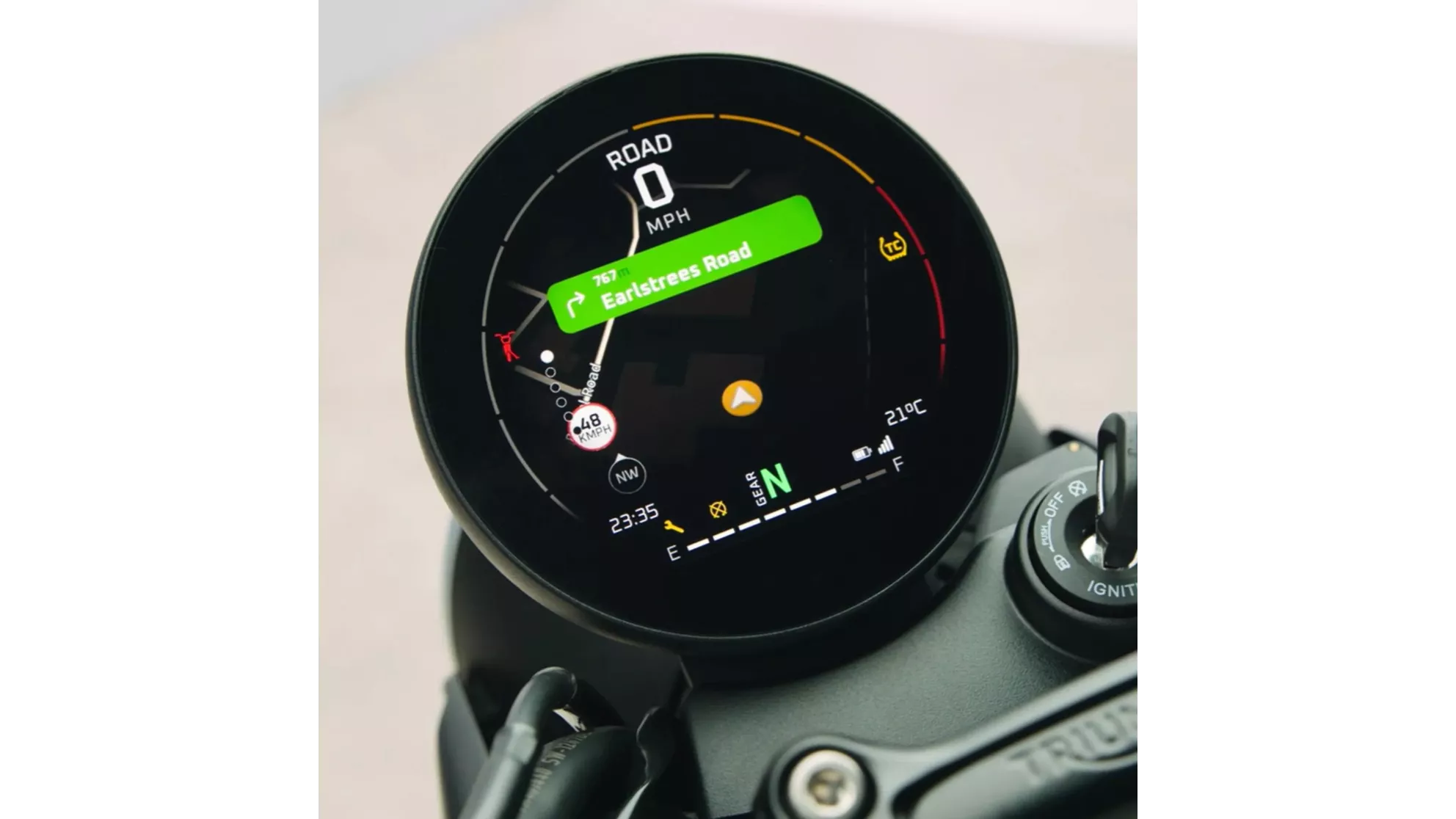
In the cockpit, too, Triumph attempts to bridge the gap between classic and modern. A round 4-inch colour TFT display sits where you'd expect traditional round gauges on a classic Bonneville. If you want the retro look on screen as well, you can activate the so-called Heritage mode. This replaces the standard layout with an analogue-style display. Five customisable widgets let you configure frequently used functions. Operation is via backlit switchgear on the left handlebar.
- How much does a Triumph Bonneville T40 cost?
- Here you will find an overview of the price level of new and used motorbikes!
Smartphone connectivity is standard. This allows riders to take calls, access contacts and control music. There's also a USB-C charging socket built right into the TFT instrument.
Navigation as standard on the Triumph Bonneville T40
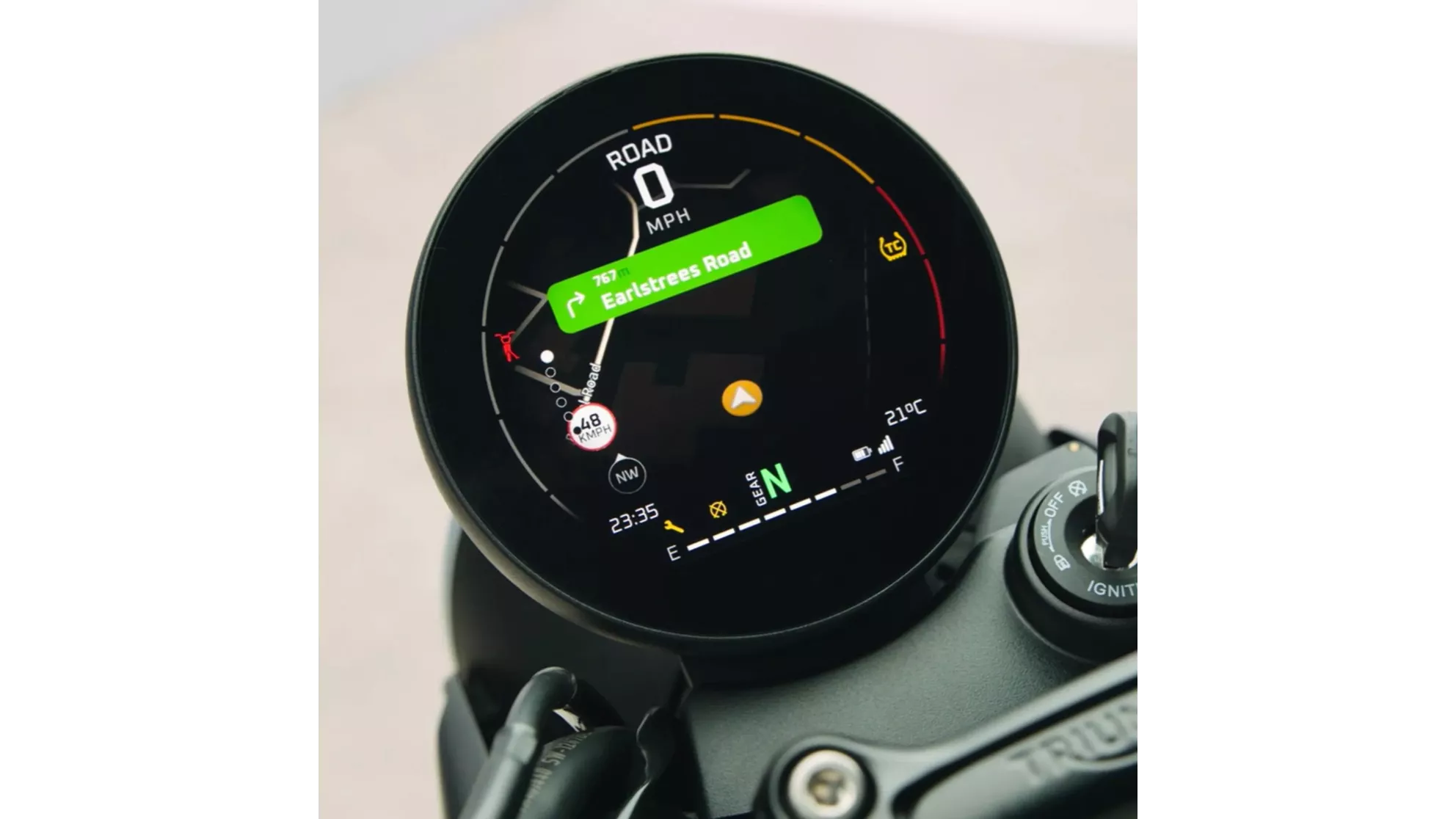
Things get even more interesting when it comes to navigation. The new Triumph Navigation app delivers a full map display on the TFT. Alongside the map, speed limits are also shown. Favourites, points of interest and recent searches can be called up via the display. Routes can be planned before setting off, given waypoints and saved. GPX files can also be imported and routes shared with other riders.
Modern LED lighting for the classic

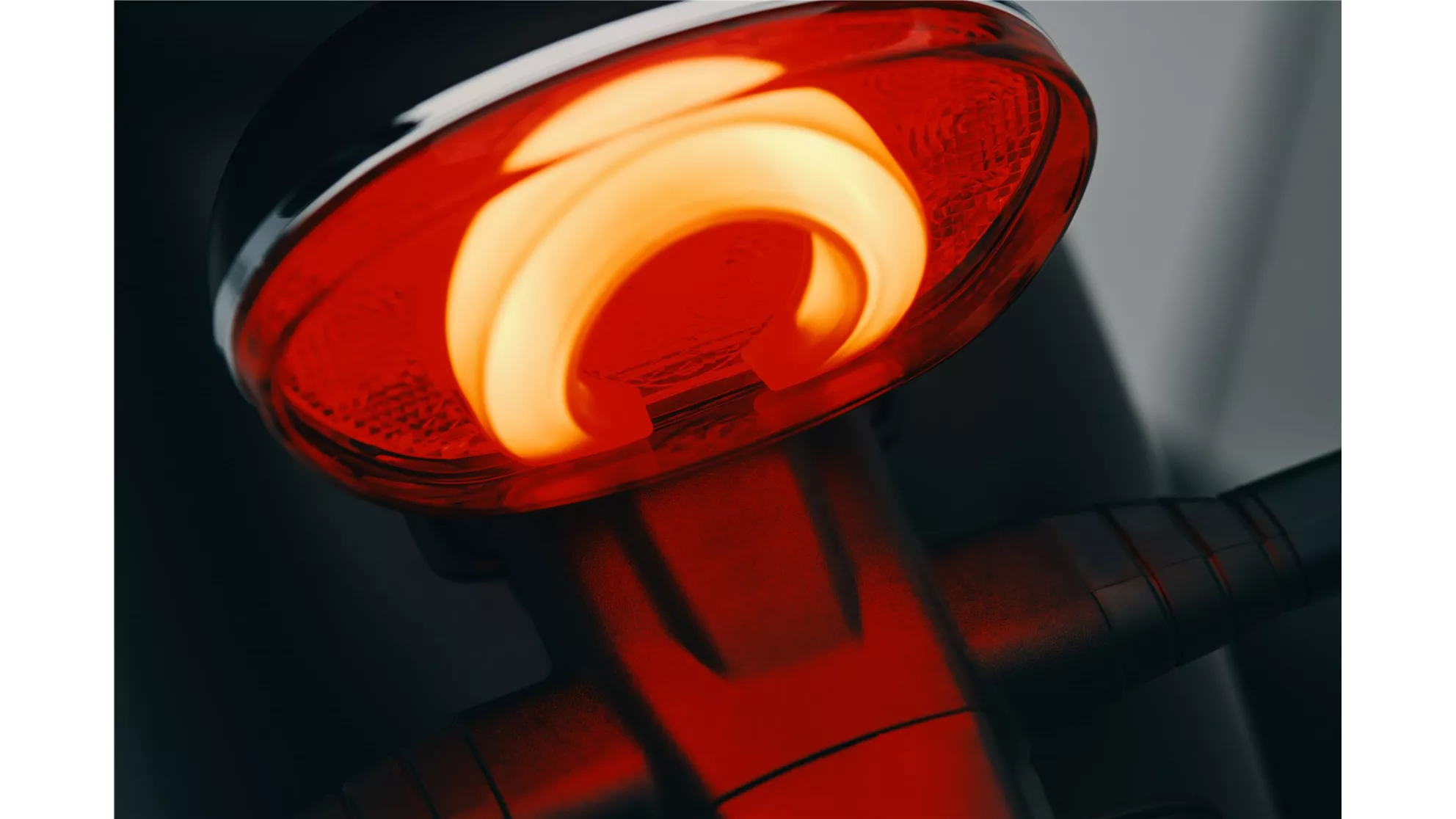
The lighting is full LED. The round headlight features a daytime running light and switches automatically between DRL and low beam. Self-cancelling indicators are also on board. Under hard braking, the emergency brake warning automatically activates a flashing tail light to warn following road users.
Triumph Bonneville T40 chassis and brakes
The chassis also keeps the visual link to the Bonneville family. Up front there's a classically styled fork, while twin shocks do the work at the rear. The wheels are interesting: 18 inches at the front and 17 inches at the rear, each with lightweight aluminium rims and traditional steel spokes. Triumph is deliberately combining modern materials with classic construction.
Up front, a single brake disc with a two-piston caliper handles the stopping. Triumph fits braided steel lines and pairs the system with the aforementioned cornering ABS.
Seat height and weight
On paper, the T40 comes across as comparatively accessible. The standard seat height is 790 mm, and Triumph quotes the wet weight at 191 kilograms. A lower seat in black or brown is available as an option. It reduces the seat height by a further 20 millimetres to 770 mm. The ergonomics follow the classic Bonneville recipe with an upright riding position. The handlebars and footpegs have been positioned accordingly, while the one-piece bench seat offers room for rider and pillion. Its ribbed design fits in with the retro look.

Handy: a centre stand comes as standard. Especially for chain maintenance and cleaning, it's a small everyday detail that you quickly learn to appreciate.
Triumph Bonneville T40 service intervals and price
A range of genuine Triumph accessories is set to be available at launch. These include lower and comfort-oriented seat options as well as classic panniers, among other things. The service intervals are also generous at 16,000 kilometres or once a year.
As for the price, we'll have to be patient. Triumph plans to announce pricing for the Bonneville T40 and T40 Black in early 2027. The first bikes are then due to arrive at Triumph dealers from spring 2027.
More retro news for 2027

- How much does a Triumph Bonneville T40 Black cost?
- Here you will find an overview of the price level of new and used motorbikes!
Triumph Bonneville T40: The Bonnie arrives with 400cc Images
Source: 1000PS