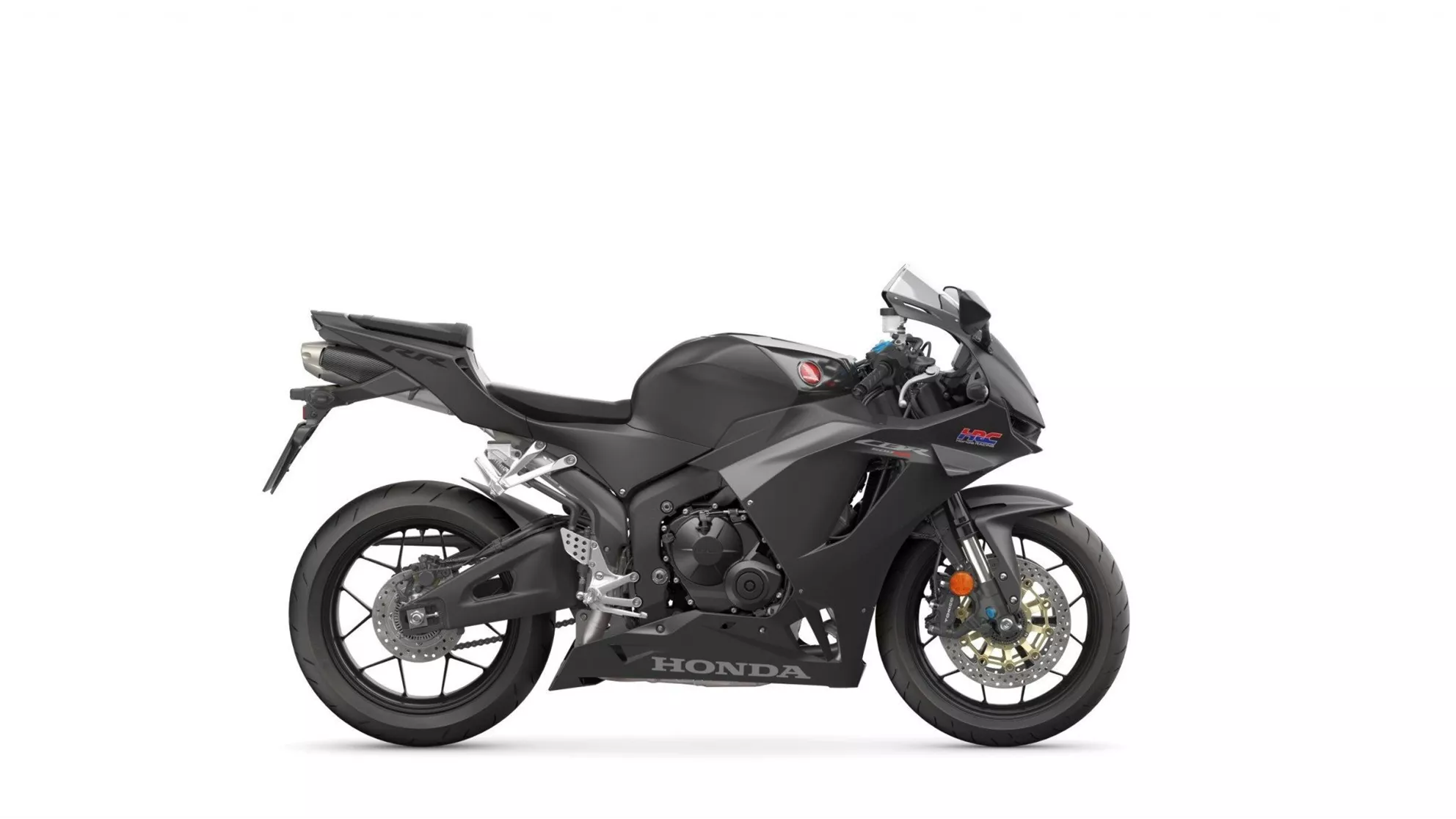
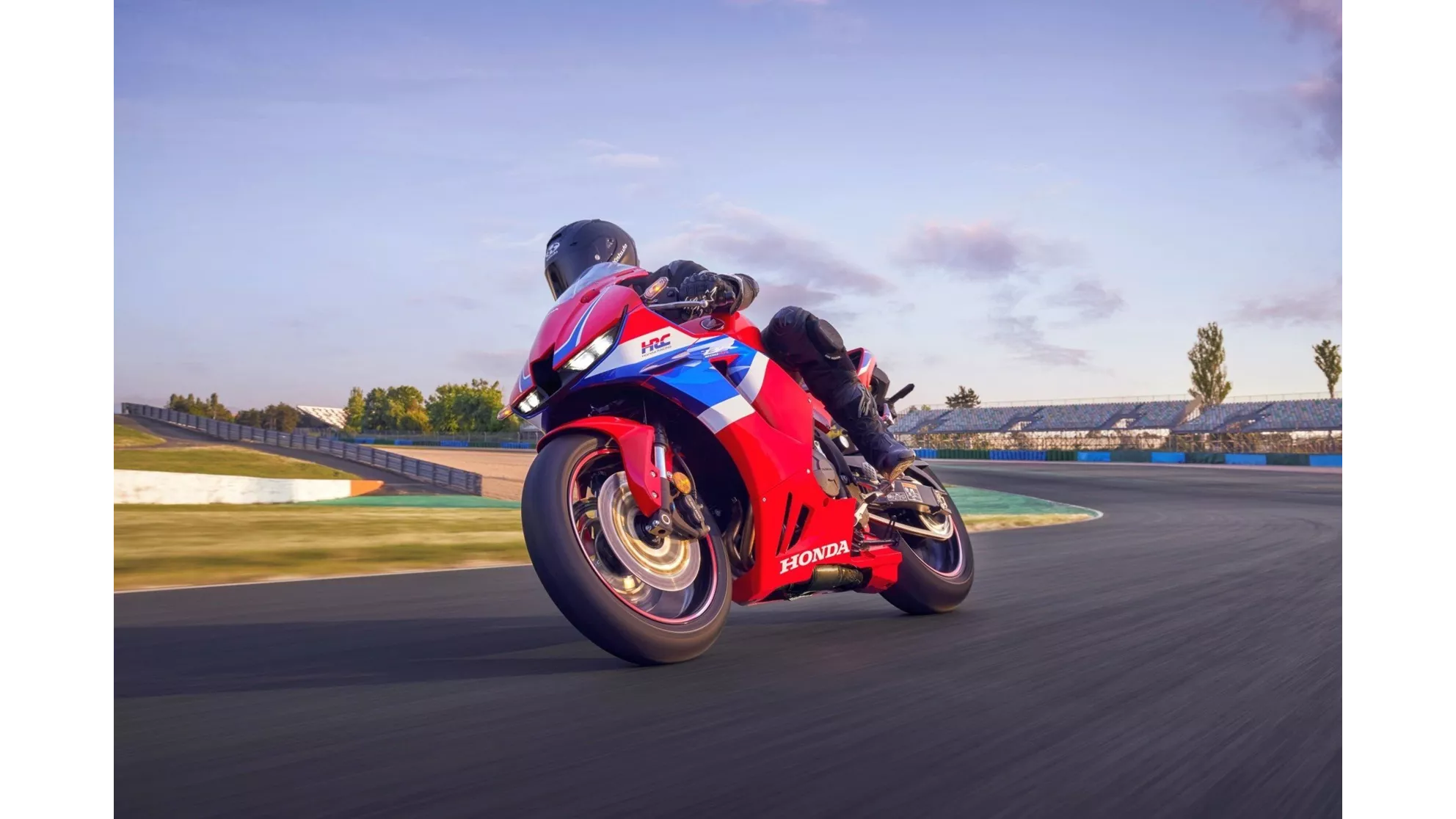
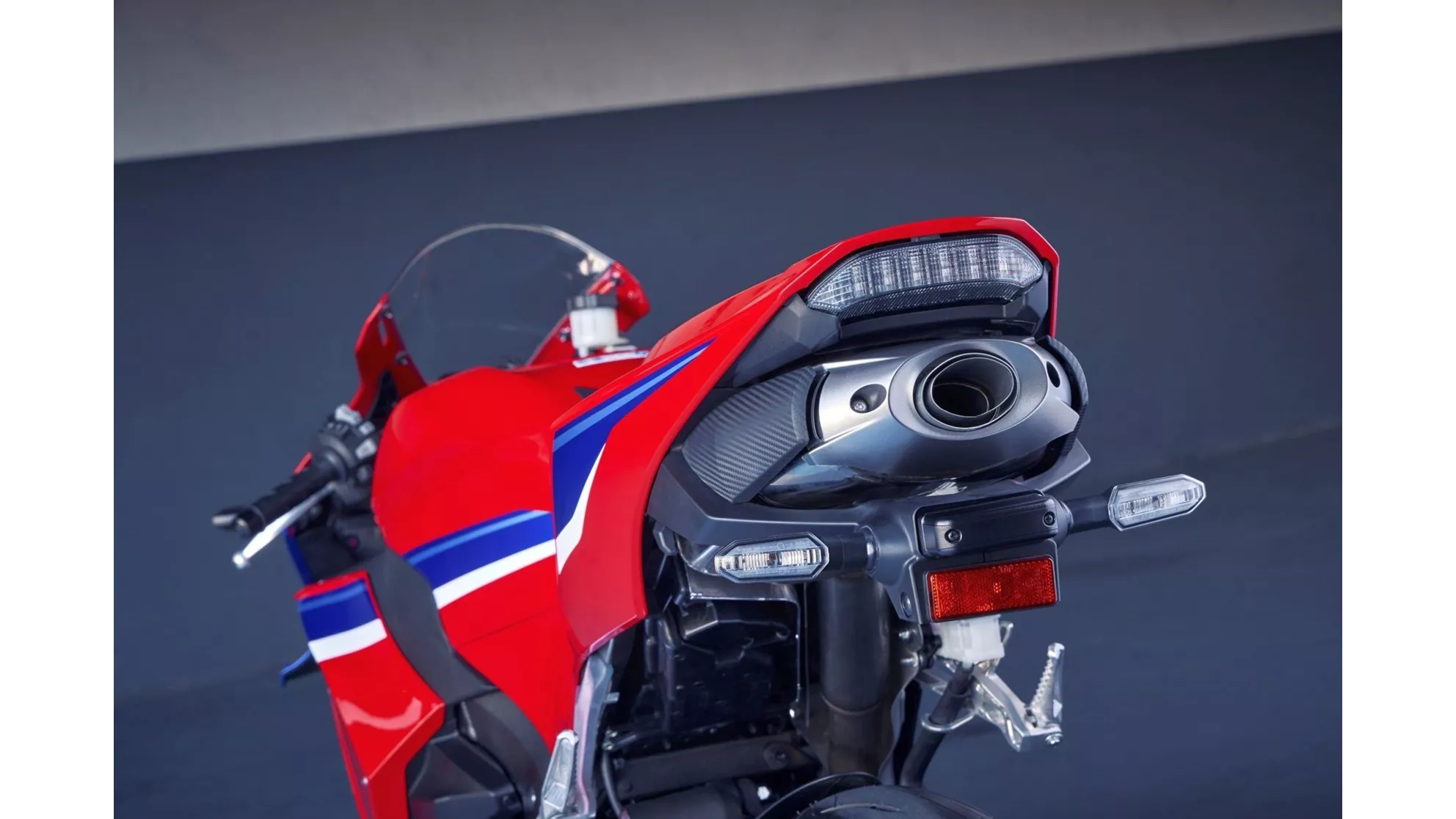
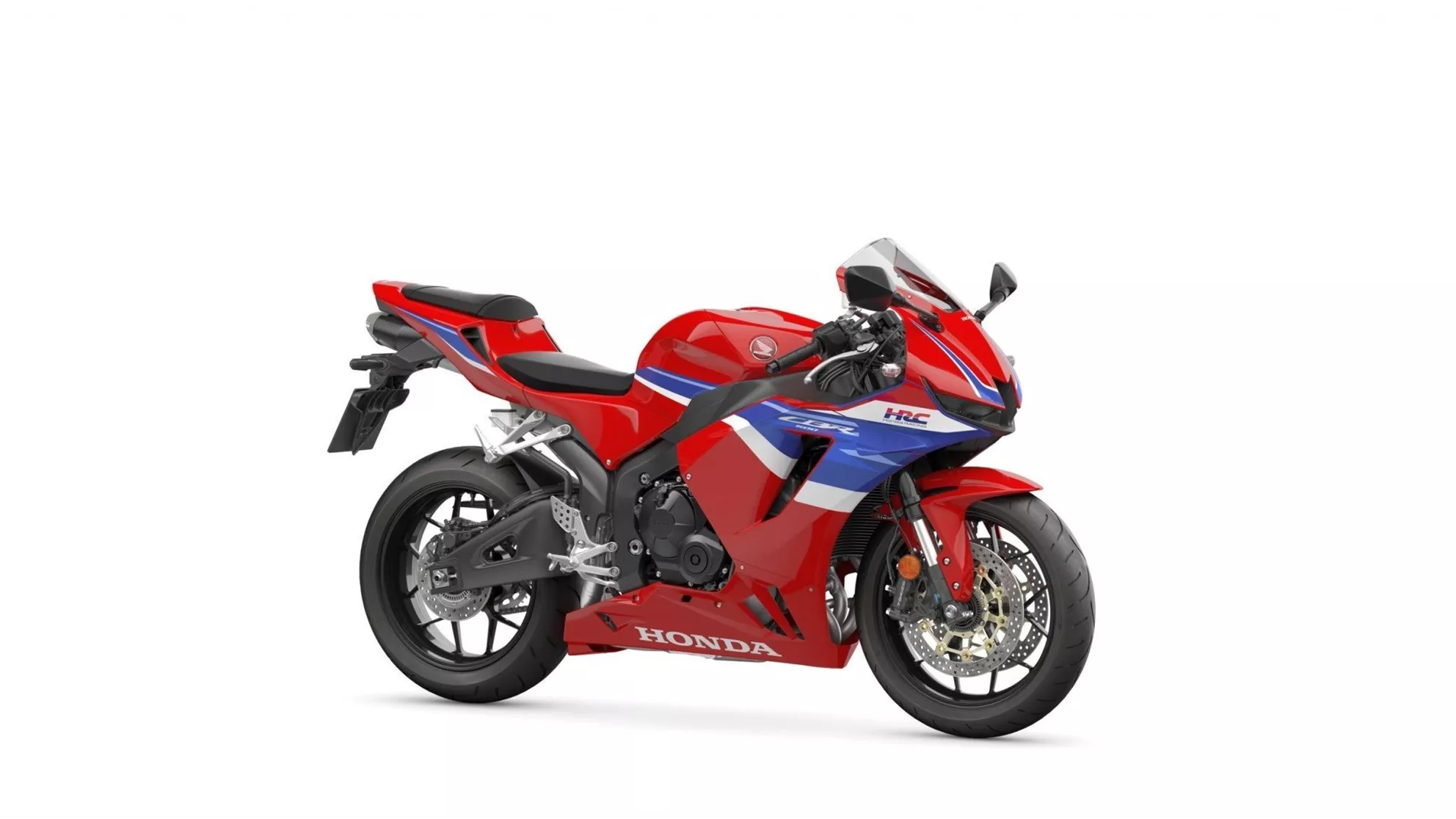
Picture this: it's the year 2026. While displays keep getting bigger, engines keep getting more elastic, and electronics packages keep getting more extensive, suddenly a Honda CBR600RR stands before us again. A high-revving inline four with 599cc, a comparatively small display, and a basic concept whose roots reach back considerably further than those of its two rivals. Does that automatically make the classic yesterday's news? The good news: not at all. The bad news: the competition makes it damn hard for it.

Yamaha R9 vs Honda CBR600RR vs KTM 990 RC R Tested
Three Supersport Bikes, Three Characters – Which One Wins?
Honda CBR600RR, Yamaha R9, and KTM 990 RC R go head-to-head at the Pannonia Ring. Classic four-cylinder, modern triple, or torquey twin: which concept offers the most riding pleasure, the best accessibility, and the highest performance?
&width=72&height=72&bgcolor=rgba_39_42_44_0&mode=crop "Author: Der Horvath")
Der Horvath
published on 8/4/2026
11,497 Views
Uniform Tires: ContiSportAttack 5
For our comparison at the Pannonia Ring, the trio was fitted with matching rubber. The Continental ContiSportAttack 5 is designed as a road tire with a strong track focus and can be used sensibly cold, without tire warmers, right from the start. At temperatures around 30 degrees Celsius, it worked well even under heavy load, according to Martin Bauer. That set the parameters clearly: same track, same tires, and three bikes that compete in the same power class with roughly 120 hp, yet interpret that task in completely different ways.
Three Engines, Three Ideas of a Supersport Bike
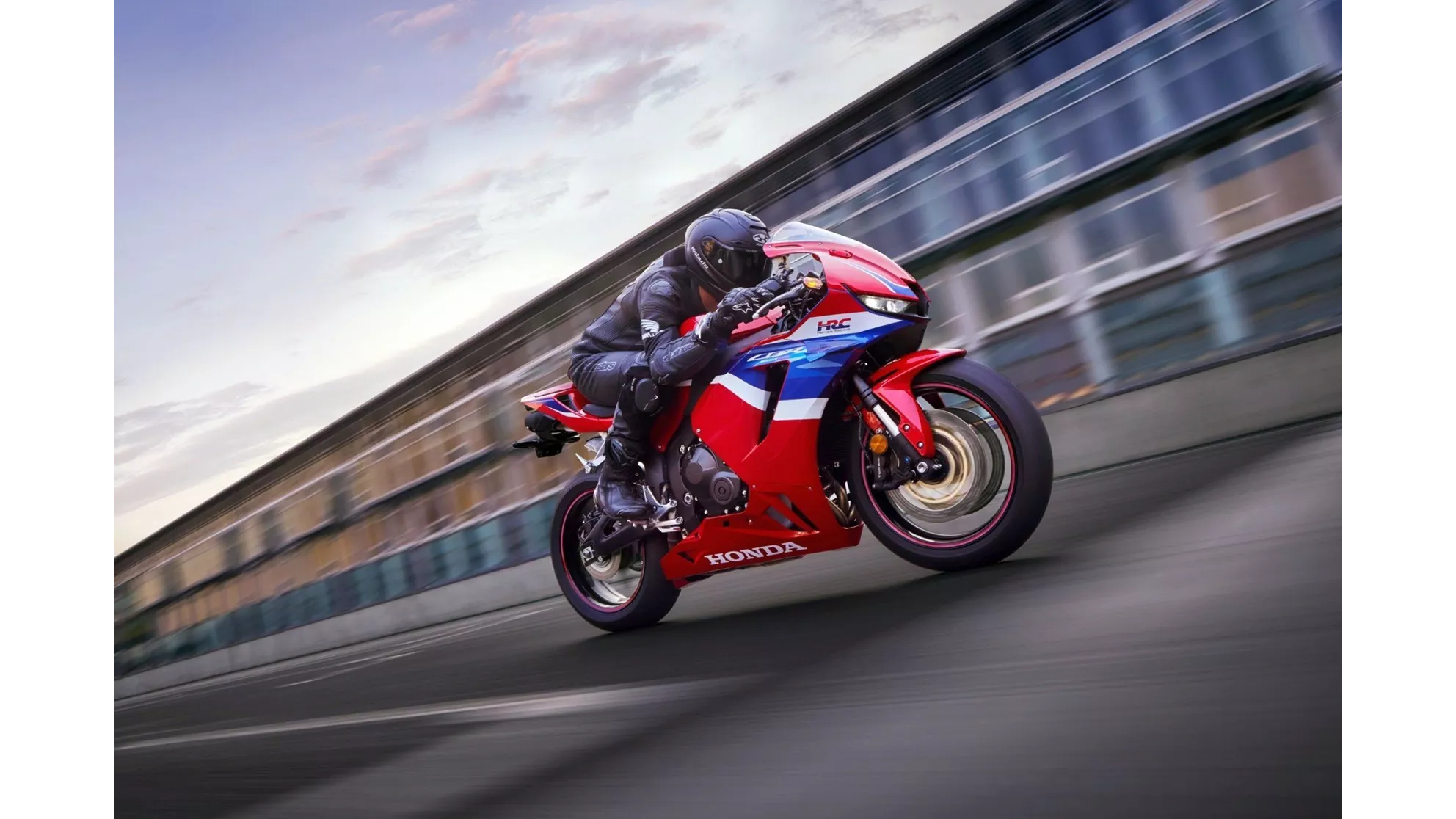
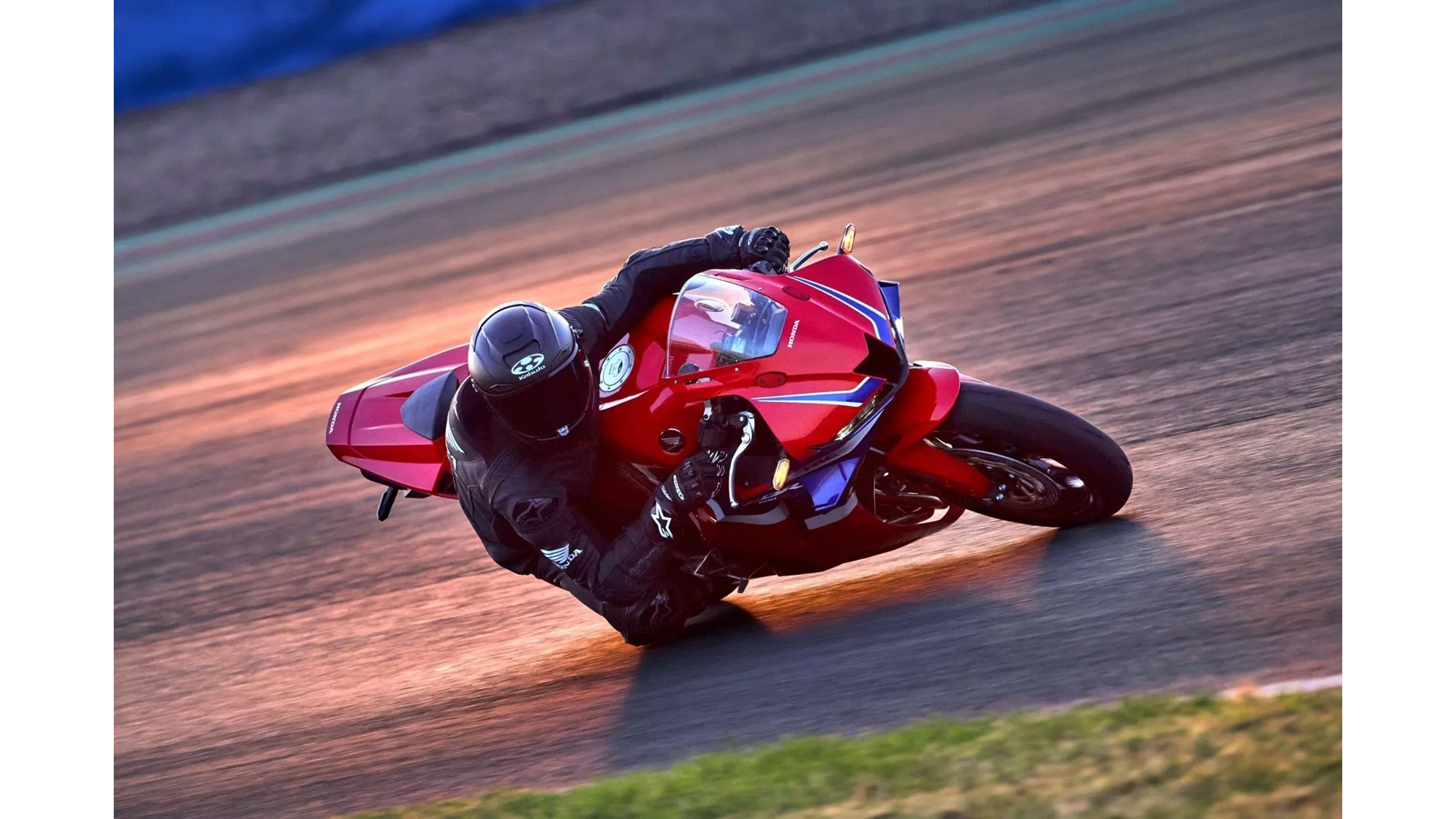
Four, three, or two cylinders? This question shapes the character of this comparison more than any winglet. The Honda CBR600RR sticks to the classic supersport recipe. Its liquid-cooled inline four produces 121 hp at 14,250 rpm and 63 Nm of torque at 11,500 rpm. Even on paper, that sounds like it's all about revs – and on track, the engine demands exactly that.
Below roughly 10,000 rpm, not much happens compared to the Yamaha and KTM. If you want to move the Honda quickly, you have to keep it within its narrower working range, shift diligently, and make consistent use of the gearing. Even Martin Bauer emphasizes that it's not always easy to stay in the right rev window the whole time. But once you manage it, a wide usable range awaits, accompanied by the sound you buy a high-revving four-cylinder for in the first place. The CBR screams for battle – you just have to get it there first.
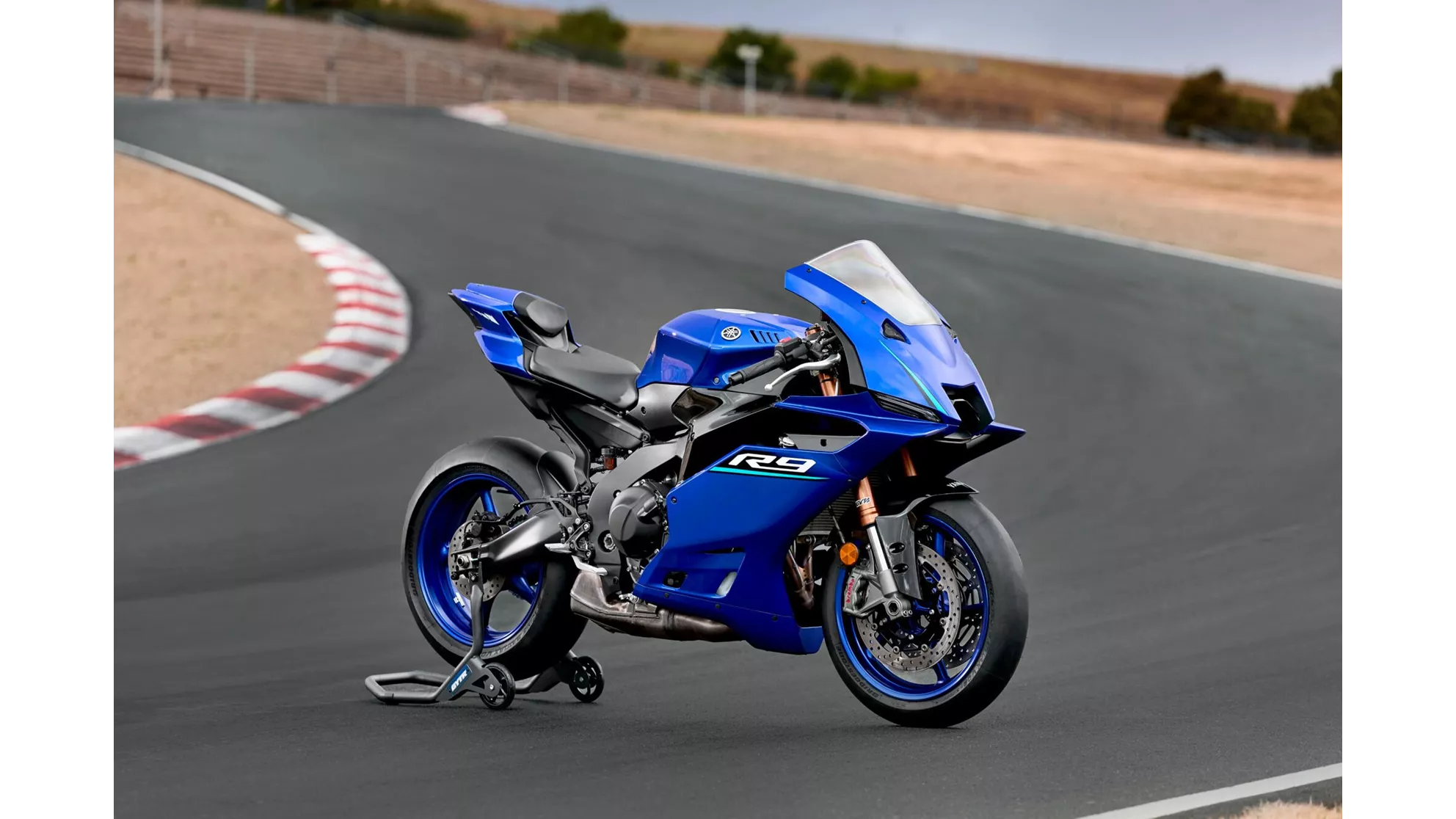
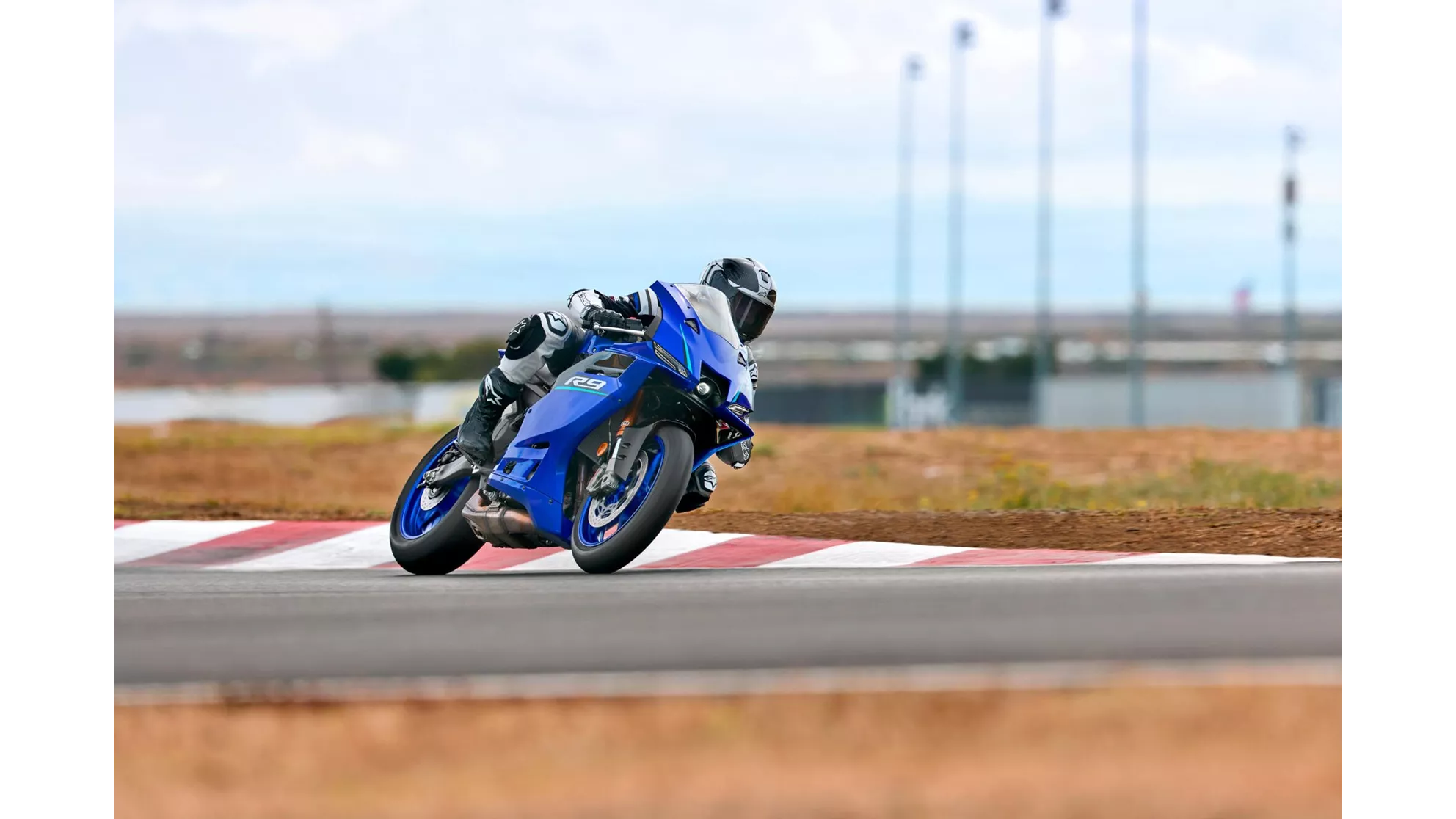
The Yamaha R9 takes a different route. Its 890cc inline triple is conceptually derived from the MT-09 and combines 119 hp at 10,000 rpm with 93 Nm of torque at 7,000 rpm. On paper, that's actually slightly less peak power than the Honda. In practice, though, it steals its thunder much earlier. The CP3 engine delivers strong forward thrust from low and medium revs already and offers a considerably wider usable rev band. Riders who don't nail every corner with the perfectly chosen gear won't be punished immediately by the R9. You can even take a corner a bit lazily, crack the throttle open at the exit, and still get solid drive. Occasional trackday riders in particular gain time and concentration for line, braking point, and body position as a result.
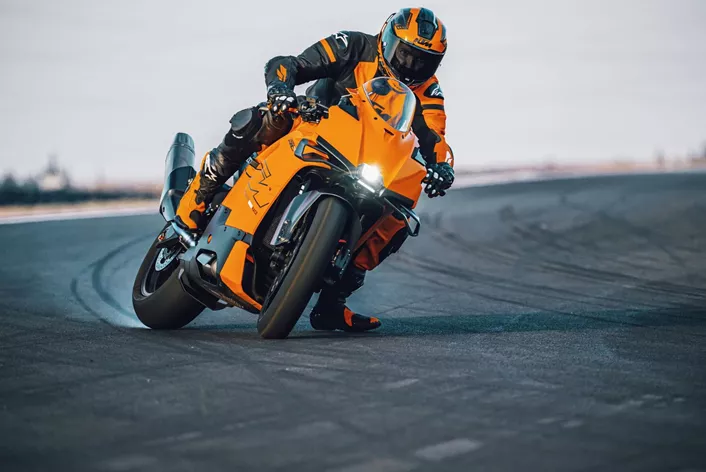
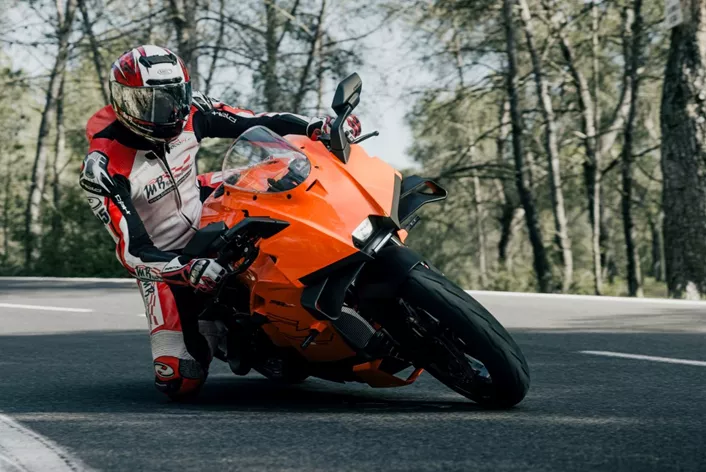
And then there's the KTM 990 RC R. Its 947cc parallel twin produces almost 128 hp and cranks out 103 Nm of torque at 6,750 rpm. That makes it the strongest machine in the field in terms of displacement, power, and torque alike. Above all, it doesn't just deliver its punch from down low – it keeps pulling energetically up top as well. The engine is the powerhouse of this comparison – without making the bike feel bulky or unwieldy.
The bad news for riders too lazy to shift? The KTM's gearing is comparatively short at the Pannonia Ring. Howie accordingly had to work through the gearbox often and found that to be an extra stress factor. Martin Bauer was less bothered by it. For the experienced racer, shifting is simply part of the job. Once again, it shows: the fastest bike isn't automatically the one every rider has the most fun on.
The Honda CBR600RR Remains a True Classic
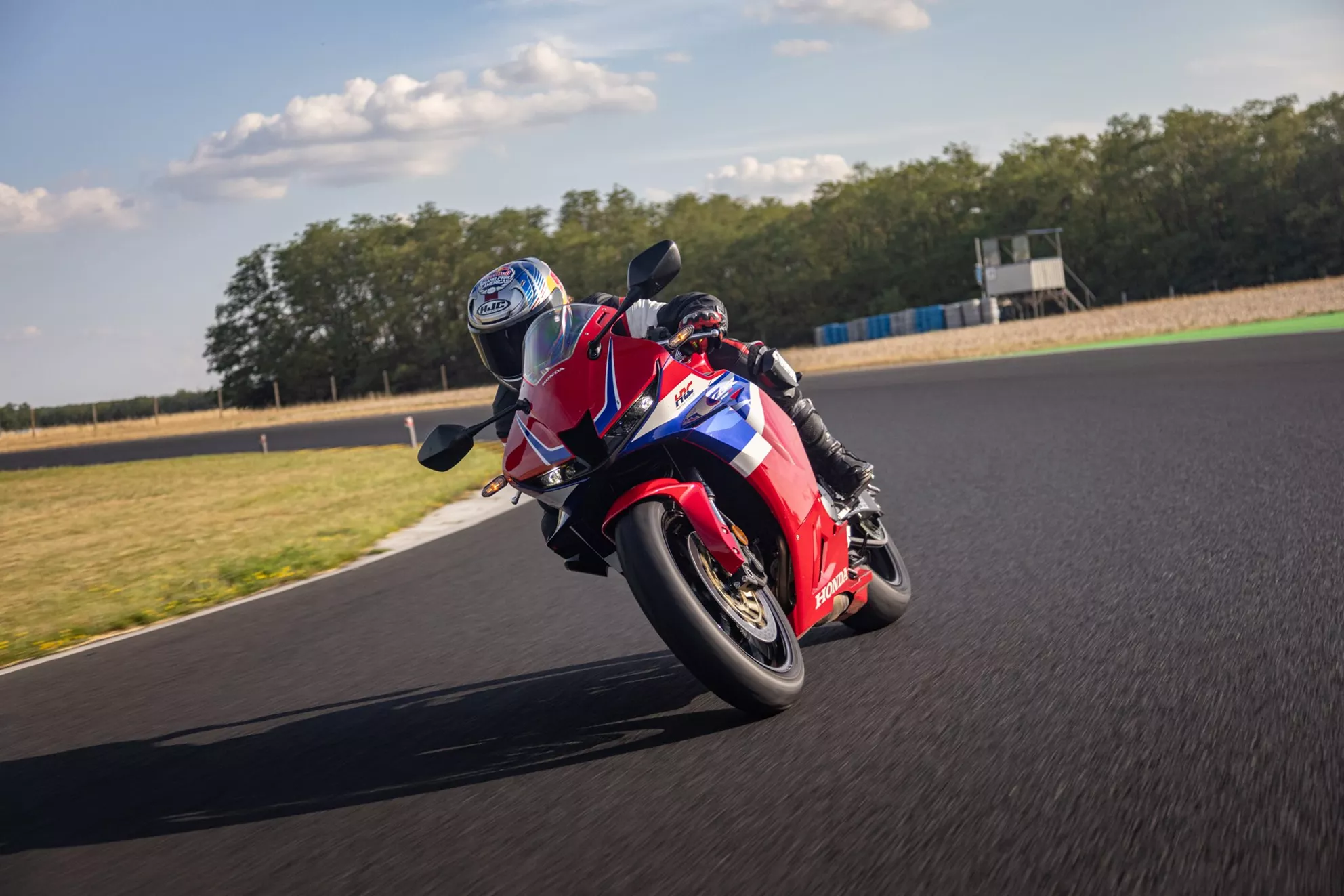
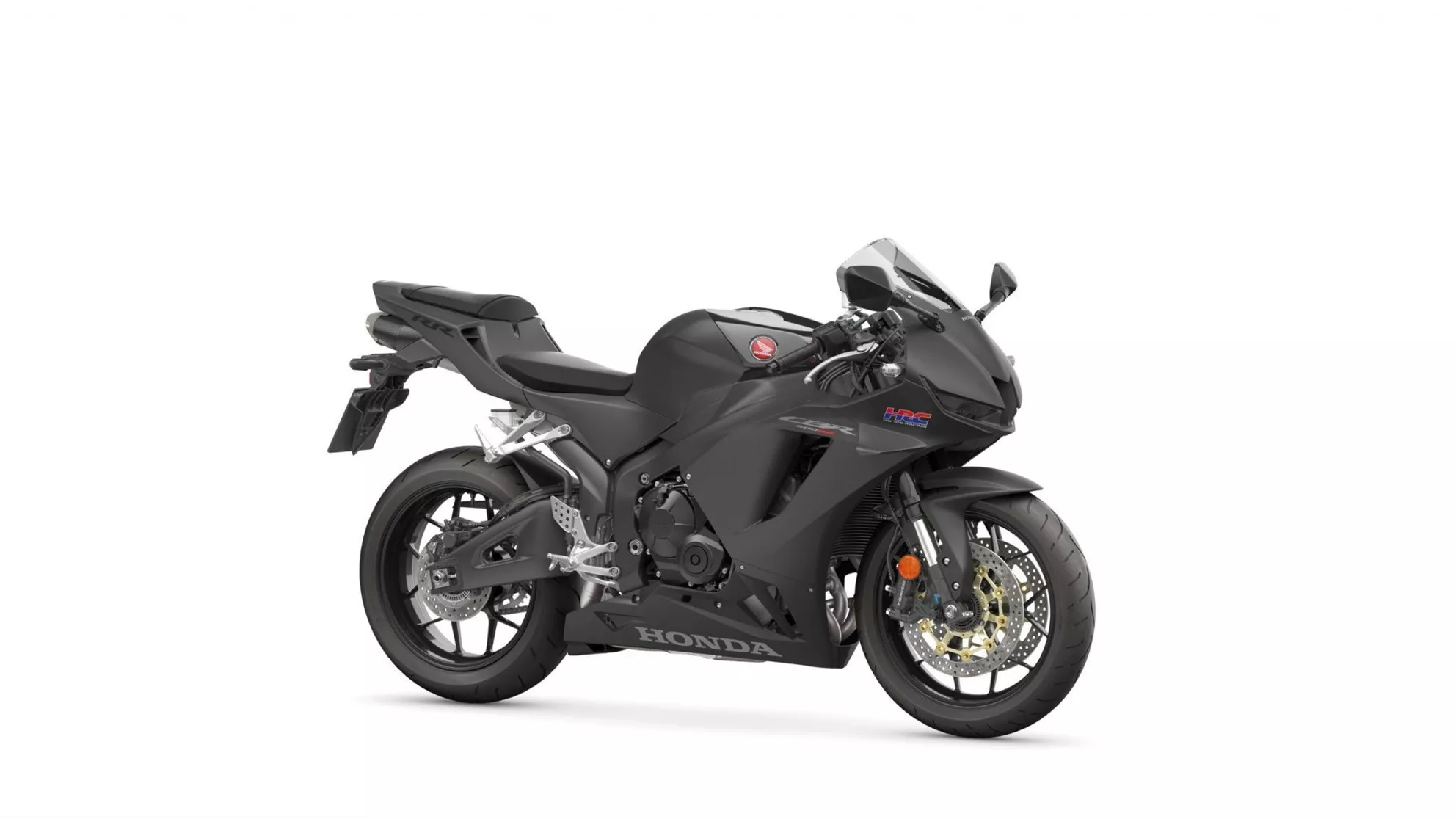
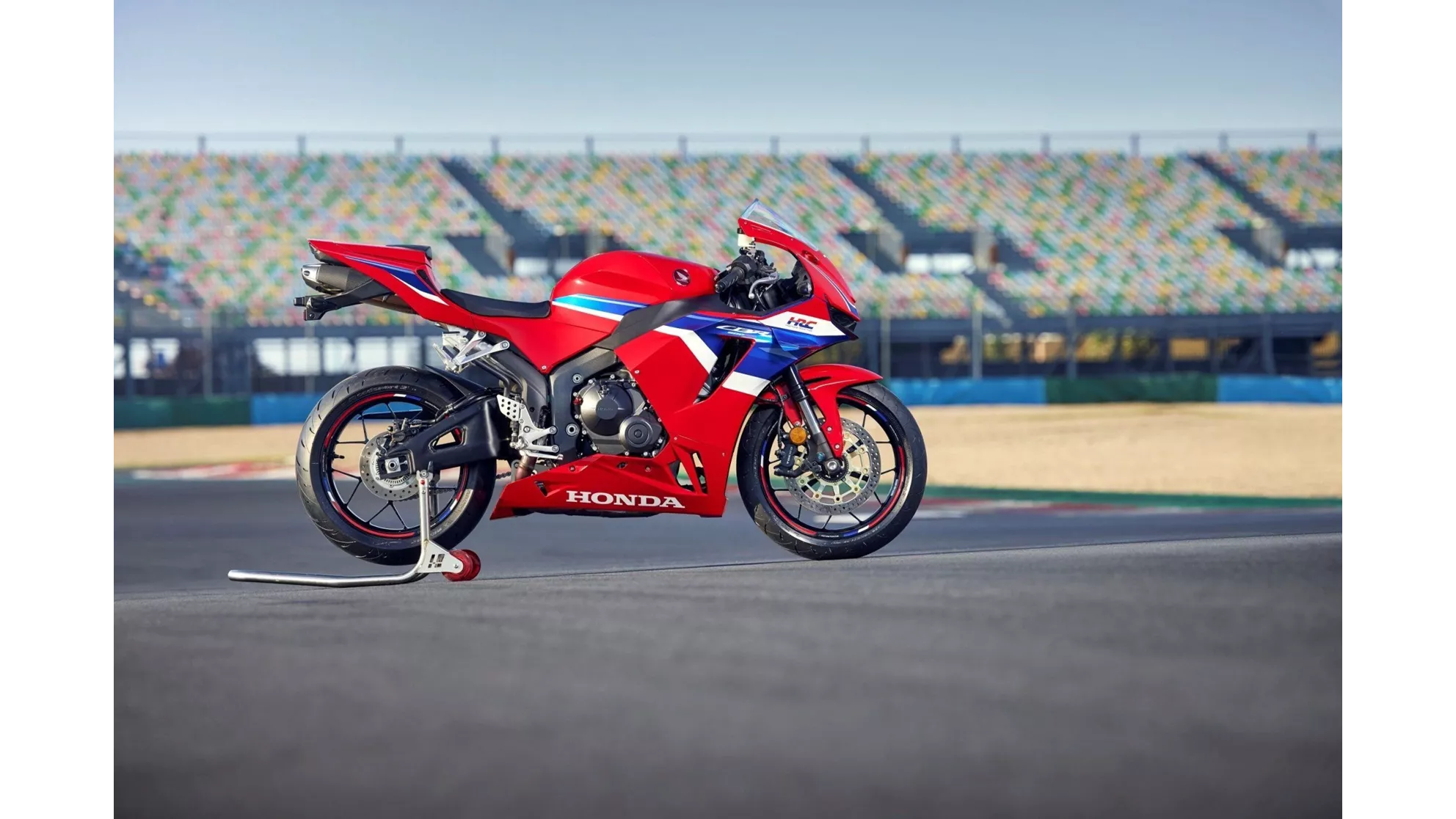
Anyone who has ridden a CBR600RR before will quickly feel at home on the 2026 model year. Frame, swingarm, and basic ergonomics still carry much of the familiar PC40 concept. The Honda feels dainty, narrow, and familiar. The upper body sits relatively comfortably, but the pegs reveal the age of the basic recipe. For consistently sporty use, the pegs sit comparatively far forward. This pulls the knees close to the elbows, while the clip-ons, swept back sharply and turned inward, force a narrow grip. The rider has less leverage available to push the bike into lean.
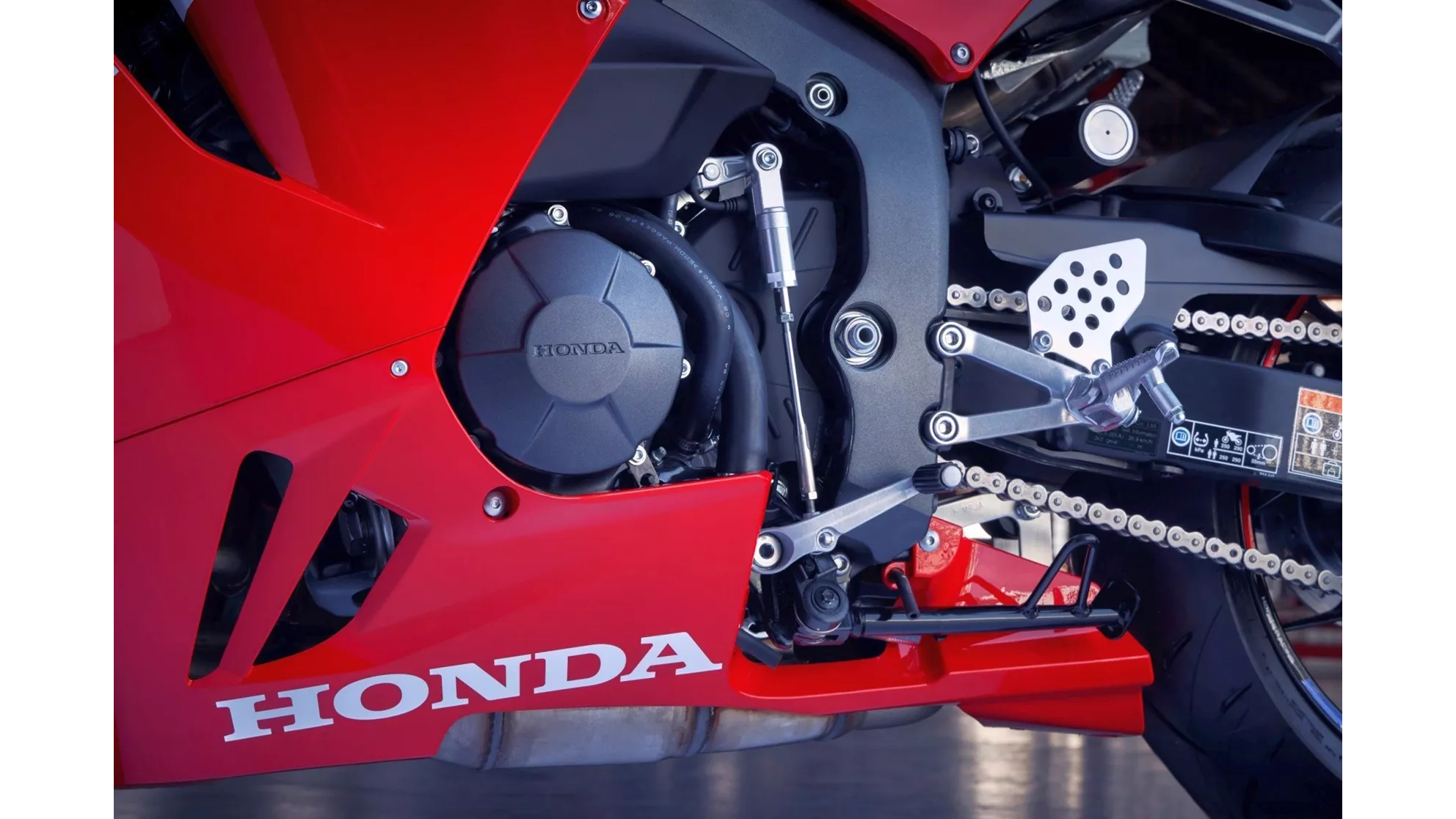
For the suspension, Honda relies on a fully adjustable Showa USD fork with a 41mm diameter and 120mm of travel. At the rear, a likewise fully adjustable Showa shock provides 128mm of travel. The adjustment options sound extensive, but the base setup remains on the soft side. Even the adjusters only change the characteristics to a limited extent. Anyone wanting to turn the CBR into a significantly stiffer track weapon would need to work on the internals of the suspension.
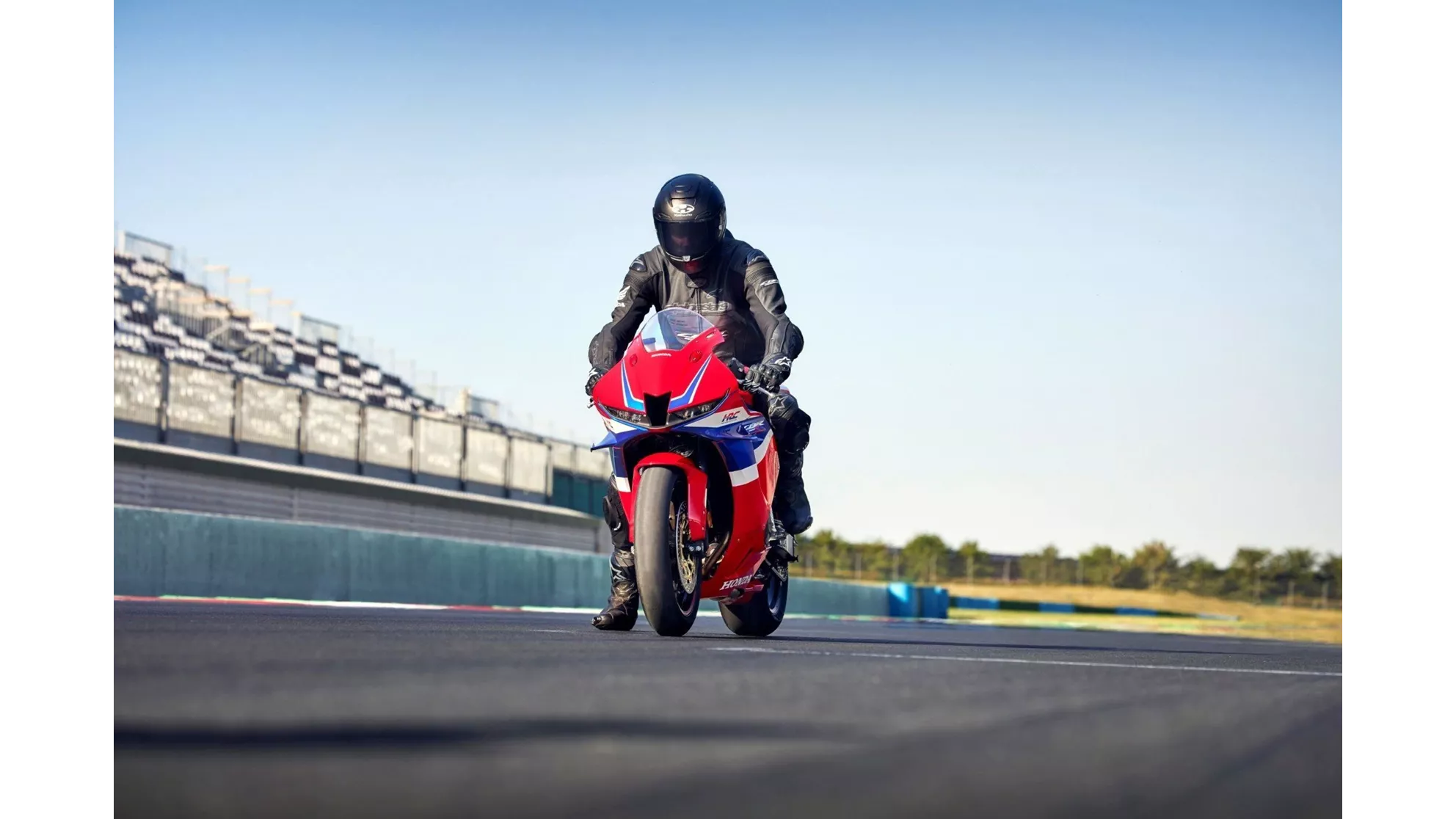
Does that bother it on track? Less than you'd expect. The Honda does move noticeably, but its gentle power delivery doesn't hammer the chassis as brutally as the punch of the bigger-displacement bikes. Howie, as a hobby trackday rider, found it consistently accessible and easy to control. It doesn't shock, it doesn't surprise, and it dutifully leads the rider toward higher speeds. A nice indication that not everything has to be maximally stiff to work well.
Honda's Electronics: Small Stage, Good Performance

The CBR600RR's display feels almost like a relic in 2026. It's smaller than those of its competitors, the operating logic initially seems less modern, and visually, no one would think they're sitting in front of a rolling tablet here. But how about its function? The good news: Honda has implemented the crucial systems sensibly. Power mode, traction control, and wheelie control can be adjusted separately, without long journeys through nested sub-menus. That's a real advantage on the race track. Riders who want to change a setting between two turns don't want to complete a crash course in menu architecture first.
The regulation quality also convinces. The assistance systems are noticeably present but don't intervene excessively restrictively. A large portion of the available power can actually be translated into forward drive. The electronics are simpler than Yamaha's or KTM's, but functional and well-tuned. You get more spectacle from the others – that doesn't automatically mean you get through the menu faster, though.
- How much does a Honda CBR600RR cost?
- Here you will find an overview of the price level of new and used motorbikes!
Yamaha R9: The Modern Golden Mean

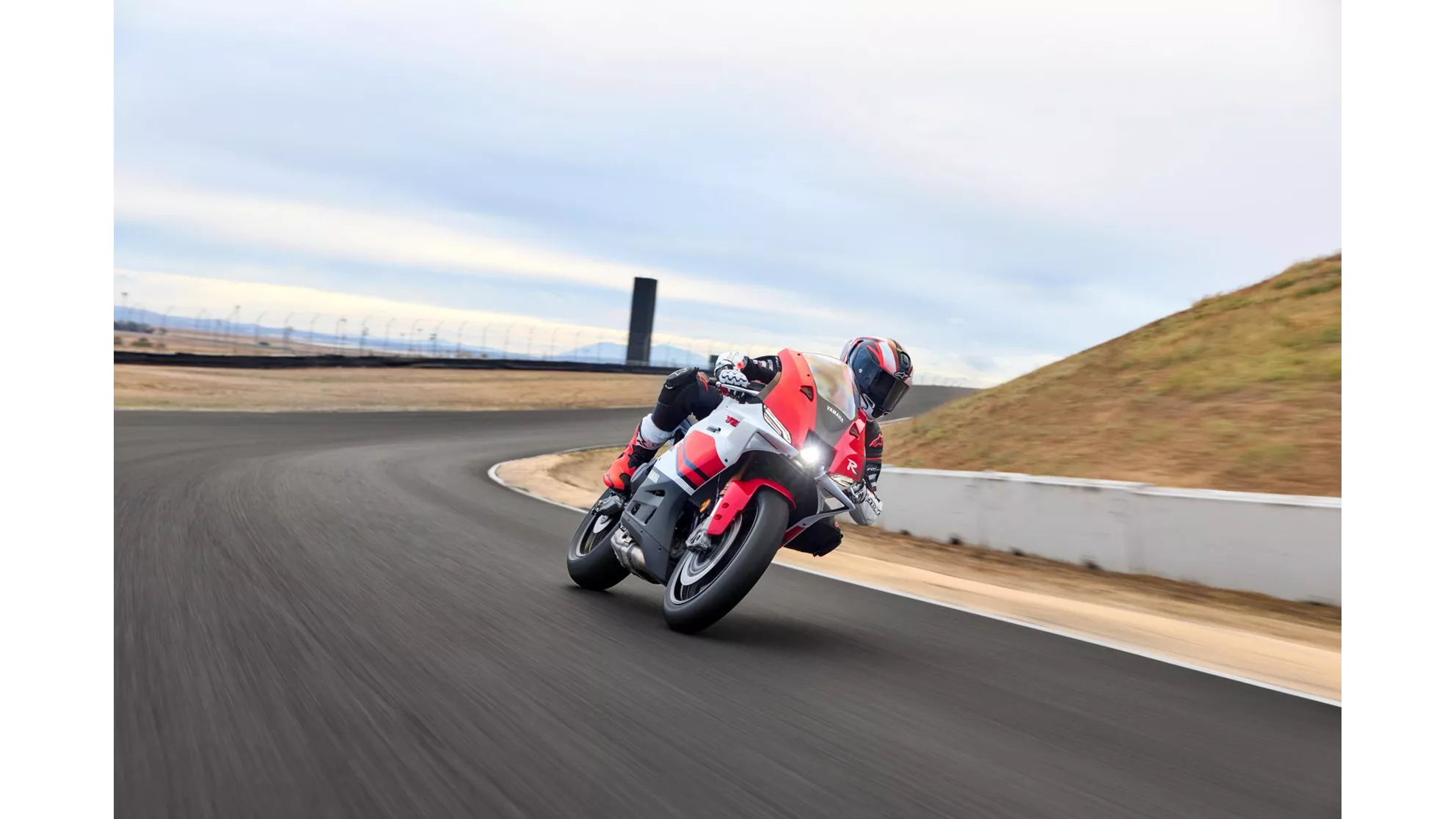
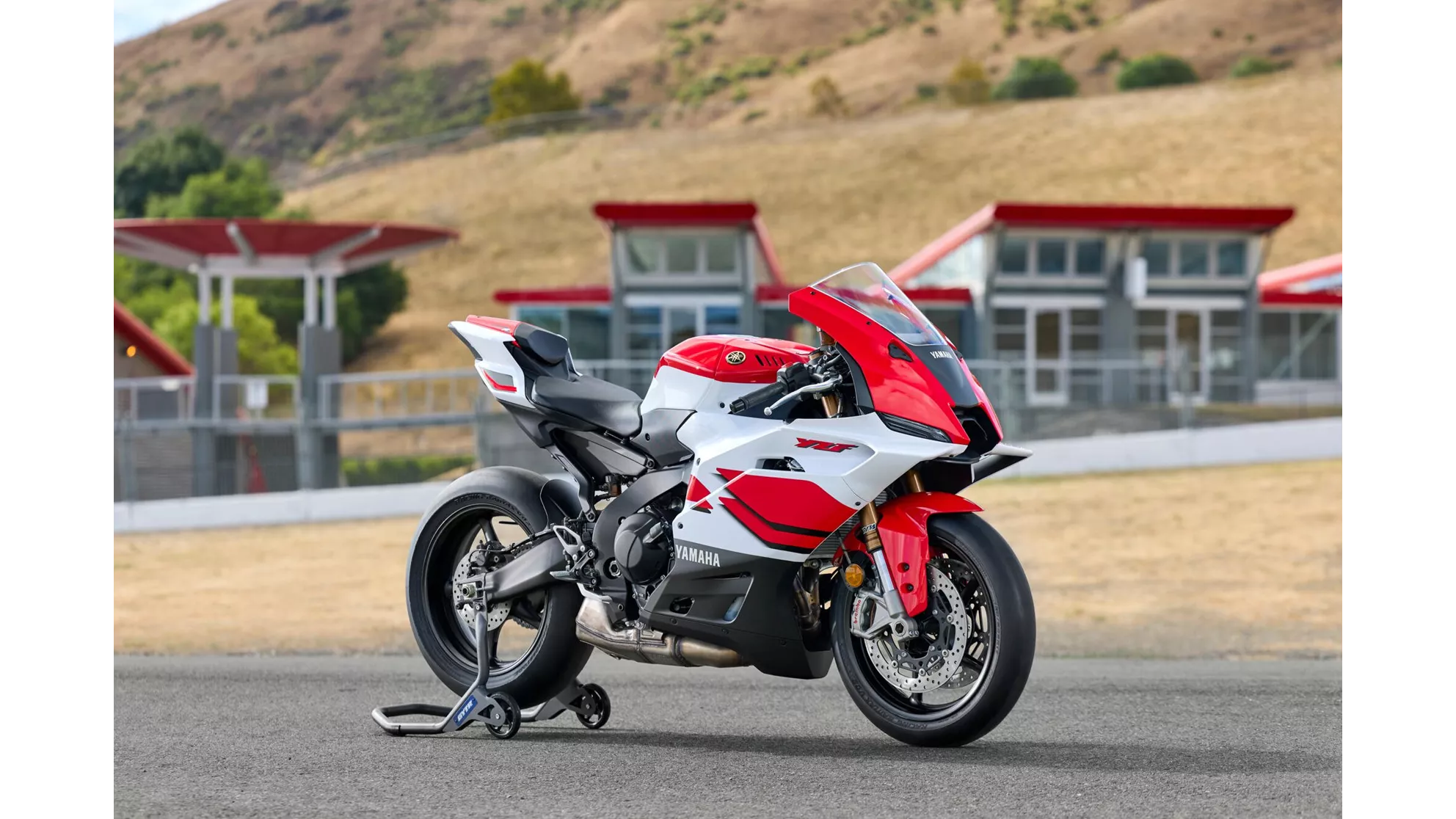
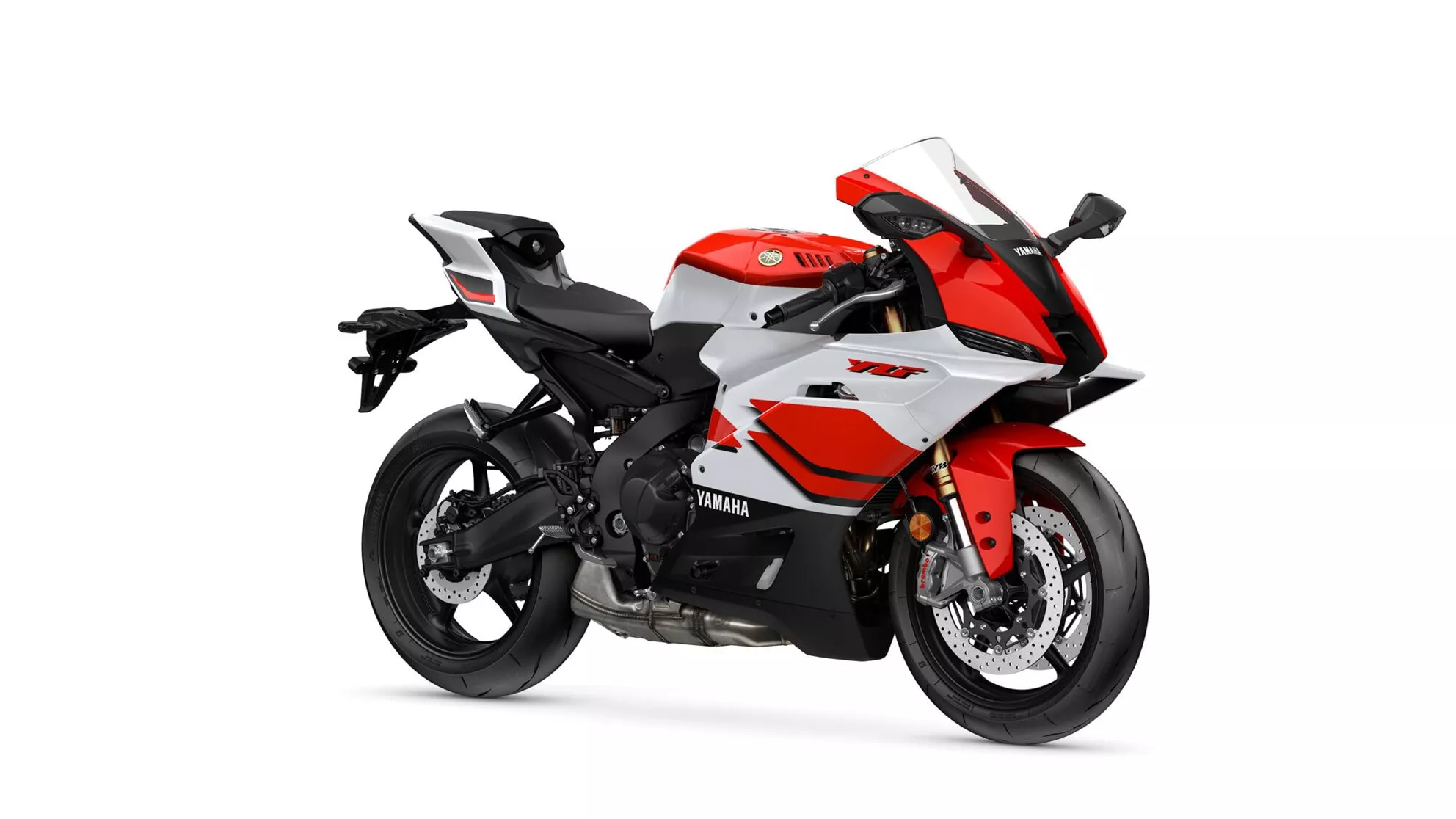
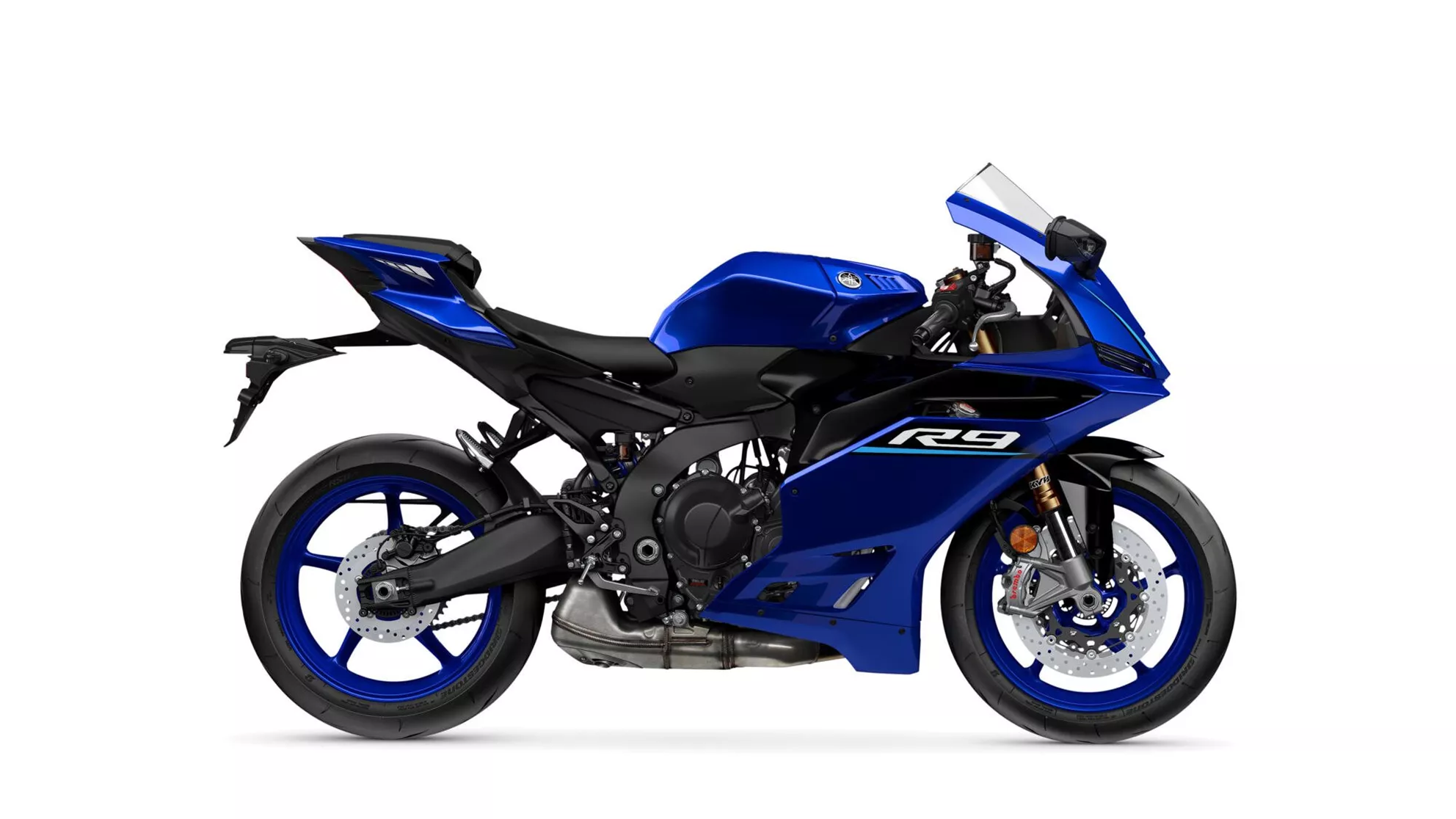
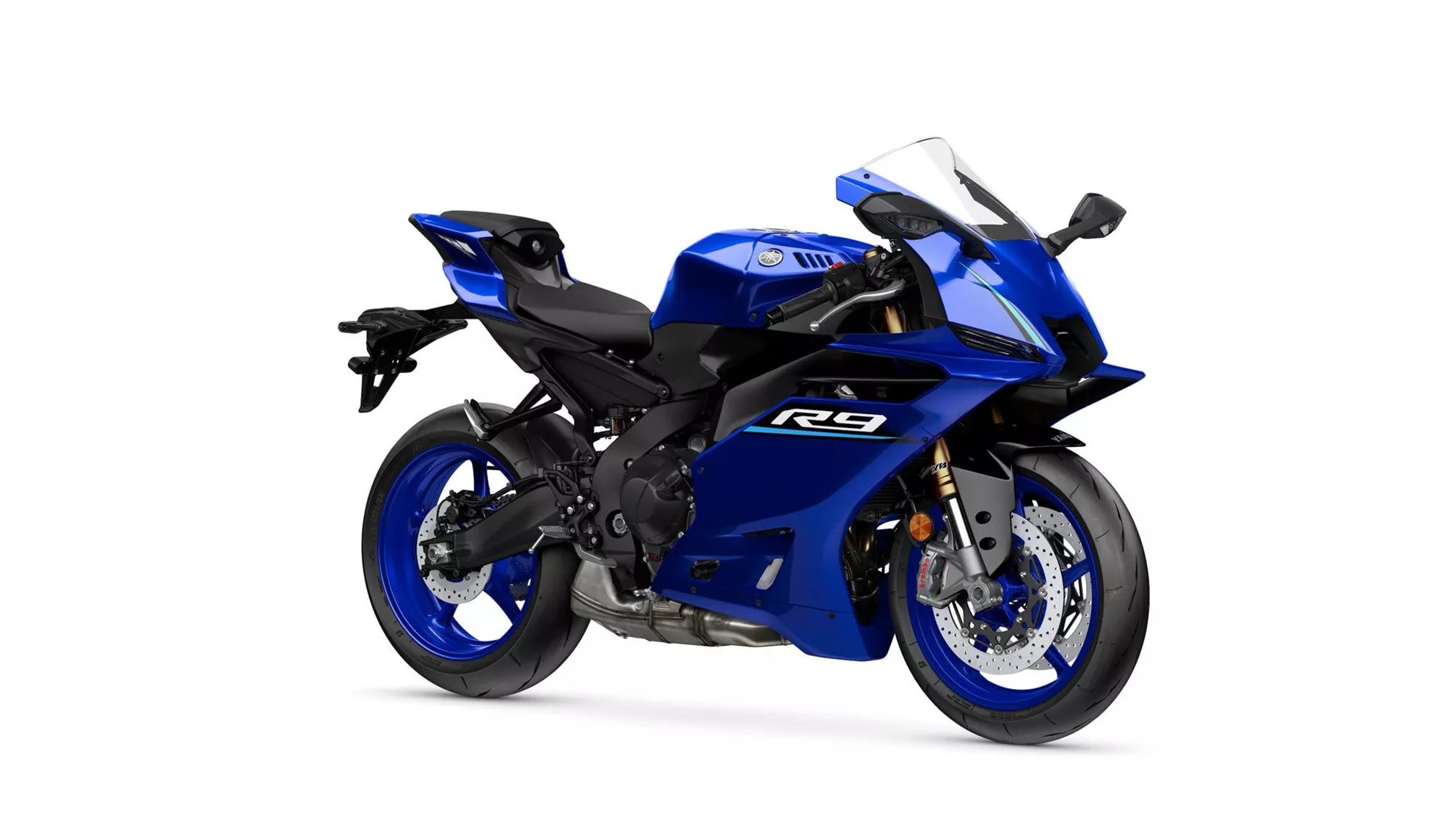
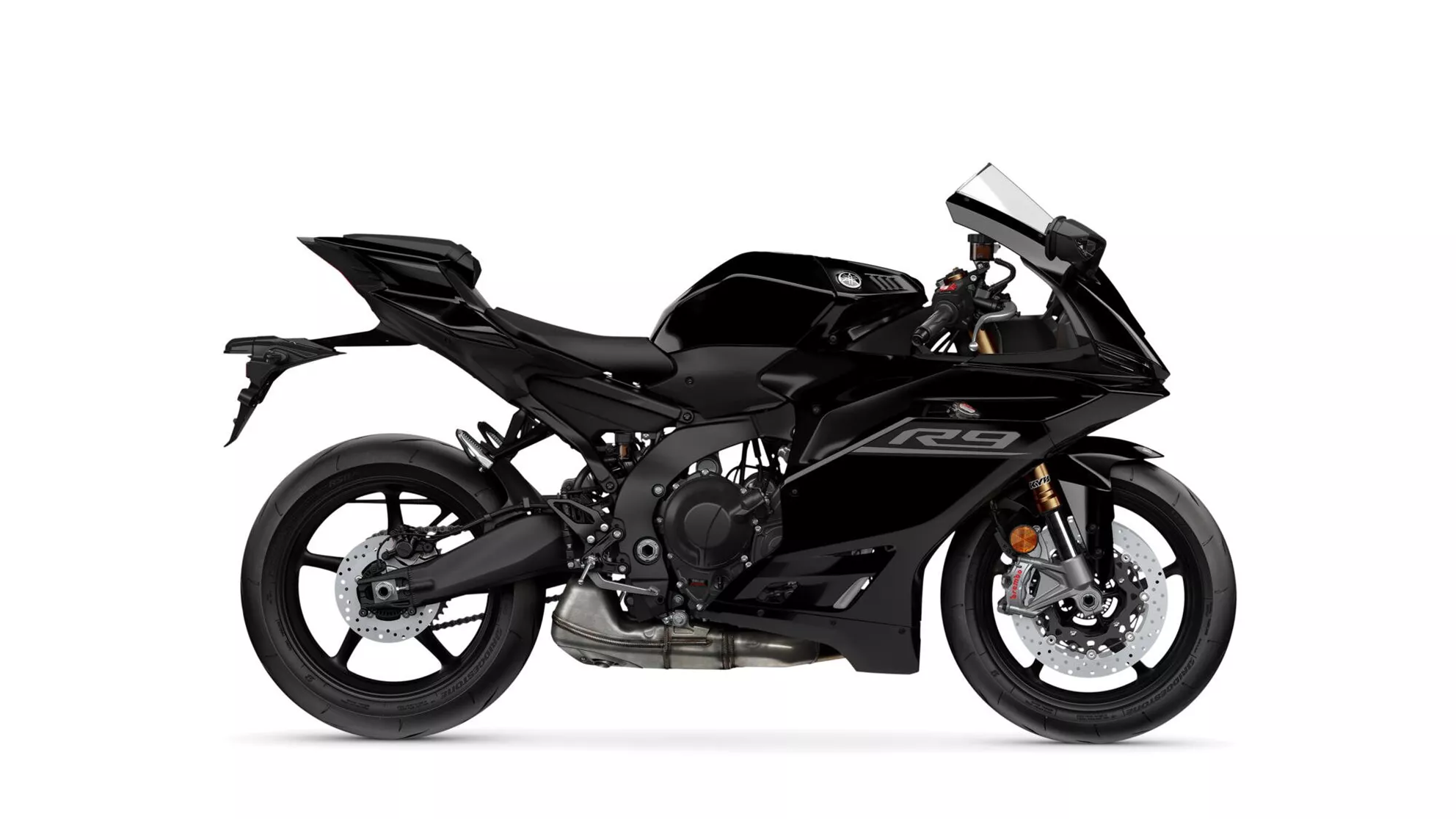
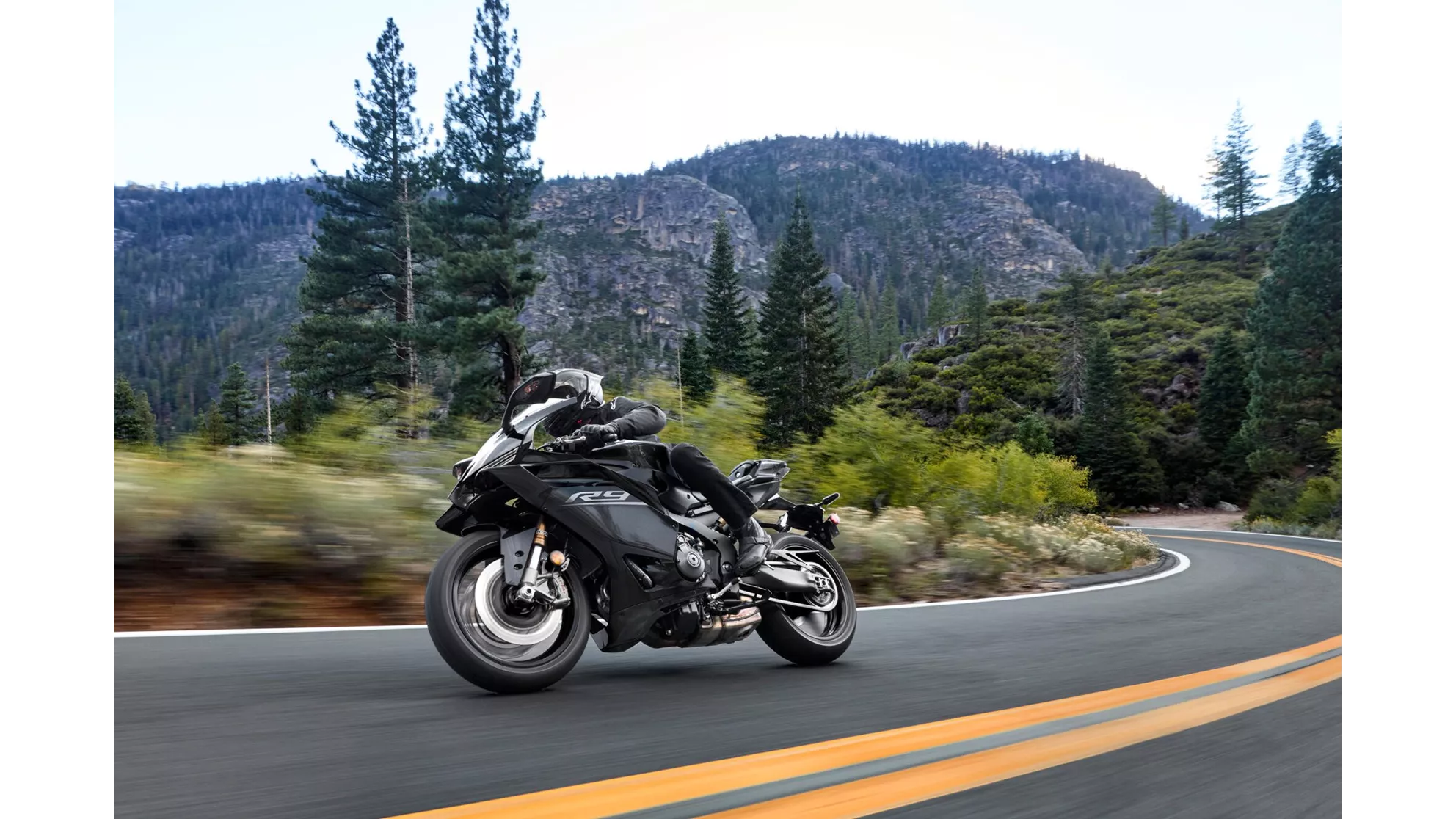
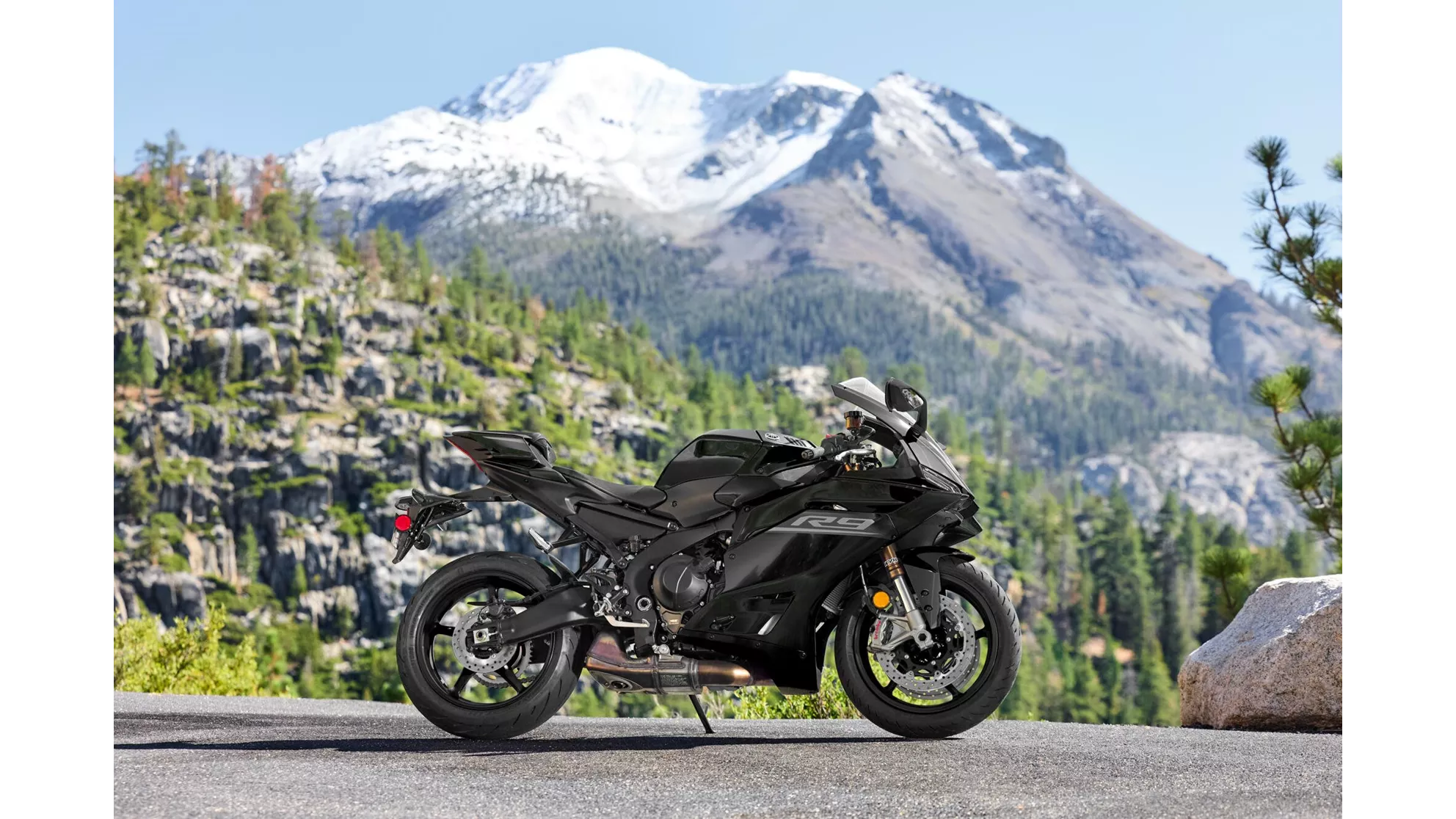
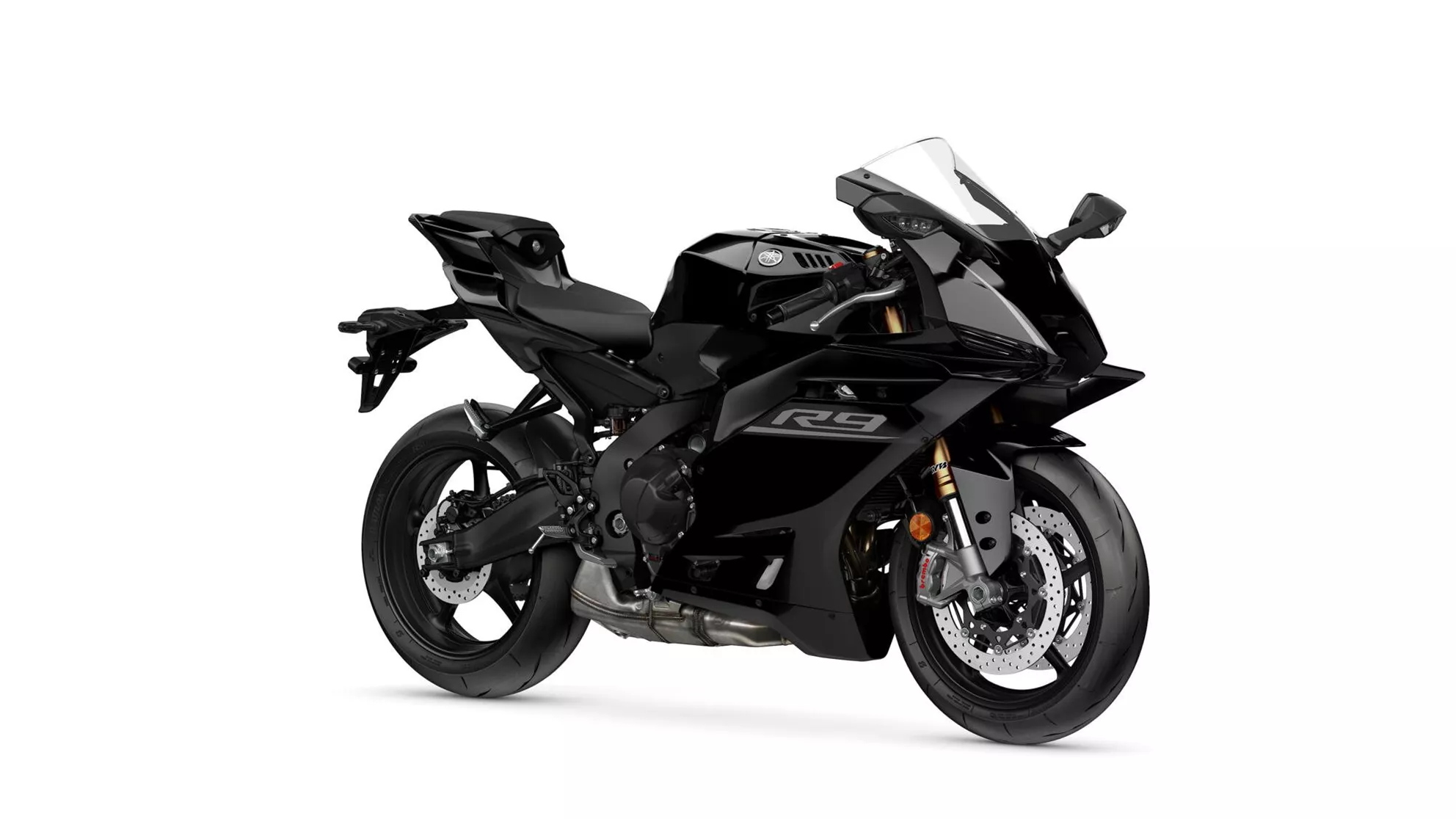
The Yamaha R9 is often called the spiritual successor to the R6. However, anyone expecting an R6 with a bigger engine will be surprised. The old R6 was a consistent supersport bike in terms of riding position and overall character. The R9 opens the door significantly wider and tries to combine track capability with genuine road usability. The upper body sits more upright, the handlebar is wider, and the fairing offers more wind protection. The distance between seat and bars is also more generous. As a result, there's more room between knees and elbows when tucking in behind the screen on the straights. The pegs are positioned more sensibly than on the Honda, and overall the ergonomic triangle feels more versatile.
With a seat height of 830mm, the Yamaha sits between the 820mm Honda and the 845mm KTM. According to the supplied data, all three bikes weigh roughly the same wet, i.e. fueled up: the Honda weighs 193kg, while both the Yamaha and KTM weigh 195kg each. The differences in riding feel therefore stem less from pure weight than from geometry, ergonomics, suspension setup, and engine character.
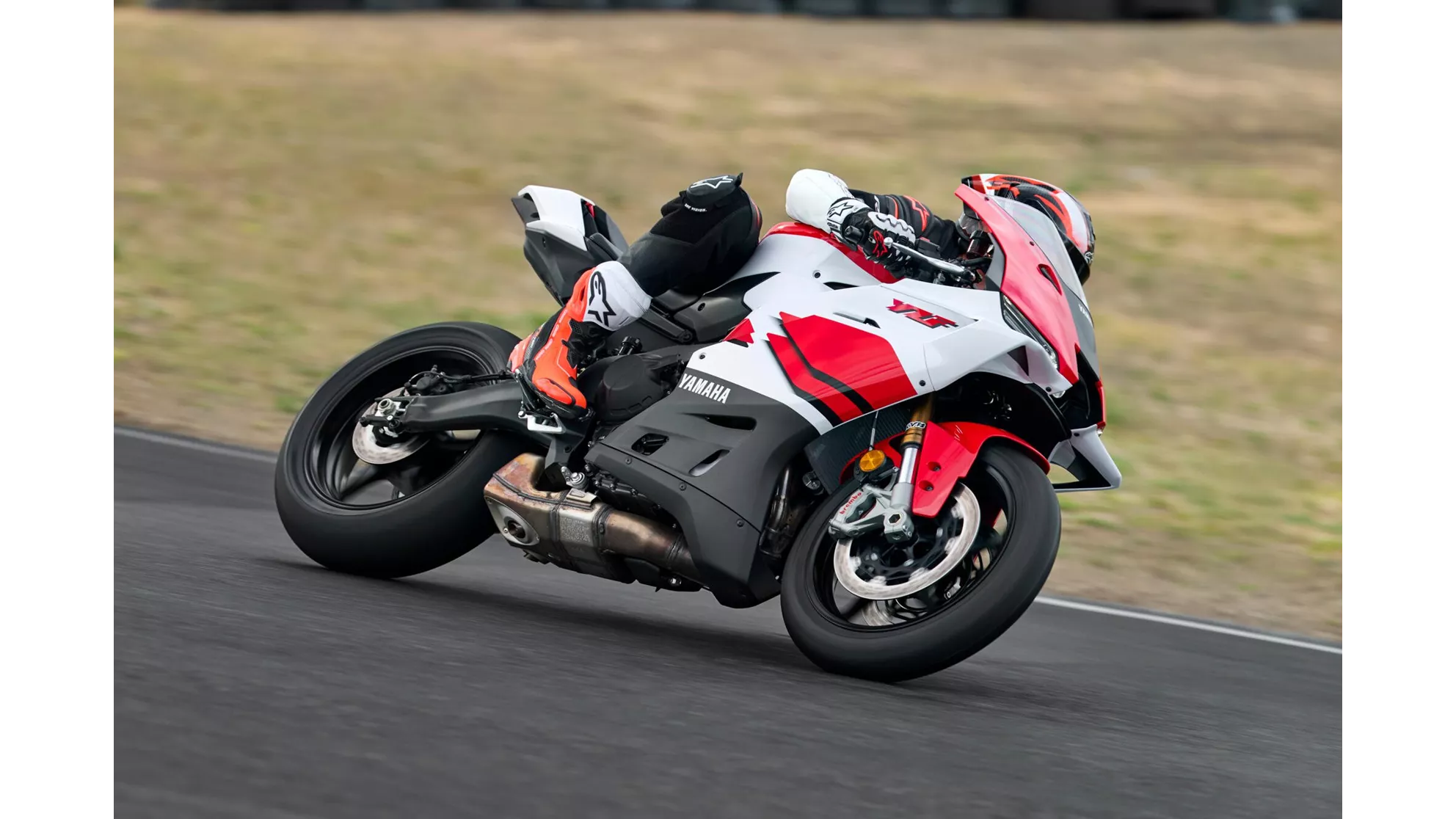
One detail, however, is massively bothersome on the race track: the long feeler pucks fitted to the footpegs. They touch down early and limit the maximum lean angle. Yamaha probably didn't fit them without reason. According to Martin Bauer's assessment, if the feeler pucks were removed, a non-yielding component like the side stand could be the next thing to make ground contact.
Taut Suspension and Willing Handling

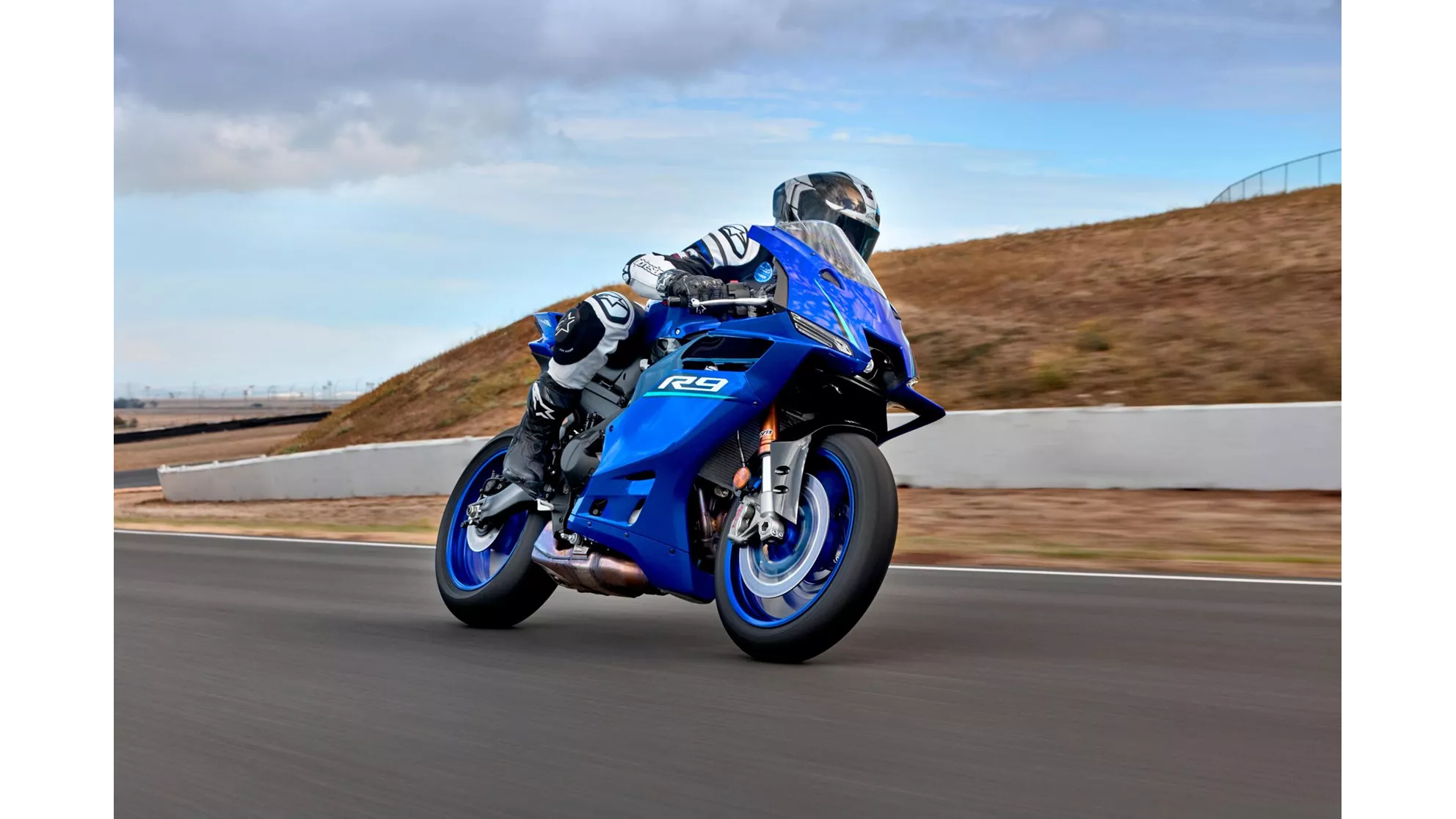
The R9 comes with sportier damping from the factory than the Honda. Its 43mm fork offers 120mm of travel and is adjustable for preload, rebound, and compression. At the rear, preload as well as rebound and compression damping are also available. The Yamaha turns in easily, leans willingly into corners, and still allows tight line corrections even after a slightly too-fast corner entry. This exact variability helps riders whose line isn't drawn with a compass every single lap. Compared to the more stoic Honda, it feels almost nervous at times. In return, it rewards you with playful handling and a grin under the helmet.
The steering head angle of 22° 35′, the trail of 94mm, and the wheelbase of 1,420mm fit this impression. The Yamaha is geometrically trimmed for agility without becoming an uncontrollable fidget. Its wide usable rev band complements this trait perfectly: turn in easily, adjust the line, get on the throttle early, and shoot out of the twisties with grunt. That's exactly how you want it!
Yamaha Electronics with a Real Race-Track Bonus

In terms of display and controls, the Yamaha takes a clear step toward the present. Several modes can be individually configured and then quickly selected via the mode switch. The regulation quality of the traction control and the other assistance systems gave no cause for criticism. Particularly important, though, is the ability to fully deactivate the rear ABS. This function is often called supermoto ABS. It prevents a lifting rear wheel from automatically causing the ABS to reduce front brake power.
This allows the rider to brake harder until slip actually occurs at the front wheel. For track use, that's a solid advantage over the Honda, which lacks this option. Cruise control, meanwhile, shows just how broadly Yamaha positions the R9. What would have been unthinkable on a supersport bike in the past is now meant to make the ride out to the twisties more pleasant as well. A fair compromise between a track tool and a road bike.
KTM 990 RC R: Stability Instead of Showmanship

Martin Bauer called the KTM the most stable bike in the trio. Even under full acceleration, it stays calmer than the Honda and Yamaha. According to his assessment, this stability arises mainly from basic geometry, stiffness distribution, center of gravity, and suspension tuning. The winglets contribute comparatively little to this. What's this calmness good for? Anyone wanting to explore the front tire's grip right up to the limit needs clear feedback. If the bike starts working nervously over bumps while trail braking, even experienced riders find it hard to identify the actual limit. The KTM, on the other hand, communicates crystal-clear what's happening under the front wheel. It builds trust – and trust makes you faster on a race track than any particularly aggressive design.
At 1,481mm, the wheelbase is significantly longer than the Honda's and Yamaha's. The trail measures 98.5mm. This combination gives it the aforementioned stability without making it sluggish. Add to that the narrow construction of the twin engine. The knee angle stays tight, and the bike feels more compact between the legs than the figures would suggest.
- How much does a KTM 990 RC R cost?
- Here you will find an overview of the price level of new and used motorbikes!
The Best Suspension for Fast Laps

Up front works a fully adjustable WP APEX fork with a 48mm diameter and 147mm of travel. At the rear, the WP APEX linkage shock offers 134mm of travel along with separate high- and low-speed compression damping, rebound, and preload. The combination of chassis, suspension, and the neutrally turning ContiSportAttack 5 delivers exactly the precision Martin Bauer looks for on fast laps. Paired with the strongest engine in the test, the result is a package that can be pushed deep into the limit range without burdening the rider with unnecessary unrest.
KTM Ergonomics Find the Compromise
At 845mm, the seat height makes the KTM the tallest machine in the comparison. As a result, the distance between seat and pegs is more relaxed, which particularly benefits taller riders. The clip-ons also sit a bit higher than on the Yamaha. The result is a surprisingly relaxed position that's meant to work on the road while still offering enough freedom of movement on the race track. Anyone wanting it more radical can position the clip-ons lower. Footpegs without long feeler pucks already provide a sportier look as standard. The rider thus finds a sensibly tuned package that feels considerably more consistent than the Honda, without copying the brutal cramped feel of earlier supersport bikes.
KTM Display: Widescreen Cinema

The KTM's wide TFT display isn't just a visual gimmick. The landscape format makes sensible use of the space behind the compact supersport front end without building unnecessarily tall. At the same time, there's ample space for ride data, navigation, and settings. The touch function lets you select menu items directly and change values via plus and minus. The split-screen is particularly well done. The rider can shift the division between navigation and classic riding information by hand and adapt it to the given situation. A cinema format for the supersport bike
Price Comparison: How Much Does Modernity Cost?
The Honda CBR600RR is the cheapest bike in this comparison. In Austria it costs 13,790 euros, and in Germany 13,239 euros including delivery. In return, you get a genuine inline-four supersport bike with fully adjustable suspension and functional electronics. However, you sacrifice displacement, elasticity, and some of the modern control and ergonomic solutions.
The Yamaha R9 costs 15,699 euros in Austria and 14,099 euros including delivery in Germany. The premium over the Honda is just under 2,000 euros in Austria. In return, it offers the more elastic triple, the more coherent ergonomics, the sportier suspension, more extensive electronics, and considerably more everyday usability. For many riders, it's likely to be the fairest compromise.
The KTM 990 RC R tops the price list at 17,399 euros in Austria and 15,994 euros including delivery in Germany. In Austria, it costs a good 3,600 euros more than the Honda. In return, you get the strongest engine, the most extensive suspension, the highest stability, and the most modern interface. It already comes out on top parked outside the ice cream parlor – but what matters is that it delivers on the track, too.
Which Is the Best Middleweight Supersport Bike?

Is the Honda CBR600RR outdated? No. It's a classic supersport bike, exactly as the textbook prescribes. Fans of high-revving four-cylinders will enjoy the sound, the revvy character, and the familiar format. Its biggest shortcoming isn't a lack of quality but its small displacement. Against 890cc and 947cc, it simply lacks torque and elasticity when accelerating out of corners. This comparison therefore isn't entirely fair – but it shows precisely why the segment has changed.
The Yamaha R9 is the most accessible all-rounder. It combines easy handling with a sporty chassis, modern electronics, and an engine that pushes hard even when the rider doesn't nail every shift perfectly. Howie had the most fun on it. For hobby trackday riders who also want to be out on the road, it's the logical recommendation.
The KTM 990 RC R, on the other hand, wins the performance rating. Its engine is the strongest, its chassis delivers the clearest feedback, and its stability allows fast riders to push the front tire to the limit with plenty of confidence. Martin Bauer would choose Orange – and judging by precision and lap times, that decision is understandable.
- How much does a Yamaha R9 cost?
- Here you will find an overview of the price level of new and used motorbikes!
&width=60&height=60&bgcolor=rgba_39_42_44_0&mode=crop "Author: Der Horvath")
Honda CBR600RR 2026 - Experiences and Expert Review
Der Horvath
The Honda CBR600RR impresses as a sporty bike with impressive riding pleasure and precise handling. The well-tuned suspension, the powerful brakes, and the reliable quickshifter ensure an excellent riding experience, especially on twisty roads. The comfortable riding position and the modern display further contribute to the positive overall impression. However, there are also some weaknesses: the heat generated by the underseat exhaust can become unpleasant in city traffic and at low speeds, and engine performance at low revs leaves something to be desired. Additionally, the soft suspension can reach its limits on the racetrack. Overall, the CBR600RR is an excellent bike for sporty riders who are willing to accept these compromises.
KTM 990 RC R 2026 - Experiences and Expert Review
Der Horvath
The KTM 990 RC R is a supersport bike that never denies its heritage, yet is capable of far more in everyday use than you'd expect at first glance. On the race track, it impresses with high stability, plenty of feedback, a torquey, well-controllable engine, and ergonomics that also support ambitious riding. In everyday use, it scores points above all with its excellent touchscreen display, integrated navigation, and surprisingly good highway manners. At the same time, it demands a willingness to compromise from its rider: heat in city traffic, the sporty riding position, and a brake requiring somewhat high hand force make it clear that comfort was never the top priority here. But that's exactly where its appeal lies: the 990 RC R isn't a sensible everyday bike, but an emotional supersport machine that makes even ordinary routes feel special.
Yamaha R9 2026 - Experiences and Expert Review
Der Horvath
The Yamaha R9 is not a feel-good bike for leisurely country road tours – and that's a good thing. It appeals to ambitious riders looking for a sporty machine that also excites away from the race track. The engine is outstanding, the suspension top-notch, the brakes excellent. Only the demanding ergonomics make the Yamaha R9 less attractive for long-distance riders or leisure bikers. However, anyone looking for a sharp back-road weapon with trackday potential will find an extremely well-rounded and, at that, even affordable overall package in the R9. Definitely take it for a test ride! That's the only way to find out whether you're the type for the Yamaha R9's physical and direct nature.
More from 1000PS Magazine
Yamaha R9 vs Honda CBR600RR vs KTM 990 RC R Tested Images
Source: 1000PS