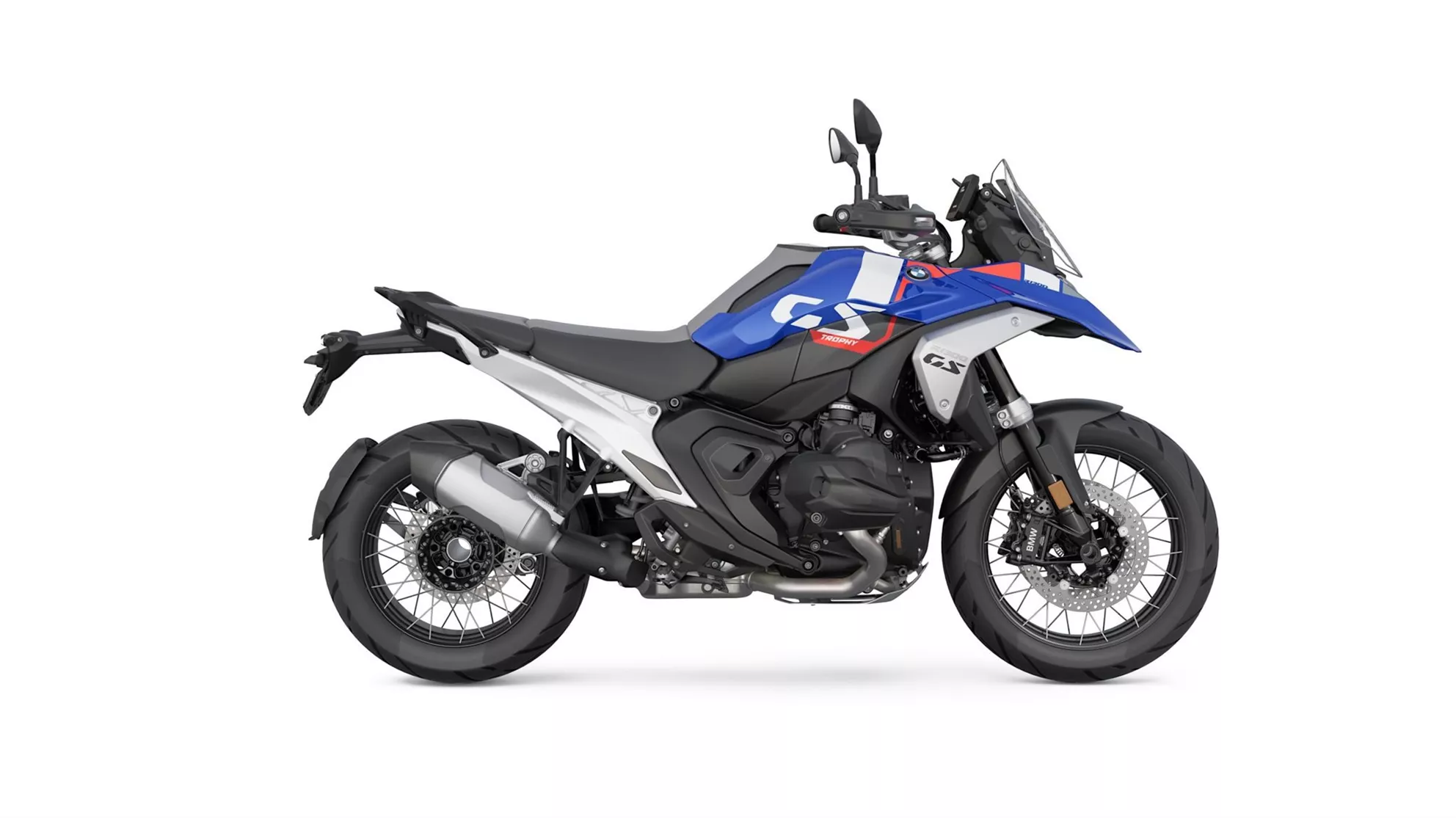
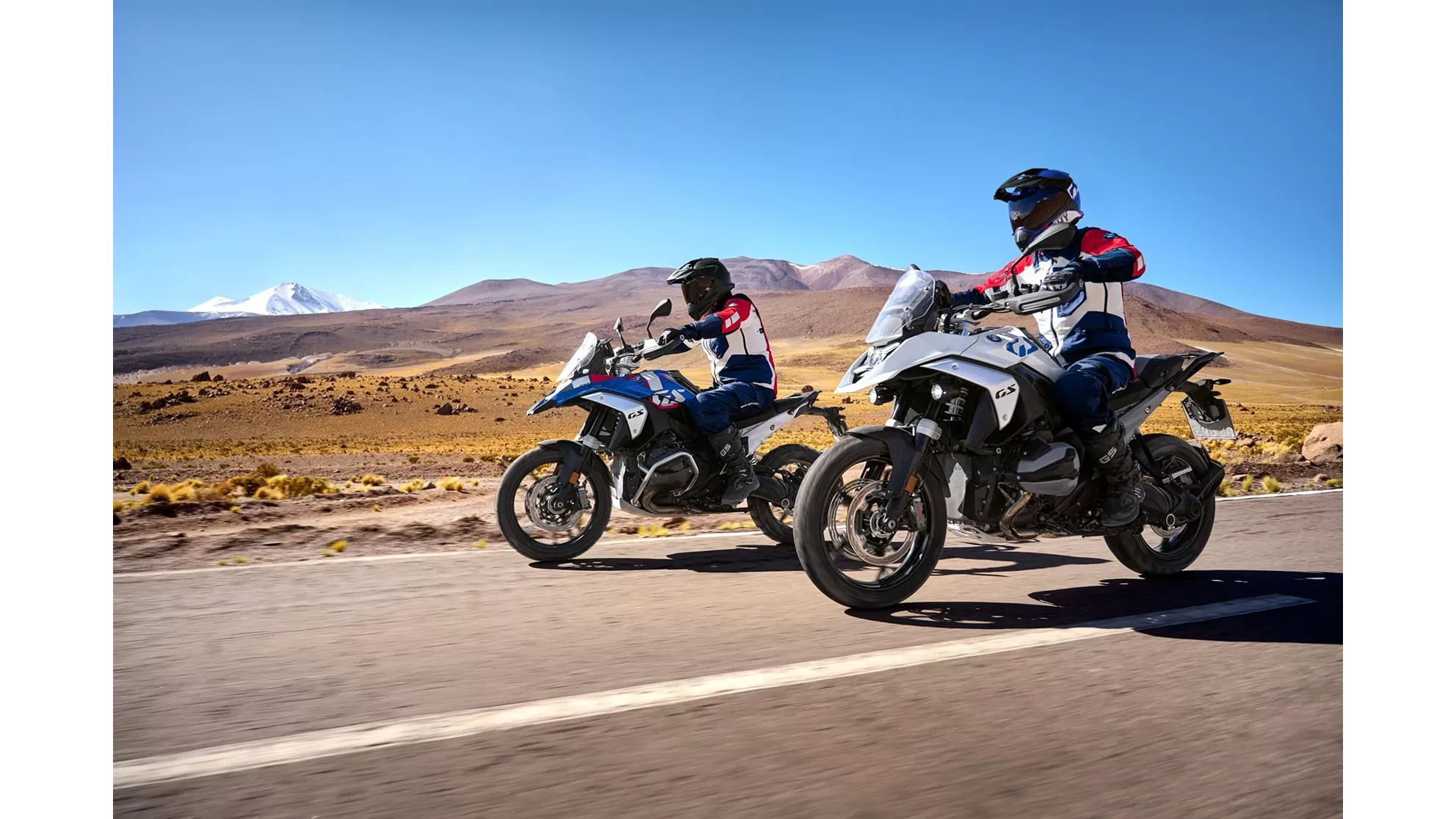
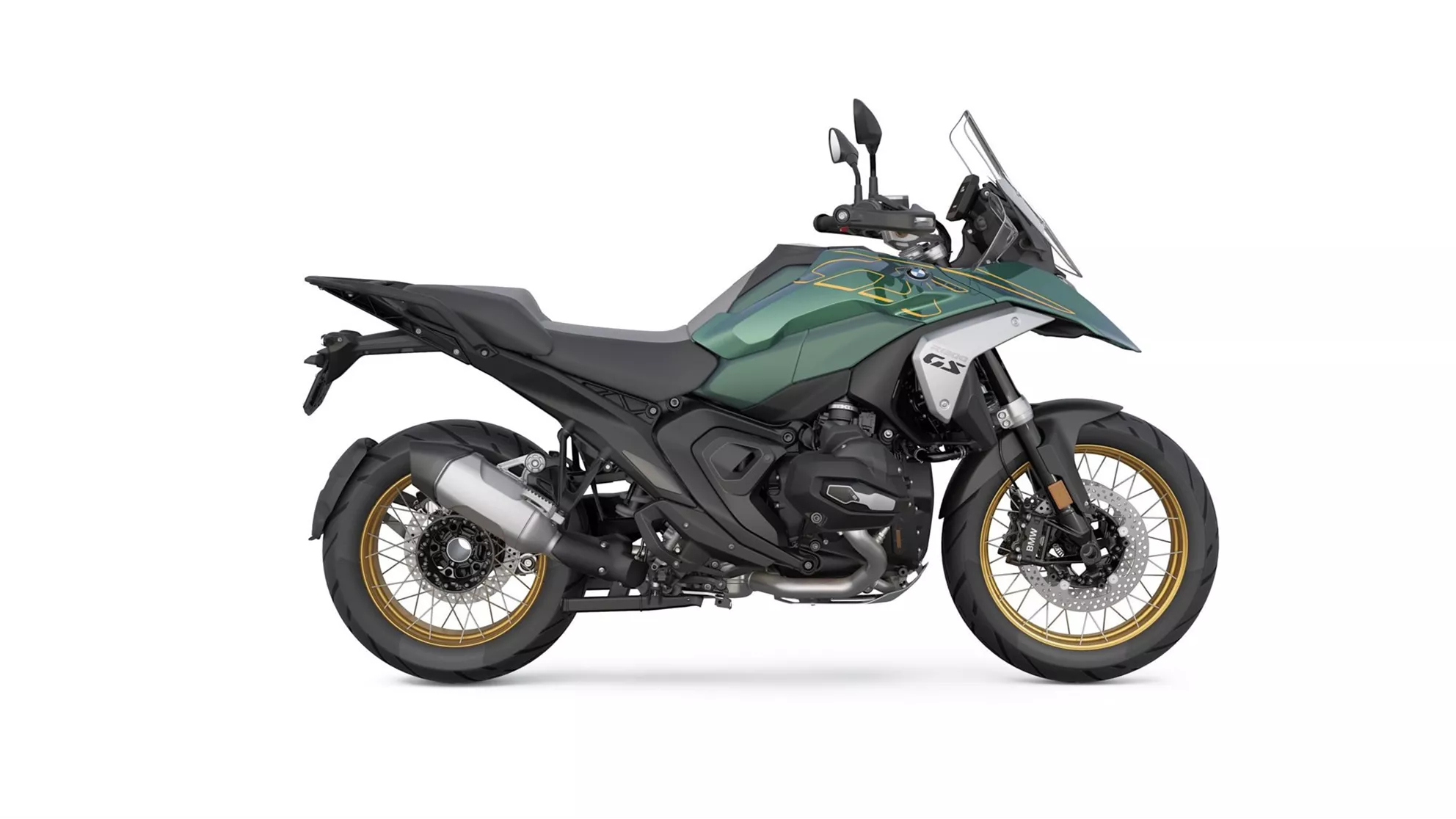
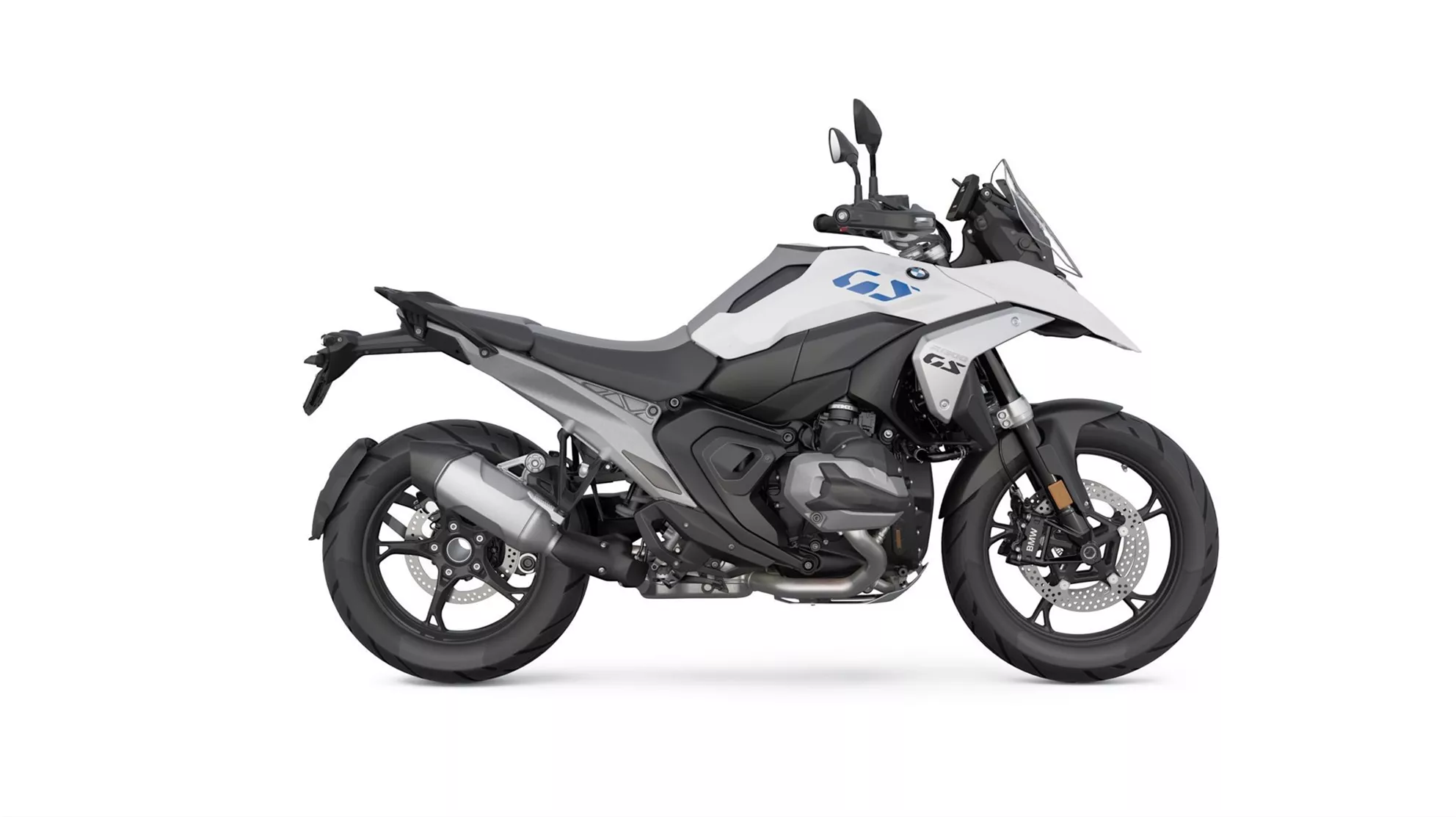
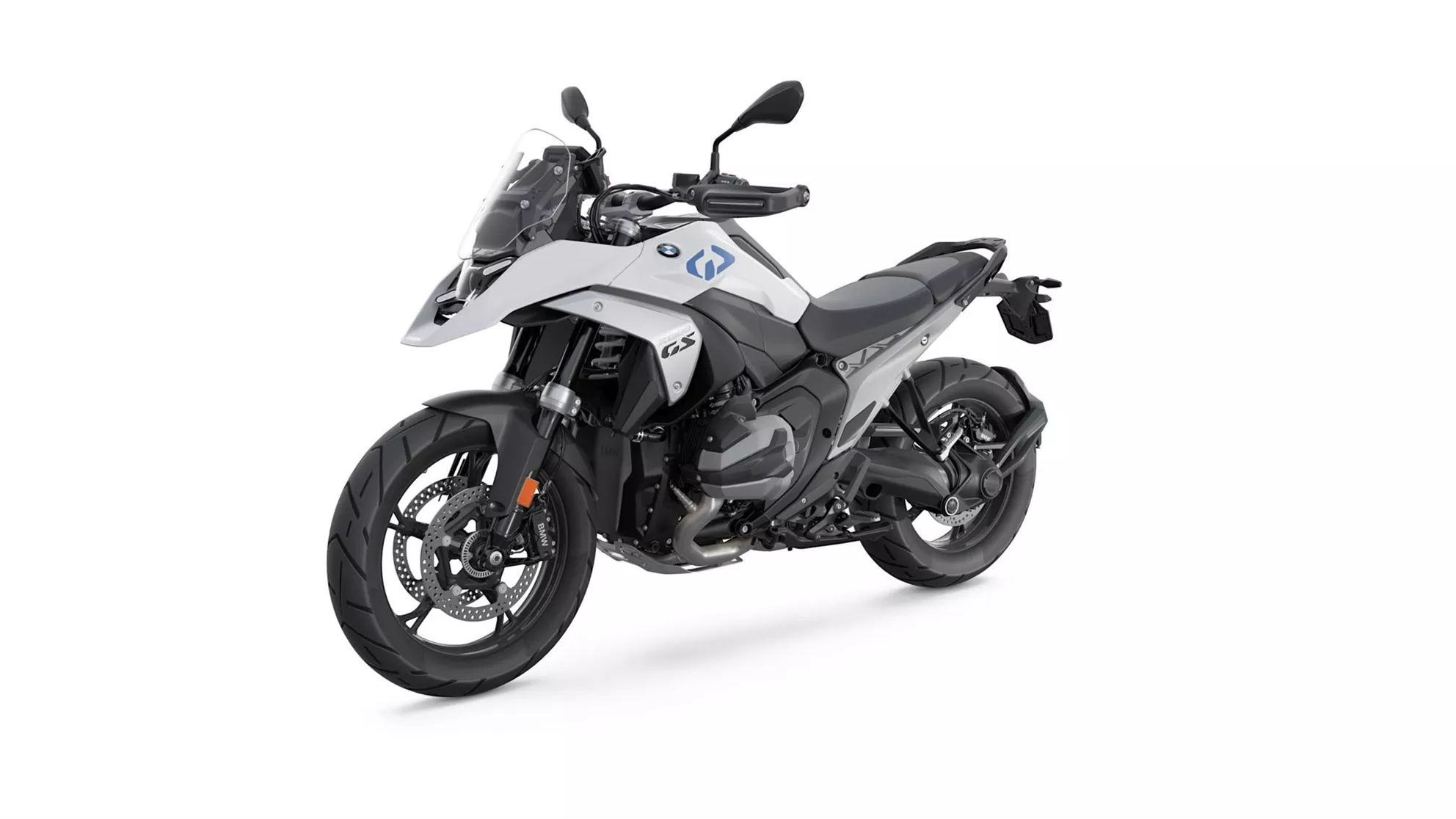
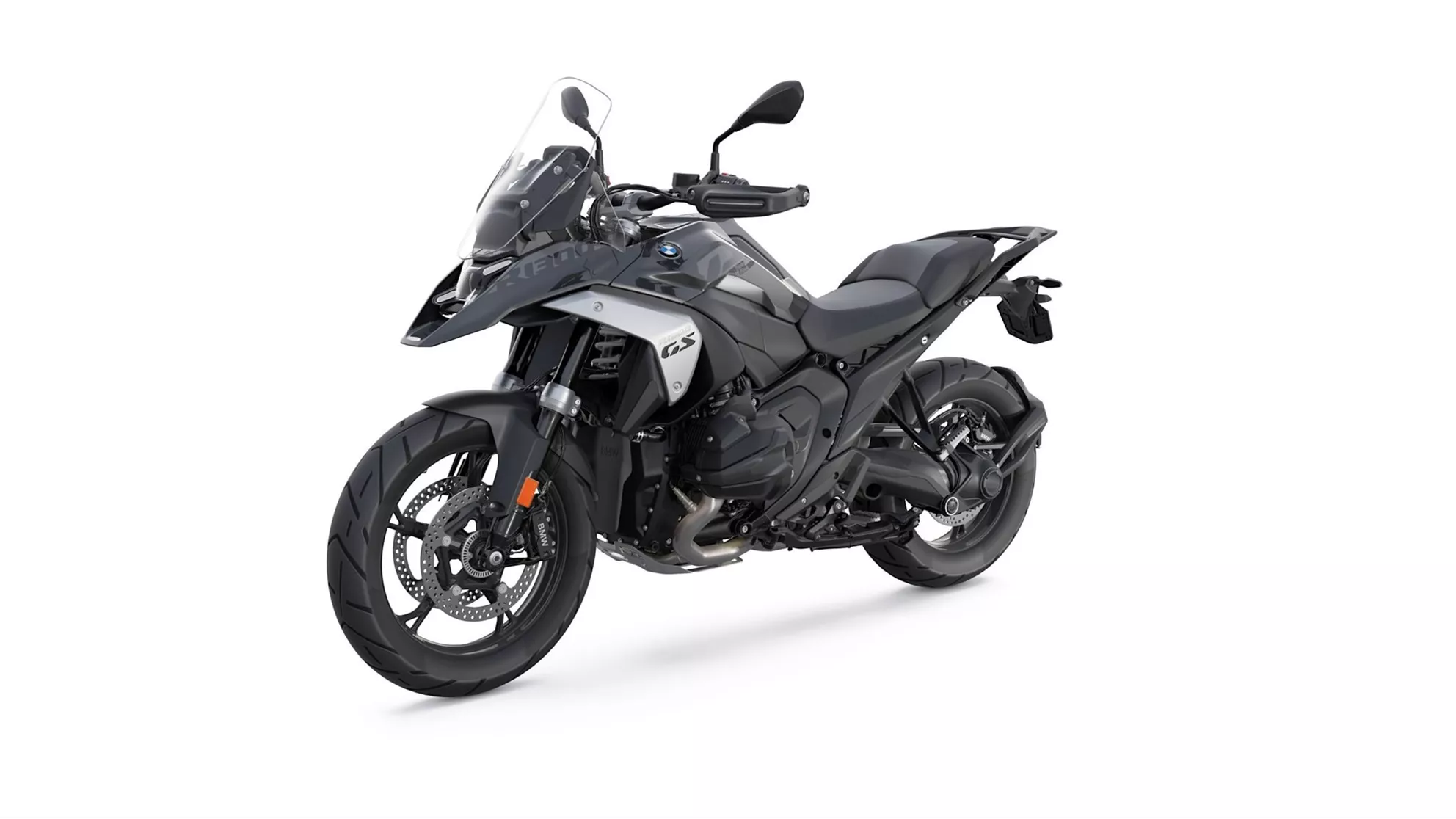
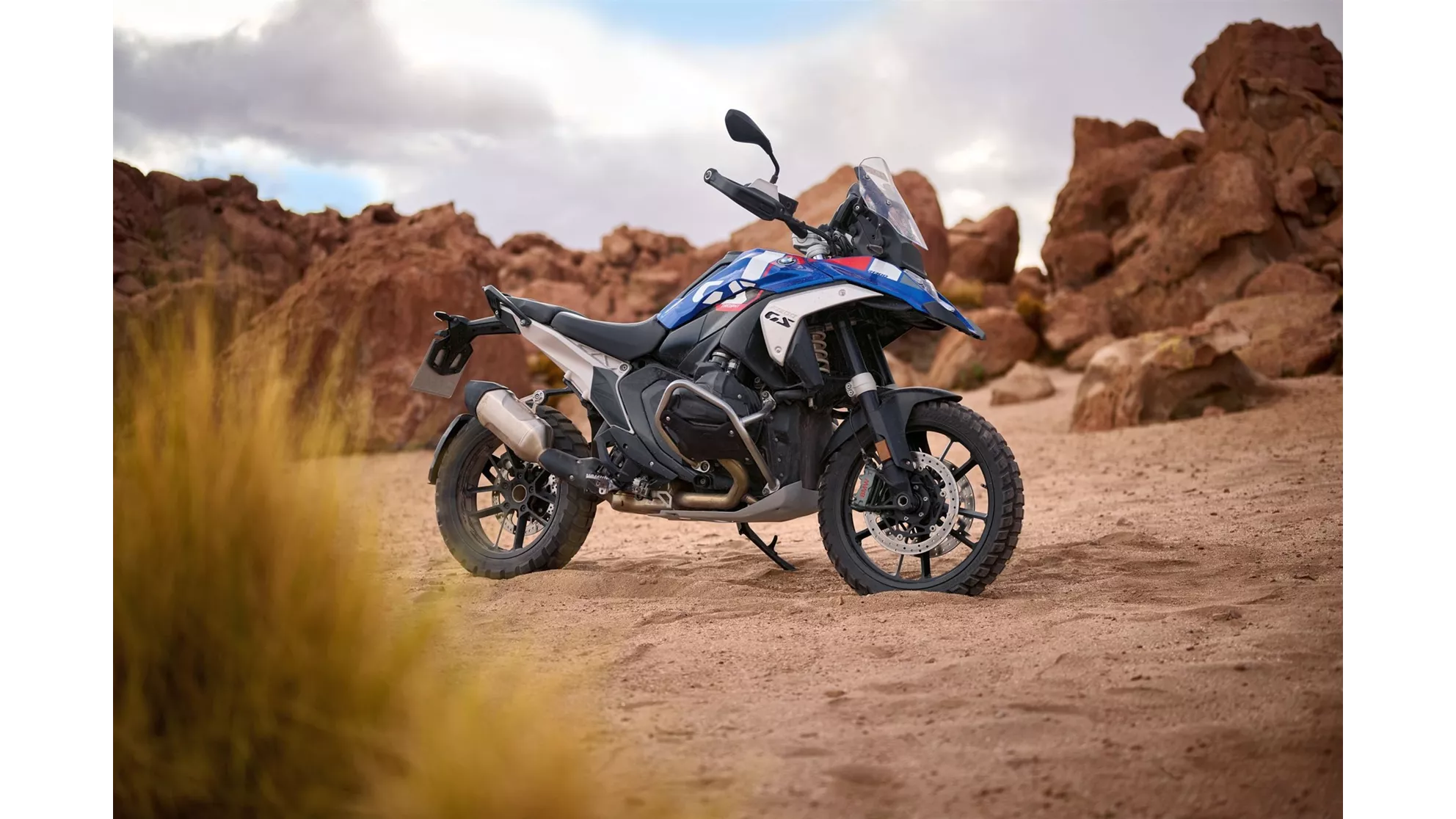
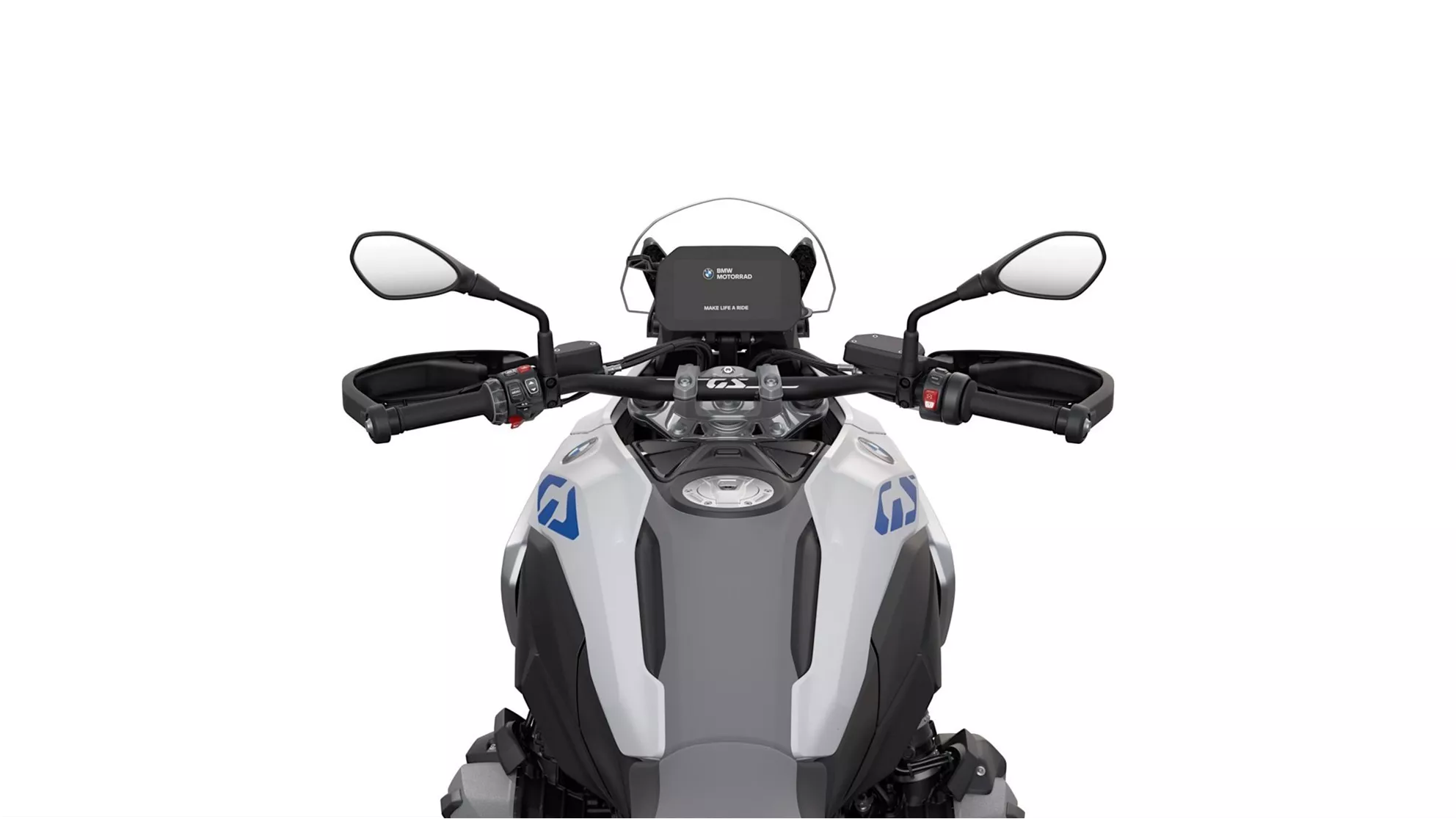
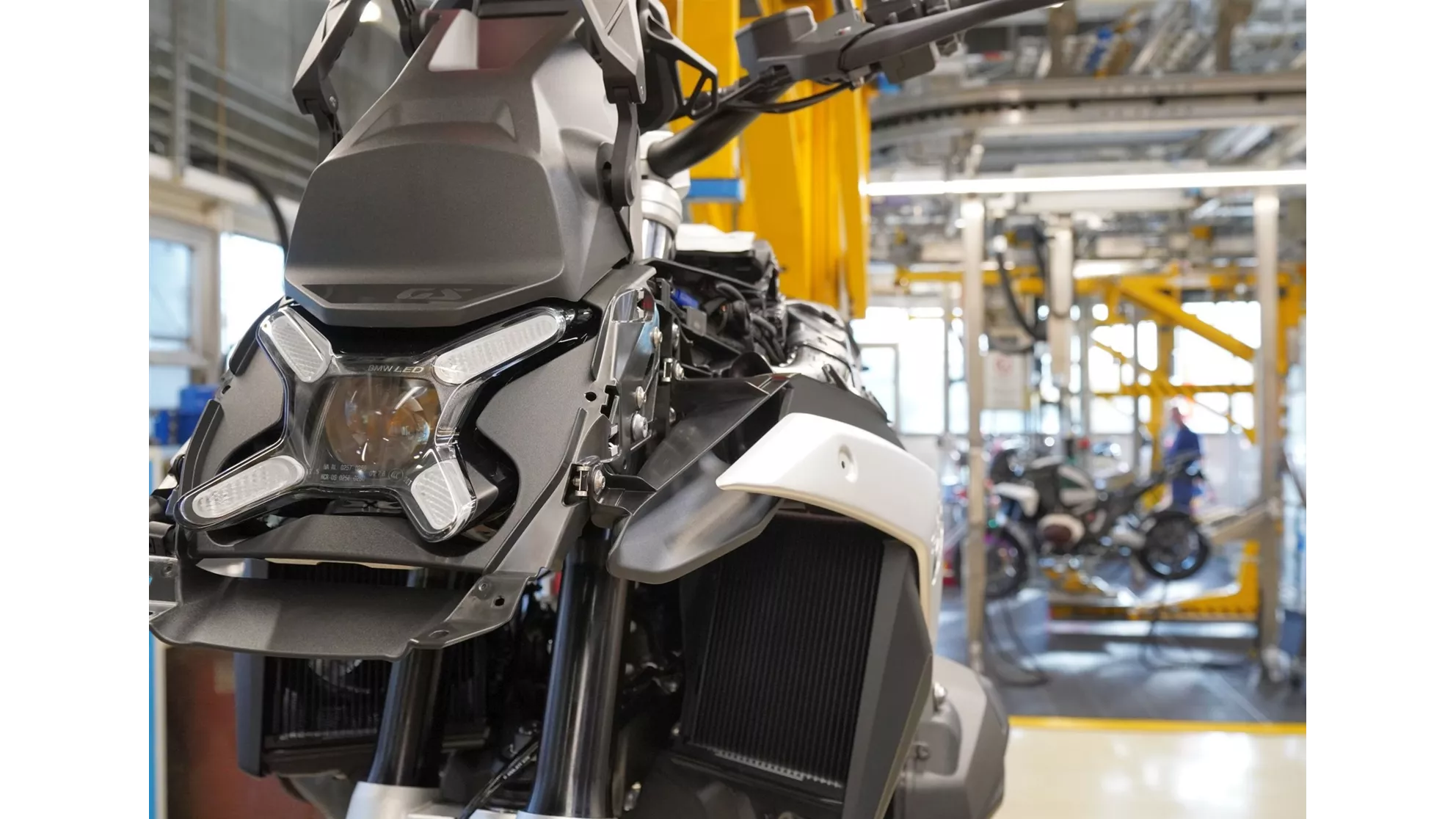
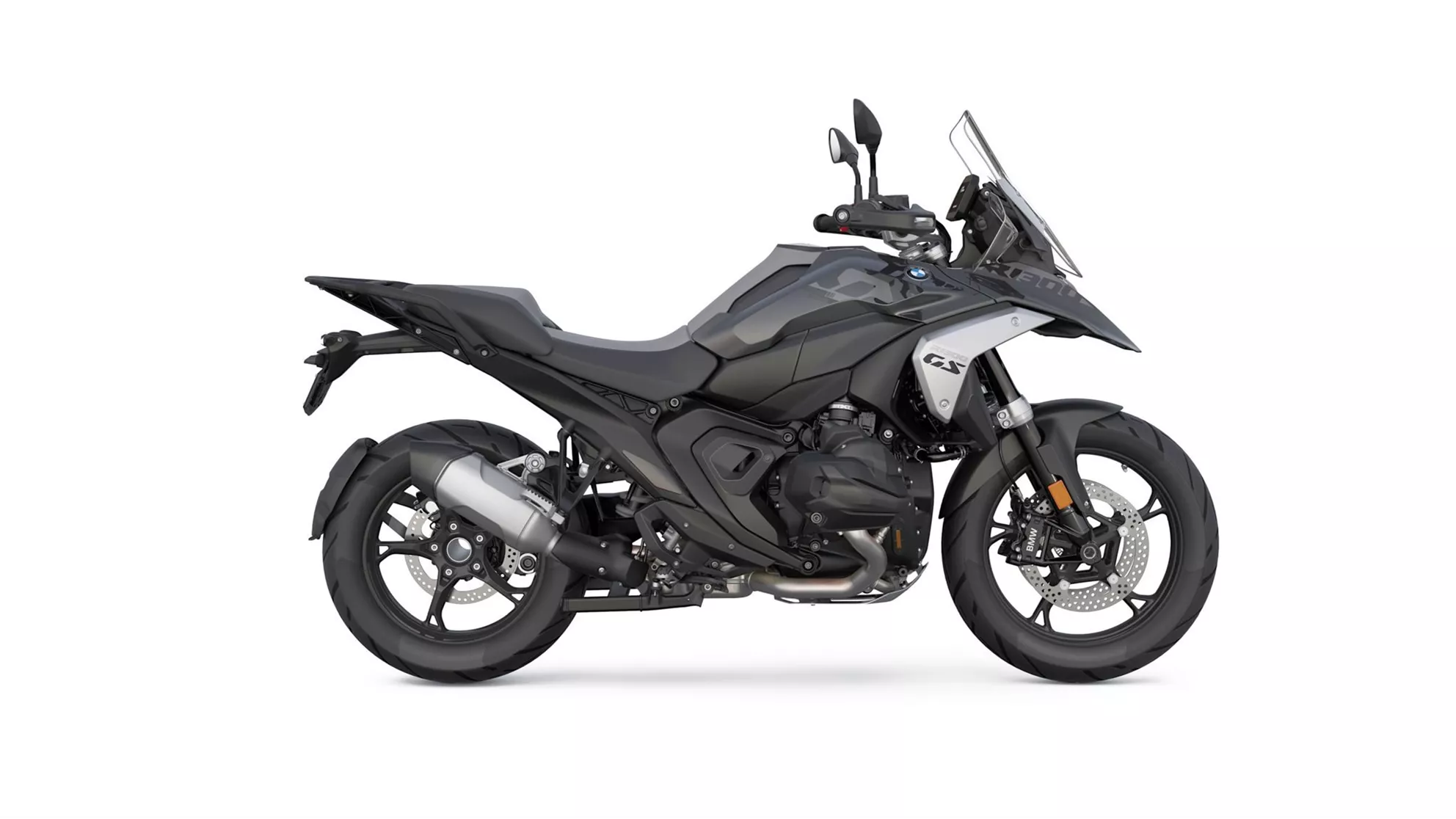
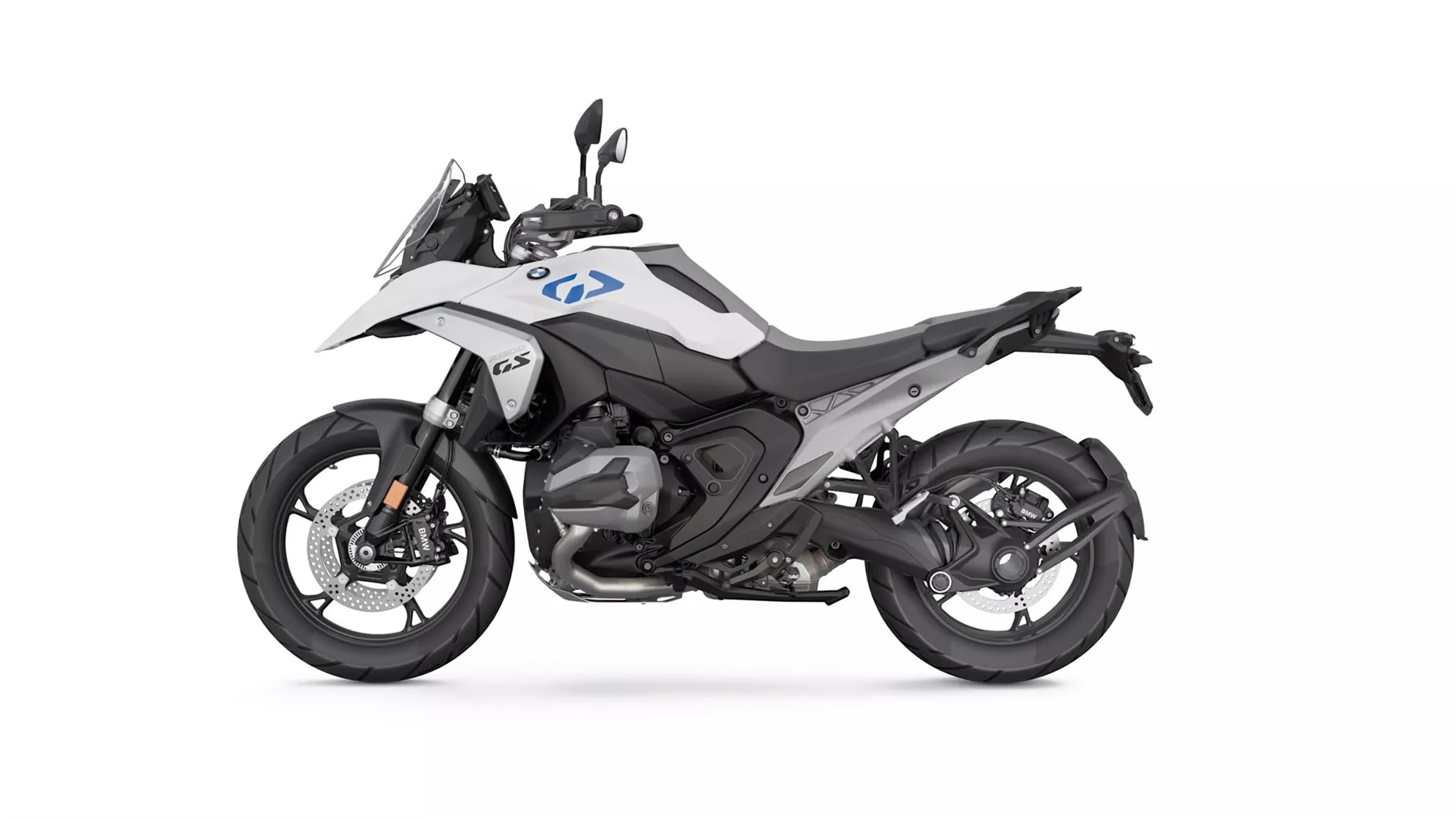
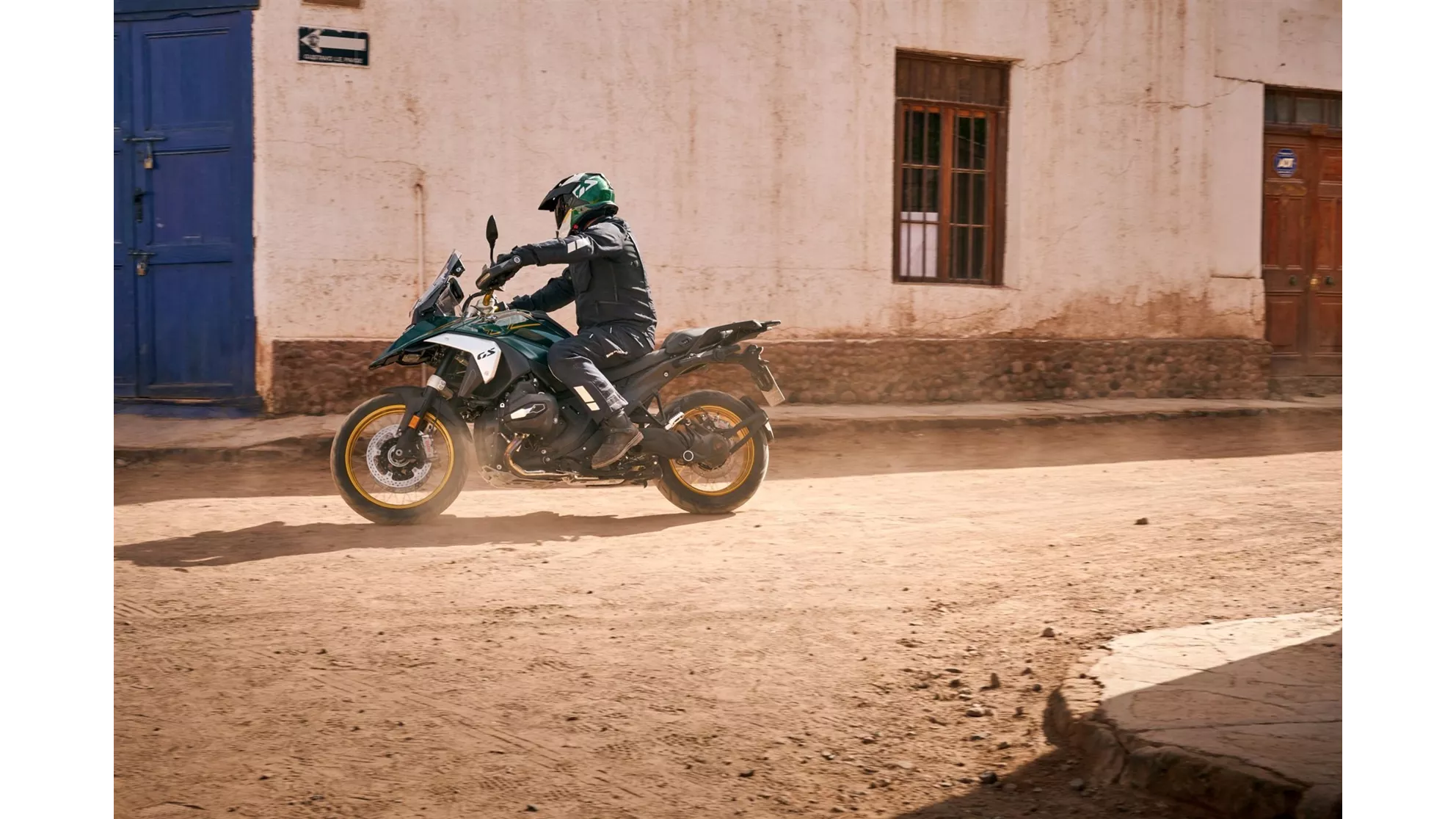
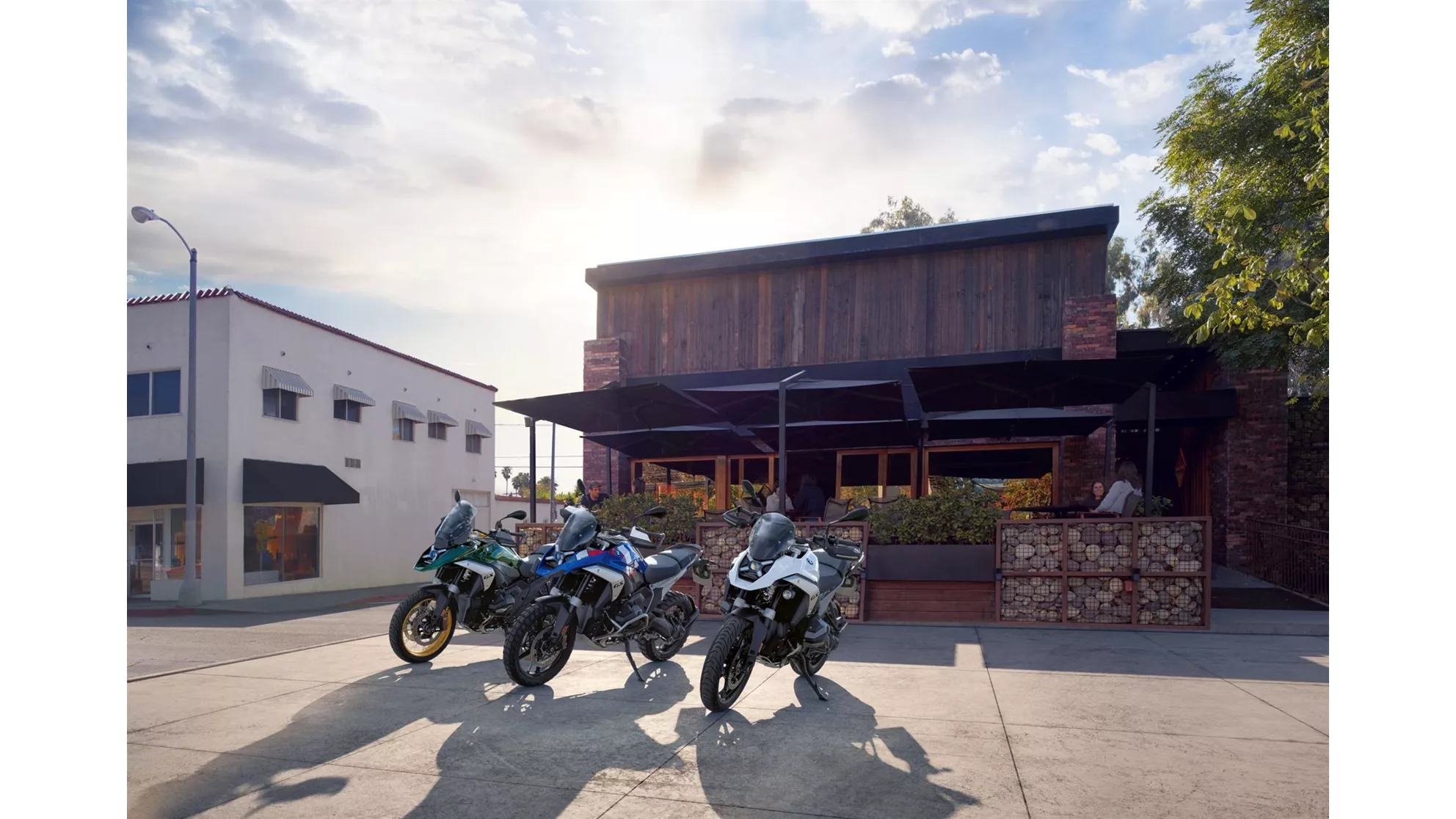
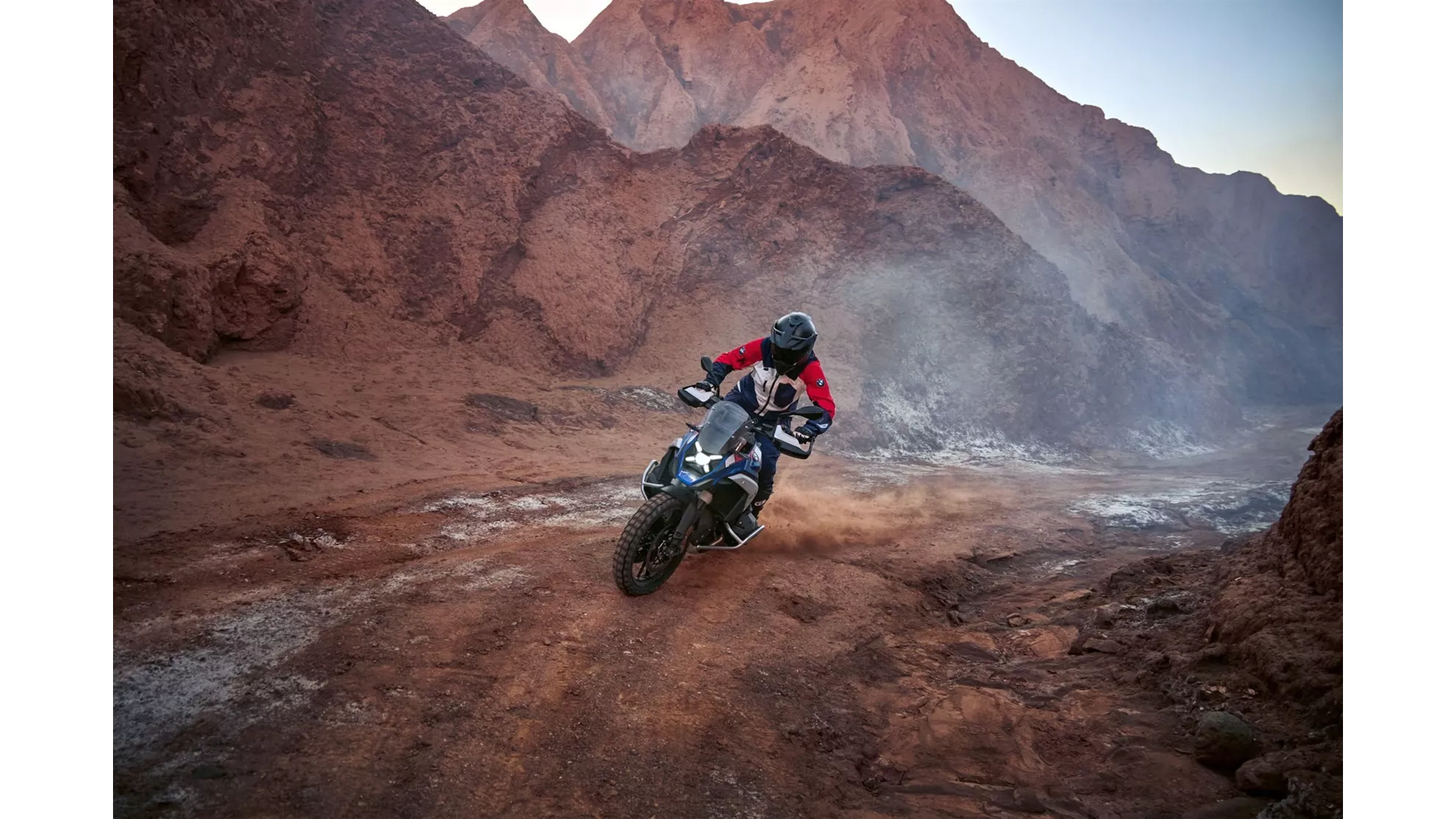
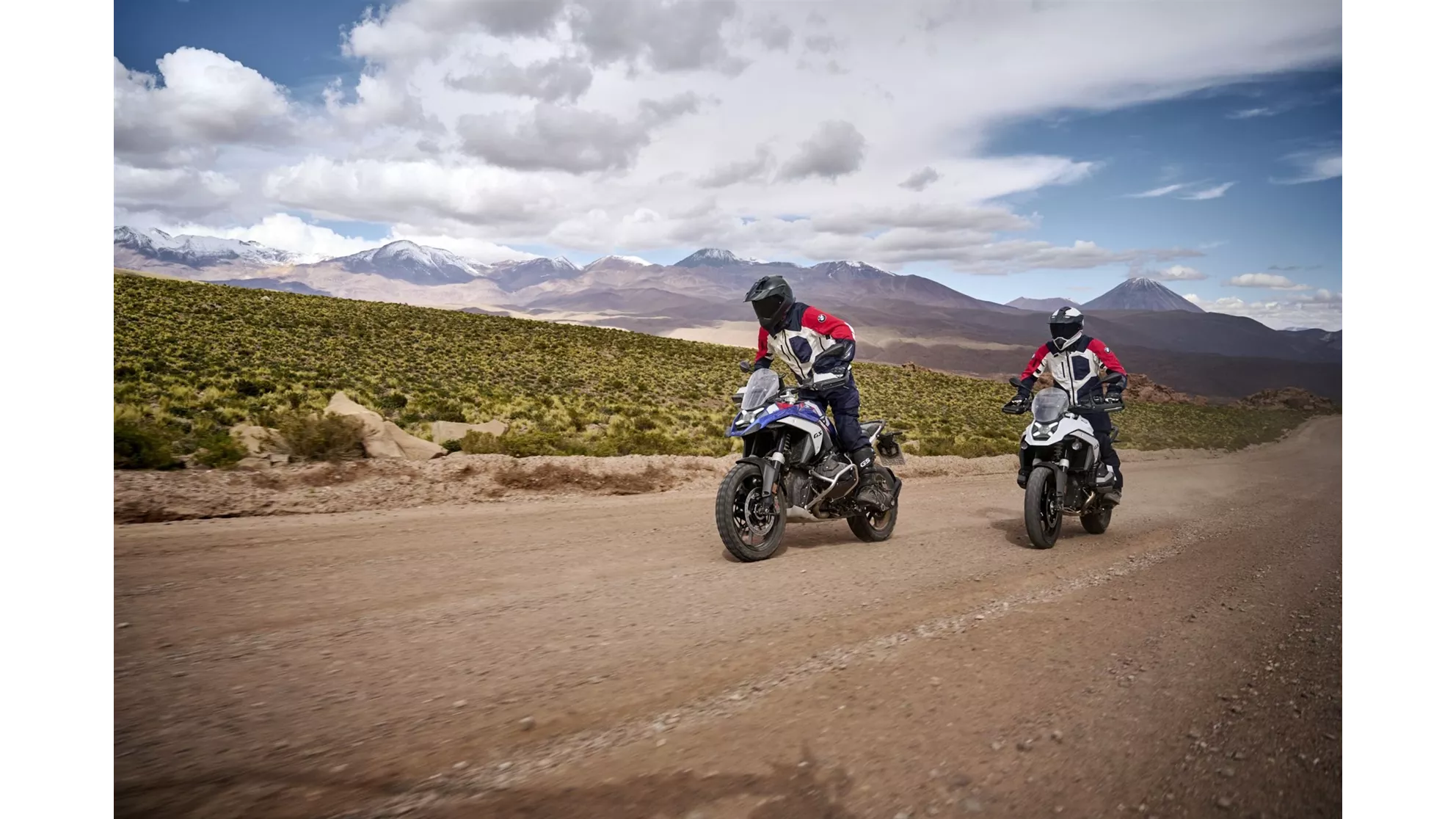
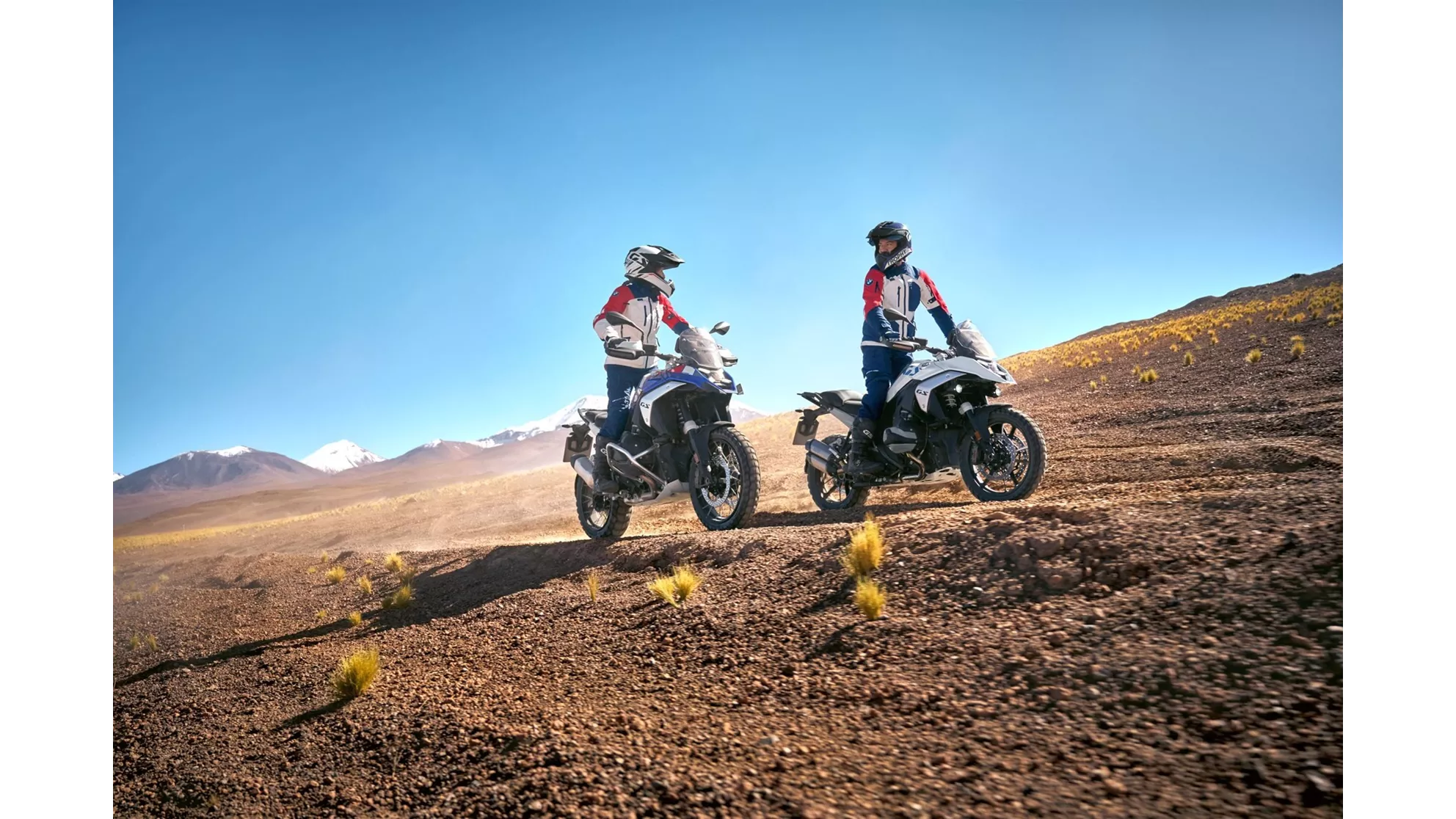
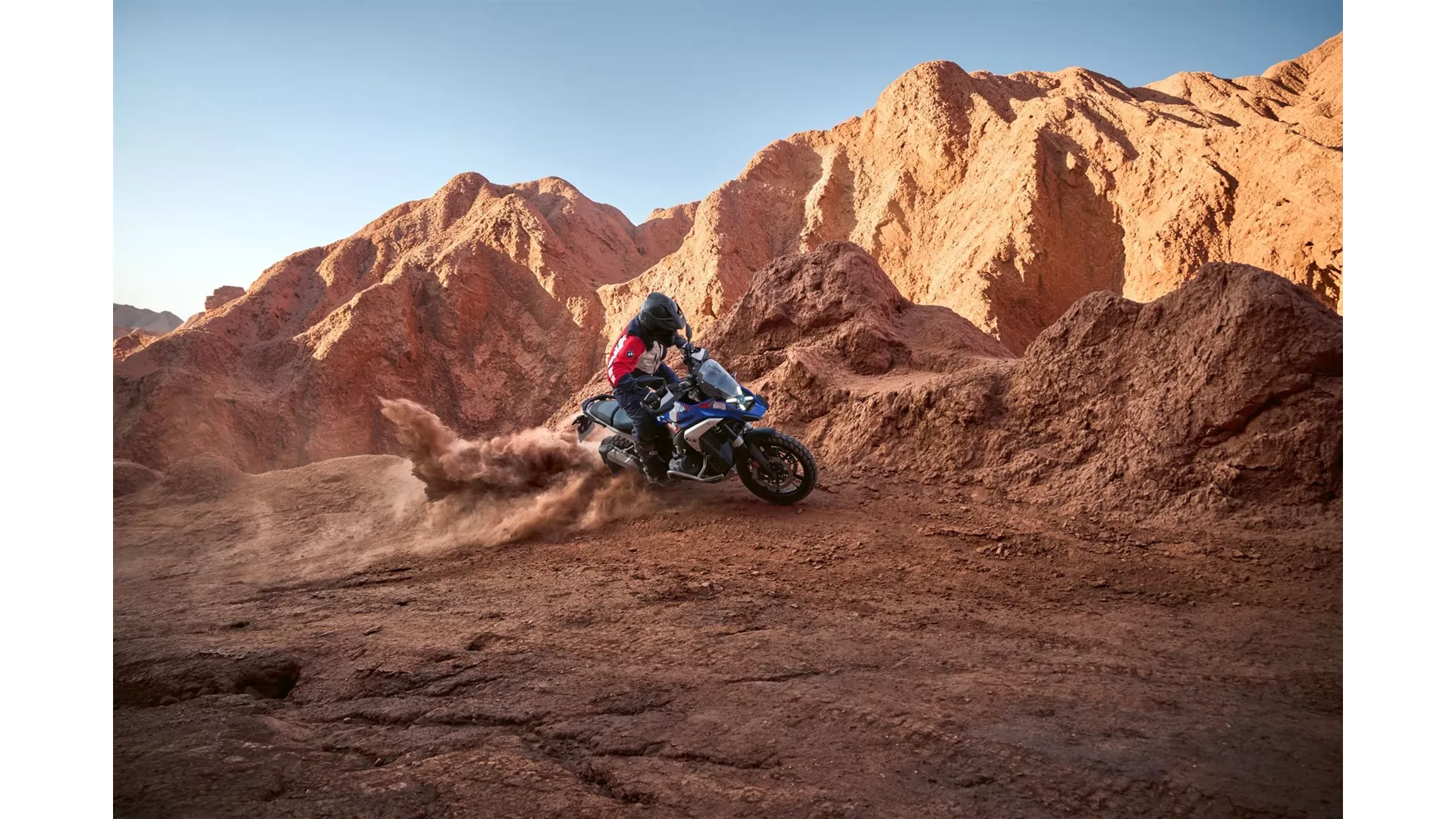
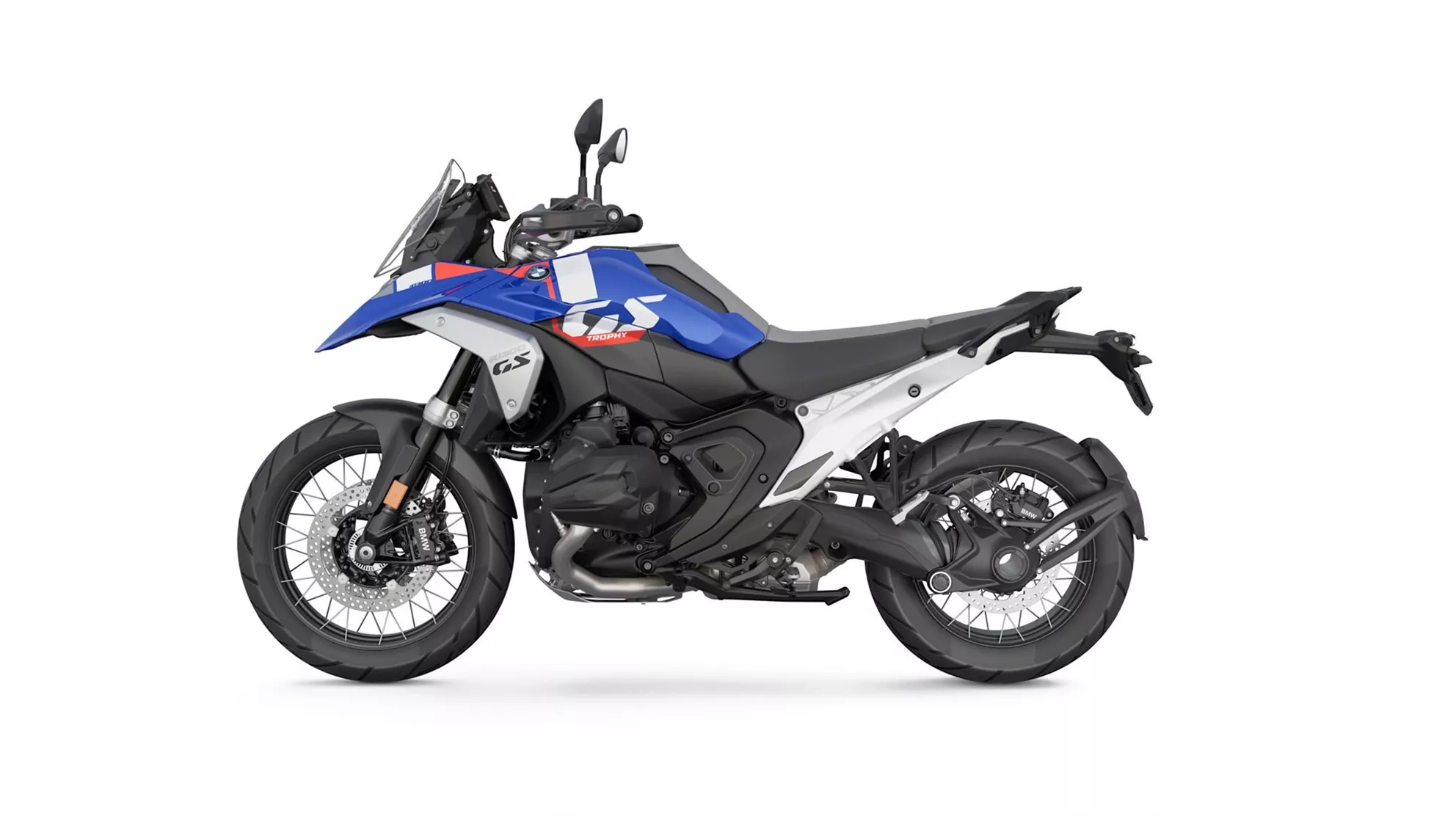
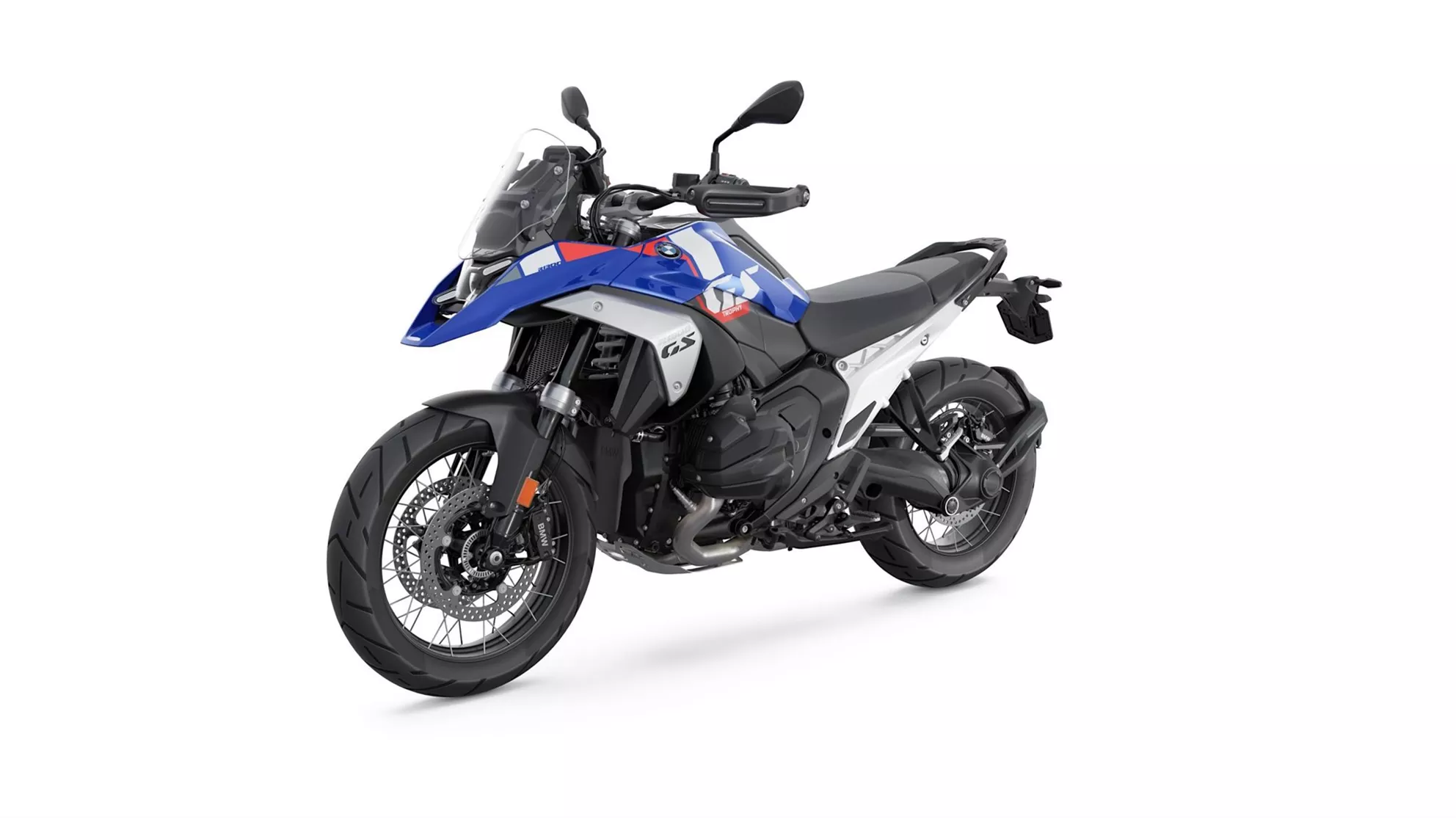
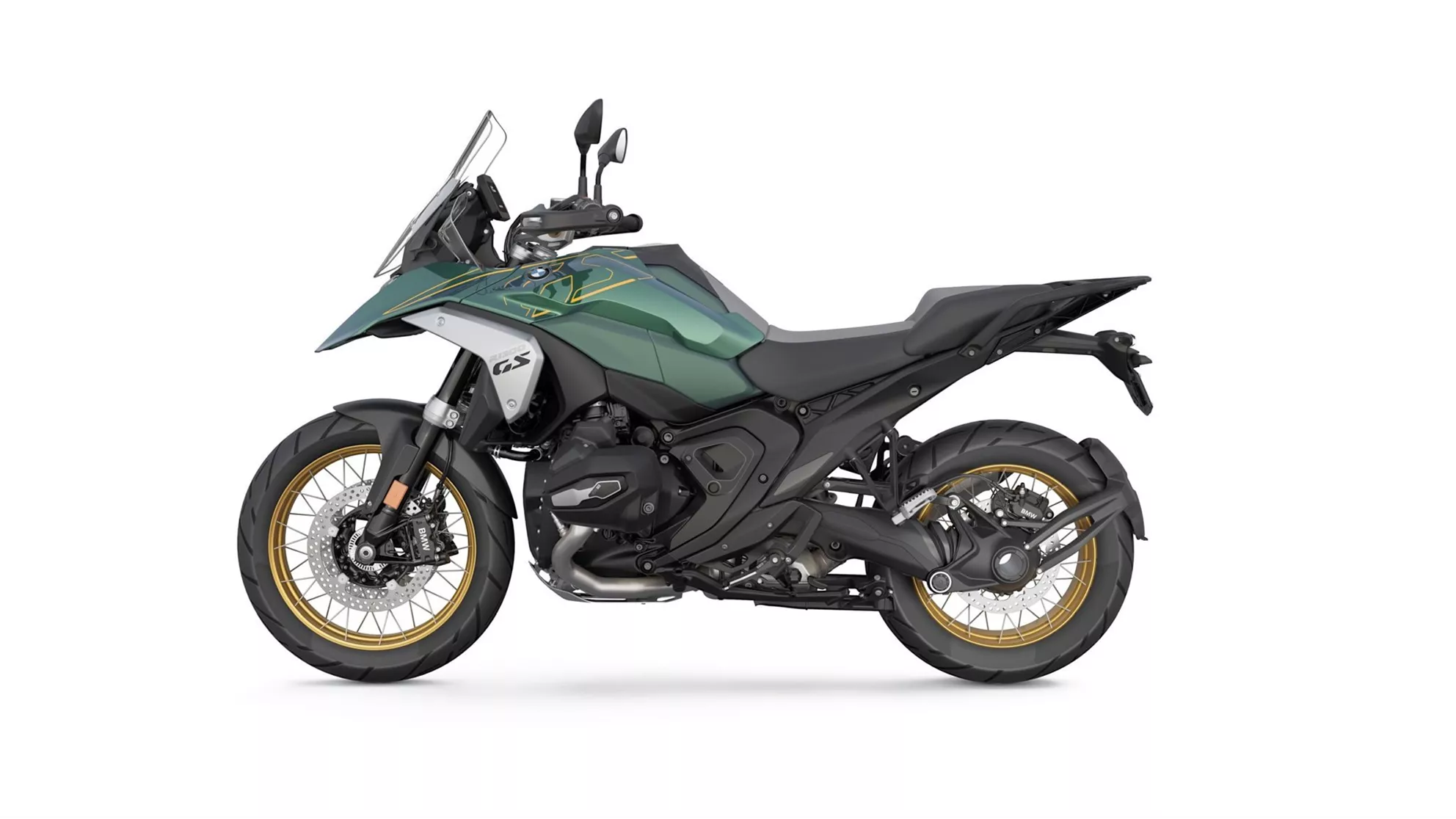
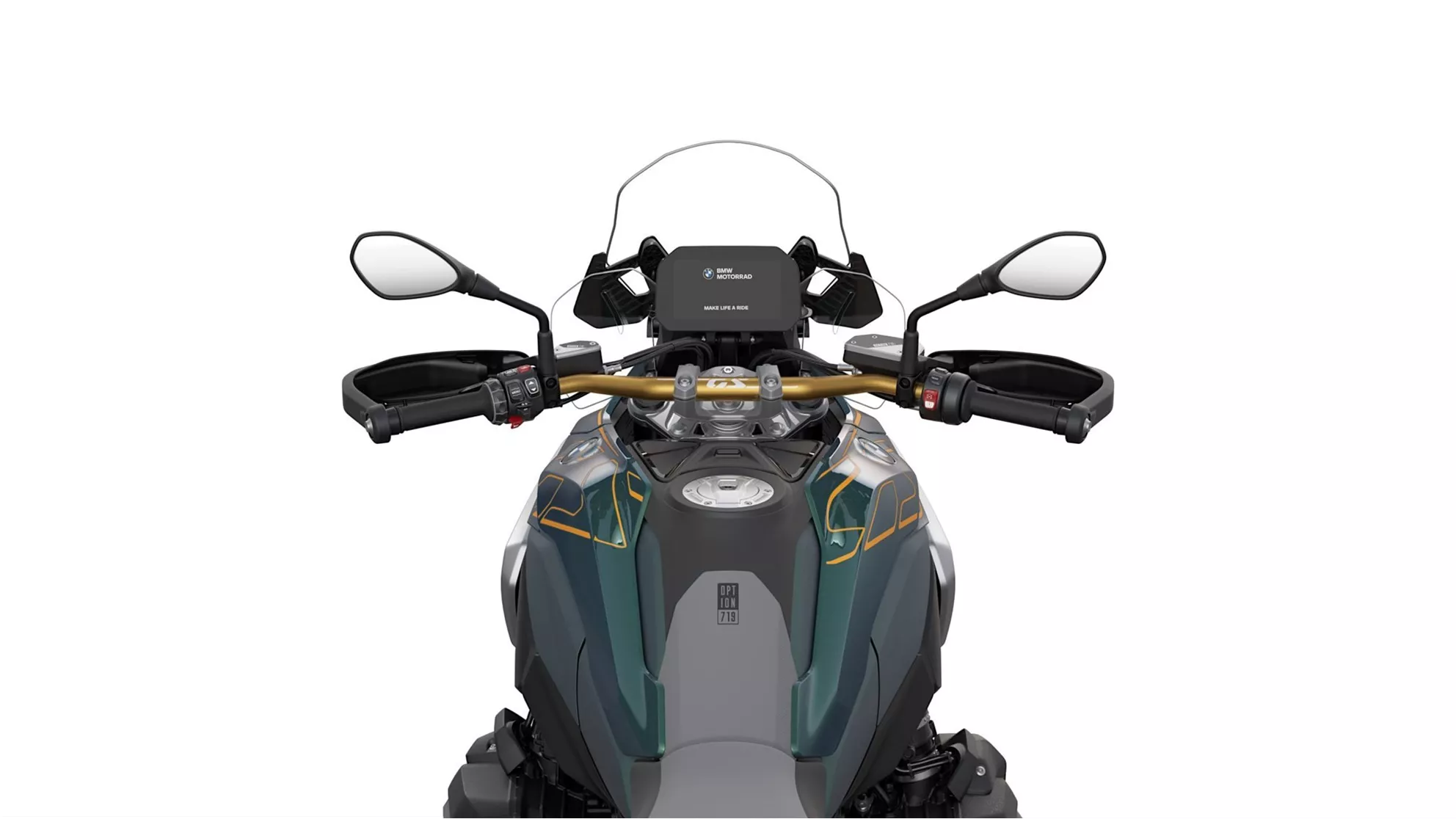
For decades, the BMW GS has been the flagship of the Munich brand, a motorcycle that sets standards, dominates the market, and raises expectations. However, the initial production batches of the R 1300 GS faced challenges: teething problems, recalls, and technical issues sparked discussions. Our own BMW R 1300 GS endurance test experienced this phase intensely—from faulty starter relays to precautionary engine swaps. But now, I have before me an R 1300 GS from the latest batch, built in July 2025, and in a new 10,000-kilometer test, it will demonstrate whether BMW has finally resolved these issues.
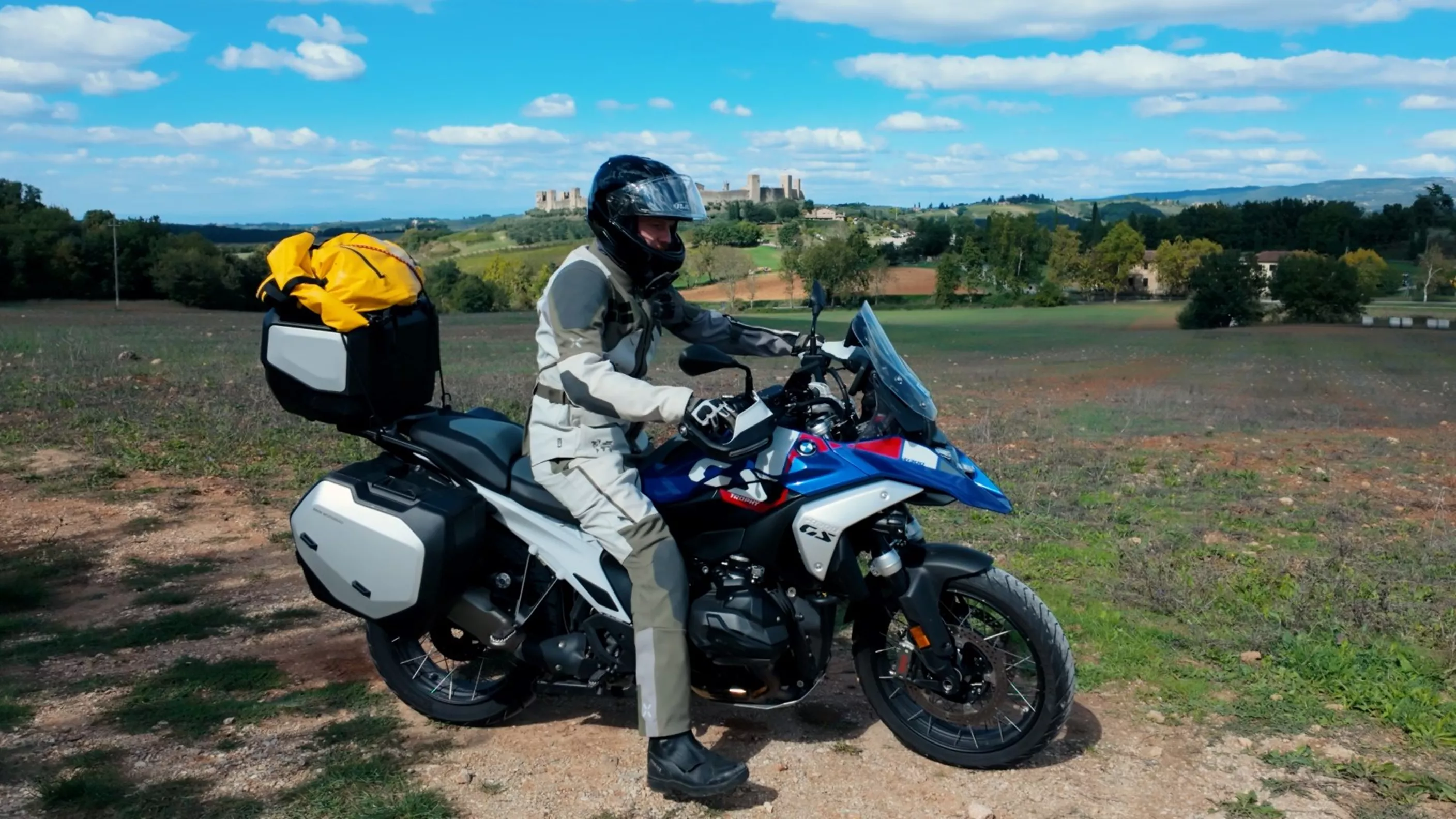
BMW R 1300 GS: 10,000-Kilometer Endurance Test
How Good Is the Latest GS Generation Really?
Certainly! Here's the revised translation: Initially lauded for its technical prowess, the BMW R 1300 GS wasn't without its teething troubles. Now, after two years of updates, we test if the latest batch truly stands as the flagship it aims to be. Join us in this 10,000-kilometer endurance test to find out.
&width=72&height=72&bgcolor=rgba_39_42_44_0&mode=crop "Author: Gregor")
Gregor
published on 12/20/2025
23,243 Views
A New GS Generation with Initial Hiccups
Certainly! Here's the refined translation:
Originally, our long-distance rider Varahannes was supposed to undertake this long-term intensive test, but due to health reasons, I have stepped in as the interim tester. The test aims to mirror the real-world scenarios faced by GS riders everywhere, involving daily commutes and extensive touring: I commute daily between Vienna and Wiener Neustadt, roughly 100 kilometers a day, plus a major trip to Italy with full luggage and a passenger. The odometer reading at the start: 2,361 kilometers. The goal: to clock over 12,000 kilometers in three months and assess the durability of the R 1300 GS.
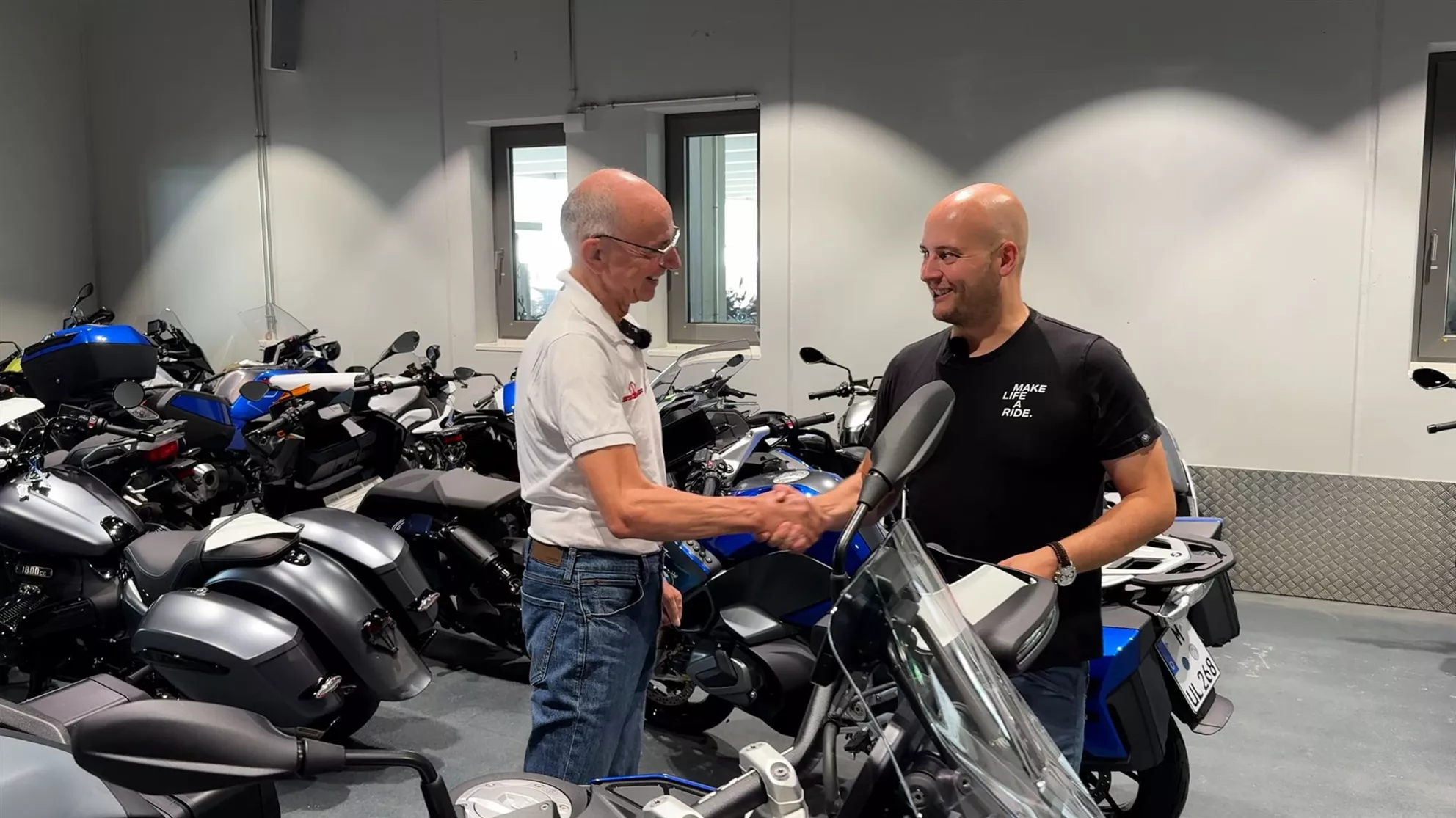
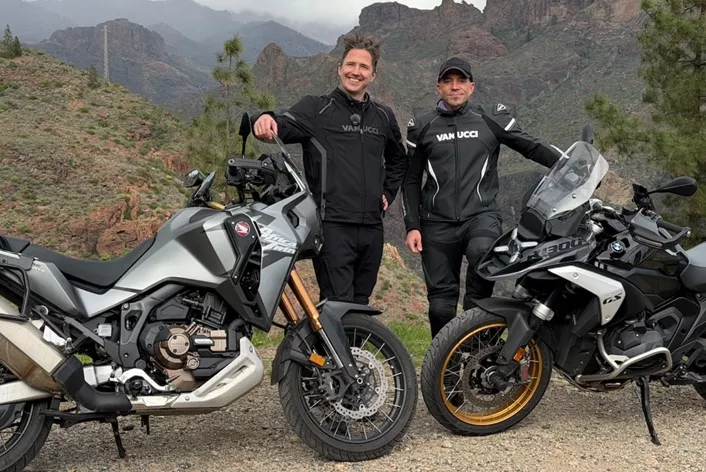
Here, Varahannes beams as he takes delivery of the R 1300 GS, produced in July 2025. Unfortunately, health issues prevent him from participating in the second endurance test, and the GS will have to go on without our long-distance rider.
Fully Equipped for the Tough Test - The Test Machine in Detail
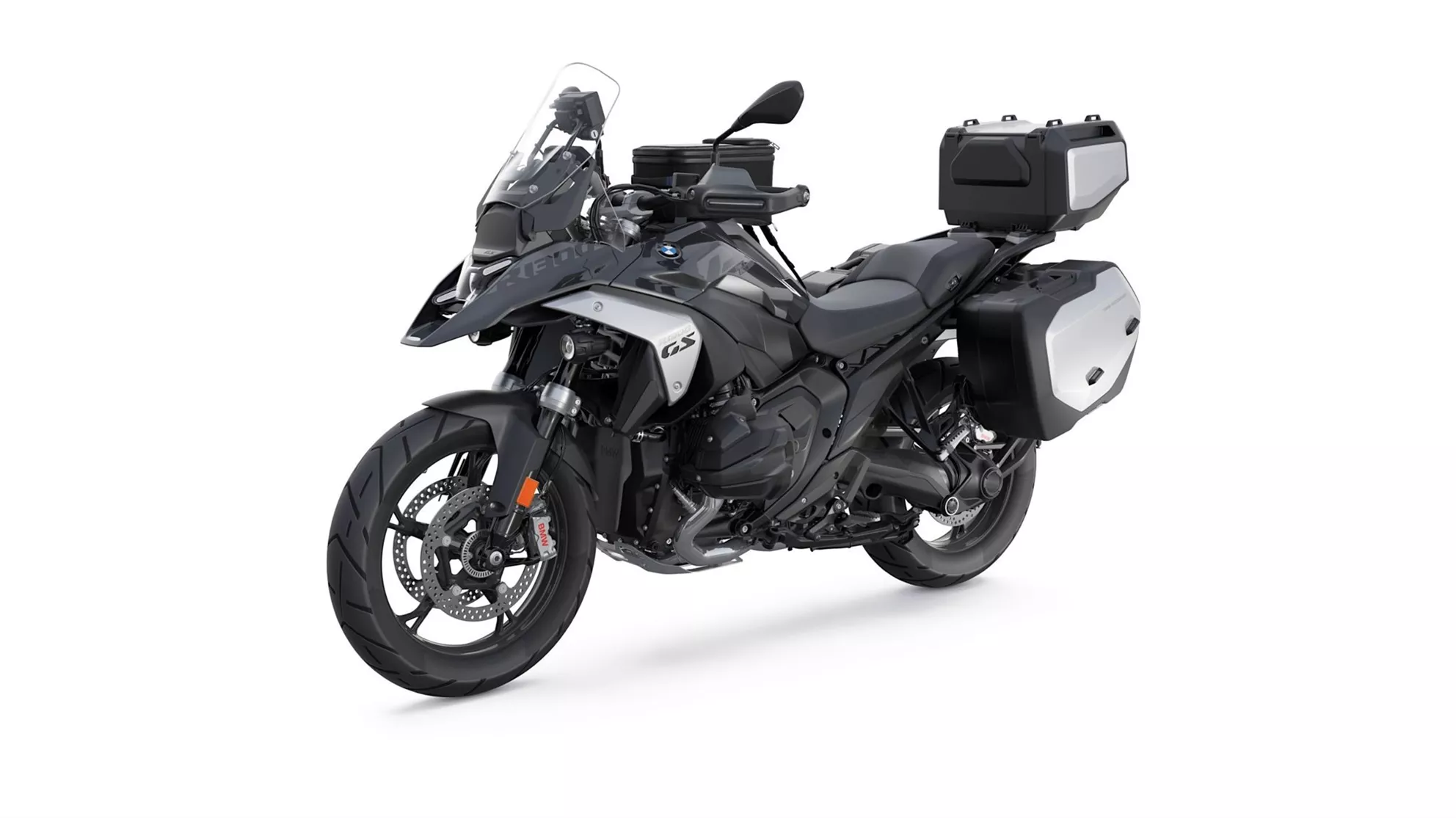
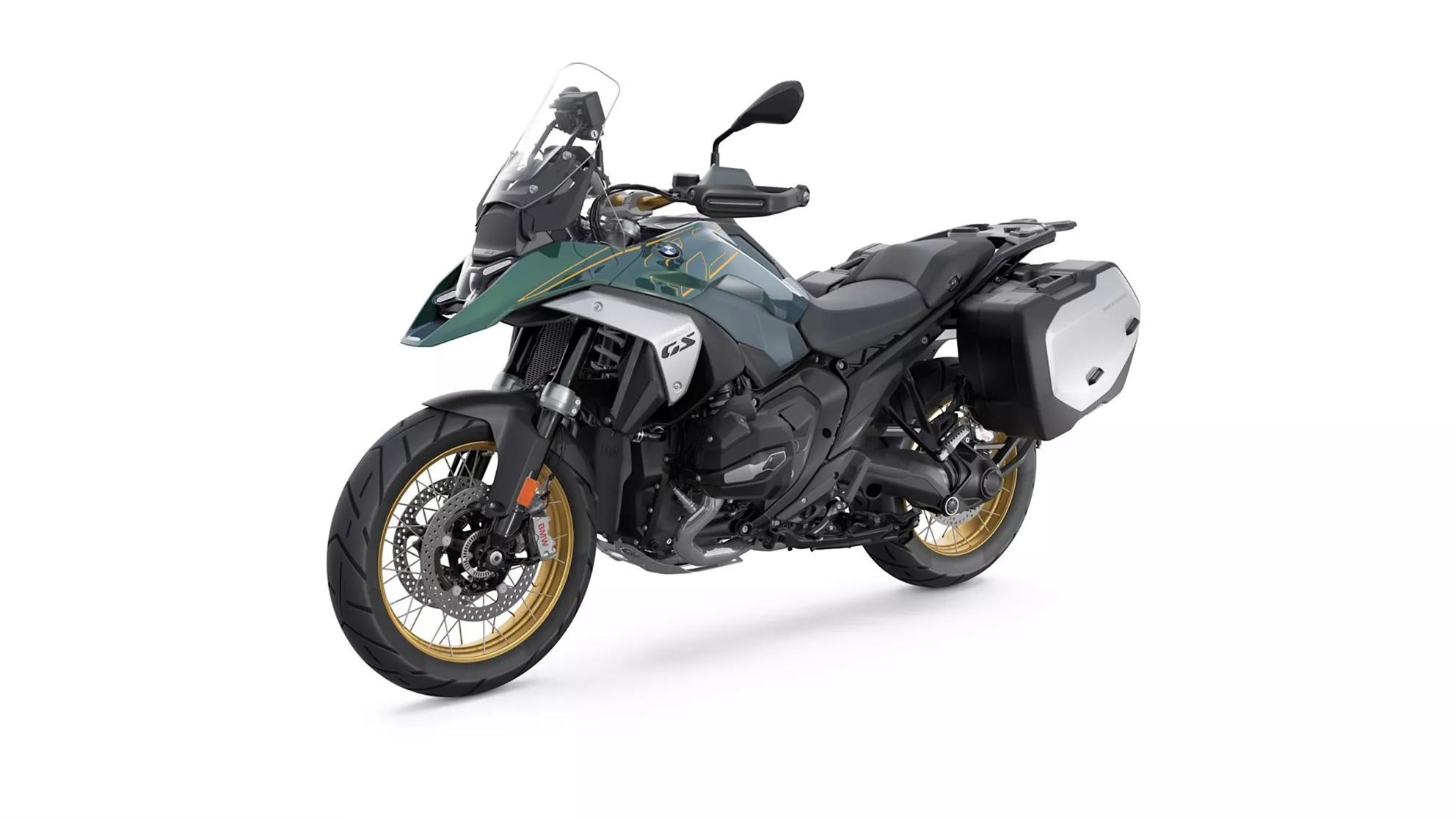
Our test GS is fully loaded. Standard features include Dynamic Traction Control, Integral ABS Pro, four riding modes, Hill Start Control, Dynamic Brake Control, engine drag torque control, tire pressure monitoring, Keyless Ride, heated grips, and a well-thought-out lighting design with integrated indicators. In addition, it boasts a powerful accessory package: DSA semi-active suspension with adaptive vehicle height adjustment, Headlight Pro, auxiliary lights, seat heating, Pro riding modes, the new ASA shift assistant, Navigator, and the complete Vario luggage system. Price: €34,199 in Austria, €29,644 in Germany. A high-end technology bundle packed to the brim—and exactly what we pit against 10,000 kilometers of real-world testing.
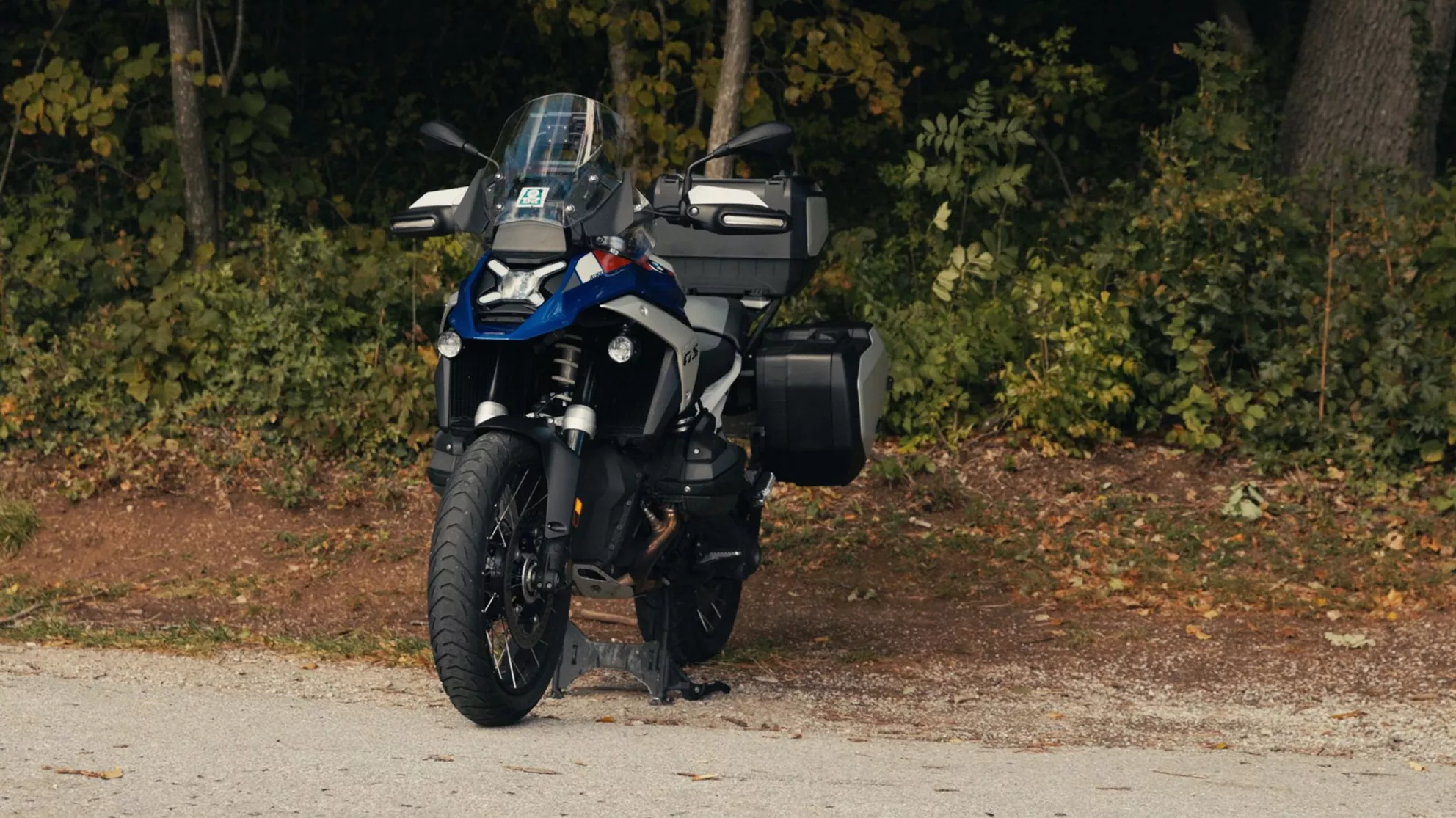
As is typical with BMW, this R 1300 GS is fully loaded and even equipped with ASA.
First Everyday Impressions - Commuting, City Traffic, and Highway
In commuter mode, the GS surprises with its pleasantly low center of gravity despite weighing nearly 270 kilograms, making tight maneuvers easier. While it may not have the slimmest silhouette, it commands respect and attention from other road users and can still be steered nimbly and effortlessly through traffic jams. The only caveat is the wide handlebars, often at the height of car side mirrors, which can make things a bit tricky at times.
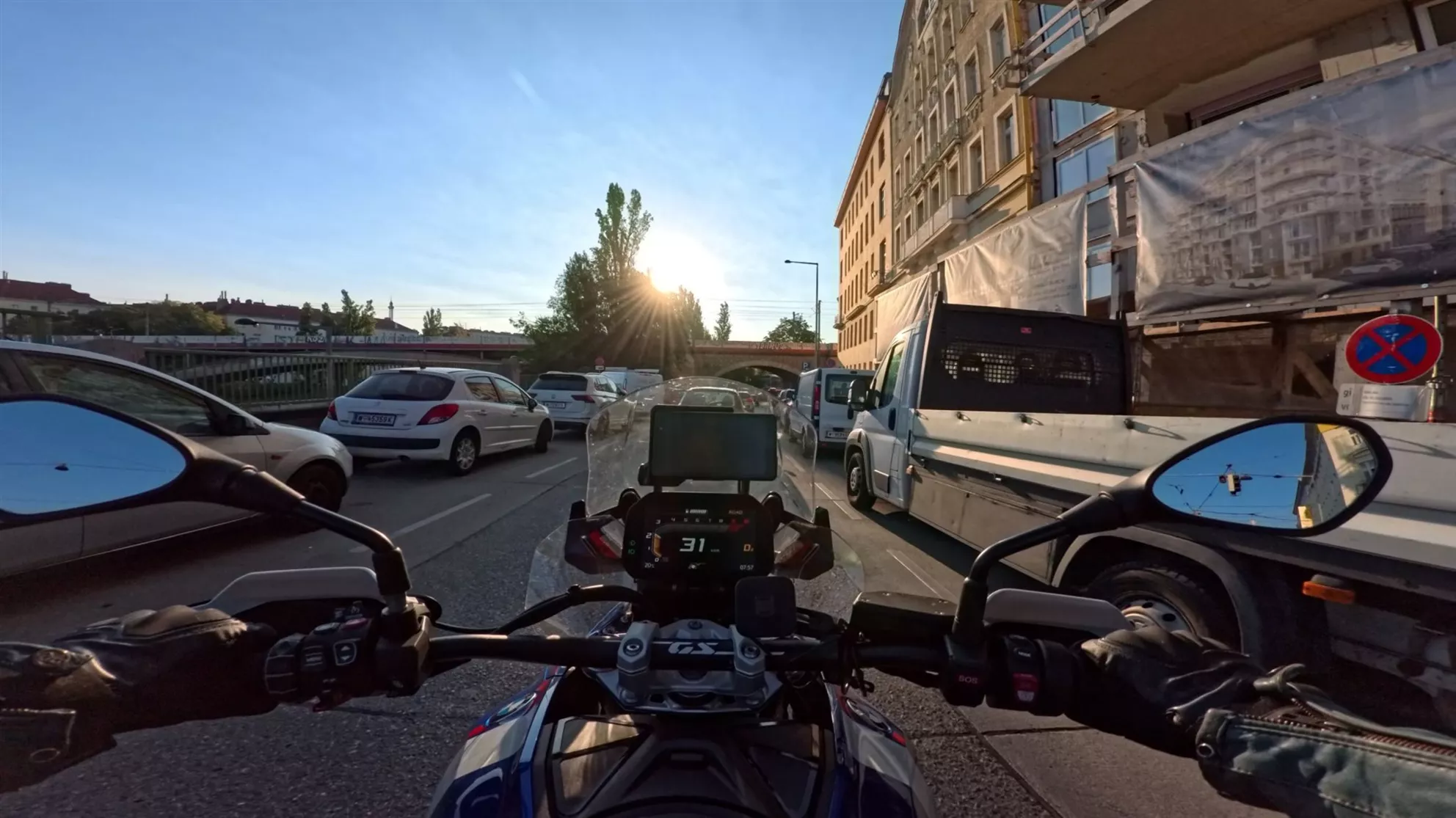
In urban areas, the R 1300 GS shines with its responsive engine, practical ASA, low center of gravity, and comfortable ride. The only challenge is the wide handlebars, which can make weaving through dense traffic a bit tricky at times.
ASA in Detail - Automatic Comfort and Quickshifter Feel
The ASA system automates clutch and gear shifts, eliminating the need for manual clutch operation. It proves to be precise and well-calibrated when setting off. Compared to manual clutch handling, it requires a bit of getting used to and more throttle precision initially. However, with a reasonably experienced throttle hand and the aid of the rear brake, slow maneuvers are easily managed with ASA. In city traffic, it operates smoothly and shifts early and quietly. A particularly positive aspect is that second gear is maintained until a complete stop, reducing the number of shifts in stop-and-go traffic and ensuring a smoother ride. When upshifting in urban areas, the next gear engages early, allowing for relaxed cruising.
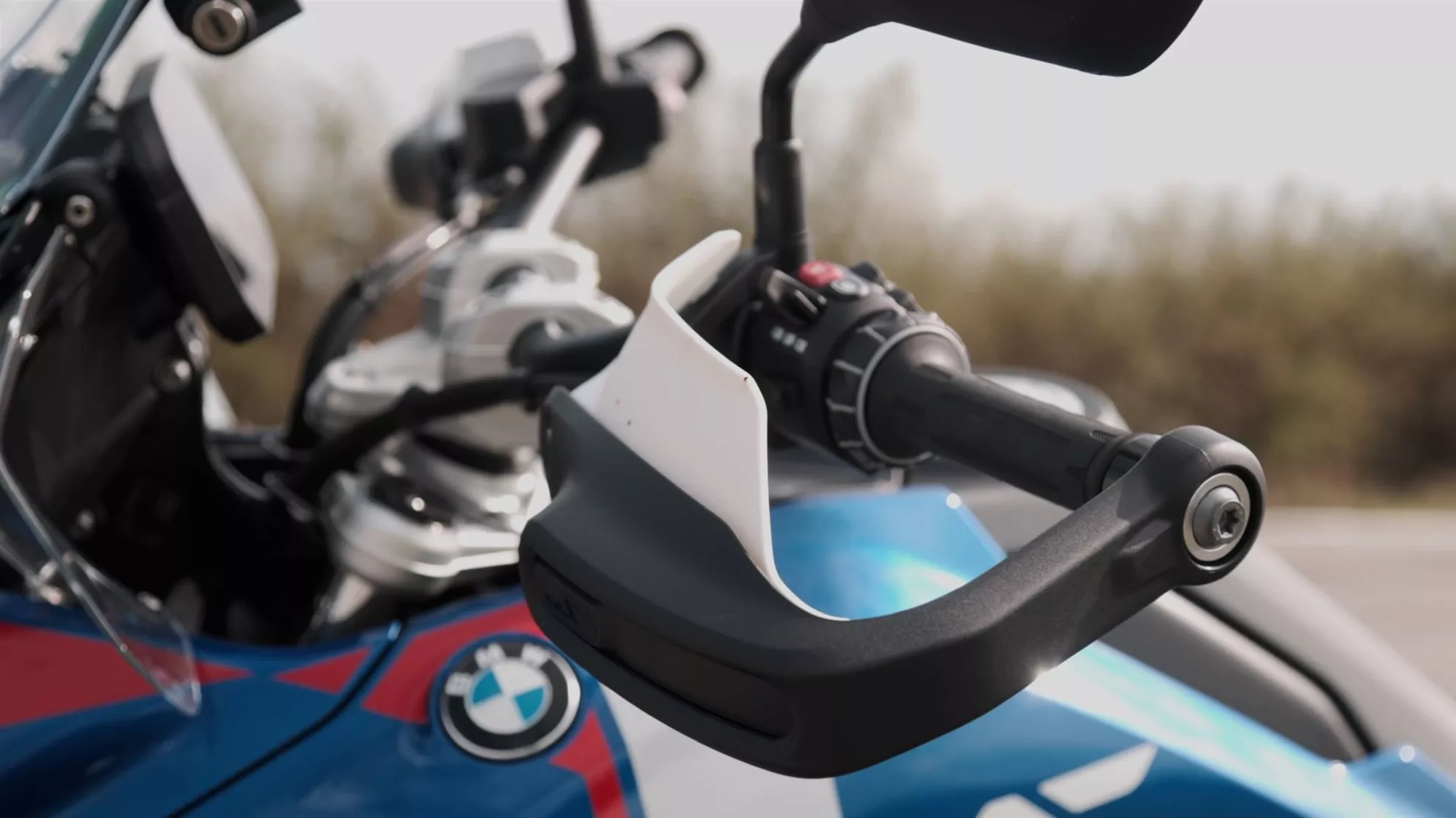
With ASA, clutch modulation and, if desired, gear shifting are managed electronically. This works exceptionally well in practice.
When riding more dynamically, ASA holds the gears longer and extracts more from the boxer engine. The selected riding mode also influences this, but even in the relaxed Road Mode, the system revs the gear almost to the redline at full throttle. During deceleration, it downshifts based on brake input and RPM. The automatic mode works fairly well on country roads but can occasionally become confused when the natural flow, such as encountering traffic, is interrupted. In my opinion, the manual shift mode of ASA is the better option for twisty country road sections. It makes the system feel like an excellent quickshifter—direct, sporty, and smooth. Overall, it's a strong system that remarkably well balances comfort and dynamics.
BMW R 1300 GS on the Highway
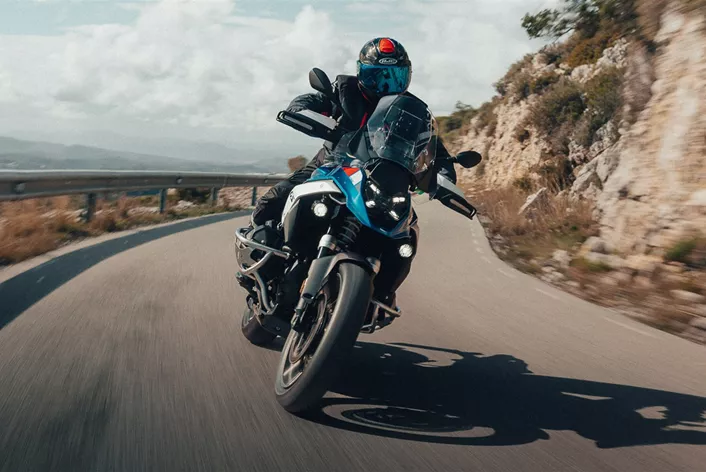
More than two-thirds of the 10,000 km were clocked by the GS during everyday use. This routine mainly involved nearly 200 km of daily highway travel, where the GS proves to be a long-distance beast: comfortable, stable, with excellent wind protection. Wind and weather are rarely as imperceptible on a motorcycle as they are on the GS with all its comfort features. The radar cruise control is particularly handy during congested rush hours, whether following detours around construction zones or in the perpetually long 80 km/h zone on Vienna's city highway. However, during regular highway riding, it becomes apparent that the radar's set distance, even at its shortest setting, can sometimes encourage unwanted behavior from other drivers. Cars squeeze into the gap with the vehicle in front, or left-lane hogs refuse to clear the passing lane, making the large distance logic occasionally impractical in heavy traffic.
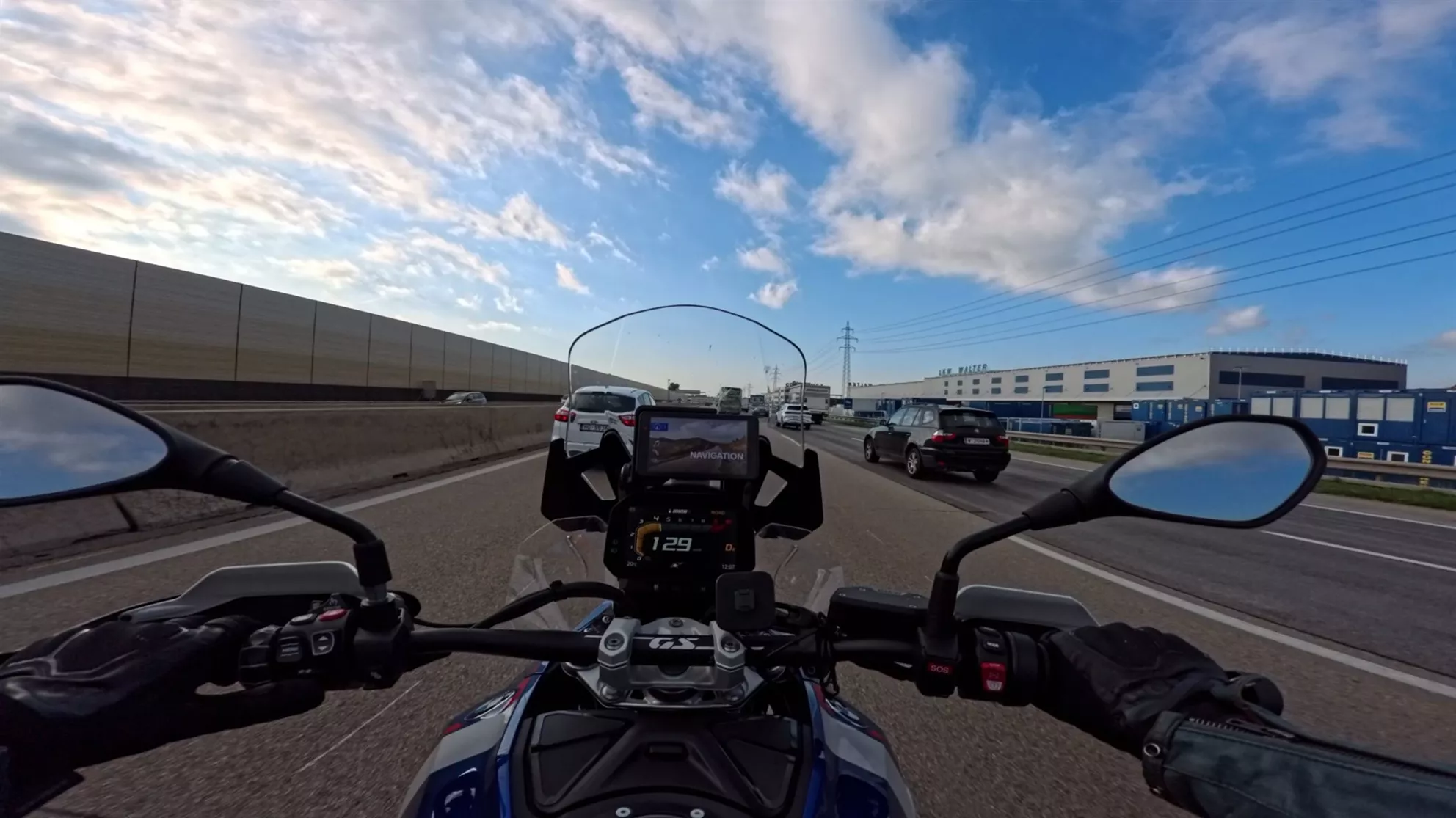
Pure luxury on the R 1300 GS touring cruiser.
The fuel consumption during commuting stabilizes at around 5 liters. The real-world range is between 300 and over 350 kilometers, depending on riding style and load. Beyond the commuting phase, the GS proved reliable. It consumed 0.3 liters of oil over 7,500 kilometers, and there was a two-day navigator outage—that's it. None of the earlier issues reappeared, which was one of the central tests of this endurance trial.
The Grand Tuscany Tour - Comfort on Two Wheels
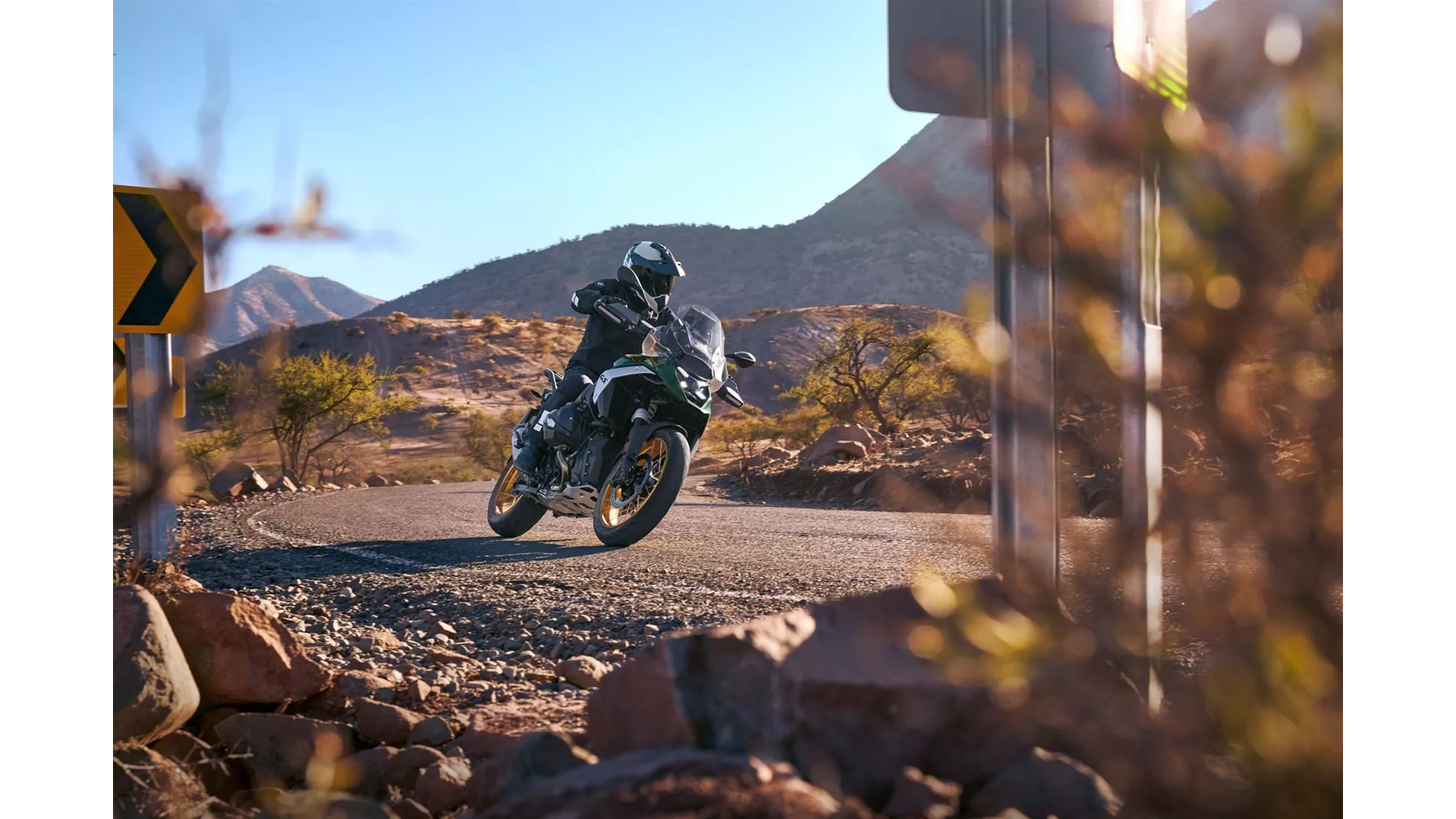
With full luggage and a passenger, the GS reveals its touring spirit. The semi-active DSA suspension provides high comfort, whether on highways, bumpy country roads, or unexpected gravel paths. The automatic height adjustment eliminates the need for luggage balancing and also assists in mounting or propping the motorcycle on the center stand. Even with the full Vario system, the GS remains surprisingly composed, masking the extra weight so well that you almost forget it's there. The only exception is when the GS is on the side stand. It's quite short, causing the bike to lean far over before the stand makes ground contact, making it a real effort to lift the bike upright when fully loaded.
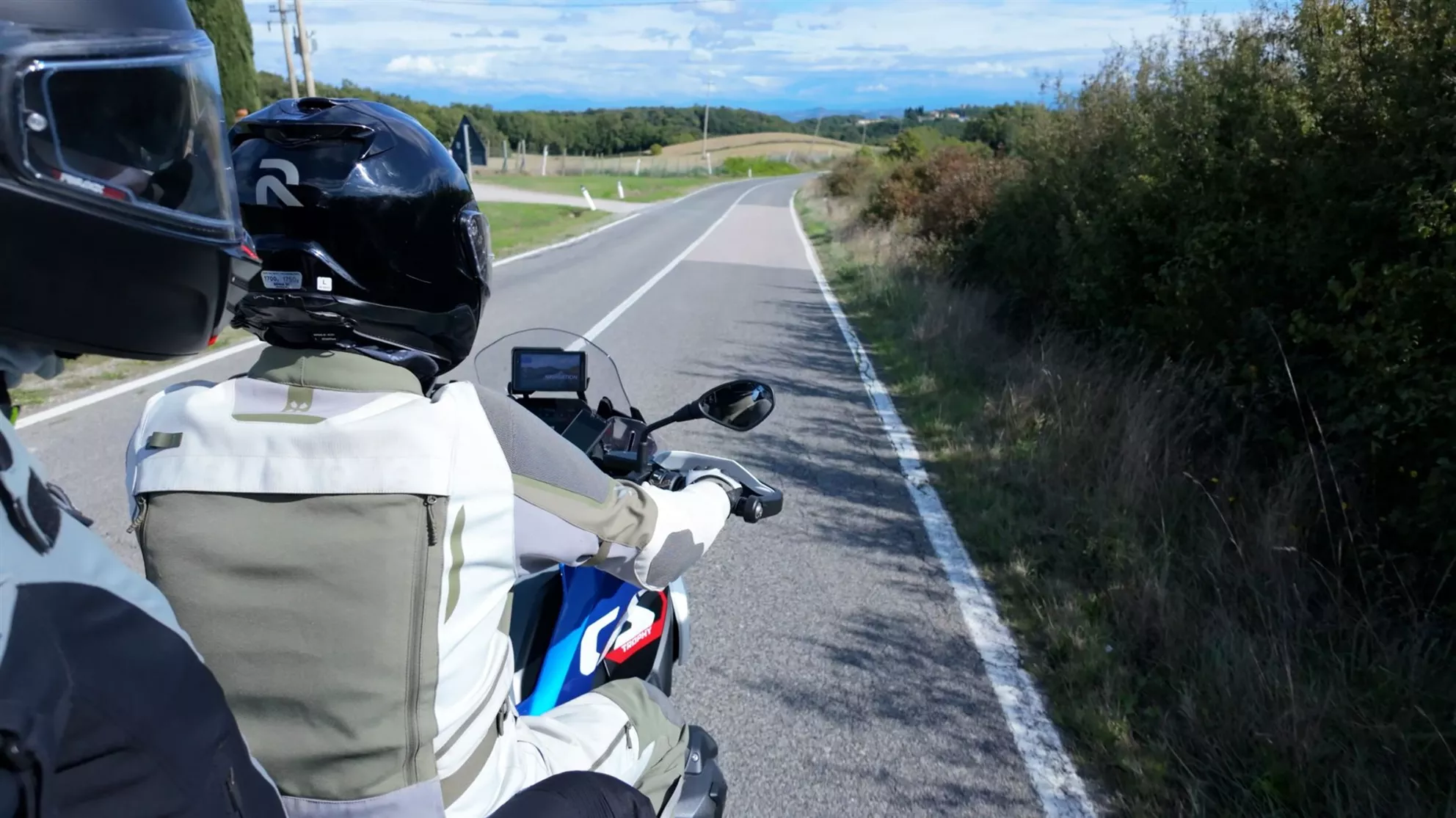
The semi-active suspension with automatic load leveling does an excellent job of masking the high weight of the motorcycle, rider, passenger, and luggage. Nearly 500 kilograms on two wheels, yet we effortlessly weave through the Tuscan curves.
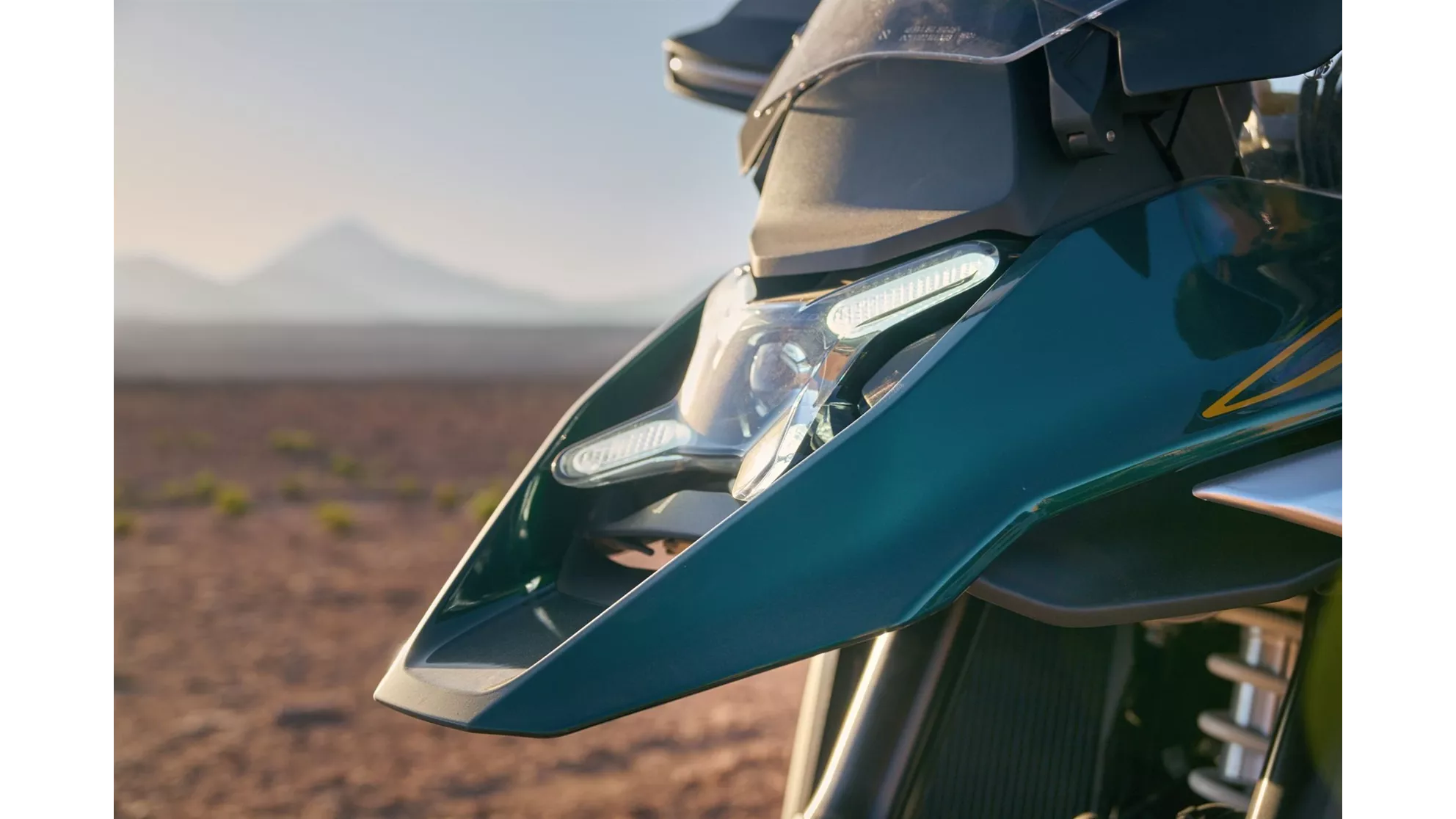
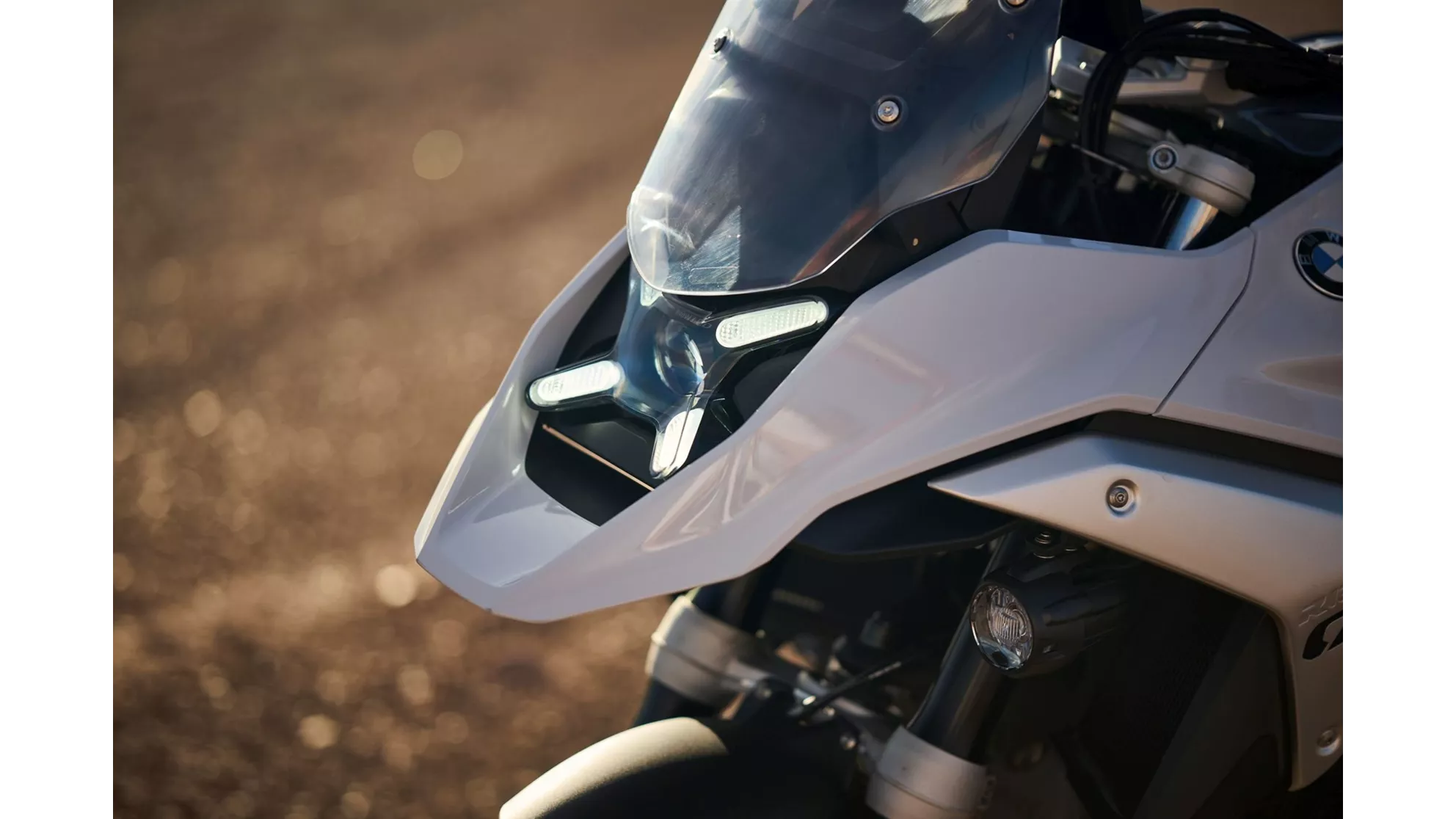
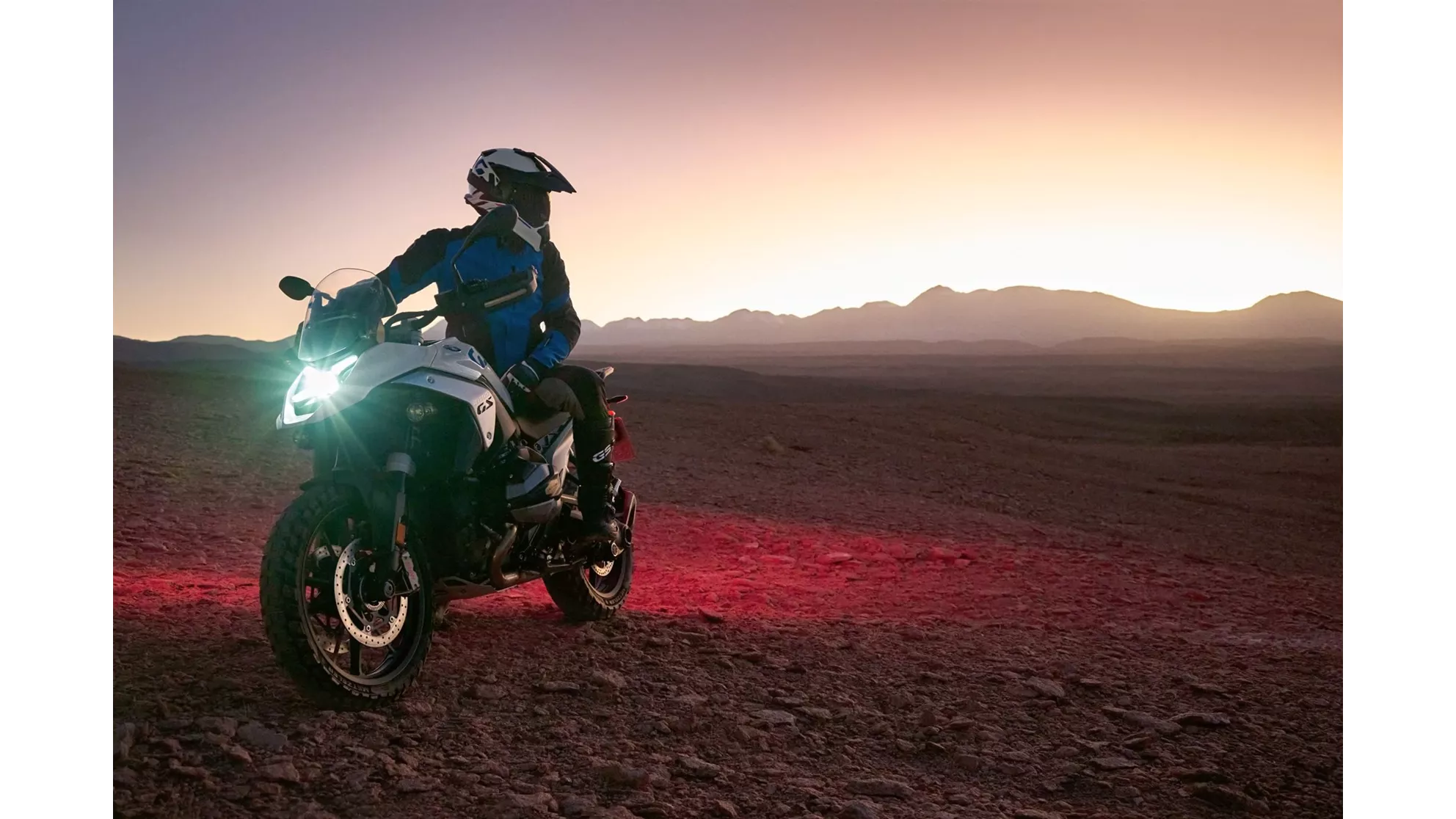
On the beautiful roads of the Tuscan hills, we sometimes ride dynamically, sometimes leisurely, sometimes briefly during the day, sometimes deep into the night. In the latter situation, the Headlight Pro can really show what it's made of. It impresses with its smoothly swiveling cornering light, which illuminates dark bends very well. The high beam range of the LED headlight is also good; only the transition area between low and high beam could be brighter.
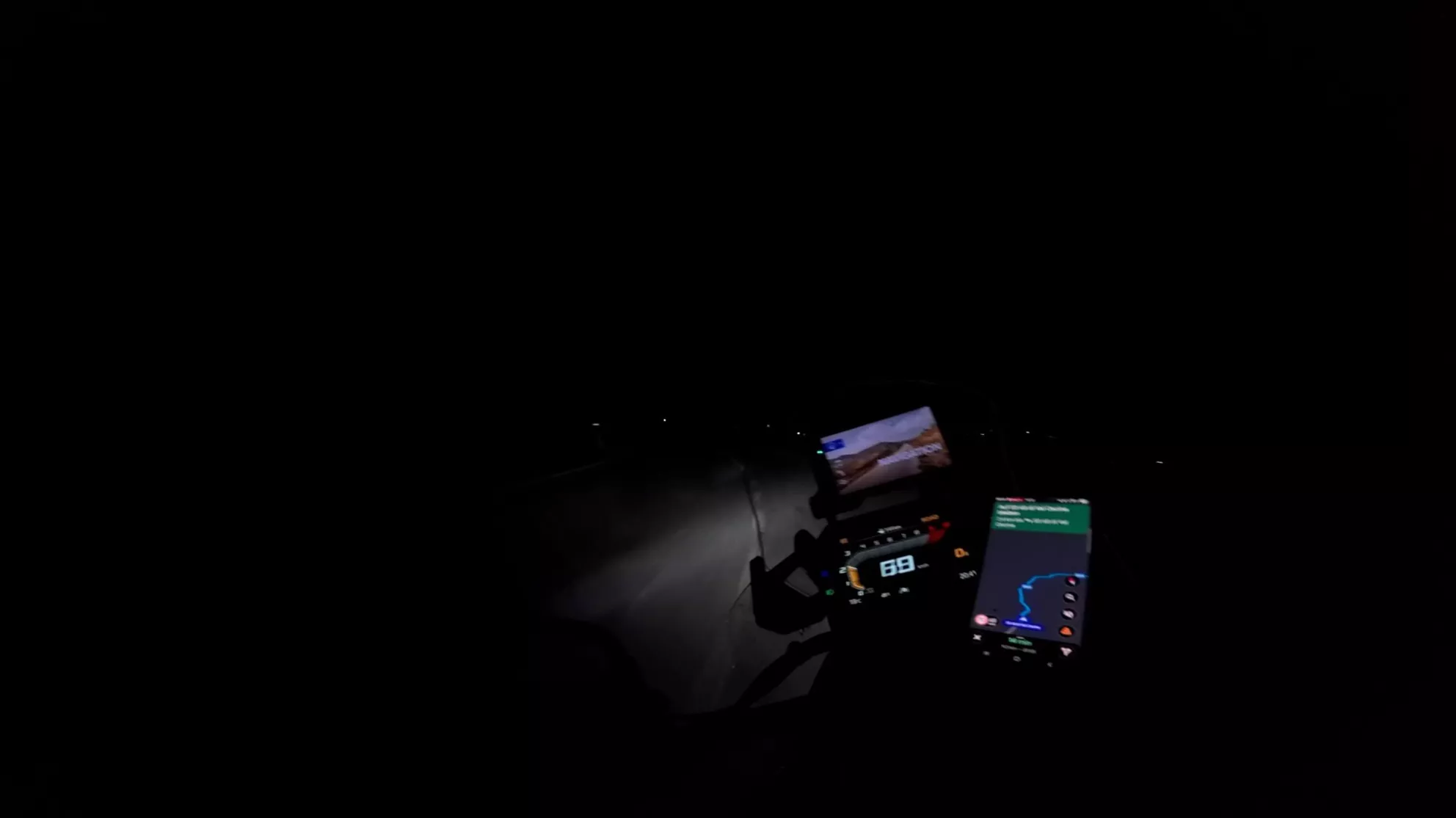
The BMW Headlight Pro in action (in reality, you see more).
Vario Luggage System - Highly Functional but Quickly Aged in Appearance
The variable volume, extended mounting options on the exterior, and electronic features like interior lighting, USB ports, and central locking make the luggage system highly practical. The latter, in particular, is a game-changer in the motorcycle sector for me. What good is a keyless system on the bike if you still have to dig the key out for refueling or using the luggage? With the BMW, the key stays in your pocket unless you need to remove the cases.
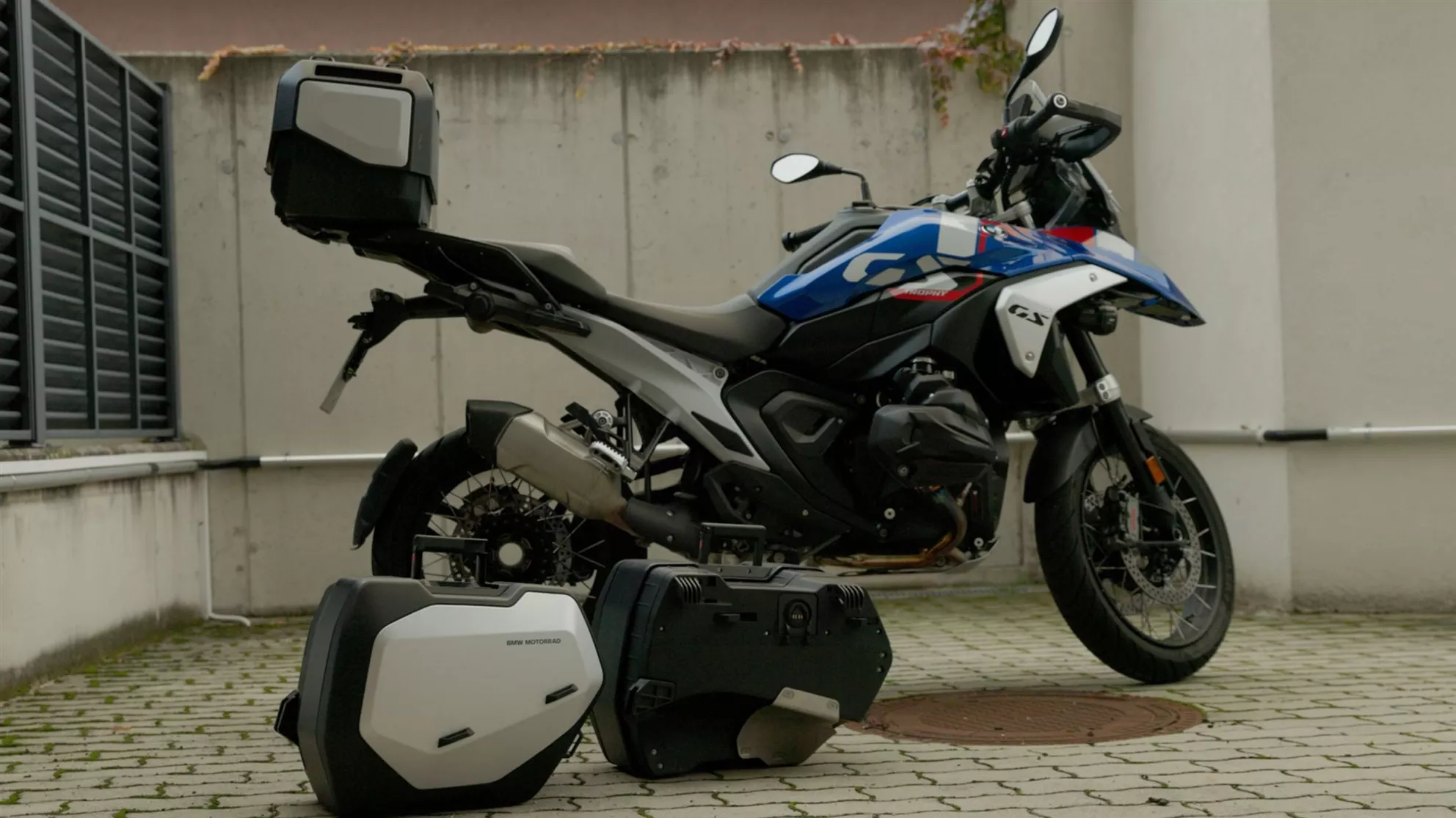
The greatest advantages of the Vario luggage system are the adjustable size, interior lighting, and most importantly, the central locking.
Here is a minor criticism: the latching mechanism of the side cases is a bit fiddly and requires two hands to operate. Additionally, the plastic surfaces of the cases age relatively quickly compared to other surfaces on the GS, showing scratches from luggage, hotel corridors, or zippers. For a system priced over 2,000 euros, this is a valid point of criticism.
Travel Gear - Why a Layering System Makes the Most Sense
Tuscany presented massive temperature fluctuations, which called for versatile motorcycle gear. Here, I must commend the X-Fit System by iXS. Since 2025, the Swiss apparel manufacturer has been focusing on this layering system, which emphasizes modularity and the integration of airbag vests, while maintaining high wearing comfort through the generous use of stretch materials. The airy iXS Venture-Air 1.0 summer suit, with large ventilation panels, complemented by fleece, an airbag layer, and an ultra-light rain jacket with a hood, proved to be more versatile and comfortable than any 3-layer laminate suit. It took only a few adjustments, and I was optimally dressed for temperatures ranging from nearly 5 to 30 degrees Celsius. No expensive laminate jacket in the world can offer this level of versatility.
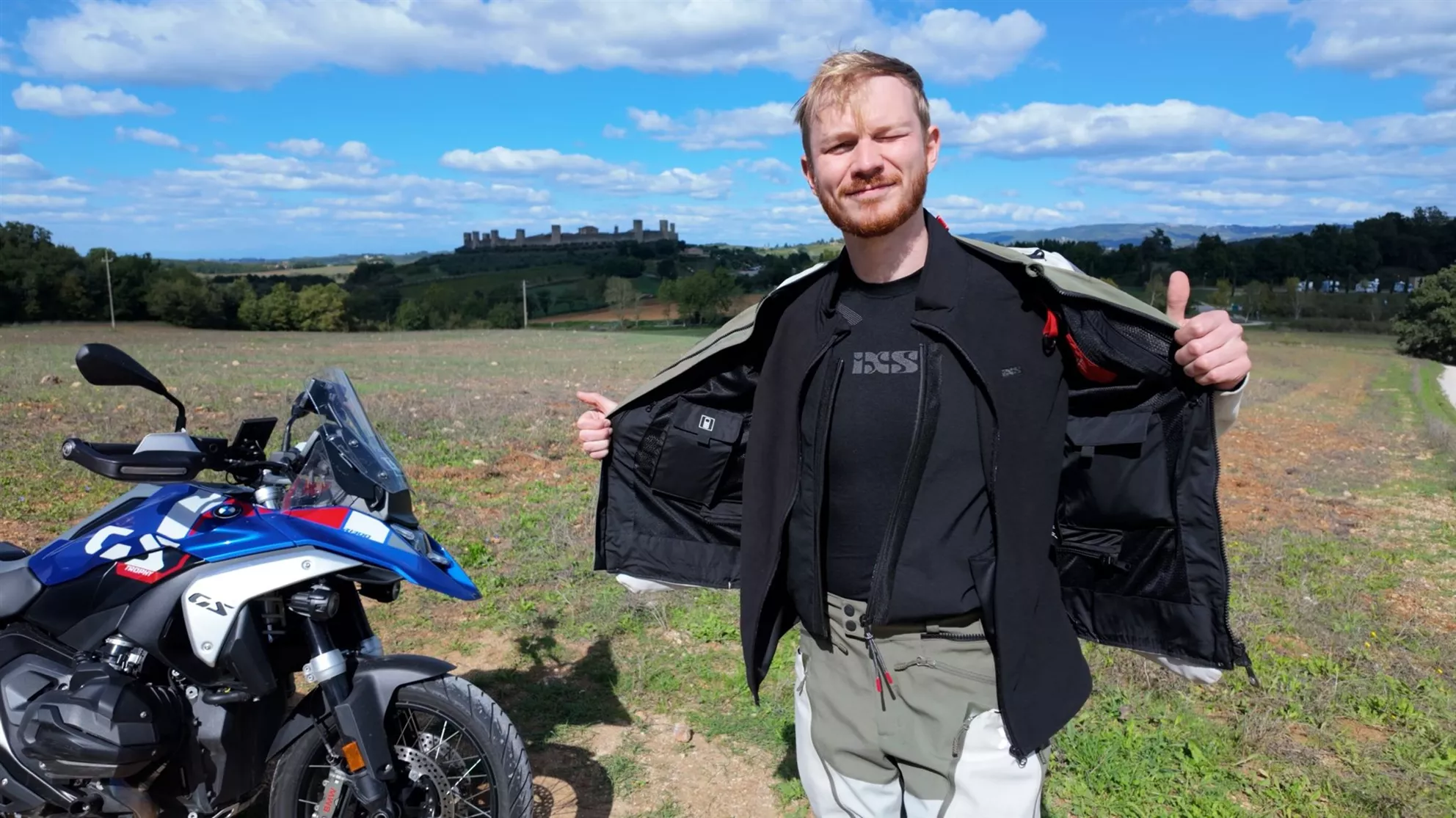
From heat to cold: The X-Fit System by iXS offers maximum flexibility and skillfully integrates an airbag vest into the overall package.
Consumption, Costs, and Range - The Hard Facts
After 10,163 kilometers, the average consumption is 5.05 liters. Solo figures can drop below 4.5 liters per 100 km, while with full load and a passenger, consumption rose to 5.9 liters. The range varies from just under 300 kilometers (fully loaded) to just over 400 kilometers (solo, leisurely). For a 1300cc adventure tourer, that's quite respectable and significantly less than some of the thirstier competition.
There was no tire wear to speak of, as the Metzeler Tourance Next 2 easily lasted over 10,000 kilometers, with enough tread left for further long stretches. Particularly on the front tire, there's still plenty of room before reaching the wear indicators. On the rear tire, the center tread is somewhat flattened due to the many highway sections, and the slightly squared-off profile is minimally noticeable during the ride.
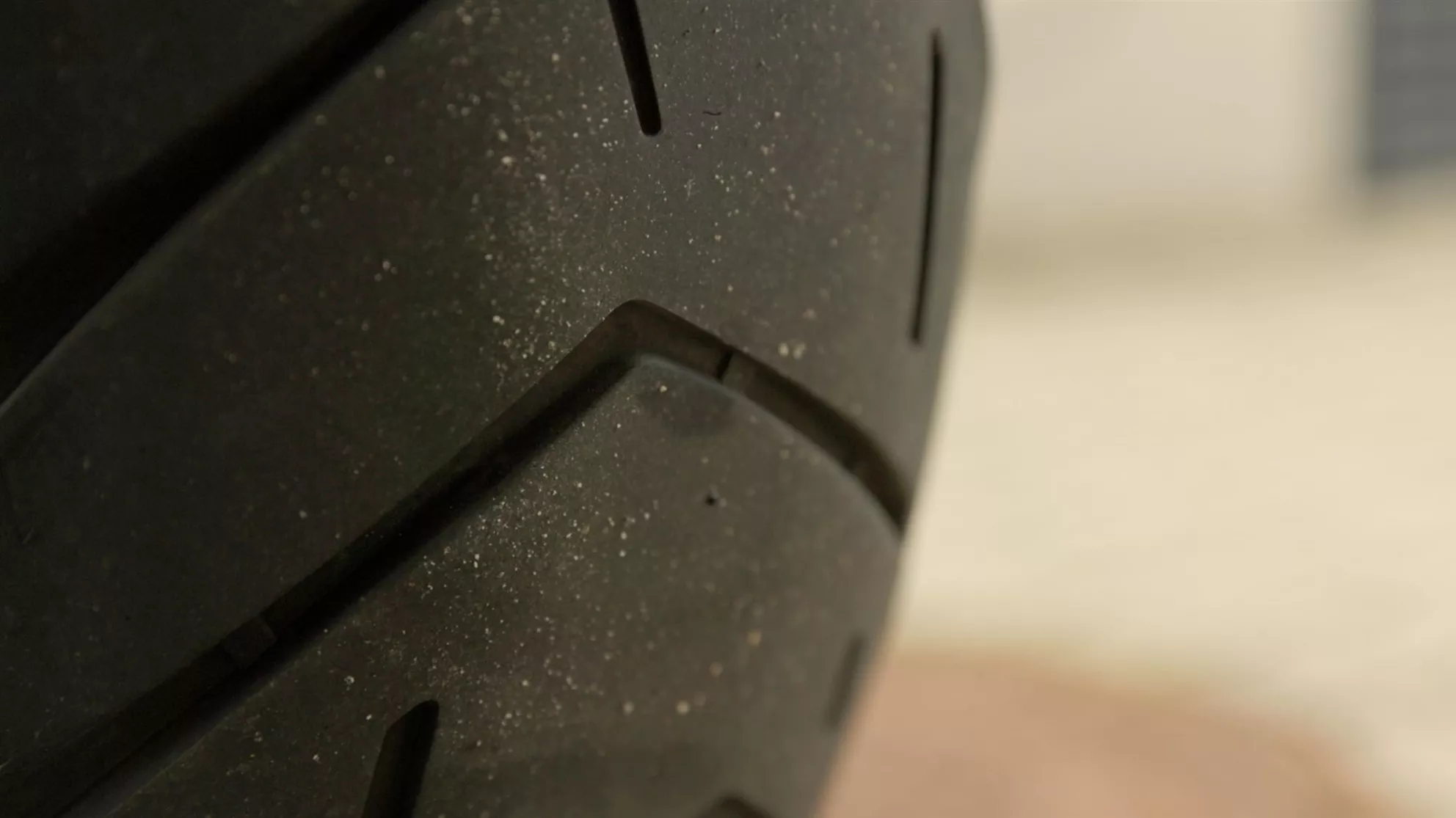
The Metzeler Tourance Next 2 remains unfazed by our test. After 10,000 km, there's still plenty of rubber on the rear tire. The front tire feels like it could easily handle another 10,000 km.
Durability & Craftsmanship of the BMW R 1300 GS
How evident are the 10,000 kilometers on the GS? The motorcycle itself shows little wear: the fairing, tank areas, seat, and handlebar controls appear like new. Even the passenger grab handles, where I've often attached metal bungee hooks, are scratch-free. Only the cases have visible signs of use on the black plastic.
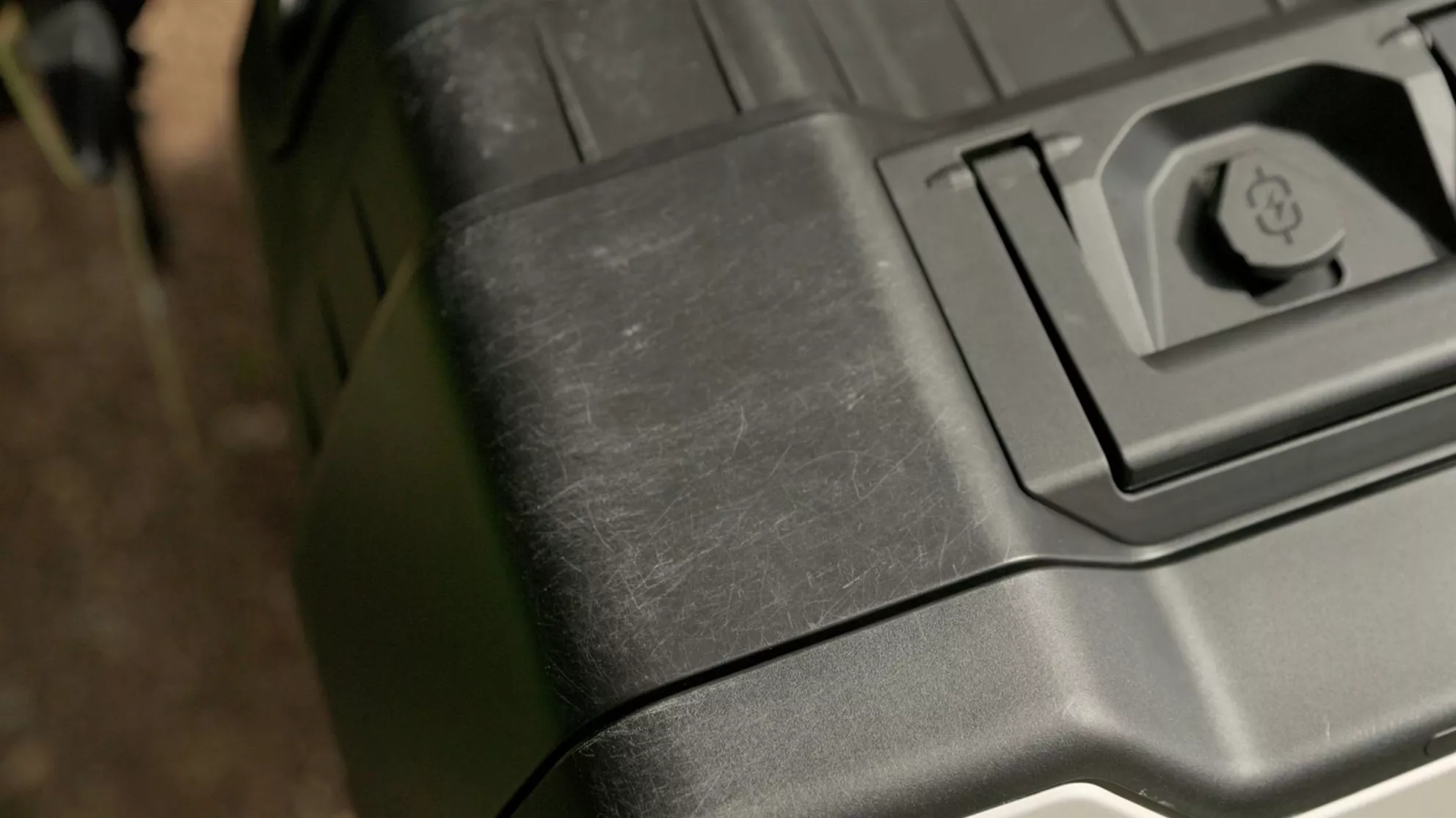
The surface finish of the GS is mostly excellent. Only the exterior material of the Vario cases has visibly aged due to our use.
Conclusion of the BMW R 1300 GS Long-Term Test 2.0
After 10,000 kilometers, the BMW R 1300 GS presents itself as a confident, modern, and impressively versatile adventure tourer. No breakdowns, robust technology, high comfort, and a harmonious overall package. Minor detail criticisms remain, but the big picture holds true. This has always been the case, though. The R 1300 GS's riding performance was rarely questioned, but numerous technical issues undermined its reputation. After 10,000 incident-free kilometers, some optimism is now warranted. BMW seems to have overcome the teething problems of the latest GS generation. This means that purchase decisions are finally based on what is, not what might be!
- How much does a BMW R 1300 GS cost?
- Here you will find an overview of the price level of new and used motorbikes!
&width=60&height=60&bgcolor=rgba_39_42_44_0&mode=crop "Author: Gregor")
BMW R 1300 GS 2025 - Experiences and Expert Review
Gregor
BMW has developed the new R 1300 GS with extensive experience and expertise, evident in its advanced technology and versatility. This model appeals to both seasoned and new riders, offering an impressive blend of performance, comfort, and cutting-edge features. It is a successful combination of compactness, power, and luxury, performing well both off-road and on the street.
More from 1000PS Magazine
BMW R 1300 GS: 10,000-Kilometer Endurance Test Images
Source: 1000PS