On this bike, RS stands for Rennsport – racing. With the M 1000 RS, BMW harks back to the RS 255 Kompressor of 1935 to 1939 and the later RS 54. The technical basis, however, is very much of the present: an M 1000 R with the M Competition Package, supplemented by the engine and tail section of the M 1000 RR. Add to that an upright riding position. The ambition behind it is clear: superbike technology is meant to arrive in the hyper naked segment.
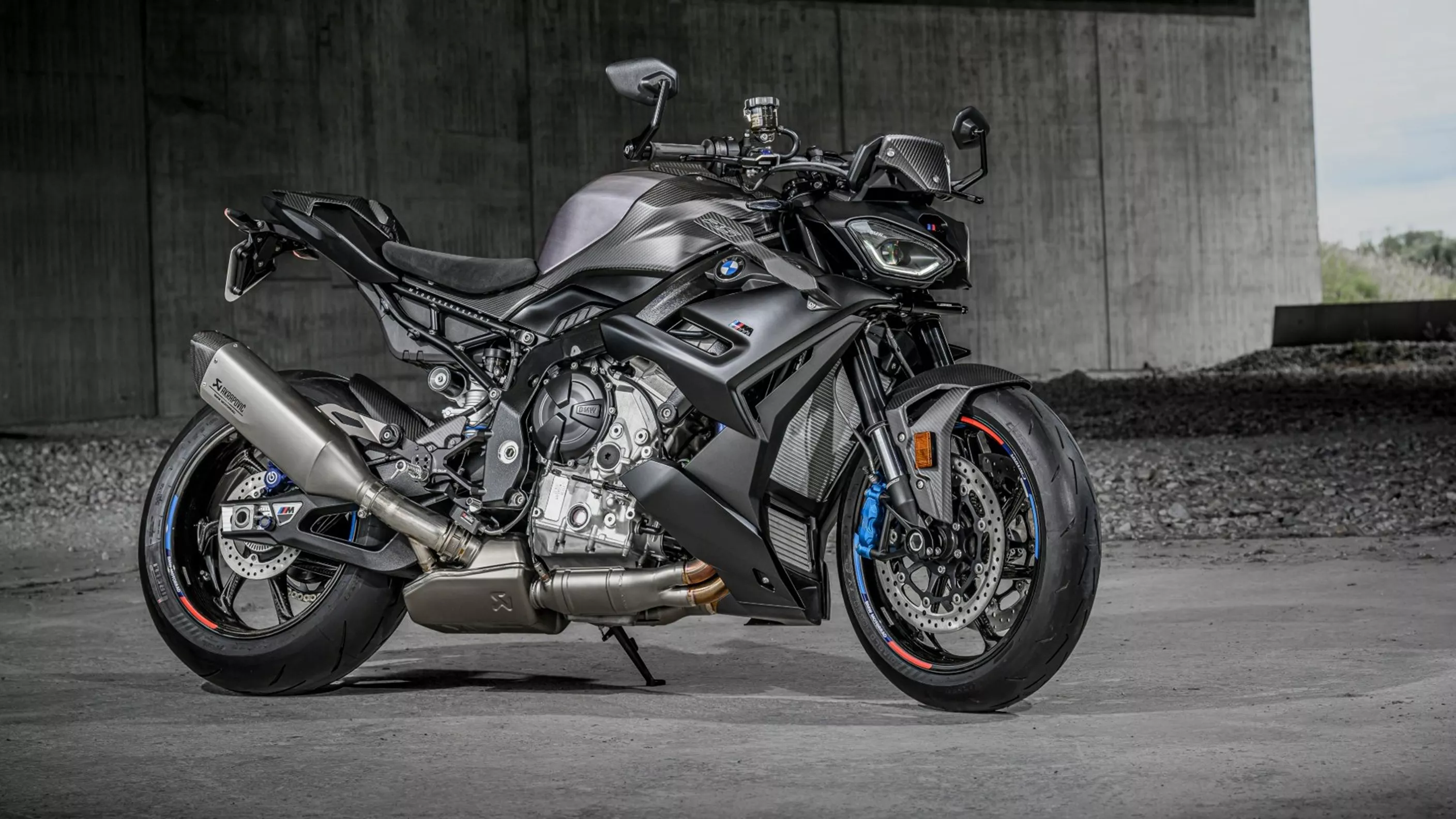
BMW M 1000 RS: 218 hp and only 1,000 units
Superbike engine, carbon wheels and a price of 40,000 euros
218 hp from the superbike, an upright seating position and plenty of carbon: BMW presents a hyper naked bike limited to 1,000 units. What sets the RS apart from its technical basis and which features are included in the price.

Der Horvath
published on 03/11/2026
6,582 Views
BMW M 1000 RS: 218 hp from the M 1000 RR
The water-cooled inline four-cylinder displaces 999 cc and, according to BMW, produces 160 kW or 218 hp at 14,500 rpm. Peak torque of 113 Nm arrives at 11,000 rpm. BMW combines double overhead camshafts, four valves per cylinder and single finger followers with ShiftCam variable intake camshaft timing. Bore and stroke measure 80 and 49.7 mm, with a compression ratio of 14.5:1. The throttle bodies measure 52 mm and the engine management is called BMS-O. A closed-loop three-way catalytic converter handles exhaust aftertreatment.
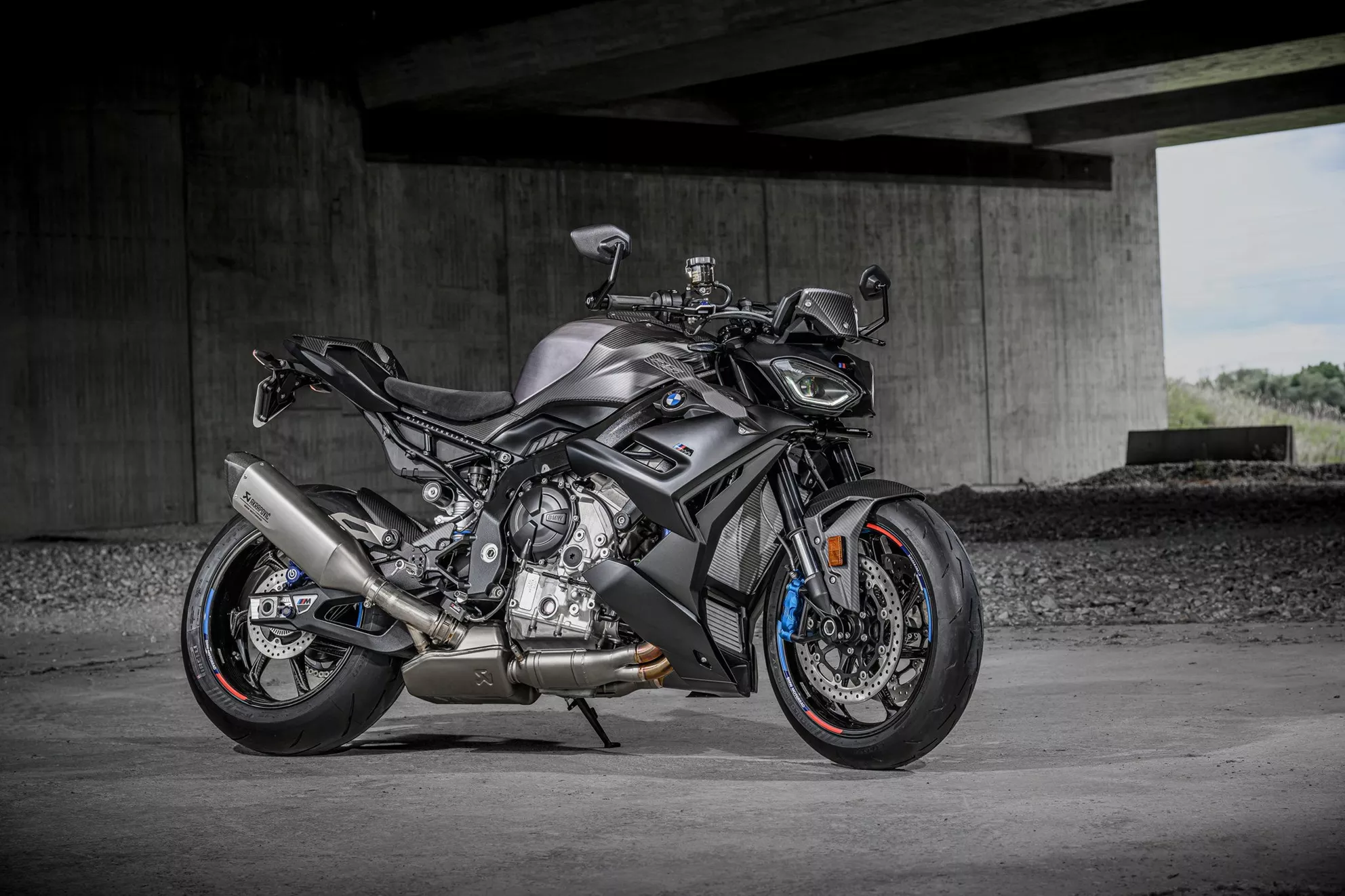
BMW quotes 218 hp at 14,500 rpm for the engine from the M 1000 RR.
The rated output is based on 98 RON fuel. Thanks to knock control, the spec sheet lists a range of 95 to 98 RON. Shifting is handled by a dog-type six-speed gearbox with Shift Assistant Pro. The mechanically actuated multi-plate oil-bath clutch features an anti-hopping function, and a chain drives the rear wheel. For the gearing fans: the primary ratio is 1.652, and the six gears are listed at 2.647, 2.091, 1.727, 1.500, 1.360 and 1.261. The secondary ratio is 2.647.
BMW has also put the package on a diet: the spec sheet lists 196 kg wet weight, ready to ride and fully fueled. BMW refers to this figure as DIN unladen weight. For the 0 to 100 km/h sprint, the manufacturer quotes 3.2 seconds, with a top speed of 283 km/h. These are manufacturer figures. The promised explosive acceleration, precision and agility will have to wait for a ride test. BMW bases the claim made in the press release – offering the most powerful hyper naked bike in the world – on the 218 hp.
BMW M 1000 RS: DDC, carbon wheels and M brakes
The engine serves as a stressed member of the aluminium composite bridge frame. Up front, a 45 mm upside-down fork with electronically controlled rebound and compression damping via DDC does the work, and preload is adjustable. At the rear, BMW combines an aluminium underslung double-sided swingarm with a DDC central shock. Here too, the spec sheet lists adjustable preload as well as rebound and compression. Suspension travel is 120 mm front and 117 mm rear. Add to that a 1,467 mm wheelbase, 97.6 mm of trail and a steering head angle of 65.8 degrees.
Standard features include M carbon wheels measuring 3.50 x 17 inches front and 6.00 x 17 inches rear. They are shod with 120/70 ZR17 and 200/55 ZR17 tyres. Up front, the M brake uses two floating 320 mm discs and radial four-piston fixed calipers. At the rear sit a 220 mm disc and a single-piston floating caliper. Partially integral BMW Motorrad ABS Pro and DTC traction control round out the hardware.
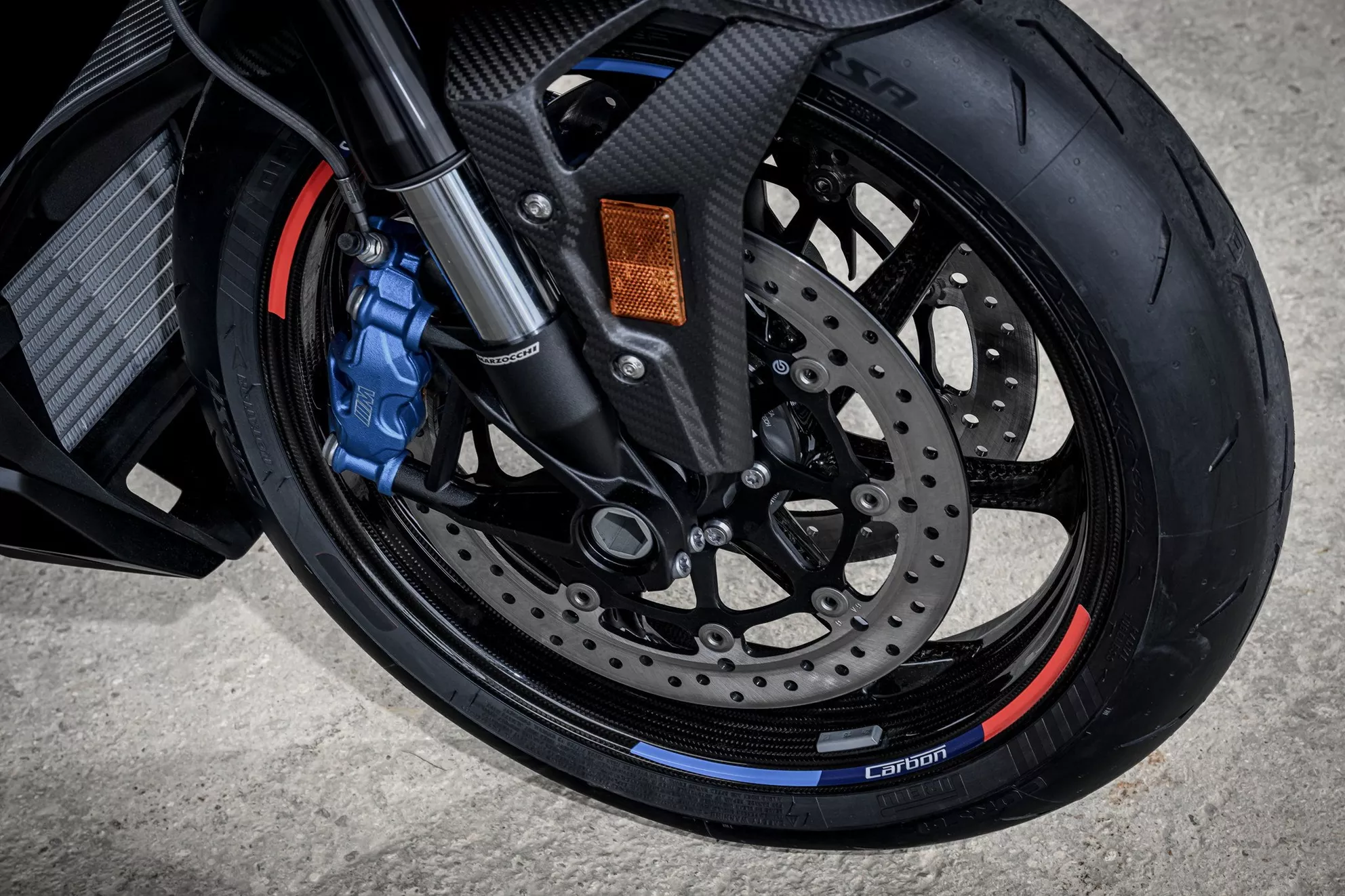
The M front brake uses two 320 mm discs and radial four-piston fixed calipers.
BMW M 1000 RS: Titanium, carbon and a dark look
For its look, BMW relies on dark surfaces, new graphics and exposed materials. This includes an M full-titanium exhaust system as well as matt carbon winglets with RS branding. Besides delivering racing looks, the winglets are meant to serve an aerodynamic function. Further matt carbon parts, the brushed aluminium tank and the tail section of the M 1000 RR define the silhouette. The M seat features an Alcantara-leather-look surface and RS embroidery.
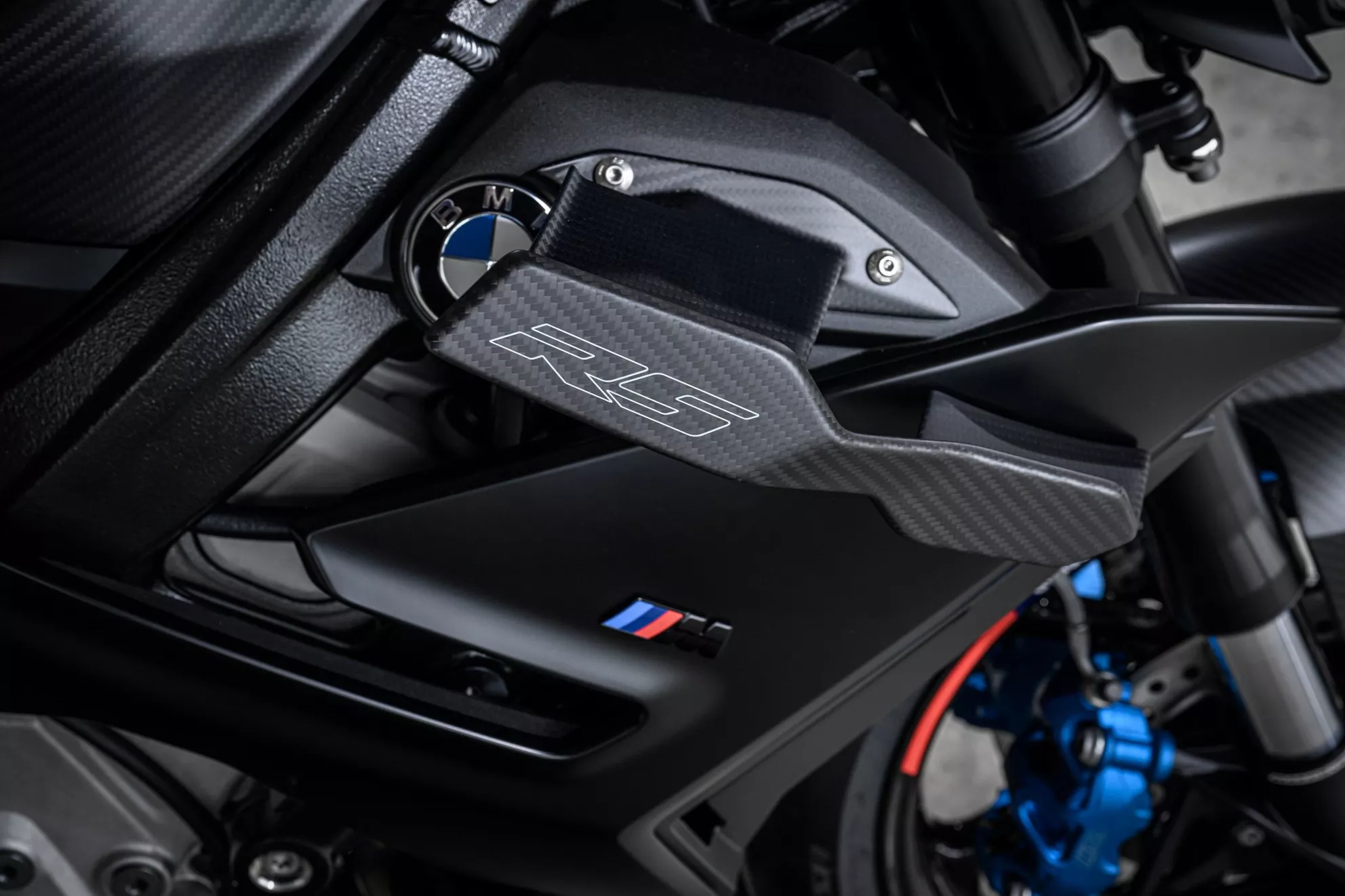
According to BMW, the matt carbon winglets combine design and aerodynamic function.
BMW M 1000 RS: Standard features and dimensions
M short-throw throttle, Riding Modes Pro, M start-up animation and the M Track Package come as standard. Add to that M brake and clutch levers, bar-end mirrors, RDC tyre pressure monitoring and Keyless Ride. Heated grips and cruise control are also included. Carbon wheels, DDC, shift assistant, titanium exhaust, winglets and the M RR tail section are therefore not extras that have to be added on top.
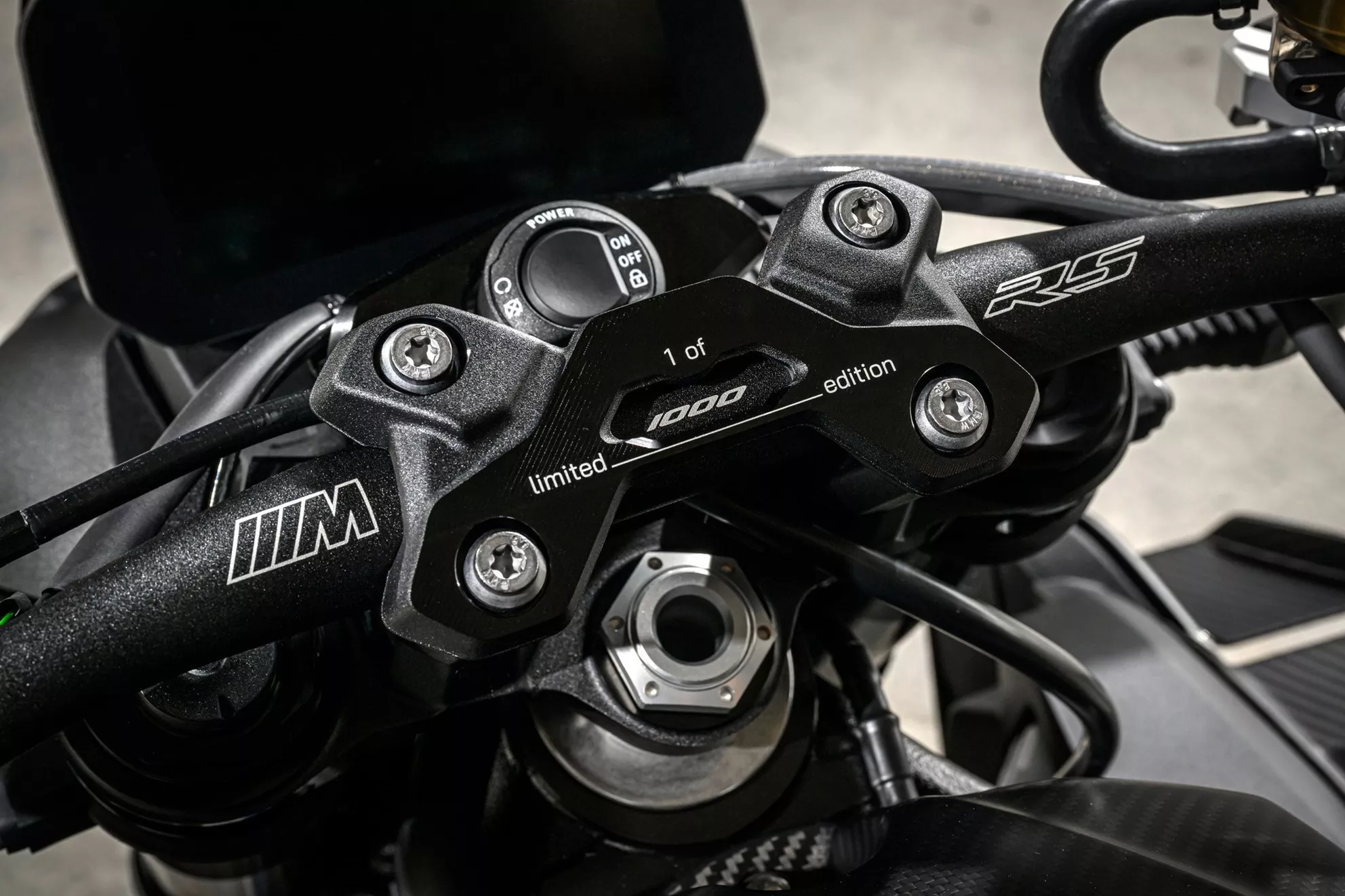
M brake and clutch levers are part of the standard features.
Seat height is 850 mm, overall length 2,095 mm and width including mirrors 996 mm. With a permissible gross weight of 407 kg and a DIN unladen weight of 196 kg, this works out to a payload of 211 kg. The tank holds 16.5 litres. BMW quotes WMTC fuel consumption of 6.5 l/100 km and CO₂ emissions of 151 g/km. We have no consumption measurement of our own for this presentation.
BMW M 1000 RS: Accessories for road and race track
Anyone wanting to customise the RS will find a tank pad, a low windscreen in clear or tinted versions, a black handlebar riser and an M rider seat in low or standard height in the genuine accessories range. An M pillion kit completes the offering. For race track use, BMW lists an M cover kit, an M data logger including GPS laptrigger, a paddock stand mount and an M chain adjuster with paddock stand mount. Added to these are an M engine protector, an M axle protector and another M chain adjuster.
Navigation and communication are covered by navigation preparation, the ConnectedRide Smartphone Cradle and the ConnectedRide Navigator. There is also a protective glass for the 6.5-inch TFT display. Front and rear paddock stands, an M motorcycle mat and an anti-theft alarm system are also part of the accessories range. For luggage, BMW offers a black 22-litre tail bag, a 7 to 10-litre pillion seat bag and a black 7 to 10-litre tank bag. The press release does not mention accessory prices.
BMW M 1000 RS: Price and availability from 2027
Exactly 1,000 units are to be built worldwide. BMW quotes a German retail price of 40,000 euros including 19 percent VAT, with availability at dealers from March 2027.
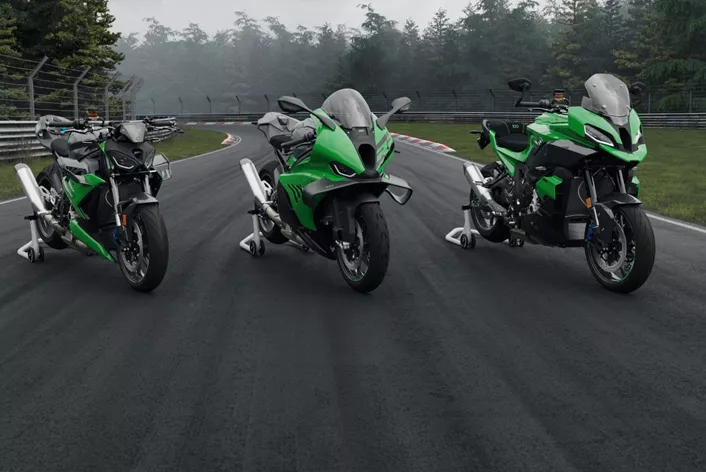
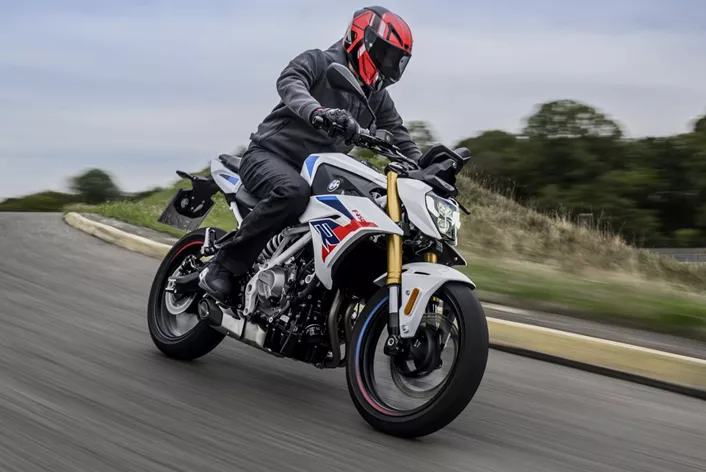
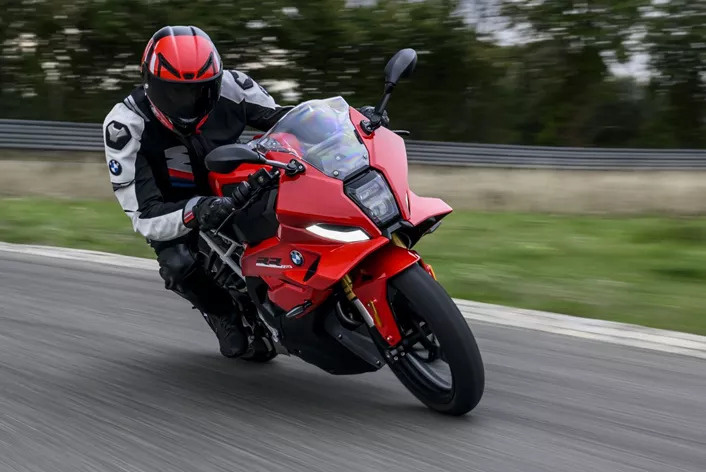
More new BMW models
BMW M 1000 RS: 218 hp and only 1,000 units Images
Source: 1000PS

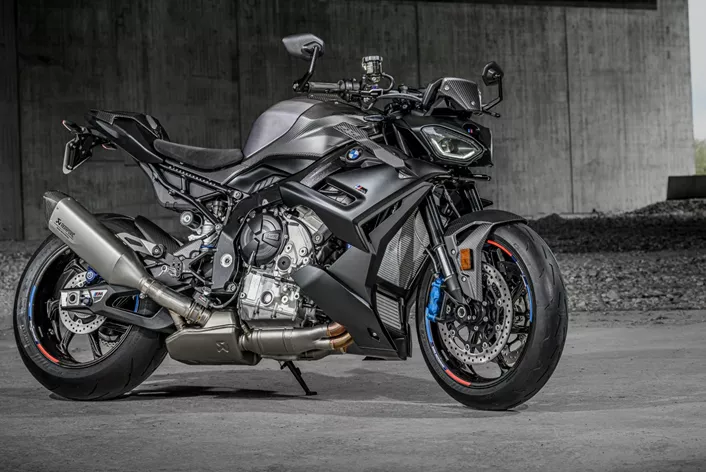
Superbike engine and upright riding position: the RS combines technology from the M 1000 RR with the platform of the M 1000 R.

BMW quotes 218 hp at 14,500 rpm for the engine in the M 1000 RR.

The inline-four’s key figures: 999 cc displacement and 113 Nm of torque at 11,000 rpm.

The RS gets its 218 hp from the M 1000 RR. Here’s a look at the front brake setup.

The front view highlights the naked styling of the RS, limited to 1,000 units.

M 1000 R with the M Competition Package: the basis for BMW’s RS special edition.

The BMW spec sheet lists the RS at 196 kg ready to ride and fully fuelled.

According to BMW, the rated output of 218 hp applies when using 98 RON fuel.

A chain transfers power from the six-speed gearbox to the rear wheel.

The manufacturer quotes a top speed of 283 km/h.

BMW claims 0–100 km/h in 3.2 seconds.

BMW quotes a DIN unladen weight of 196 kg for the bike, ready to ride and with a full tank.

The spec sheet lists a 1,467 mm wheelbase for the M 1000 RS.

The aluminium composite bridge frame uses the engine as a stressed member.

A 120/70 ZR17 tyre is mounted on the M Carbon wheel up front.

Up front, BMW pairs the M brake system with a 45 mm upside-down fork.

At the rear, a DDC shock works with the aluminium twin-sided swingarm.

The rear wheel is shod with a 200/55 ZR17 tyre on a 6.00-inch rim.

The rear three-quarter view shows the tail section carried over from the M 1000 RR.

The side view showcases the frame, engine and titanium exhaust system.

The upright riding position is part of the Hyper Naked concept.

The carbon-fibre tank panel features M 1000 RS lettering.

According to BMW, the matte carbon winglets combine design with aerodynamic function.

The M 1000 RENN SPORT lettering sits below the seat.

The sharply sculpted tail is borrowed from the BMW M 1000 RR.

The close-up shows the footpeg assembly and exhaust system on the right-hand side of the bike.

Matte carbon parts also define the rear fairing.

RS branding on the carbon cover surrounding the fuel filler cap.

Dark finishes define the look of this limited-edition hyper naked bike.

BMW gives the RS a deep, dark look with new graphics.

The illuminated taillight sits beneath the tail section carried over from the M 1000 RR.

The rear view shows the taillight and license plate holder.

The side profile highlights the brushed aluminium tank and exposed mechanicals.

BMW describes the seat surface as having an Alcantara-style finish.

The M seat features RS embroidery.

Carbon panels and the compact tail section complete the rear of the RS.

According to BMW, the brushed aluminium tank holds 16.5 litres.

Red lighting highlights the dark surfaces of the M 1000 RS.

The side-on studio shot showcases the proportions of the hyper naked bike.

Shot from a front three-quarter angle, the RS reveals its naked technical underpinnings.

The brushed aluminium tank contrasts with the dark carbon surfaces.

The RS branding is also featured on the carbon winglets.

Blue studio lighting highlights the contours of the tank, tail section and exhaust system.

The M full-titanium exhaust system comes as standard.

The rear end of the M 1000 RR changes the silhouette of the M 1000 R’s technical platform.

The side-mounted carbon winglets come as standard on the RS.

Tail light and license plate holder, viewed from the rear.

The RS stitching marks the surface of the M seat.

Carbon winglet, radiator area and fuel tank shown together in a detailed close-up.

The front side section with its carbon winglet, seen from another angle.

Close-up of the side winglet with BMW emblem.

AI-generated visualization of the M 1000 RS in a dark studio setting.

AI-generated visualization: Top-down view of the tank and handlebars.

AI-generated visualization of the front end with the headlight illuminated.

AI-generated visualisation of the carbon tail section and seat.

AI-generated visualization of the tank cover with RS lettering.

AI-generated visualization of the seat and side frame.

AI-generated visualization of the cockpit and M badging.

AI-generated visualization of the RS, viewed from the front at an angle.

AI-generated visualization, front view in front of an illuminated backdrop.

AI-generated visualization of the motorcycle leaned over in the studio.

AI-generated visualisation, viewed directly from the rear.

AI-generated visualization of the motorcycle from above.

M brake and clutch levers come as standard.

A full-LED headlight is part of the electrical equipment.

A close-up of the front reveals the illuminated headlight assembly.

The overall shot shows the bar-end mirrors and the RS’s compact front end.

The lighting signature highlights the front end in this darkened shot.

A close-up of the full-LED headlight, with the side-mounted components also visible.

The blue-lit close-up highlights the shape of the LED headlight.

The front end combines bar-end mirrors, a headlight and carbon-fibre components.

A second look at the front end brings the tank, handlebars and front fairing into view.

A look at the handlebars reveals the M levers and switchgear.

The RS is shown on a paddock stand, also available from BMW as an accessory.

The RS is pictured from a front three-quarter angle, supported by a paddock stand.

The left-side view shows the bike on a paddock stand.

Limited to 1,000 units, the series pairs dark surfaces with exposed engineering.