Two-stroke bikes stand for a character all their own: low weight, instant power delivery, a distinctive soundtrack and, of course, that unmistakable blue haze trailing from the exhaust. Many of the most famous two-strokes may come from racing, but the road also produced machines that shaped entire generations. Some of them can still be found on the used market today. We've picked ten particularly legendary two-stroke bikes.
10 legendary two-stroke bikes that made history
These 10 two-stroke bikes still give us goosebumps
They smoke, they scream, they rev hungrily and they shaped generations of riders. From the Yamaha RD 350 and Aprilia RS 250 to the Vespa PX and Puch Maxi: these ten legendary two-strokes show why such simple technology still wins over so many fans today.

Der Horvath
published on 14/11/2026
10 Views
Yamaha RD 350 YPVS
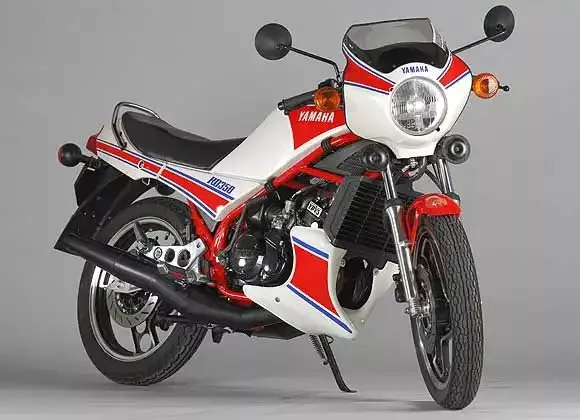
Photo: Bilski / MOTORRAD
For many, the Yamaha RD 350 YPVS is the two-stroke road bike, full stop. Its liquid-cooled twin combines low weight with power that was impressive for its day and a delivery that tells the rider in no uncertain terms when the engine hits its sweet spot. The YPVS exhaust power valve system made the RD more refined than its predecessors without robbing it of its typical two-stroke character. Today it's a sought-after classic, yet still a machine that actually gets ridden rather than just displayed.
Suzuki RGV 250 Gamma
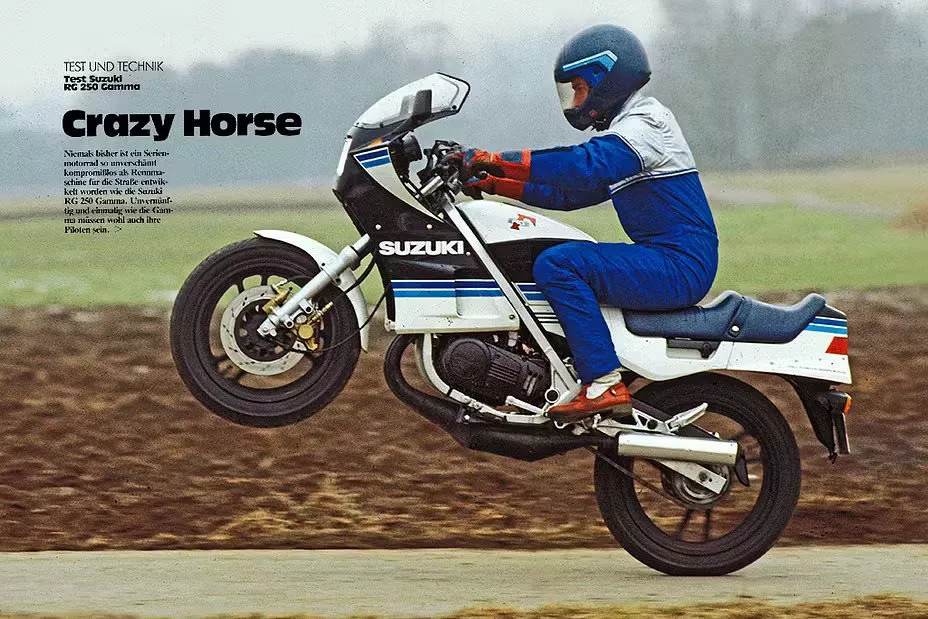
Image: MOTORRAD
Few bikes brought more Grand Prix atmosphere to public roads in the late 1980s and early 1990s than the Suzuki RGV 250 Gamma. The compact V-twin two-stroke, low weight and razor-sharp chassis made it a machine that fascinated less through outright peak power than through its overall concept. The RGV demanded revs, commitment and a rider willing to work the gearbox. Its technology also later formed the basis for another two-stroke legend: the Aprilia RS 250.
Aprilia RS 250
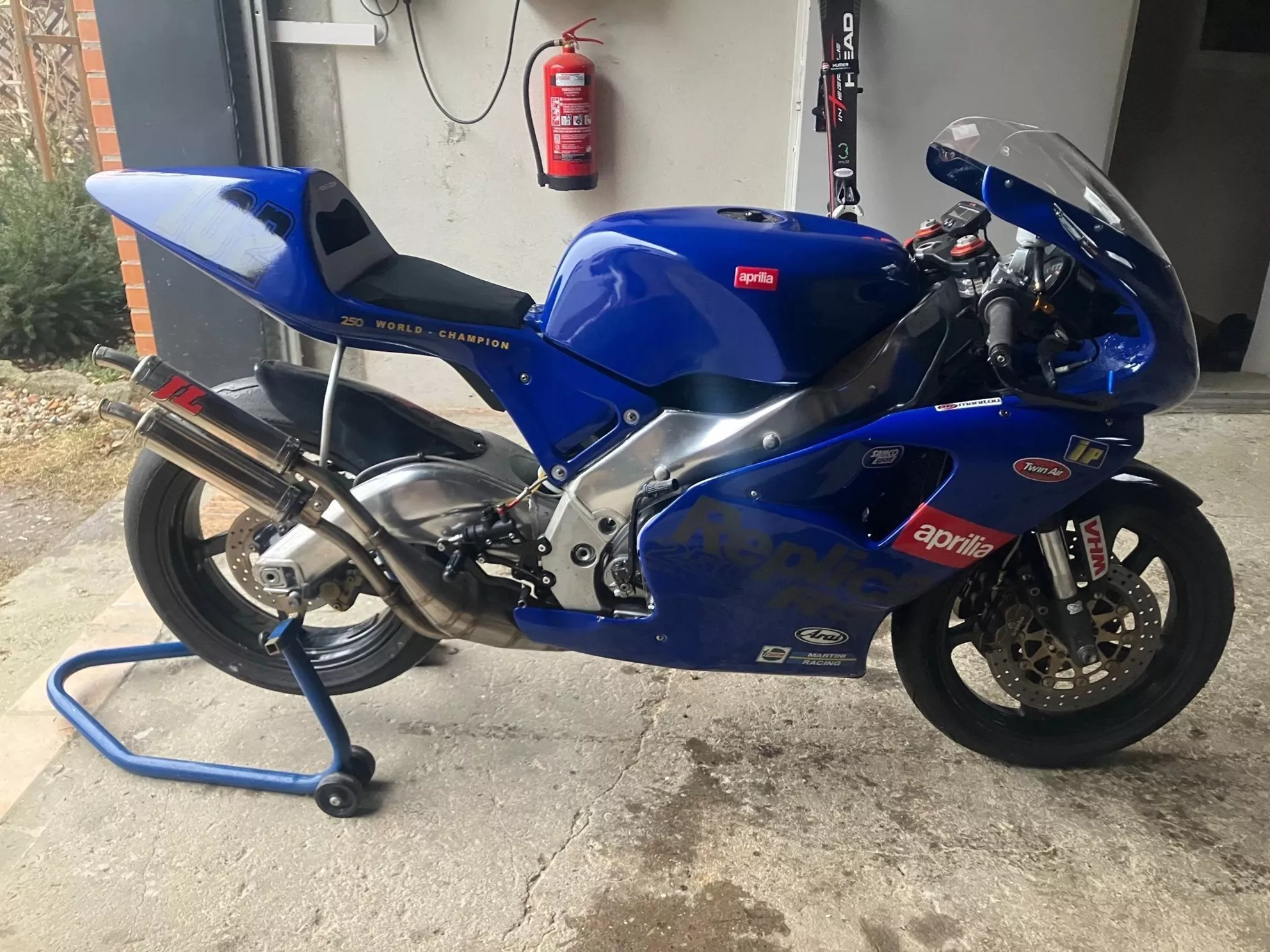
The Aprilia RS 250 was, in a sense, the grand finale of road-legal two-stroke sportsbikes. With its V-twin engine sourced from the Suzuki RGV, Italian chassis know-how and looks that instantly evoked Grand Prix racing, it was a true dream bike in the 1990s. To this day, its appeal comes less from bare performance figures than from the combination of low weight, precise handling and explosive power delivery. Good examples are correspondingly sought after these days.
Aprilia RS 125
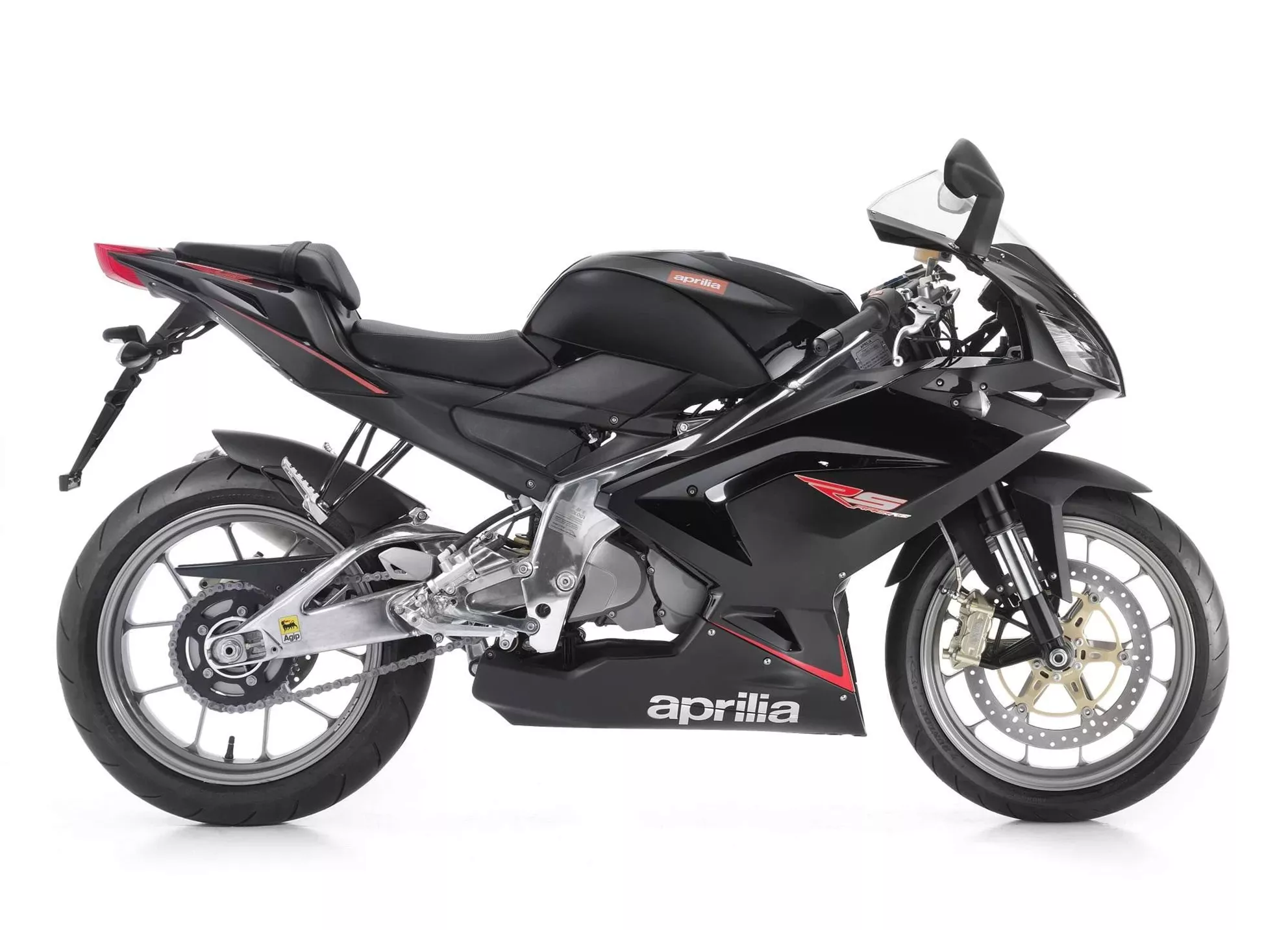
For countless teenagers, the Aprilia RS 125 was the first bike that genuinely felt like a full-grown race machine. Full fairing, aluminium frame, sporty riding position and a revvy two-stroke single made it the poster bike of an entire generation. Especially in derestricted form, the RS delivered performance far beyond what people associate with the 125 class today. At the same time, it taught its owners early on that two-strokes demand attention, warm oil and the occasional spanner.
Cagiva Mito 125
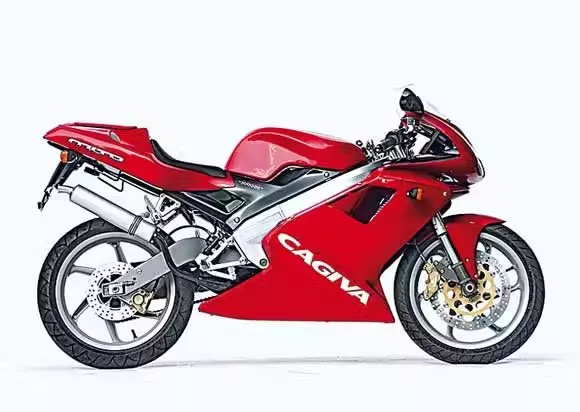
If the Aprilia RS 125 was the sensible Italian teenage dream, the Cagiva Mito was the particularly extravagant alternative. Later versions unmistakably resembled the Ducati 916, looking more like an exotic supersports machine than a learner's entry-level model. Add to that a feisty two-stroke engine, high revs and, on early versions, even a seven-speed gearbox. The Mito embodied an era when manufacturers put an effort into 125s that is hard to imagine today.
Yamaha DT 125
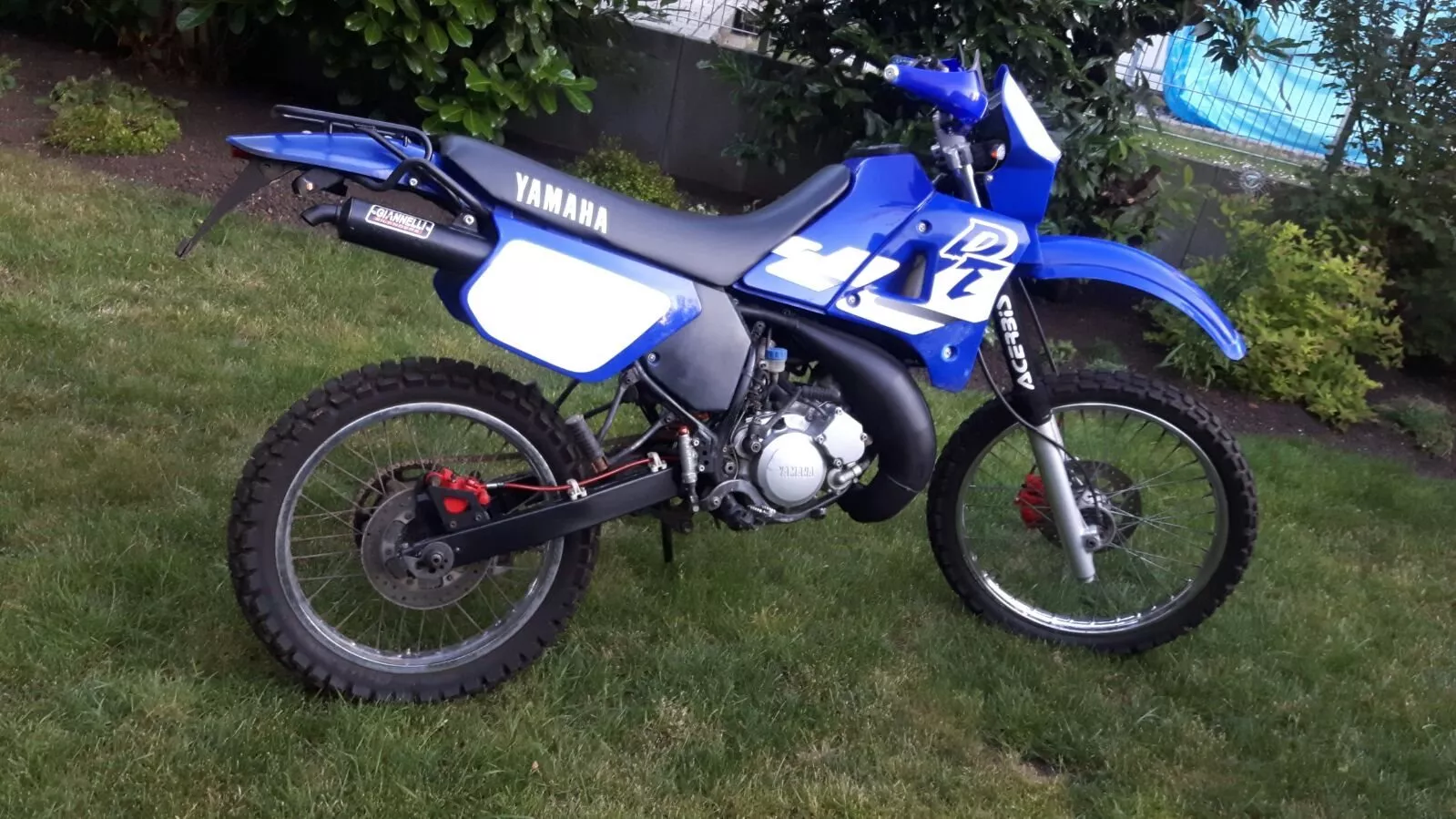
Not every two-stroke dream wore a full fairing. For generations of novice riders, the Yamaha DT 125 was one of the most versatile bikes ever made. Light, uncomplicated, capable enough off-road for dirt tracks and practical enough for school, work or the daily ride through town. Its single-cylinder two-stroke offered exactly that mix of a docile low end and an extra shove higher up the rev range that makes two-strokes so entertaining. The DT was less exotic than an RS or Mito – but actually within reach for far more people.
Kawasaki H2 750
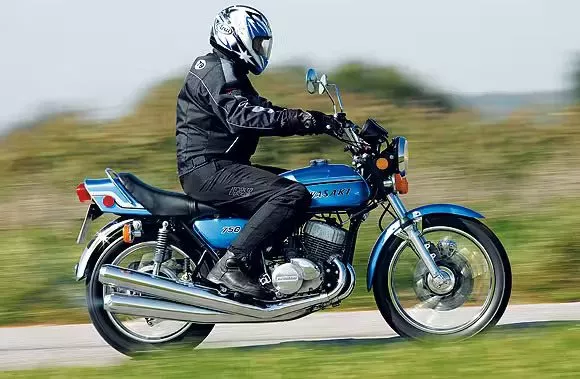
Image: j.kuenstle.de / MOTORRAD
The Kawasaki H2 750 is one of the machines that forged the wild reputation of big two-strokes. In the early 1970s, Kawasaki combined a 750 cc three-cylinder two-stroke with a comparatively basic chassis, creating a bike whose engine always seemed to be one step ahead of the rest of the machine. Massive thrust, low weight and the characteristic three-cylinder soundtrack made the H2 an icon. Today it's far more a collector's item than an everyday bike, but its reputation lives on.
Suzuki GT 750
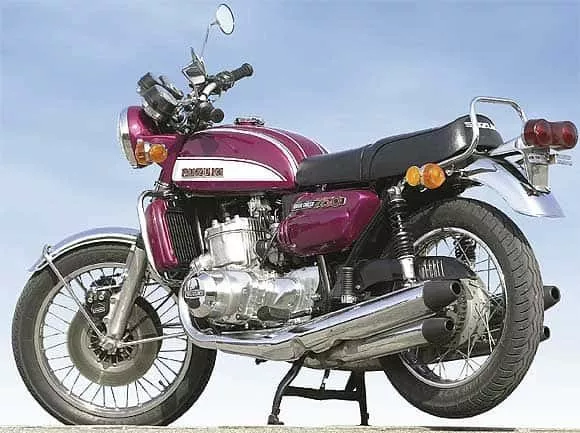
Image: fact / MOTORRAD
The Suzuki GT 750 proved that two-stroke didn't necessarily have to mean small, nervous and uncompromising. The big triple was water-cooled and designed as a comfortable road bike. This made the GT a completely different take on the two-stroke than the later lightweight sports machines. Its portly appearance earned it the legendary nickname "Wasserbüffel" (water buffalo) in German-speaking countries. It's precisely this contrast between big touring bike and smoking two-stroke triple that still makes it so special today.
Vespa PX
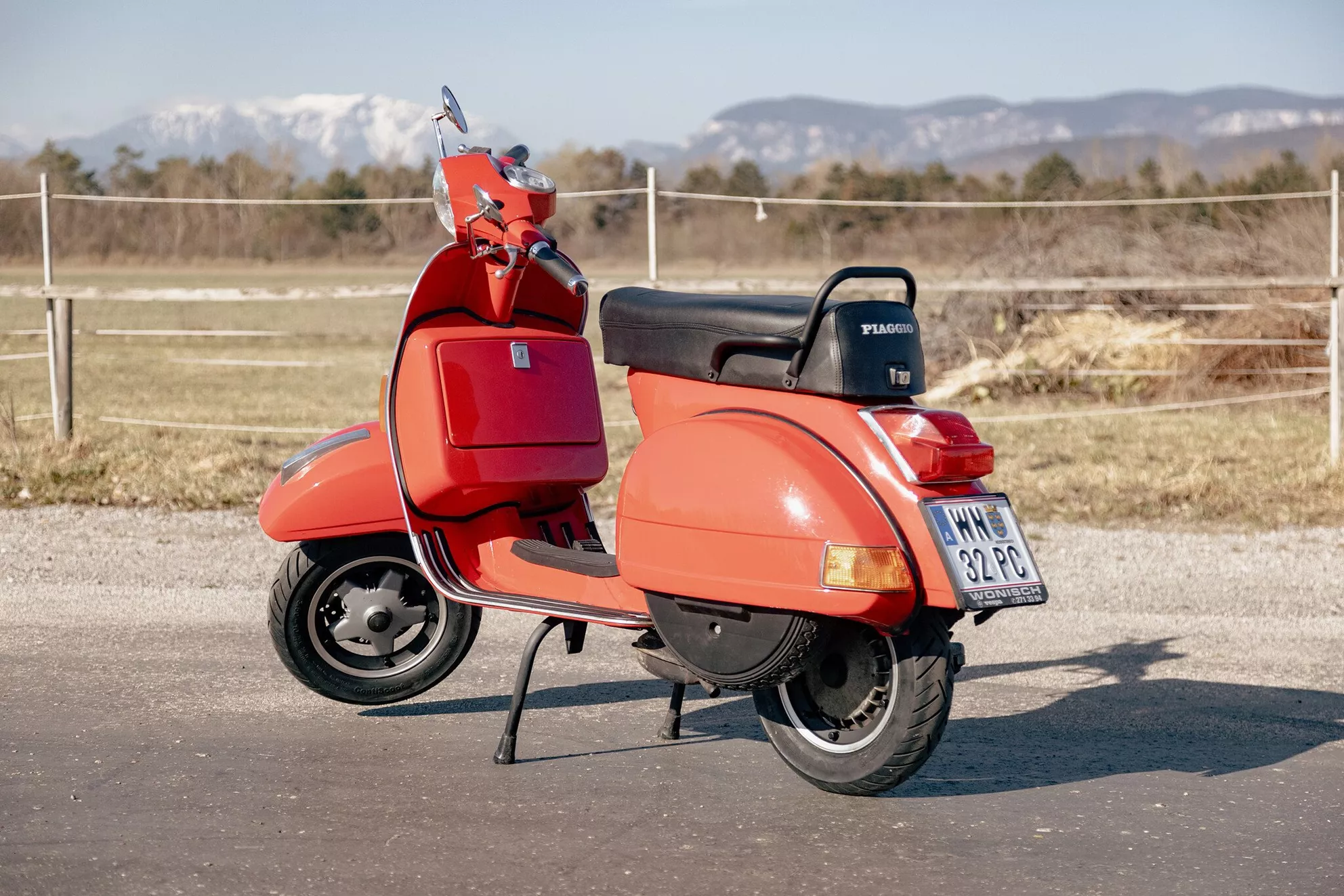
Perhaps better than any other vehicle on this list, the Vespa PX shows that the two-stroke engine was far more than just a technical solution for fast bikes. For decades, the various PX models shaped the streetscape of Europe and many other regions of the world. The air-cooled two-stroke engine, the manual gearshift and the characteristic steel monocoque body made the Vespa an antithesis to increasingly complex bikes and scooters. To this day, there's a huge scene around original vehicles, restorations and tuning – and hardly any two-stroke is as deeply rooted culturally.
Puch Maxi
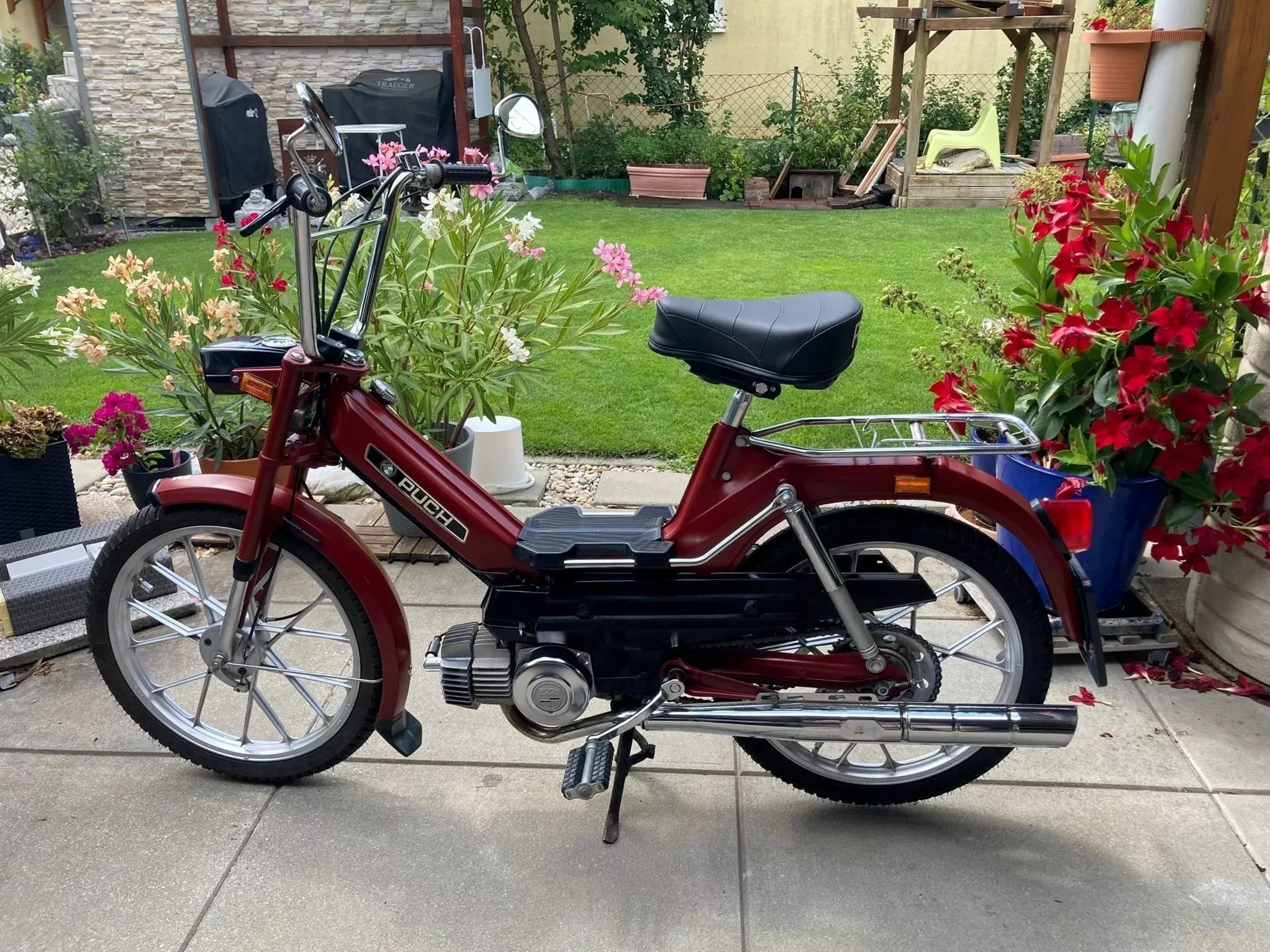
Hardly any motorised two-wheeler is more emotionally charged in Austria than the Puch Maxi. It was neither a sports bike nor a technical sensation, but simply the first step into motorised freedom for countless teenagers. The little two-stroke engine was simply built, robust and, above all, perfect for wrenching, tinkering and – not always entirely legally – squeezing out a bit more power. That's exactly why the Maxi lives on today: as a classic, tuning project, daily runabout and rolling piece of Austrian youth culture.
Why these ten two-strokes still fascinate us today
These bikes could hardly be more different. Worlds lie between a Puch Maxi and a Kawasaki H2, just as between a Vespa PX and an Aprilia RS 250. What they share, though, is that they were never merely technical products. They stand for particular stages of life, generations and motorcycling cultures. Therein lies the special fascination of classic two-strokes: you don't just remember how they rode, but also how they sounded, smelled and felt.