Suzuki 800 Models in a Head-to-Head Review

Suzuki 800 Models in a Head-to-Head Review

One Engine, Three Characters

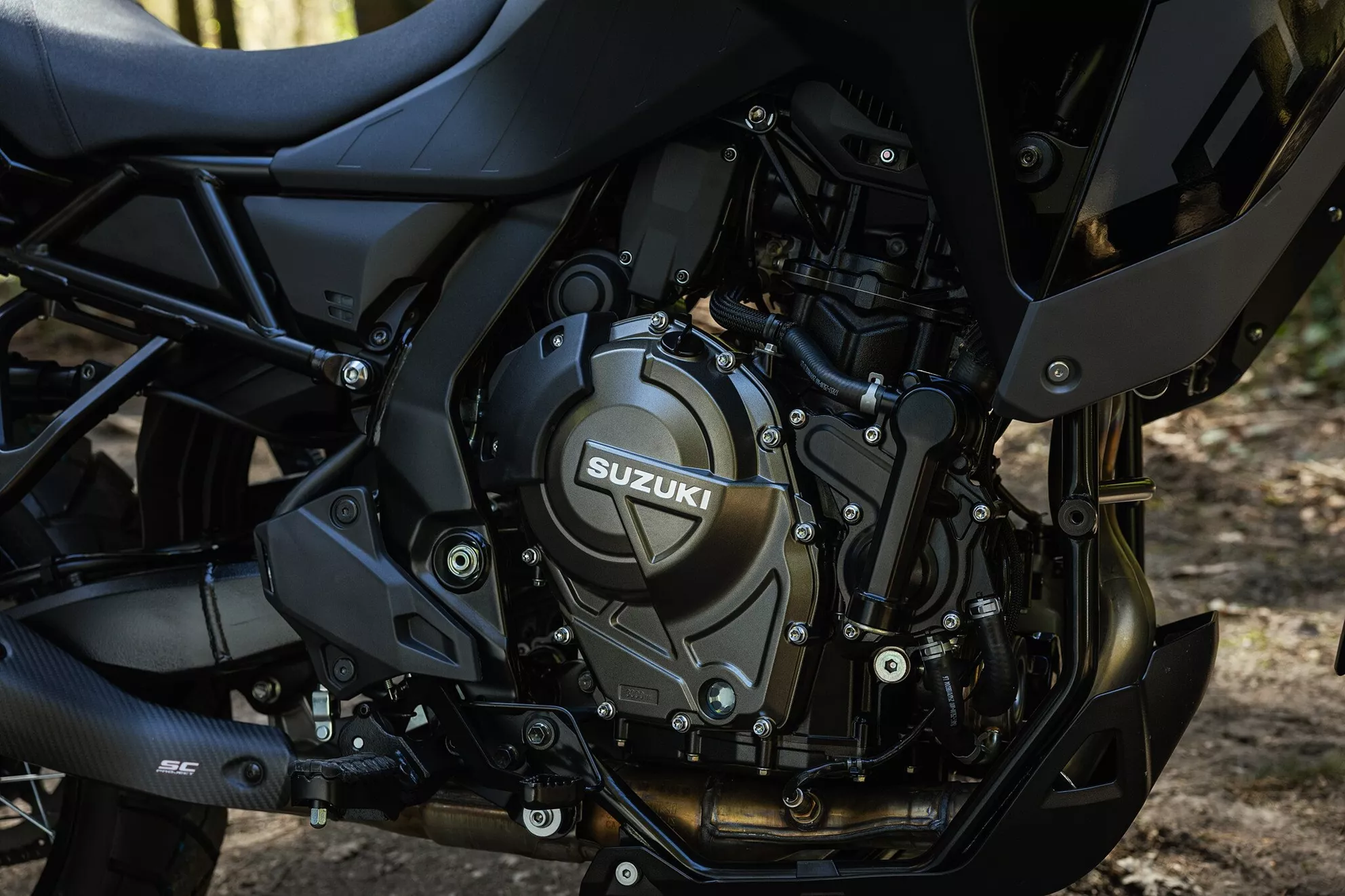
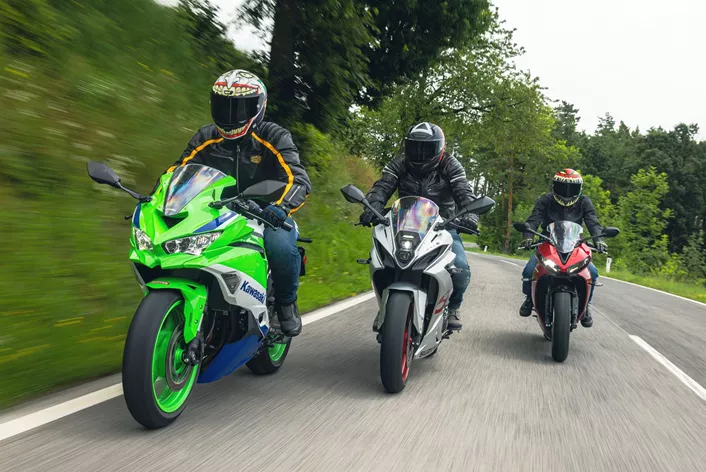
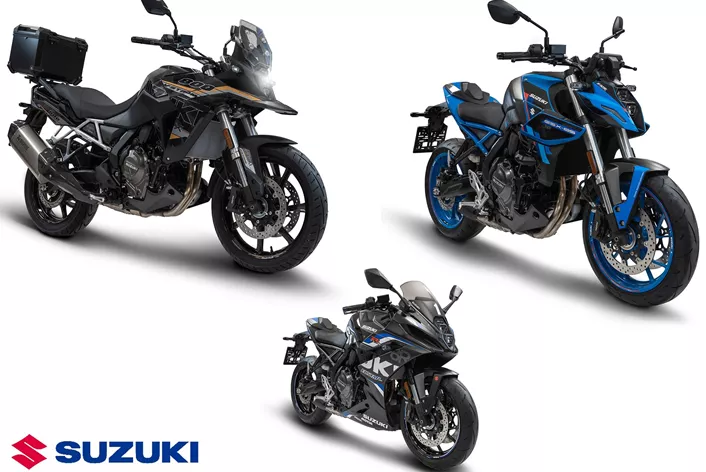
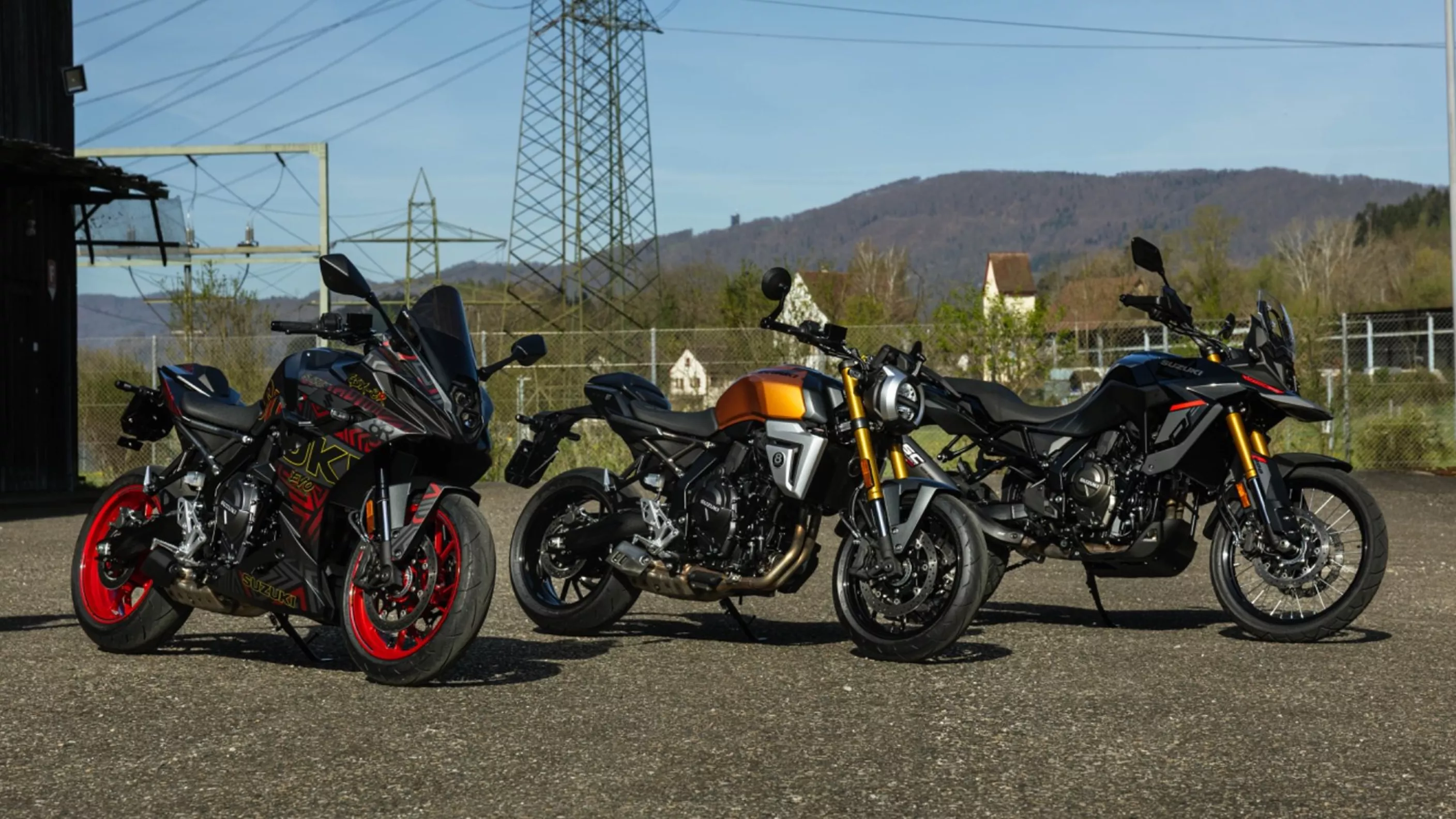
The renowned 776cc parallel-twin engine now powers several concepts that, despite sharing the same technical foundation, offer distinct riding experiences. During test rides near Zurich, three unique interpretations of this engine were showcased: the Suzuki GSX-8R, the Suzuki GSX-8T, and the Suzuki V-Strom 800 DE. Do they deliver across all genres, or was Suzuki simply lazy here?

FunkyFrankee

FunkyFrankee

published on 07/05/2026

828 Views

Engine Features: What Makes This Twin-Cylinder Stand Out?

The technical foundation for all three models in the test is Suzuki's 776cc parallel-twin engine with a 270-degree crankpin offset. This firing order gives it a distinctly different character compared to classic inline twins with a 180-degree setup. Instead of focusing on high revs, it emphasizes a smooth delivery of torque in the lower and mid-range RPMs. The engine openly delivers a maximum power of 83 hp and a peak torque of 78 Nm.

A unique feature of this engine is the "Suzuki Cross Balancer." Suzuki employs two counterbalancers arranged diagonally at a 90-degree angle to the crankshaft. This design aims to reduce the vibrations of the parallel-twin while keeping the engine compact. Thanks to its space-saving construction, Suzuki has managed to keep the overall engine architecture relatively narrow, which in turn affects the vehicle's width and the packaging of the platform.

GSX-8R: Rethinking Sportiness - Less Drama, More Everyday Usability

How much does a Suzuki V-Strom 800DE cost?
Here you will find an overview of the price level of new and used motorbikes!

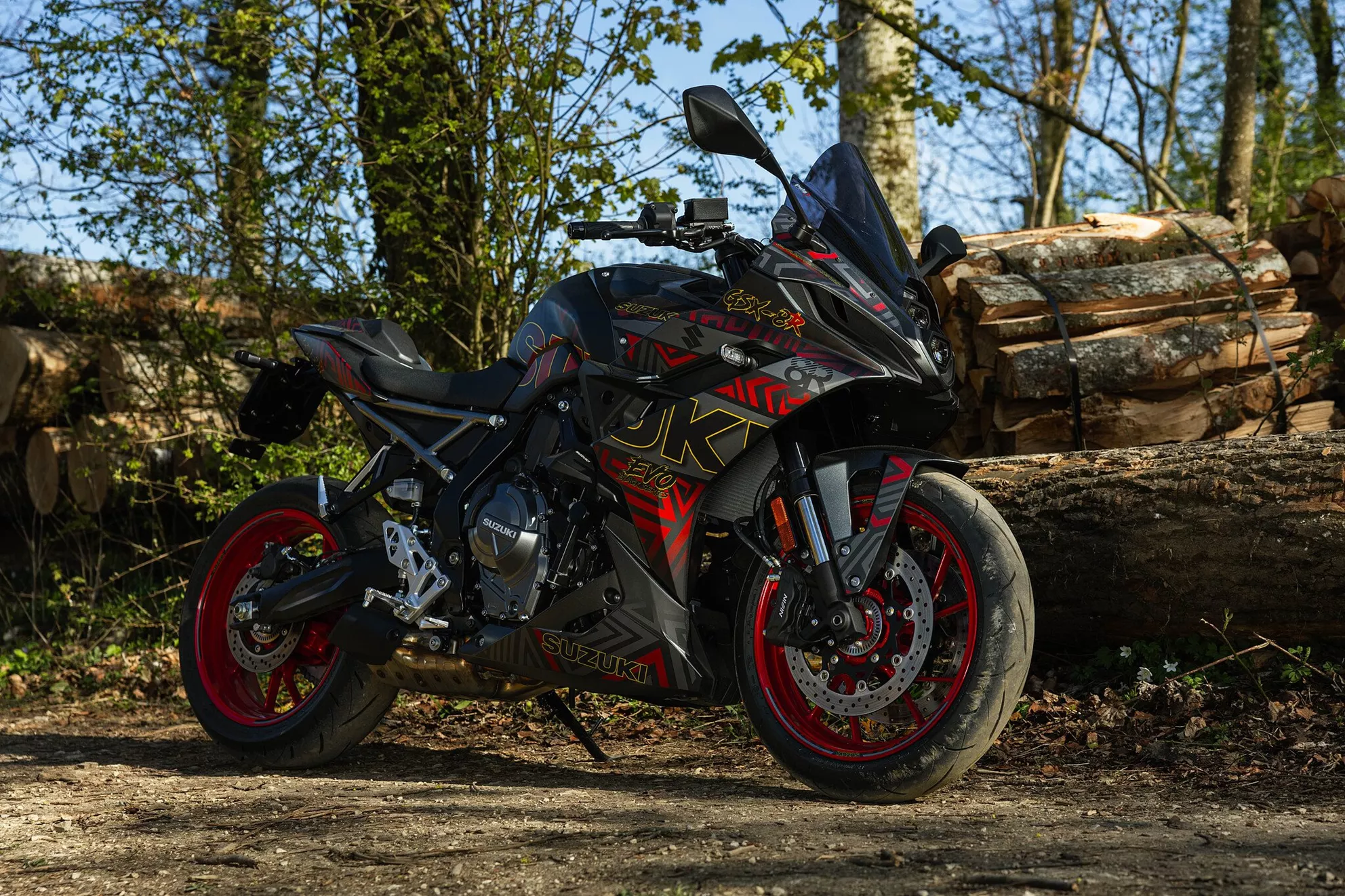
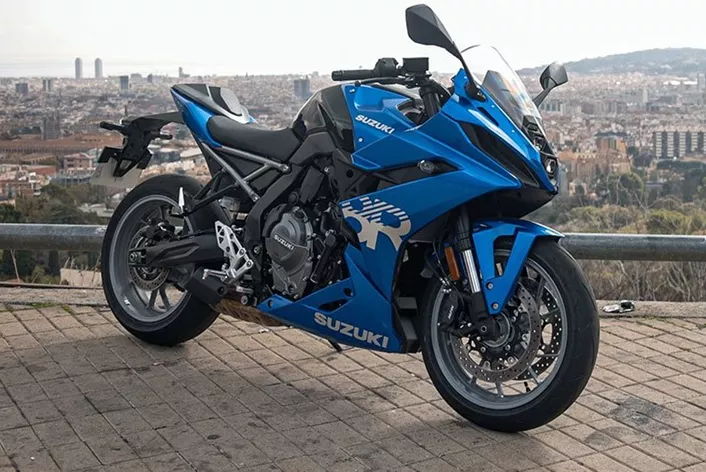
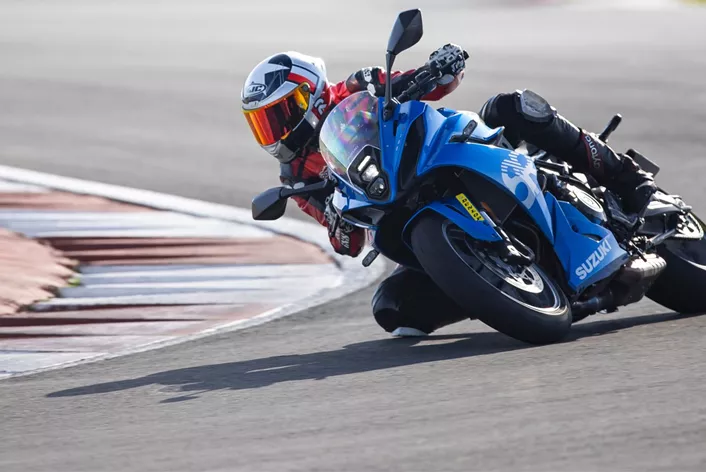
The GSX-8R likely sparks the most debate within the lineup. Visually, it clearly aligns with the supersport segment. Its full fairing, sporty front, and aggressive lines automatically set expectations for high revs, intense power delivery, and uncompromising sportiness. However, Suzuki consciously chooses a different path.

This familiar twin-cylinder engine follows a much more street-oriented concept. Instead of pushing aggressively at the top end, the engine delivers its torque early and controllably. While it might not provide the typical supersport drama of a high-revving four-cylinder, it performs surprisingly well on public roads.

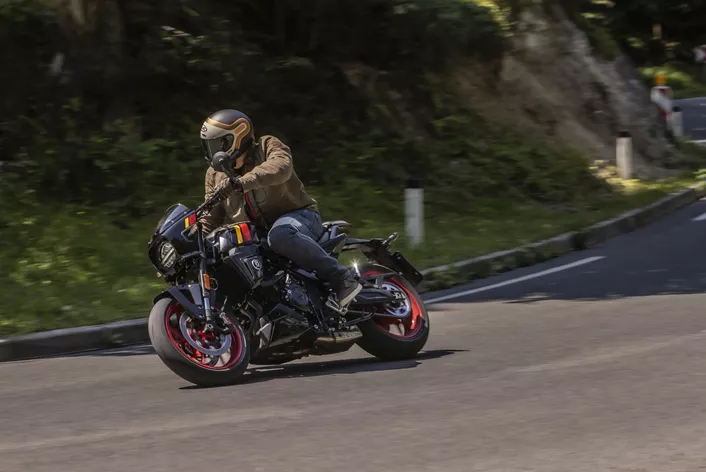
Especially on winding country roads, the 8R proves to be very easy to ride. There's no need to keep the engine constantly at high revs to maintain a brisk pace. The bike is more mid-range focused, remaining predictable and demanding little stress from the rider.

The ergonomics complement this as well. While the seating position is sportier than on the GSX-8S or GSX-8T, it's much more relaxed than on traditional supersport bikes. Wrists, knee angles, and upper body posture remain comfortable even over longer distances. This is precisely where the target audience lies: riders who want the appearance of a sport bike but don't seek a relentless racetrack posture in everyday use.

However, the GSX-8R isn't without its criticisms. Those expecting an especially emotional high-rev experience from a sports bike may find it lacking. The engine's character aligns more with a sporty road bike than an aggressive supersport machine. This is precisely why the bike polarizes opinions. Some will appreciate this accessible character, while others might miss a bit more peak performance and drama in the higher rev range.

It's important to note, though: the GSX-8R doesn't attempt to be an uncompromising track weapon. Viewed from this perspective, the overall concept works quite coherently.

GSX-8R

GSX-8T: Nostalgia with Substance

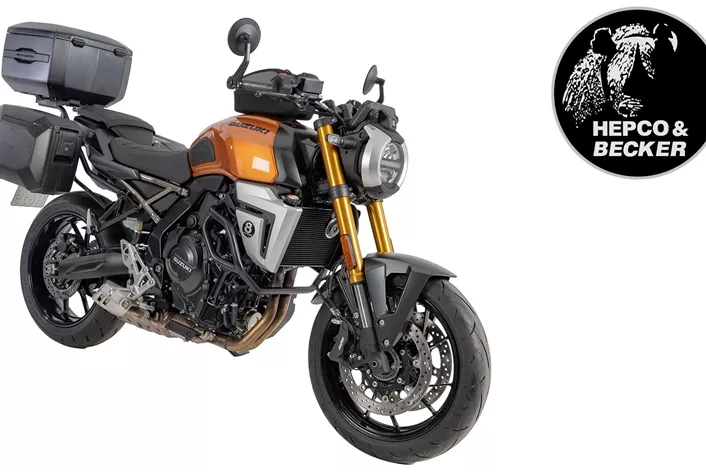
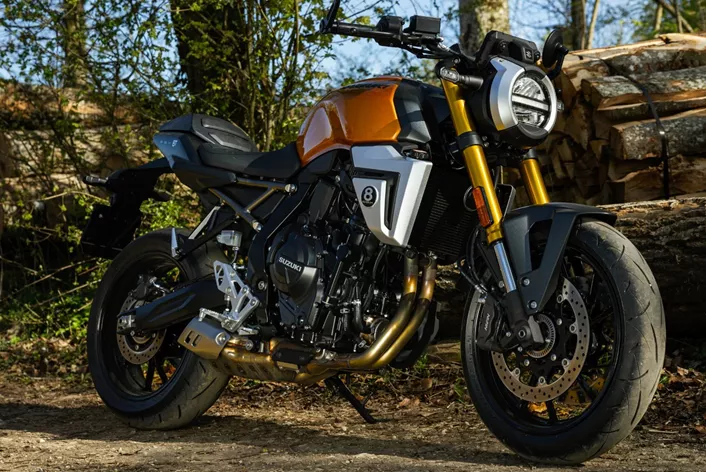
The biggest surprise in our direct comparison was the new GSX-8T. Initially, in pictures, it appears more like a stylistically inclined retro naked bike. However, on the road, it develops significantly more individuality than expected.

The engine, in particular, harmonizes exceptionally well with the rest of the bike. With its light weight of 201 kg, direct seating position, and spontaneous power delivery, the 8T feels noticeably livelier than the technically related models. The twin-cylinder revs up more eagerly and delivers plenty of dynamism on tight country roads without being overwhelming or jittery.

In road networks with tight curves, short straights, and frequent direction changes, this character fits very well. The 8T is nimble, provides ample front-end feedback, and quickly instills confidence. The seating position is active and, for a retro bike, rather sporty, yet remains practical for everyday use and invites spirited rides. Longer distances also seem effortlessly manageable. It is precisely this blend of a sportier riding feel and sensible ergonomics that makes the 8T the most versatile motorcycle within the lineup.

However, there is some criticism in the details. The display is steeply positioned and not always optimally readable while riding. Additionally, the suspension is generally quite firm, offering precise handling on good roads, but could provide more comfort on rougher asphalt.

The motor character also sparked interesting discussions. While half of the test riders appreciated the spontaneous throttle response and direct handling, the rest found the character somewhat rough at times. In the test, this wasn't problematic; rather, this direct nature suits this lively retro flyer very well.

How much does a Suzuki GSX-8R cost?
Here you will find an overview of the price level of new and used motorbikes!

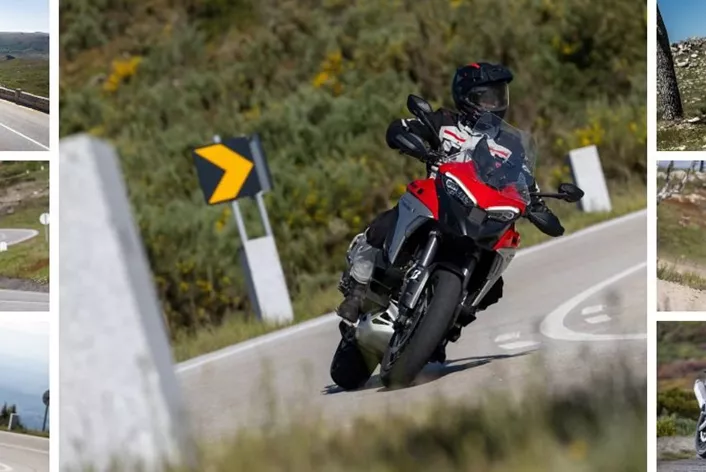
V-Strom 800 DE: Technology Meets Trust – Delivering True Versatility

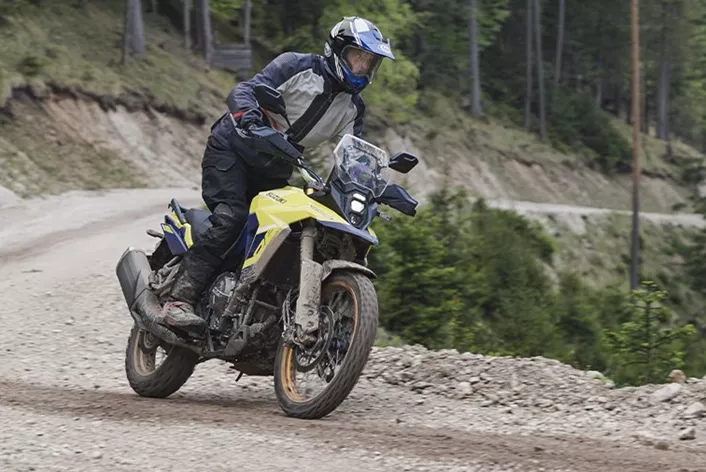
On paper, the Suzuki V-Strom 800 DE stands out as the most rational bike in the comparison. Adventure touring, 21-inch front wheel, off-road focus—these are all elements you can clearly categorize. Yet, this clarity translates into versatility on the road.

The well-known 776cc parallel-twin engine serves as the foundation here too, but the tuning is different. Throttle response is smoother, power delivery is more linear, and the entire setup is designed to maximize control. The engine shines especially in the lower to mid-range RPMs, delivering consistent torque without feeling frantic, allowing riders to focus on the path instead of gear selection.

Another strength is the G-Mode (Gravel Mode) in the traction control system. This mode intentionally allows more slip at the rear wheel, which is crucial for off-road riding. The system remains predictable and doesn't intervene abruptly, giving the rider space to actively maneuver the bike. This is complemented by the ability to deactivate the rear-wheel ABS.

The suspension is significantly longer than in the other two models. With about 220 mm of travel front and rear, the V-Strom clearly prioritizes rough terrain. It absorbs bumps, potholes, and gravel paths confidently, maintaining precision both on and off-road.

The 21-inch front wheel plays a central role here. It not only offers better rollover capabilities off-road but also affects handling on the tarmac. Steering inputs are calmer and less jittery. At the same time, the bike is more agile than one might expect. Direction changes happen quicker than the format suggests, allowing for sporty riding without battling the motorcycle. The weight (230kg) is barely noticeable while riding, though it can be a bit cumbersome when maneuvering at a standstill.

Ergonomically, the V-Strom features an upright seating position with ample freedom of movement. The wide handlebars provide control, the seat height offers a commanding view, and overall, there's a sense of confidence. However, taller riders might struggle with the sharper knee angle on longer rides with the standard seat.

The electronics are intuitively designed. Operation is straightforward, without needing to navigate through complicated menus. This is particularly important for a bike also intended for off-road use—here, the aim is to ride, not configure.

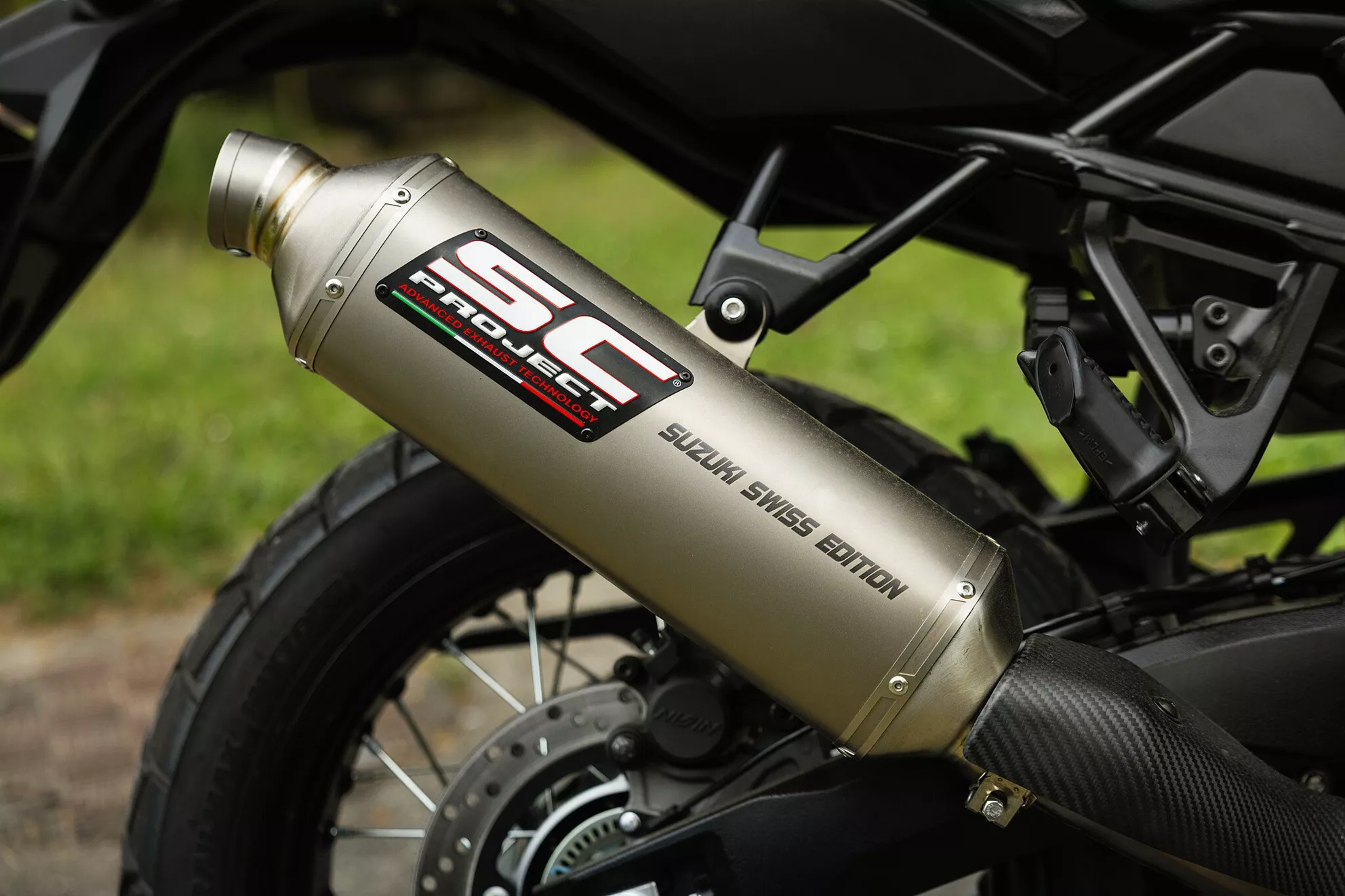
In terms of sound, the stock engine is relatively subdued. An accessory exhaust, like the one offered in the Swi Edition, can extract significantly more character, adding emotional depth to the riding experience without being intrusive.

Ultimately, what makes the V-Strom special isn't any single feature, but rather how everything works together. Engine, suspension, electronics, and ergonomics form a cohesive package. Nothing appears random, nothing feels overdone.

SC Project Swiss Edition Exhaust for V-Strom 800

With the current 800 platform, Suzuki deliberately positions itself in a segment that is currently relevant for many manufacturers: accessible mid-range motorcycles with a wide range of applications and a low entry barrier. This approach is clearly felt across all three models.

It's noticeable that Suzuki places less emphasis on extreme characters or maximum performance, focusing more on everyday usability, controllable handling, and rideability. This makes the motorcycles highly accessible overall, but also results in some models being less uncompromising within their respective categories.

The shared twin-cylinder engine characterizes the entire platform. Those seeking strong extremes and uniqueness within the class might wish for a bit more differentiation.

Conversely, it's apparent that Suzuki doesn't attempt to appear artificially sportier or more emotional than the bikes actually are. The 800 series conveys an honest and relatable character overall. Instead of spectacular peak values or edgy concepts, the focus here is on a straightforward riding experience.

And therein likely lies the greatest strength of the platform: the motorcycles perform competently on public roads without overwhelming the rider with unnecessary complexity.

For those who want to see the models in action rather than just read about them, check out the video of the 800 test.

How much does a Suzuki GSX-8T cost?
Here you will find an overview of the price level of new and used motorbikes!
FunkyFrankee

Suzuki V-Strom 800DE - Experiences and Expert Review

FunkyFrankee

It's remarkable how much a straightforward, practical all-rounder like the Suzuki V-Strom 800DE can win you over. It doesn't boast about power figures, it doesn't impress with futuristic design, and it doesn't scream for attention. Instead, it does something far more important: with every mile ridden, it becomes more familiar, reliable, and endearing. After days of intensive use through challenging terrain, this motorcycle has proven itself to be exactly what you need on long journeys—a calm, robust, uncompromising partner that just gets the job done.


Refined, responsive engine with high running smoothness

excellent throttle response in all conditions

robust, solid build quality with a high level of trust

balanced suspension for long tours and moderate off-road

standard, precise quickshifter

practical seating position for both sitting and standing

adequate ground clearance and sensible suspension travel

confident performance at extreme altitude changes and temperature fluctuations

very robust overall impression

Sharp knee angle for tall riders with the standard seat

limited lean angle on asphalt restricts sporty riders

windscreen adjustable only with tools

no standard heated grips despite touring focus

compact windscreen offers limited wind protection

slightly heavier than direct competition makes maneuvering cumbersome.

FunkyFrankee

Suzuki GSX-8R - Experiences and Expert Review

FunkyFrankee

The GSX-8R injects fresh energy into the middleweight sport segment without being too radical or nervous. While it looks sporty, at its core, it's very beginner-friendly: the same 776cc twin as in the V-Strom delivers linear, predictable power. The seating position is sportier but not aggressive—ideal for beginners seeking a dynamic look and sharper handling without having to contend with superbikes. It conveys control and confidence, perfect for first or new experiences on the asphalt.


Sporty look with naked bike comfort

Touring-capable thanks to good leg ergonomics

Stable mirrors

Accessible seat height

Rough quickshifter

FunkyFrankee

Suzuki GSX-8T - Experiences and Expert Review

FunkyFrankee

Suzuki delivers a motorcycle with character, everyday usability, and distinctive style with the GSX-8T. The blend of classic appeal and modern technology is successful, and its positioning as a high-quality character with retro charm fits well. In short, it's the 8S for adults. However, entering Suzuki's new retro generation doesn't come cheap.


Refined engine

good suspension

high-quality finish

good features

everyday usability

strong LED headlights

comfortable ergonomics

long range

appealing design

License plate holder disrupts otherwise superb appearance

price is on the high side

TFT screen somewhat clumsily integrated into the retro concept

display angle is too steep, making it hard to read

throttle response may feel a bit rough for some riders.

More from 1000PS Magazine

Suzuki 800 Models in a Head-to-Head Review Images

Source: 1000PS

Suzuki 800 Series Reviewed in 2026 - Image 1
Suzuki 800 Series Reviewed in 2026 - Image 2
Suzuki 800 Series Reviewed in 2026 - Image 3
Suzuki 800 Series Reviewed in 2026 - Image 4
Suzuki 800 Series Reviewed in 2026 - Image 5
Suzuki 800 Series Reviewed in 2026 - Image 6
Suzuki 800 Series Reviewed in 2026 - Image 7
Suzuki 800 Series Reviewed in 2026 - Image 8
Suzuki 800 Series Reviewed in 2026 - Image 9
Suzuki 800 Series Reviewed in 2026 - Image 10
Suzuki 800 Series Reviewed in 2026 - Image 11
Suzuki 800 Series Reviewed in 2026 - Image 12
Suzuki 800 Series Reviewed in 2026 - Image 13
Suzuki 800 Series Reviewed in 2026 - Image 14
Suzuki 800 Series Reviewed in 2026 - Image 15
Suzuki 800 Series Reviewed in 2026 - Image 16
Suzuki 800 Series Reviewed in 2026 - Image 17
Suzuki 800 Series Reviewed in 2026 - Image 18
Suzuki 800 Series Reviewed in 2026 - Image 19
Suzuki 800 Series Reviewed in 2026 - Image 20
Suzuki 800 Series Reviewed in 2026 - Image 21
Suzuki 800 Series Reviewed in 2026 - Image 22
Suzuki 800 Series Reviewed in 2026 - Image 23
Suzuki 800 Series Reviewed in 2026 - Image 24
Suzuki 800 Series Reviewed in 2026 - Image 25
Suzuki 800 Series Reviewed in 2026 - Image 26
Suzuki 800 Series Reviewed in 2026 - Image 27
Suzuki 800 Series Reviewed in 2026 - Image 28
Suzuki 800 Series Reviewed in 2026 - Image 29
Suzuki 800 Series Reviewed in 2026 - Image 30
Suzuki 800 Series Reviewed in 2026 - Image 31
Suzuki 800 Series Reviewed in 2026 - Image 32
Suzuki 800 Series Reviewed in 2026 - Image 33
Suzuki 800 Series Reviewed in 2026 - Image 34
Suzuki 800 Series Reviewed in 2026 - Image 35
Suzuki 800 Series Reviewed in 2026 - Image 36
Suzuki 800 Series Reviewed in 2026 - Image 37
Suzuki 800 Series Reviewed in 2026 - Image 38
Suzuki 800 Series Reviewed in 2026 - Image 39
Suzuki 800 Series Reviewed in 2026 - Image 40
Suzuki 800 Series Reviewed in 2026 - Image 41
Suzuki 800 Series Reviewed in 2026 - Image 42
Suzuki 800 Series Reviewed in 2026 - Image 43
Suzuki 800 Series Reviewed in 2026 - Image 44
Suzuki 800 Series Reviewed in 2026 - Image 45
Suzuki 800 Series Reviewed in 2026 - Image 46
Suzuki 800 Series Reviewed in 2026 - Image 47
Suzuki 800 Series Reviewed in 2026 - Image 48
Suzuki 800 Series Reviewed in 2026 - Image 49
Suzuki 800 Series Reviewed in 2026 - Image 50
Suzuki 800 Series Reviewed in 2026 - Image 51
Suzuki 800 Series Reviewed in 2026 - Image 52
Suzuki 800 Series Reviewed in 2026 - Image 53
Suzuki 800 Series Reviewed in 2026 - Image 54
Suzuki 800 Series Reviewed in 2026 - Image 55
Suzuki 800 Series Reviewed in 2026 - Image 56
Suzuki 800 Series Reviewed in 2026 - Image 57
Suzuki 800 Series Reviewed in 2026 - Image 58
Suzuki 800 Series Reviewed in 2026 - Image 59
Suzuki 800 Series Reviewed in 2026 - Image 60
Suzuki 800 Series Reviewed in 2026 - Image 61
Suzuki 800 Series Reviewed in 2026 - Image 62
Suzuki 800 Series Reviewed in 2026 - Image 63
Suzuki 800 Series Reviewed in 2026 - Image 64
Suzuki 800 Series Reviewed in 2026 - Image 65
Suzuki 800 Series Reviewed in 2026 - Image 66
Suzuki 800 Series Reviewed in 2026 - Image 67
Suzuki 800 Series Reviewed in 2026 - Image 68
Suzuki 800 Series Reviewed in 2026 - Image 69
Suzuki 800 Series Reviewed in 2026 - Image 70
Suzuki 800 Series Reviewed in 2026 - Image 71
Suzuki 800 Series Reviewed in 2026 - Image 72
Suzuki 800 Series Reviewed in 2026 - Image 73
Suzuki 800 Series Reviewed in 2026 - Image 74
Suzuki 800 Series Reviewed in 2026 - Image 75
Suzuki 800 Series Reviewed in 2026 - Image 76
Suzuki 800 Series Reviewed in 2026 - Image 77
Suzuki 800 Series Reviewed in 2026 - Image 78
Suzuki 800 Series Reviewed in 2026 - Image 79
Suzuki 800 Series Reviewed in 2026 - Image 80
Suzuki 800 Series Reviewed in 2026 - Image 81
Suzuki 800 Series Reviewed in 2026 - Image 82
Suzuki 800 Series Reviewed in 2026 - Image 83
Suzuki 800 Series Reviewed in 2026 - Image 84
Suzuki 800 Series Reviewed in 2026 - Image 85
Suzuki 800 Series Reviewed in 2026 - Image 86
Suzuki 800 Series Reviewed in 2026 - Image 87
Suzuki 800 Series Reviewed in 2026 - Image 88
Suzuki 800 Series Reviewed in 2026 - Image 89
Suzuki 800 Series Reviewed in 2026 - Image 90
Suzuki 800 Series Reviewed in 2026 - Image 91