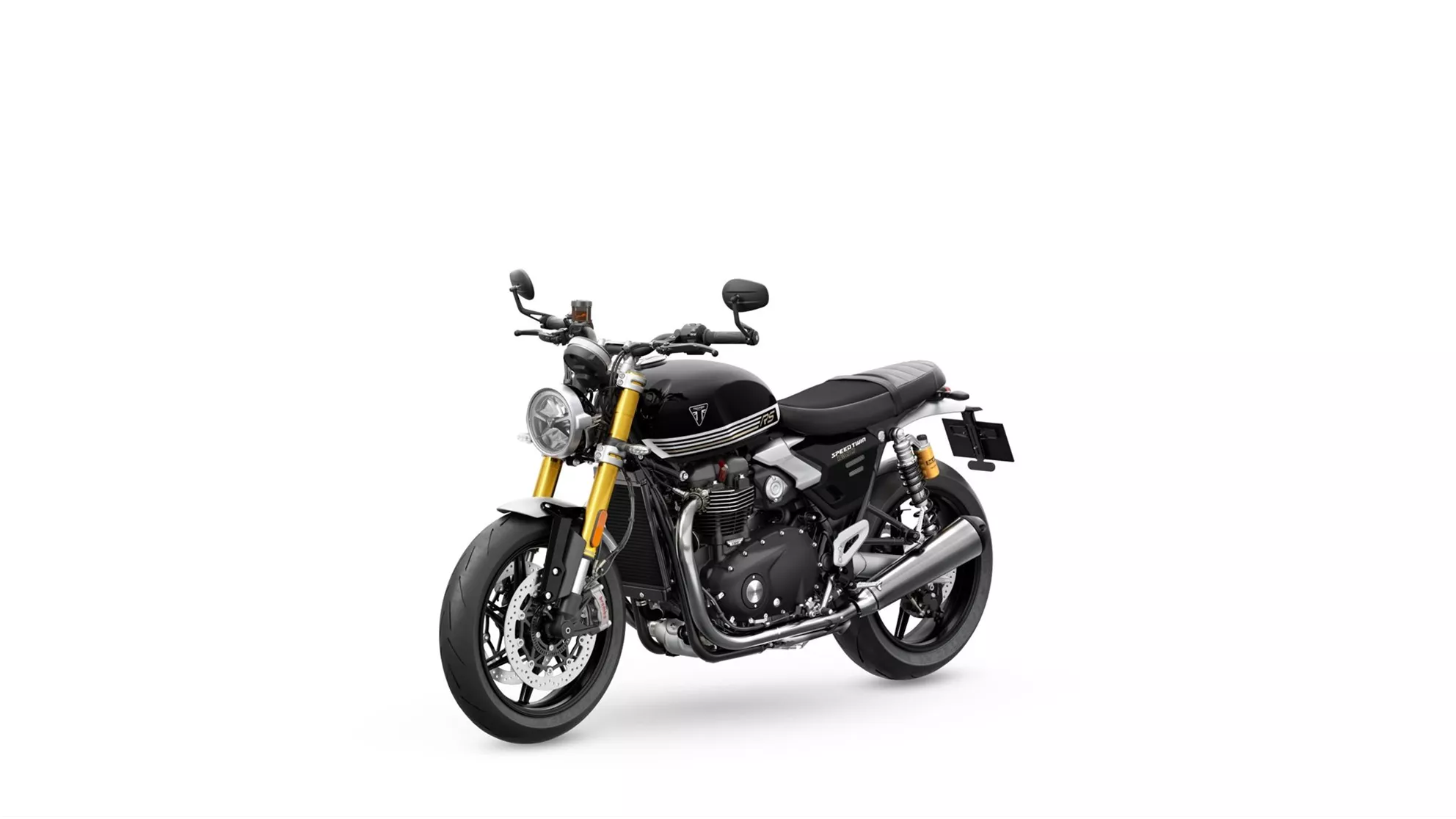
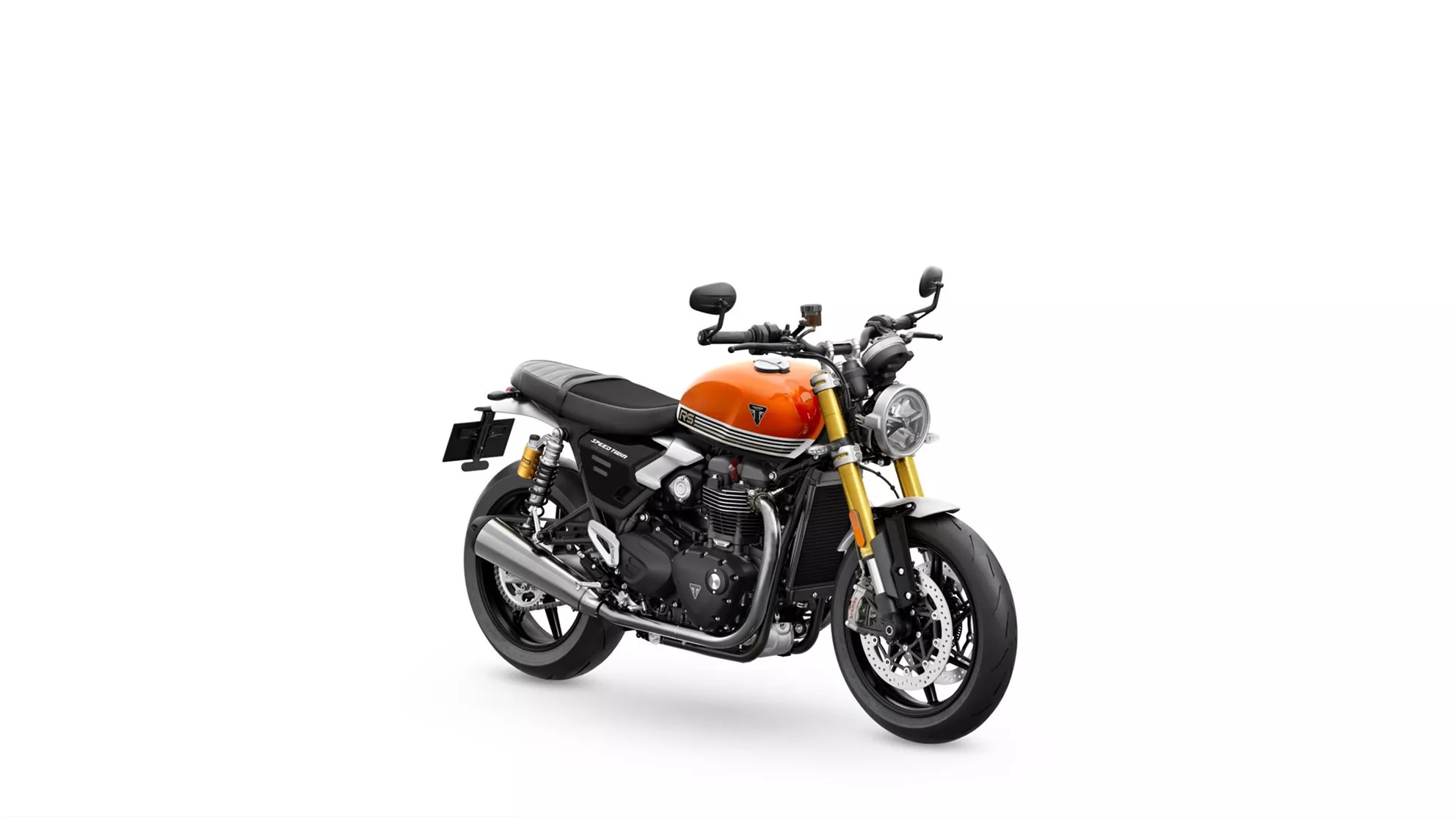
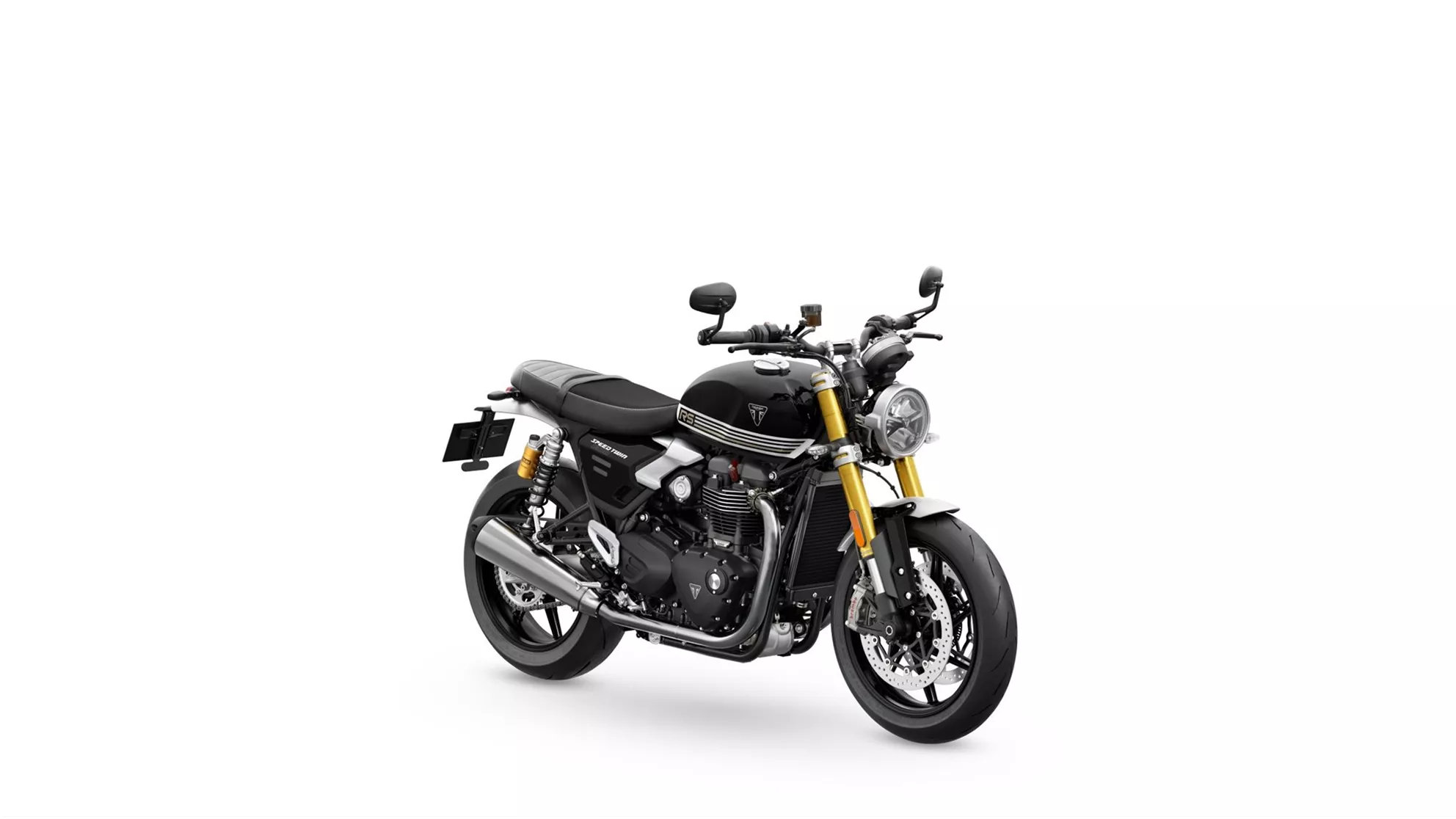
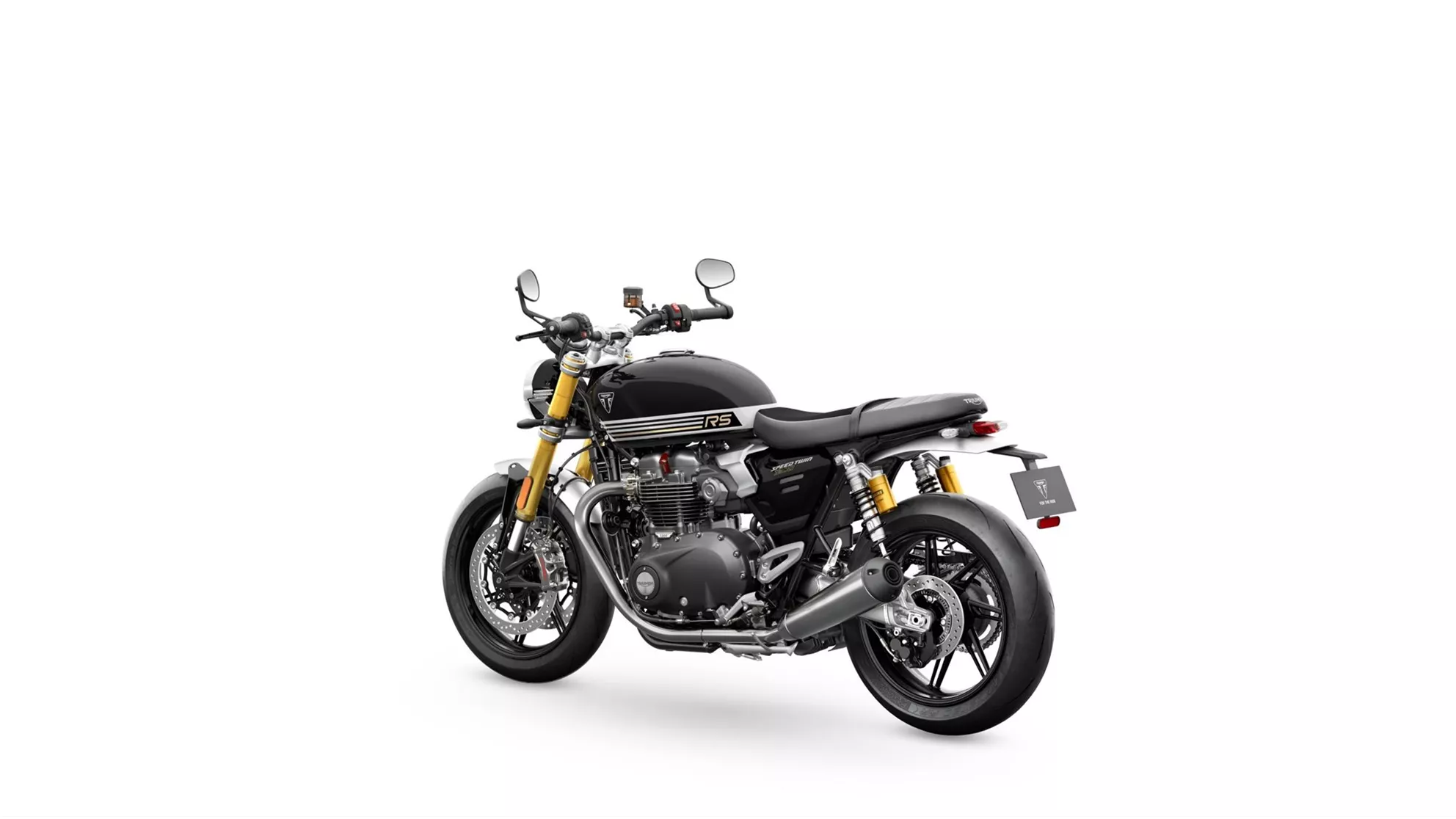
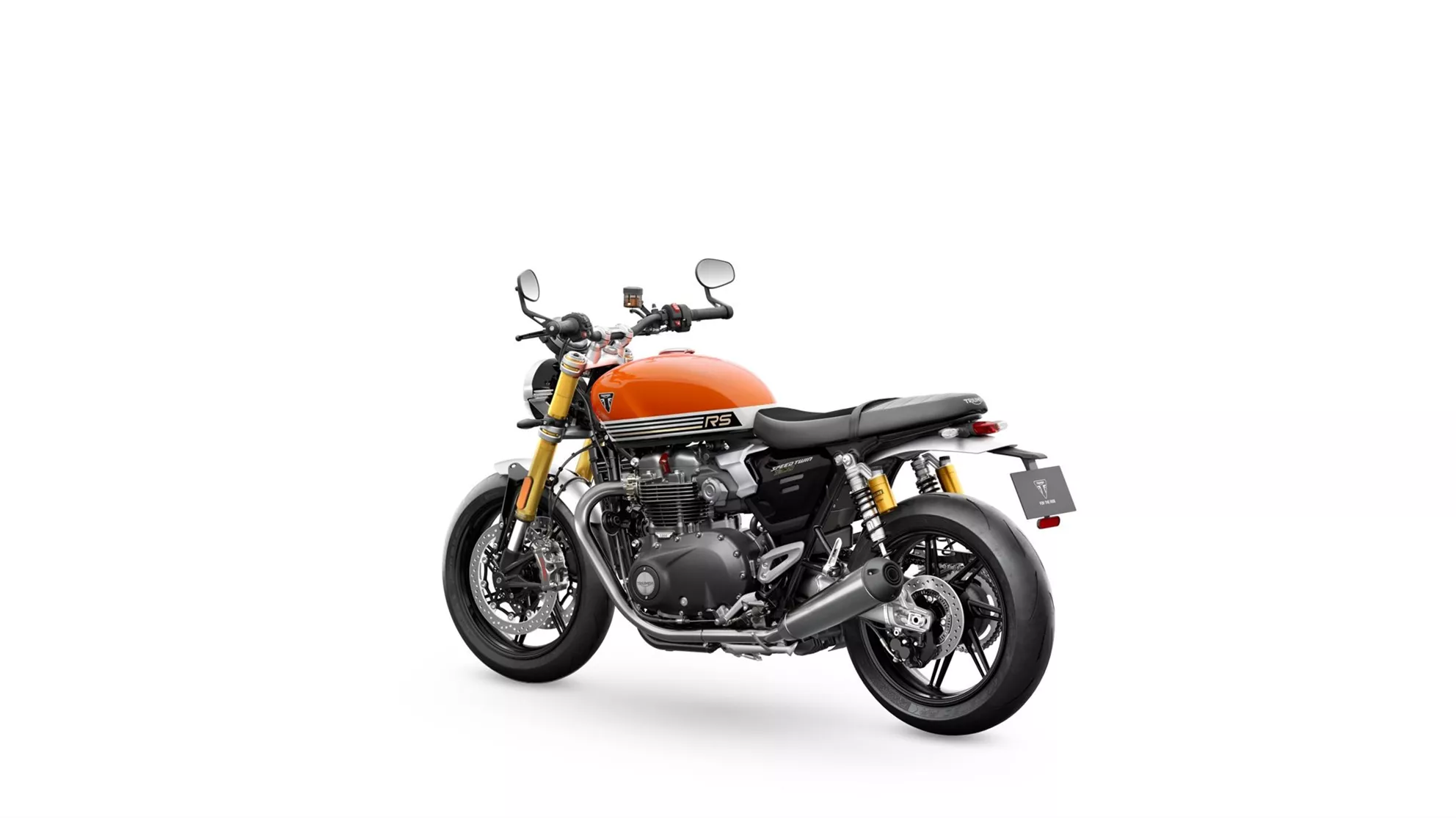
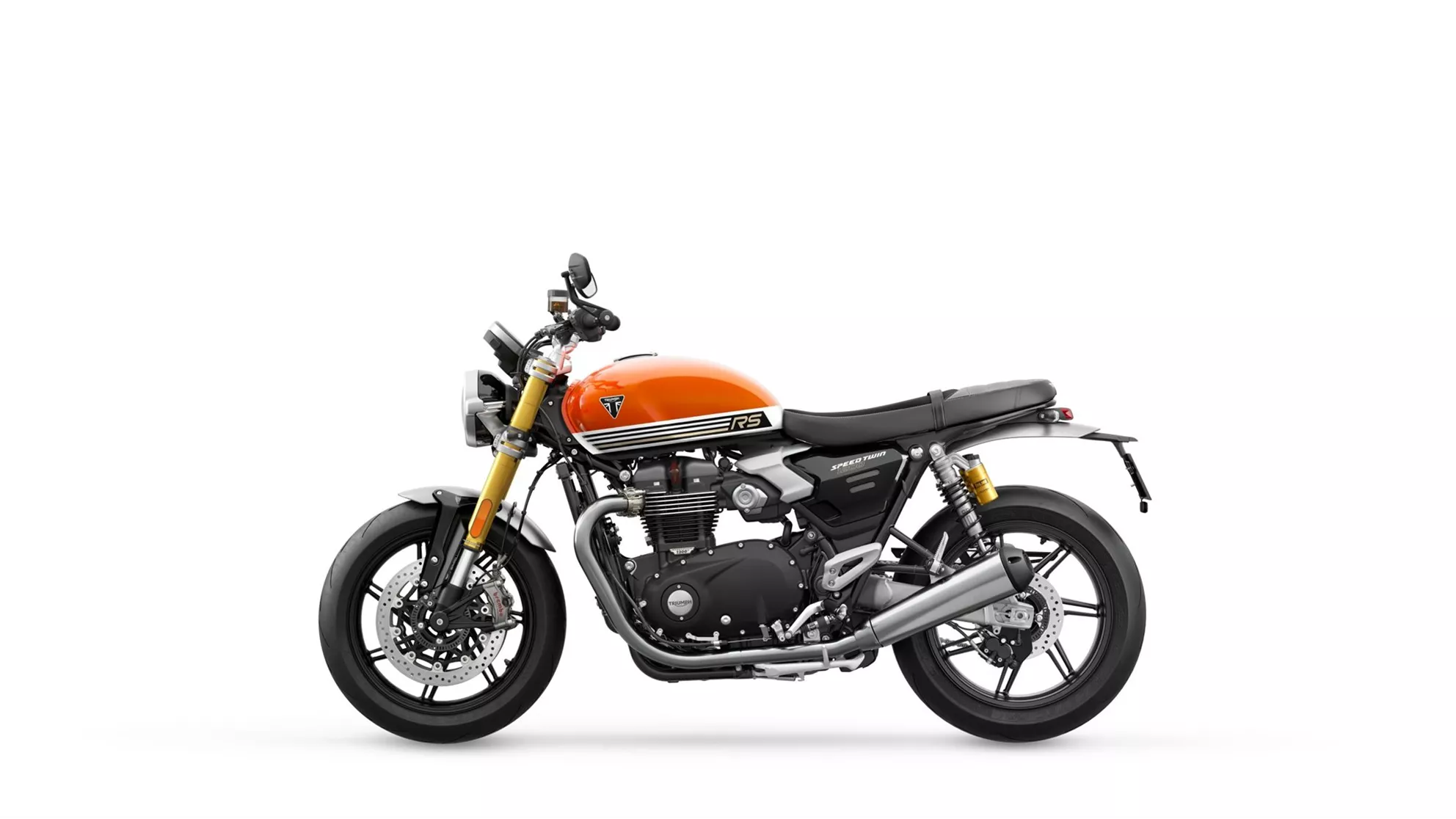
While the Triumph Speed Twin 1200 RS is priced at €16,195 in Germany (€18,695 in Austria), you'll need at least €22,495 for the BMW R12 S in Germany (€25,890 in Austria). If you explore options with the BMW configurator, even the base model of the R 12 Nine T quickly reaches prices around €20,000. Triumph offers an interesting in-house alternative with the more affordable Speed Twin 1200, which shares many of the RS model's advantages but comes with less equipment.
Triumph Speed Twin 1200 RS vs. BMW R12 S Head-to-Head Comparison Test
Which Modern Retro Bike Stands Out?
The Triumph Speed Twin 1200 RS and the BMW R12 S are two motorcycles that blend classic aesthetics with cutting-edge technology. An in-depth comparison test of these dream retro machines in Spain.
&width=72&height=72&bgcolor=rgba_39_42_44_0&mode=crop "Author: Poky")
Poky
published on 14/03/2025
30,272 Views
The Bitter Pill First: Pricing for Triumph Speed Twin 1200 RS and BMW R12 S 2025
Design and Presentation: Triumph Speed Twin 1200 RS vs. BMW R12 S – Timeless Retro Aesthetics?
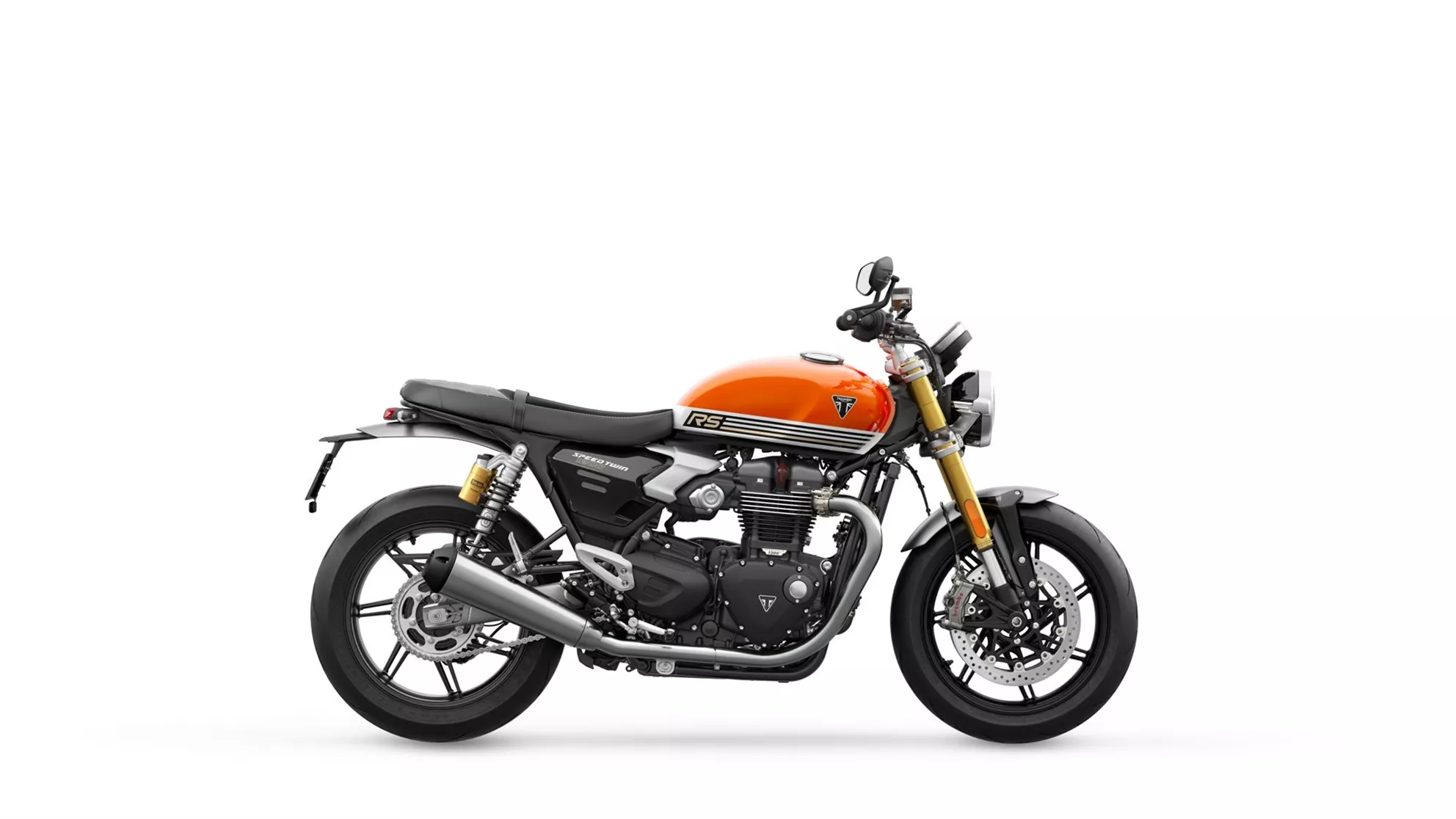
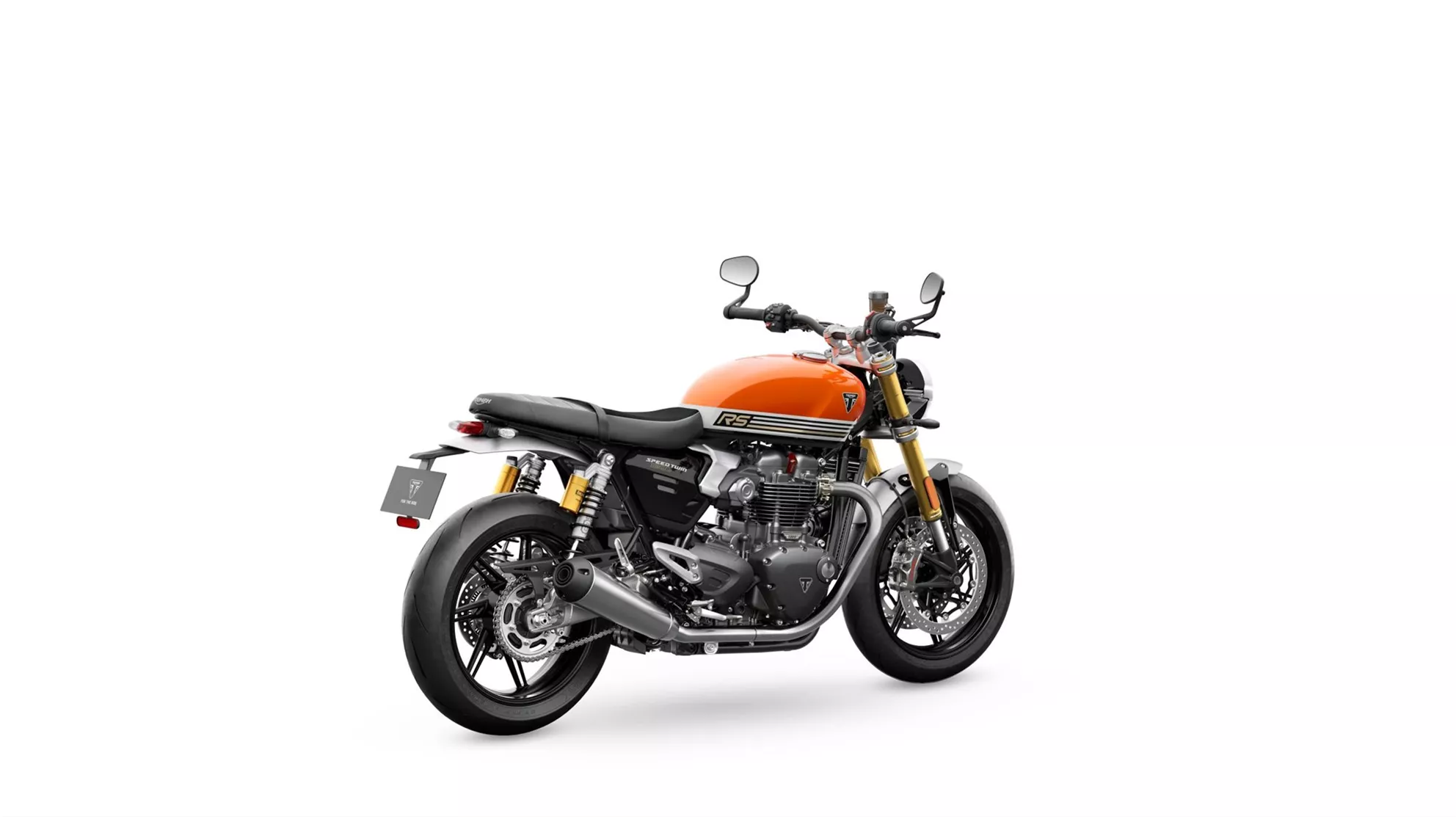
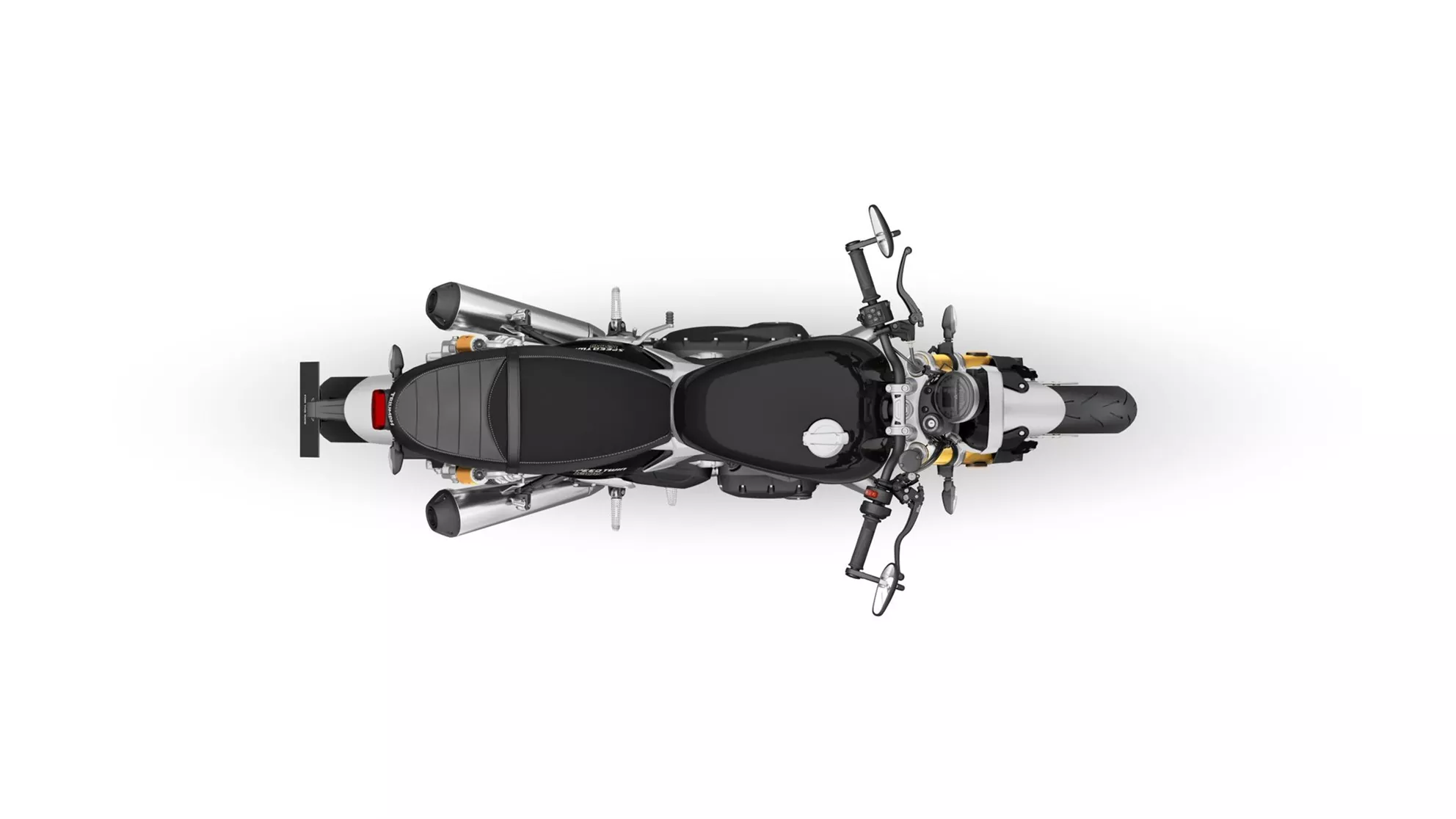
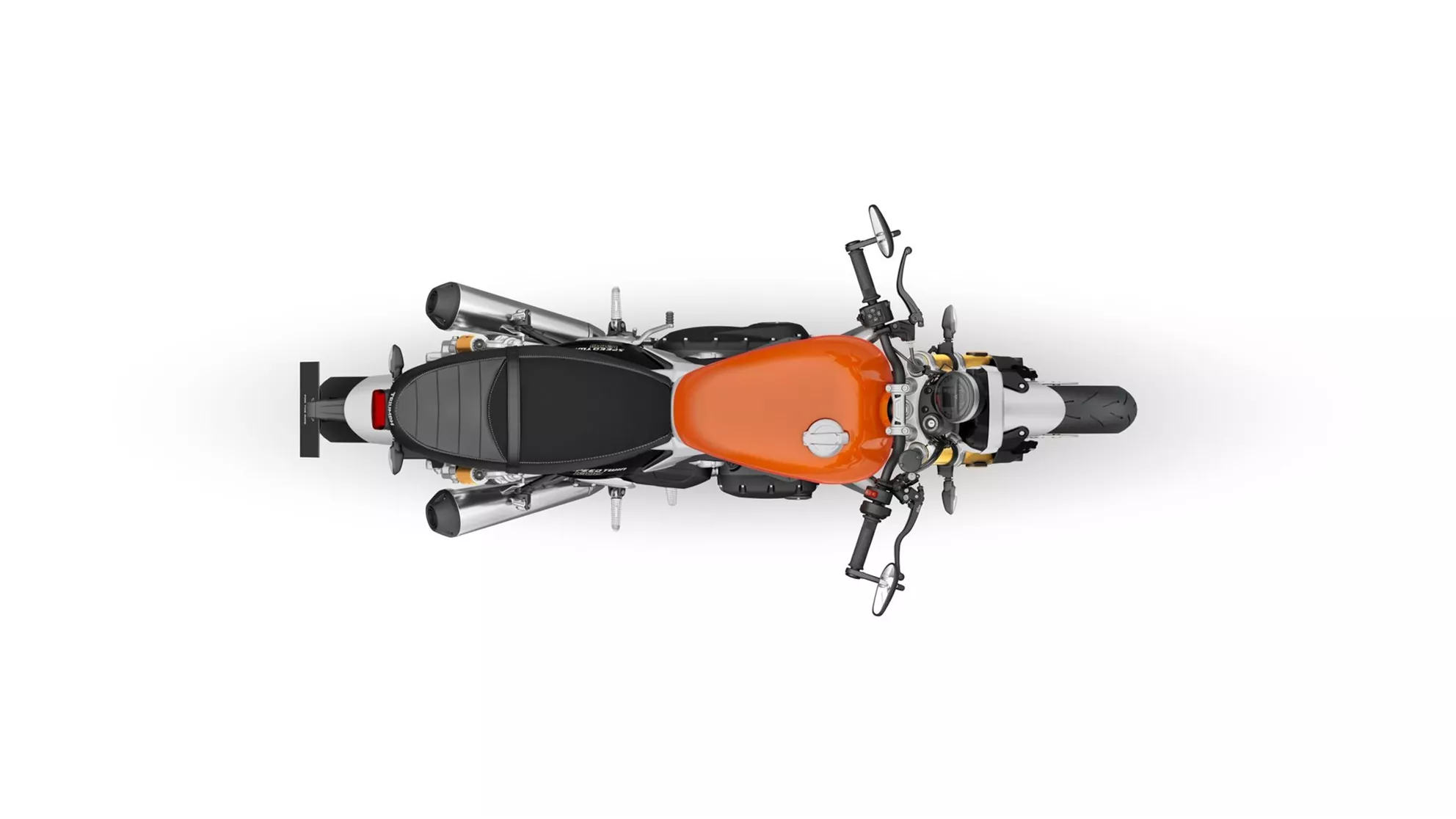
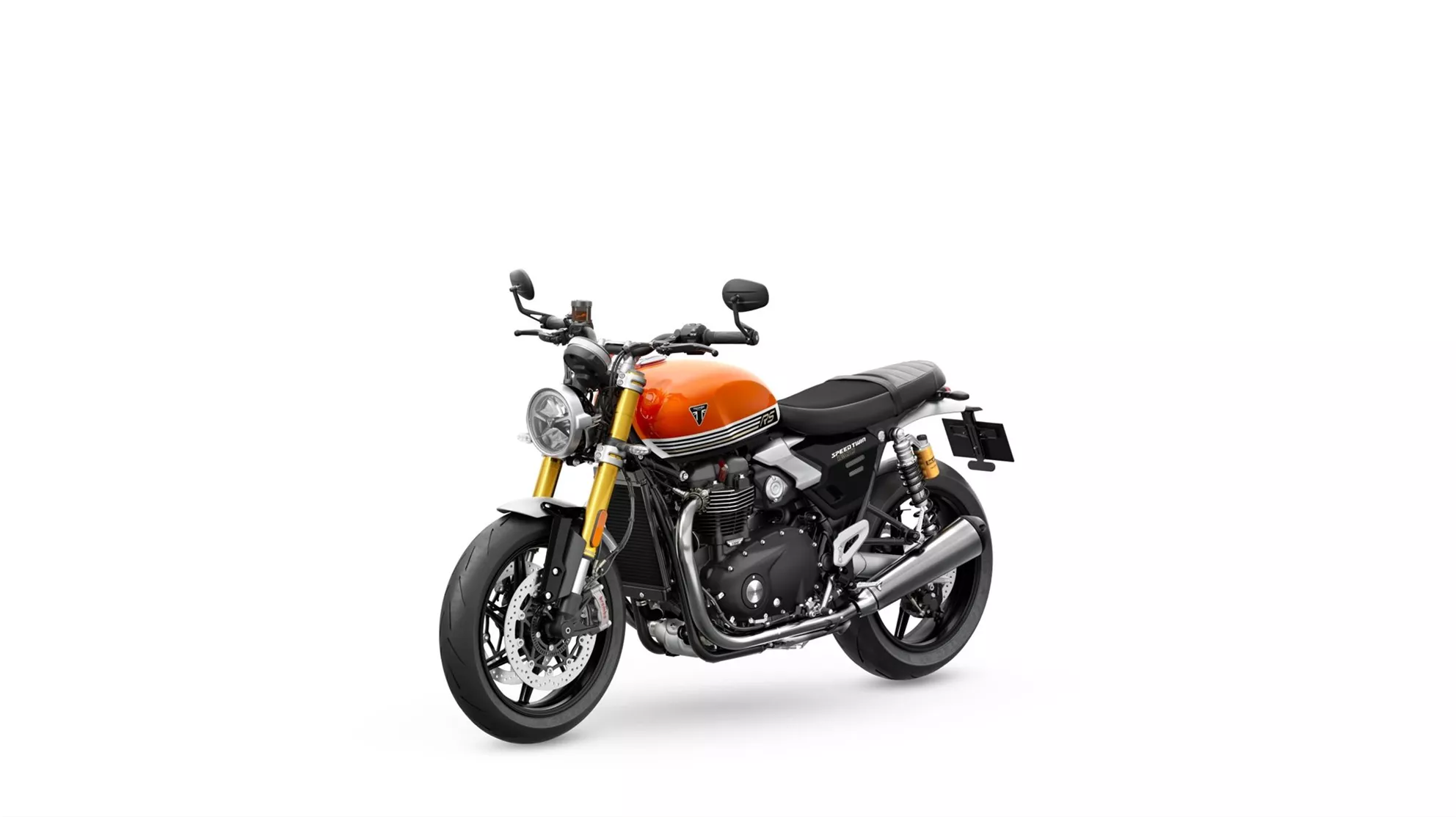
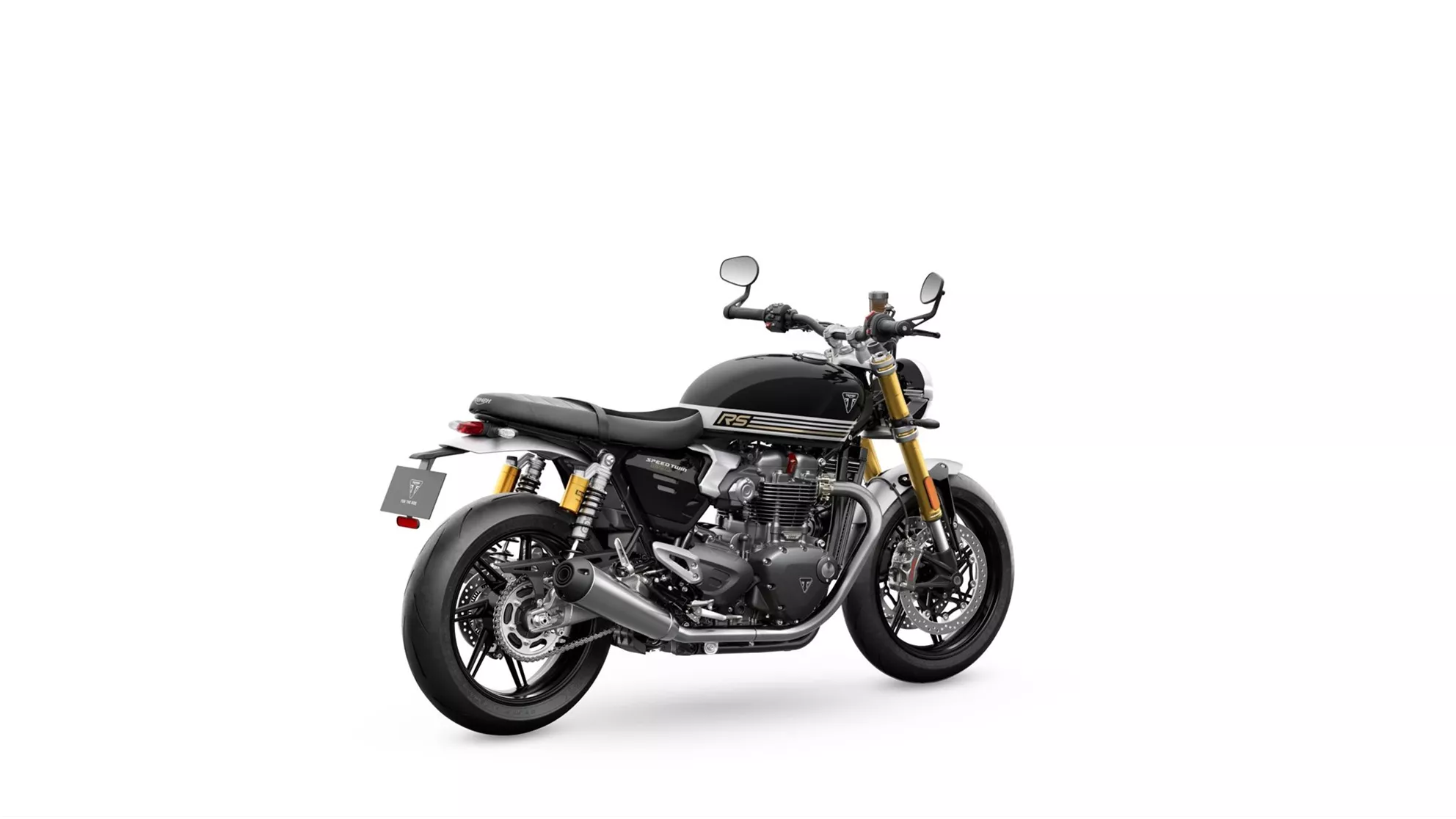
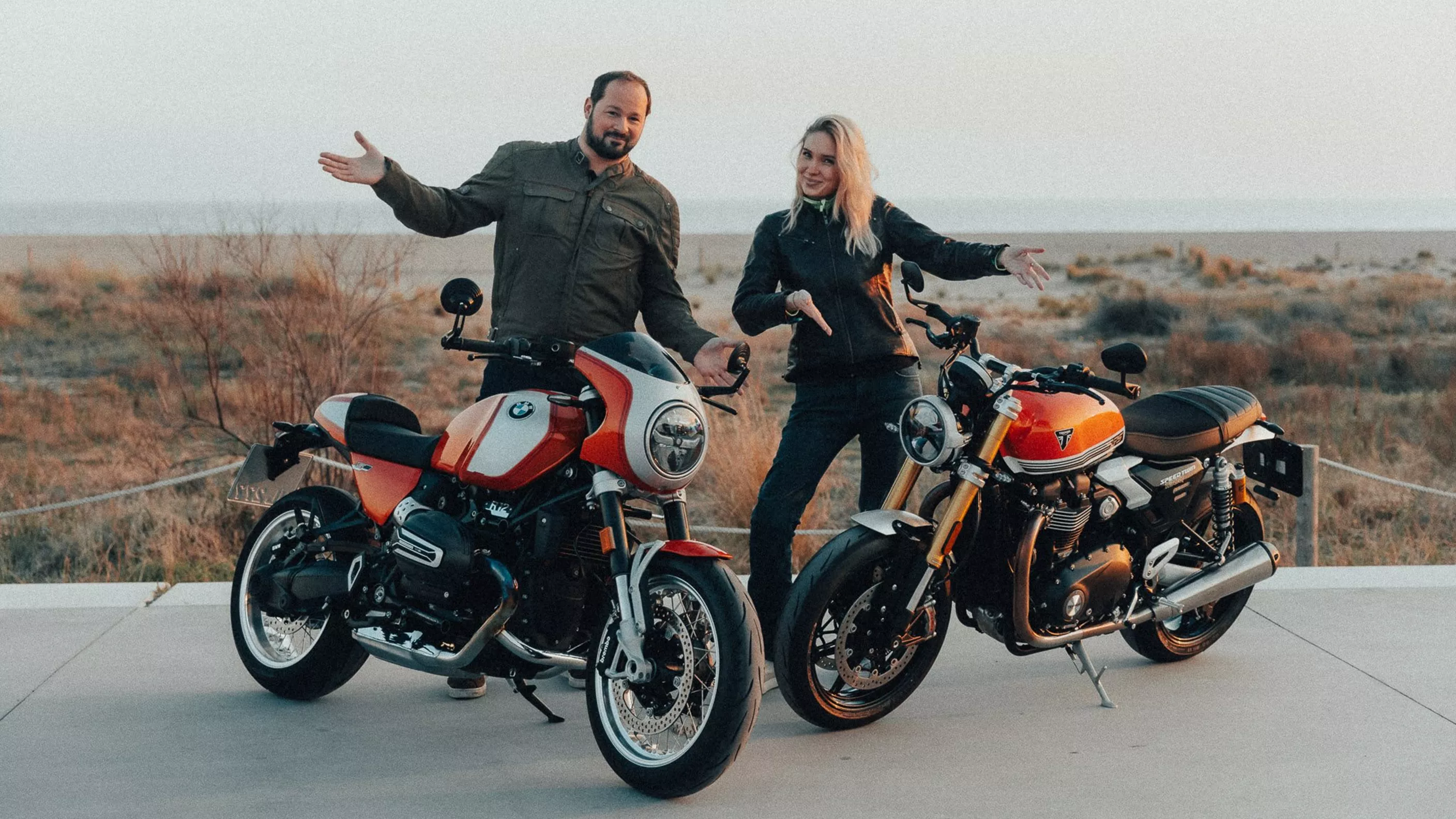
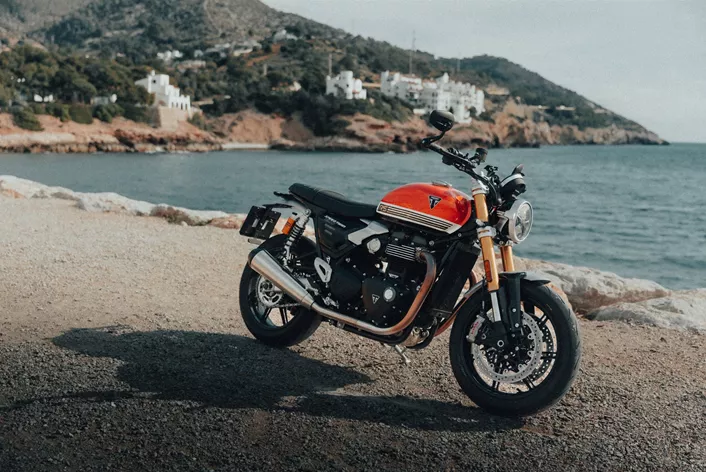
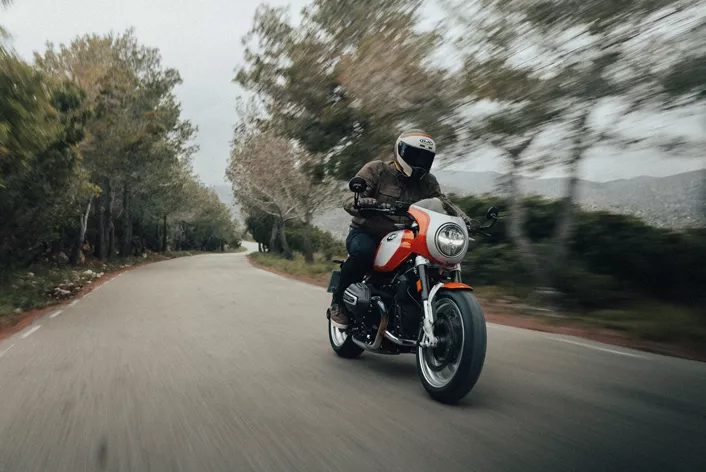
These two motorcycles are not just about getting from A to B; they're true design statements. They blend classic styling with premium materials and modern elements. While the BMW R 12 S in the Daytona Edition sticks exclusively to the classic two-tone "Lava Orange Metallic" paint job, the Triumph is available in the understated "Sapphire Black" and the striking "Baja Orange." Our test bike sports the latter, making both bikes gleam in the sunset along the Spanish coast.
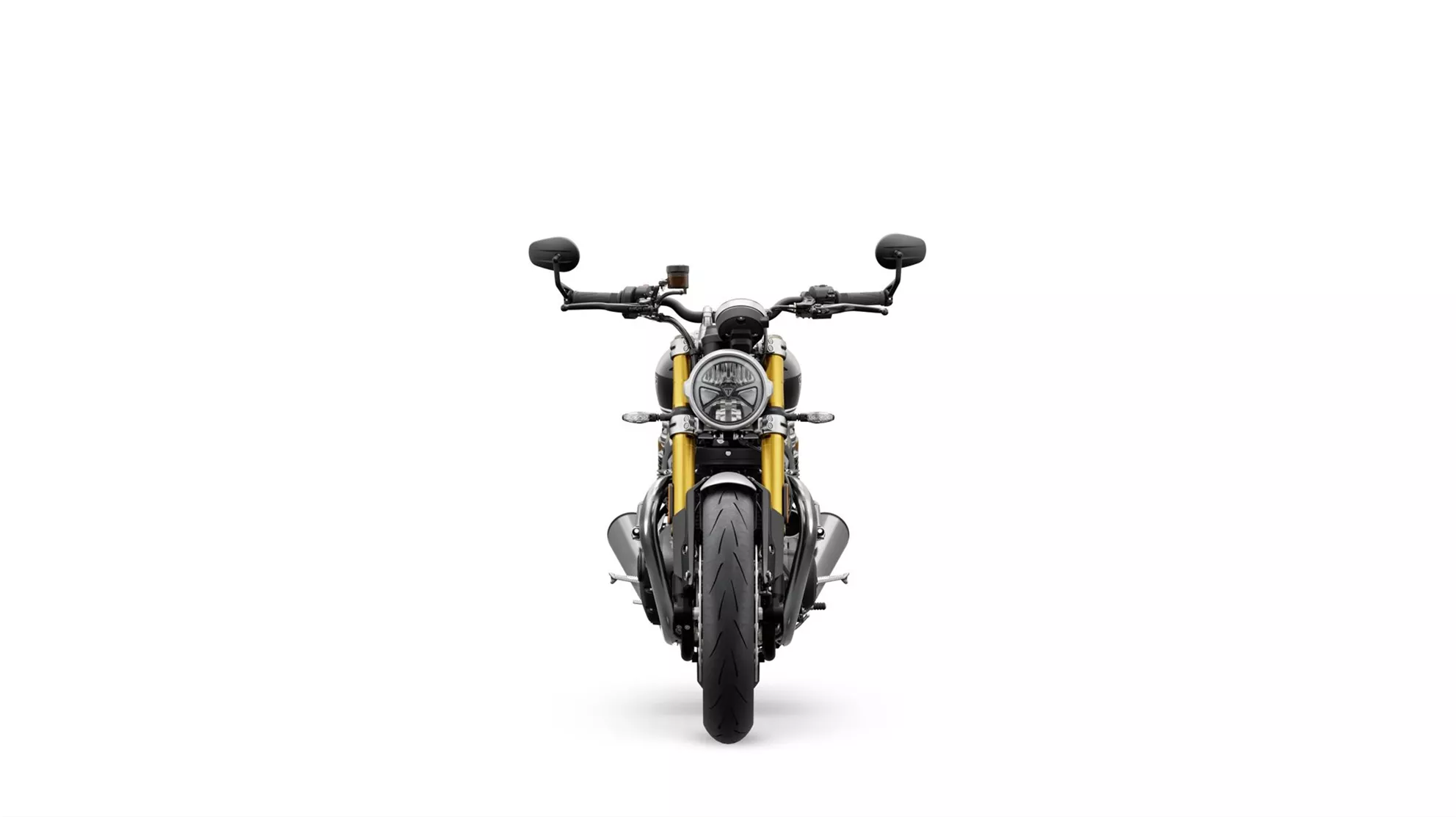
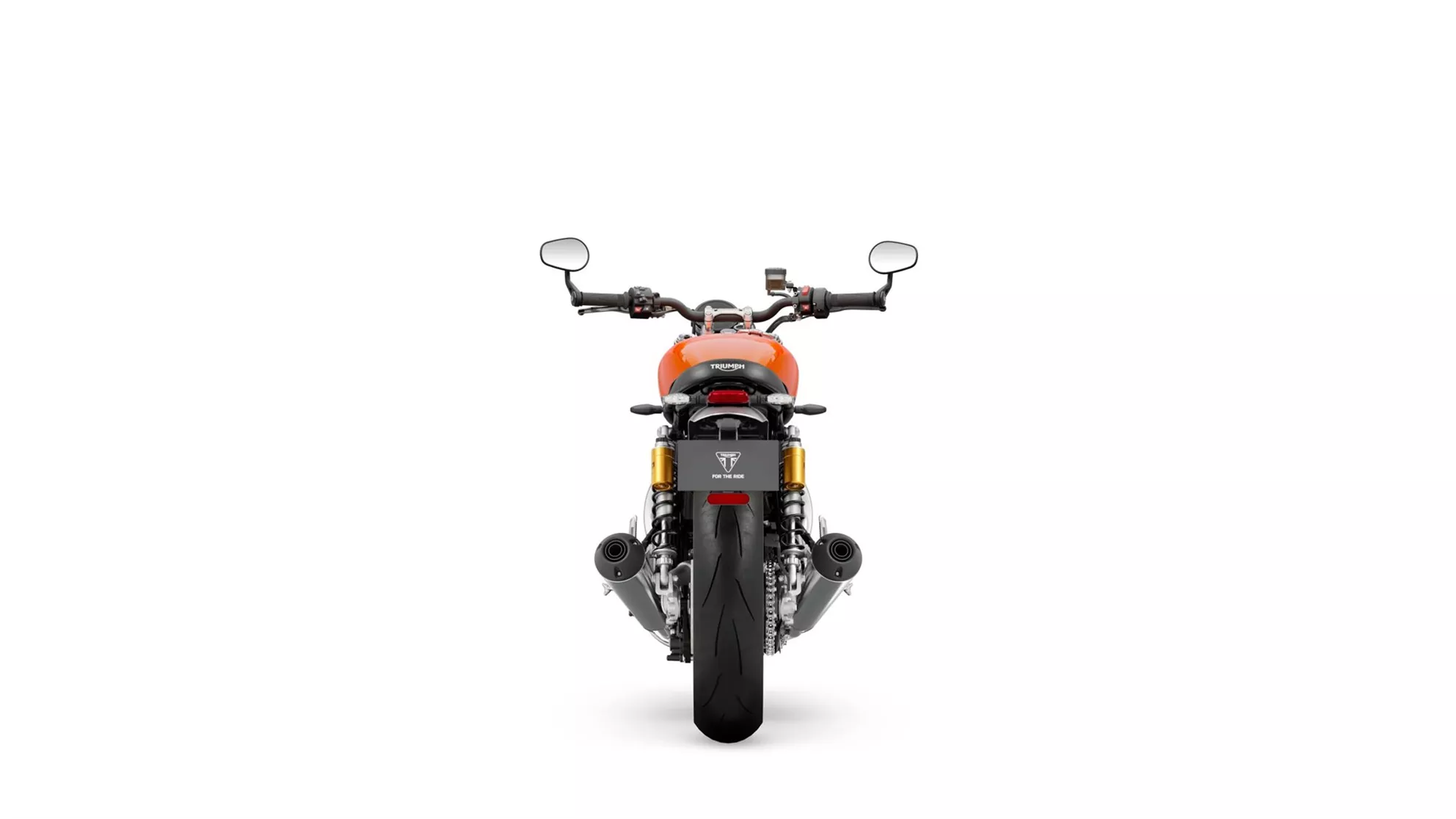
Visually, both bikes boast meticulously designed tanks (though, unfortunately, the gorgeous lines are just overlaid stickers!), highlighted paint jobs, and high-quality materials. Yet, there's a clear distinction: Triumph leans more towards metal, while BMW employs plastic in certain areas, like the heat shield, side covers, and front fender. Both bikes feature bar-end mirrors—an element more typical of modern motorcycle design. While not entirely period-correct, they suit these classics beautifully. Both motorcycles utilize modular design principles, sharing handlebar controls with more affordable mid-range bikes like the F 900 R and Trident 660, which might leave some expecting more.
Engine Comparison: BMW R12 S vs. Triumph Speed Twin 1200 RS – Boxer vs. Parallel Twin
The key differentiator between these two motorcycles lies in their engine characteristics. The Triumph Speed Twin 1200 RS features a 1200cc parallel-twin with a crank pin offset, delivering 105 horsepower and 112 Nm of torque. This engine impresses with its punchy low-end power and a very smooth throttle response. Thanks to a slightly higher redline, the current model packs five more horsepower than its predecessor, offering solid pull-off power and a broad, usable torque range right from the start. In "Sport" mode, the engine is particularly responsive, enhancing dynamic riding with its silky-smooth throttle response.
In contrast, the BMW R12 S uses its 1170cc boxer engine, producing 109 horsepower and 115 Nm of torque. The boxer delivers power more evenly, revs higher, and offers more reserves in the upper rev range compared to the Triumph. However, the throttle response in "Dynamic" mode is quite direct and can feel abrupt if not handled gently—"Road" mode is a better choice here. In urban environments, the BMW excels with its ability to deliver significant thrust even at low revs, allowing for lazy shifting.
Both models come standard with quickshifters for clutchless up and downshifting. The quickshifters perform satisfactorily but not at the refined level one might expect from the brands' multi-cylinder models—Triumph's triple and BMW's four-cylinder machines. Notably, the boxer transmits its characteristic sideways jolt to the vehicle when downshifting, which can unsettle the chassis.
Chassis and Handling: Triumph Speed Twin 1200 RS vs. BMW R12 S – Agility or Stability?
The suspension systems of both motorcycles are high-quality, but they are tuned with different priorities. The Triumph Speed Twin 1200 RS features a fully adjustable 43mm Marzocchi upside-down fork and Öhlins twin shocks. The combination of 120mm front and 123mm rear travel ensures a sporty, direct suspension setup with plenty of front-end feedback. In corners, the Triumph delivers highly precise feedback, encouraging a more active riding style.
The BMW R12 S also employs a fully adjustable upside-down fork with 120mm travel and an Öhlins central shock absorber, with preload adjustable via a handy handwheel. The BMW offers a more comfortable ride overall, as its suspension absorbs bumps better, but it requires more deliberate inputs on the nicely wide handlebars to lean into corners. The knee grip around the broad tank is effortless and notably easier than the narrow waist of the Triumph.
The "S" in the BMW's name sets an expectation of sportiness that the R12 S can only partially fulfill due to its limited lean angle. Conversely, the Triumph allows for lean angles that are better suited for the racetrack.
Despite similar power figures, there is a clear difference in handling dynamics. The Triumph is more agile, which is especially noticeable during quick directional changes. The BMW, on the other hand, remains more stable in corners and exhibits less tendency to stand up under braking, allowing for a smoother ride. Those seeking a more active, precise machine will gravitate towards the Triumph, while those who prefer comfort will find the BMW a better fit.
- How much does a Triumph Speed Twin 1200 RS cost?
- Here you will find an overview of the price level of new and used motorbikes!
Brakes: Triumph Speed Twin 1200 RS vs. BMW R12 S
The braking systems on both motorcycles are top-notch but differ in their characteristics. The Triumph Speed Twin 1200 RS is equipped with Brembo Stylema dual disc brakes, which are very sharp and have a direct response, tailored for sporty riding. The BMW R12 S also features a high-quality but slightly older Brembo M4.32 setup, which is less aggressive in its initial bite. However, it shines with better modulation and offers more stability when braking in a lean.
Ergonomics: Triumph Speed Twin 1200 RS vs. BMW R12 S – Sporty Aggression or Relaxed Confidence?
The Triumph Speed Twin 1200 RS and the BMW R12 S both offer sporty seating positions but differ significantly in terms of ergonomics and riding comfort. On the Triumph, the rider sits in a more compact, forward-leaning stance. The 810mm seat height, coupled with the narrow tank, provides plenty of freedom in the saddle, which is beneficial for both spirited cornering and comfort on longer rides. The Speed Twin's narrow waist and accessible seat height make it a good fit even for riders under 1.75 meters. The footpegs are relatively high and set back, underscoring the bike's sporty intent. For those who prefer a more active riding position and enjoy tackling tight corners with vigor, the Triumph feels refreshingly direct. However, the tight legroom might cause more strain on the knees during extended rides.
In comparison, the BMW R12 S offers a more relaxed ergonomic setup. Its seat height is slightly lower at 795mm, making it more accessible for shorter riders. The wide handlebars promote an upright seating posture and provide better leverage for slow maneuvers or city riding. The knee angle is less acute than on the Triumph, making the BMW more comfortable over long distances. At the same time, the seating position remains sporty enough to deliver precise feedback in curves. A minor downside is the design of the footpegs: they scrape relatively early, limiting lean angles in spirited cornering.
In summary, the Triumph Speed Twin 1200 RS offers sportier, more active ergonomics, while the BMW R12 S provides better long-distance comfort and a more relaxed posture. Riders seeking a particularly agile feel and who don't mind a slightly cramped seating position will be happier with the Triumph. However, those who frequently embark on longer journeys or want a more comfortable riding experience combined with the ability for sporty outings will find the BMW a better fit. If you're ready to spend a bit more, you can further customize your R 12 S in the BMW Configurator.
Comparison Verdict: Triumph Speed Twin 1200 RS vs. BMW R12 S
Both machines are technically refined and crafted to a high standard. The choice between Triumph and BMW largely depends on riding style. The Triumph Speed Twin 1200 RS appeals to sport-oriented riders who value direct feedback and agile handling. Its parallel twin delivers ample low-end torque but demands a more active riding style. The firm suspension and sharp brakes emphasize its dynamic nature. Additionally, it impresses with a strong price-performance ratio. On the other hand, the BMW R12 S caters to riders who appreciate comfort and classic boxer charm. Its composed engine allows for a more relaxed, gear-shy ride, the suspension is more comfortable over long distances, and the brakes offer softer modulation. However, BMW comes with a noticeable price premium, which may not be seen as justified by everyone. The Triumph Speed Twin 1200 RS is the better choice for sporty riders on a budget. In contrast, the BMW R12 S offers the boxer experience, confidence, and exclusive design at a significantly higher price.
Note: The following individual conclusions are taken from the respective vehicle tests.
- How much does a BMW R 12 S cost?
- Here you will find an overview of the price level of new and used motorbikes!
&width=60&height=60&bgcolor=rgba_39_42_44_0&mode=crop "Author: Poky")
Triumph Speed Twin 1200 RS 2025 - Experiences and Expert Review
Poky
With the new Speed Twin 1200 models, Triumph offers two exceptional machines that beautifully combine retro styling with modern technology. The powerful 1200cc parallel twin engine is now paired with state-of-the-art electronics, delivering a glorious sound. The elegantly equipped RS feels right at home on twisty roads. Its sporty ergonomics with an active riding position, precisely tuned firm suspension, and sharp Brembo brakes make it the perfect choice for ambitious riders. Despite its sporty setup, the ride comfort remains surprisingly good.
BMW R 12 S 2025 - Experiences and Expert Review
Poky
With the R 12 S, BMW has crafted a desirable top model in the R 12 series. A feel-good engine paired with high-quality components and stunning looks brings a smile to the rider's face. The special paint job takes you back to the era of BMW's first faired motorcycle, the legendary R 90 S. In terms of ride dynamics, the BMW is thoroughly modern thanks to various features. Those who interpret the S as a sign of exceptional sportiness might be disappointed due to limited lean angles. However, everyone else will be truly delighted with the visual feast that is the R 12 S, provided their wallet is sufficiently stocked.
More from 1000PS Magazine
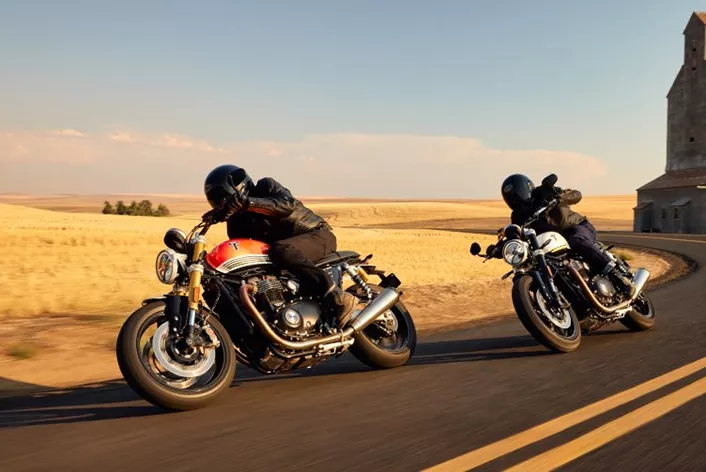
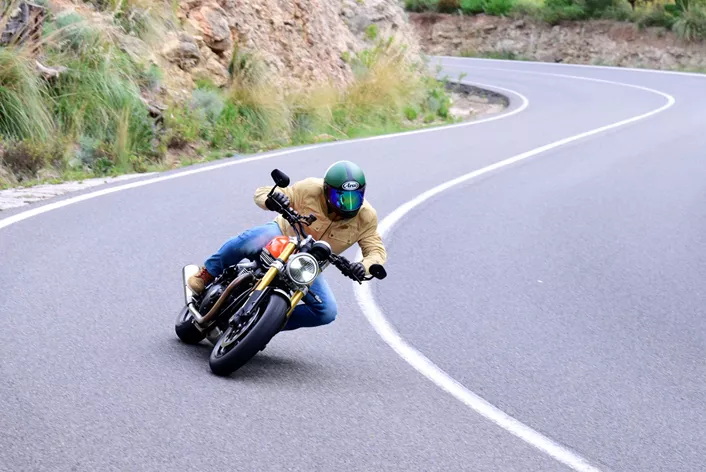
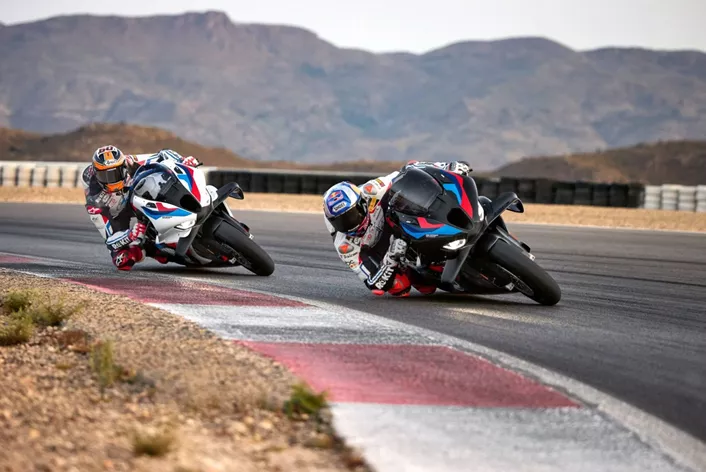
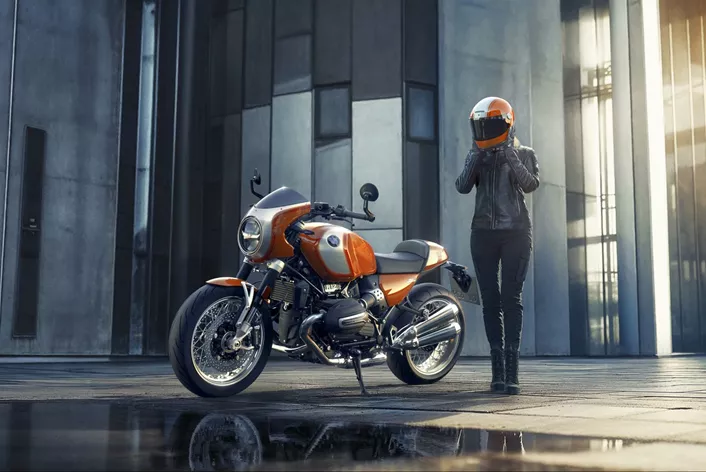
Triumph Speed Twin 1200 RS vs. BMW R12 S Head-to-Head Comparison Test Images
Source: 1000PS

Triumph Speed Twin 1200 RS vs. BMW R 12 S - Which modern retro bike takes the crown?

The Triumph Speed Twin 1200 RS and the BMW R12 S are two bikes that blend classic aesthetics with modern tech.

Intense comparison test of dream retro bikes in Spain.

While the Triumph Speed Twin 1200 RS is available for €16,195 in Germany (€18,695 in Austria),

You need to be ready to shell out at least €22,495 for the BMW R12 S in Germany (€25,890 in Austria)

These two bikes are not just means of transport; they're true design statements. They blend classic lines with premium materials and modern touches.

While the BMW R 12 S in the Daytona Edition exclusively features the classic two-tone paint scheme "Lava Orange Metallic,"

The Triumph is available not only in the subtle color variant "Sapphire Black" but also in the eye-catching "Baja Orange."

The latter adorns our test bike, making both shine in a showdown against the sunset along the Spanish coast.

Both machines feature stunningly detailed tanks (sadly, the gorgeous striping in both cases is just overlaid stickers!), eye-catching paint jobs, and top-notch materials.

But here’s a clear distinction: Triumph is doubling down on metal,

while BMW uses plastic in some areas, including the heat shield, side covers, and front fender.

Bar-end mirrors are featured on both bikes; while this look is more modern in motorcycle design and not entirely period-correct, it suits these classics beautifully.

Both bikes utilize a modular design, featuring identical components in the handlebars that are shared with mid-range machines (F 900 R and Trident 660), costing less than half of the high-end retros – you’d expect more here.

The key distinguishing feature of these two bikes is their engine characteristics. The Triumph Speed Twin 1200 RS is powered by a 1200 cc parallel twin with a crankshaft offset, delivering 105 hp and 112 Nm of torque.

This engine delivers a strong punch from low revs with a very smooth throttle response.

The machine now delivers five more horsepower than its predecessor, thanks to a slightly higher max revs, while offering solid torque right off the line and a wide usable powerband.

Especially in sport mode, the engine responds directly to the throttle, enhancing a dynamic riding experience. The throttle response is silky smooth.

In contrast, the BMW R12 S harnesses its 1170 cc boxer engine, delivering 109 hp and 115 Nm of torque.

The boxer delivers power more smoothly, revs higher, and especially in the upper RPM range, offers even more reserves than the Triumph.

Throttle response in Dynamic mode is quite direct and can feel rough if not handled delicately; the Road mode is the better choice here.

Both models come standard with quickshifters for clutchless up- and downshifts. The quickshifters perform well, but they don’t quite hit the refined level found in multi-cylinder - Triumph 3, BMW 4 - bikes from their respective brands.

The Triumph Speed Twin 1200 RS features fully adjustable 43mm upside-down forks from Marzocchi and Öhlins twin shock absorbers. With 120mm of front travel and 123mm at the rear, it delivers a sporty and direct chassis setup, providing solid pressure at the front wheel.

Especially in corners, the Triumph provides precise feedback and encourages the rider to adopt a more active riding style.

The BMW R12 S features a fully adjustable upside-down fork with 120 mm of travel and an Öhlins central shock absorber, whose preload can be easily adjusted with a handy knob.

The BMW offers a more comfortable ride overall, as its suspension absorbs bumps better. However, it requires more deliberate inputs on the pleasantly wide handlebars to lean into corners. The knee grip on the broad tank is effortless and significantly easier than on the slim Triumph waist.

The 'S' in BMW's name sets high expectations for the sportiness of the R12 S, which it can only meet to a certain extent due to its limited lean angle. In contrast, the Triumph allows for angles that are better experienced on the racetrack.

A clear distinction emerges despite similar performance specs in the riding dynamics. The Triumph is more agile, especially noticeable during quick direction changes. The BMW remains more stable in corners and has less tendency to stand up under braking, resulting in a smoother ride. If you're after a more active, precise machine, go for the Triumph. If comfort is your priority, the BMW is the better choice.

Both bikes feature high-performance braking systems, but they have distinct characteristics. The Triumph Speed Twin 1200 RS comes equipped with Brembo Stylema dual disc brakes that deliver sharp bite and direct response. They're clearly tuned for sporty riding and offer excellent modulation.

The BMW R12 S features a high-quality, albeit slightly older Brembo M4.32 brake system, which responds less aggressively.

It scores with improved modulation and offers more stability when braking in a lean.

The Triumph Speed Twin 1200 RS and the BMW R12 S both offer a sporty riding position, but they differ significantly in ergonomics and ride comfort.

On the Triumph, the rider adopts a more compact, forward-leaning stance. The 810 mm seat height combined with the narrow tank allows for plenty of freedom of movement in the saddle, which positively impacts both spirited cornering and longer rides.

The Speed Twin shines with its slim midsection, allowing riders under 5'9" to have a secure footing.

The footpegs are positioned relatively high and far back, emphasizing the bike's sporty character.

For riders who prefer a more aggressive riding position and tackle tight corners with confidence, the Triumph feels refreshingly direct.

However, the tight legroom can put extra stress on the knees during longer rides.

In comparison, the BMW R12 S stands out with its more relaxed ergonomics.

The seat height is slightly lower at 795 mm, making it easily accessible for shorter riders.

The wide handlebars provide a more upright riding position and better leverage during slow maneuvers or city traffic.

The knee angle is less acute than on the Triumph, making the BMW more comfortable for long rides.

The riding position remains sporty enough to provide precise feedback in corners. A minor downside is the footpeg design: they touch down fairly early, limiting lean angle in spirited turns.

In summary, the Triumph Speed Twin 1200 RS offers a sportier, more aggressive riding position.

while the BMW R12 S offers a more comfortable long-distance capability and a more relaxed riding position.

Riders looking for a particularly agile feel and who don't mind a slightly more compact riding position will be happier with the Triumph.

If you're hitting the road for longer rides or want a more comfortable experience with a sporty twist, the BMW is the way to go.

Both machines are technically refined and well-crafted.

Choosing between Triumph and BMW heavily depends on your riding style.

The Triumph Speed Twin 1200 RS is the bike for sport-oriented riders who appreciate a direct ride feel and agile handling.

The parallel twin delivers plenty of torque from the get-go, but calls for a more engaged riding style.

The taut suspension and sharp brakes highlight its dynamic character.

It also impresses with a strong price-performance ratio.

The BMW R12 S is the ride for enthusiasts who appreciate comfort and classic boxer charm.

The confident engine allows for a laid-back riding style, the suspension offers more comfort on longer rides, and the brakes can be modulated smoothly.

However, BMW asks for a noticeable premium that not everyone will justify.

The Triumph Speed Twin 1200 RS is the smart pick for sporty riders on a budget.

The BMW R12 S delivers that iconic boxer feel, unmatched confidence, and exclusive design at a significantly higher price point.